Universidad Panamericana officially launched the Hydroadaptive Cities Center, an academic and research initiative dedicated to developing innovative solutions to Mexico’s water crisis while promoting more resilient and sustainable urban environments.
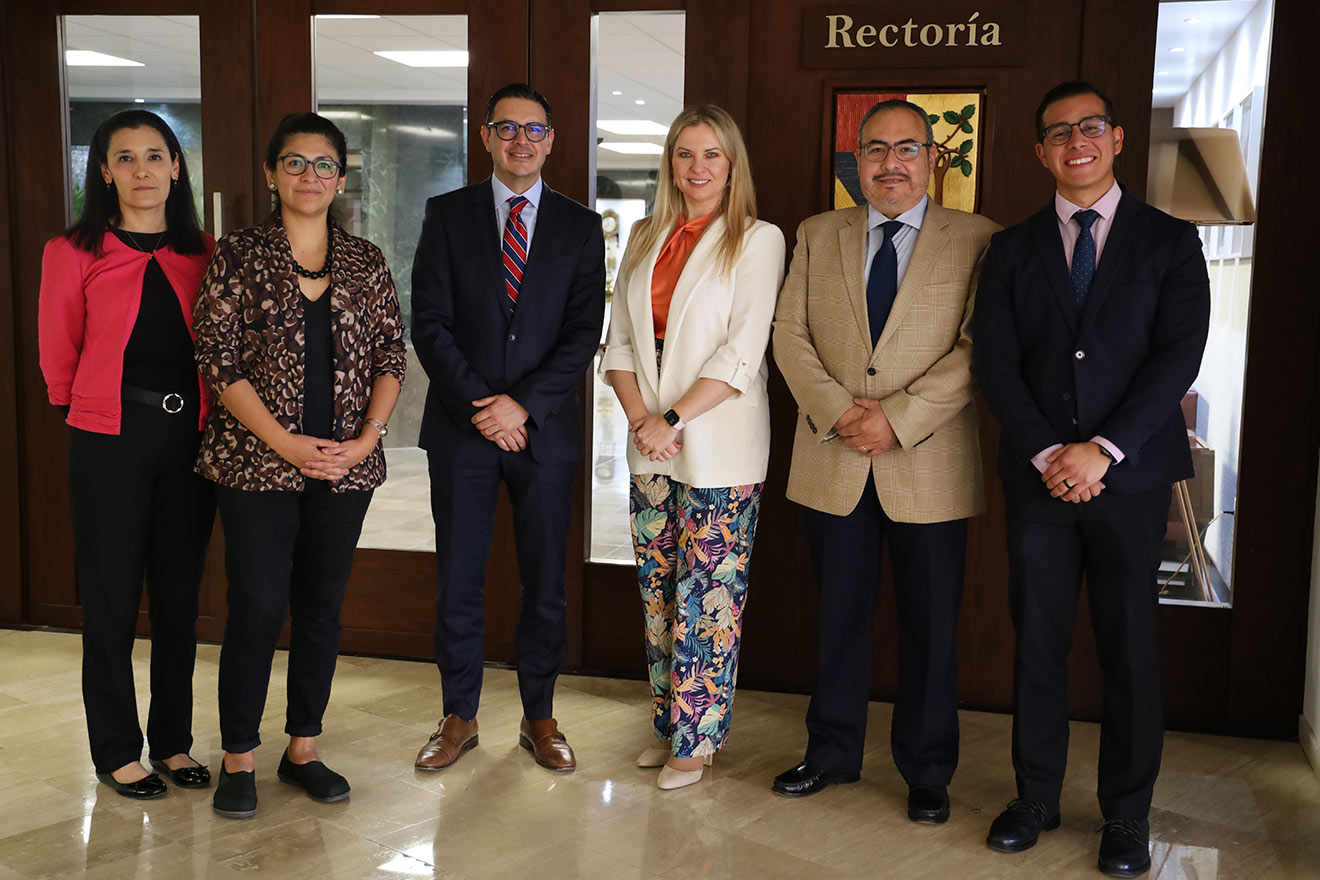
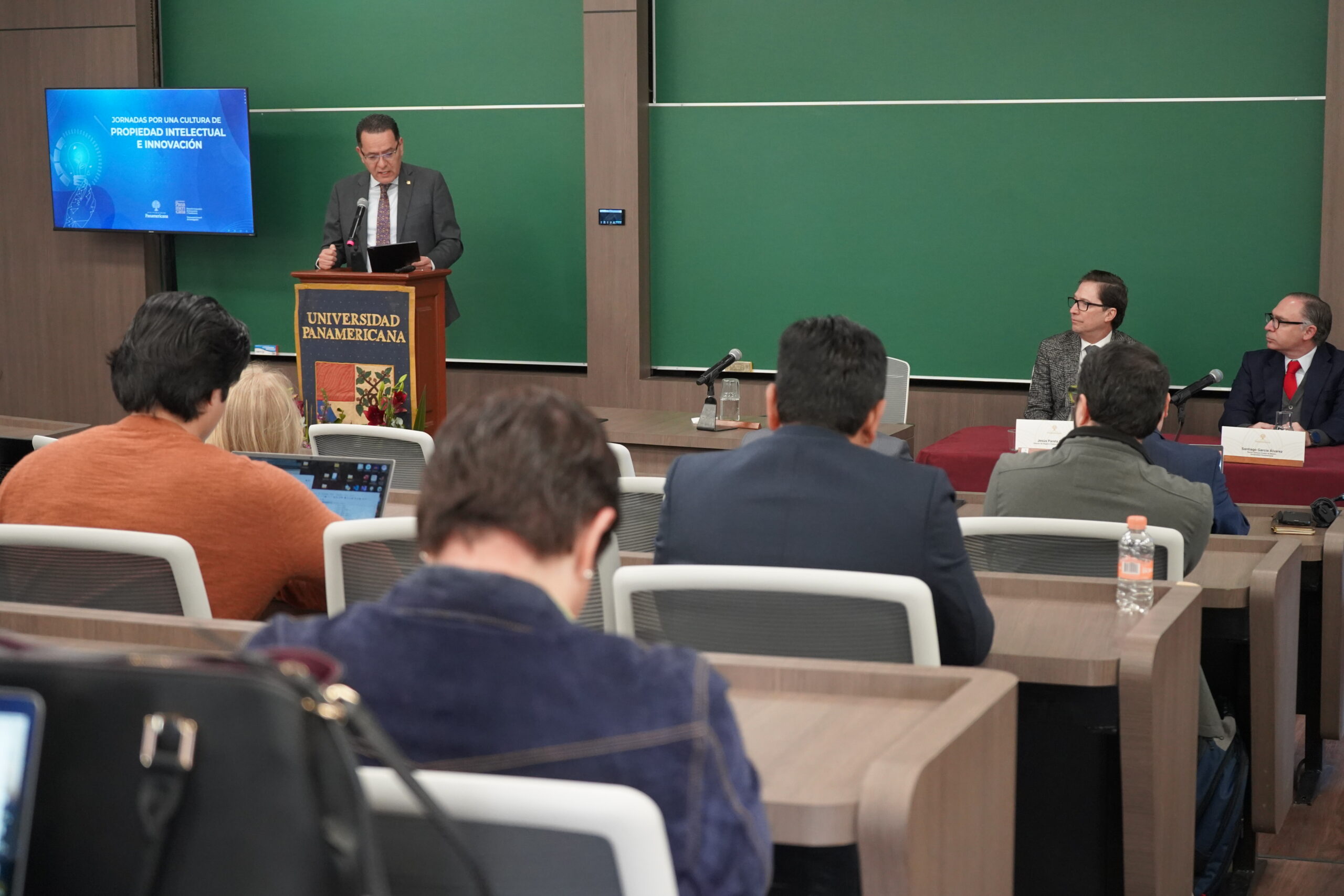
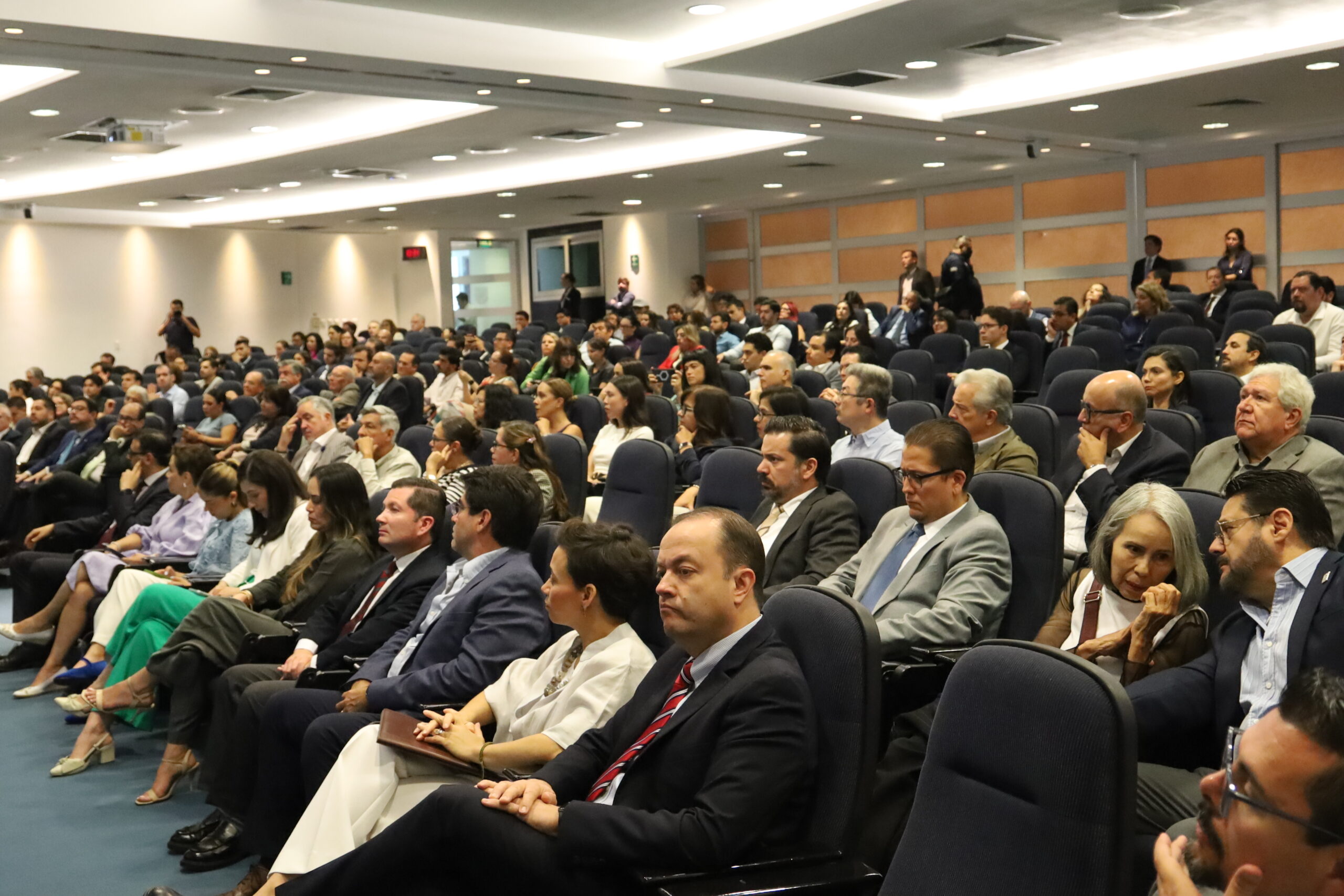
During the inauguration ceremony at the Guadalajara campus, university leaders, subject-matter experts, and representatives from the public sector emphasized the urgent need to transform water management through applied research, innovation, and cross-sector collaboration.
Advancing Water Resilience Research
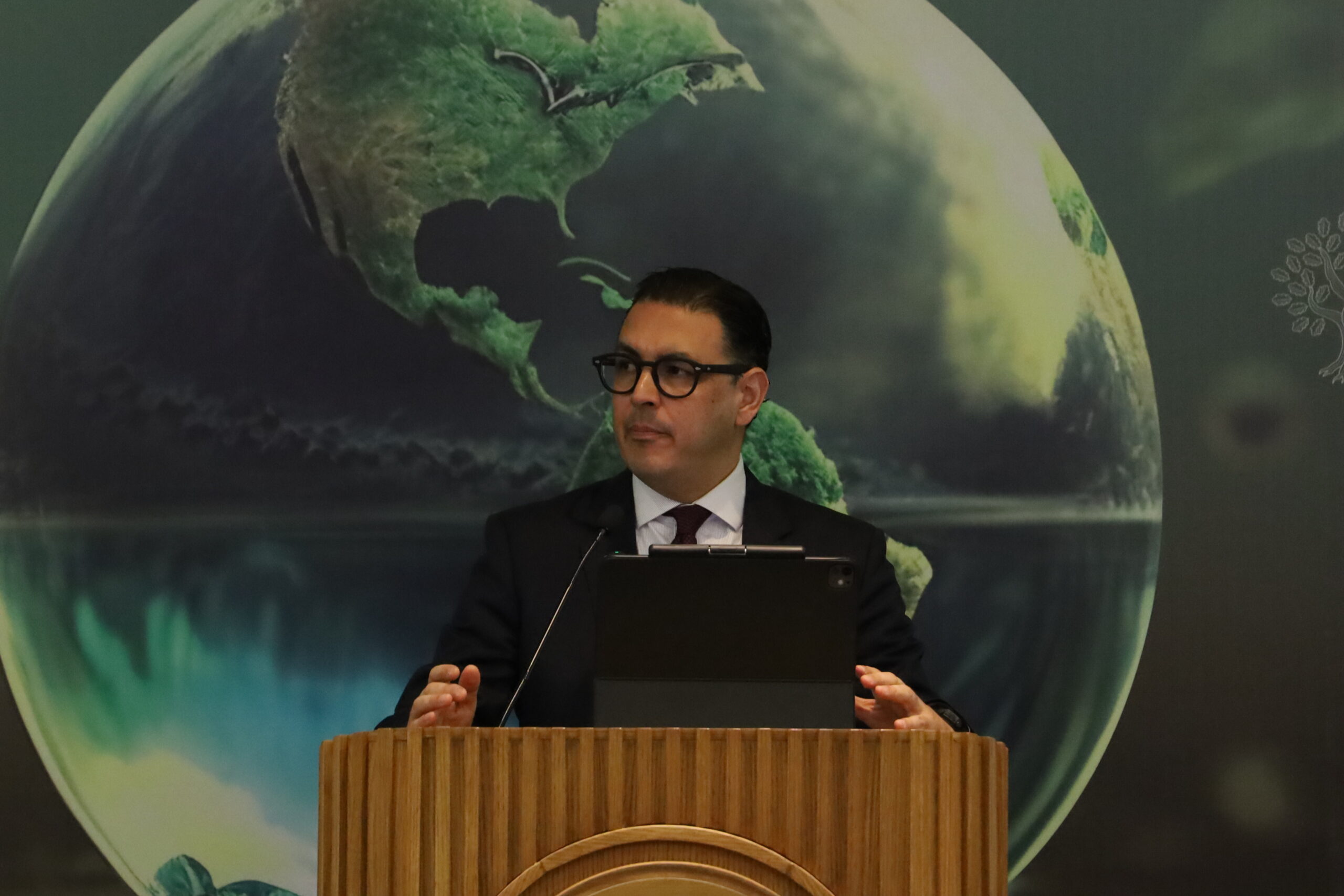
Dr. Abraham Mendoza Andrade, Chancellor of Universidad Panamericana’s Guadalajara campus, underscored the responsibility of universities to play an active role in addressing today’s environmental and social challenges.
“We are not here to be spectators of climate change—we are here to be architects of resilience.”
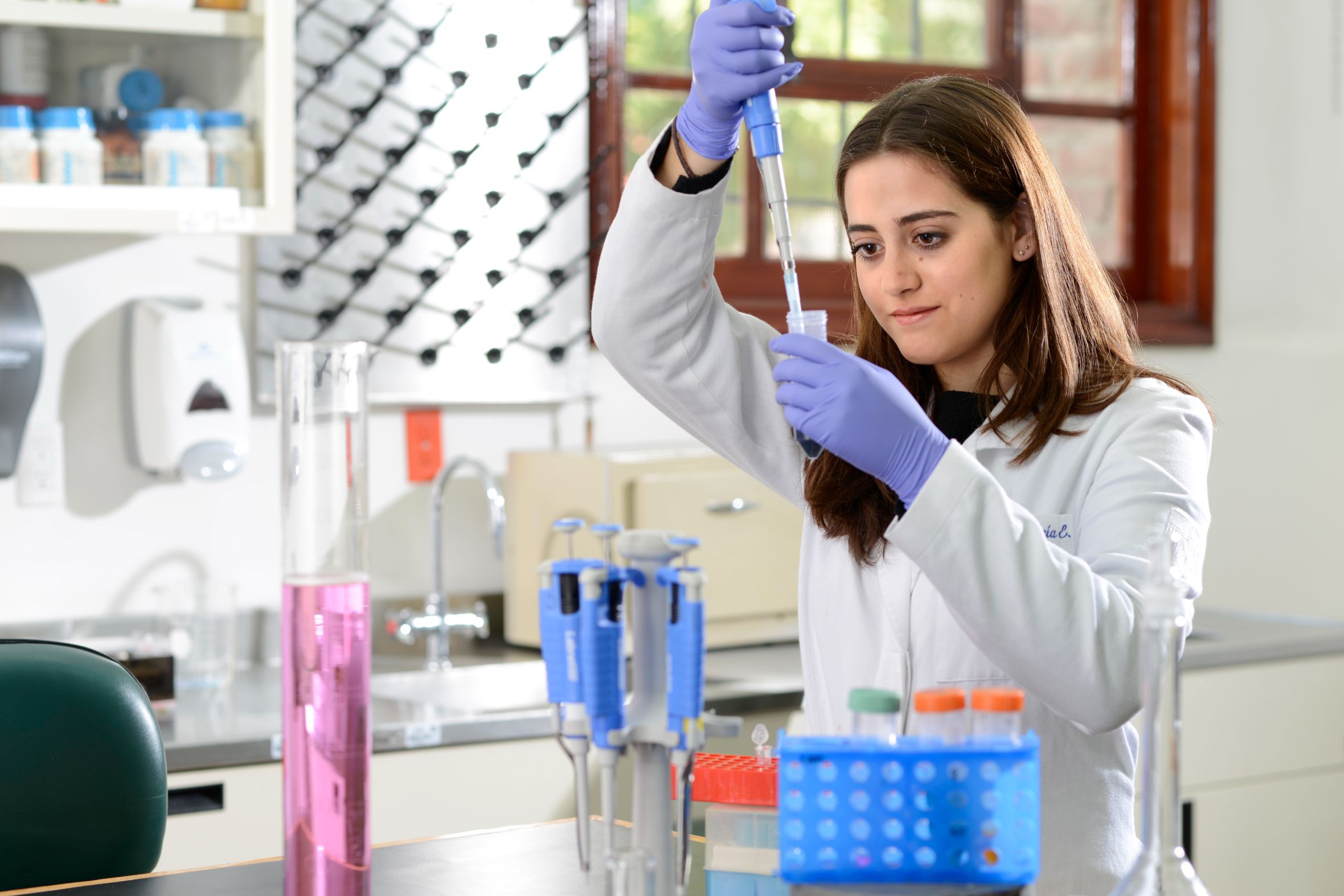
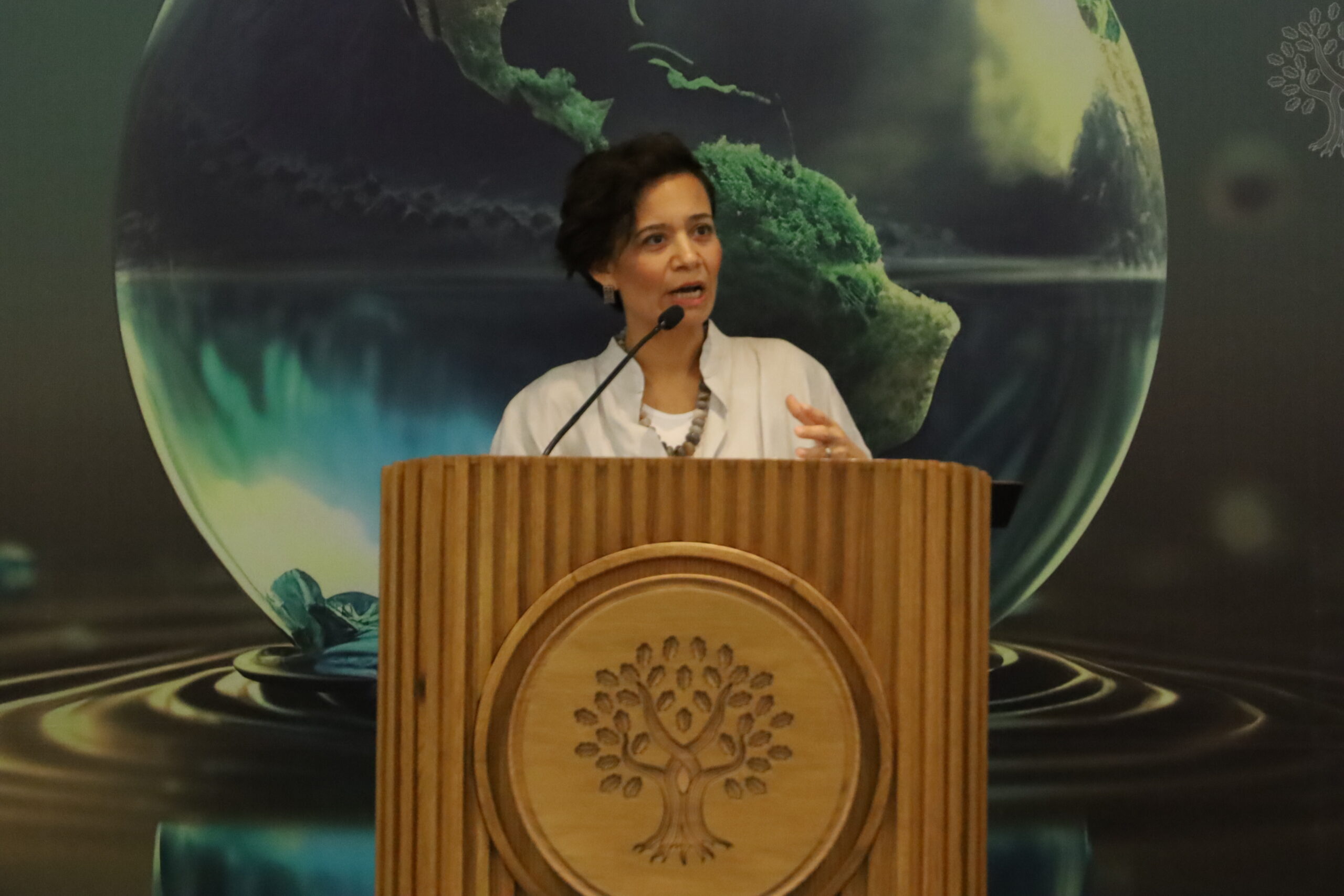
The new center aims to generate knowledge and develop practical solutions to address critical issues such as water scarcity, pollution, and urban flooding. Dr. Daniela Salgado Gutiérrez, Director of Research, stressed that science must serve as the indispensable foundation for responding effectively to water-related crises and avoiding improvised solutions.
Research Priorities of the Hydroadaptive Cities Center
The Center’s primary research areas include:
- Institutional factors that improve the performance of water utilities and service providers.
- Nature-based solutions for sustainable urban water management.
- Technologies for smart cities and effective water awareness and education programs.
Together, these initiatives aim to strengthen cities’ capacity to adapt to climate change and increasing water stress.
What Are Hydroadaptive Cities?
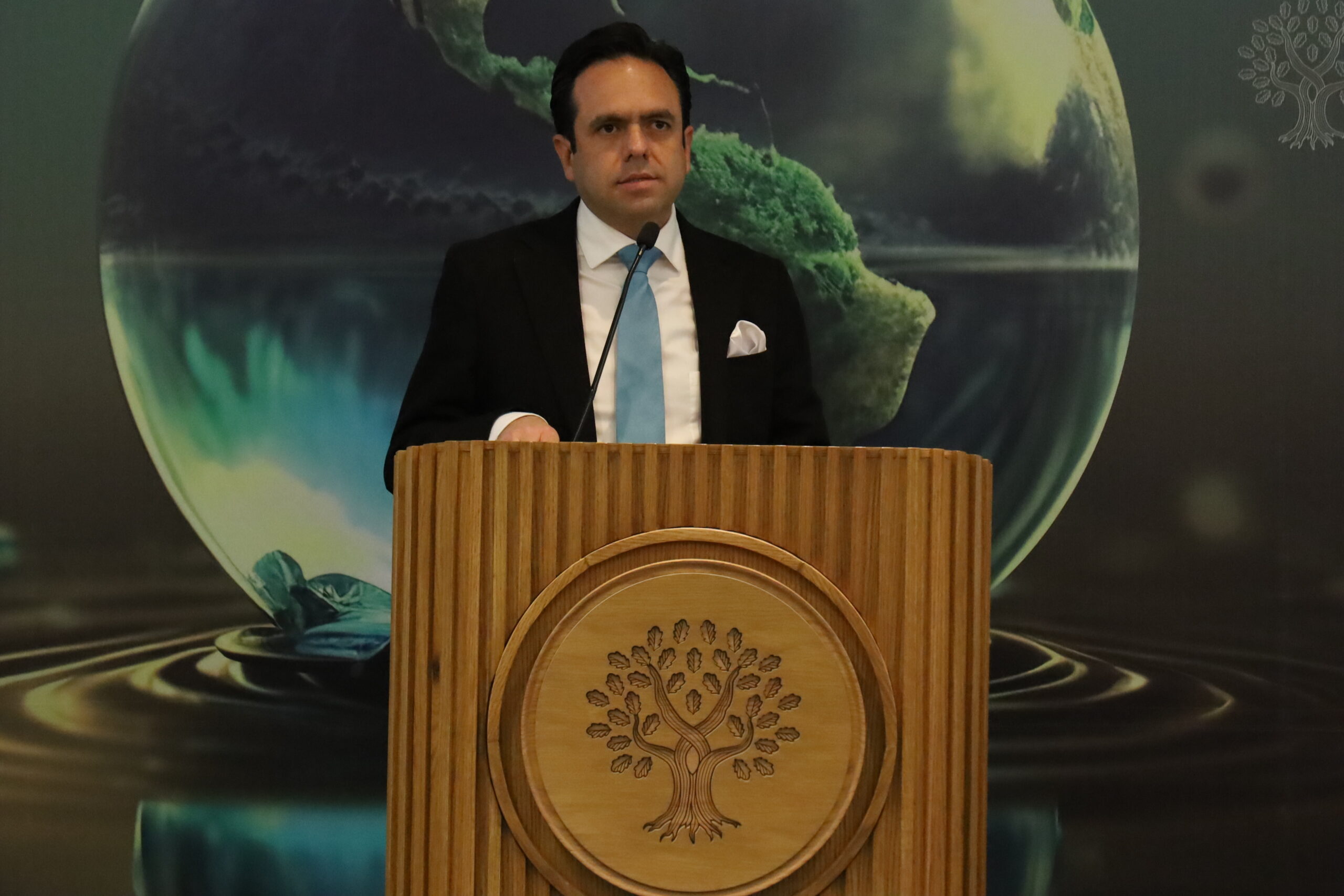
Dr. Hugo Briseño Ramírez, Director of the Hydroadaptive Cities Center, said that the concept of hydroadaptation advocates designing cities that adapt to the natural water cycle rather than attempting to alter or degrade it.
According to Dr. Briseño, hydroadaptive cities are designed to respond to risks such as:
- Water scarcity
- Water pollution
- Urban flooding
The goal is to create cities capable of capturing, retaining, and valuing water as a strategic resource for sustainable development.
The Center will also collaborate with leading national and international researchers specializing in sustainability, urban planning, and water resource management.
A Commitment to Society and the Future
As part of the inauguration, attendees were given a preview of the documentary When Water Goes Silent, which explores the impacts of drought, water pollution, and channelized rivers in Jalisco and other regions of Mexico.
Dr. Fernanda Llergo Bay, President of the Universidad Panamericana–IPADE University System, reaffirmed the University’s commitment to addressing society’s most pressing environmental and social challenges through impactful research.
“The truth tells us that the time to act on water is now.”
The event concluded with the panel discussion Hydroadaptive Cities: The Master Plan for Surviving Tomorrow, featuring distinguished national and international experts, including Guadalupe Peñúñuri, recognized for her work on water solutions in Hermosillo, Sonora; Dr. Yu Chen from the University of Toronto; and Mario López Pérez of the Jalisco State Water Commission. Together, they discussed strategies for addressing the global water crisis and building more resilient cities.