Manufacturing has undergone a profound transformation. Previously, it was common to find factories producing a single model or product at full speed—until 2020 arrived and changed everything. The pandemic exposed trends that had already been brewing and were merely awaiting a catalyst: the US–China trade war, the USMCA, and geopolitical tensions that reshaped supply and demand. The pandemic demonstrated that production chains were far more fragile than they appeared. In Latin America alone, exports fell by 13%, according to the Economic Commission for Latin America and the Caribbean (ECLAC).
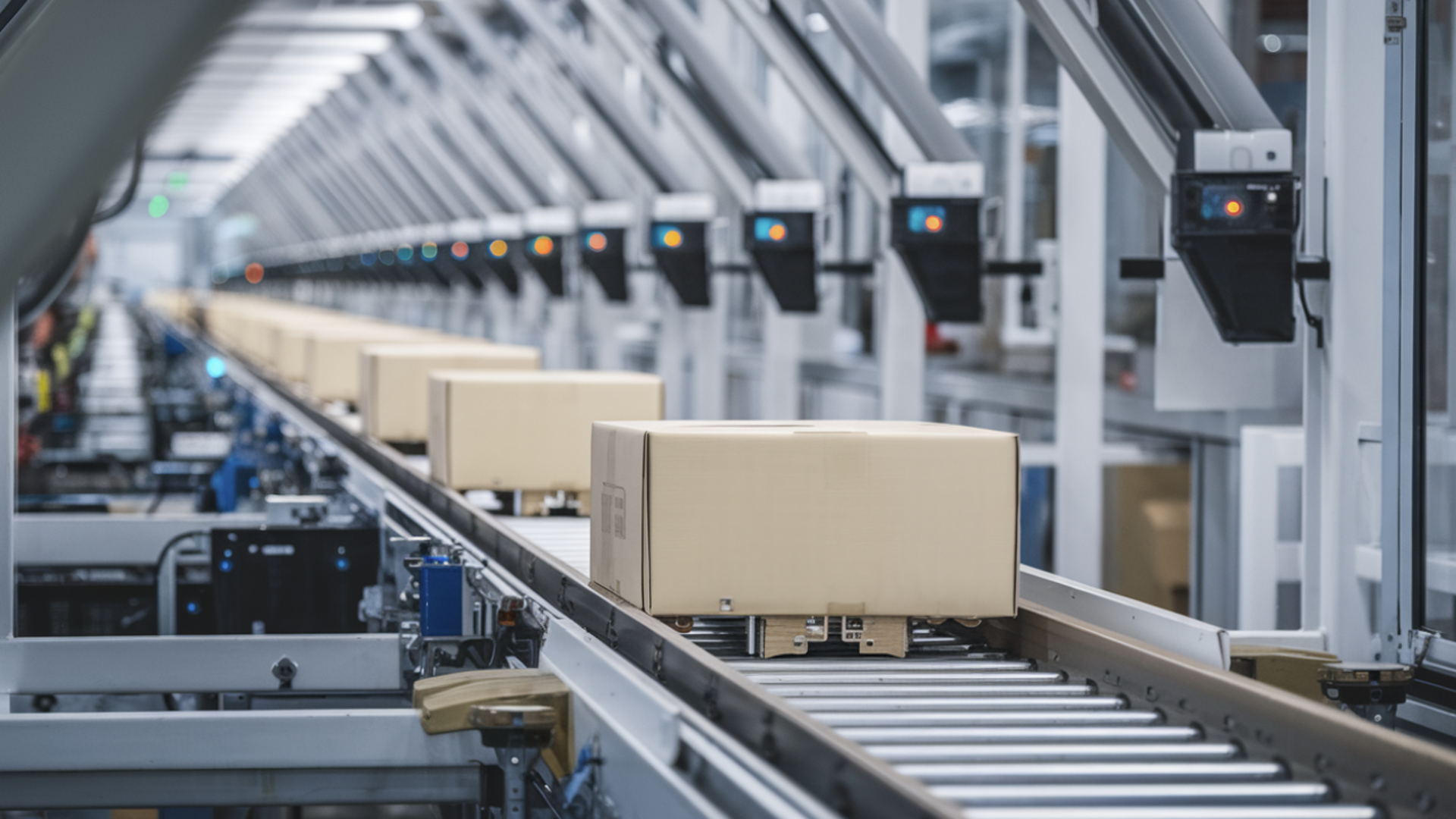
All of this triggered a collateral effect: numerous factories had to reconvert on the fly. Enterprises redesigned their production lines to cope with shortages of raw materials or disparate product demands, exposing the vulnerabilities of the “just-in-time” model perfected over decades. Mexican companies shifted toward a “just-in-case” rationale. And it is fair to say that the companies that survived were not the most efficient ones, but those capable of reconfiguring themselves the fastest.
Consequently, today we must ask ourselves: should we build for what we know, or should we build for what we do not yet know will happen? Rigid, mass production bets on certainty regarding the future; conversely, a flexible factory embraces uncertainty as a permanent condition of business. One might say that a traditional factory is like a train—it travels fast, but on a fixed track—whereas flexible manufacturing is like a fleet of cars capable of charting new routes.
Yet, is investing in flexible manufacturing viable within the Mexican context? The accurate answer is: it depends. We must avoid the fallacy of directly equating automation and robotics with flexible manufacturing. Before analyzing how to implement changes that enable adaptability, we must thoroughly understand our plant and possess reliable data to establish our current baseline. Many companies do not even know the exact unit cost of their product; that lack of internal intelligence renders data-driven decision-making impossible.
Once we truly understand our factory, we face a new challenge: the initial capital outlay. Contrary to conventional wisdom, however, the greatest barrier is talent. For a factory to be flexible, it requires not only machines and production lines that can be reconfigured; people must also adapt, acquiring the knowledge and skills necessary to navigate those shifts—that is the true challenge. Globally, 58% of organizations report a shortage of internal talent for these technologies. Worse still, when focusing exclusively on specialized experts, that figure climbs to 92% of firms reporting an inability to find qualified talent. Therefore, the real bottleneck is not technological—it is operational.
Companies must not rely merely on available personnel, but on developed talent. They need proactive training strategies that empower employees to acquire new competencies. Accordingly, workforce training should not be treated as a short-term tactical fix; it must serve as the strategic infrastructure guiding the enterprise.
Given the above, flexible manufacturing rests on two foundational pillars: knowing your enterprise as thoroughly as possible and having the right people to enable that flexibility. Yet, is the effort and investment worthwhile? The answer is a resounding yes. The current environment demands it: artificial intelligence and flexible technologies stand as key enablers for reducing downtime and enhancing product customization, thereby opening new markets and expanding profit margins.
Effort is measured not by the machinery purchased, but by the certainty that the factory will know how to respond when the market changes its mind. In Mexico, competition is no longer won by whoever produces the fastest, but by whoever adapts first. Flexibility is no longer a competitive advantage—it is the price of admission.

Dr. Leonardo Jesús Valdivia Parga
Guadalajara Campus Liaison and Flexible Manufacturing Cell Leader at the Center for Innovation and Technological Development of Universidad Panamericana.