

Admission test
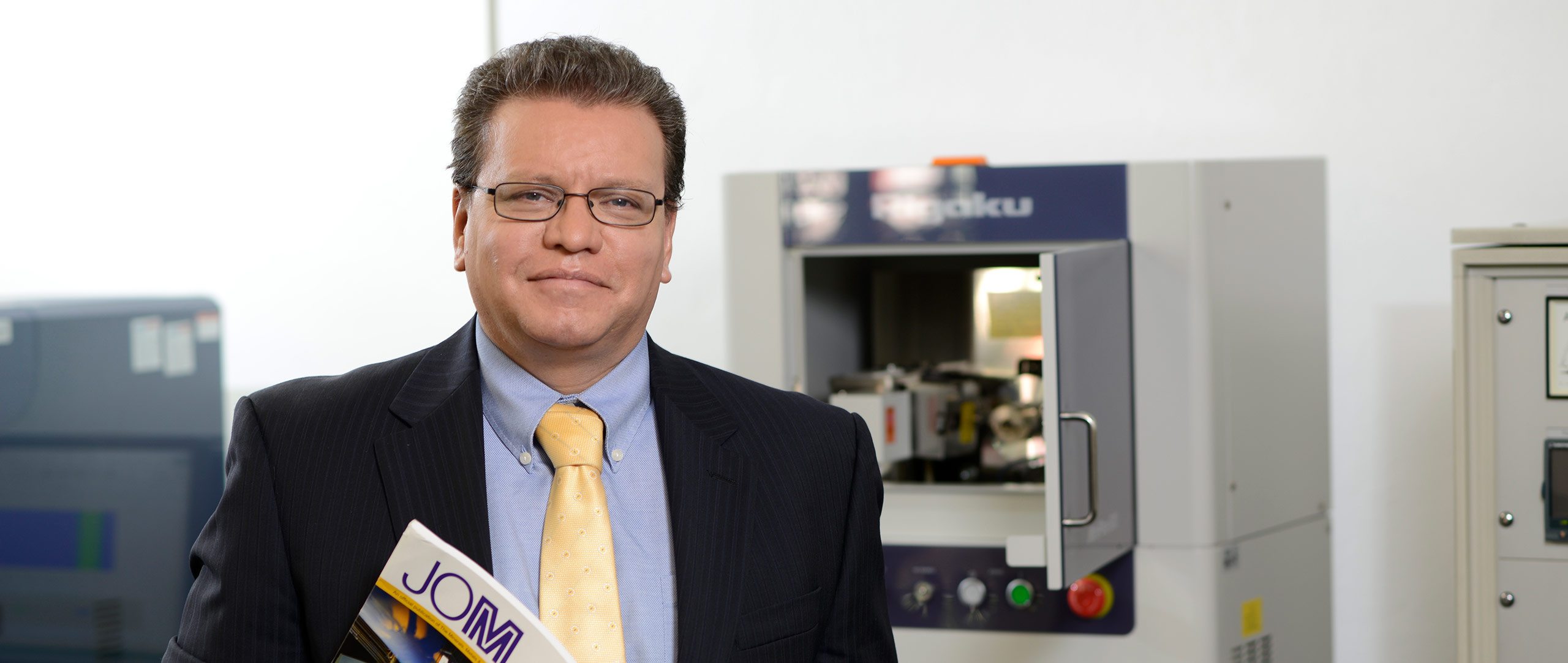
Energy and Smart Systems Engineering
The Energy and Smart Systems Engineering programtrains engineers todesign and optimize sustainable energy solutions by combining renewableenergy sources—such as solar, wind, and biomass—with a solid foundation in civil infrastructure.
A key differentiator issmart systems—which include automation, control, embedded systems, the Internet of Things (IoT), and artificial intelligence—applied to the monitoring and management of energy projects.
In addition, courses instructural engineering, hydraulics, and constructionenable graduates to apply their knowledge to the civil engineering projects required by the energy sector on a daily basis.
Key differentiators:
Business Partnerships With leading companies such as Siemens, Veolia, Cooper Standard, Mercedes-Benz, Semtech, Iberdrola, and Enel, for internships, projects, and employability.
Highly qualified faculty
Doctors and researchers specializing in energy and electronics.
Practical School Regular visits to companies, professional service, and real-world projects as part of the training.
Focus on Simulation and Specialization
Courses designed to equip graduates with digital tools that meet the demands of today's energy industry.
Campuses Offering the Bachelor's Degree in Energy and Smart Systems Engineering
- Aguascalientes
Admission Profile
- If you're interested in how energy works, want to learn how to create sustainable solutions, and are drawn to technology, this degree program is for you.
You'll need a passion for math, physics, and computer science, as well as a curiosity about innovation and environmental stewardship. We also value creativity, the ability to work in a team, and the initiative to solve real-world problems. - We are looking for students whoare curious about sustainability, eager to learn through hands-on experience, and enjoy working as part of a team. Ideally, you should demonstrate initiative, creativity, and a responsible attitude toward the challenges of today’s world, especially regardingenergy and practical solutions.
Graduate Profile
Upon completing the program, you will be anengineer capable of designing, improving, and implementing sustainable energy systemsin various fields:
- You will work with renewable energy sources such as solar, wind, hydroelectric, and biomass.
- You'll learn how to integratesmart systems(automation, IoT, artificial intelligence, and control) to make energy use more efficient.
- You'll be able to apply your knowledge tocivil engineering and the constructionof energy projects, such as solar power plants or smart grids.
- You will usesimulation and digital modelingtools to innovate in the design and operation of projects.
- You will receive a well-rounded education that emphasizes leadership, ethics, and social responsibility, enabling you to make decisions that have a positive impact on society.
Labor field
As a graduate, you will be able to work in:
- National and international energy generation and distribution companies (including Iberdrola, Enel, Siemens, and Veolia, among others).
- Construction and infrastructure companies that develop energy projects.
- Consulting services inenergy efficiency and sustainability.
- Technology industries that use automation systems and artificial intelligence.
- Government agencies and research centers that promote the energy transition and environmental protection.
In addition, you’ll have the foundation you need to launch your own projects and provide innovative solutions to the energy challenges of the future.
First Semester
- Programming
- Chemistry
- Introduction to Energy Engineering and Smart Systems
- Algebra
- Differential Calculus
- Physics
- Western Thought Roots
Second Semester
- Leadership and Effective Communication
- Measurement and Instrumentation
- Linear Algebra
- Integral Calculus
- Statics
- Philosophical Anthropology
Third semester
- Engineering Drawing
- Electricity and Magnetism
- Thermodynamics
- Differential Equations
- Calculus of Several Variables
- Dynamics
- Ethics
Fourth semester
- Electric Circuits I
- Wind Energy
- Solar Thermal Energy
- Applied Thermodynamics
- Advanced Mathematics
- Probability and Statistics
- Introduction to Christianity
Fifth semester
- Elective I
- Digital Circuits I
- Photovoltaic Solar Energy
- Biofuels and Alternative Fuels
- Fundamentals of Hydraulics
- Theological Anthropology
Sixth semester
- Elective II
- Fundamentals of BIM
- Dynamics of Physical Systems
- Embedded Systems
- Energy Storage
- Environmental Engineering
- Social and Political Philosophy
Seventh semester
- Elective III
- BIM Model Creation
- Control Systems
- Integration of Monitoring and Control Systems
- Terminal I Project
- Ventilation and Air Conditioning Systems
- Selected Topics in Contemporary Culture
Eighth semester
- Elective IV
- Electronics in Power
- Smart Electrical Systems
- Management and Feasibility of Energy Projects
- Electricity Markets
- Terminal II Project
- Professional Ethics
International Exchanges
Germany: Trier University of Applied Sciences, Nürtingen-Geislingen University
Austria: University of Applied Sciences Wiener Neustdat
Canada: University of Regina
Spain: Universidad de Nebrija, Universidad Politécnica de Madrid
France: L'Ecole Superieure Des Technologies Industrielles Avancees
Japan: Teikyo University, Tokyo; Shibaura Institute of Technology, Tokyo
Saudi Arabia: King Abdullah University of Science and Technology, Thuwal
Brazil: Veiga de Almeida University
United Arab Emirates: Khalifa University, Abu Dhabi
United States: Wayne State University, Detroit; California State University, Fresno, CA; University of Illinois; University of New Orleans
Italy: Politecnico di Milano
Taiwan: Chaoyang University of Technology
In order to offer our students a global vision for the generation of ideas, we have agreements with more than 100 universities around the world for semester exchanges.
Forms of Qualification
- Graduate Credits, 4+1 modality.
- 4 years of study plus 1 year of Specialization