
Admission test
Bachelor's Degree in Gastronomic Business Management
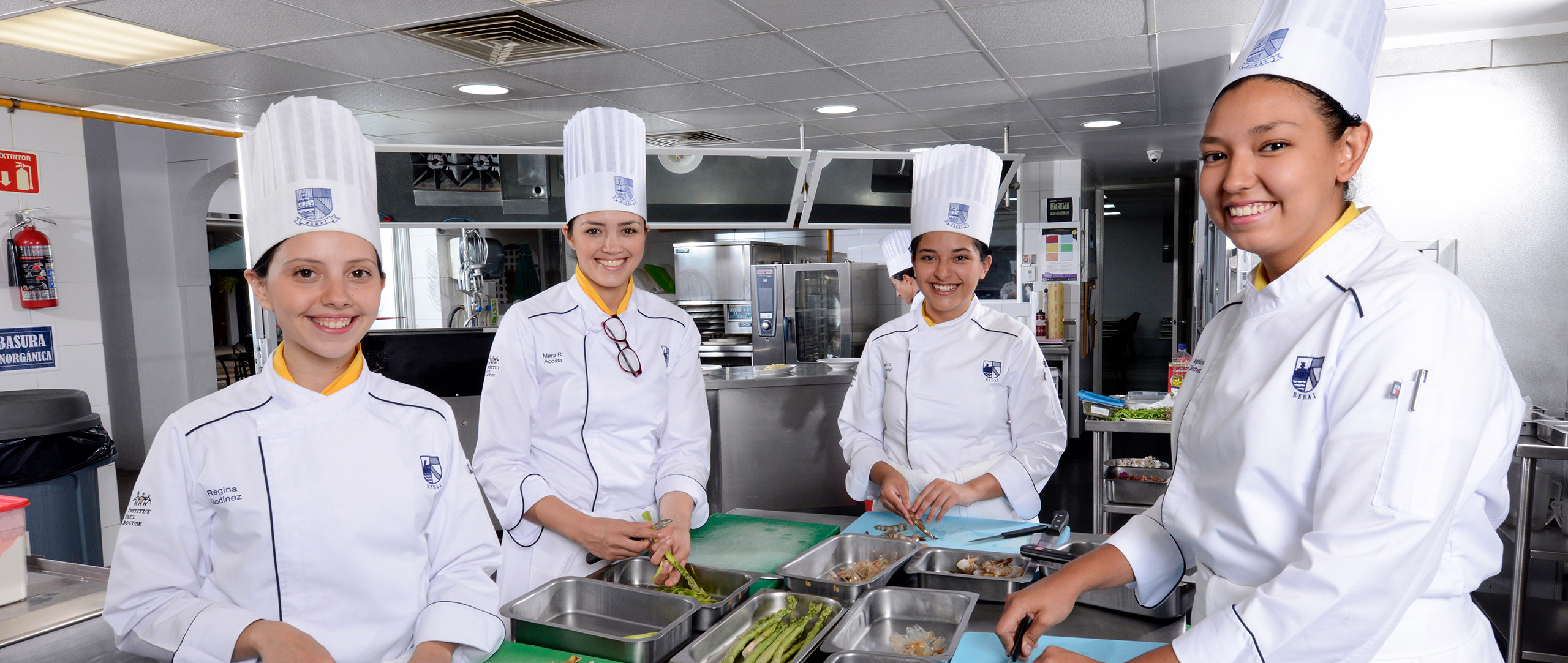
The Bachelor's Degree in Gastronomic Business Management aims to train professionals in the food sector who master the relationship between science and gastronomy.
The undergraduate curriculum, unique in Mexico, is divided into 3 fundamental areas:
- Culinary arts: the culinary techniques and culture of the most important cuisines of the world.
- Food technology: food science and production processes.
- Gastronomic business: administrative part, entrepreneurship and management of a business.
All students are required to complete one summer and one semester of internships in companies in the food and beverage industry.
We have state-of-the-art facilities, laboratories and semi-industrial work equipment for food production and we provide our students with the highest quality inputs for the improvement, analysis and/or generation of new food products.
Thanks to international summers, internships and exchanges in other countries, our students have the opportunity to study and learn from international experts.
Main Certifications
CIEES
Bachelor's Degree in Communication
- Mexico City
- Guadalajara
- Aguascalientes
RVOE
20101199 dated 07-Dec-10
Admission Profile
UP's Bachelor's Degree in Gastronomic Business Management is for you if you identify with the following:
- Interest in food development and innovation
- Taste for culinary art
- Entrepreneurship skills
- Creativity and interest in research
- Language proficiency
Graduate Profile
As a DNG graduate you will have the knowledge, skills and attitudes to:
- To develop research projects for the creation and improvement of food products and gastronomic techniques.
- To work with theoretical, methodological and sustainable professional solidity, which will allow you to influence the food industry.
- Use the acquired skills to run your own business and offer efficient services in the food and beverage industry.
- Assume positions of responsibility in food companies, in the fields of administration and operation.
- To find innovative solutions in food development, production, handling, storage, processing, marketing and commercialization.
- Implement new consumer trends for the development of food products.
First Semester
- Introduction to Nutrition
- Food Chemistry
- Culinary Processes I
- Baking
- Food History
- Gastronomic Business Administration
- History of Culture
Second Semester
- Food Properties
- Microbiology and Food Safety
- Probability and food statistics
- Culinary Processes II
- Advanced Baking
- Accounting
- Person and society
Summer (second semester)
- European Gastronomy I
Third semester
- Food Preservation
- Quality Management Systems
- Viticulture
- Chocolate and Confectionery
- Market Research
- Operation of Bars and Restaurants
- Costs
- Ethics
Fourth semester
- Fermentation Technology
- Baking Technology
- Sensory analysis
- Mixology
- Tasting and pairing
- European Gastronomy II
- Salon Service and Customer Service
- Theological Anthropology I
Summer, fourth semester
- Professional Internships I
Fifth semester
- Food Process Engineering
- Health and Nutrition
- Food Sustainability
- Mexican Gastronomy
- Gastronomic Marketing
- Finance
- Theological Anthropology II
Sixth semester
- Meat and Fish Technology
- Dairy Technology
- Contemporary Mexican Cuisine
- Oriental Gastronomy
- Event Management and Organization
- Investment Projects
- Auditing in Business Management
- Social Philosophy
- Man and the Contemporary World
Seventh semester
- Professional Internship II
Eighth semester
- Gastronomic Architecture
- Food Development and Innovation
- Gastronomic Creativity and Innovation
- Innovation Project Management
- Entrepreneur Seminar
- Management Seminar
- Professional Ethics
International Exchanges
Europe: Arts, Barcelona; Blue Myth, Mykonos; BUBO, Barcelona; De Koekoekshof, Netherlands; Eme Be, San Sebastian; Four Seasons, Florence; Ixo Group, San Sebastian; La Osteria Francescana, Modena; Martin Berasategui, San Sebastian; Reposteria Oriol Balaguer, Barcelona;
North America: Disney, Orlando Cosme, New York
Culinary Arts Academy, Switzerland
Université de Moncton, Canada.
Universidad de la Sabana, Colombia.
Istanbul Aydin University, Turkey.
Double degree option with the Culinary Arts Academy (Switzerland), which is part of the César Ritz Colleges.
Asia: Intercontinental Beach Club, Doha; MGallery Hotel, Doha; Raffles Fairmont, Doha; The Tokyo Toranomon Edition;
South America: Central, Lima Mishiguene, Buenos Aires Maido, Lima D.O.M., Sao Paulo
Cologne Business School, Germany.
University of Regina, Canada
Shanghai Normal University, China.
University of Salamanca, Spain.
Haaga Helia, Finland.
Forms of Qualification
- Degree by Thesis
- Graduation by Ceneval Examination
- Graduate Degree
- Qualification by Business Project
- Academic Achievement Degree
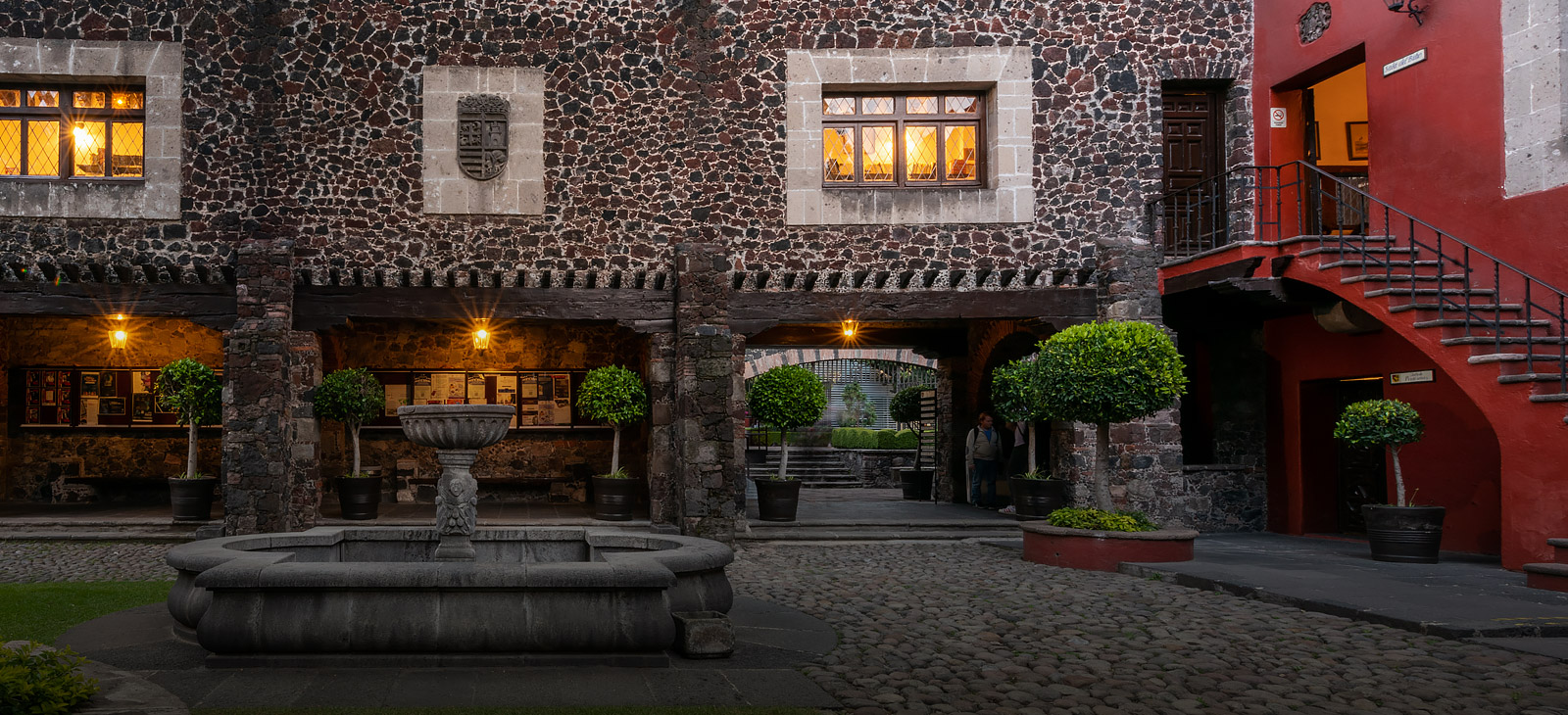
“Studying DNG opened my eyes to the world of the culinary industry. I developed skills and competencies for my professional training. The business-oriented approach, combined with the culinary arts and food chemistry, allowed me to experiment in my field and bring new ideas to the market.”
Olga Ortega, class of 2016, Aguascalientes campus.