Mexico City, May 6, 2025.- In a global context where digital transformation is critical to competitiveness, Dr. Román Rodríguez Aguilar, Full Professor (Level C) at the Faculty of Business at Universidad Panamericana, Mexico City campus, is leading a groundbreaking frontier research project focused on the application of Digital Twins in supply chains.
What is a Digital Twin?
As explained by Dr. Rodríguez Aguilar, a Digital Twin is an identical virtual replica of a physical object or system, created through the integration of technologies such as the Internet of Things (IoT), artificial intelligence, Big Data, and cloud computing. This tool enables real-time monitoring, analysis, and simulation of the behavior of its physical counterpart, allowing for process optimization and failure prediction before issues arise.

“The Digital Twin not only replicates, but also predicts and optimizes. It functions like a virtual laboratory where we can test scenarios without real-world risks,” emphasizes the researcher.
Applications and Benefits of Digital Twins
Digital Twins have wide-ranging applications—from manufacturing and healthcare to the energy and aerospace sectors. However, Dr. Rodríguez Aguilar’s research focuses specifically on supply chains, a critical area that has faced significant disruptions in recent years, such as during the COVID-19 pandemic.
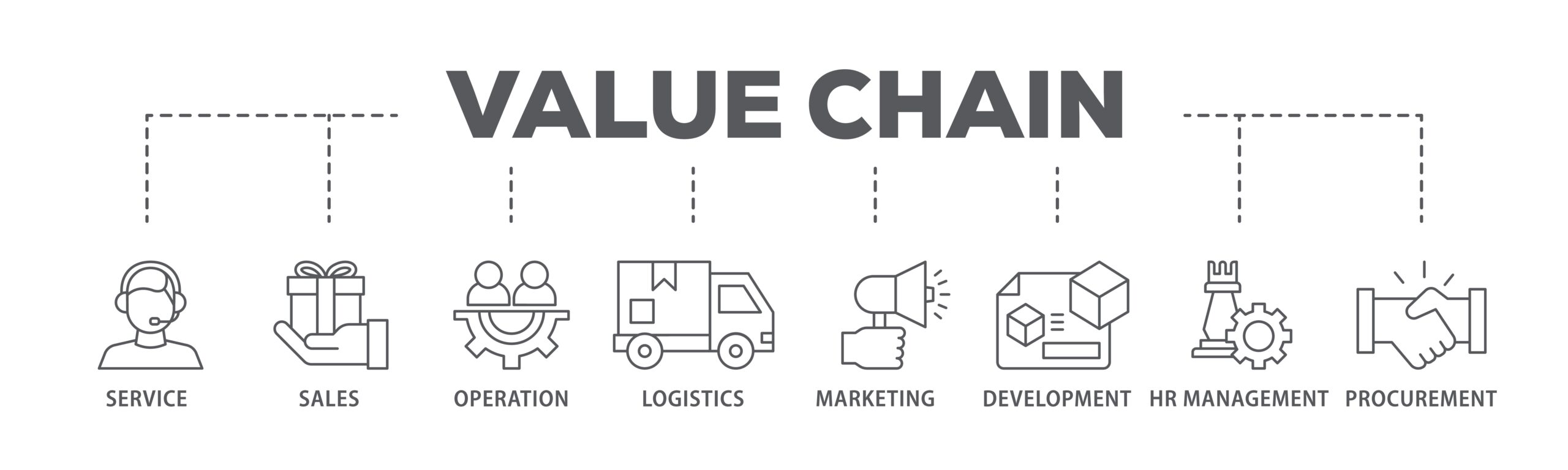
Some of the issues this research aims to address include:
- Low resilience to disruptive events.
- Inefficient resource management within organizations.
- Lag in digital transformation, particularly in developing countries.
“A supply chain supported by a Digital Twin is more agile, predictive, efficient, and crisis-adaptive,” he asserts.
Practical Cases: From Warehousing to Efficiency
The researcher illustrates the real-world impact of this technology with a specific case: a warehouse where a conveyor belt fails unexpectedly. With IoT sensors and a Digital Twin, the system can monitor equipment in real time, detect anomalies (e.g., overheating), and schedule predictive maintenance—avoiding costly downtimes.

“Simulation allows for the evaluation of solutions before implementation, reducing downtime and costs,” he highlights.
Academic and Organizational Advantages
For Universidad Panamericana, this project not only places the institution at the forefront of technological innovation but also enriches student education. “Our students will learn to integrate disruptive technologies and work across disciplines—skills that are essential in the era of Industry 4.0,” says Dr. Rodríguez Aguilar.
Organizations that integrate Digital Twins into their operations can:
- Improve the design of products and processes.
- Monitor and identify risks.
- Make data-driven decisions.
- Strengthen resilience and generate both economic and social value.

A Message to the UP Community
Finally, the researcher shares a message with the university community: “Digital transformation is not optional—it is the future. We must align technology, processes, and human talent to remain globally competitive.”
Dr. Román Rodríguez Aguilar’s work with Digital Twins represents not only a technical advancement but a step toward more resilient supply chains and better-prepared societies to face the challenges of the 21st century.

Learn more about our researchers’ projects at: https://www.up.edu.mx/investigacion-noticias/