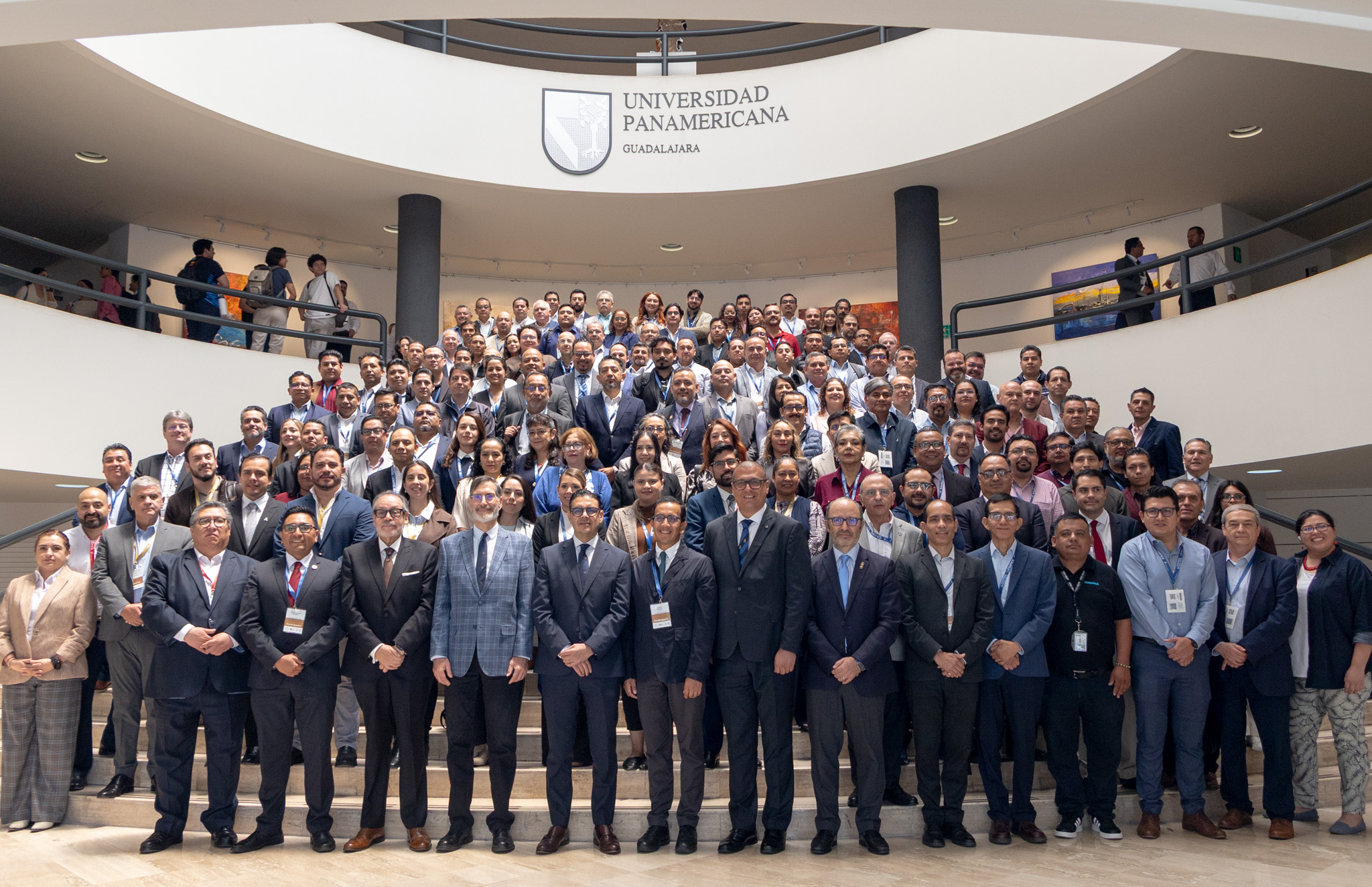
Zapopan, Jalisco, September 9.— With the aim of analyzing the impact of new technologies on higher education, the 25th Congress of the Executive Committee on Digital Transformation Technologies of the Federation of Mexican Private Institutions of Higher Education (FIMPES) opened on September 7 at the Guadalajara campus of theUniversidad Panamericana .
During the ceremony, university presidents and officials agreed that technology has evolved from being a peripheral tool to becoming a strategic and deeply human pillar within educational institutions.
The Humanist Call
During the opening ceremony, Dr. Abraham Mendoza Andrade, rector of the Guadalajara campus of the National Autonomous University of Guadalajara ( Universidad Panamericana ), noted that, 25 years after the first conference, technologies that once represented innovation are now part of the day-to-day operations of educational institutions.
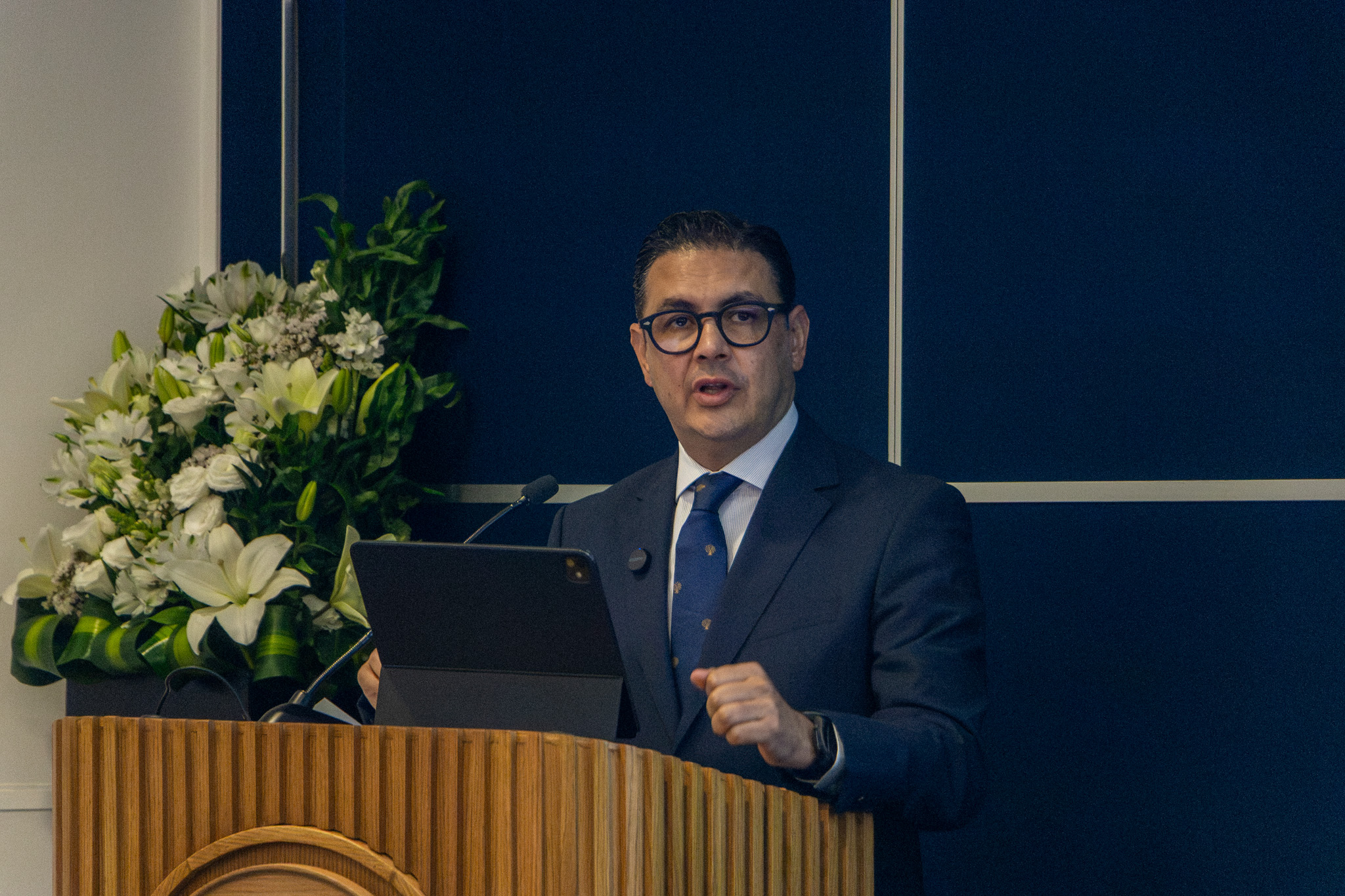
In light of the rise of artificial intelligence, the university president posed a fundamental question: “What does learning really mean when an answer can be obtained in a matter of seconds?”. In this regard, he emphasized that the mission of universities goes far beyond simply conveying information:
“A university education requires teaching students to distinguish between a true answer and one that is merely credible,”said the dean of the Guadalajara campus of the Universidad Panamericana.
He also urged those present to define the limits of automation: “If technology can already handle a large part of our tasks, we must now determine which responsibilities we can delegate to it and which ones belong strictly to human judgment and ethics.”
For Dr. Abraham Mendoza Andrade, true digital transformation is not merely about replacing documents with platforms or automating processes, but about fostering a cultural evolution within the institutions themselves.
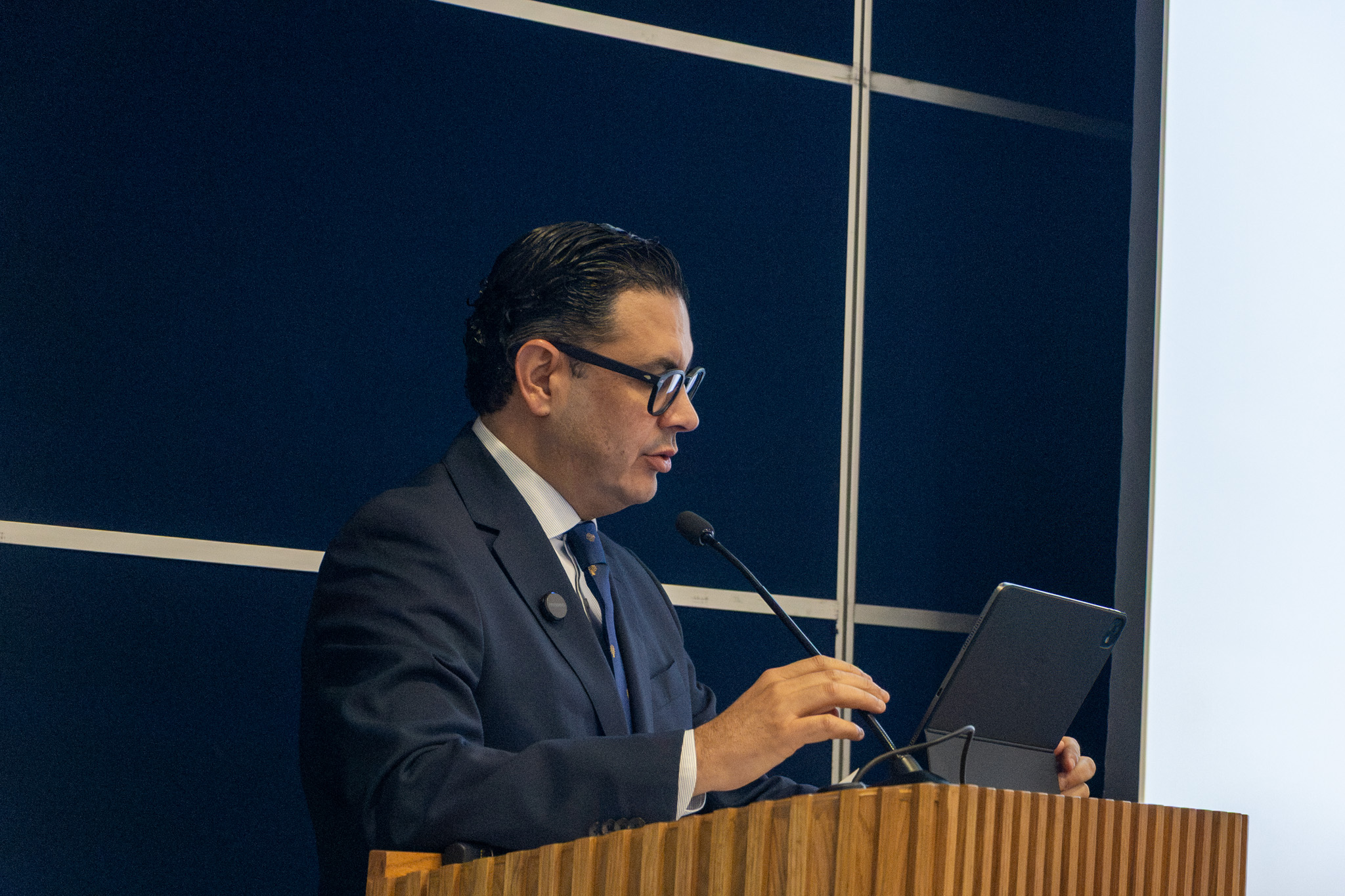
“Digitalization, it is true, changes tools and processes, but true transformation helps the culture of the institutions themselves to evolve.”
Finally, he referred to the encyclical Magnifica Humanitasby Pope Leo XIV to emphasize the importance of placing the person at the center of decisions related to technology.
FIMPES Addresses the Digital Challenges Facing Universities
Dr. Bernardo González-Aréchiga, secretary general of FIMPES, addressed the operational and management challenges facing universities in the digital age.
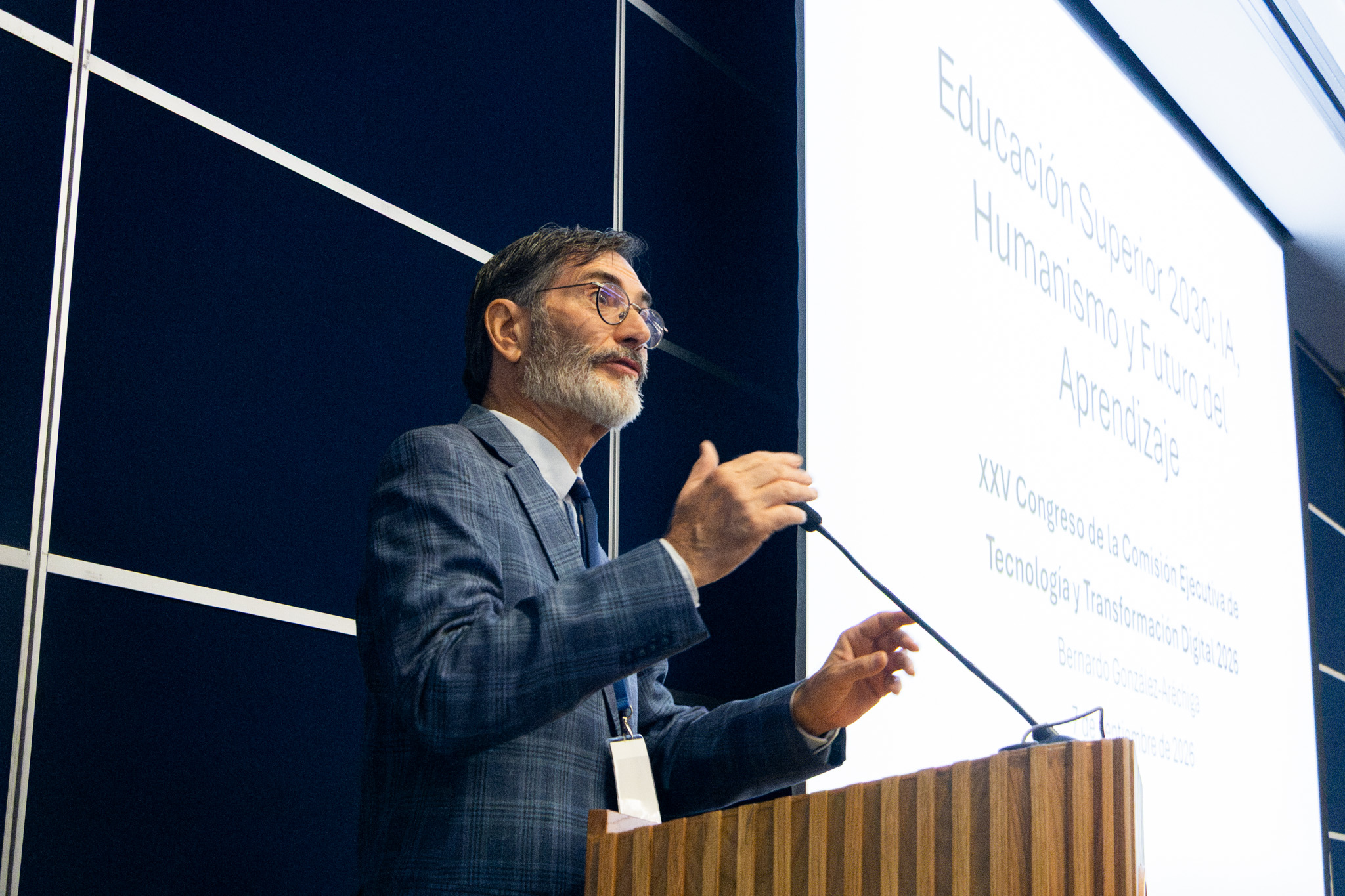
During his presentation, he explained that the first day of the meeting included discussions on how universities can meet the requirements of the Ministry of Public Education without compromising confidential information. This situation, he noted, reflects the evolution of institutional processes toward increasingly digital models.
The secretary general elaborated on the role of the university’s Chief Information Officer (CIO), describing it as an extremely complex gateway role. He explained that “it manages the present. It protects the institution while simultaneously building its digital future.”
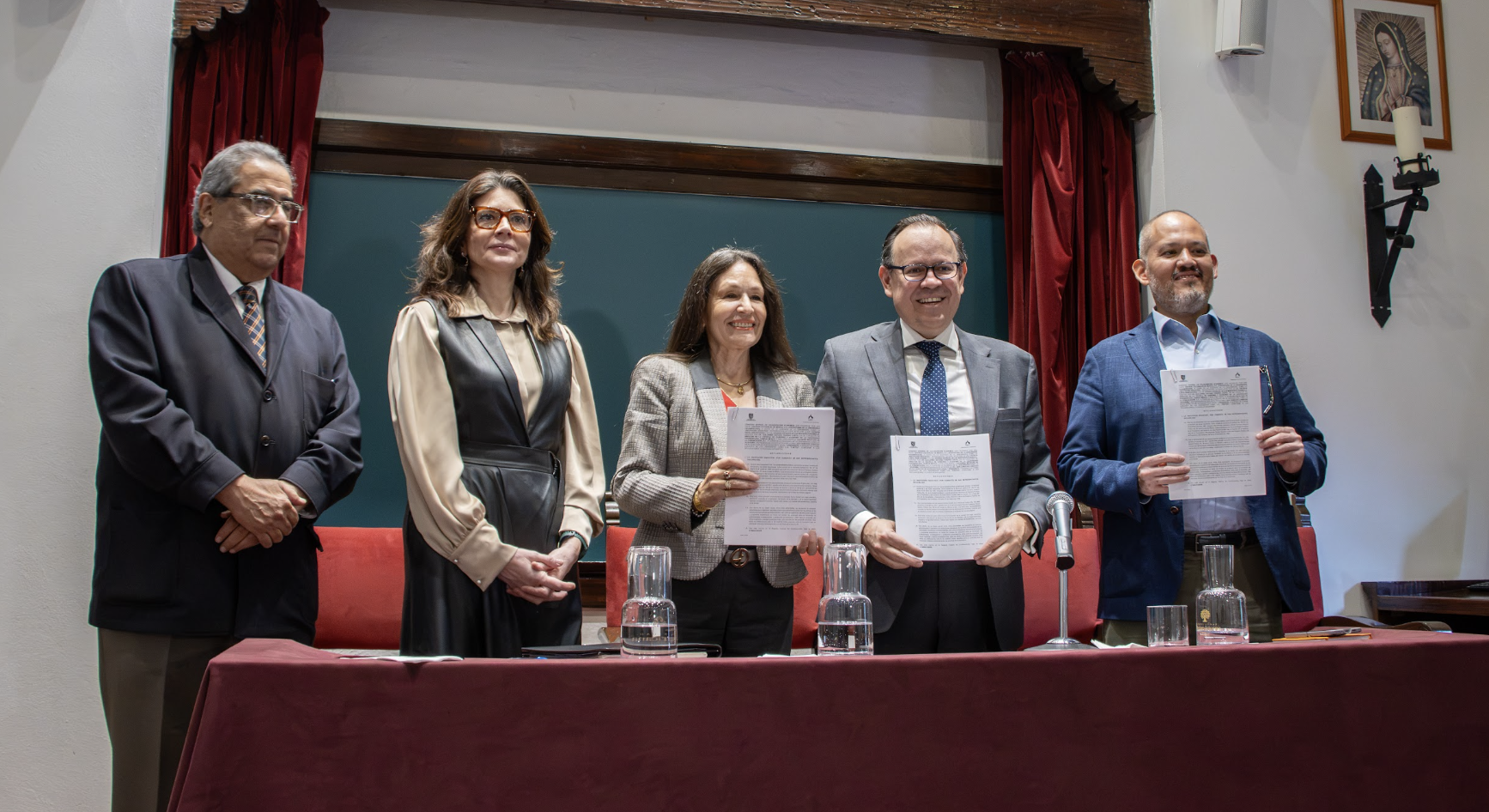
He also highlighted FIMPES' commitment to generating scientific value through the awarding of research grants funded in partnership with Santander Universidades.
In this edition, four grants of 400,000 pesos each were awarded—selected from among 68 submissions—to fund research related to digital skills and artificial intelligence in Mexico.
Among the projects are proposals to develop a national framework for digital competencies and a framework for artificial intelligence competencies, the latter developed in collaboration with Anáhuac University and the National Autonomous University of Mexico (UNAM).
A sense of purpose
To conclude the discussions on the opening day, José Mata, Ph.D., president of Anáhuac Puebla University and chair of the commission since 2023, analyzed the evolution of the conversation surrounding technology and artificial intelligence.
He recalled that, in previous years, the debate on technology focused mainly on technical aspects or scenarios related to the potential replacement of jobs by artificial intelligence. Today, he noted, the discussion also encompasses the opportunities offered by increasingly advanced technology.
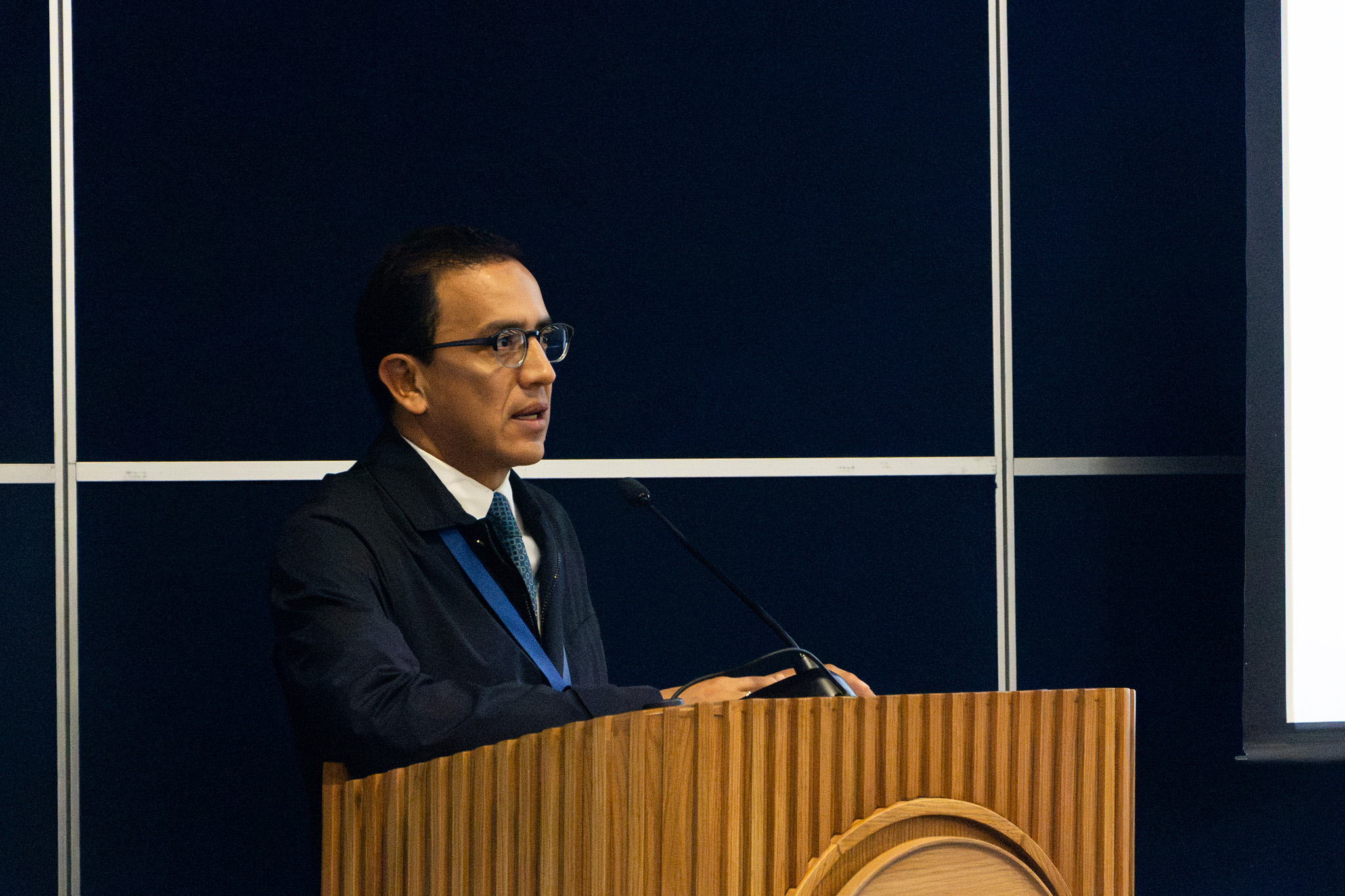
In this context, he noted that one of the main challenges in higher education is to support students as they develop a personal and professional purpose in the face of ever-advancing technology.
“The biggest challenge we face is whether human beings will be able to find purpose in an era of such powerful artificial intelligence,” he said during his remarks at the opening ceremony.
The president of Anáhuac Puebla University concluded by urging faculty and administrators to act wisely in the face of the growing power of technology:
“Let us understand that we hold in our hands a power greater than that of any other generation, and that this compels us to always bear in mind that progress is only better if it makes life more humane and more respectful of human dignity.”

Institutional and Educational Development
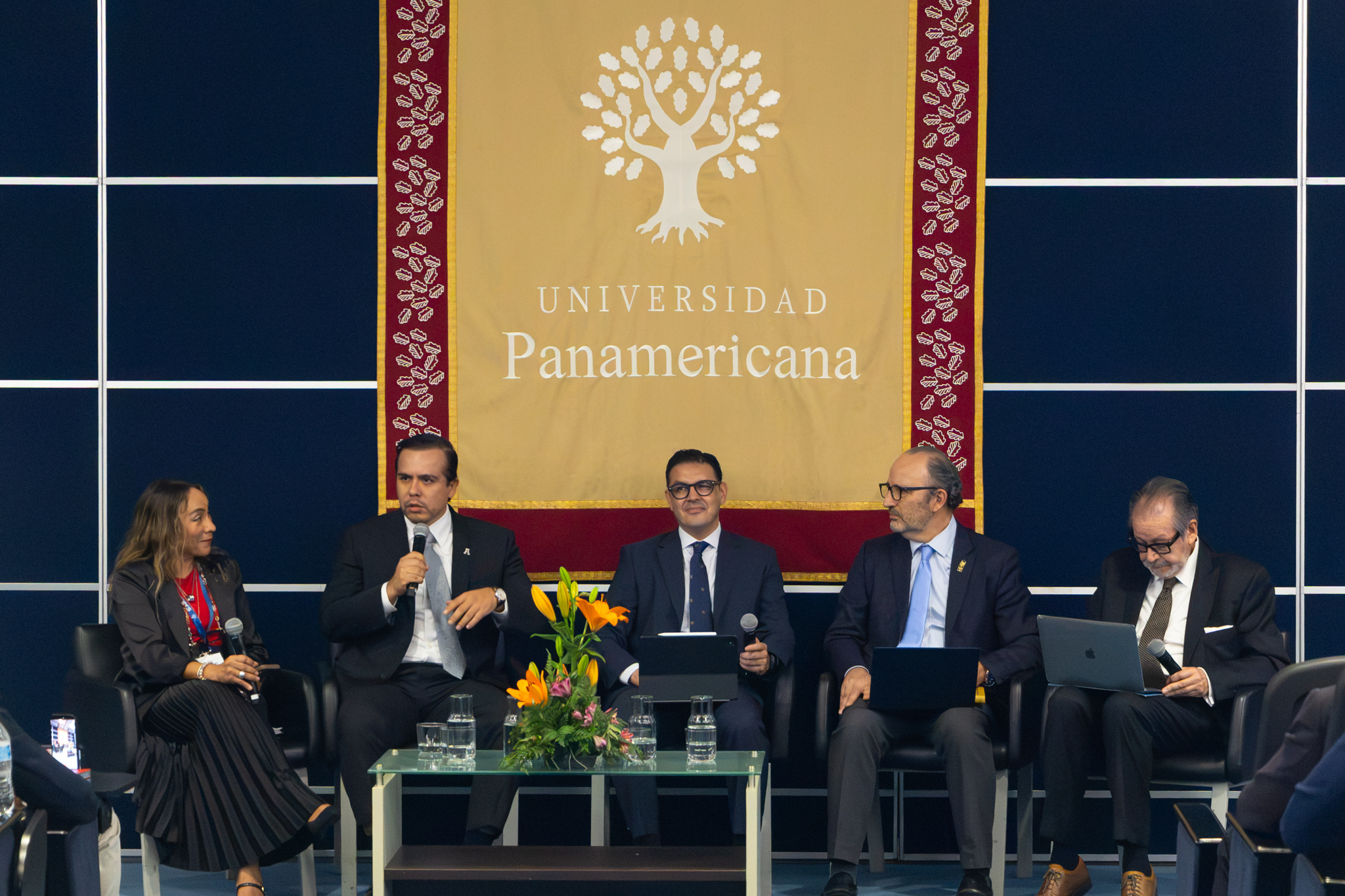
As part of the activities following the inauguration, a panel of university presidents on artificial intelligence in higher education was held, during which participants discussed the changes universities must implement in light of advances in digital technologies.
During the panel discussion, Dr. Abraham Mendoza Andrade shared his experience as a researcher and academic in the use of artificial intelligence tools. He explained that he has been using these types of technologies for approximately 12 years for activities related to structure, research, and translation. Drawing on his experience in both academia and leadership roles, he noted that one of the challenges is that technology often advances faster than culture and institutions’ ability to adapt.
For this reason, he emphasized that the integration of AI into universities must continue to center on the relationship between faculty, students, and administrators.
For this reason, the university president firmly maintained that the university “must never lose its human touch.” In his view, digital transformation is truly in the spirit of the university only if it brings faculty and administrators closer to people.
The president of the Guadalajara campus of the Universidad Panamericana , explained that personalizing content with algorithms is feasible, but that education requires elements that go beyond technology: understanding, supporting, building trust, and helping each student develop their potential for the common good.
In this regard, he summarized his vision of education with one premise: “To help, not to manufacture, ” concluding that universities have an unwavering commitment to focus their vision “on being rather than on doing.”
In this regard, Dr. Abraham Mendoza Andrade emphasized that digital transformation in higher education should be aimed not only at improving processes, but also at strengthening the educational mission of universities and keeping the individual at the center of their activities.
The 25th Congress of the FIMPES Executive Committee on Digital Transformation Technologies, held at the Guadalajara campus of the National Institute of Technology ( Universidad Panamericana ), provided a forum for reflection on the role that artificial intelligence and new technologies will play in the future of higher education, as well as on the responsibility of institutions to incorporate them from a strategic, ethical, and people-centered perspective.