School of Philosophy

Research

Research at the School of Philosophy is conceived as an activity aimed at a rigorous understanding of the fundamental problems of human existence, culture, and reality, through critical engagement with the philosophical tradition and the challenges of the contemporary world.

Through historical, conceptual, and interdisciplinary study, this research seeks not only to deepen specialized knowledge but also to contribute to the holistic development of the individual and to the enrichment of intellectual and cultural life.

Within this framework, the School promotes research that is open to international exchange, collaborative work, and the integration of teaching, philosophical reflection, and high-level academic production. Its research areas offer various avenues for addressing, from complementary perspectives, the multiple dimensions of human experience, thought, and social life.

Research Areas

01

Faith and Reason in Christian Thought and Culture

This line of research focuses on the study of the multifaceted relationships between philosophical reflection and the Christian tradition throughout history. It includes an analysis of issues related to the existence of God, the nature of faith, revelation, religious experience, philosophical theology, and the influence of Christianity on the shaping of Western culture. It also examines the dialogue between philosophy, theology, literature, art, and social life from historical and systematic perspectives.

02

Cultural Hermeneutics

This line of research focuses on the interpretation of cultural phenomena and symbolic forms using philosophical tools drawn from hermeneutics, phenomenology, and the human sciences. It addresses issues related to language, art, tradition, memory, myth, religion, and the dynamics of meaning that shape contemporary societies. It seeks to understand the processes through which communities interpret their world and construct horizons of meaning.

03

Practical Philosophy

Practical philosophy studies the various dimensions of human action, both at the individual level and in the social and political spheres. It encompasses research in ethics, political philosophy, philosophy of law, theory of action, and reflection on institutions. This research area focuses on concepts such as freedom, responsibility, justice, virtue, citizenship, normativity, and communal life, as well as the philosophical foundations of human coexistence.

04

Language, Logic, Reasoning, and Communication

This line of research focuses on the philosophical study of language, the structures of reasoning, and forms of argumentation. It includes topics in formal and informal logic, the theory of argumentation, the philosophy of language, discourse analysis, and communication theory. Its goal is to examine the conditions for rigorous thinking, the validity of arguments, and the processes through which meaning is produced and conveyed in different contexts.

05

Speculative Philosophy

This track addresses fundamental issues of a metaphysical, ontological, and systematic nature. It explores questions concerning being, reality, subjectivity, nature, truth, the absolute, and the ultimate structures of thought. It also includes the study of major philosophical systems and the conceptual categories that underpin the philosophical understanding of the world, particularly within the classical, modern, and contemporary traditions.

06

History of Philosophy

The History of Philosophy track examines the historical development of philosophical thought across its various periods, authors, and traditions. It involves the contextual and conceptual analysis of philosophical texts from antiquity to the present, as well as the study of the reception and influence of various intellectual movements. It seeks to reconstruct the problems, debates, and transformations that have shaped the Western philosophical tradition and other traditions of thought.

07

Applied Ethics

This line of inquiry examines the ethical challenges that arise in various spheres of social, professional, political, technological, and cultural life. It focuses on normative reflection on specific issues related to social justice, institutional responsibility, business ethics, artificial intelligence, the environment, public communication, education, and the transformations of the contemporary world. Its purpose is to link philosophical principles with the critical analysis of practical situations and real-world contexts.

Research Projects

A history of the research projects conducted by the School of Philosophy and funded by the Research Promotion Fund of the Universidad Panamericana, which have led to international conferences and publications.

“Cultural Manifestations of the Baroque: A Hermeneutics of a Cultural Category,” directed by Dr. Héctor Jesús Zagal Arreguín.

“The Economic Thought of Xenophon and Its Influence,” led by Dr. David Lévystone.

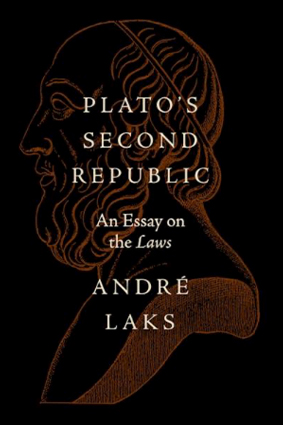
“Epistemological Modesty,” led by Dr. André Laks.

“Women and the Feminine in Ancient History: Contributions to a New Philosophical and Historiographical Approach,” directed by Dr. María Elena García Peláez Cruz.

“Religions and the Natural World,” directed by Dr. María Elena García Peláez Cruz and Dr. Luis Xavier López Farjeat.

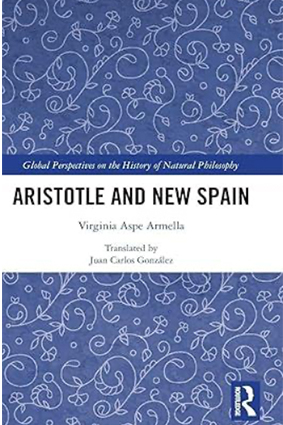
“The Fundamental Philosophical Arguments Behind Mexico’s Transformations: An Approach to the Third and Fourth Transformations (1903–2019),” directed by Dr. Virginia Aspe Armella.

“An Overview of Mexico’s Transformations: An Examination of Fundamental Philosophical Arguments. Phase Two: Mexico’s Second Political Transformation (1848–1898): Background and Consequences,” directed by Dr. Virginia Aspe Armella.

“Reason, Truth, and Dialogue: G. W. Leibniz and the Reception of Aristotelian Traditions,” directed by Dr. Leonardo Ruiz Gómez.

“Logic, Epistemology, and Ethics of Artificial Intelligence,” led by Dr. Karen González Fernández.

“Authority, Freedom, and Dominion in Mexico’s Transformations: An Examination of Fundamental Philosophical Arguments. Phase One: The Mexican Enlightenment in the 18th Century and Early 19th Century,” directed by Dr. Virginia Aspe Armella.

“Transformations in Metaphysics in the 17th and 18th Centuries: The Notions of Cause, Substance, and Mode,” directed by Dr. Leonardo Ruiz Gómez and Dr. Mauricio Lecón Rosales.

“Migration, Territory, and Identities,” directed by Dr. Luis Xavier López Farjeat and Dr. Cecilia Coronado.

“Experiences of the Divine in the Abrahamic Traditions,” led by Dr. Luis Xavier López Farjeat.

“Principles and Regulatory and Social Foundations for a Migration Policy,” directed by Dr. Luis Xavier López Farjeat and Dr. Cecilia Coronado.

“Methodologies for Interpreting the Tanakh and the Quran in Classical Jewish and Islamic Traditions,” led by Dr. Luis Xavier López Farjeat.

Research Repository

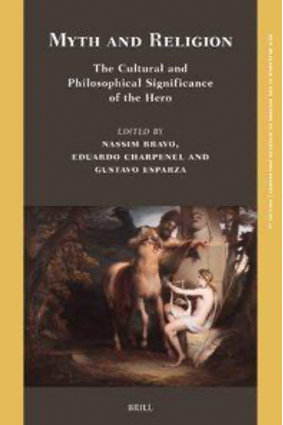
"Myth and Religion"

Nassim Bravo, Eduardo Charpenel, and Gustavo Esparza
See more

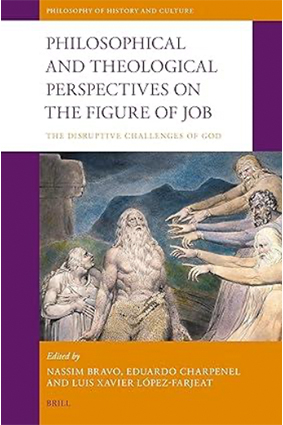
"Philosophical and Theological Perspectives on the Figure of Job"

Nassim Bravo (Contributor), Eduardo Charpenel (Contributor), Luis Xavier López-Farjeat
See more

"The Leibnizian Concept of Space"

Leonardo Ruiz Gómez
See more

"Artificial Intelligence: Multidisciplinary Approaches"

Karen González Fernández
See more

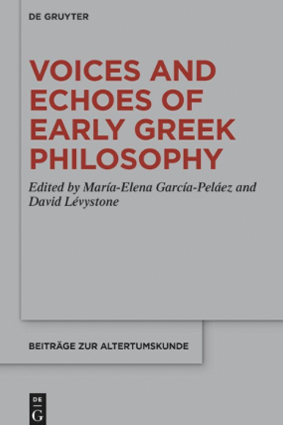
"Voices and Echoes of Early Greek Philosophy"

María Elena García Pelaez Cruz and David Levystone
See more

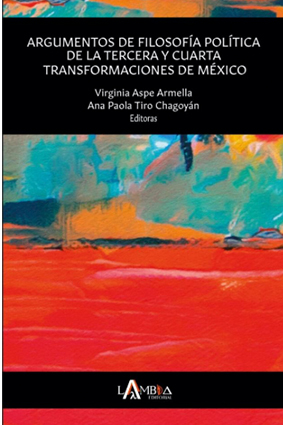
"Arguments from Political Philosophy on Mexico's Third and Fourth Transformations"

Virginia Aspe Armella and Ana Paola Tiro
See more

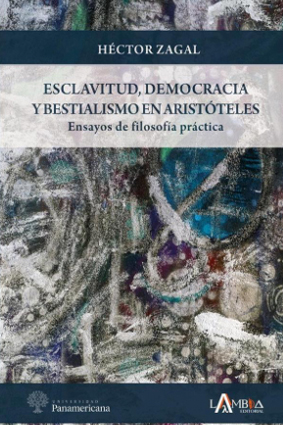
"Slavery, Democracy, and Bestiality in Aristotle"

Héctor Zagal
See more

"Baroque: Nepantla and the Oscillating Reason"

Héctor Zagal
See more

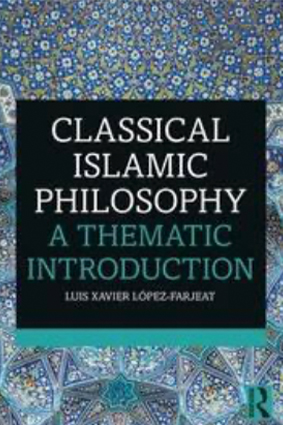
"Classical Islamic Philosophy"

Luis Xavier López Farjeat
See more

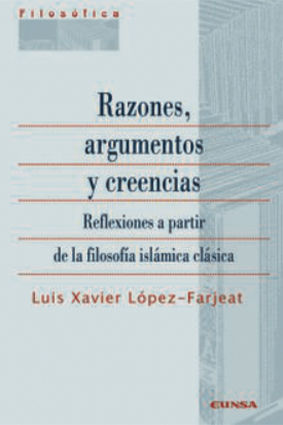
"Reasons, Arguments, and Beliefs"

Luis Xavier López Farjeat
See more

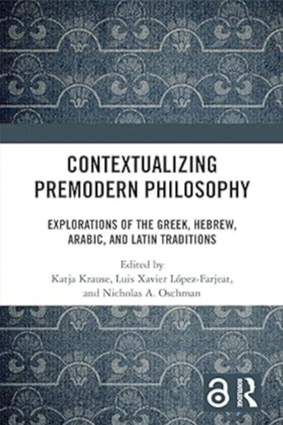
"Contextualizing Premodern Philosophy"

Katja Krause, Luis Xavier López-Farjeat, Nicholas A. Oschman
See more

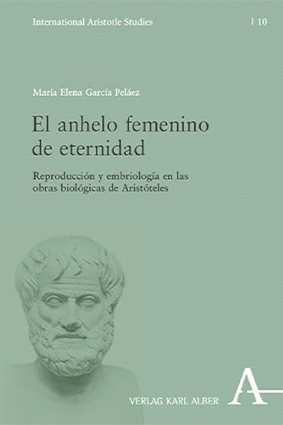
“Women’s Longing for Eternity”

María Elena García Peláez Cruz
See more

Postdoctoral Projects

Postdoctoral researchers at the School of Philosophy carry out specialized research projects that contribute to the academic and scientific advancement of the School. Their work consists not only of conducting original research and publishing academic papers, but also of continuing their training as high-level researchers through participation in international networks, colloquia, seminars, and collaborative research projects. They also actively collaborate in specialized teaching, supporting the education of undergraduate and graduate students, as well as fostering opportunities for academic and interdisciplinary dialogue within the university community.

Dr. Bruno Anaya Ortiz
Dr. Eleni Mathiou

Dr. Bruno Anaya Ortiz

Dr. Bruno Anaya Ortiz is a postdoctoral researcher in the School of Philosophy at the Universidad Panamericana. He holds a bachelor’s degree in philosophy from the University of Notre Dame and a master’s degree in philosophy from the École Normale Supérieure (Paris). He earned his Ph.D. in Rhetoric at UC Berkeley, where he wrote his dissertation on the legal recognition of indigenous peoples in Mexico, analyzing the role of constitutional law in shaping ethnic and national identities.

The dissertation was an exercise in discourse analysis, legal history, and legal theory. Dr. Anaya’s research now focuses on the issues of normative theory underlying his doctoral dissertation. These issues lie at the intersection of legal and political philosophy and include questions about ethnic and value pluralism, the tension between constitutionalism and democracy, and how to understand the normative scope of legal recognition in postcolonial contexts.

Dr. Eleni Mathiou

Dr. Eleni Mathiou is a postdoctoral researcher at the University of the Philippines ( Universidad Panamericana ) (College of Philosophy and Institute of Humanities), specializing in ancient philosophy. She earned her bachelor’s degree from Aristotle University of Thessaloniki and completed both her master’s and doctoral degrees at the University of Bonn. Her research and teaching are characterized by interdisciplinary perspectives.

Her master’s thesis, “The Practice of Happiness: Seneca on the Normativity of Emotions,” sought to draw parallels between the practical nature of the Stoic approach and modern psychotherapeutic strategies such as “CBT.” Similarly, in his doctoral dissertation, “Seneca on Self-Awareness and Self-Consciousness,” he bridged the fields of ancient philosophy and the philosophy of mind through a systematic and historical examination of self-consciousness. He is currently working on the topic “Consciousness and Self-Consciousness in Antiquity,” on which he will co-edit a collective volume with Dr. Eduardo Charpenel. His goal is to help define criteria of consciousness as a methodological tool for the study of antiquity.

She is also working on the “Plato on Women” project, which examines aspects of feminism in the context of classical Greece. As part of her postdoctoral fellowship, she has published “Die philosophische Entdeckung der Innerlichkeit. Zur Transformation des Seelenbegriffs bei Seneca” (Philosophisches Jahrbuch, 2025), and has a paper already accepted for publication in the journal *Tópicos* . She will also co-edit the anthology “Nothingness. Negative Ontology in the History of Philosophy” (forthcoming from De Gruyter, 2026) and will receive the “Small Research Grant” awarded by the History of Philosophy Forum and WAP for a short-term research stay at the University of Notre Dame.

Topics

*Tópicos, Revista de Filosofía* is one of the main platforms for research, academic dialogue, and international outreach at the School of Philosophy at the University of the Andes ( Universidad Panamericana). Since its founding in 1991, the journal has established itself as a specialized scholarly publication of high academic rigor, dedicated to disseminating original research in various areas of philosophy, both historical and systematic.

Within the academic life of the School, *Tópicos* serves not only as a publication but also as a hub for the research activities of faculty, graduate students, and international collaborators. Through it, the School maintains an ongoing dialogue with the national and international philosophical community, promoting critical discussion, interdisciplinary exchange, and the dissemination of cutting-edge research across multiple philosophical traditions.

The journal receives contributions from researchers at various universities around the world and subjects all of its articles to a rigorous double-blind peer-review process, which ensures the quality and methodological rigor of its publications.

Furthermore, *Tópicos* reflects the Faculty’s commitment to a broad and pluralistic conception of philosophy. The journal is not limited to any specific school or tradition, but rather welcomes research in metaphysics, ethics, political philosophy, aesthetics, ancient, medieval, modern, and contemporary philosophy, hermeneutics, phenomenology, analytic philosophy, theory of knowledge, philosophy of religion, and many other areas of philosophical thought.

In recent years, the journal has achieved significant international recognition. Its placement in the Q2 quartile of the Scimago Journal Rank (SJR) confirms its growing impact and ranks it among the most prominent philosophy journals in Mexico and Ibero-America. This recognition strengthens the Faculty’s academic visibility and fosters new collaborative networks with researchers and institutions in various countries.

In this way, *Tópicos* is an essential part of the Faculty of Philosophy’s research identity: it expresses its humanistic mission, its openness to international philosophical debate, and its commitment to the production and dissemination of philosophical knowledge of the highest quality.

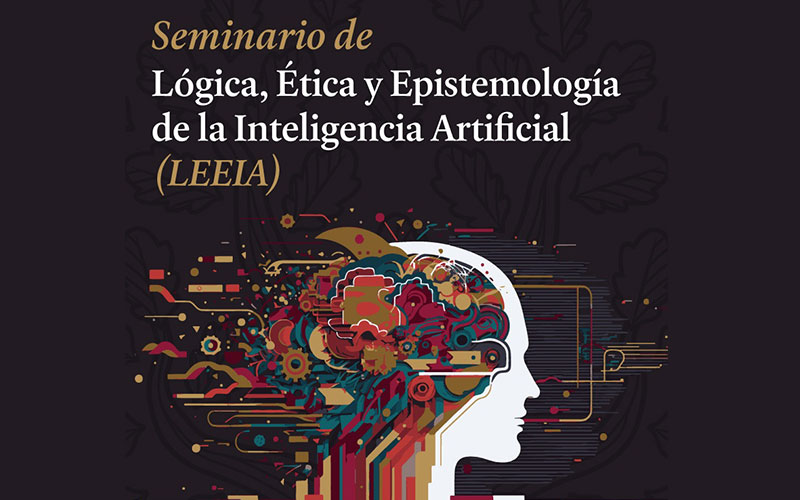
Logic, Epistemology, and Ethics of Artificial Intelligence.

The LEEIA Seminar emerged as a joint initiative of the School of Philosophy and the School of Engineering at the Universidad Panamericana. Its goal is to provide serious and rigorous outreach on various issues in artificial intelligence, viewed from an interdisciplinary perspective, primarily focusing on questions related to the logic, epistemology, and ethics of AI.

The seminar began in 2019; its founders were Dr. Karen González Fernández, Dr. León Palafox, and Enrique Siqueiros Fernández, M.A.

It is currently headed by Dr. Karen González Fernández, with frequent support from the Engineering Department, where Edgar Avalos Gauna and Lourdes Martínez have been particularly notable for their ongoing collaboration.

Some researchers who have regularly attended the seminar include: Ana Laura Fonseca, Raymundo Morado, Atocha Aliseda, Sandra Anchondo, José Martín Castro Manzano, Daniel Malpartida, Andrés Páez, José Ángel Lombo, Armando Alemán Juárez, Paola Sánchez, Nora Goris, Tatiana Lozano, Omar Solis, María Martínez, Nancy Nuñez, Carlos César Jiménez, Alberto Domínguez, Francisco Ortiz, and Karla Ramírez Pulido.
The seminar began as an in-person event, but during the pandemic it shifted to an online format. It continues to be held online today, as it has a broad national and international audience.

In 2020–2021, in connection with this seminar, a research project was approved at the UP, titled “Logic, Epistemology, and Ethics of AI.”

Also as part of this 2021 seminar, we held the 1st Colloquium on Logic, Epistemology, and Ethics of Artificial Intelligence online.

And in 2025, the interdisciplinary workbook *Artificial Intelligence: Multidisciplinary Approaches* was published by EUNSA. Some interesting outcomes of the seminar—related to both research and the creation of professional networks for some of the students and seminar attendees—are as follows:

  • Openness to national and international research collaborations.
  • Collaborations on other research projects. (José Martín Castro, UPAEP, project on AI Ethics and the Commons). (Primal, project on Heuristics and Archiving).
  • Collaborations with various institutions and countries; in particular, I would like to highlight the collaboration with the Peruvian Institute of Artificial Intelligence and Digital Citizenship, with Dr. Daniel Malpartida.
  • Proposal for the “Philosophy of Computing and Artificial Intelligence” Symposia at the Congress of the Mexican Philosophical Association, which were held in 2023 and 2025.
  • Collaborations with business leaders: White BX, José Luis Hernández Sánchez.

Contact: Karen González Fernández (kgonzale@up.edu.mx)

Philosophical Reflections on Artificial Intelligence

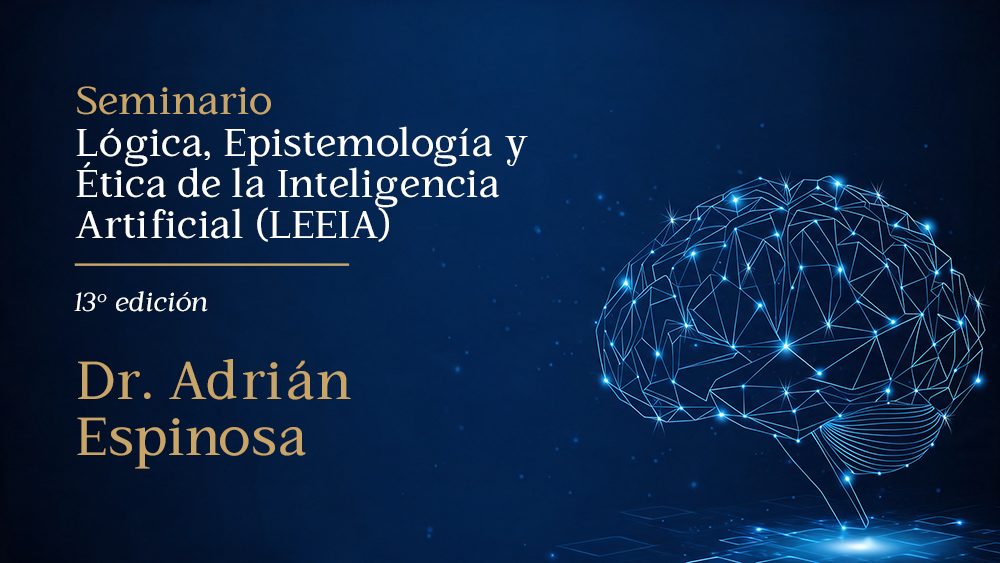
Narrative, Meaning, and Artificial Languages.

Narrative, Meaning, and Artificial Languages.

LEEIA Seminar | Dr. Adrián Espinosa

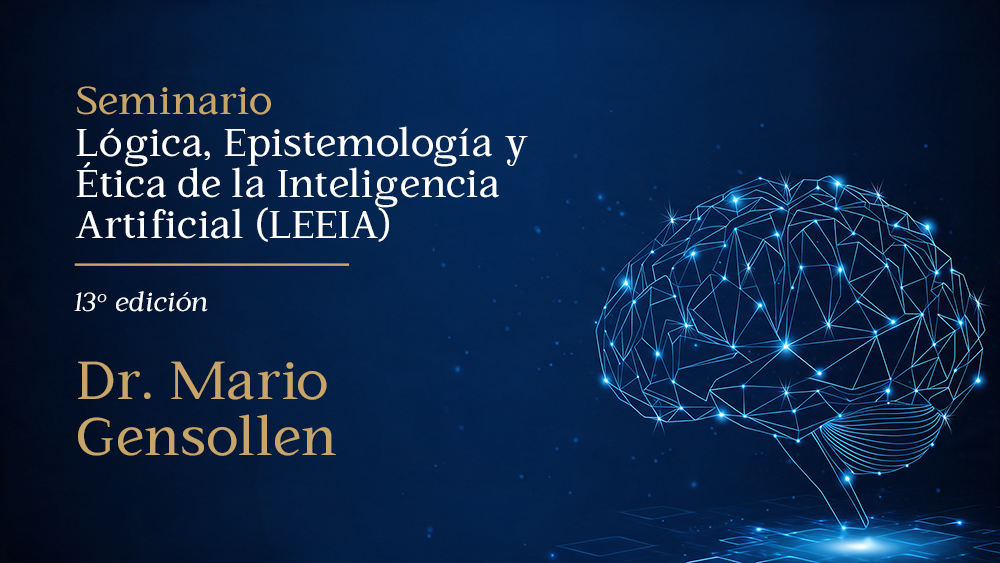
Authorship and Generative AI in Scientific Practice

Authorship and Generative AI in Scientific Practice

LEEIA Seminar | Dr. Mario Gensollen

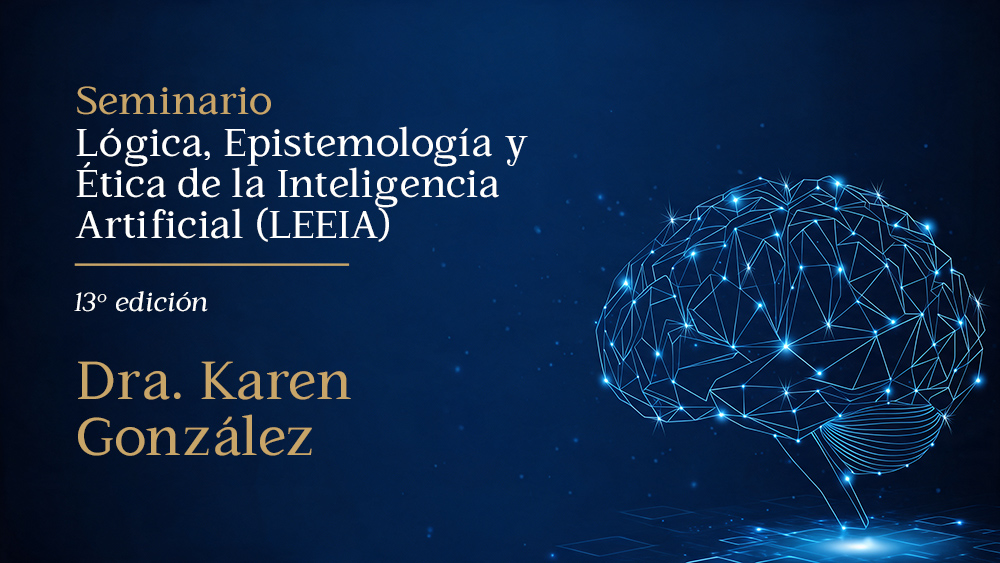
Reflections on Proposals Based on "Principles" in AI Ethics

Reflections on Proposals Based on "Principles" in AI Ethics

LEEIA Seminar | Dr. Karen González

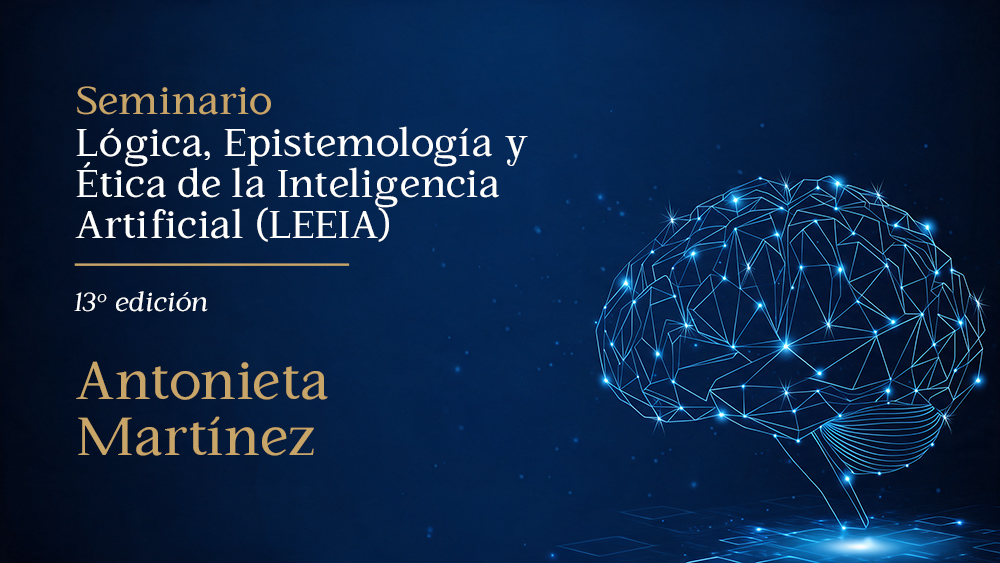
The Application of AI in the Treatment of Rare Diseases

The Application of AI in the Treatment of Rare Diseases

LEEIA Seminar | Antonieta Martínez

Chatbot for Moderating Political Discussions

Chatbot for Moderating Political Discussions

LEEIA Seminar | Dr. Jorge Oseguera Gamba

AI: Brief Description and Proposal for Ethical Development

AI: Brief Description and Proposal for Ethical Development

LEEIA Seminar | Salvatore di Fazio

The Dialectics of Artificial Intelligence

The Dialectics of Artificial Intelligence

LEEIA Seminar | Dr. Arturo Romero

A Statistical Method for Inferring Binary Black Holes

A Statistical Method for Inferring Binary Black Holes

LEEIA Seminar | Gustavo Magallanes