
In economic terms, properties in wooded areas may have higher property values and lower maintenance costs due to the shade provided by trees, which also reduces energy costs for heating and cooling. At the macroeconomic level, mitigating global warming through CO2 sequestration can reduce the occurrence of catastrophic weather events as well as food and health issues.
Reforestation
Reforestation
Universidad Panamericana Commitment
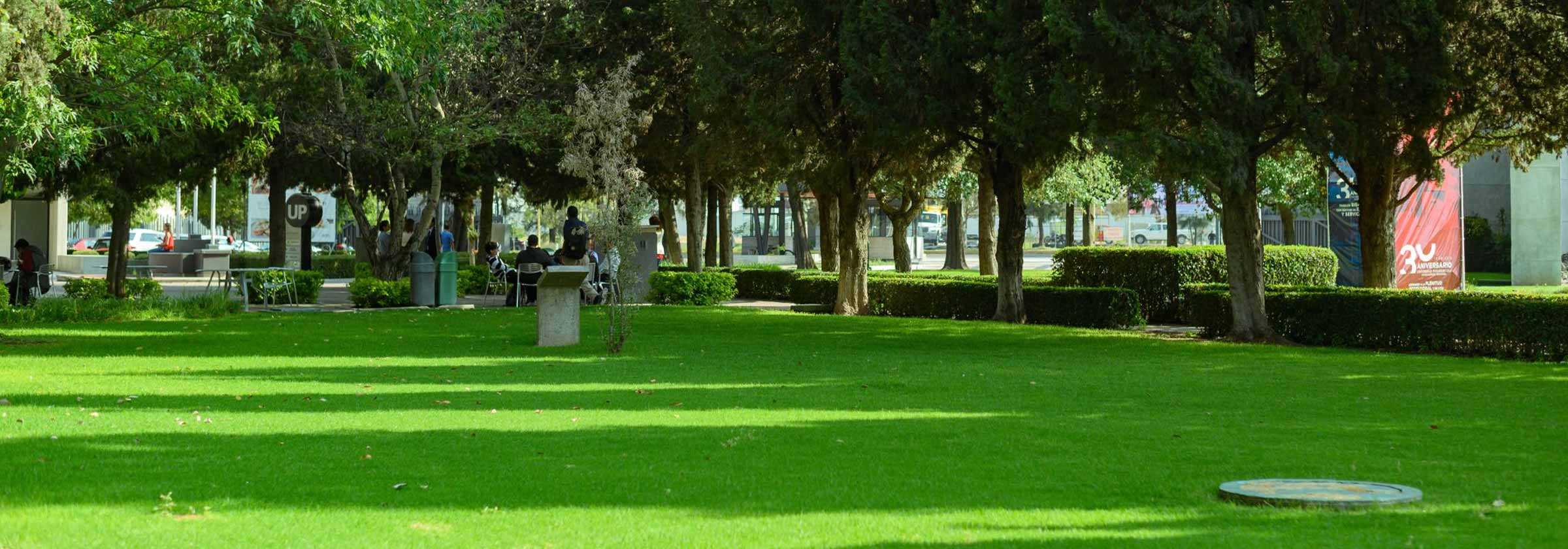
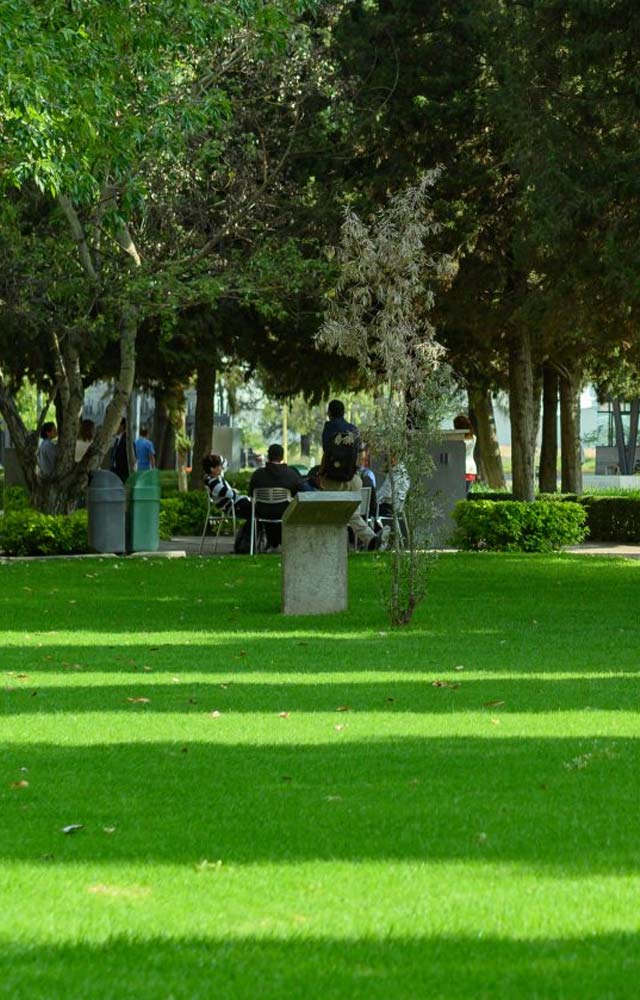
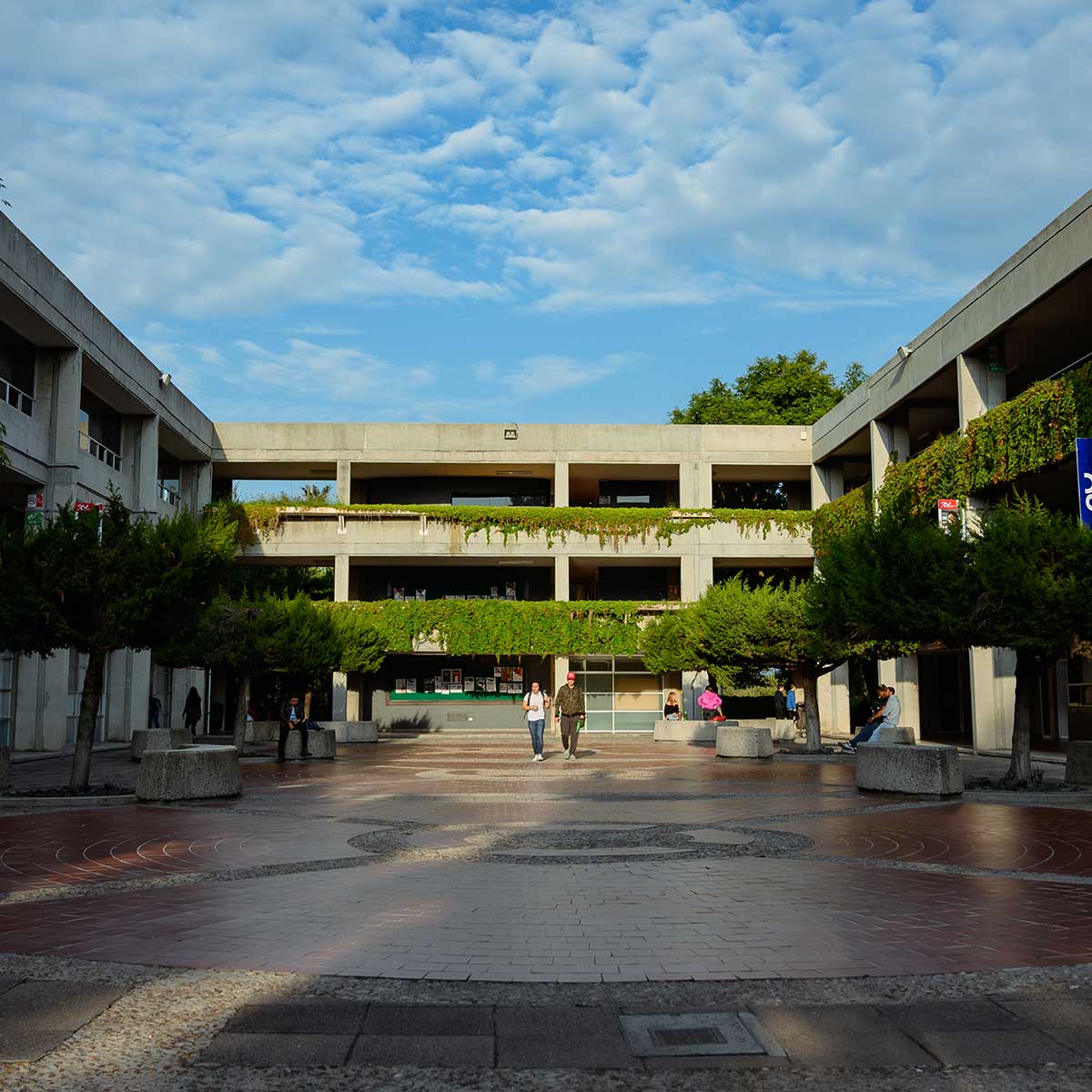
Each year, the UP renews its commitment to maintaining and planting trees, as well as to promoting a culture of reforestation within the university community. A tree maintenance plan is carried out on campus, which includes disease monitoring, pruning, and the replacement of affected trees. In addition, participatory events are organized to reforest protected natural areas.
The research project“Sustainable Gardening for Poverty Reduction and Cultural Preservation”aims to promote economic inclusion among migrants with refugee status through sustainable gardening activities.
For the Universidad Panamericana UP), reforestation represents an opportunity to contribute to a better world, in line with sustainable development. Trees are essential to ecological balance, providing environmental, social, and economic benefits. In addition to capturing carbon dioxide and providing oxygen, trees offer benefits such as protection against natural disasters, improved physical and emotional health, reduced pollution, and the promotion of biodiversity.
Studies have shown that tree-lined green spaces in hospitals improve patient recovery and have a positive effect on the behavior of children with attention deficit disorder. In urban settings, trees help reduce the heat island effect, dampen noise, provide privacy, and promote positive feelings.