The Universidad Panamericana taken a significant step forward in its journey toward technological transformation with the official launch of the Center for Innovation and Technological Development (CINOV), which aims to turn the knowledge generated in classrooms and laboratories into real-world solutions that boost the competitiveness of the productive sector in Mexico and around the world.
The launch took place simultaneously at the institution’s three campuses (Mexico City, Guadalajara, and Aguascalientes), establishing a cross-campus initiative that brings together the expertise of more than 220 researchers.
Applied research with a humanistic focus
CINOV was established with the aim of strengthening technology transfer, encouraging academic knowledge to move beyond the theoretical realm and translate into innovation with economic and social impact.
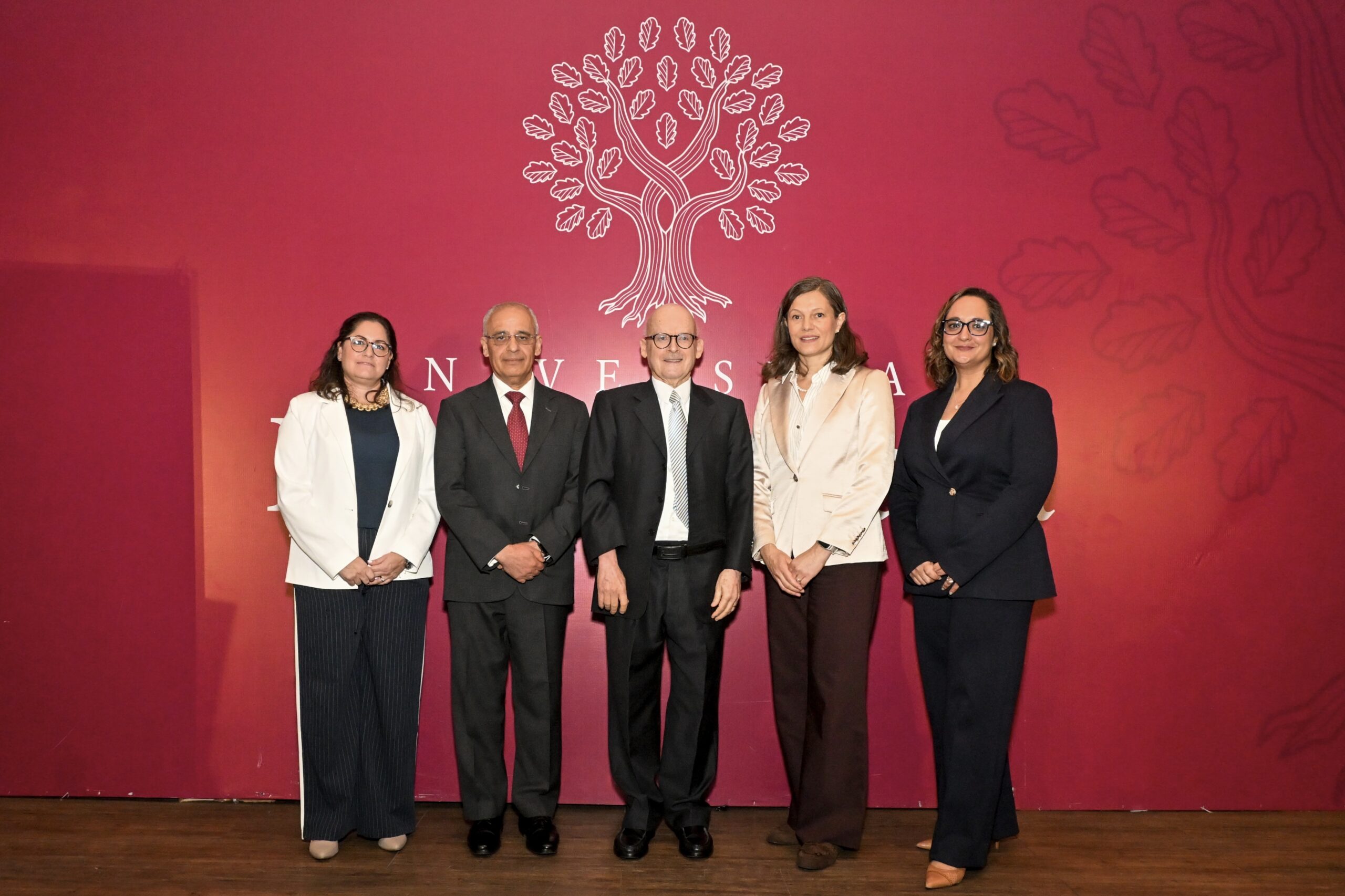
During the presentation, Dr. Sergio Velázquez Rodríguez, Vice President for Research, emphasized that scientific knowledge is most valuable when it is used to benefit society and promote well-being.

For her part, Dr. Fernanda Llergo, President of the UP-IPADE system, highlighted the essence of this project: “Innovation only makes sense when it improves people’s lives and contributes to the common good.”

Three pillars for Mexico's development
CINOV has identified three strategic areas of focus, selected for their high impact and technological potential:
1. Agri-food Industry.
2. Flexible Manufacturing.
3. Health Technologies.
To serve these sectors, the center will utilize cutting-edge tools such as Artificial Intelligence (AI), the Internet of Things (IoT), collaborative robotics, digital twins, and smart materials, always within a framework of sustainability and the circular economy.
An agile collaboration model: research cells
Dr. Hiram Ponce Espinosa, director of CINOV, explained that the center will operate through Research Cells—multidisciplinary teams composed of researchers and students who support companies from the initial assessment of a technological challenge through to the implementation of solutions.

This model helps reduce the risks associated with innovation for organizations, facilitating their technological modernization without disrupting their operations, and strengthening the link between academia and industry.


Strategic partnership: academia, business, and government
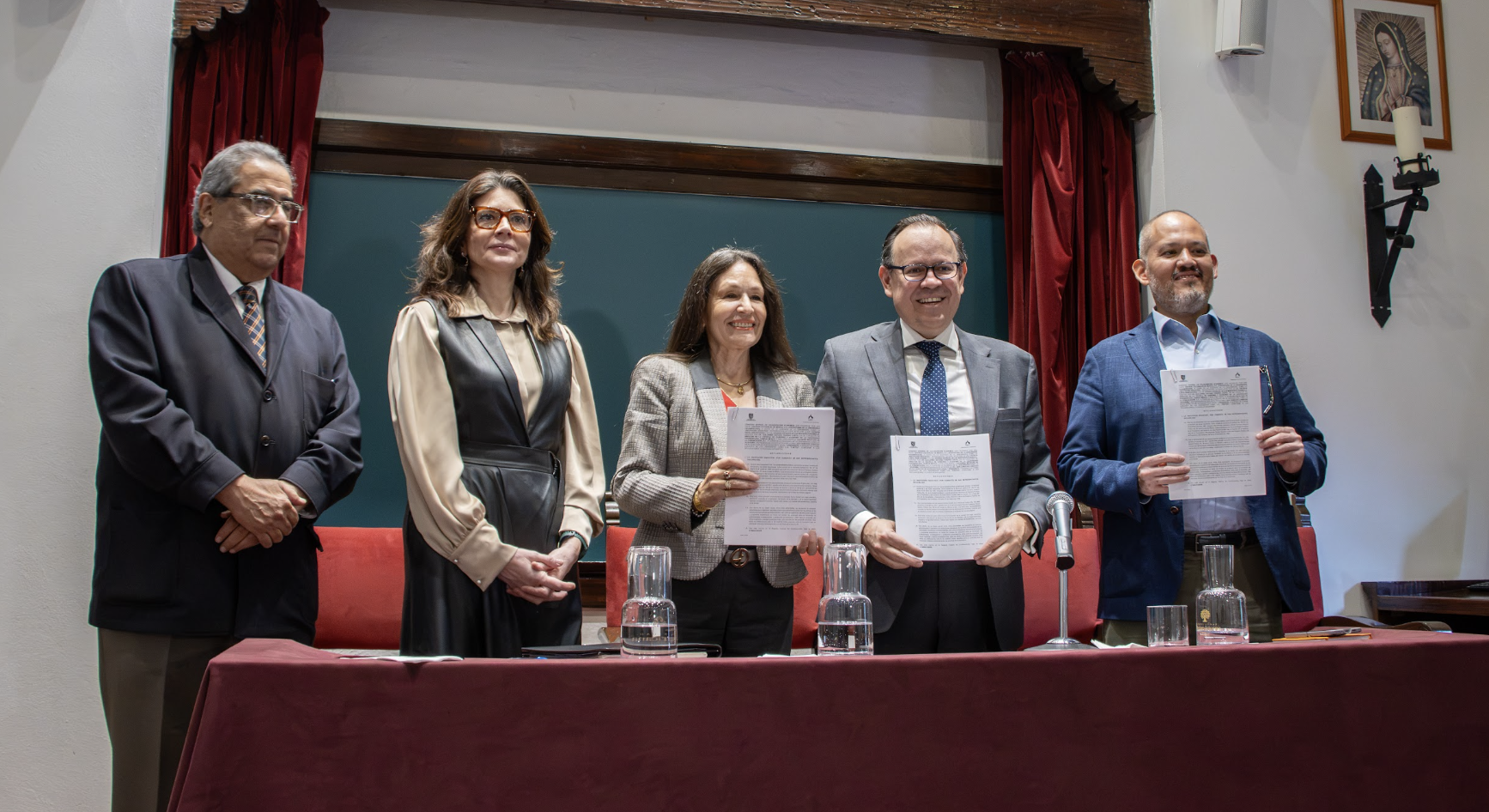
The event was attended by representatives from the public and private sectors, who agreed that CINOV represents a paradigm shift in collaboration for technological development.
- Public Sector: In Guadalajara, Fanny Valdivia, M.A. (Jalisco Ministry of Innovation), reiterated the government’s support for promoting science.

- Private Sector: Cristopher Olivares Mendoza, Director of Innovation and Entrepreneurship at Grupo Vitalmex; Marco Bueno Silva, Director of KOBNEX; Miguel Ángel Mendoza, associate director of NIMO Capital; and Hugo Germán Ramírez Vences, commercial manager of Empacadora de Carne San Francisco, emphasized the importance of universities and businesses moving beyond parallel paths to begin building the future together.

Looking to the future
With a 10-year vision, the CINOV at the Universidad Panamericana aims to become an international leader in innovation, technology transfer, and the generation of patents and spinoffs, thereby strengthening the institution’s academic leadership and contributing to Mexico’s economic development.
Through this initiative, the Universidad Panamericana its commitment to applied research, technological innovation, and the country’s industrial transformation, establishing itself as a bridge between science and the national industry.