Mexico City, May 20, 2025. With the aim of fostering a space for dialogue around artificial intelligence (AI), promoting both the presentation of academic research and industrial success stories, the School of Engineering of the Universidad Panamericana Mexico City campus, in collaboration with the Mexican Society of Artificial Intelligence (SMIA)held the XVII Mexican Congress of Artificial Intelligence (COMIA 2025)..

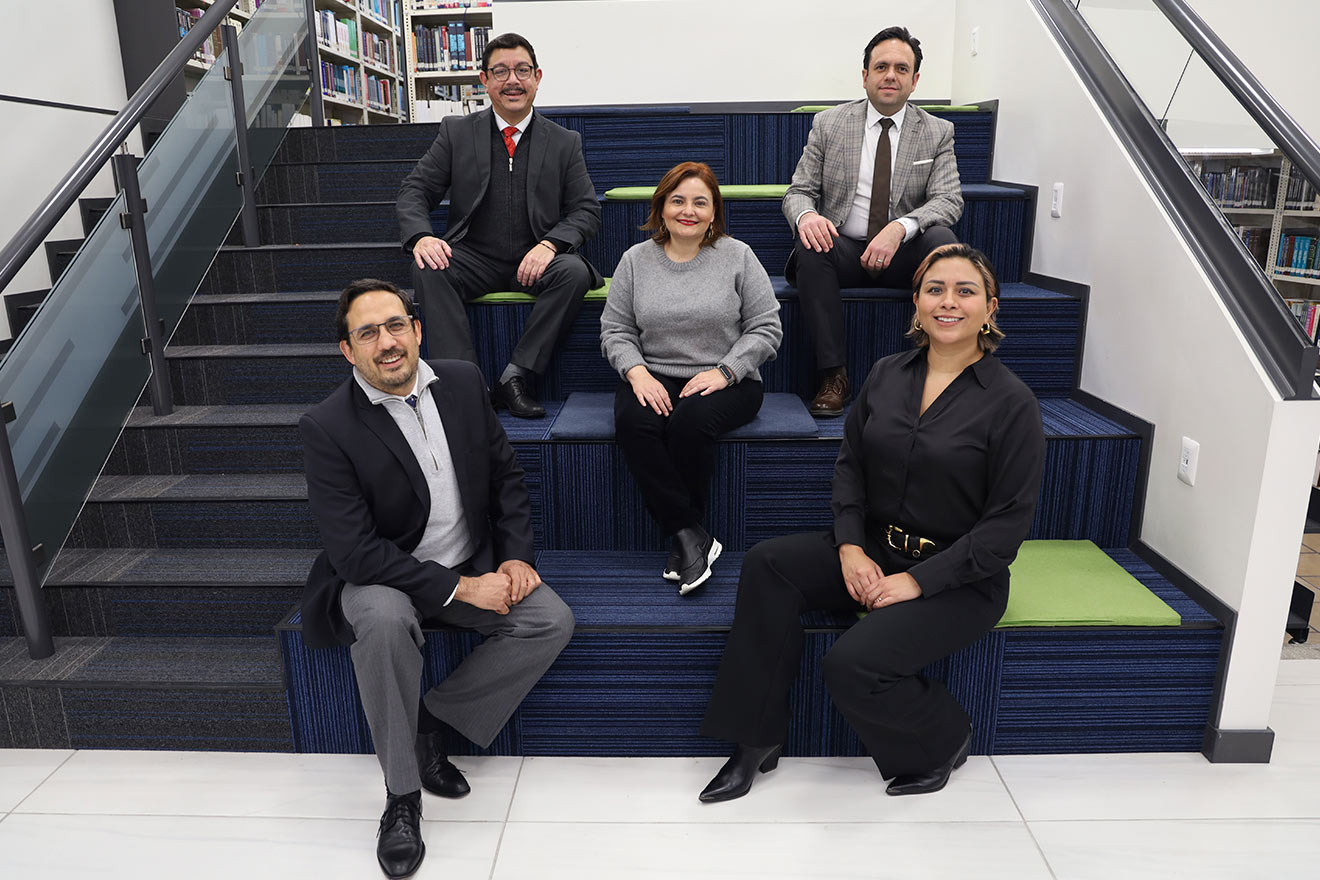
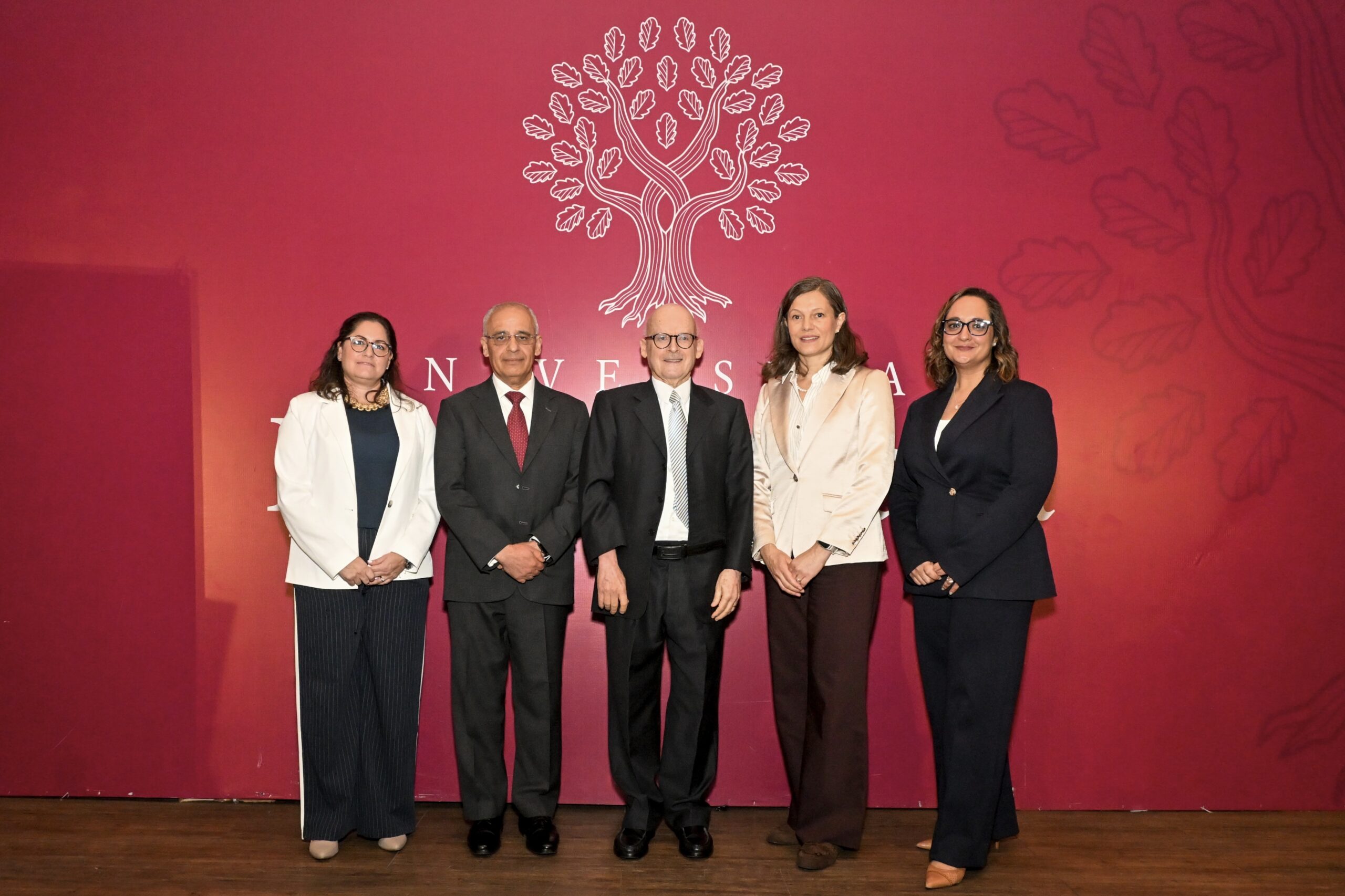
The inaugural ceremony of the event was attended by distinguished figures such as Dr. Claudia OrtegaDirector of Research at the Mexico City Campus; Dr. Margarita Hurtado Hernández Dr. Margarita Hurtado Hernándezdeputy director of the School of Engineering; and Dr. Lourdes Martinez Dr. Lourdes Martínez, Panamericana academic and president of SMIA and the Congress.
Also present were Dr. Ari Barrera Ari Barrera Ánimasprofessor and researcher of the School of Engineering; Dr. Bella Martinez, professor and researcher of the Dr. Bella Martínezresearch professor at the IPN and President of the COMIA 2025 Program; Dr. Obdulia Pichardo, professor and researcher at the IPN and President of the COMIA 2025 Program; and Dr. Obdulia Pichardochairwoman of the program committee; and Dr. Hiram Ponce, IPN research professor and president of the COMIA 2025 program. Dr. Hiram Poncevice-president of GIEWS and academic at Universidad Panamericana.
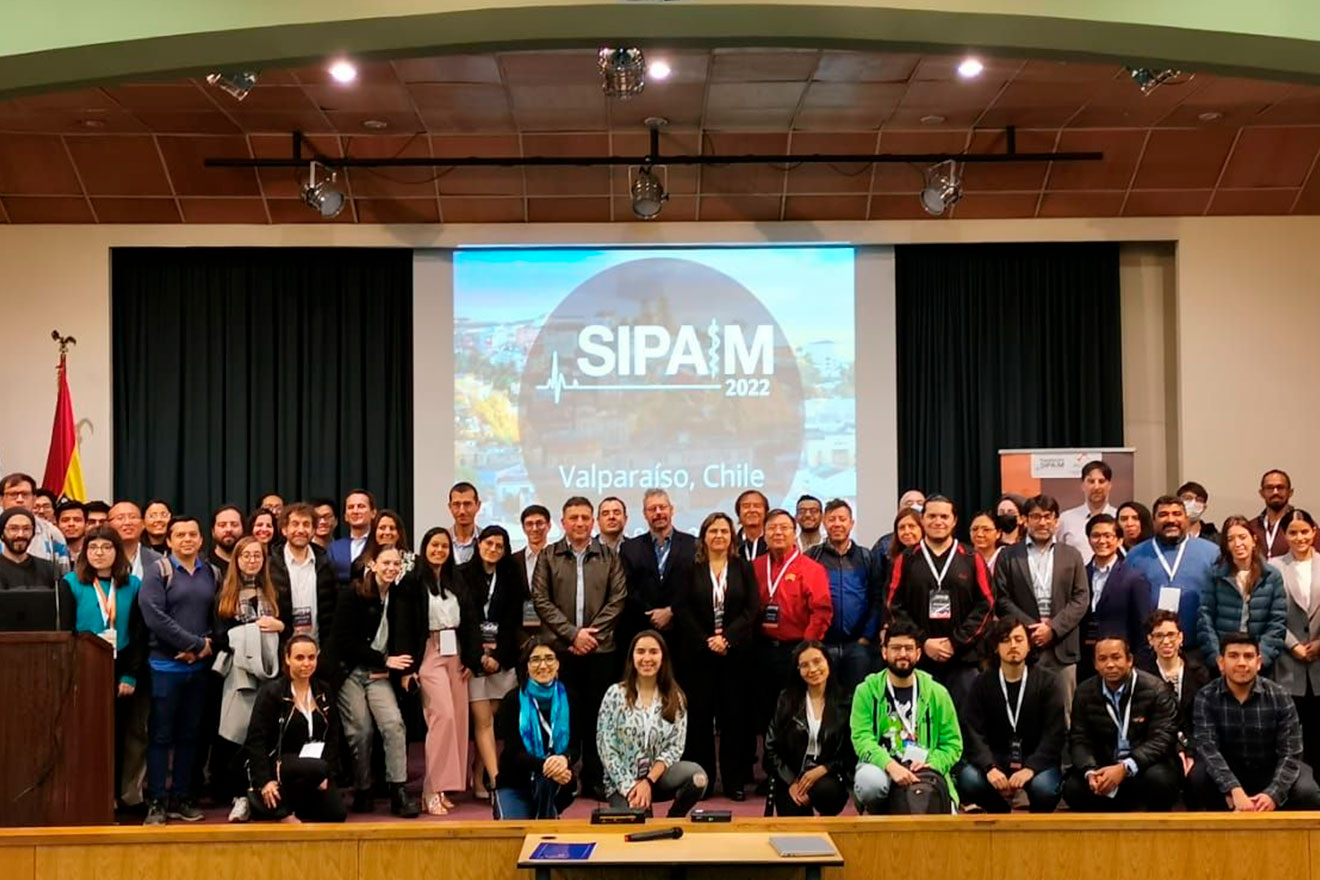
The congress, held from May 12 to 16 at the Panamericana facilities, included activities such as keynote lectures, panel discussions, paper presentations, workshops and tutorials.
AI in times of rapid change
During her inaugural message, Dr. Margarita Hurtado, highlighted: "Today more than ever, we know that we are living in an era of dizzying change. Artificial intelligence, automation, the internet of things and global connectivity are redefining the economic and social landscape".
He added that these technologies represent both challenges and opportunities, especially for engineering education: "Data Science and Artificial Intelligence education has become an essential pillar in preparing the new generations of engineers and scientists who will lead the transformation to a smarter and more sustainable future.".
He also noted that the School of Engineering has integrated these tools into all its undergraduate and graduate programs to solve complex problems in various areas. Currently, this faculty has six bachelor's degrees, six specialties, five master's degrees and two doctorates, all with access to training in data science and artificial intelligence.
AI: one of the most influential technological forces
For her part, Dr. Claudia Ortega, highlighted: "Artificial intelligence is one of the most influential technological forces of our time, with the potential to transform industries and solve complex problems. But it also brings with it ethical, social and economic challenges that must be addressed responsibly.".

He likewise stressed: "It is essential to foster a constant dialogue between researchers, policy makers, industry and society to guide the development of AI towards a collective benefit. Universidad Panamericana reaffirms its commitment to this crucial issue.".
Later, Dr. Lourdes Martínez, emphasized the evolution of the Congress: "COMIA has ceased to be an exclusively academic event. Today it also brings together representatives from industry, government and various disciplines.
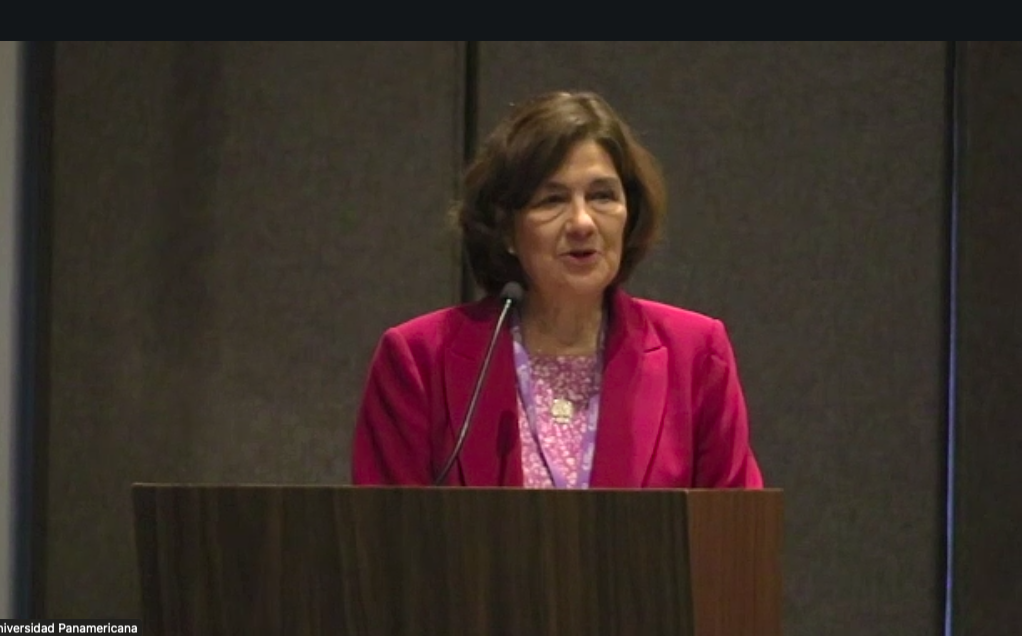
In this edition 207 articles were receivedpublished for the first time in both English and Spanish. Papers were received from Peru, Colombia, Spain, India and the United States. from Peru, Colombia, Spain, India and the United States, as well as fromas well as representatives from 22 Mexican states. A total of 96 papers and 32 posters were presented.

COMIA 2025: An Academic, Industrial and Social Forum
The first keynote lecture, entitled Towards Responsible AI: Promoting Fairness, Explainability and Scalable Interpretabilitywas given by Nitesh Chawlaa researcher at the University of Notre Dame.
Chawla addressed the importance of balancing the performance of AI models with transparency, explainability and equity, especially in contexts where accountability and social impact are critical. He also proposed methodological frameworks that enable these objectives to be achieved without compromising effectiveness.

In the panel AI and Public Policy: A Dialogue on Mexico's Present and Futurepanel was attended by Laura EnriquezPresident Commissioner of InfoCDMX; Pablo Coronapresident of the Internet Association MX; Marco Moreno of SECTI-CDMX; and Jorge Ordelín of CIDE; under the moderation of Dr. Guillermo TenorioDean of the School of Government and Economics of the Universidad Panamericana.

The debate addressed the urgency of establishing public policies to regulate the development of AI, promote education in this area and ensure the protection of human rights in its implementation.

The Panel AI and Industrial Development: Building a Competitive Future for Mexico featured the participation of Abelardo ColungaAI sales specialist at Google; Adriana GómezDirector of Cloud Solutions Architecture, Data and AI at Azure, Microsoft; Manuel O'Brienleader of Government and Regulatory Affairs at IBM and AMITI; Rodrigo Olivaressenior senior manager Data Analytics and AI at Nissan.

Moderated by Ismael Medinasenior consultant in Data and AI at Microsoft Mexico, the panel addressed the use of AI technologies in the industry, from the perspective of digital service providers and customer success stories. Key principles for industrial development through AI were shared, as well as innovation and competitiveness trends expected in Mexico in the coming years.
Finally, in the keynote lecture entitled. Artificial Intelligence and Cybersecuritygiven by Dr. Raúl Monroy Dr. Raúl Monroya research professor at Tecnológico de Monterrey, analyzed the role of large language models (LLMs) in cybersecurity, highlighting their advantages, risks and vulnerabilities, as well as proposing strategies for a more secure and effective use of these technologies.
Institutional commitment to digital transformation
With initiatives such as COMIA 2025, the Universidad Panamericana School of Engineering reinforces its position as an institution of international influence that promotes dialogue and research in the service of society.
Learn more about the School of Engineering at: https://www.up.edu.mx/educacion-universidad-facultad-de-ingenieria/