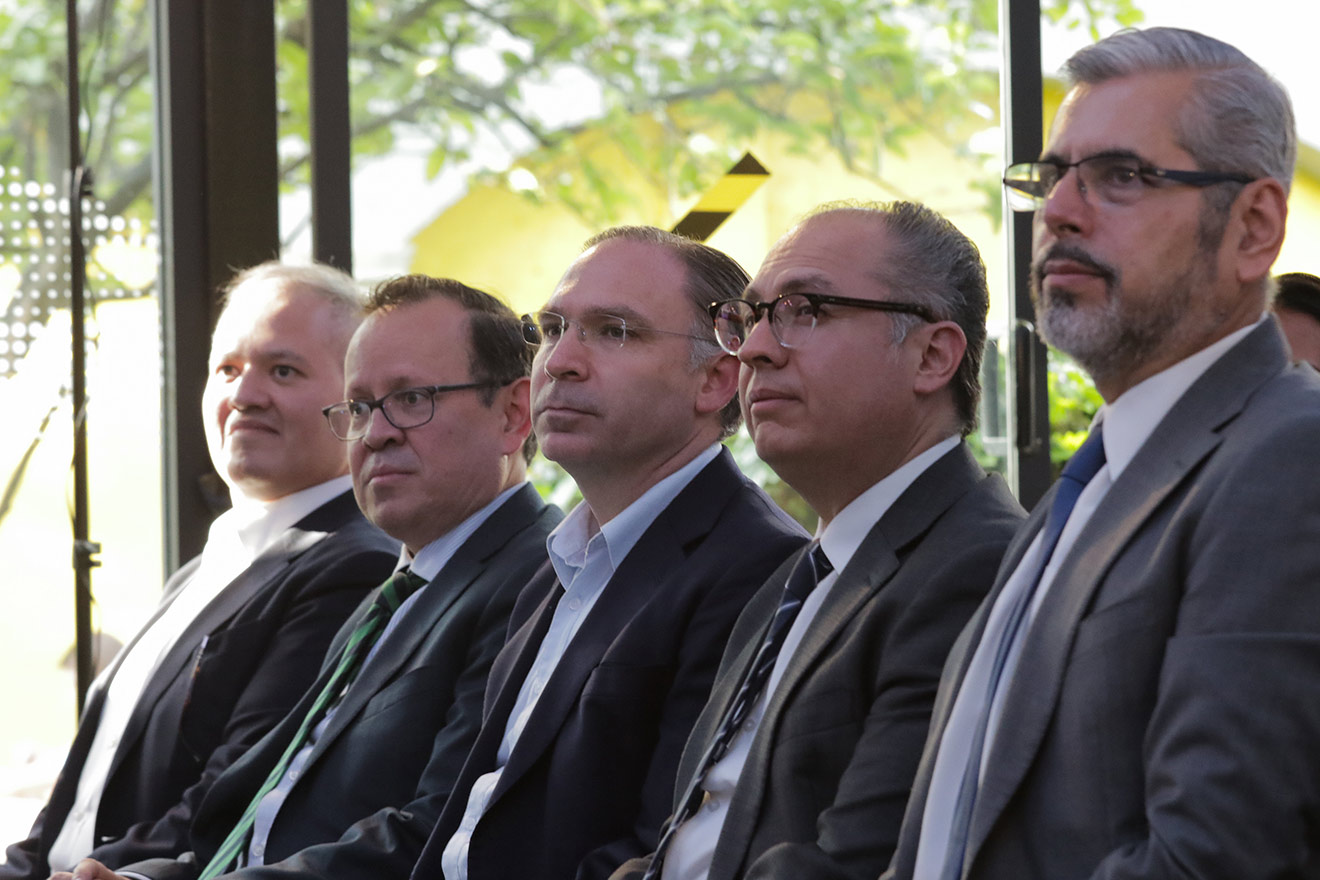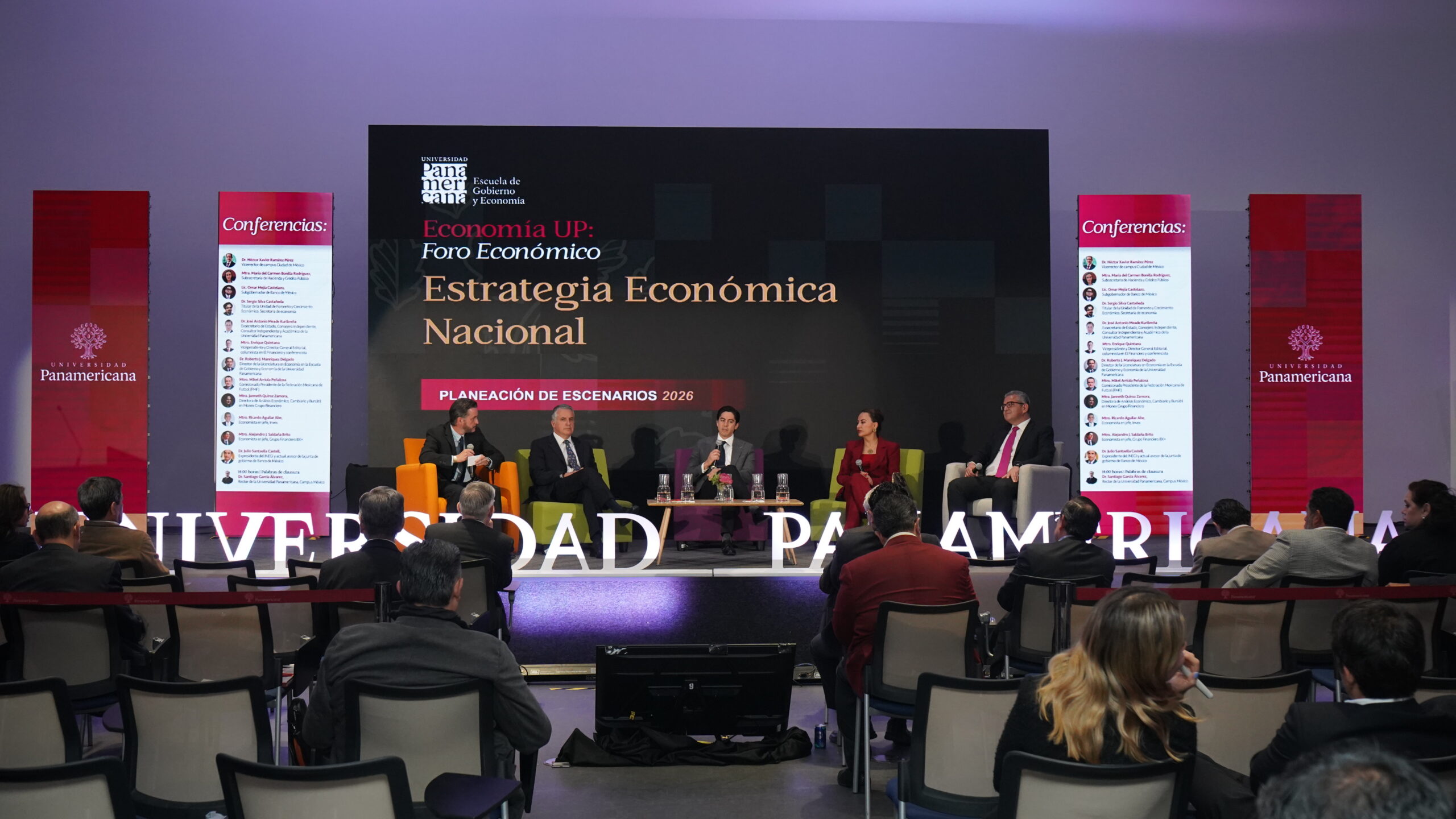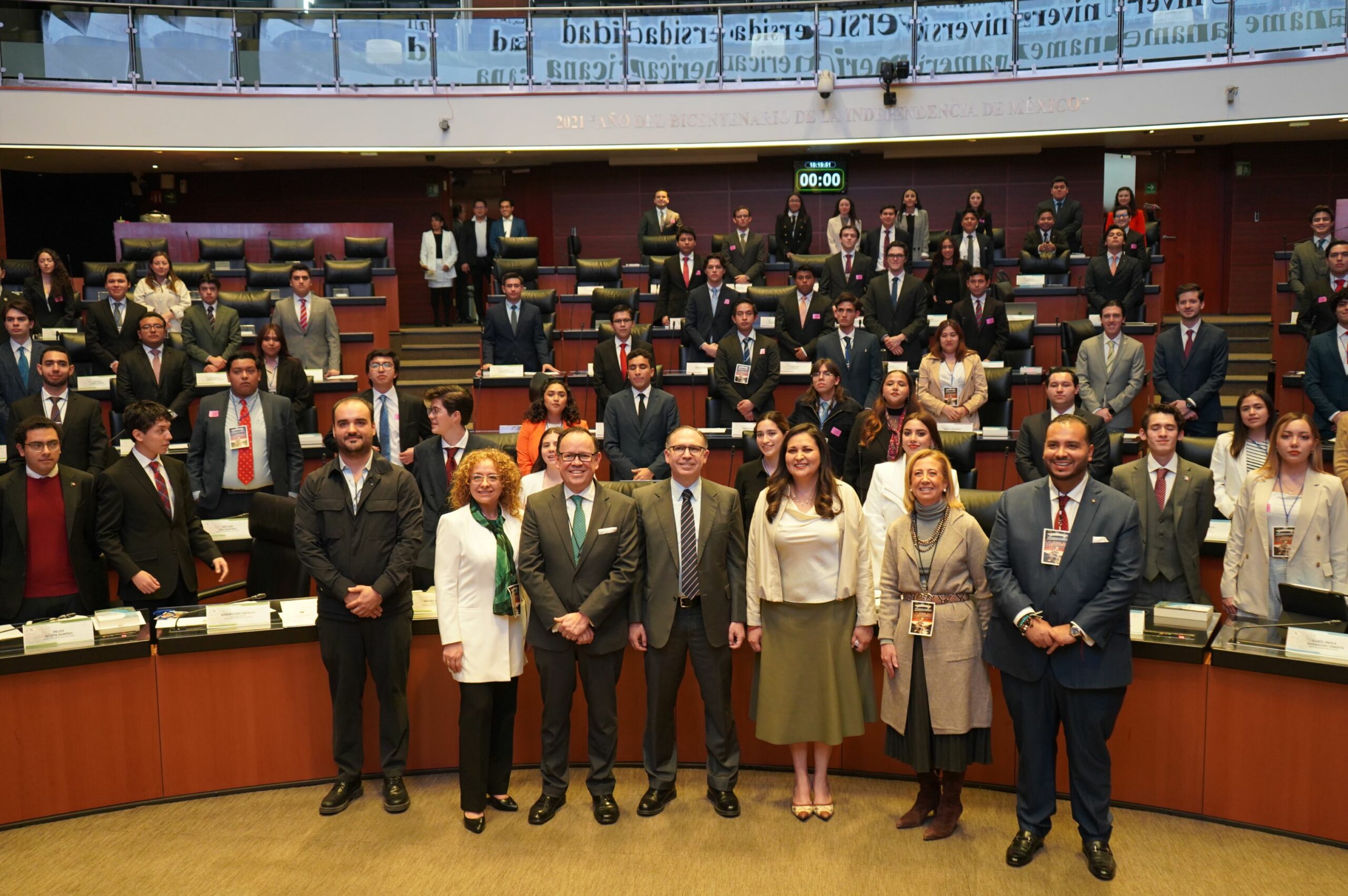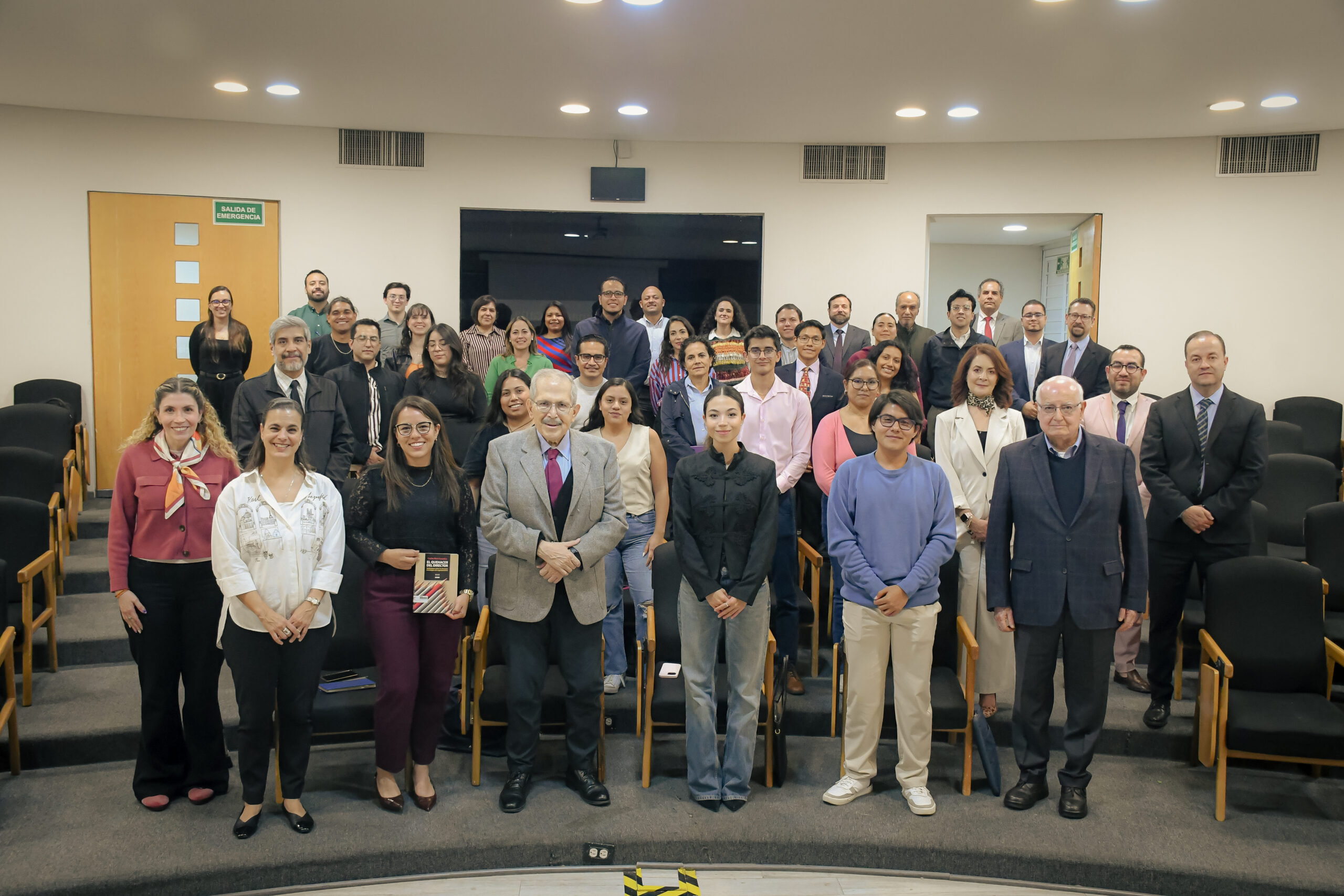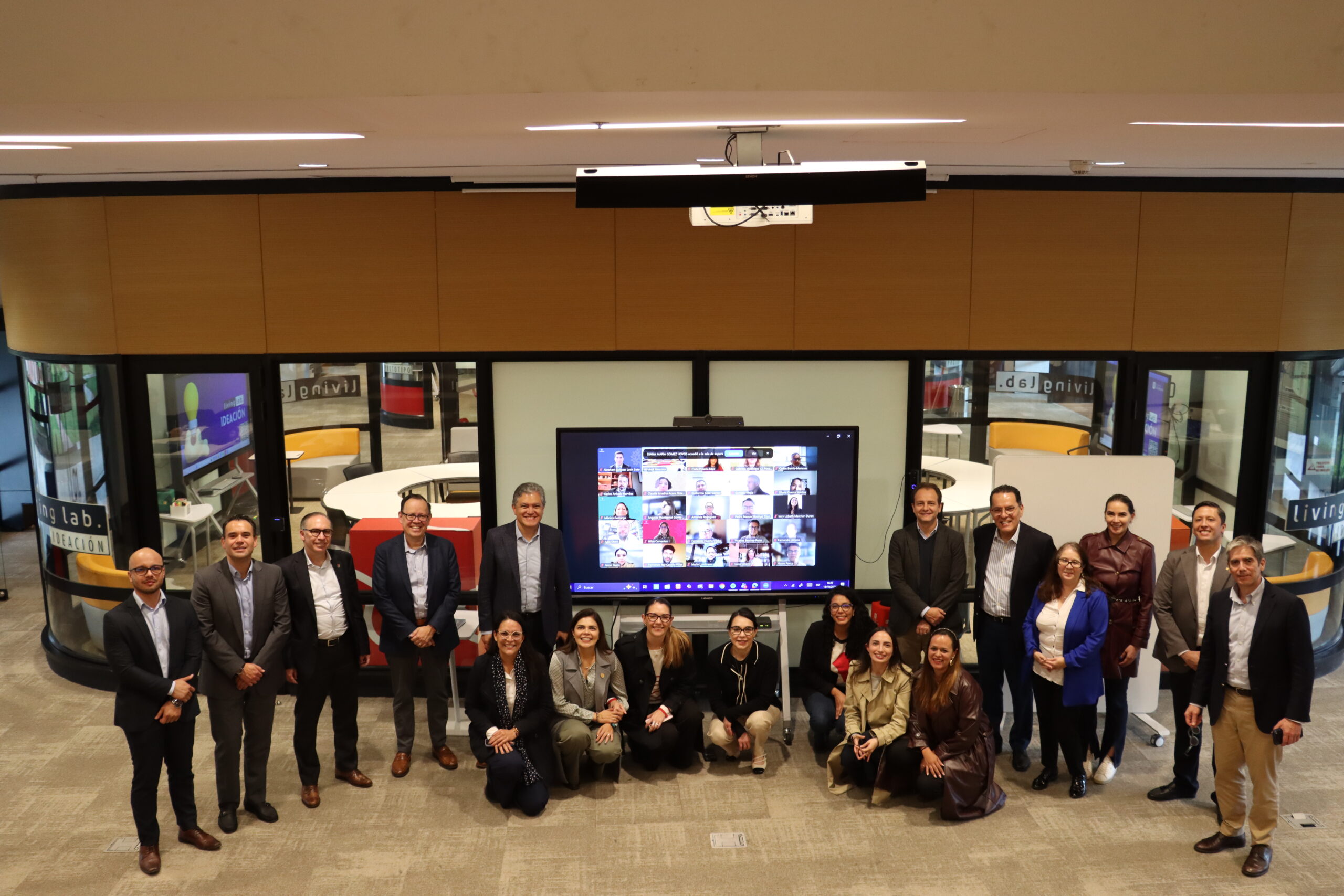
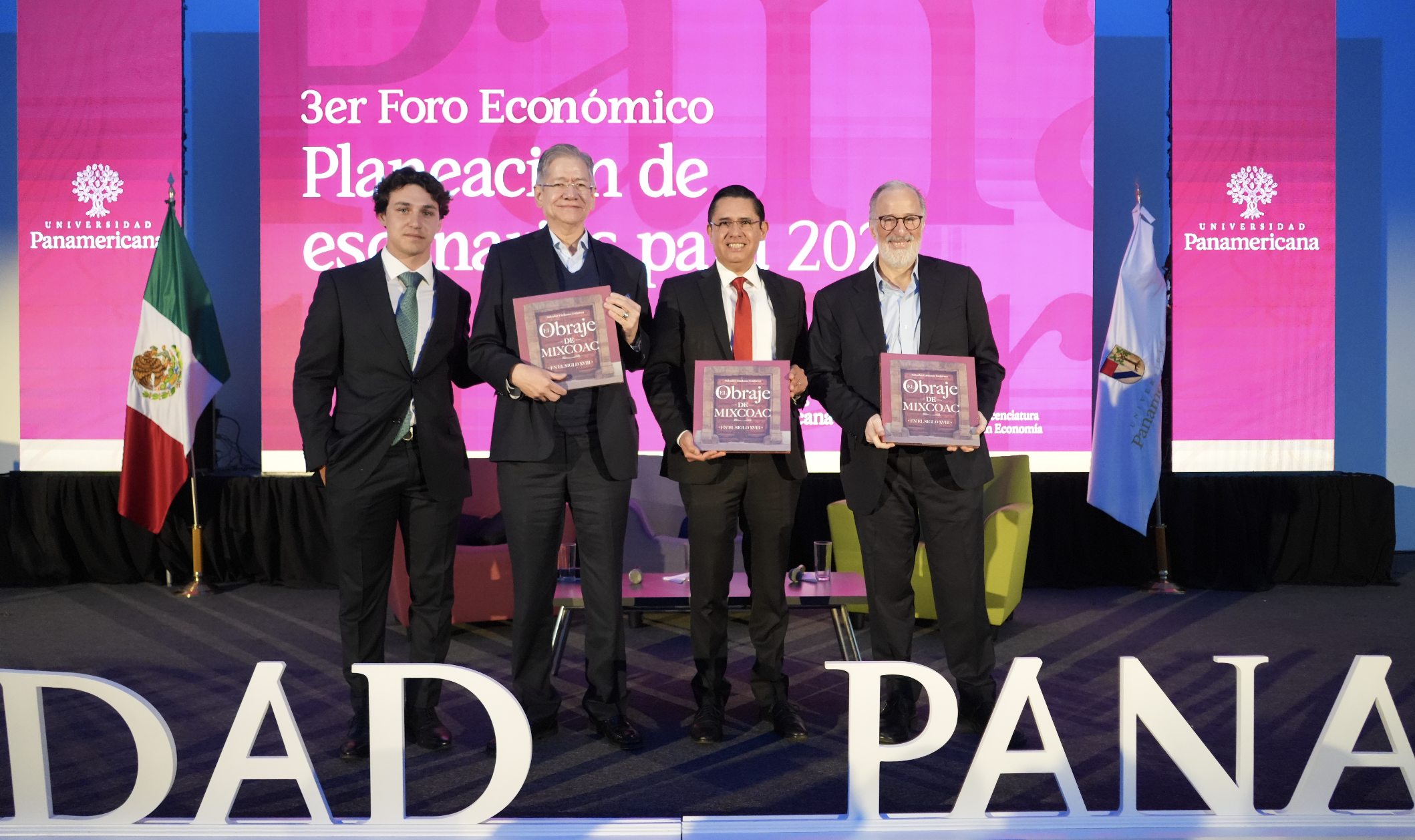
Ciudad Panamericana, Huixquilucan, State of Mexico; November 18, 2026.— The Universidad Panamericana held the third edition of the UP Economic Forum: Planning the Economy for 2027, a forum for dialogue among authorities, executives, specialists, and academics to analyze the financial, commercial, technological, and investment challenges Mexico will face next year.
Through six working groups, participants examined the macroeconomic environment, industrial policy, inflation trends, bilateral relations with the United States, and the progress of the digital economy. The meeting also marked the start of activities commemorating the 60th anniversary of the “ Universidad Panamericana ” and the 50th anniversary of the bachelor’s degree program in economics.
During the inauguration, Dr. Héctor Ramírez, vice president of the Mexico campus of the Universidad Panamericana , emphasized the importance of studying the global changes affecting today’s economy, particularly those related to digital transformation.
Tight Margins and Structural Challenges Looking Ahead to 2027
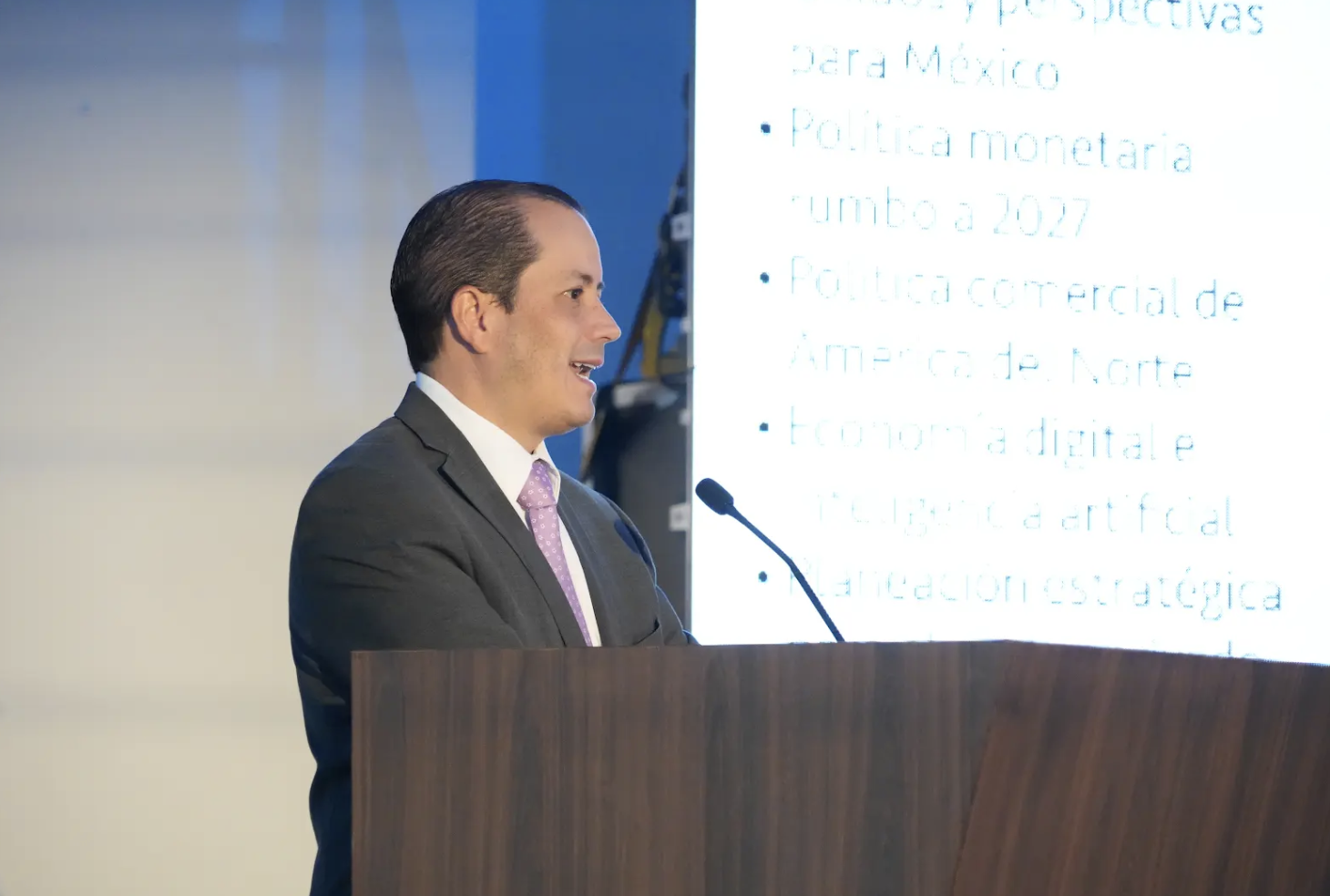
During the forum's opening sessions, the speakers agreed that the coming year will be marked by tight margins in the fiscal, monetary, and trade spheres.
Among the main challenges identified are:
- Business certainty: Adapting economic and business planning to ongoing revisions under the USMCA.
- Fiscal and Energy Policy: Strengthen government revenues to support the sovereign credit rating and address shortcomings in the energy and water sectors.
- Inflation control: Maintain open channels of communication between the central bank and the public to strengthen the effectiveness of monetary policy.
- Industrial policy and investment: Strengthen local supply chains and replace imports in strategic sectors such as the automotive and electrical industries through the Mexico Plan.
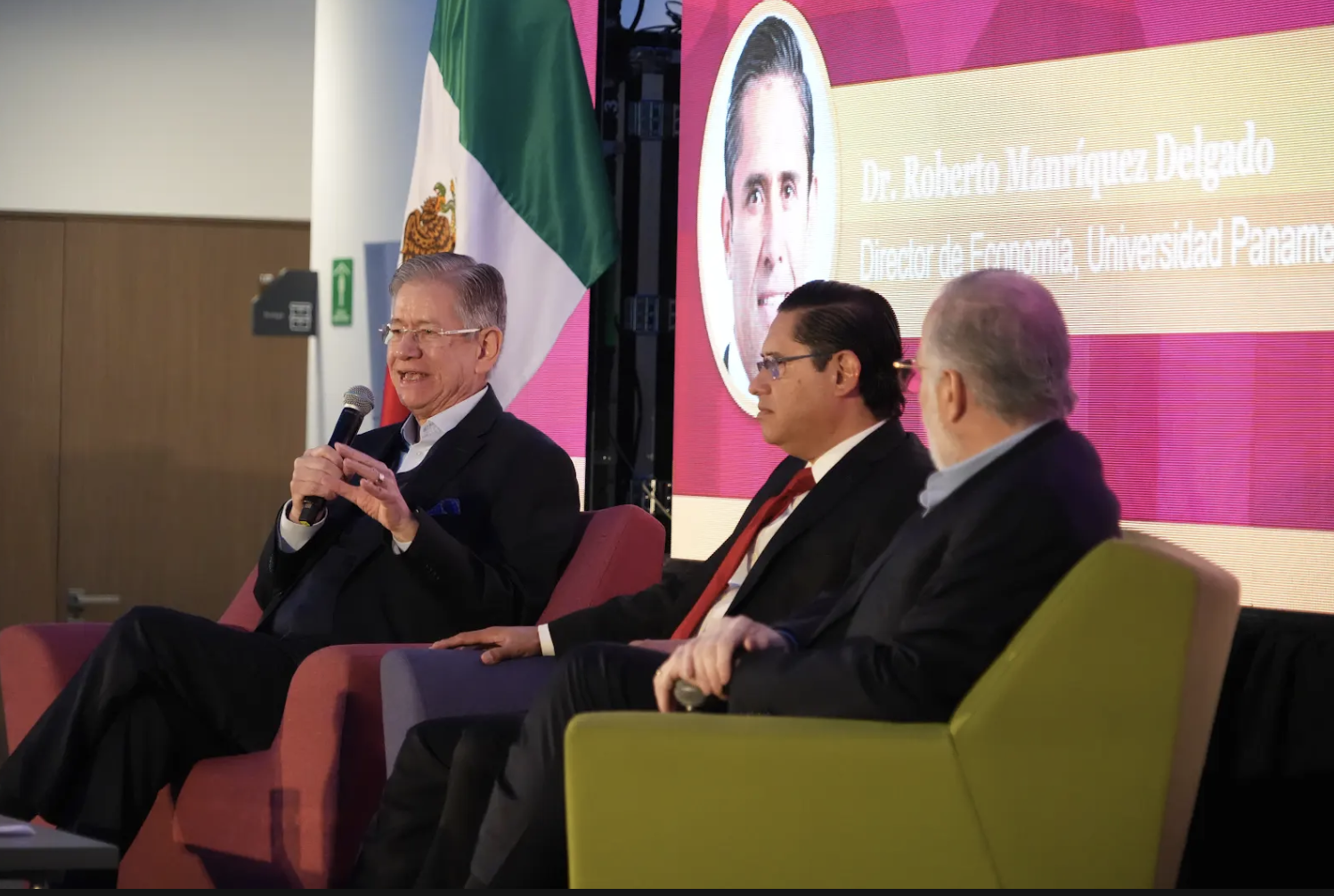
Participants in these roundtable discussions included Dr. Enrique Quintana, editor-in-chief of El Financiero; Dr. José Antonio Meade Kuribreña, chairman of the HSBC Board of Directors; Dr. Sergio Silva Castañeda, head of the Economic Development and Growth Unit at the Ministry of Economy; and Omar Mejía Castelazo, deputy governor of the Bank of Mexico (Banxico).
Bilateral Relations and Financial Transformation
The analysis also examined the impact of the U.S. midterm elections and the role of technological innovation in the Mexican financial system.
Dr. Rafael Fernández de Castro, director of the Center for U.S.-Mexican Studies at the University of California, San Diego, and Dr. Juan Carlos Baker Pineda, managing partner at Ansley Consultores, noted that, although trade tensions and increased scrutiny of the USMCA persist, Mexico continues to have strategic opportunities to cooperate with border state governments and establish itself as a key partner in the reindustrialization of North America.
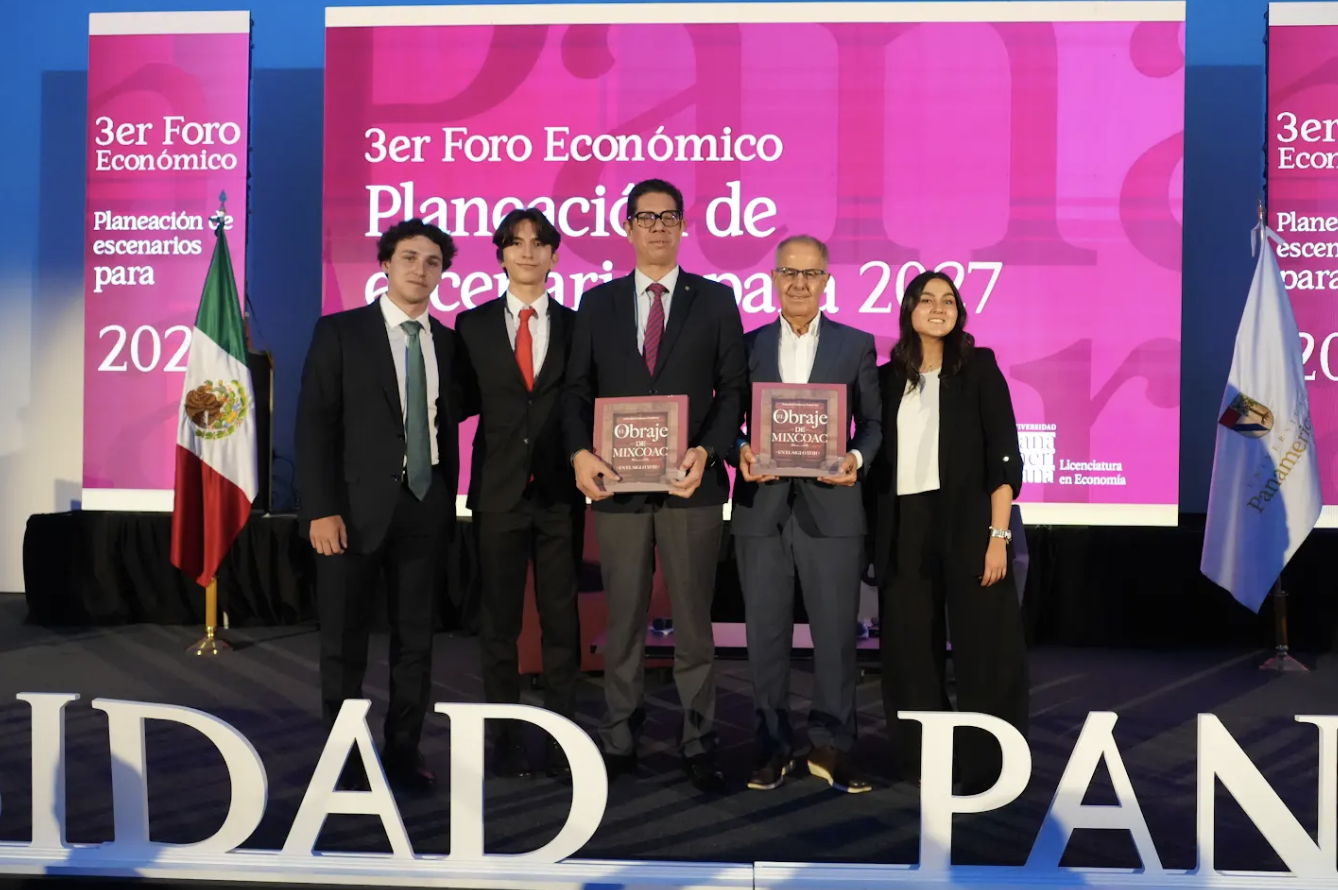
For their part, Federica Gregorini, M.A., CEO of Belvo Fintech, and Francisco Valdivia, M.A., CEO of Visa Mexico, agreed that Open Finance, digital assets, and artificial intelligence are expanding access to credit for SMEs and modernizing payments. However, they cautioned that technological progress requires updating the regulatory framework and reducing the use of cash.
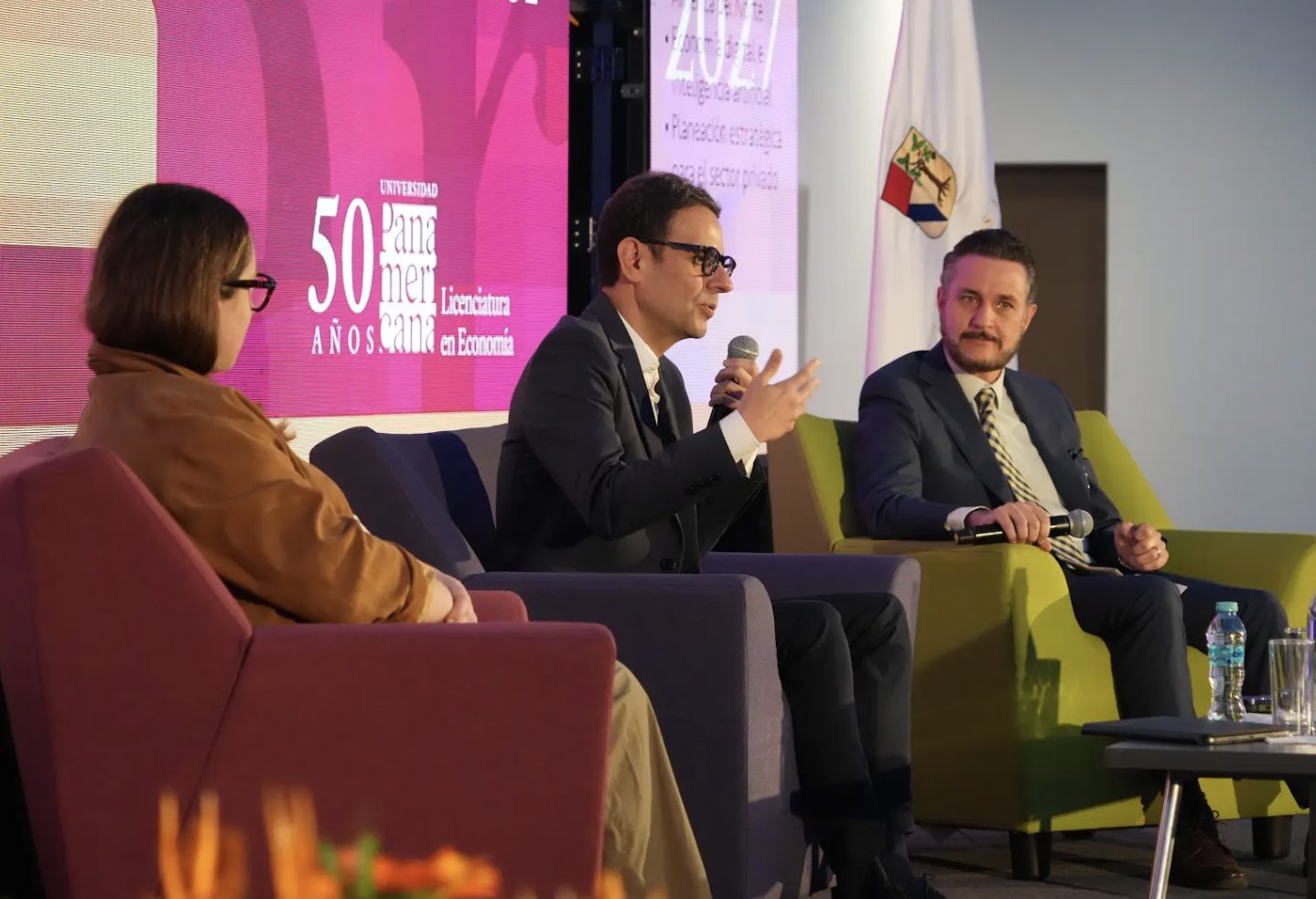
During the closing panel on macroeconomics, Janneth Quiroz, M.A., director of Economic, Foreign Exchange, and Stock Market Analysis at Monex; Dr. Julio Santaella, advisor to the Governing Board of Banxico; and Alejandro Saldaña Brito, M.A., chief economist at Ve Por Más, reviewed growth expectations, estimated at between 1.8% and 2% for the year-end, subject to manufacturing performance and trade developments.
The Centrality of the Individual in Economic Analysis
At the closing of the event, Dr. Fernando Batista Jiménez, president of the Universidad Panamericana, Mexico City campus, noted that creating these opportunities for analysis is an essential part of the institution’s educational mission.
“The university cannot and must not remain detached from the major problems of its time; on the contrary, it is called upon to study them rigorously, to understand their complexity, and to contribute to their solution through knowledge, research, and the education of future generations,” he stated.
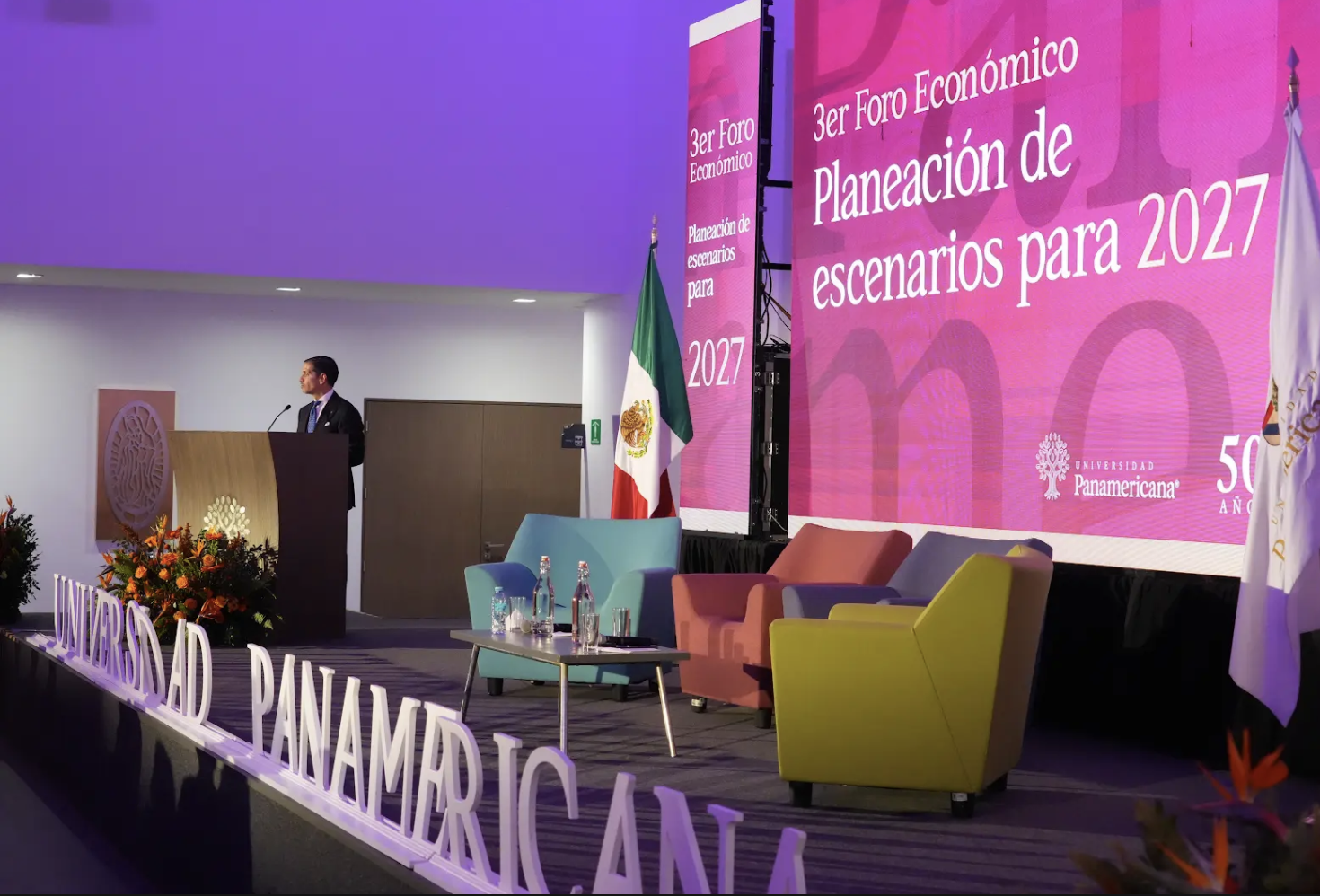
With the third edition of the UP Economic Forum, the University of the Pacific ( Universidad Panamericana ) strengthens the ties between academia, the business sector, and public discourse, and contributes to the analysis of the challenges and opportunities for Mexico’s economic development.