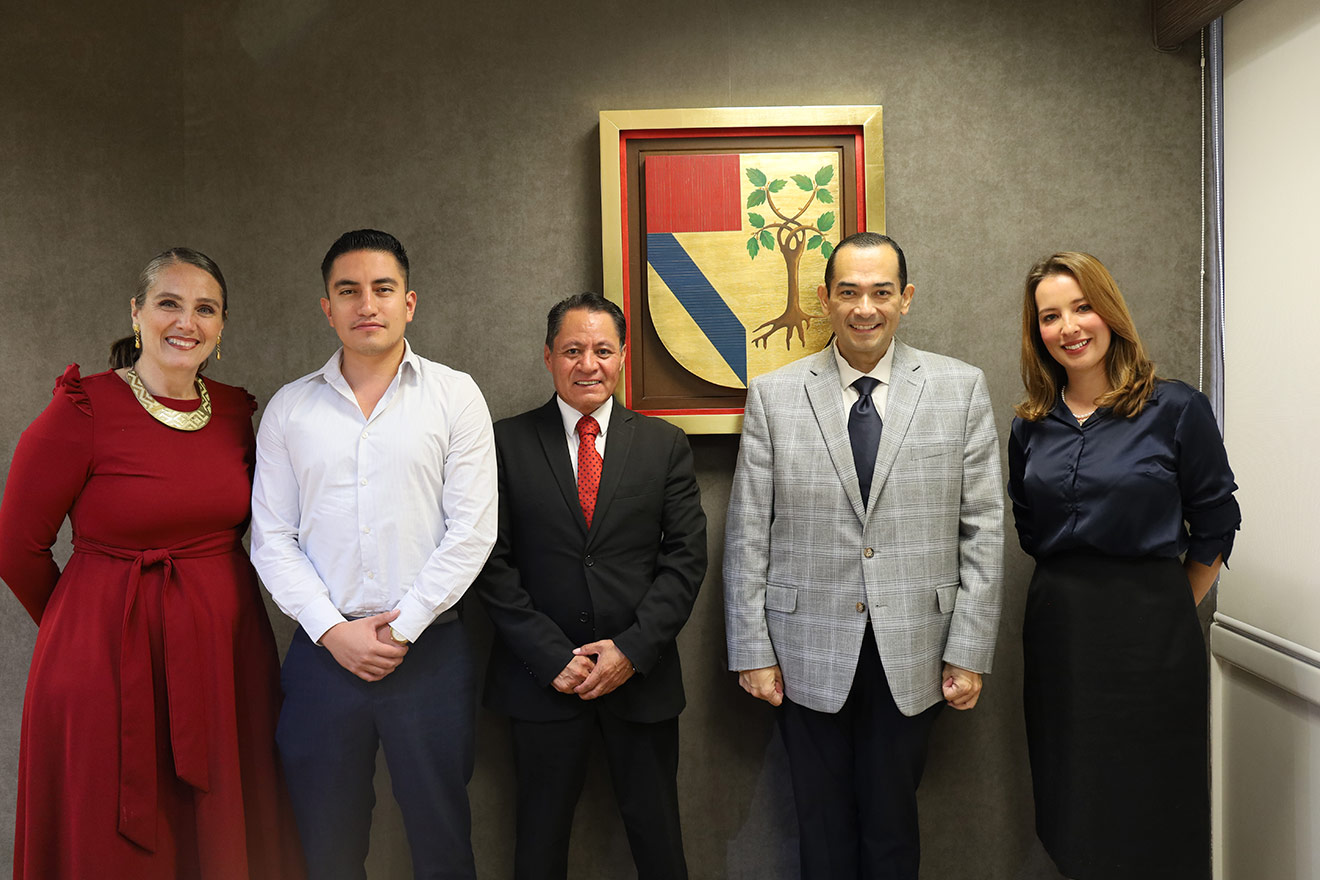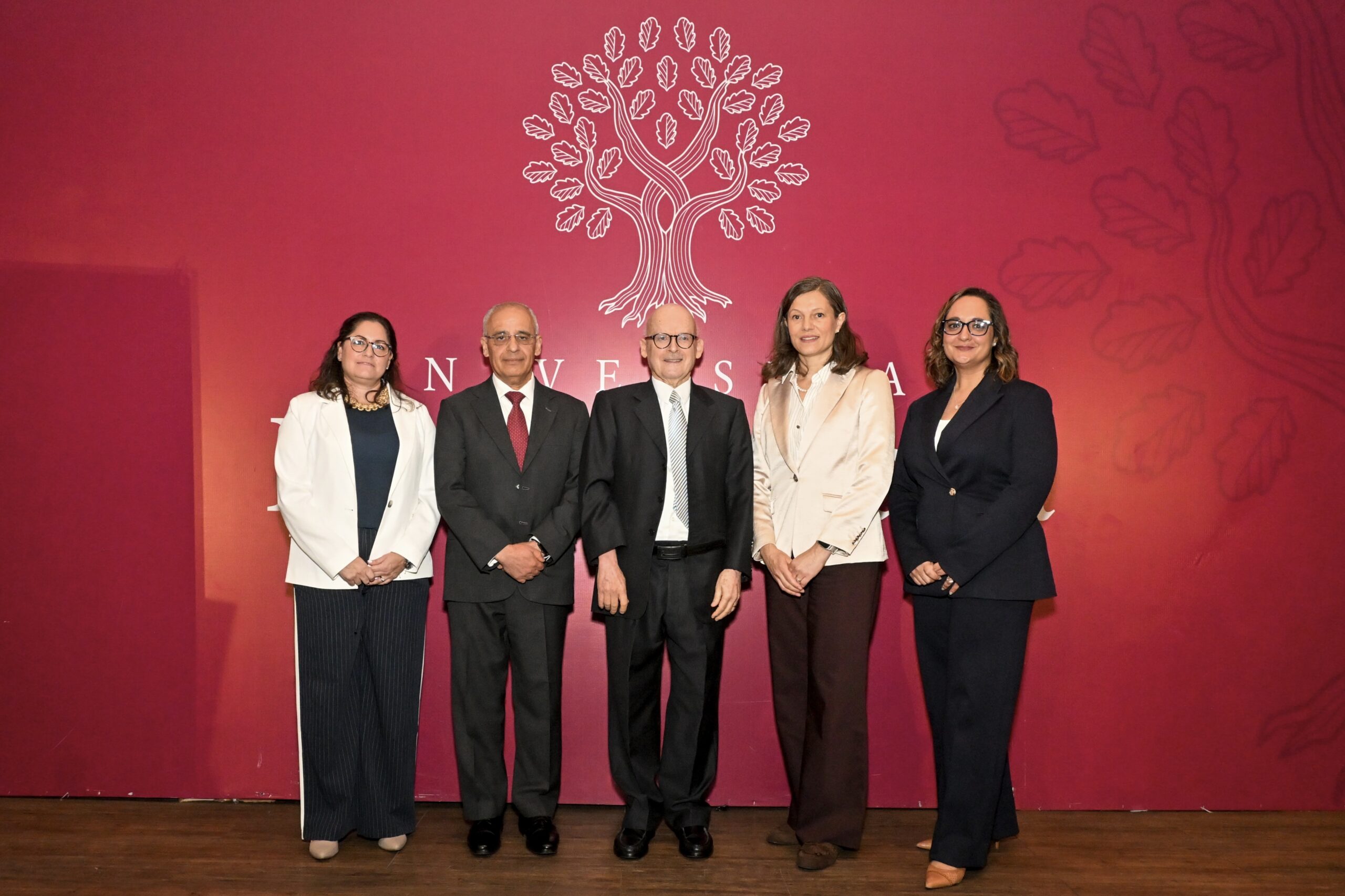
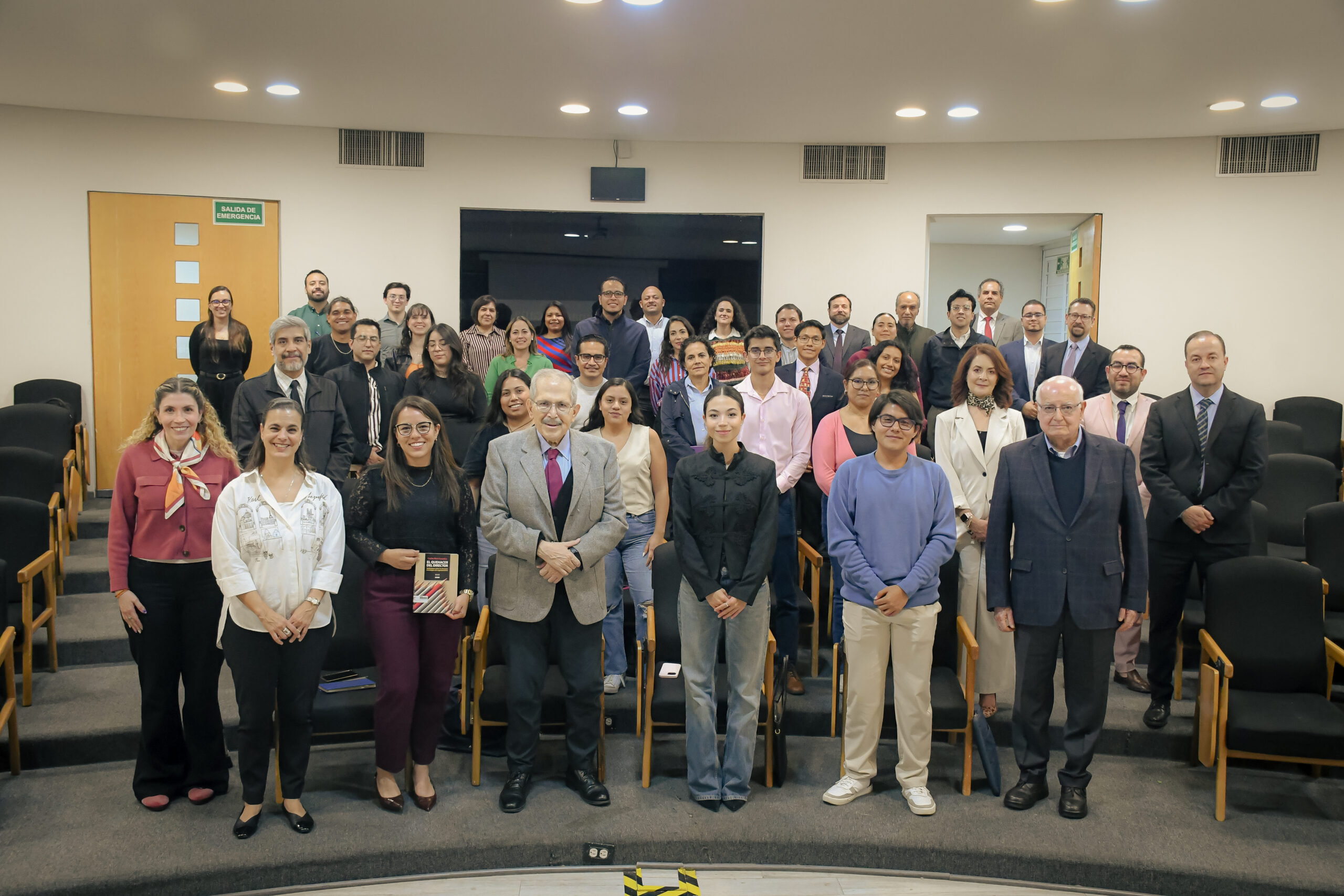
Aguascalientes, Aguascalientes, November 2, 2026.— As part of the activities commemorating the 60th anniversary of the Universidad Panamericana, Carlos Ruiz González, professor of Strategy and Management at the IPADE, delivered a lecture titled "The Man: Who Was Carlos Llano?", a session to reflect on the life, ideas, and legacy of the founder of the Universidad Panamericana.
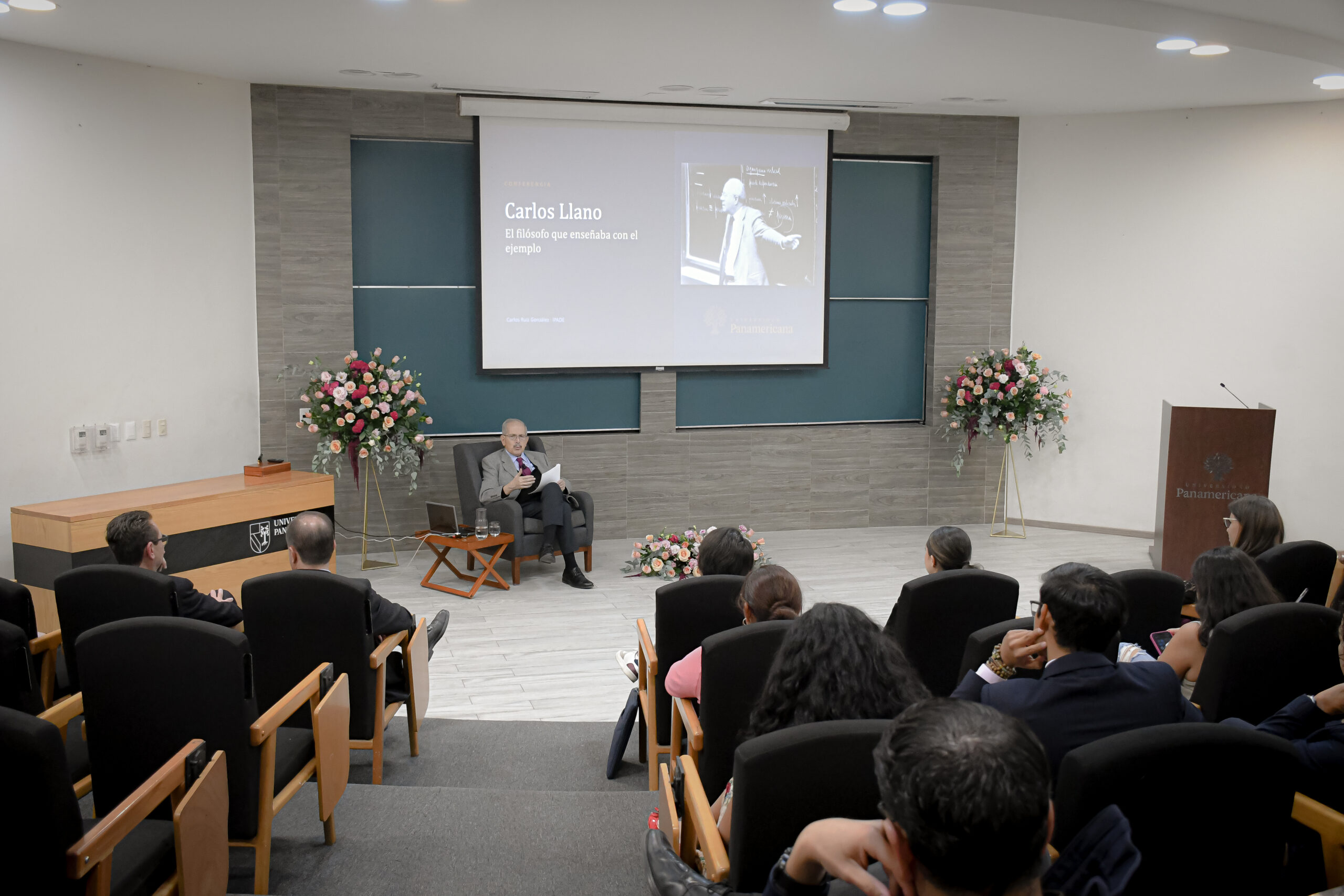
Through anecdotes, reflections, and personal experiences, the speaker gave the audience insight into the human, academic, and business aspects of Carlos Llano, whose ideas remain relevant today in the development of leaders and in our understanding of education and organizational leadership.
A Life Spanning Philosophy and Business
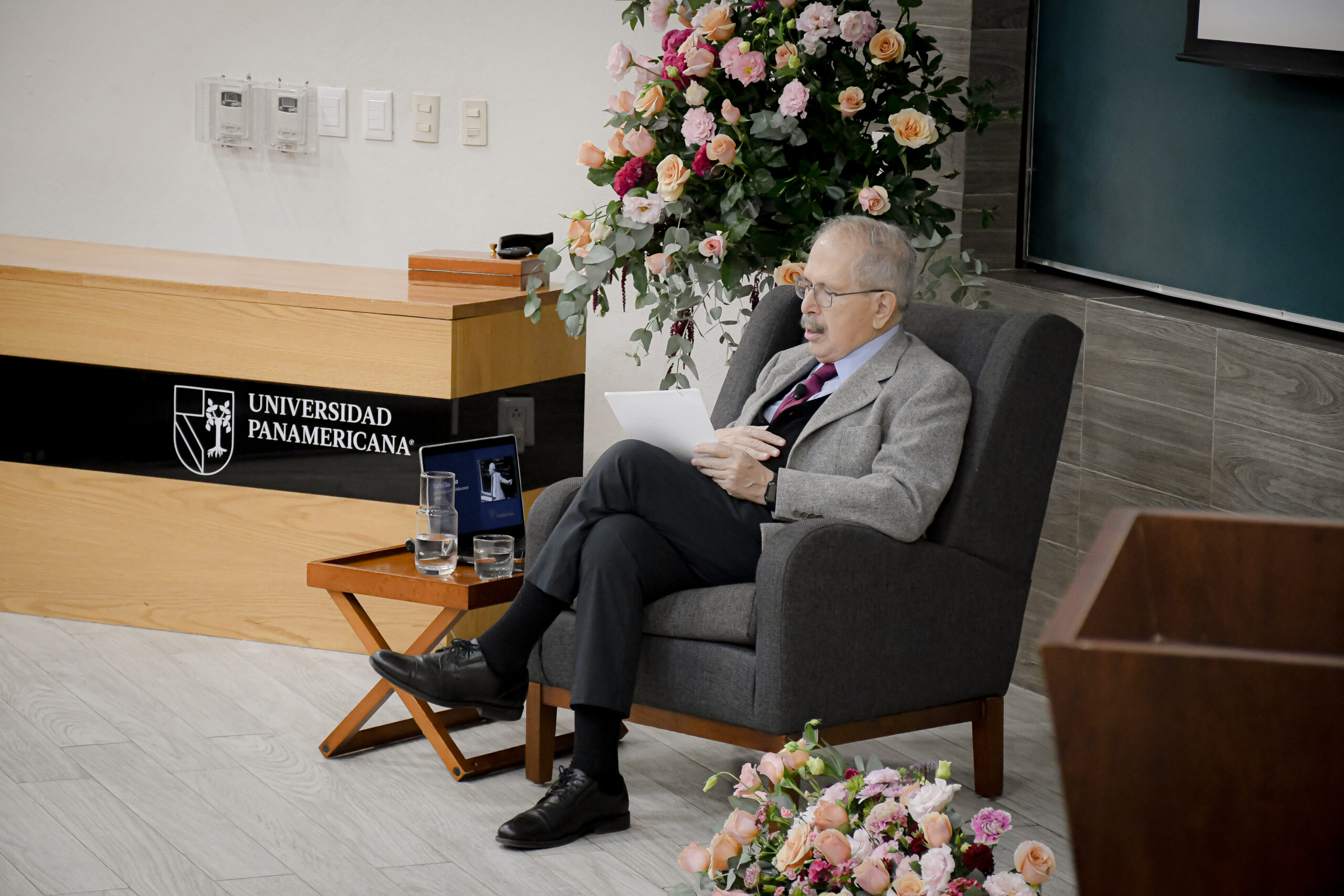
Carlos Ruiz González, who met Carlos Llano in 1977 and was his student, disciple, and close collaborator, shared an overview of the different stages of his life, from his early forays into philosophy to his role in the creation and consolidation of institutions dedicated to training entrepreneurs and executives.
During his teenage years, Carlos Llano had an experience that would shape the course of his life. At age 15, while living in Madrid, he contracted tuberculosis, which kept him from his usual activities for about a year. During that time, he began studying philosophy on his own, a discipline that sparked in him a deep interest in understanding human nature and that would later become the foundation of his thinking.

Although his father intended for him to join the family business, his reading of philosophical works reinforced his conviction that business required a solid humanistic foundation. He eventually studied philosophy at the Complutense University of Madrid and earned his doctorate from the University of St. Thomas Aquinas in Rome.
However, his education was not limited to the academic sphere. He also became involved in the business world, where he gained experience in various roles, including as purchasing manager at the La Suiza chocolate factory.
For Ruiz González, this combination was essential to understanding Llano’s contribution: a thinker who did not view philosophy as knowledge isolated from reality, but rather as a tool to guide people’s decisions and actions.
A vision that linked philosophy with business
One of the qualities that set Carlos Llano apart was his ability to integrate philosophical thought with business management. His involvement in the founding of the Pan-American Institute of Senior Business Management (IPADE) and the School of Business Administration of the University of the West ( Universidad Panamericana ) stemmed from a vision in which professional training could not be separated from reflection on the individual and his or her responsibility in society.
Reflecting on this way of understanding knowledge, Carlos Ruiz González shared a quote that sums up Llano’s thinking : “When you’re with businesspeople, talk about philosophy, and when you’re with philosophers, talk about business, ” he notes.
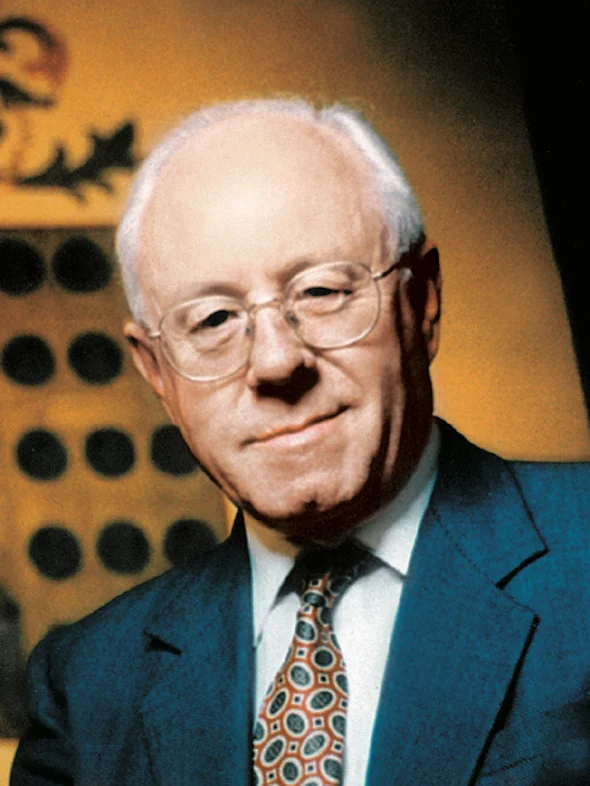
This expression reflects his interest in bridging two fields that are often considered distant from one another. On the one hand, he encouraged those in the business world to question the principles that guided their decisions; on the other hand, he reminded them that philosophy must also engage in a dialogue with reality and with the concrete problems faced by organizations.
From this perspective, running a company could not be reduced to achieving results or managing resources. It involved understanding people, recognizing their dignity, and assuming the responsibility that comes with working with them. This vision was also evident in his work at the Universidad Panamericana, where he served as rector, professor of philosophy, and president of the Governing Board.
The Teacher Who Helped Students Discover Who They Were
Beyond his contributions to institutions and business, the conference provided insight into a particularly significant aspect of Carlos Llano: his way of relating to others and his approach to teaching.
When speaking about his calling as an educator, Ruiz González recalled a saying that distinguishes between imparting knowledge and guiding a person’s growth: “A teacher explains the subject to you; a mentor helps you discover yourself.”
This reflection emphasizes an education that is not limited to presenting content or developing technical skills. From this perspective, the teacher’s role also consists of helping students recognize their abilities, question their own ideas, and discover what they can contribute to others.
Teaching thus becomes an encounter that transcends the classroom and can influence the way a person understands his or her calling and leads his or her life. In the same vein, the speaker highlighted a characteristic of Llano’s educational style: high standards combined with warmth and understanding.
“One of the hallmarks of a good teacher is to be demanding yet compassionate,” recalls Carlos Ruiz.
This statement helps us understand that, for Llano, being demanding did not mean imposing one’s will or pointing out mistakes without consideration, but rather trusting in each person’s potential for growth and supporting them so they could develop it. When it stems from respect and a genuine interest in others, being demanding becomes a way to help them become the best version of themselves.
Thus, his teaching style reflected a deeper conviction: a university education should contribute to the holistic development of individuals, encouraging them to put their knowledge and talents at the service of others.
Carlos Llano's Humanistic Leadership
Another key theme addressed during the conference was Carlos Llano’s thinking on the individual, freedom, prudence, and the exercise of authority. His vision of leadership was based on the recognition that organizations are made up of people, not merely of roles, resources, or metrics.
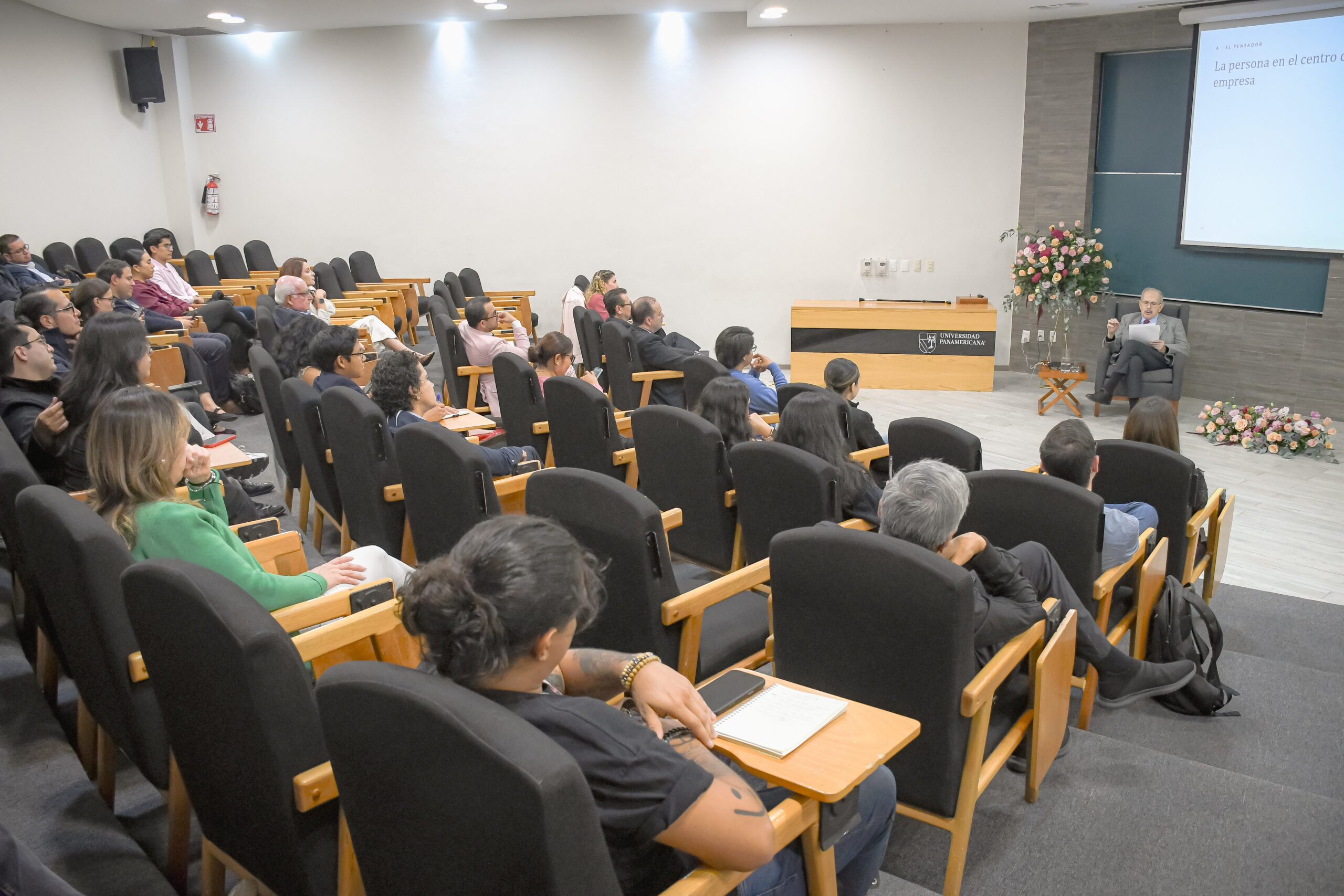
From this perspective, leadership involves creating the conditions that allow others to develop their own judgment, take on responsibilities, and act freely. Leadership is not about centralizing all decision-making, but rather about developing people who are capable of making responsible decisions and contributing to the common purpose.
This concept also allows us to distinguish between authority and power: while power can be exercised through coercion, authority is built on example, knowledge, and trust. Therefore, leaders also have a responsibility to foster the growth of those on their team.
The Relevance of His Thought in the Face of Today's Challenges
Carlos Llano’s reflections remain relevant in light of the changes the professional world is undergoing and, in particular, the development of new technologies. When discussing the challenges posed by artificial intelligence, Ruiz González shared an idea that encourages us to recognize the role of the individual in relation to these tools: “Technology amplifies who they are, but it does not determine who they are.”
This statement invites us to recognize that technology can expand human capabilities, streamline processes, and transform the way work is done, but it does not replace the judgment, responsibility, or principles of those who use it. In this sense, technological development makes it even more necessary to have a person-centered education that integrates knowledge and skills with a strong ethical foundation.
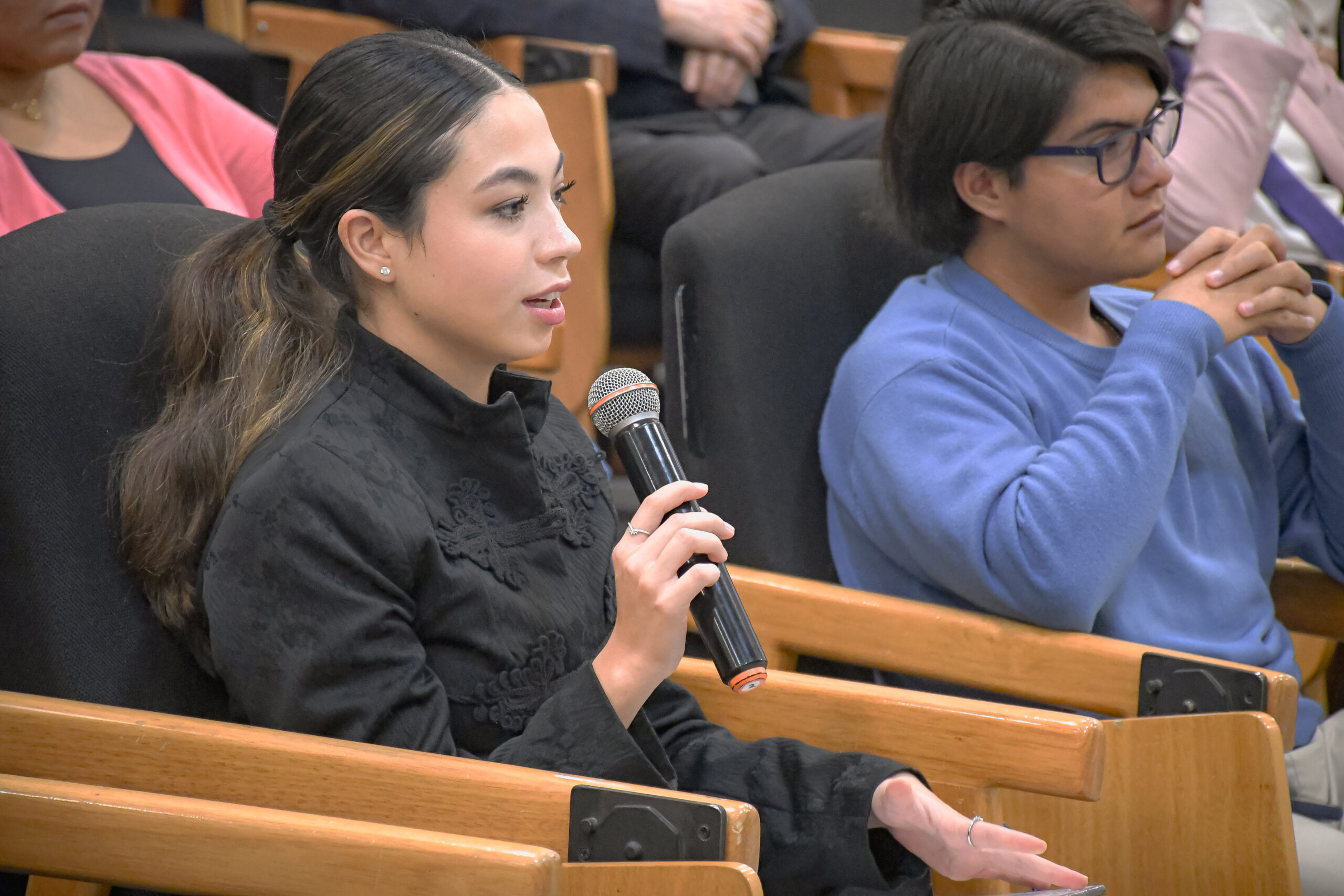
This reflection ties in with one of the fundamental ideas in Llano’s philosophy: the progress of organizations and society does not depend solely on their tools or resources, but also on the human qualities of those who make decisions and put their abilities at the service of others.
A legacy that lives on in people
Toward the end of the conference, Carlos Ruiz González took the discussion beyond Carlos Llano’s professional career to pose a question to the audience: “Who will say that about you in 30 years?”
This question invites us to consider the mark each person leaves on those around them. Beyond the positions held, the accolades received, or the achievements made, a legacy is also built through the opportunities we provide, the skills we help others develop, and the influence we exert on the lives of others.
Thus, Carlos Llano is portrayed not only through his contributions to education and the business world, but also through the lasting impact he had on those who learned from him. His legacy lives on in the people he inspired to think, make decisions, grow, and put their abilities to work for others.
As part of the 60th anniversary of the Universidad Panamericana, recalling his ideas also provides an opportunity to reflect on the meaning of a university education and the responsibility of those who make up its community.
Events such as this conference help keep alive the dialogue on the principles that gave rise to the institution and renew our commitment to an education that, in addition to preparing competent professionals, helps shape individuals of integrity—people capable of exercising their freedom responsibly, leading with a sense of humanity, and putting their knowledge at the service of society.