Mexico City, Chía, and Santiago, Chile; October 14, 2026.— The Universidad Panamericana (Mexico), the University of La Sabana (Colombia), and the University of the Andes (Chile) launched the Second Call for Proposals for the Fund (2027–2029), which is organized into two funding streams and allocates USD 310,000 to joint research, innovation, and technology transfer projects.
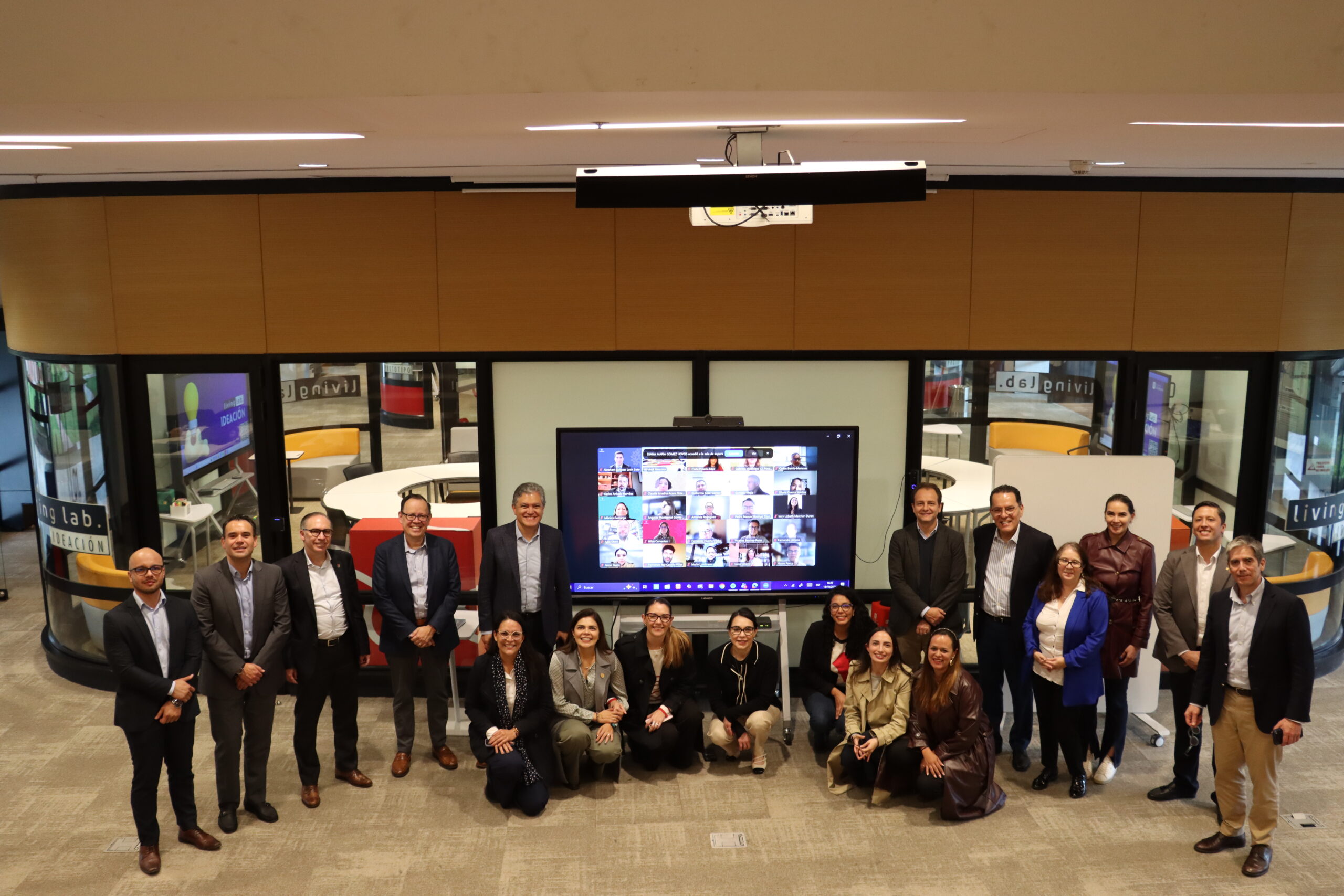
In a virtual session with officials, researchers, and internationalization teams from the three countries, the universities presented the new edition of the Fund. The call for proposals builds on the results of the first bilateral edition and expands the partnership with the addition of the Universidad de los Andes in Chile.
A first edition that laid the groundwork for research communities
A little over two years ago, the National Institute of Science and Technology ( Universidad Panamericana ) and La Sabana University created a seed fund to bring together researchers from both institutions to address common challenges. The results confirm that the model worked.
More than 300 researchers participated in the academic meetings. Fifteen joint proposals were received, involving 89 researchers, and five projects were funded with a total seed investment of USD 250,000. The fund operated under a principle that remains in place for this edition: each university manages and uses its own resources, with no transfers between institutions.
“With this fund, we weren’t looking to finance isolated projects. We wanted to foster research communities capable of sustaining themselves. Today we can say, based on the data, that this approach worked,”, explains Dr. Sergio Velázquez Rodríguez, Vice Rector for Research at the National Autonomous University of Mexico ( Universidad Panamericana ).
Early results include articles submitted to Q1 journals, research stays, a joint symposium, and more than ten proposals submitted to internal and external calls for proposals. Three of those proposals have already received funding from the UP Call for Proposals, MinCiencias ( Colombia Inteligente), and Erasmus+ CBHE.
Notable among the funded projects are digital platforms for assessing and training cognitive functions in the workplace; research providing scientific support for traditional fermented beverages from Mexico and Colombia; specialized training for the transition to green hydrogen; and an educational model developed in collaboration with rural communities and signatories to the peace agreement.
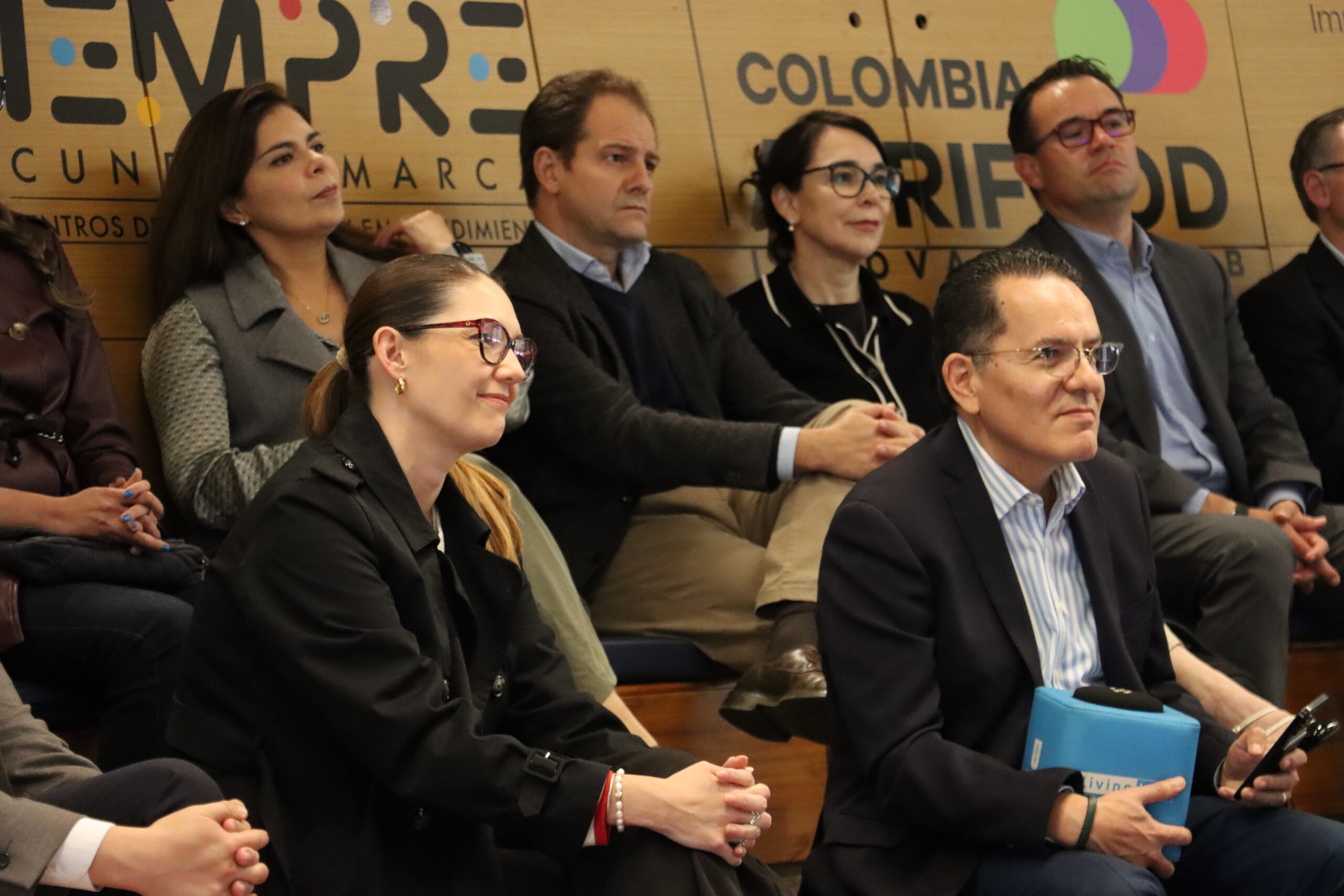
“The first edition demonstrated that the collaboration between La Sabana and the Panamericana isn’t just on paper. Our researchers built trust, shared expertise, and today are attracting external resources that multiply what we sowed together,”, says Juan Fernando Córdoba Marentes, Vice Rector for Faculty and Research at the University of La Sabana, Colombia.
Line 2: A Multilateral Partnership for Innovation and Technology Transfer
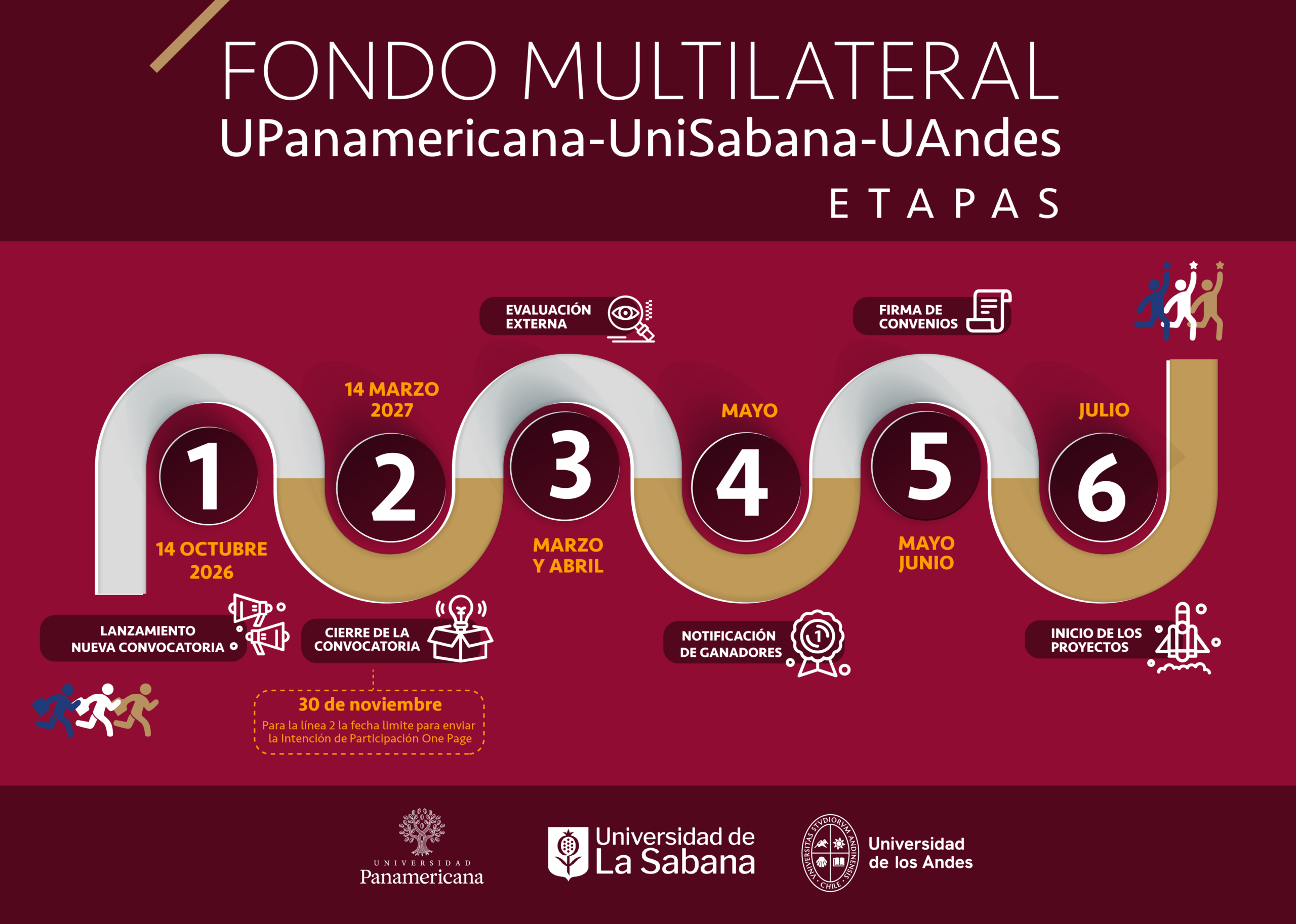
The main new feature of this edition is Line 2, which is multilateral in nature and dedicated to Seed Projects for Innovation and Technology Transfer. It has a total budget of USD 180,000, with a contribution of USD 60,000 per university, and will fund up to three projects of up to USD 60,000 each, with a maximum duration of 24 months.
Projects must be based on a prior scientific, technological, or social innovation development, with a minimum maturity level of 3 on the TRL (technological) or SRL (social) scales. This maturity must be supported by a certificate from the intellectual property or technology transfer office of the home university. Each team must commit to verifiable progress of at least one level within 24 months.
Teams will be tri-national, with a minimum of two members per university, and must align with the strategic priorities of the three institutions. Each project will also have at least one Partner, Validating, or Collaborating Institution—which may be a company, a public agency, or a social organization—to validate or adopt its results.
The deliverables will go beyond publications and will include patent applications, software registrations, and intellectual property sharing agreements among the universities.
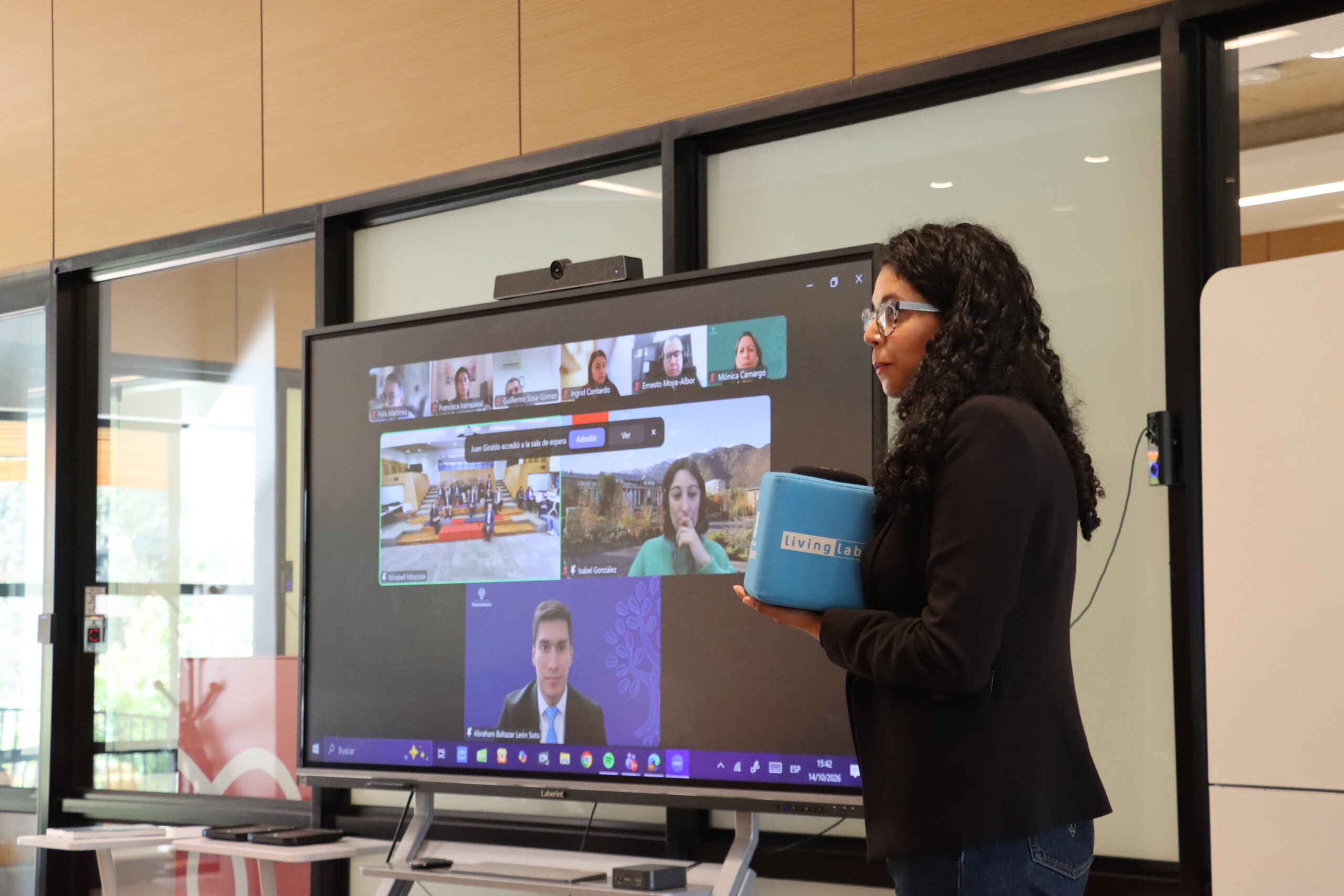
“It is an honor for the Universidad de los Andes to join a partnership that has already proven successful. We believe that research is most meaningful when it reaches people. This initiative will allow us to develop solutions together with partners from three countries and bring knowledge from the laboratory to society,”, says Javier Enríone Cáceres, vice president for research at the University of the Andes in Chile.
As a first step, interested teams must submit a one-page expression of interest by November 30, 2026. This document will be used to create a shared catalog and facilitate a trilateral brokerage event to help form teams and connect with external stakeholders.
Line 1: Continued Bilateral Collaboration in the Face of Shared Challenges
Line 1, a bilateral initiative between the “ Universidad Panamericana ” and the University of La Sabana, builds on the achievements of the first edition. It will have a budget of USD 130,000, contributed in equal parts, to fund up to four projects of up to USD 32,500 each, with a maximum duration of 24 months.
Proposals must be interdisciplinary, with members from at least two OECD Broad Areas, and must address one of four challenges shared by Colombia and Mexico that are relevant to Latin America:
- Health, well-being, and equitable access.
- Sustainable, Resilient, and Smart Territories.
- Governance, digital transformation, and social inclusion.
- Peacebuilding, coexistence, and reconciliation.
Each project must include, at a minimum, one joint article published in Q1 or Q2 journals indexed in WoS or Scopus. It must also include the participation of early-career researchers, the submission of a proposal to an external competitive call for proposals, an outreach or technology transfer outcome, and a roadmap for continuing the collaboration.
In both funding areas, each researcher may participate in only one project. Those who have already received funding may apply only with new and independent projects, not with continuations or second phases. The deadline for submitting proposals is March 14, 2027, and the results will be published in May 2027.
Internationalization as a Means of Generating Regional Impact
All three universities agree that the internationalization of research is a means to scale up projects, not an end in itself. The call for proposals seeks projects that are trinational from the outset, have real users from day one, and can grow into larger-scale funding, partnerships with industry, and solutions that have an impact on the region.
All of this will be aligned with the institutions’ strategic priorities: a fulfilling human life, sustainability, a culture of peace, the digital society, technology for the industry of the future, ethics, and human rights.
“The first edition showed us what two universities are capable of. This second edition invites us to imagine what three of us can achieve,”, says Abraham Baltazar León Soto, M.A., head of institutional research at the Universidad Panamericana , Mexico.
See the rules for the call for entries: https://www.up.edu.mx/convocatoria/multilateral-upanamericana-unisabana-uandes/
Contact:
investigacion.internacional@unisabana.edu.co