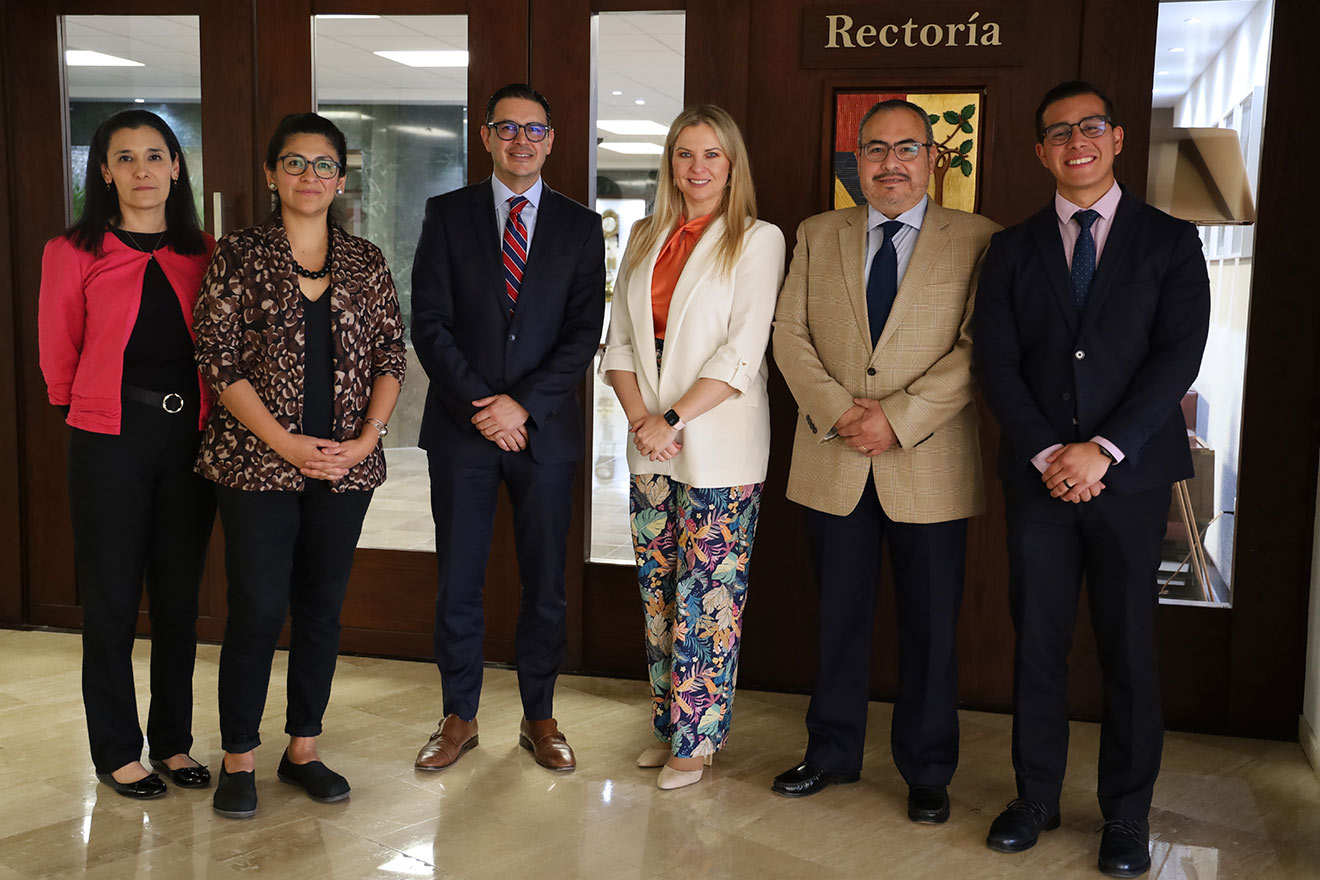
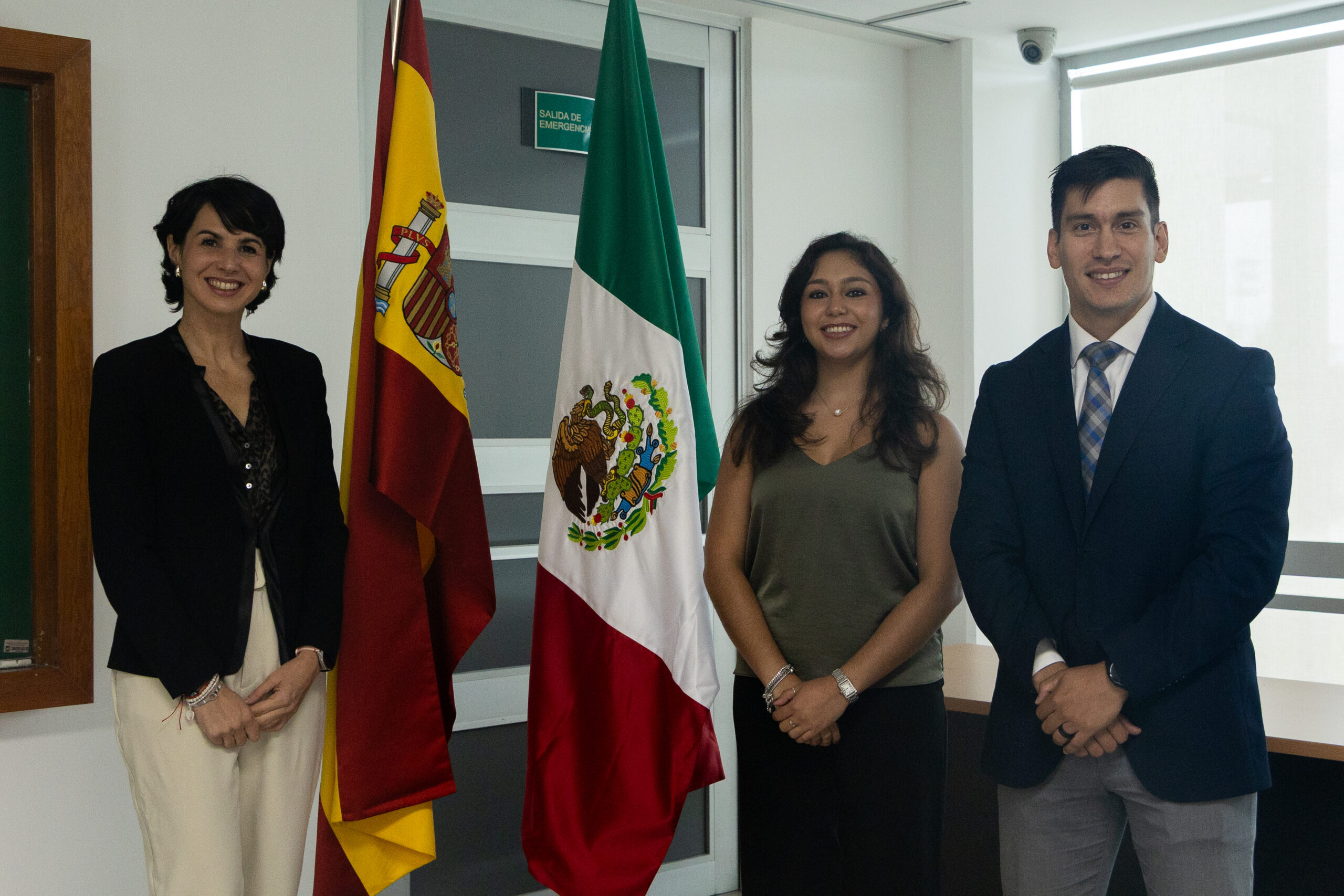
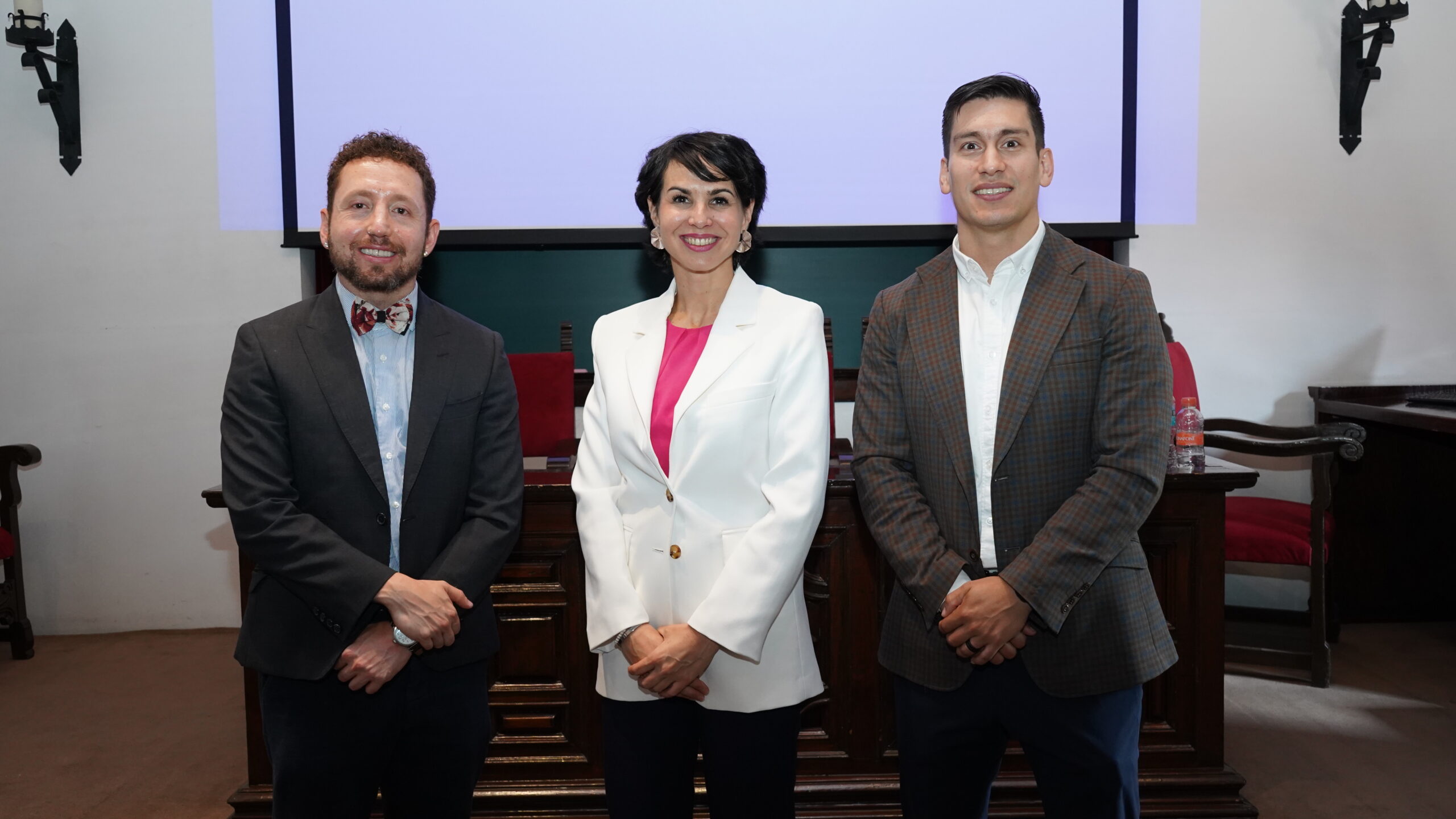
October 5, 2026.— The Universidad Panamericana held the workshop "High-Impact Collaborative Research: Strategies to Strengthen Your Projects and Your Access to Competitive Funding", led by Dr. Victoria Galán-Muros, co-founder and CEO of the Innovative Futures Institute and an international specialist in higher education and collaborative research.
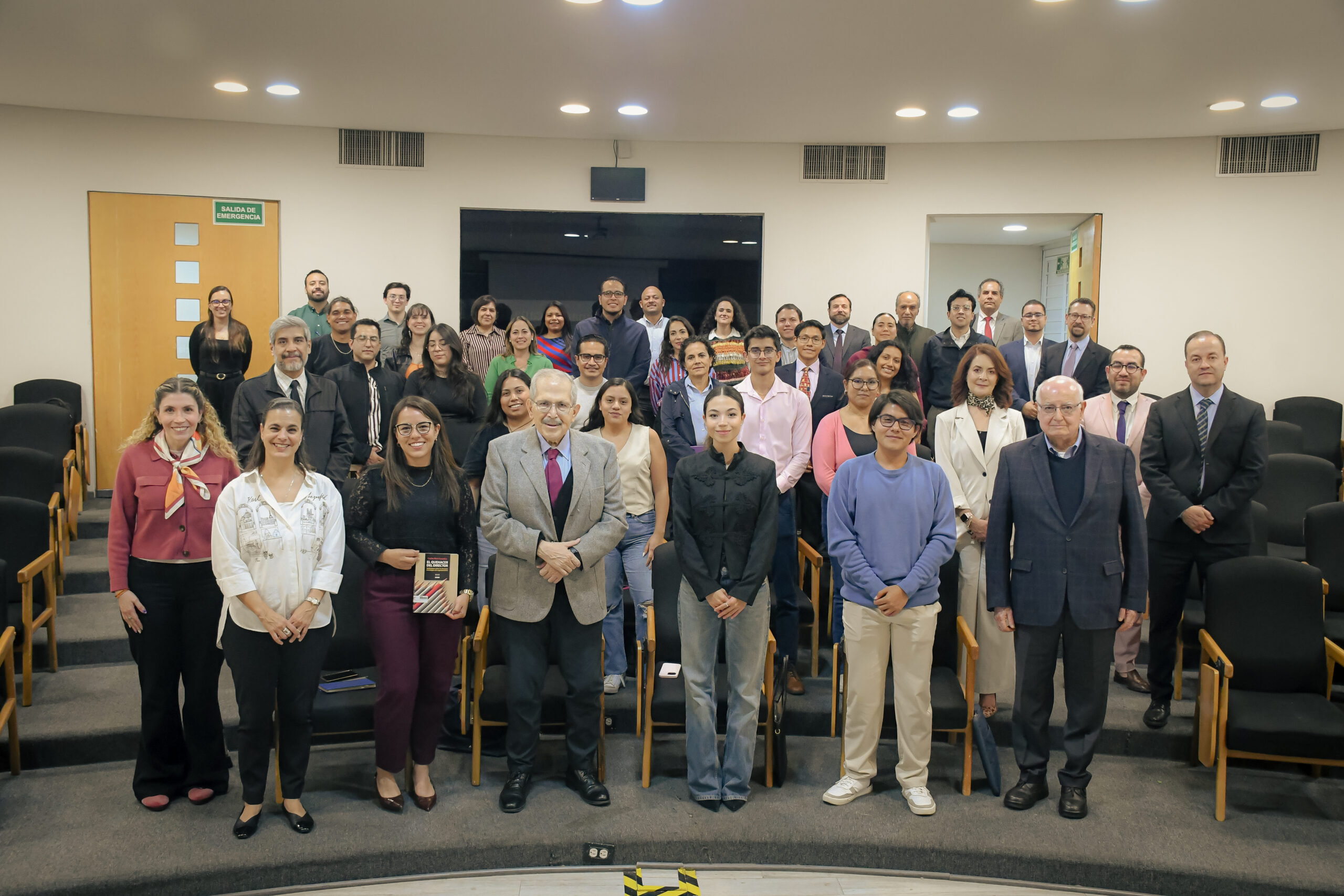
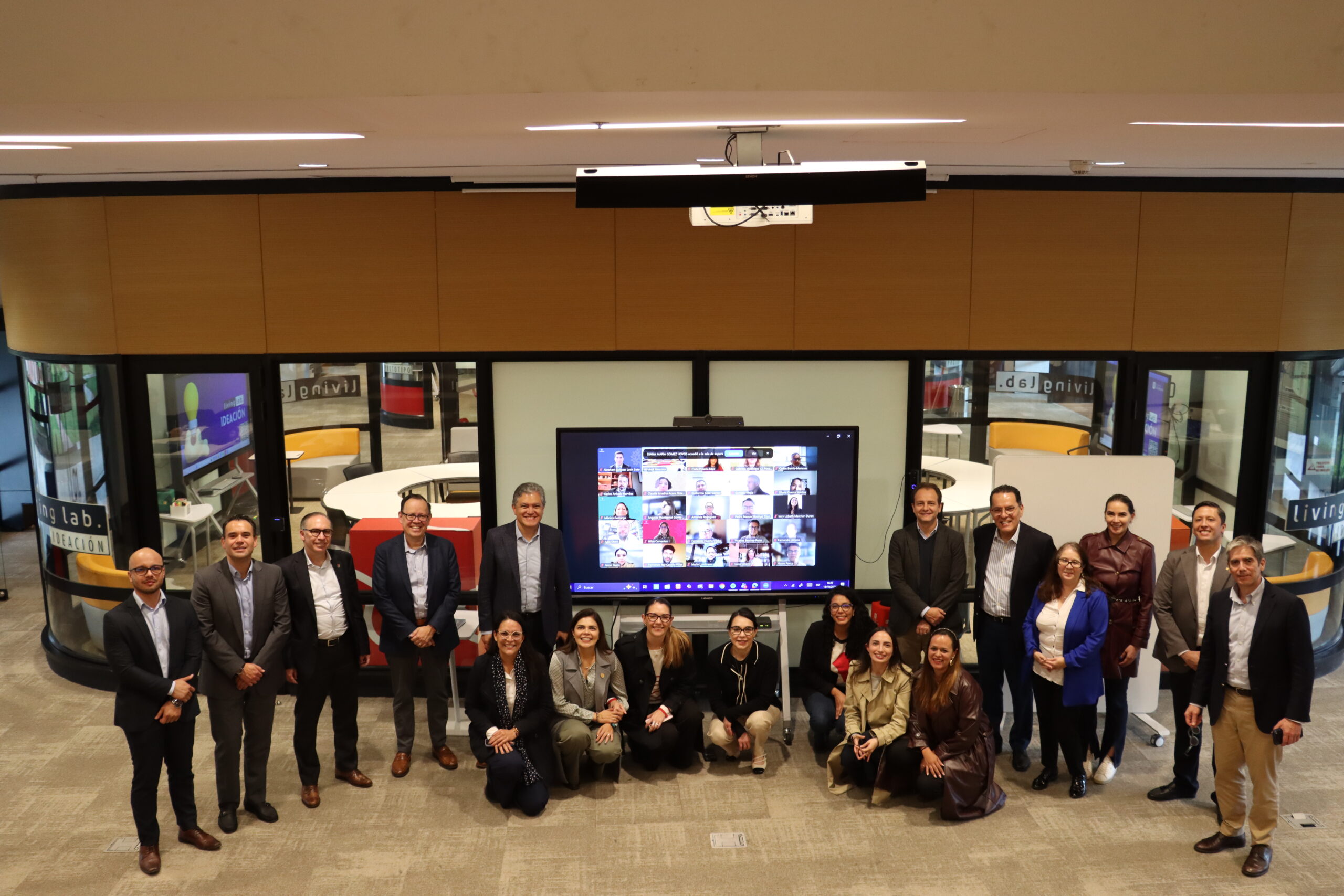
The events took place on Monday, September 28, in the Aula Magna on the Mexico City campus and on Tuesday, September 29, on the Guadalajara campus. They were organized by the Office of the Vice President for Research in collaboration with the Research Offices at both campuses.
Aimed at researchers on each campus, the meeting was designed to strengthen strategies for developing competitive research proposals, promote the acquisition of external funding, and increase their chances of success.
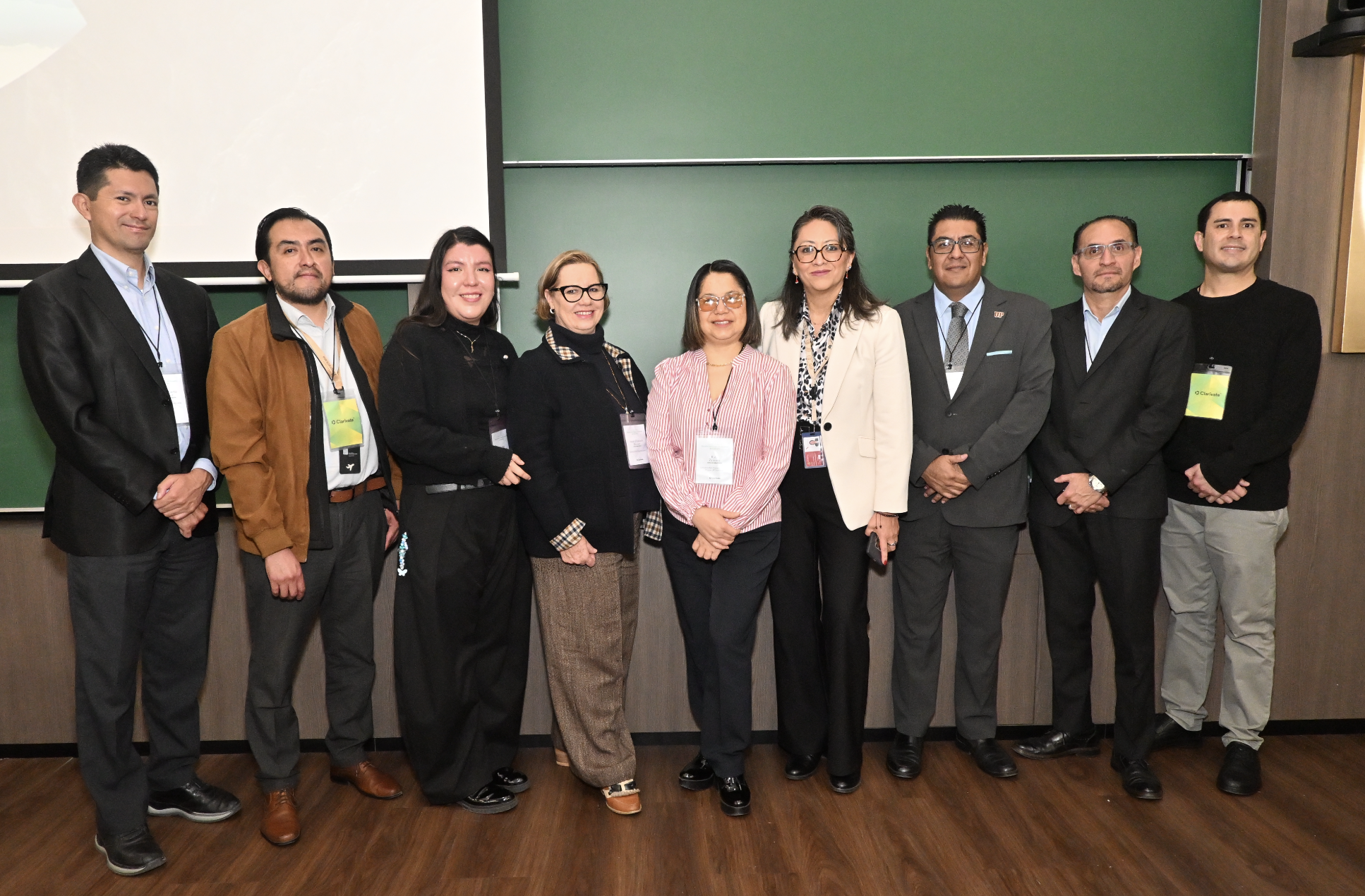
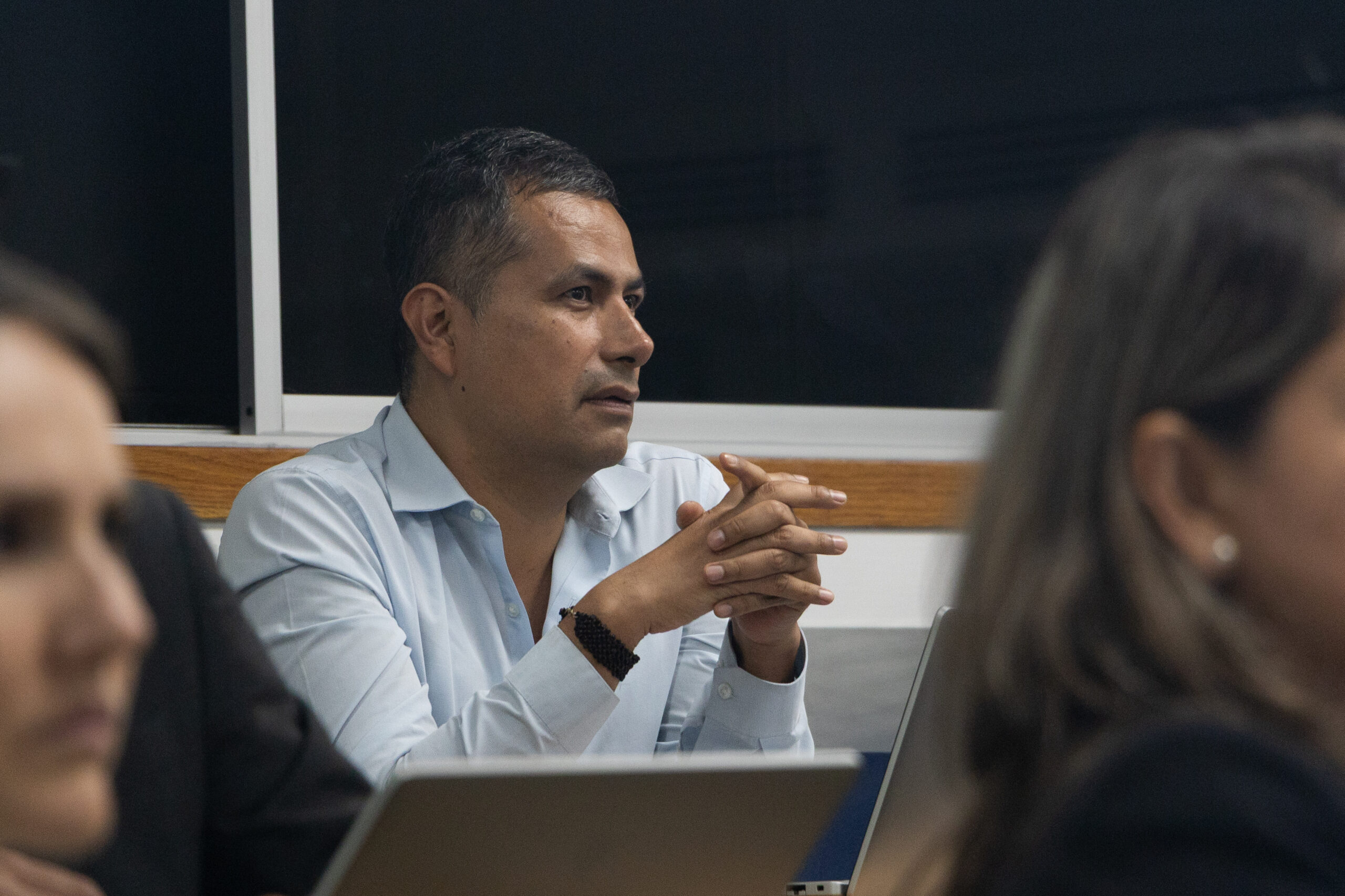
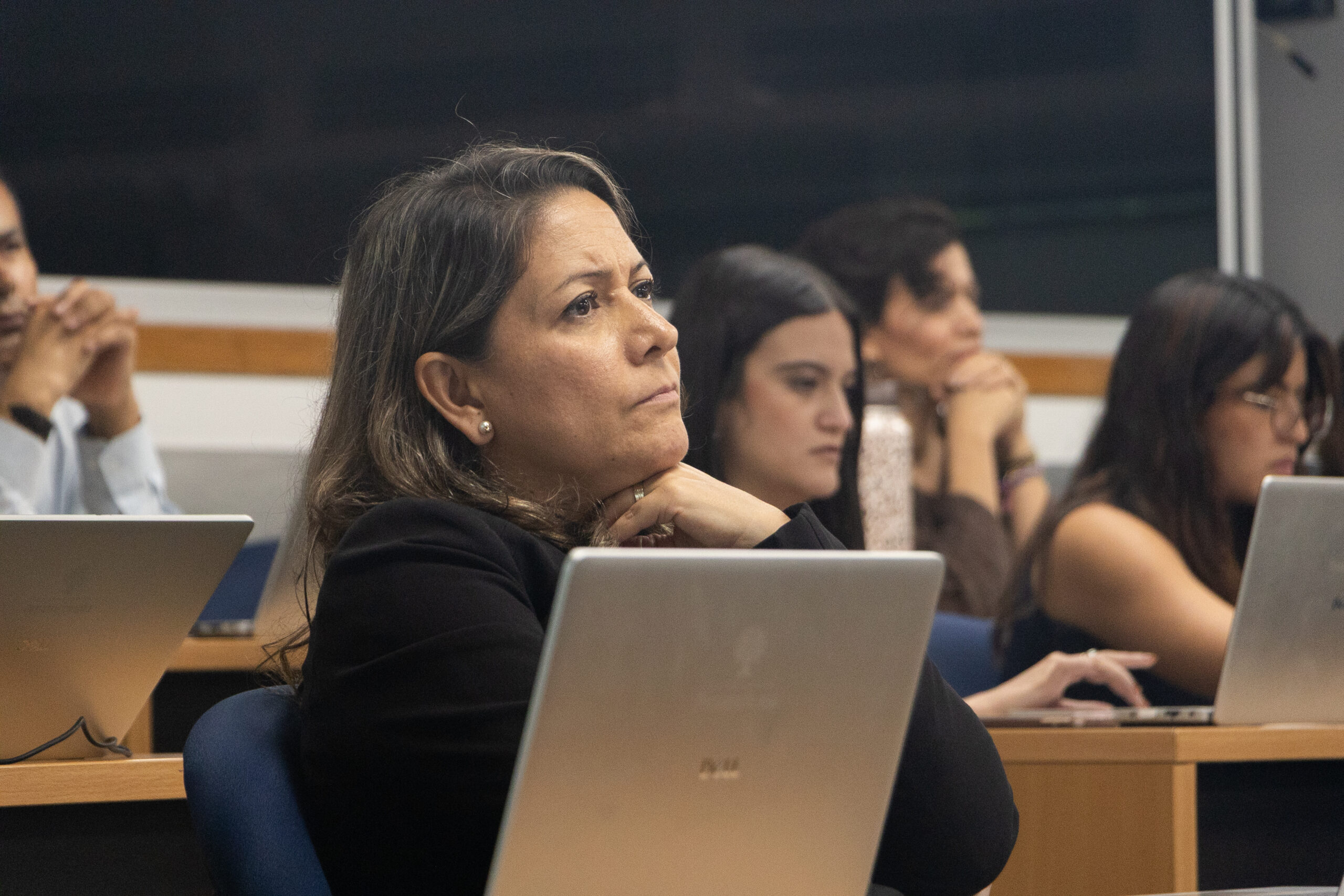
At the Mexico City campus, the inaugural session brought together about twenty researchers with a distinctly multidisciplinary background. The event included academics from various fields of study—such as engineering and the exact sciences, as well as the humanities, education, communication, and law—who worked collaboratively to identify challenges and opportunities for their future applications to international calls for proposals.
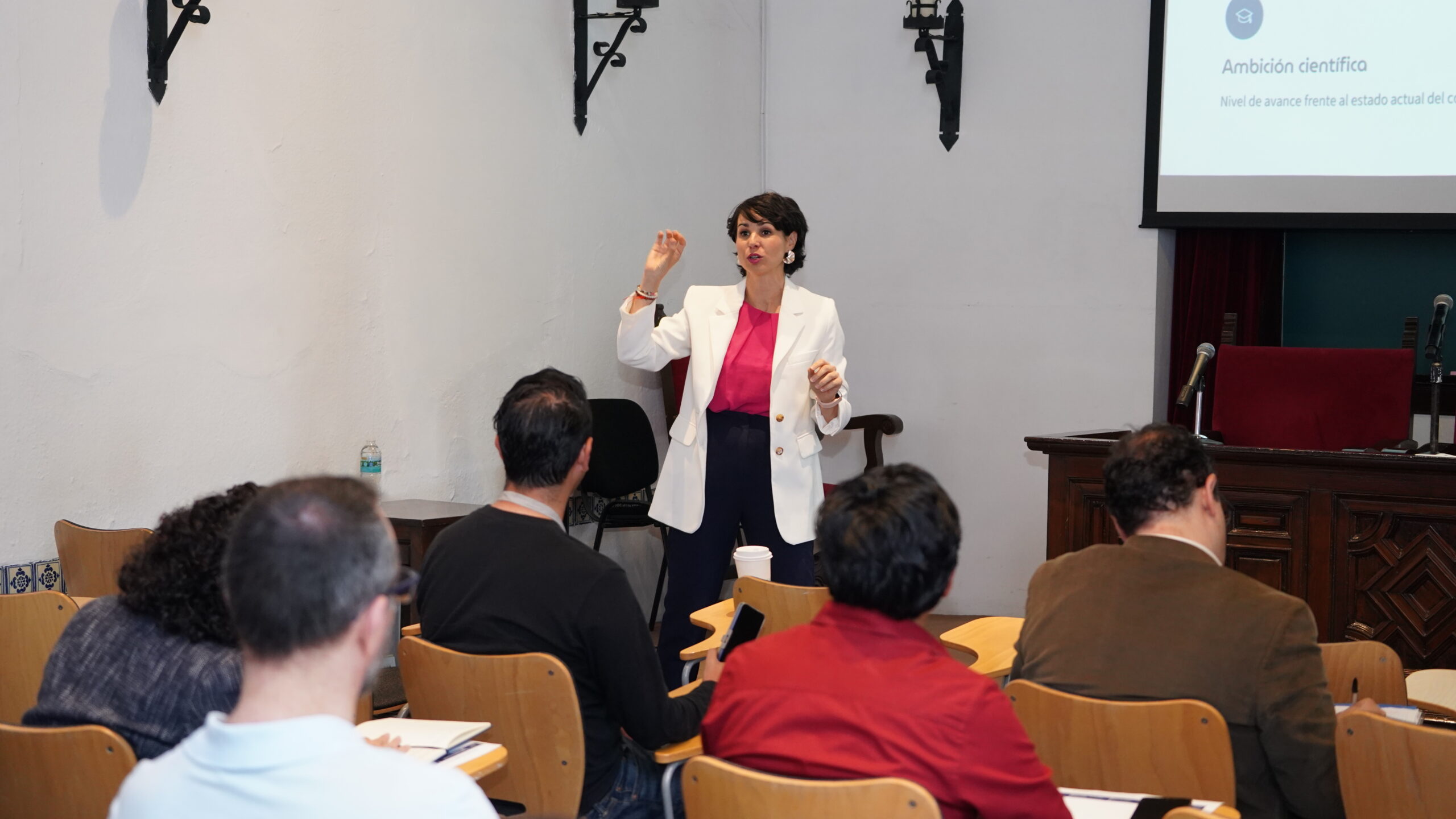
In addition, during the workshop in the Aula Magna, participants used practical project-design tools and, with guidance from the specialist, evaluated the seven key criteria for competitiveness, analyzing how to align their lines of research with institutional support and the requirements of major global funding agencies.
Looking Beyond
During the workshop, Dr. Galán-Muros emphasized that the research environment is becoming increasingly competitive due to the growing number of organizations, researchers, and proposals seeking funding.
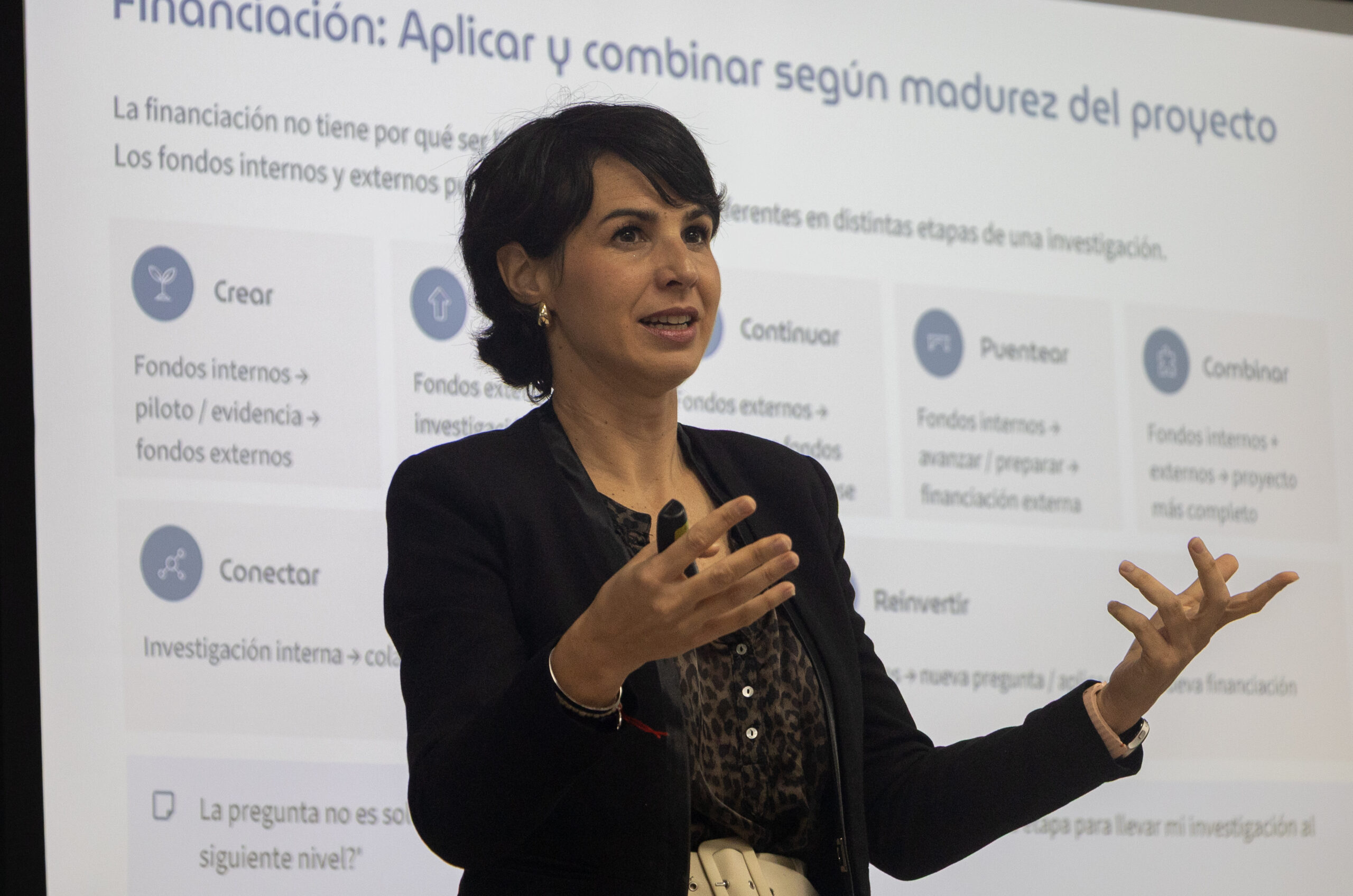
For this reason, he urged researchers to be highly qualified and to look beyond the immediate scope of their work, taking into account the potential impact of their research findings. He also emphasized the need to propose multidisciplinary and multisectoral solutions. He further noted the importance of preparing in advance of call for proposals: he recommends having ideas ready beforehand and adapting them to the guidelines and context.
Criteria to Consider
Dr. Galán-Muros presented seven key criteria for strengthening a research proposal and improving its competitiveness. These elements make it possible to evaluate both the relevance of a project and its feasibility and ability to produce results.
- Alignment with the call for proposals: Ensure that the proposal addresses the objectives and priorities of the funding opportunity for which it is being submitted.
- Excellence: developing a solid, relevant project with a clear foundation.
- Need: Demonstrate the significance of the problem to be addressed and explain why it requires intervention.
- Impact: Identify the change that the research can bring about and the expected outcomes.
- Consortium: Bring together strategic partners whose capabilities are complementary and contribute to the achievement of the objectives.
- Implementation: Demonstrate that the team has the necessary capabilities to carry out the proposed actions.
- Coherence: maintaining a clear relationship among all components of the project, from the identified need to the expected results.
The specialist emphasized that these criteria must be interconnected and present a consistent vision for the project. A proposal may be ambitious, but it must also demonstrate that its objectives are achievable and that it has the necessary conditions for implementation.
“All the elements must tell the same story […] Ambition is rewarded, but ambition carries a risk: feasibility,” said Dr. Galán-Muros
Promote research
Through workshops and events like these at its various campuses, the Universidad Panamericana strengthens its commitment to research and to training professionals capable of making their mark on the world, always through collaboration.
The institution provides support by monitoring proposals, offering specific feedback, and facilitating opportunities for collaboration with other universities and specialists. These efforts aim to contribute to the development of competitive projects with clear objectives and the potential to generate knowledge and address relevant needs.
In this way, the National Institute of Technology and Higher Education ( Universidad Panamericana ) continues to foster a culture of research based on academic excellence, planning, and collaborative work, with the aim of enhancing the quality of its projects and expanding its contribution to society.