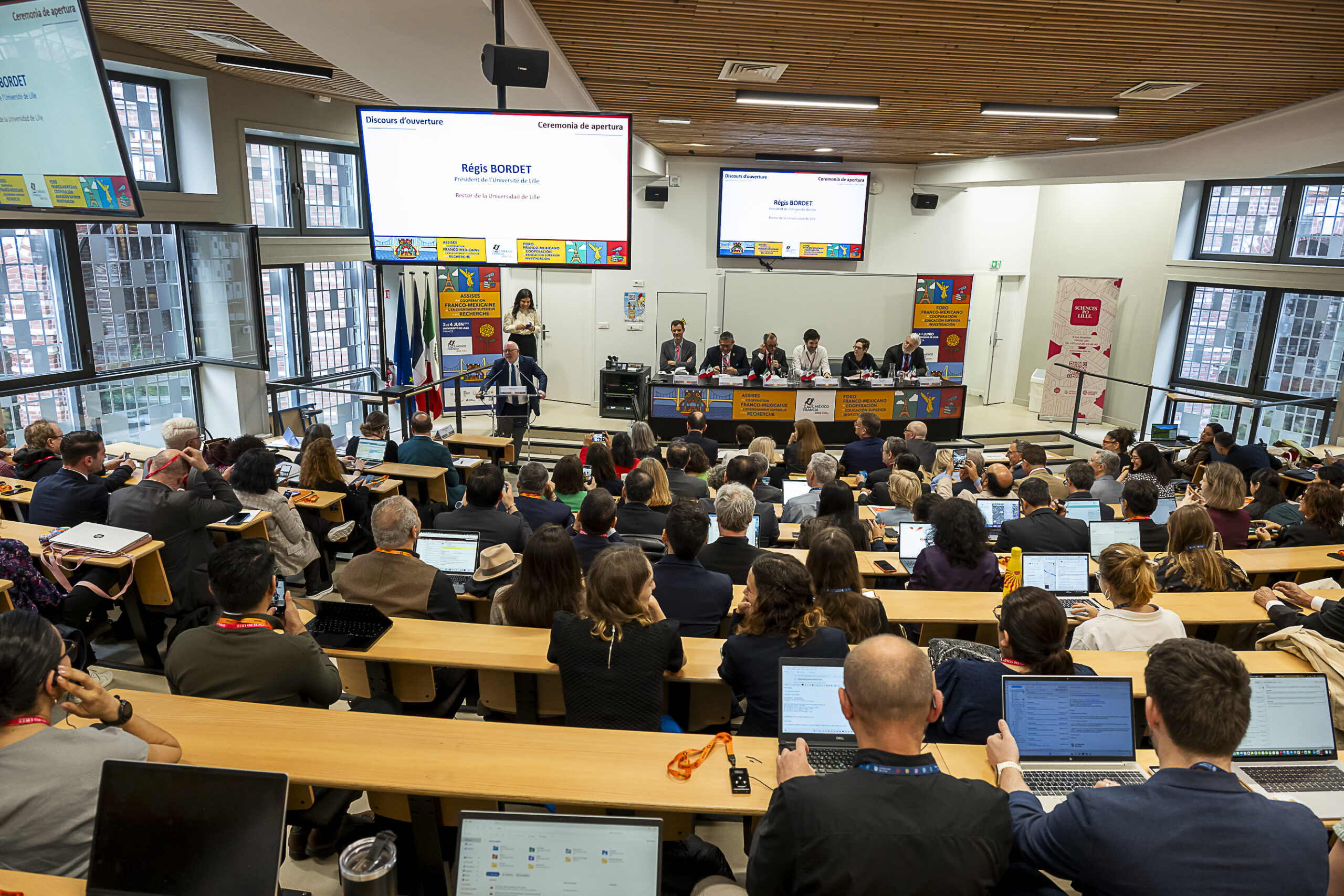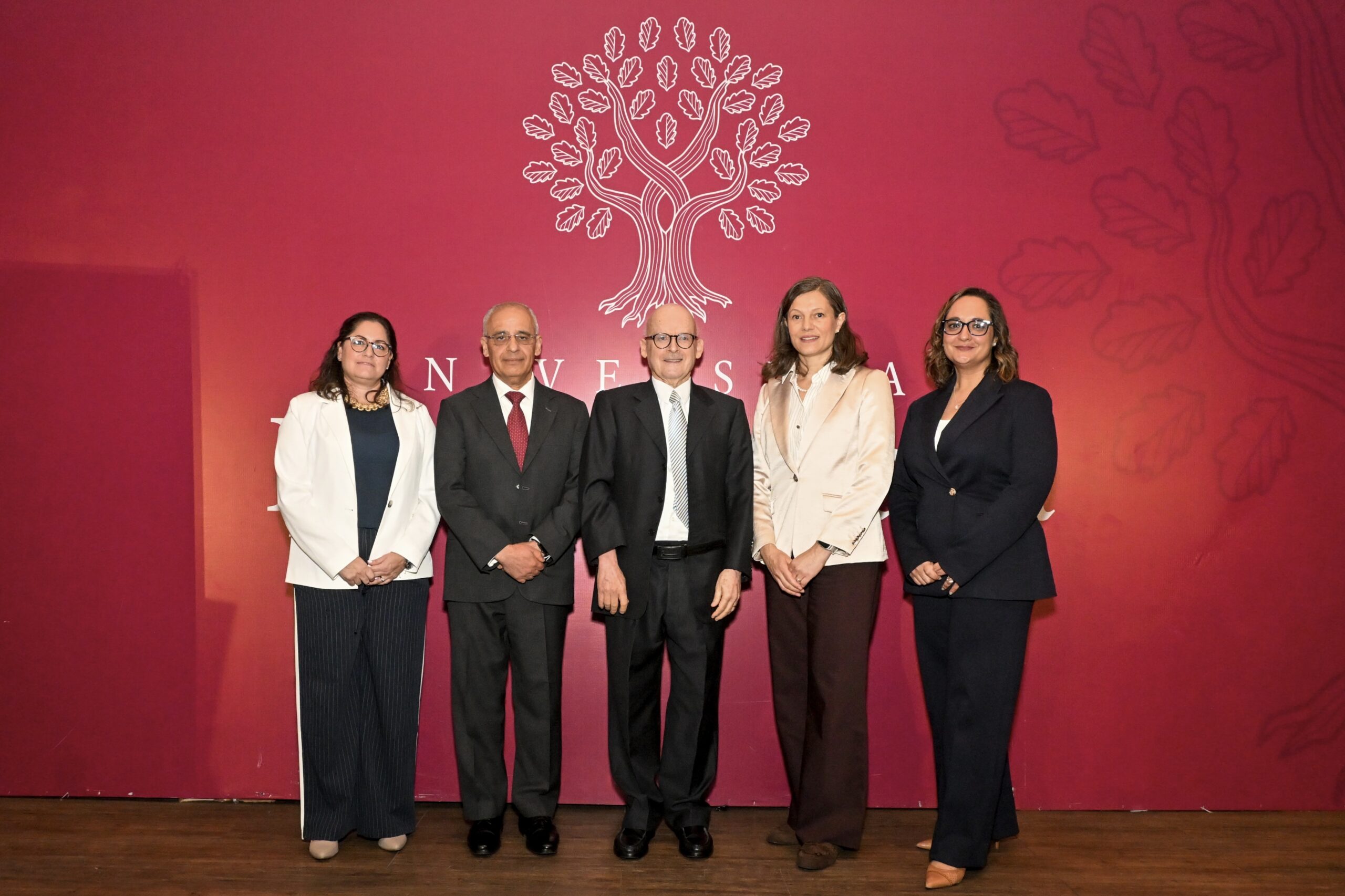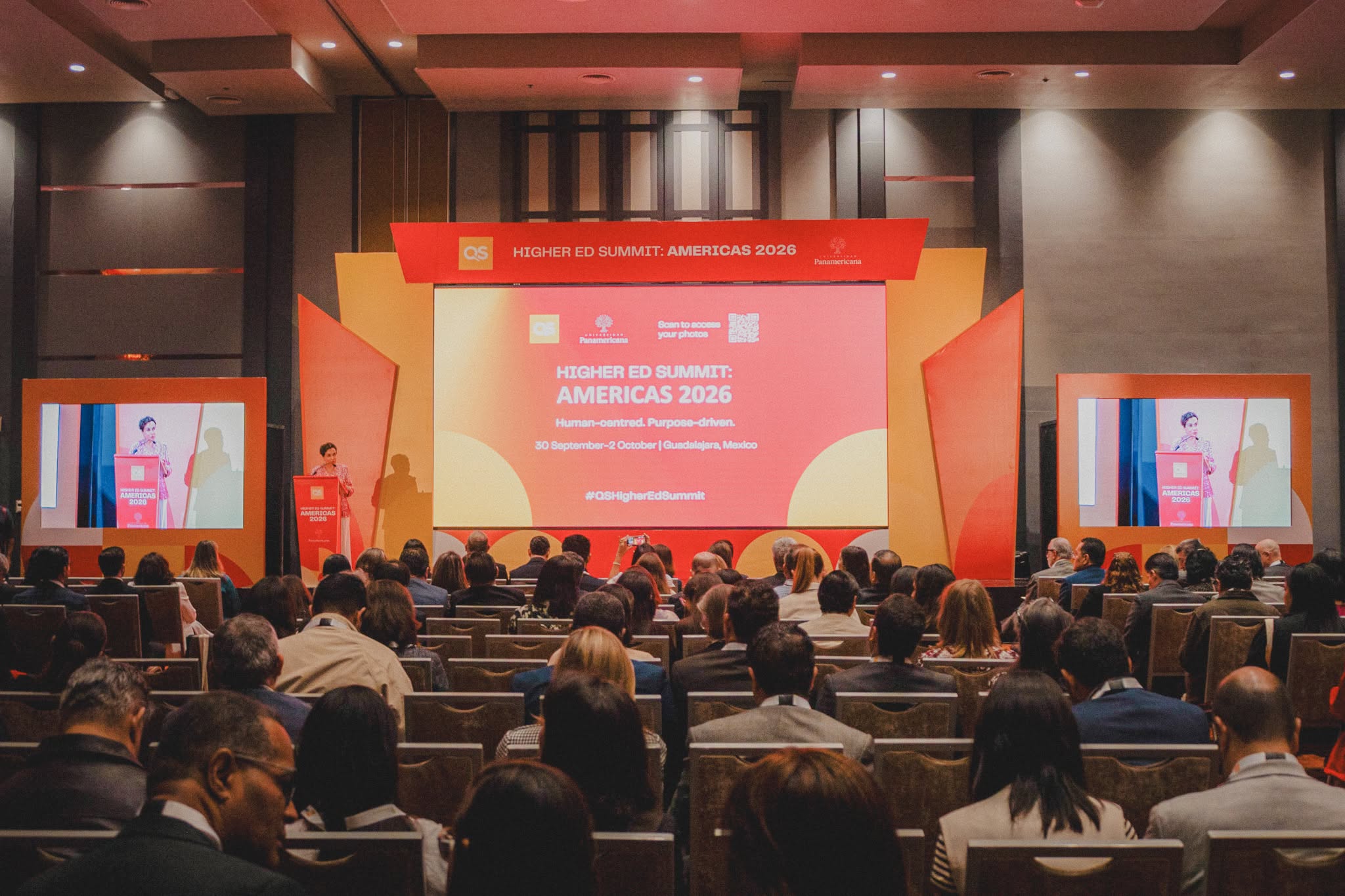
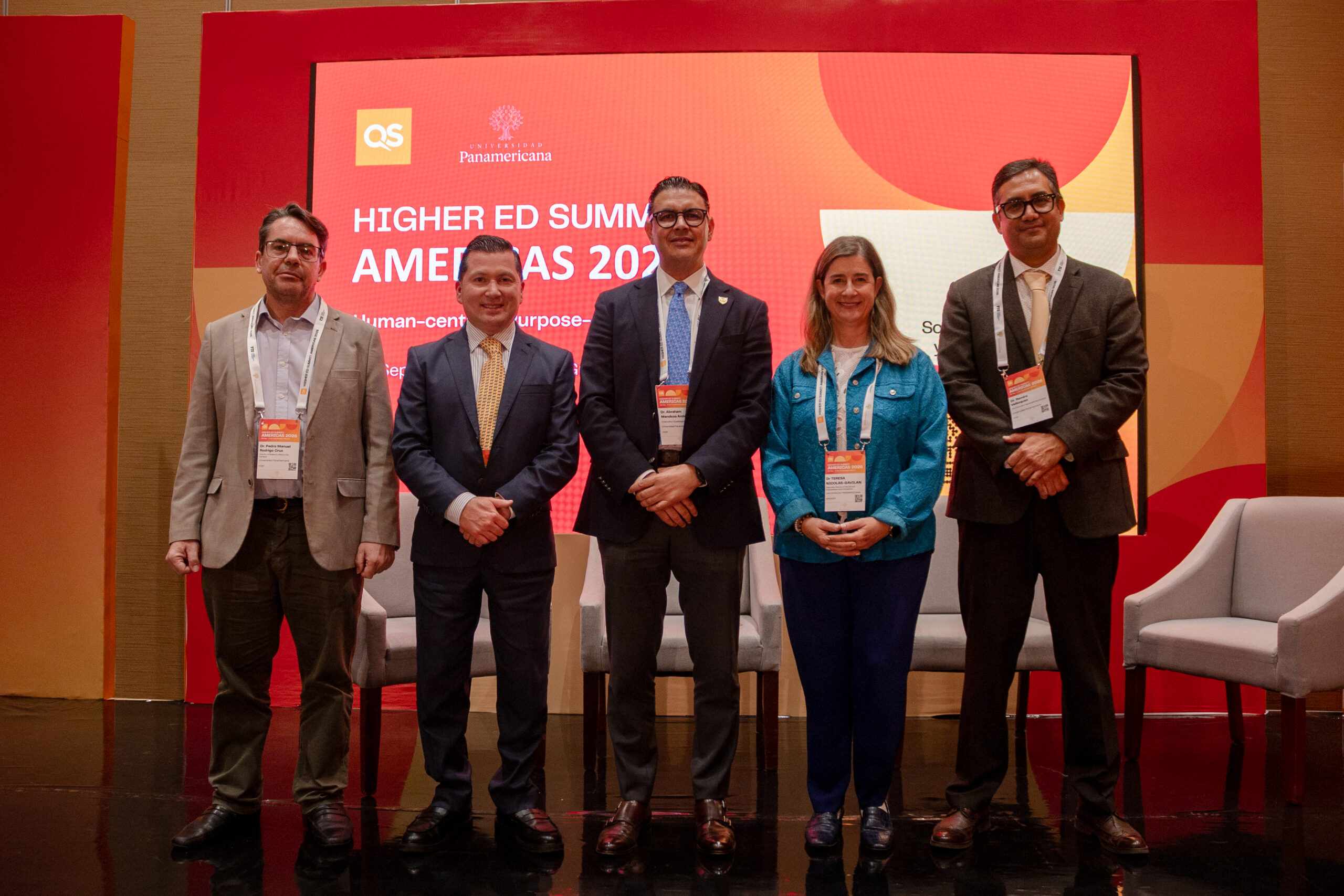
Zapopan, Jalisco, October 5, 2026. TheUniversidad Panamericana , Guadalajara campus, served as the epicenter of the debate on the future of higher education in the Americas by hosting the QS Higher Education Summit Americas 2026, an international gathering that brought together more than 500 higher education leaders, decision-makers, government representatives, and partners from the private sector from 28 countries over the course of three days.
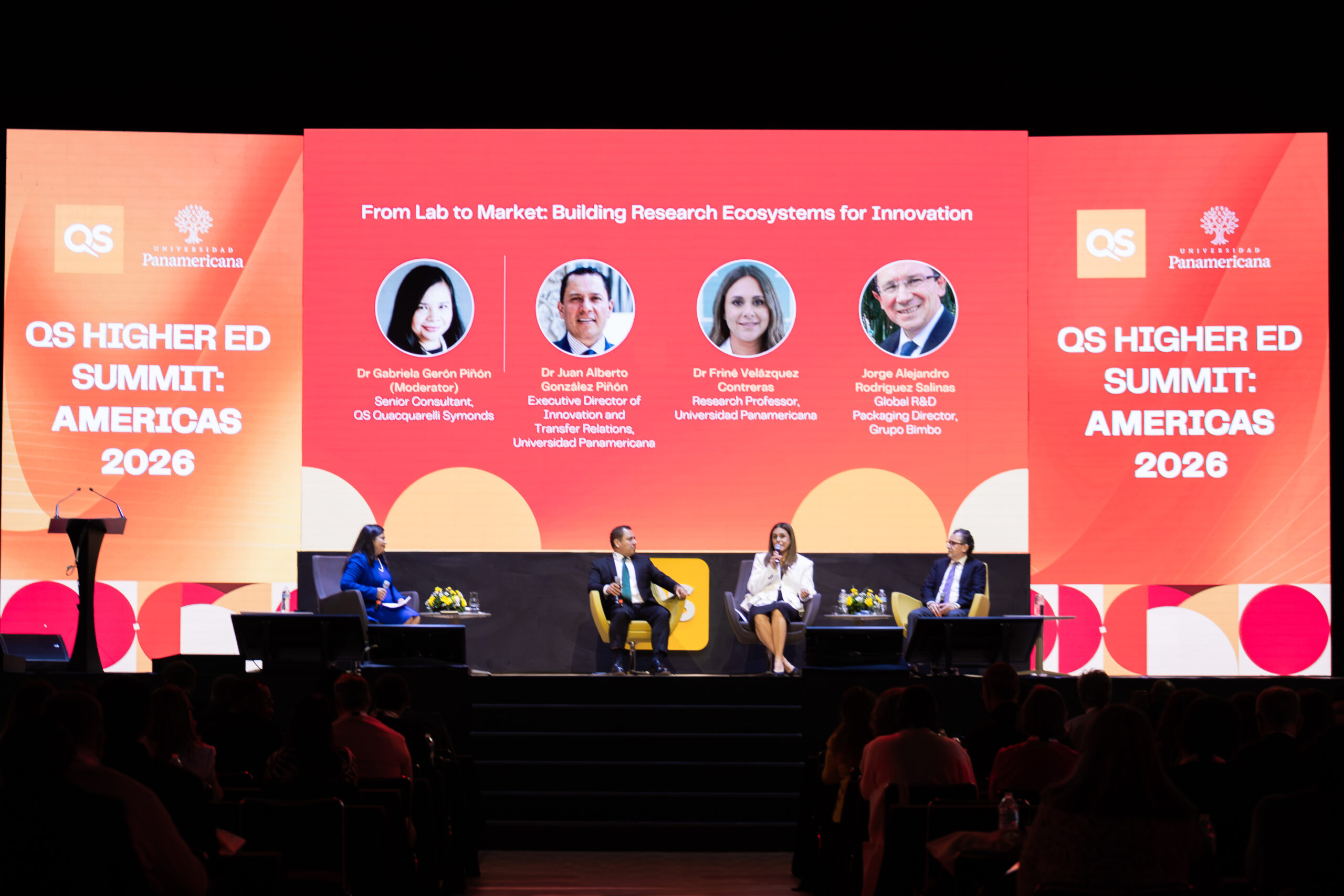
Under the theme “Human-centered, purpose-driven,” the conference addressed some of the key challenges and opportunities for the future of higher education, including the impact of artificial intelligence, demographic changes, employability, and the internationalization of universities.
Humanism and Purpose in the Face of Changes in Higher Education
During the event, Dr. Fernanda Llergo, president of the Universidad Panamericana , and IPADE, offered a philosophical and institutional reflection on the university’s mission in times of rapid transformation. She emphasized the university’s responsibility in the face of an environment characterized by rapid change. She noted the importance of avoiding an “irrational and constant reinvention” and of maintaining institutional identity as a guiding principle for responding to changes in the environment.
In her view, an institution with a clear mission does not need to invent a new identity, but rather to know how to express it. “Identity, therefore, should not become an anchor that prevents us from moving forward, but rather a compass that allows us to do so without losing our way, ” she said.
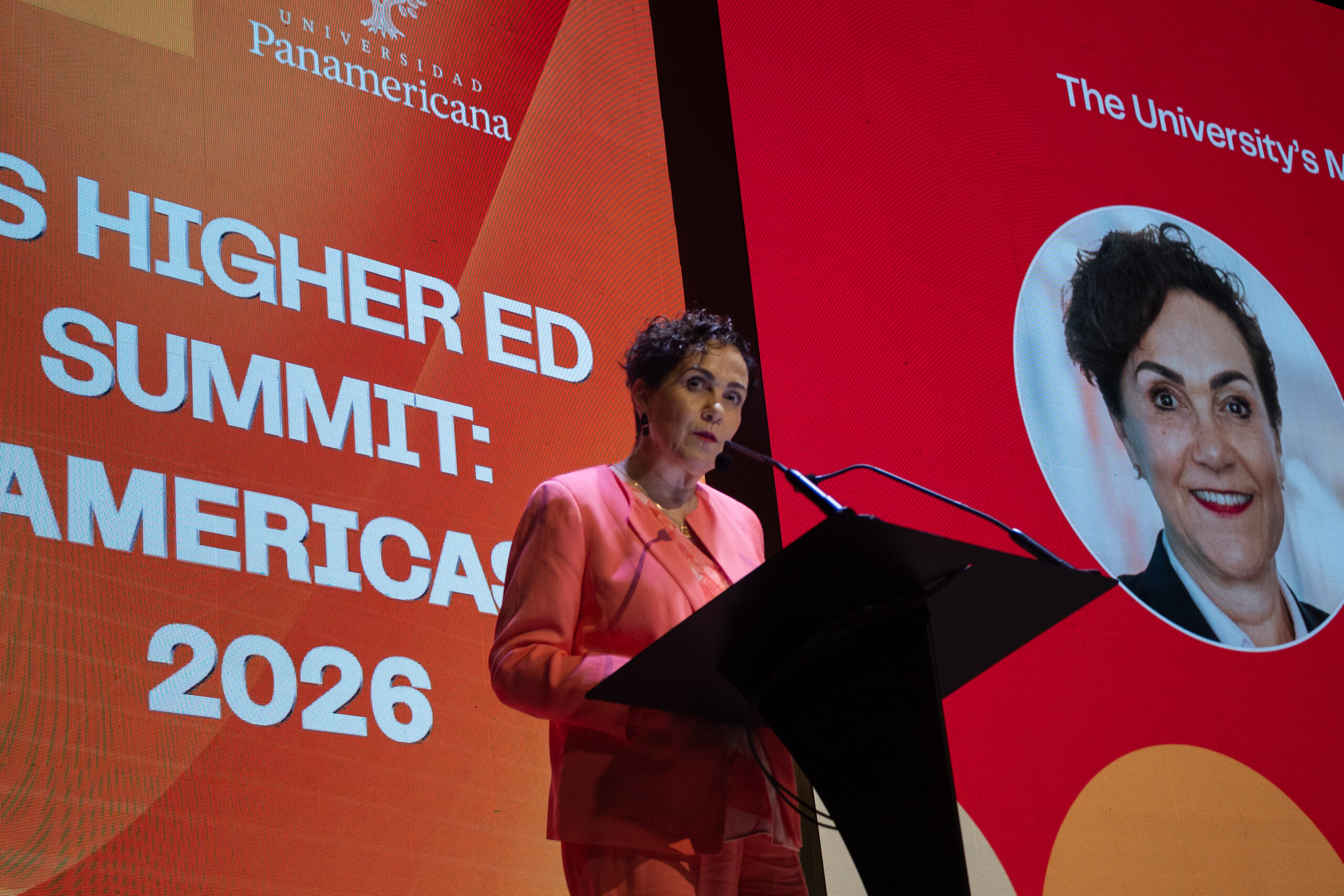
In this context, he identified three essential verbs that encapsulate part of the university’s mission: to educate, to learn, and to serve.
– Education: It is no longer about imparting static knowledge for a profession that will last for decades, but rather about preparing students to “learn how to learn” throughout their lives, while cultivating sound judgment, discipline, and intellectual humility.
– Knowledge: In a world saturated with information and machine-generated answers, the intellectual role of the university is to teach students how to think and, above all, how to ask the right questions. “A machine can answer an extraordinarily poorly phrased question extraordinarily well. The university must teach students to recognize that the question is poorly phrased. “Our task is not to compete with machines that produce information, but to cultivate intelligence, judgment, freedom, and responsibility, ” he emphasized.
– Serve: The university must draw on its unique nature—research, critical reflection, and education—and work closely with the government, the private sector, and society (the quadruple helix) to solve local problems from a global perspective.
Understanding a Changing Environment
Jessica Turner, CEO of QS, shared the company's global and analytical perspective, noting that leaders in higher education today face an environment that is radically different from that of the past decade.
Turner noted that rapid technological change—particularly artificial intelligence—is reshaping learning, research, and employment. He also warned of the erosion of the traditional social contract of universities and changes in patterns of international mobility.
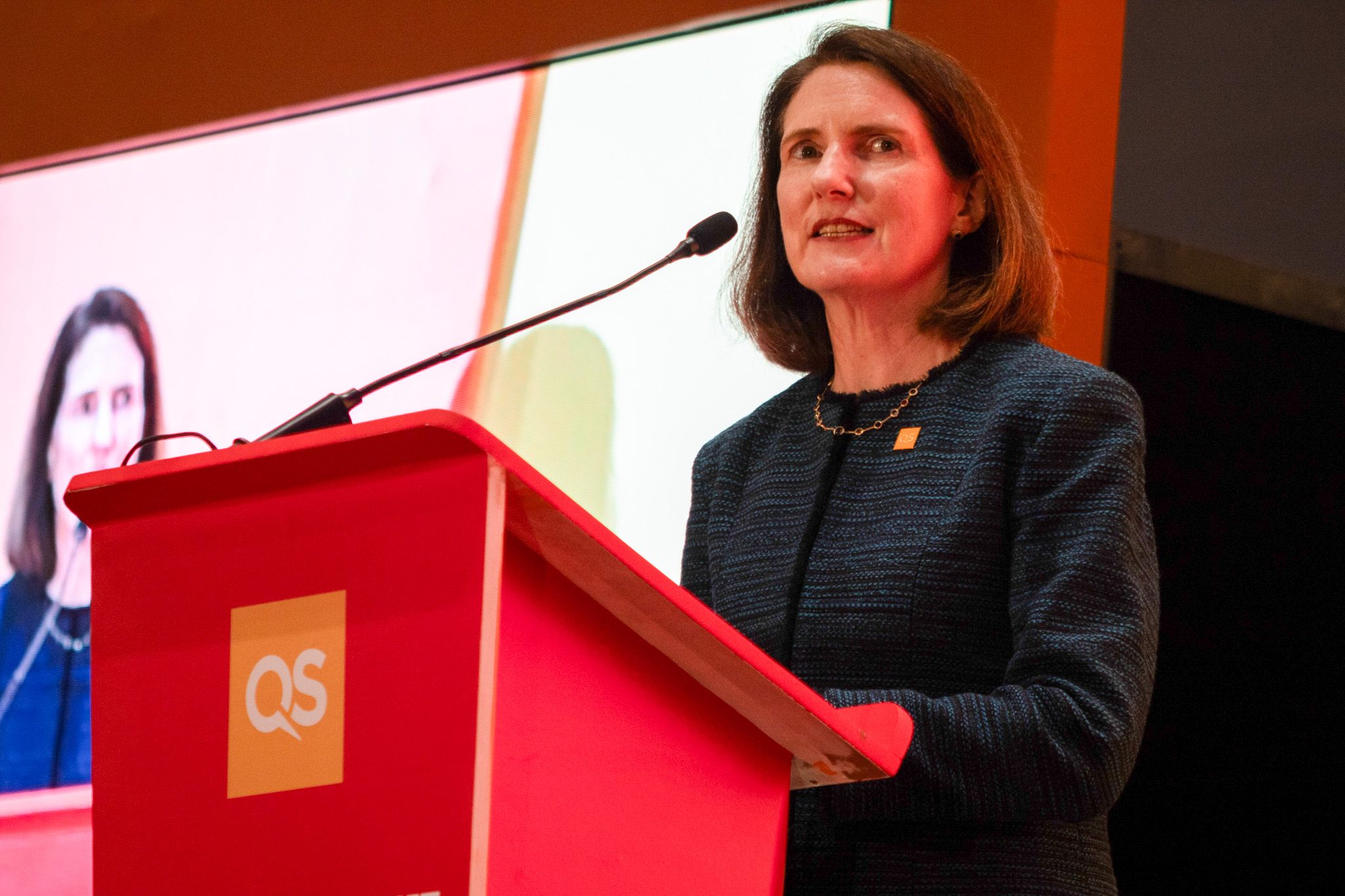
Despite these challenges, Turner emphasized the enormous potential of Latin America and the Caribbean to position themselves as key players on the global education stage. He noted that, according to employer surveys conducted by QS, the greatest skill gaps among graduates in the region are not technical, but rather cognitive and related to people-centered leadership.
Finally, he called for the promotion of equitable and reciprocal international partnerships that are two-way, not one-way.
Concrete actions that transform the environment
Dr. Abraham Mendoza Andrade, rector of the Guadalajara campus of the Universidad Panamericana , focused his closing remarks and presentations on how to translate the university’s mission into concrete actions that transform the social environment.
Thus, the true impact of an institution cannot be measured solely by traditional indicators such as enrollment or rankings, but rather by how it helps solve the most pressing problems in its communities.
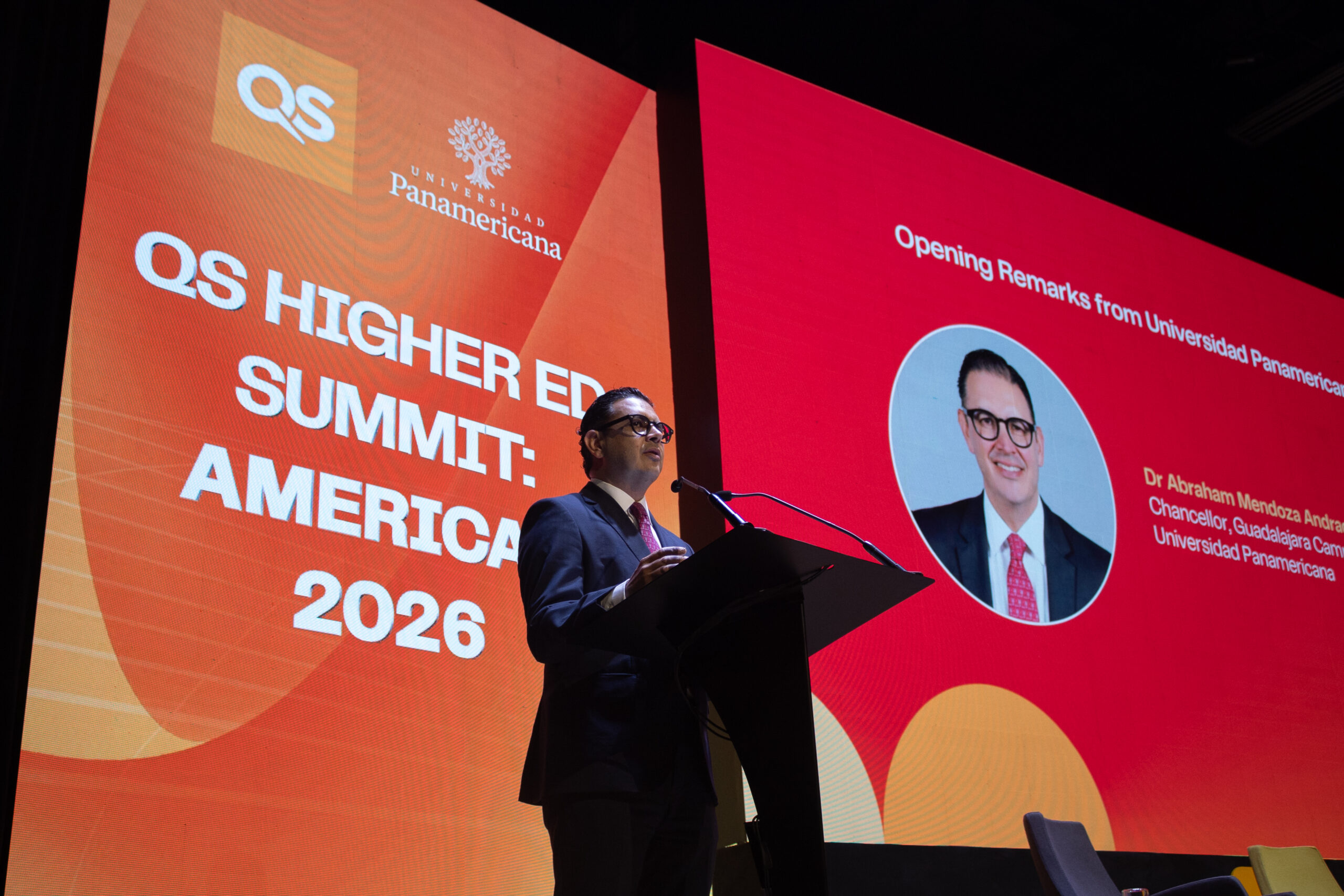
He proposed a model for engagement based on four key actions:
1. Listen. Have the humility to ask residents, businesses, and public agencies what they really need, rather than assuming that academia has all the answers.
2. Connect. Act as a neutral bridge that brings together diverse stakeholders who often speak different languages and work at different paces.
3. Make a commitment. Go beyond simply signing agreements on paper and ensure ongoing, collaborative work in the region.
4. Transform. Turn knowledge into public value.
An example of this vision is the Center for Hydro-Adaptive Cities, an applied research initiative that, among other things, conducts research on water conservation and is developing a sensor system to address issues related to water scarcity and pollution.
Adding to these efforts is Comunidad Panamericana, a project that aims to strengthen relationships with neighbors and address issues such as safety, public spaces, and quality of life.
These projects reflect the importance of linking the knowledge generated at the university with the specific needs of the local community.
A region with a bright future
Dr. Santiago García Álvarez, president of the Universidad Panamericana Mexico City campus, participated in the roundtable discussion "Strengthening the Americas as a Competitive Study Destination", during which participants discussed internationalization, student mobility, and employability in the region.
During this session, the need for Latin American universities to clearly communicate their identity and strengthen areas such as personalized attention and academic services was emphasized.
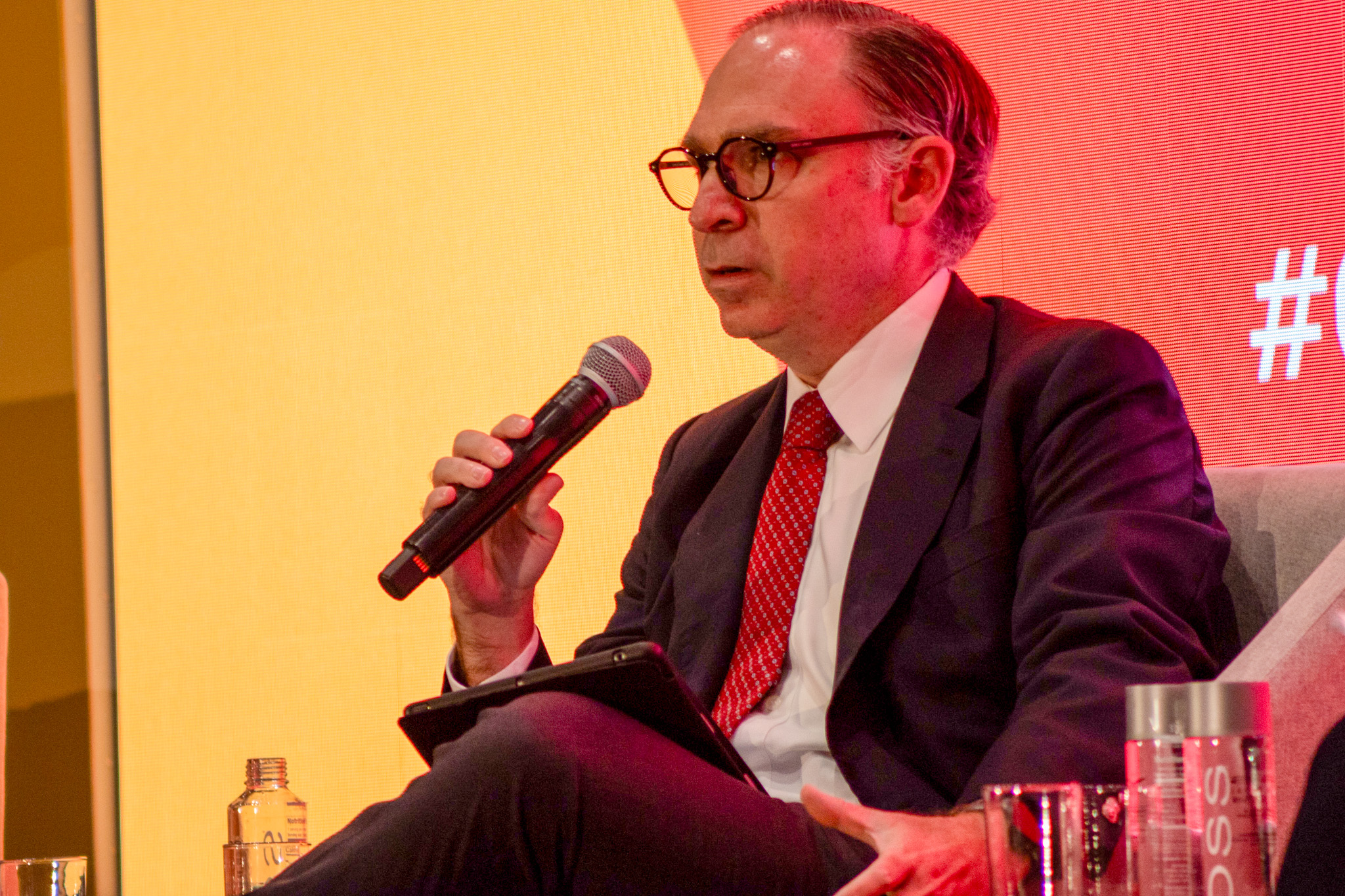
It was agreed that international mobility should evolve toward more dynamic and flexible models, such as short-term programs, dual degree programs, joint research stays, and collaborative virtual learning projects among faculty members from different countries.
The challenge of employability was addressed, noting that universities must be more agile in designing their curricula through ongoing dialogue with the business sector. The success of an international student is measured not only by whether they stay to work in their host country or return to their home country, but also by their ability to be a global citizen who makes an impact anywhere in the world.
An education that provides the tools for success
Dr. Antonio de los Reyes, dean of the Aguascalientes campus of the Universidad Panamericana, shared his perspective from one of the most dynamic manufacturing and technology development regions in central Mexico. During his remarks, he argued that educational quality must directly translate into tools for professional success and entrepreneurship for graduates.
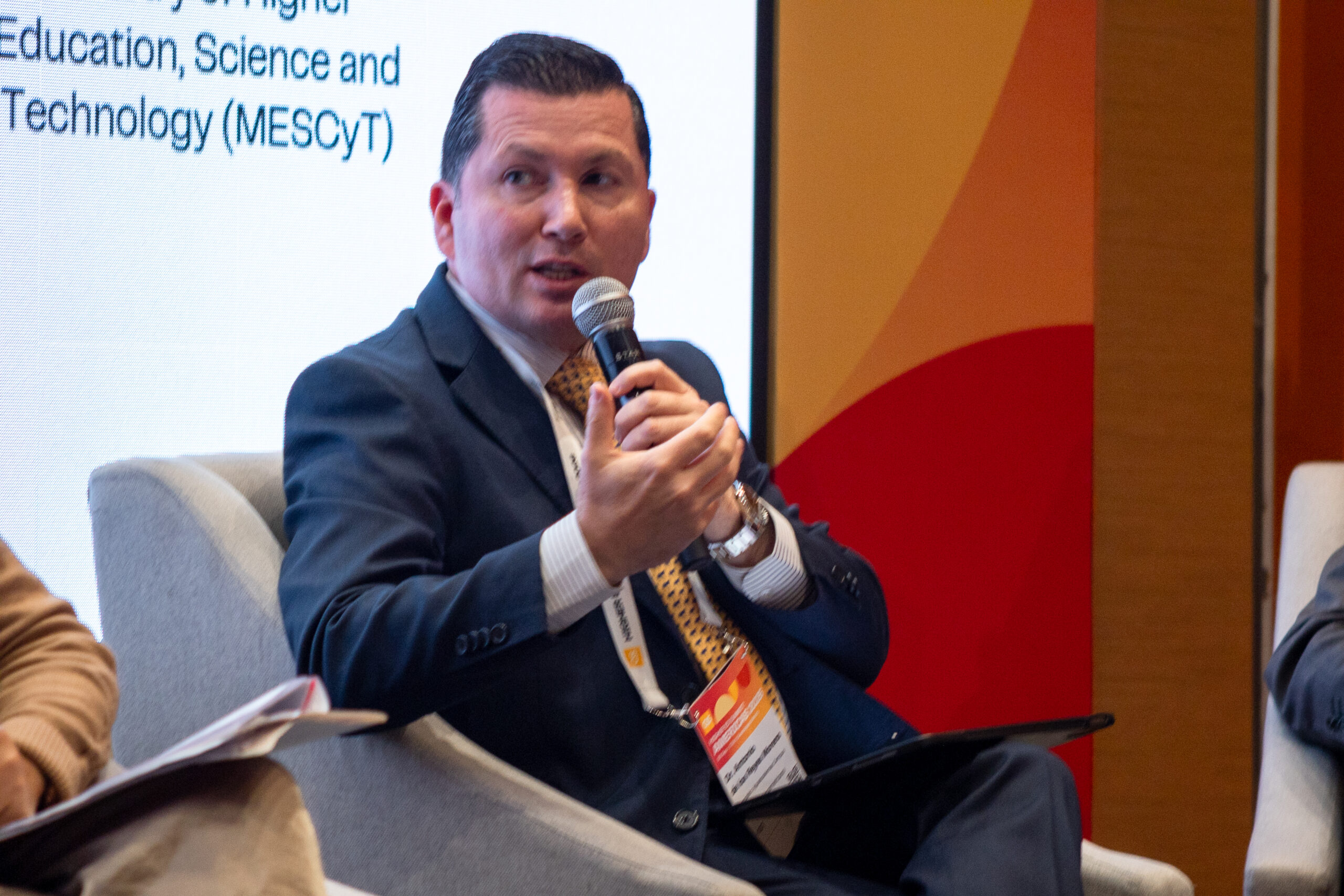
He highlighted the importance of university-business-government partnerships through local success stories. He shared how the government of Aguascalientes turned to the National Autonomous University of Mexico ( Universidad Panamericana ) to conduct a key technical and economic feasibility study aimed at attracting a multimillion-dollar investment from a Chinese company, demonstrating that the university is the driving force behind trust and scientific support for regional development.
Dr. De los Reyes also highlighted the efforts to train and provide continuing education for faculty through the Talent department, particularly in the use of artificial intelligence tools and active learning methodologies.
Openness to Lessons Learned
The QS Higher Education Summit Americas 2026 concluded with a call to turn the insights shared during the event into concrete actions.
Mónica Hornung Cattan, vice president of Global Relations and Strategic Engagement at QS, noted that the conclusion of the event also marks the beginning of putting the lessons learned into practice and continuing to build solutions collaboratively.
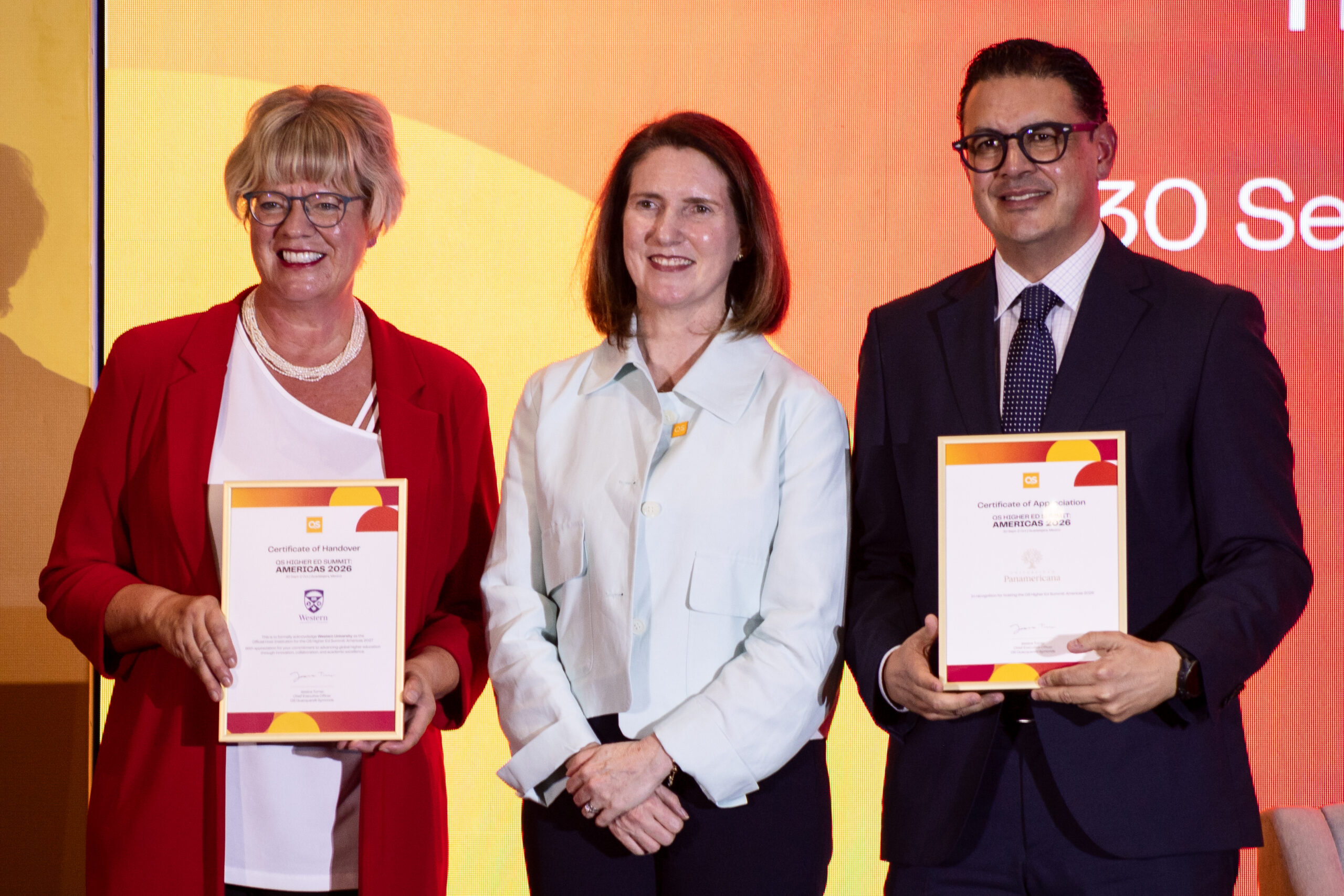
With the official announcement that Western University in Canada will host the 2027 edition, the event reaffirmed that the future of education in the Americas lies in collaborative solidarity, mutual trust, and an unwavering commitment to the holistic development of the human person.
In this way, the University of the Andes (Universidad Panamericana ) reaffirmed its commitment to high-quality, student-centered higher education that is connected to the needs of its community, through a dialogue that linked local challenges to a global perspective.