Aguascalientes, Aguascalientes, July 27, 2026.— Collaborative research among specialists continues to open up new opportunities to analyze challenges from an interdisciplinary perspective.
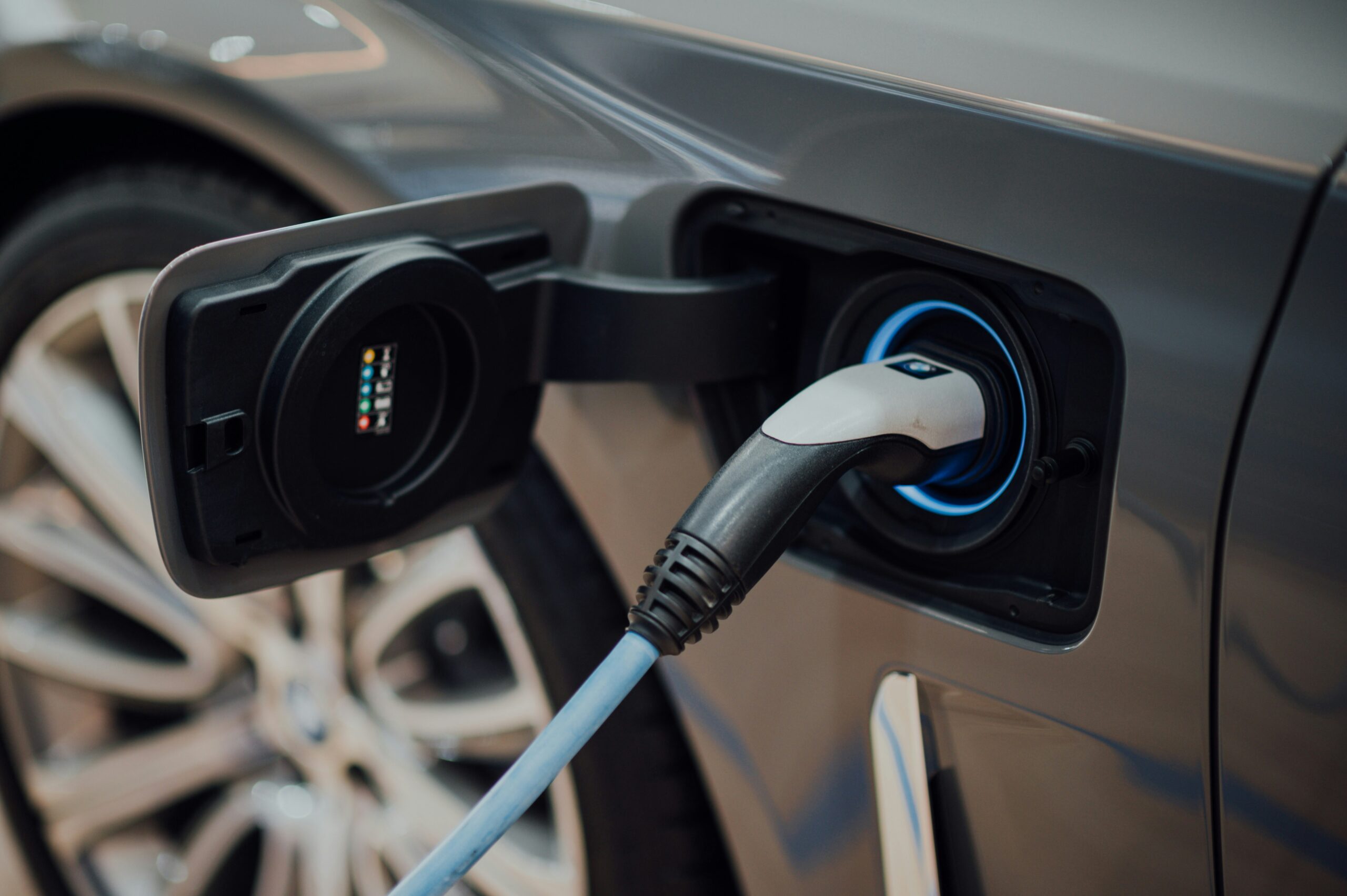
In that context, the Universidad Panamericana Aguascalientes campus and Northwood University are carrying out a joint project to analyze the factors that influence the adoption of electric vehicles and consumer purchasing decisions in Mexico and the United States.
The research is led by Dr. Montserrat Govea, a research professor in the School of Economics and Business at the University of the West of Spain ( Universidad Panamericana ), and Dr. Dave Oventhal, a professor at Northwood University, who are combining their areas of expertise to study one of the most significant phenomena for electric mobility, the economy, and sustainability.

A Partnership for the Future of Mobility
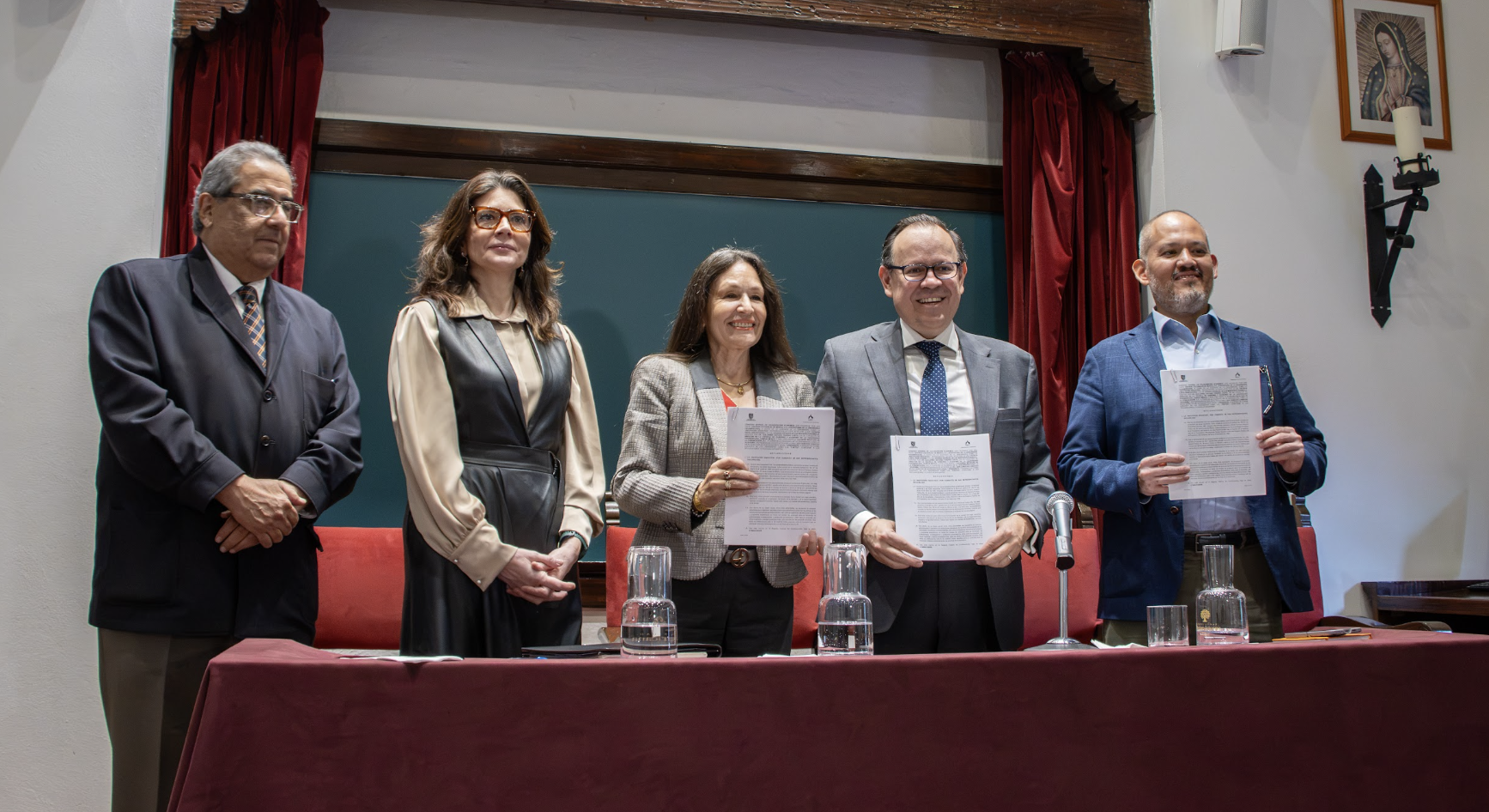
The project is part of the collaboration agreement between the two universities and stems from their shared interest in conducting applied research on the transition to sustainable mobility.
This combination made it possible to find common ground for studying a phenomenon of growing economic and environmental significance: the adoption of electric vehicles.
According to Dr. Oventhal, this study compares consumer behavior in both countries to identify the factors that influence the decision to purchase all-electric vehicles and to understand how social, economic, and public policy differences impact their adoption.
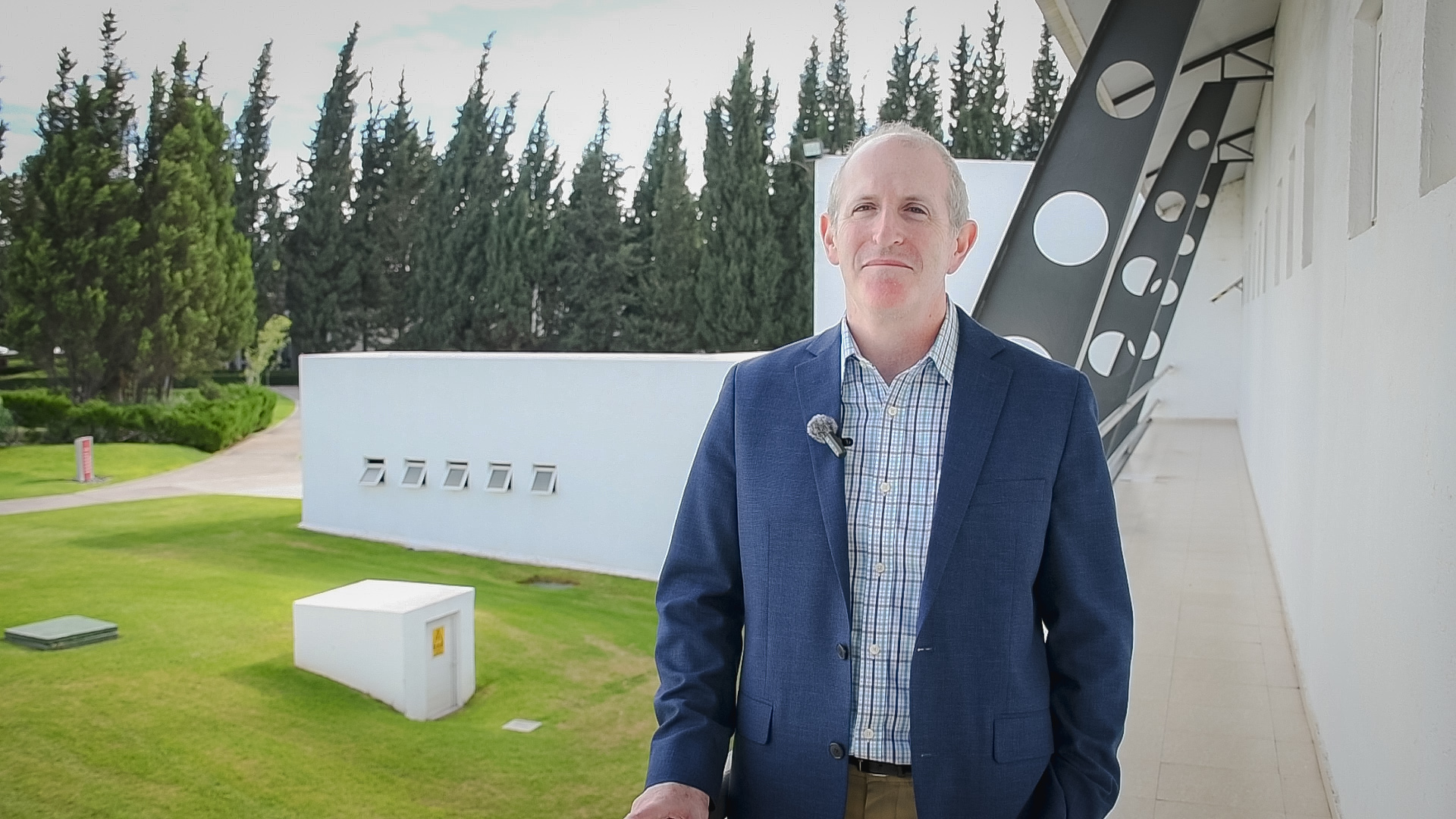
The research is currently underway and combines quantitative and qualitative methodologies to analyze a phenomenon that, in addition to transforming mobility, has economic, environmental, and energy implications.
More Than Just a Technological Trend
Although the growth of electric vehicles is often associated with technological innovation, the researcher explains that the project aims to understand a much broader phenomenon.
The research is based on the strategic importance of the automotive industry for regions such as Michigan and Aguascalientes, two industrial hubs whose economies are closely tied to automotive manufacturing.
Added to this is the environmental impact of the transition to lower-emission technologies, as well as the changes currently taking place in the international market.
“We’re starting to notice differences in the market. Electric vehicles have been on the market for years; however, their sales performance hasn’t been consistent and varies from country to country,” says Dr. Govea.

Mexico and the United States: Two Markets with Different Dynamics
One of the project's main focuses is to compare how Mexican and U.S. consumers make decisions when purchasing an electric vehicle.
While in the United States the market has been influenced by government stimulus measures and trade restrictions targeting certain manufacturers, the situation in Mexico is different, as the range of brands available has grown significantly and consumers now have a wider variety of options.
Dr. Govea explained that factors such as the reduction in tax incentives for electric vehicles in the United States, as well as scenarios of energy uncertainty stemming from international conflicts, provide an opportunity to analyze how these changes are altering consumer perceptions and the importance of moving toward greater energy independence.
“One of the best solutions is energy sovereignty, where, as a country, you don’t depend on a market where you don’t know if there will be a war tomorrow or not, and where market prices could affect you,” he says.
During the analysis, they also noted that the presence of Asian manufacturers has varied between the two countries, raising new questions about purchasing preferences and the factors that truly influence the adoption of this technology.
What really motivates people to buy an electric vehicle?
Since the study is still ongoing, it is too early to present conclusive results; however, the research analyzes variables such as age, gender, income level, and regional context to understand which factors carry the most weight when choosing an electric vehicle.
The professor explained that one of the central questions is whether the decision is driven by environmental convictions, economic factors, or even factors related to consumer trends.
“We want to assess whether their purchasing decision is truly based on a genuine understanding of how an electric vehicle works and what its benefits are, or whether it’s driven by other factors such as design, trends, or cost savings,” he says.
In addition, the fieldwork has revealed some interesting patterns.
According to the researcher, people who already drive electric vehicles acknowledge that their monthly transportation costs within the city can be significantly reduced, even when taking into account the increase in electricity consumption for charging.
Another aspect the study examines is the difference in usage patterns between the two countries. While in Michigan some households combine a gasoline-powered vehicle with an electric one—using the latter primarily for urban trips—in Mexico, usage patterns reflect different dynamics related to available infrastructure, vehicle costs, and market supply.
From Scientific Knowledge to Decision-Making
In addition to generating academic knowledge, the research team hopes that the findings will be useful to the automotive industry and other stakeholders involved in electric mobility.
“We don’t want our research to end with just a scientific paper. We also want to be able to share results with the industry that will truly benefit the market.”
In that regard, he noted that understanding which factors have the greatest influence on purchasing decisions could provide valuable information for the design of business strategies, technological development, and the evolution of products tailored to consumers’ actual needs.
“The best thing about our research is that it will contribute to theoretical research and academic studies on electric vehicles, business decision-making, and problem-solving,” notes Dr. Oventhal.
International Alliance to Generate Knowledge
In a context where electric mobility poses new challenges for industry, the economy, and sustainability, projects like this one demonstrate the value of collaborative research in understanding complex phenomena and generating knowledge that makes a difference.
Through international partnerships, the Universidad Panamericana fosters opportunities for collaboration among researchers that enrich academic exchange, strengthen research, and promote the development of evidence-based solutions to address the challenges of a global environment.