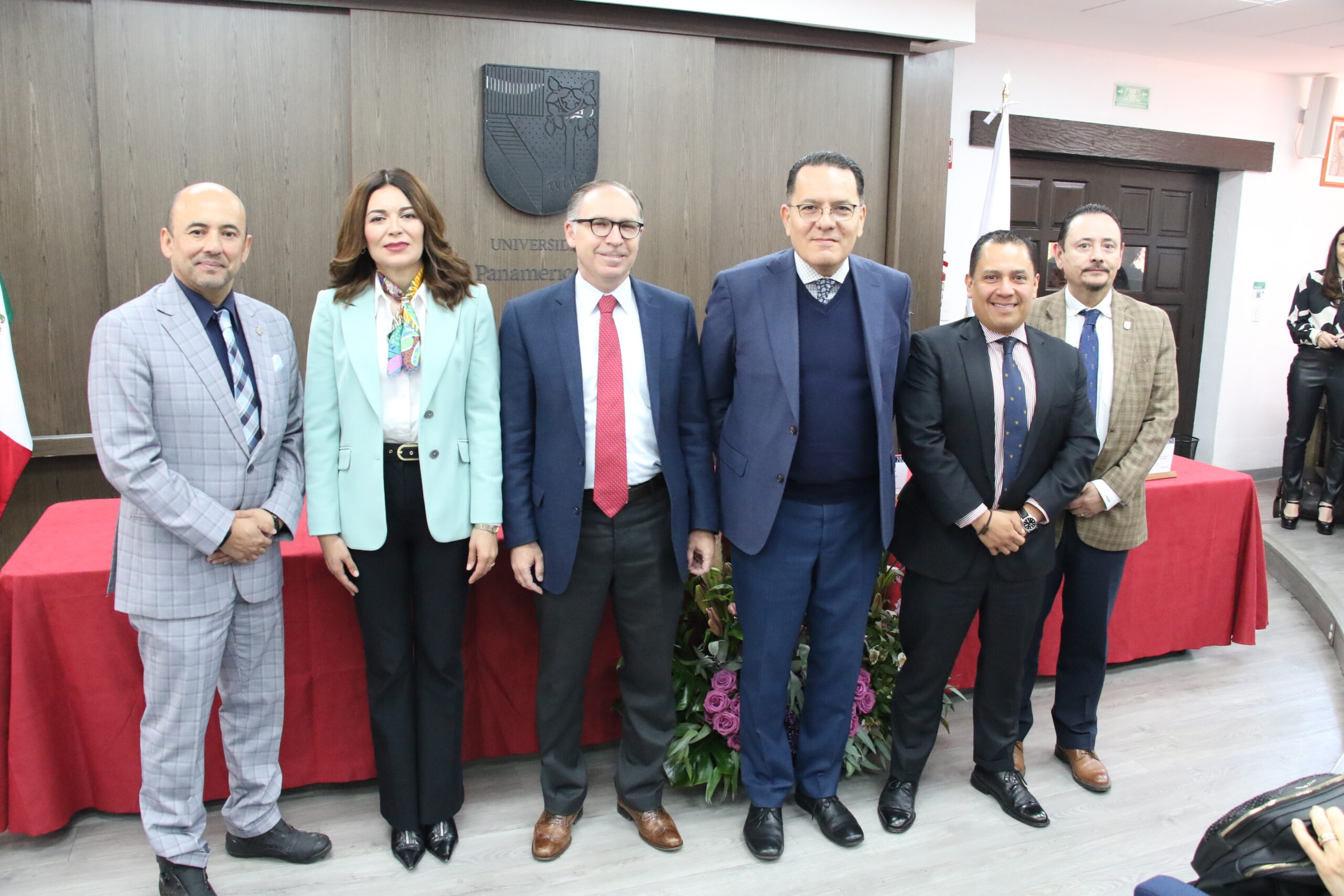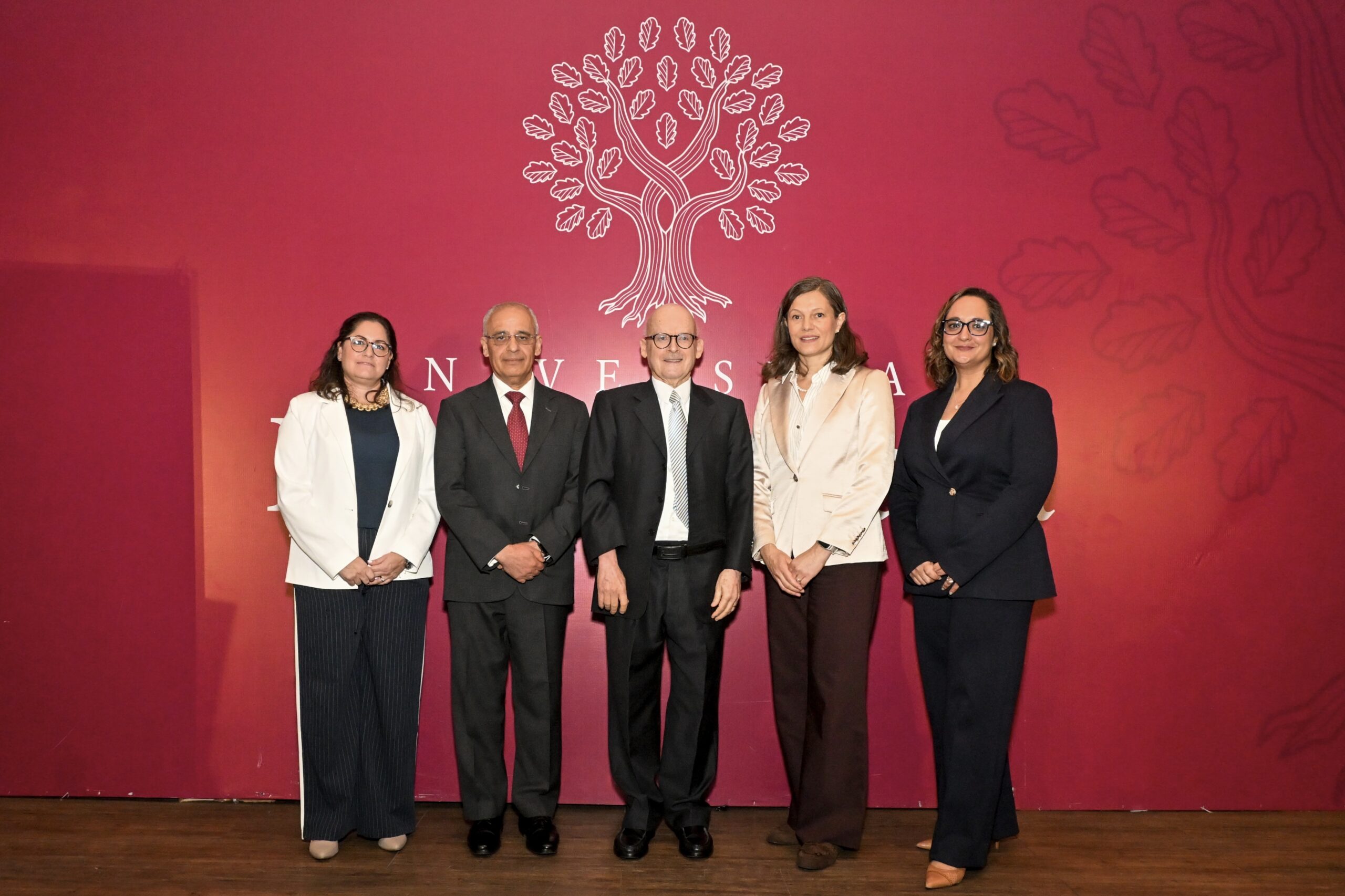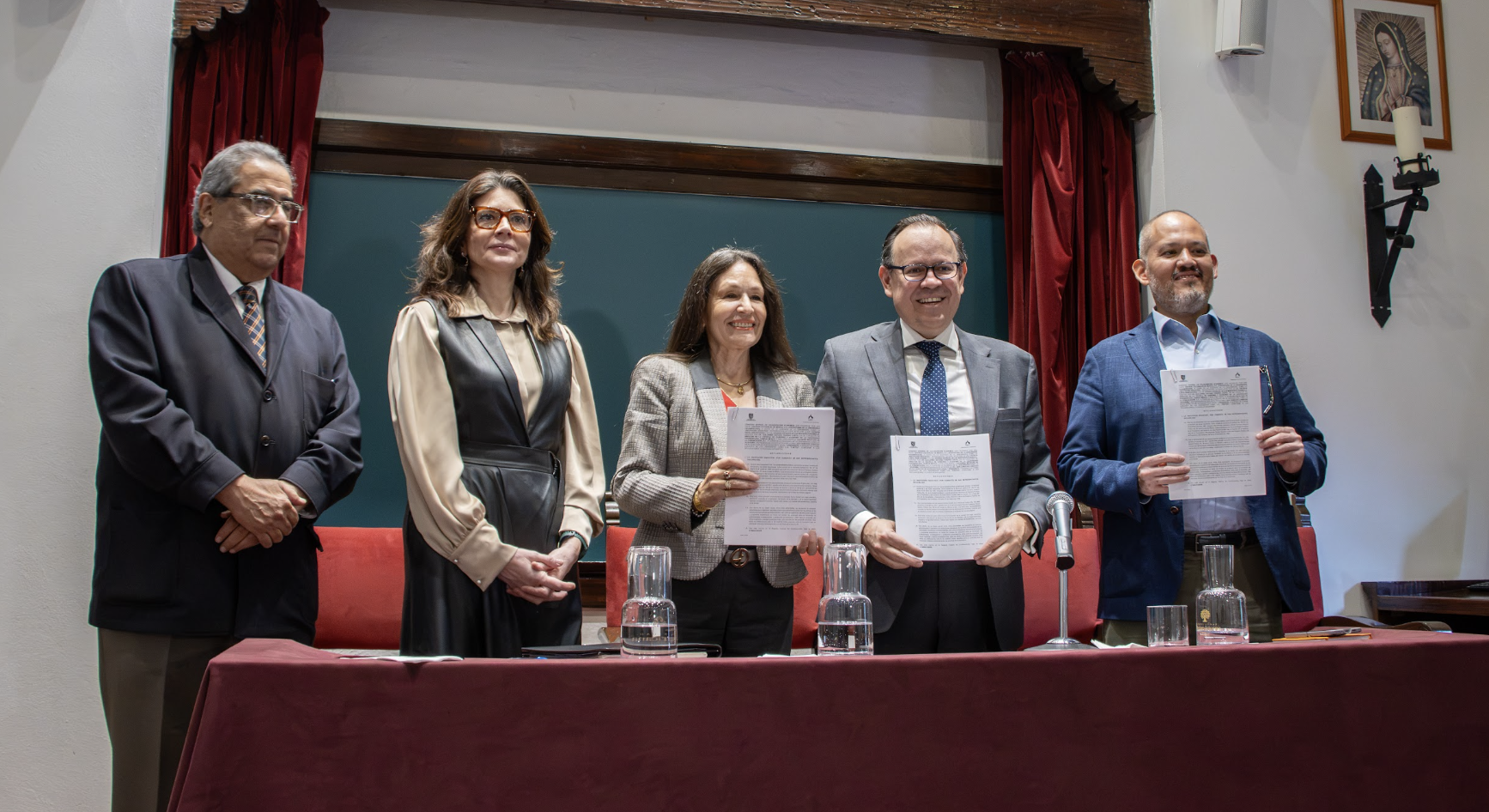
Zapopan, Jalisco, July 31.—The National Institute of Public Administration ( Universidad Panamericana ) launched the Guadalajara chapter of the Research Laboratory on International Trade and Investment, an academic initiative that seeks to strengthen applied research, the analysis of international trade and the USMCA, and the attraction of foreign investment by developing proposals that contribute to Mexico’s economic development.
The laboratory, originally established in Mexico City in November 2025, is now expanding its scope with the goal of establishing itself as a platform for research and dialogue among academia, the private sector, and the government to address the major challenges of global trade.
The University's Commitment to Truth and Reality
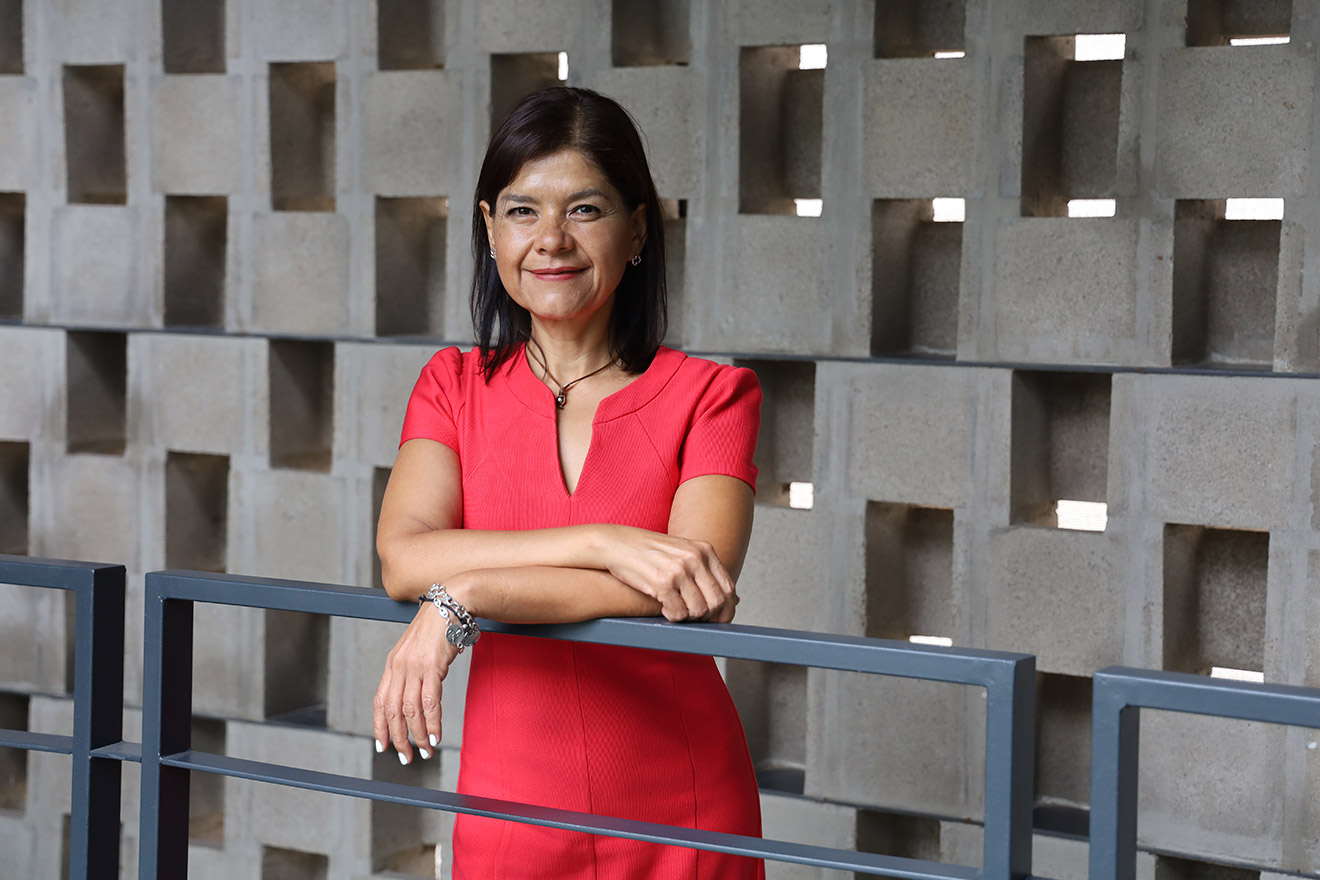
The inauguration featured opening remarks by Dr. Daniela Salgado Gutiérrez, director of research at the Guadalajara campus of the Universidad Panamericana , who highlighted the institution’s fundamental role in social engagement and economic development. During her speech, she reflected on the identity of the members of the academic community.
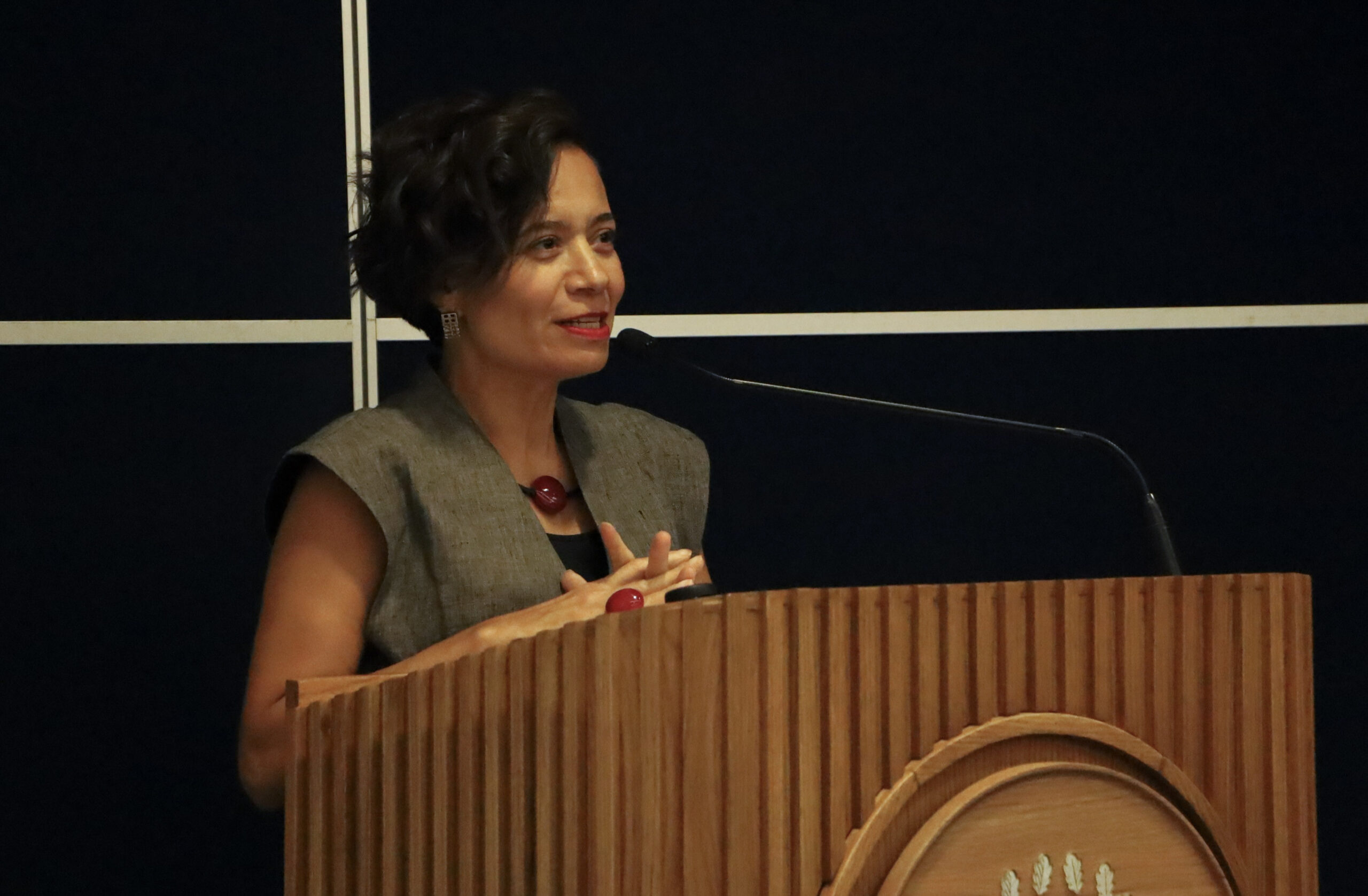
“We university students are all those of us who have attended college and have become seekers of truth,” said Dr. Daniela Salgado Gutiérrez.
He also emphasized that the university must maintain a “constant dialogue with reality,” explaining that, since 2015, the institution has sought to build a research ecosystem that addresses real-world challenges and offers concrete solutions, such as designs, innovations, technological proposals, and the transfer of intellectual property.
The Strength of Foreign Trade
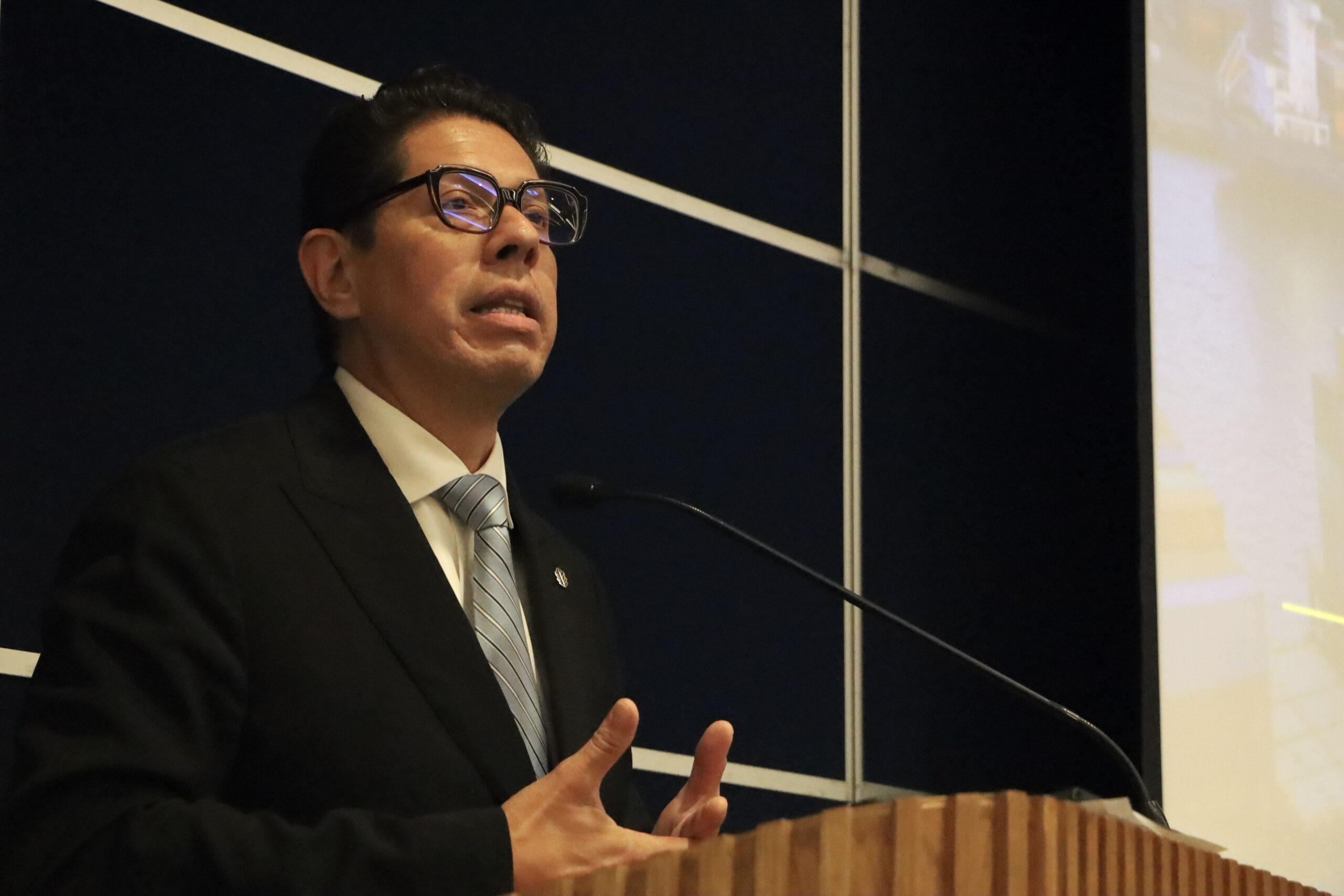
The keynote address was delivered by Dr. Juan Carlos Baker Pineda, a graduate of the Doctor of Business Sciences program at the Universidad Panamericana, and founder and director of the laboratory, who provided an analysis of the present and future of the United States-Mexico-Canada Agreement (USMCA).
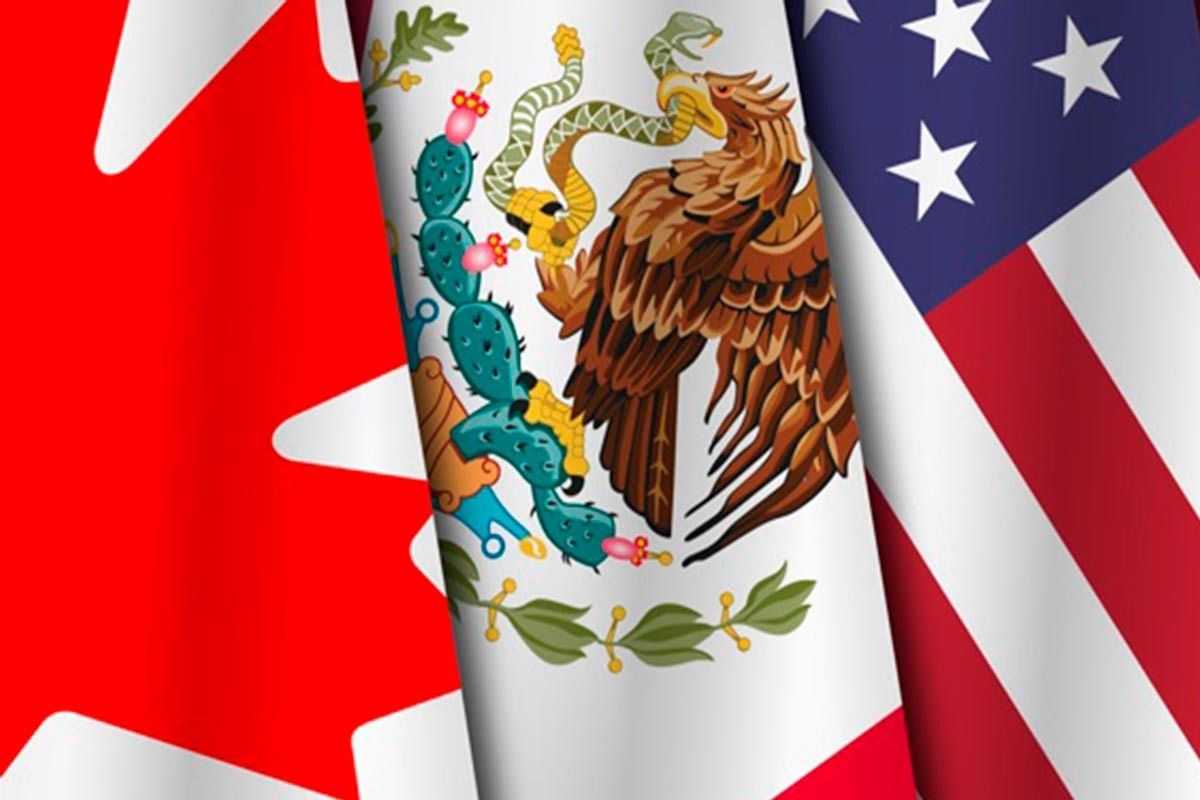
Dr. Juan Carlos Baker Pineda began his remarks by highlighting the extraordinary strength of the Mexican economy in terms of foreign trade, describing the current figures as “truly impressive.”
The expert highlighted the strength of Mexico’s foreign trade, noting that during the first half of 2026, Mexico recorded a record level of foreign direct investment, with trade totaling nearly 900,000 million dollars—a figure equivalent to almost 1.5 times the size of Argentina’s economy—while also cementing its position as the United States’ leading trading partner.
If the current trend continues, he explained, bilateral trade could approach one trillion dollars for the first time by the end of 2026.
However, he cautioned that the U.S.-Mexico-Canada Agreement (USMCA) review process faces a complex situation stemming from political uncertainty in the United States and the conditions established during the original negotiation of the agreement.
He explained that, for President Donald Trump, the trade deficit remains a problem that must be corrected according to a very specific interpretation. This view led to the inclusion of the controversial review clause in the original USMCA negotiations. According to the speaker, Trump viewed the treaty as a real estate contract with an expiration date.
To prevent the agreement from suddenly falling apart, the negotiators decided to schedule a review in the sixth year (in 2026), which unfortunately has coincided with a chaotic process under the Trump administration.
Three Scenarios for the Future of the USMCA
Given that the treaty was not immediately renewed on July 1, Mexico is now subject to an annual review process that is causing volatility and uncertainty. To navigate this situation, Dr. Juan Carlos Baker Pineda proposed three strategic scenarios:
1. Medium-Term Renewal Scenario (60 to 70 percent probability): This is the most likely scenario, according to the analyst. It posits that the USMCA will be renewed after a period of tension lasting between 12 and 18 months. This will occur because the uncertainty will begin to affect U.S. companies themselves, as well as inflationary pressures and the stock market. Furthermore, the start of the next political cycle in the United States will incentivize Trump to present the renewal as an achievement of his administration.
2. Prolonged Status Quo Scenario (Intermediate): This scenario assumes that there will be no renewal as long as Trump remains in the White House, prolonging the uncertainty for a period of three years or more. This would force Mexico to implement urgent domestic industrial policies to support the sectors most affected by tariffs, such as the automotive and steel industries.
3. Agenda Hijacking Scenario (Less likely, but high-risk): In this case, the T-MEC becomes a “big stick” used by Washington to extract concessions unrelated to trade, such as issues involving energy, telecommunications, or water. The director and founder of the think tank warned that this scenario would undermine national sovereignty and call into question the very structure of the bilateral relationship.
The scholar explained that understanding these scenarios is essential for companies, government authorities, and productive sectors to anticipate risks and make strategic decisions.
Trade Diversification: A Challenge for the Mexican Economy
Beyond the USMCA, the expert emphasized the need to strengthen Mexico’s trade diversification strategy by fostering economic relations with the European Union, South Korea, India, Brazil, and the member countries of the Comprehensive and Progressive Agreement for Trans-Pacific Partnership (CPTPP).

Crucially, he noted that the key decision in Mexican trade policy is to establish a strategic relationship with China:
“To think that we’re going to turn a blind eye and live in a world where China doesn’t exist is deeply unrealistic,”said Dr. Juan Carlos Baker Pineda.
Nearshoring, Infrastructure, and Water Availability
During the question-and-answer session, the critical water situation and its impact on industrial relocation—known as nearshoring—were discussed.

Dr. Juan Carlos Baker Pineda agreed that, although the T-MEC does not directly regulate water, water scarcity in the northern states—where infrastructure is concentrated—compared to the abundance in the south—where development is lacking—represents a critical bottleneck for any reindustrialization plan.
The event concluded with a call for close collaboration among academia, the private sector, and the government to design strategies based on data and real-world scenarios—the primary mission with which the Research Laboratory is formally launching its operations in Guadalajara.
A Laboratory to Strengthen Economic and Trade Analysis
With the launch of the International Trade and Investment Research Laboratory, the National Institute for Economic and Social Research( Universidad Panamericana ) is strengthening its commitment to high-impact research, the generation of specialized knowledge, and the analysis of strategic issues for the country’s economic development.
Sponsored by the Doctor of Business Administration program at the Guadalajara campus of theUniversidad Panamericana , which this year celebrates its sixth anniversary, the Research Laboratory on International Trade and Investment promotes collaboration among academia, the business sector, and the public sector to conduct applied research and develop proposals that strengthen international trade, the USMCA, foreign investment, and Mexico’s competitiveness.