Aguascalientes, Aguascalientes; July 1, 2025.— The Universidad Panamericana , AguascalientesUniversidad Panamericana is celebrating a momentous achievement with the granting of its first patent by the Mexican Institute of Industrial Property (IMPI).
It is a biodegradable bioplastic made from orange peels, developed by female research professors at the School of Engineering and the School of Food Business Management.
A real alternative to conventional plastic
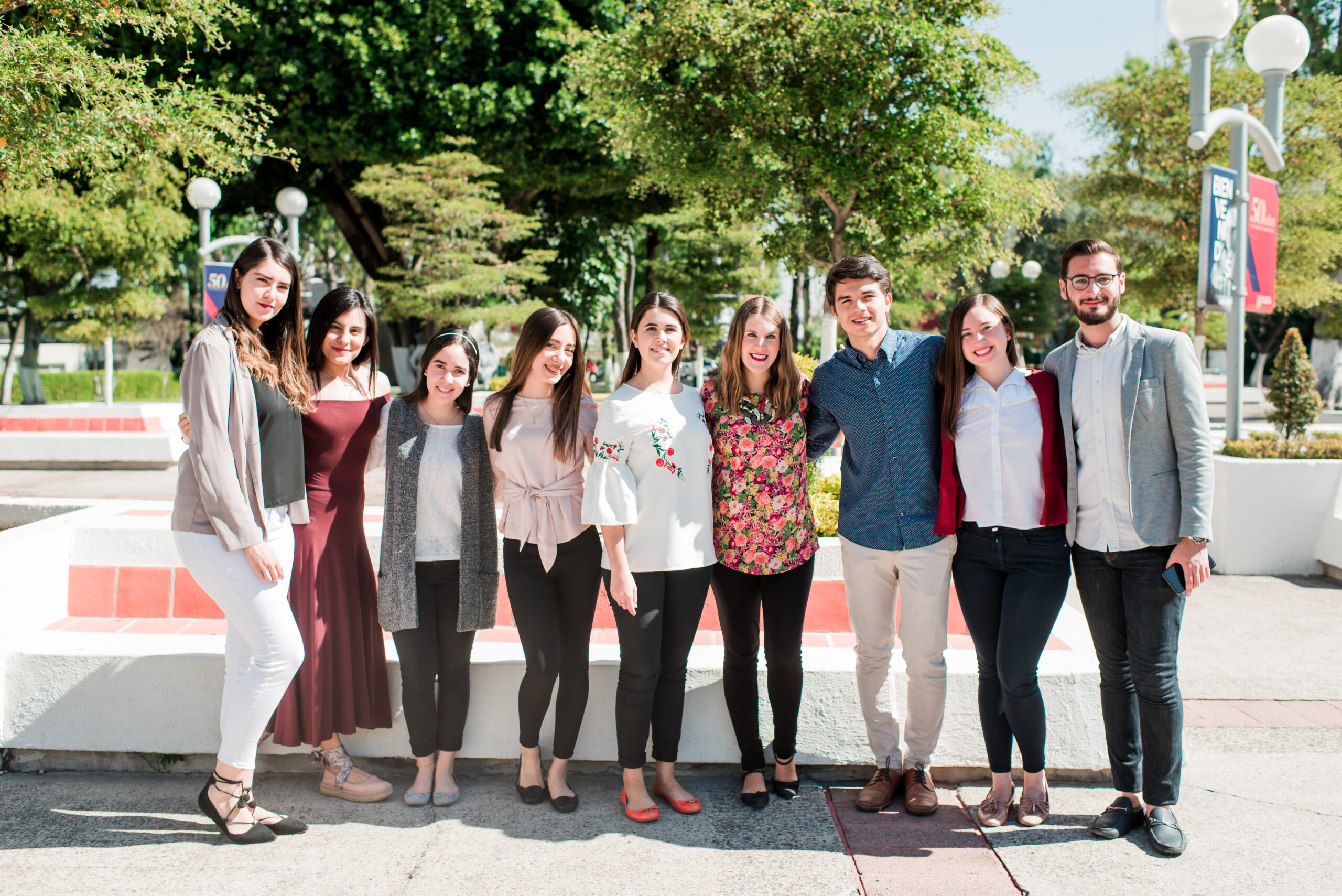
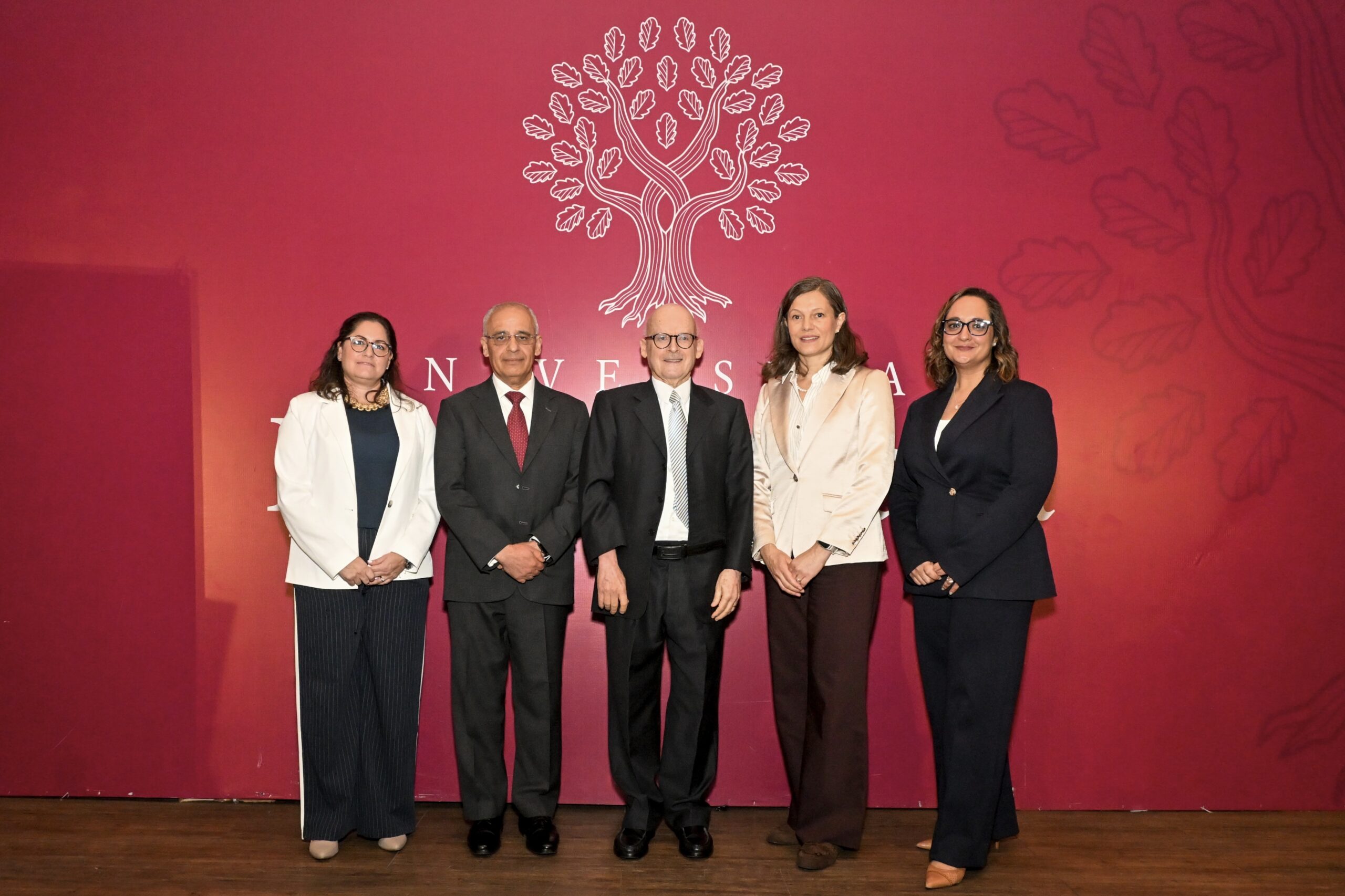
After analyzing the dual environmental crisis of plastic pollution and food waste, the professors Pia Berger, an expert in the circular economy; Julieta Domínguez Soberanes, a specialist in agri-food; Linda Carolina Hernández Lozano, expert in microbiology; and Crisdalith Cachutt Alvarado, an expert in value chains and operations, designed and created an interdisciplinary project that promotes sustainability and the use of organic waste.
This innovative bioplastic, made from orange peels, is a safe alternative for food contact that adds value to agro-industrial byproducts and reduces the environmental impact of conventional plastic.
“Bioplastics are part of circular economy strategies, so by developing this bioplastic, we are also opening new doors for further research collaborations, as well as adding to creativity from the engineering field,”, says Dr. Pia Berger.

He also points out that “the environmental impact is entirely positive, since, thanks to the properties of this bioplastic, it can nourish the soil at the end of its life cycle”.
First patent for the Aguascalientes campus, eighth for the Pan-American campus
Although this is the first patent granted to the Aguascalientes campus, it is the eighth patent in the history of the Universidad Panamericana.
“For us, being granted this patent is very important. I believe that we have broken the mold and serve as an example to other researchers that our ideas and projects can be recognized by institutions beyond the university and that we can leave a legacy that makes an impact on all of Mexico,”, says Dr. Crisdalith Cachutt.

The implementation of this technological development received key support from the Research Promotion Fund of the Universidad Panamericana. Two years of hard work and a laboratory-scale prototype made this new degree in Intellectual Property possible, awarded by the Mexican Institute of Industrial Property (IMPI), registered under application MX/a/2021/012262, filed on October 6, 2021, published on May 15, 2023, and officially granted on June 11, 2025.
“With this patent, we’re using orange waste to create biodegradable materials that can replace single-use plastics, moving toward a circular economy,”, explained Dr. Julieta Domínguez Soberanes.

The patent was granted thanks to the strategic support of the Intellectual Property Management Center through its Inventor Assistance Program. As part of the Institutional Strategy for Innovation and Technology Transfer, this program aims to “support and advise our researchers on protecting their inventions, ensuring maximum benefit for society and industry”, said Dr. Juan Alberto González Piñón, corporate director of Innovation and Technology Transfer.
Toward a future free of plastic pollution
As a next step, the Universidad Panamericana partnerships with companies in various sectors, such as food packaging, to promote the industrial production of bioplastics.
It is estimated that, following process optimization, this technology could be implemented on a large scale in less than a year, positively contributing to the reduction of plastic waste and the recovery of agricultural waste.
““The food industry generates a large percentage of waste; about 30% of food is not used , and some of this food could be used as byproducts,”, reports Carolina Hernández, M.A.

In doing so, he highlights the important role that academics play in promoting these types of projects for the benefit of society. “As researchers, we need to identify where to use these byproducts and what purpose they will serve, as well as how companies can get involved in a way that is also profitable for them,”, he notes.
Commitment to innovation and sustainability
With the granting of this patent, the Universidad Panamericana its commitment to applied research and sustainable innovation, making it a national leader in the development of technological solutions with a significant environmental impact.
Learn more about the School of Engineering: https://www.up.edu.mx/educacion-universidad-facultad-de-ingenieria/