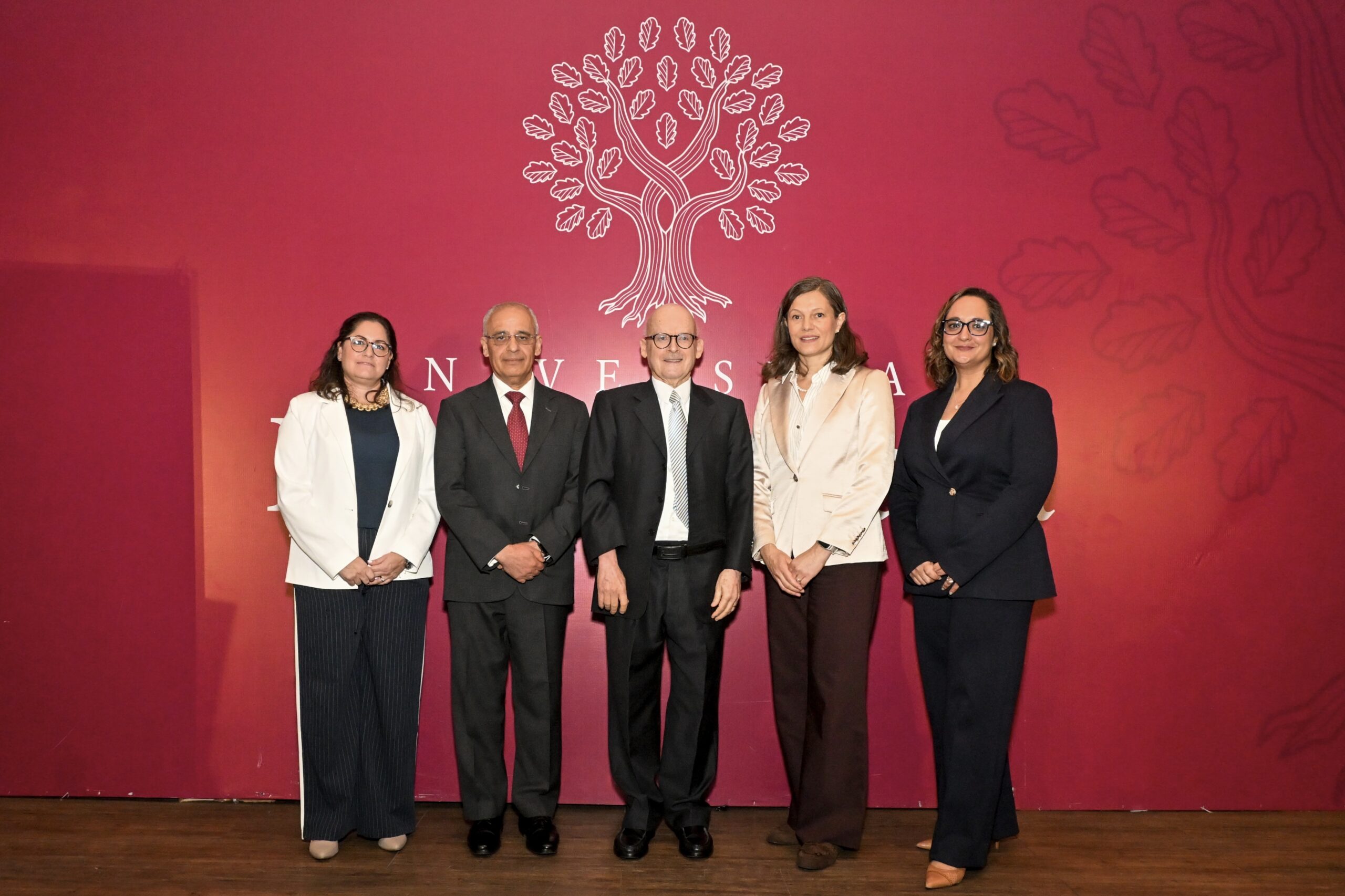
Zapopan, Jalisco; January 25, 2026.—The Universidad Panamericana its commitment to sustainability and applied research through the participation of its research faculty in the development of the Jalisco Energy Intelligence Center (CIEJ), a strategic project focused on energy planning, efficiency, and the transition to clean energy in the state.
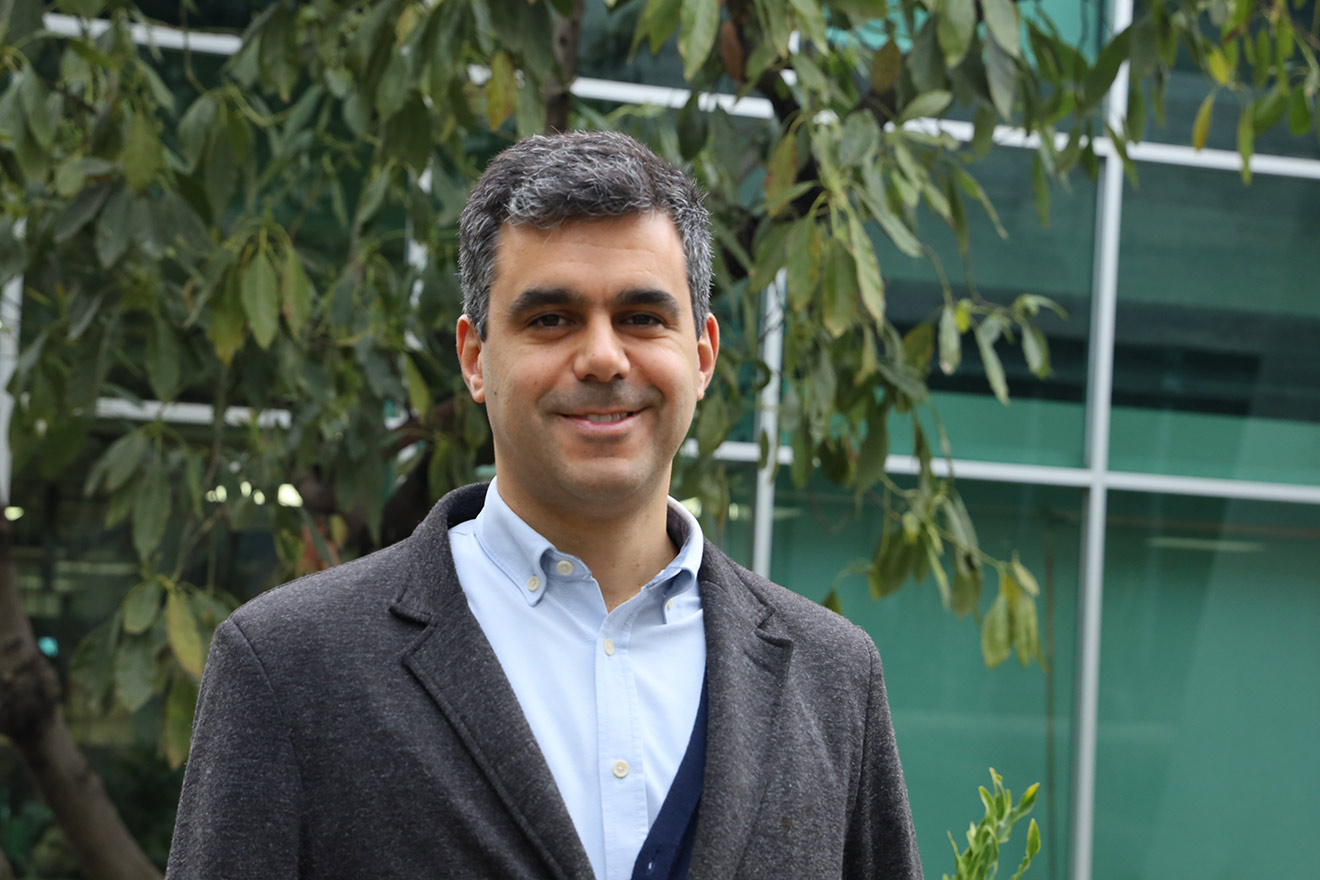
Drs. Héctor Robles and Francisco Moreno, research professors at the Universidad Panamericana Guadalajara Universidad Panamericana and members of the National System of Researchers (SNI), are collaborating with the Center for Advanced Technology (CIATEQ) on the design and technical evaluation of the center, which aims to generate key information for government decision-making on energy matters.

Strategic Energy Planning for Jalisco
After receiving an invitation from the Office of the Vice President for Research (VGI) at the Universidad Panamericana in September 2025, the researchers began developing a pilot project aimed at conducting a comprehensive assessment of the state energy system.

“The government considers this project to be highly strategic, as it will enable us to conduct a self-assessment of the current situation and develop a forecast for the growth in energy demand. With this information, it will be possible to plan, make decisions, and establish a monitoring and control center,” explained Dr. Héctor Robles.
The main objectives of the Jalisco Energy Intelligence Center include:
- Improve energy efficiency by reducing losses and generating savings.
- Strengthen the security of the electrical system through fault-tolerant designs.
- Promote the adoption of clean energy, particularly solar energy.
Project Progress and Scientific Development
With an investment of approximately 1.6 million pesos, the project is currently in the phase of evaluating the measurement model developed by researchers at the Universidad Panamericana, who are analyzing energy technologies on an international level to identify the solutions best suited to the local context.

While UP scholars lead the modeling and technical evaluation, the partner institutions are responsible for the operational implementation of the system. This work is expected to generate scientific research that will be published in journals specializing in energy management and conservation, as well as the presentation of results at national and international conferences.
One of the main challenges identified is climate variability, since renewable sources such as solar energy depend on changing environmental conditions, while energy demand remains constant.
Institutional support and official presentation
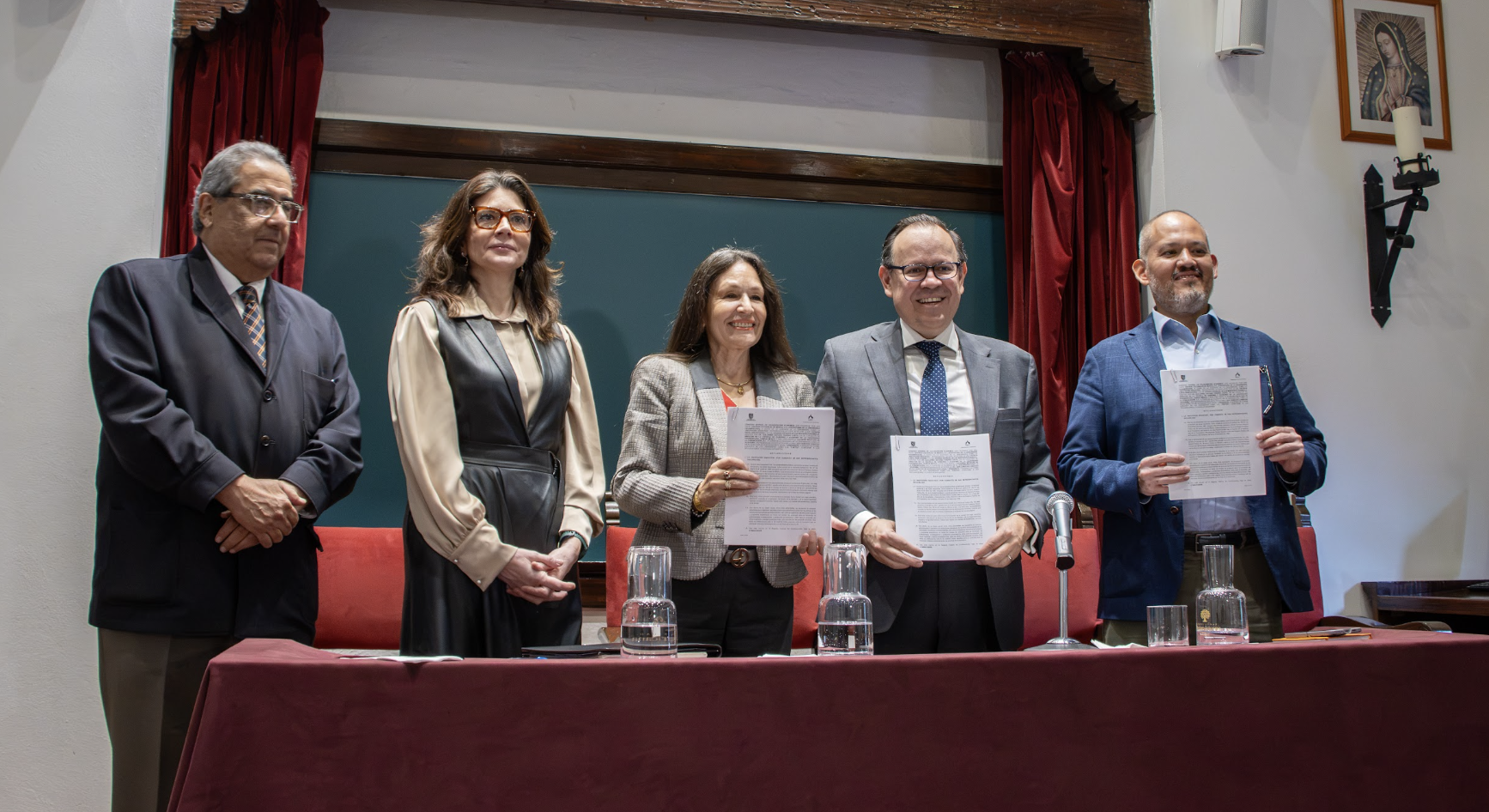
The Jalisco Energy Intelligence Center was officially unveiled on January 19, 2026, during a press conference at the Jalisco Ministry of Innovation, Science, and Technology (SICyT), with the aim of developing value propositions that positively impact the quality of life of Jalisco residents.

During the event, Horacio Fernández Castillo, head of the SICyT, emphasized that this strategic project contributes to both the state’s social welfare and economic growth by strengthening energy planning and the use of renewable energy.
Partnerships that drive development
A key feature of the project is its inter-institutional nature, as it brings together the Universidad Panamericana organizations such as the Federal Electricity Commission (CFE) and other entities, with the aim of ensuring that the benefits of the CIEJ translate into a direct impact for the state of Jalisco.
In addition, it provides an opportunity for students to get involved in the project, apply their new knowledge, and strengthen their commitment to and sense of responsibility toward their community.
Through initiatives like this and concrete actions such as the installation and optimization of solar panels, the Universidad Panamericana is consolidating its leadership in energy research, sustainability, and regional development, actively contributing to the transition toward a cleaner and more efficient future for Jalisco.