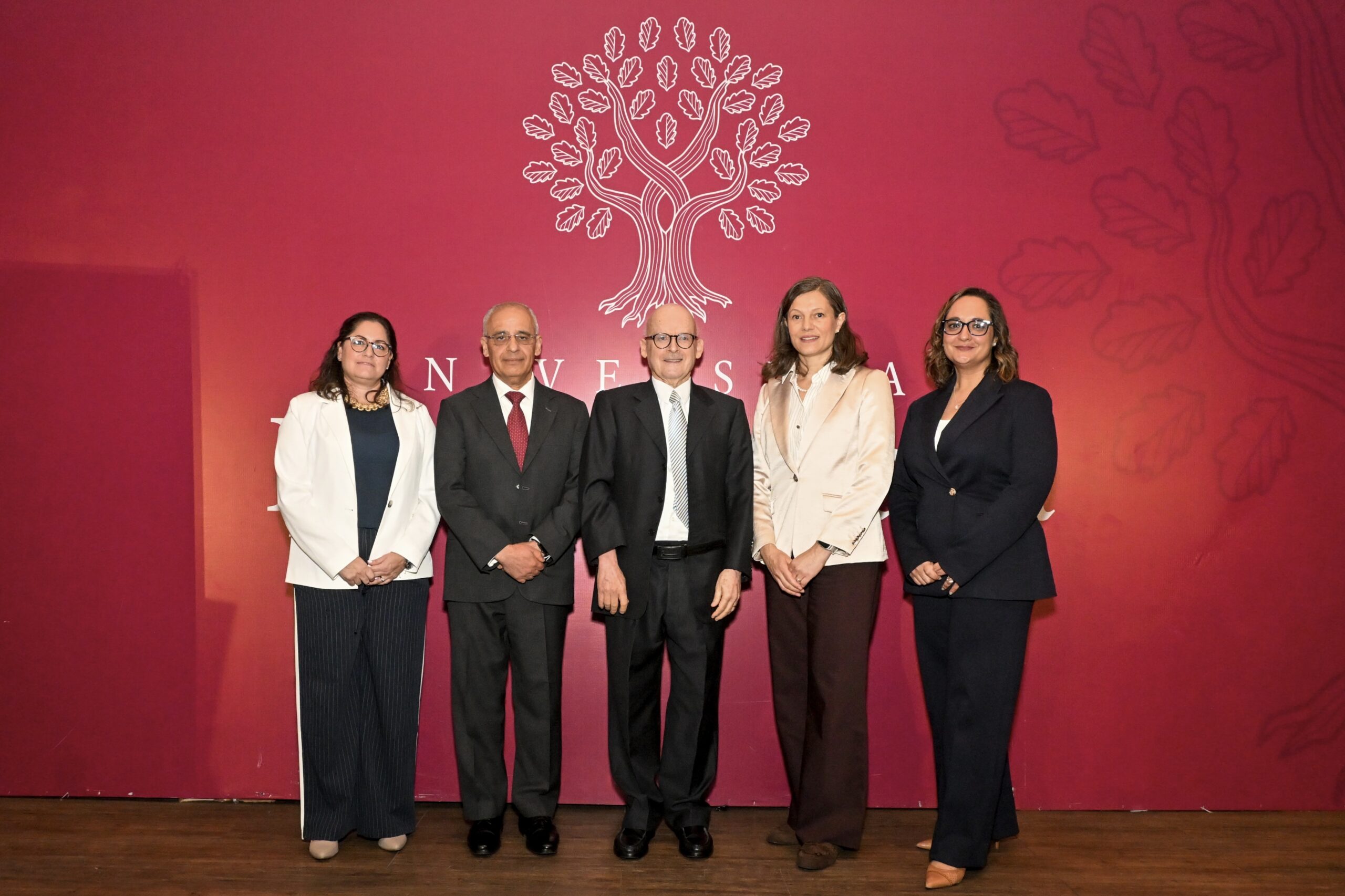
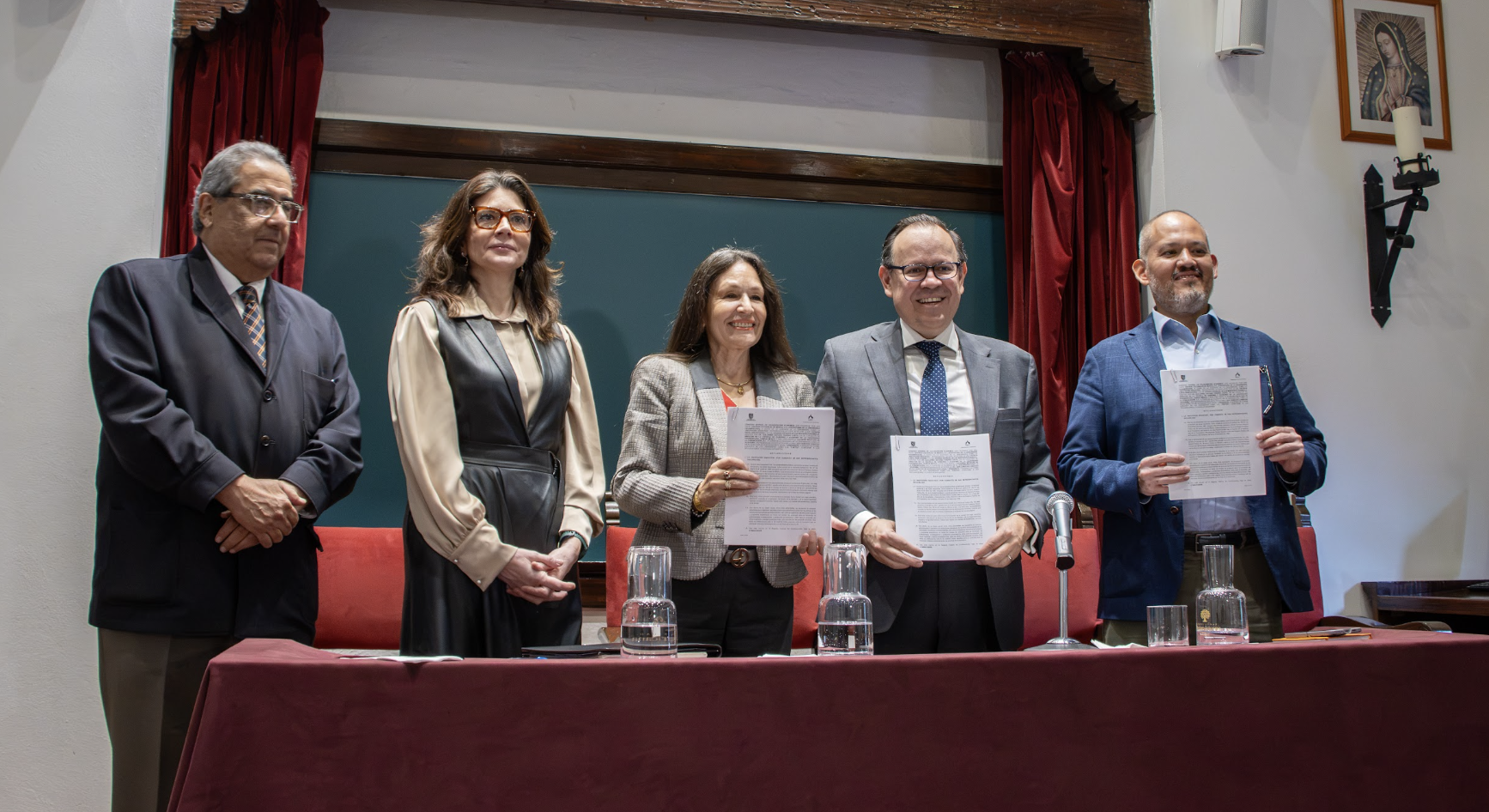
Mexico City, January 27, 2026.— With the aim of promoting sustainable development strategies rooted in biocultural identity, the Universidad Panamericana hosted theThird SUSTER Totlal Yoltoc International Conference, a hybrid academic forum that brought together researchers, students, local stakeholders, and representatives from more than 20 institutions in Mexico, Latin America, and Europe.
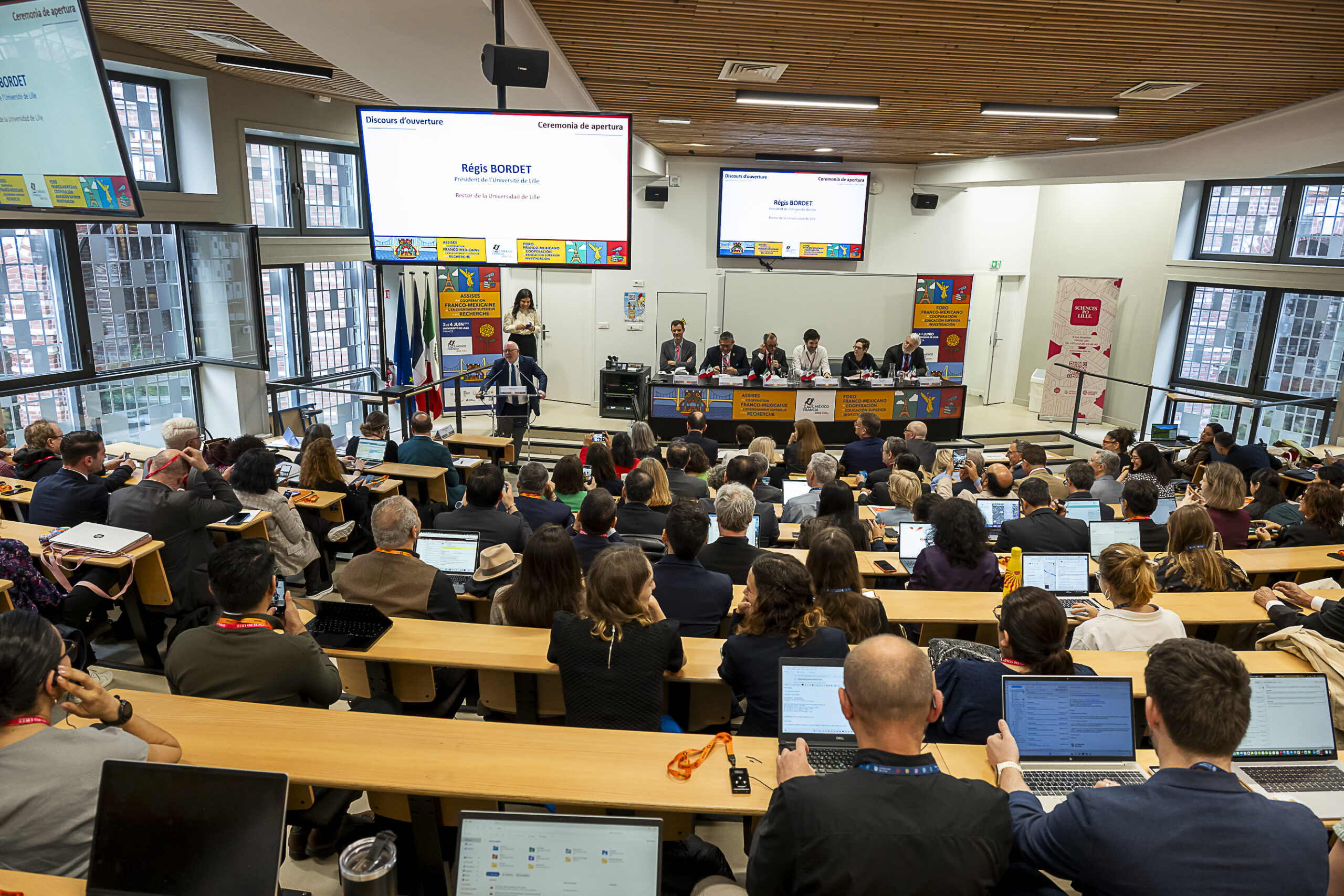
The event, held at the Mexico City Campus, Mixcoac location, was attended by63 participants—34 in person and 29 online—fostering a diverse academic exchange with an international scope.

International Academic Cooperation and Research Networks
Notable among the participating institutions were theUniversity of Florence (Italy)—with which the School of Business maintains an active partnership through the Erasmus+ KA171 project—as well as representatives from France, Spain, Brazil, Chile, Colombia, and Peru.

At the national level, the participants included Ibero, Tec de Monterrey, and UNAM, all of which have been part of the Suster project from the beginning.
The event was organized by the Dr. Marisol Velázquez-Salazar, Secretary of Research at the School of Business on the Mexico City Campus, who, together with the University of Florence (UNIFI), promoted the exchange of experiences stemming from the SUSTER project, as well as the development of new lines of work to strengthen future international collaborations.
Thematic Areas and Academic Cooperation
The meeting was organized into four thematic sections, focused on linking research, local experiences, and proposals for action:
- Key Factors for Successful Biocultural Territorial Development Projects: Experiences from Mexico, Brazil, Chile, Colombia, and Italy were shared, highlighting the importance of valuing local knowledge, community participation, and educational approaches such as the SUSTER courses and certificate programs.
- Research Inspired by the SUSTER Approach: Action-research projects related to public markets, the regional coffee heritage, and local schools were presented.
- Institutional exchanges through networks: Ties were strengthened through international seminars, joint training programs, and academic mobility.
- Future prospects: Participants reflected on the need to expand youth participation, promote research networks, and foster bilateral exchanges.
International Presence and Strategic Alliances
During the event, the University of Florence participated actively, represented by Cristina Gagliani, Research Manager in the Department of History, Archaeology, Geography, and Performing Arts; Michela Calabrese, Research Manager in the Department of Economics and Management; and Prof. Giovanni Belletti, Prof. Andrea Marescotti, and Prof. Mateo Mengoni from the Department of Economics and Management.

As part of this visit, the Office of the Vice President for Research brought together faculty members from Panamericana’s three campuses to share best practices in Erasmus+ project management, as well as opportunities for funding and international collaboration, thereby strengthening the strategic focus on attracting external funding.
A space that fosters global academic dialogue
The Third SUSTER Totlal Yoltoc Meeting reaffirms the commitment of the Universidad Panamericana to serve asa coordinating hub in the international debate on sustainability, biocultural identity, and academic cooperation, linking research, education, and local experiences from a collaborative and interdisciplinary perspective.
Learn more about Panamericana’s research projects at: https://www.up.edu.mx/investigacion-noticias/