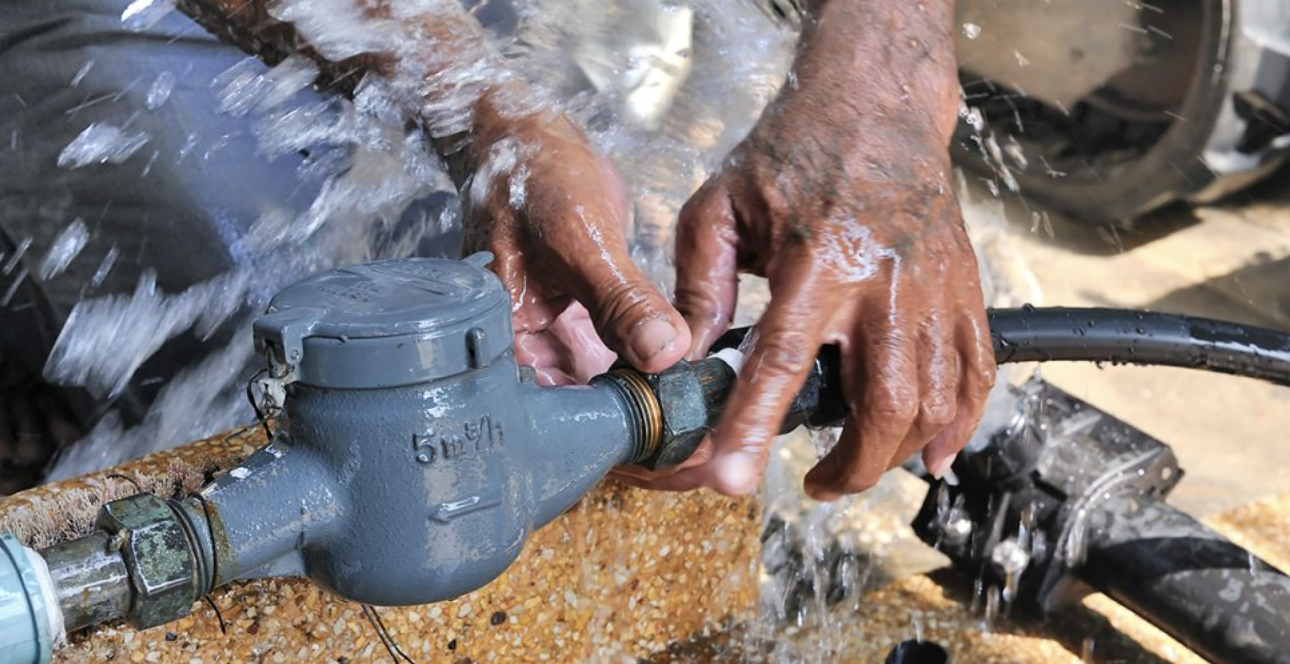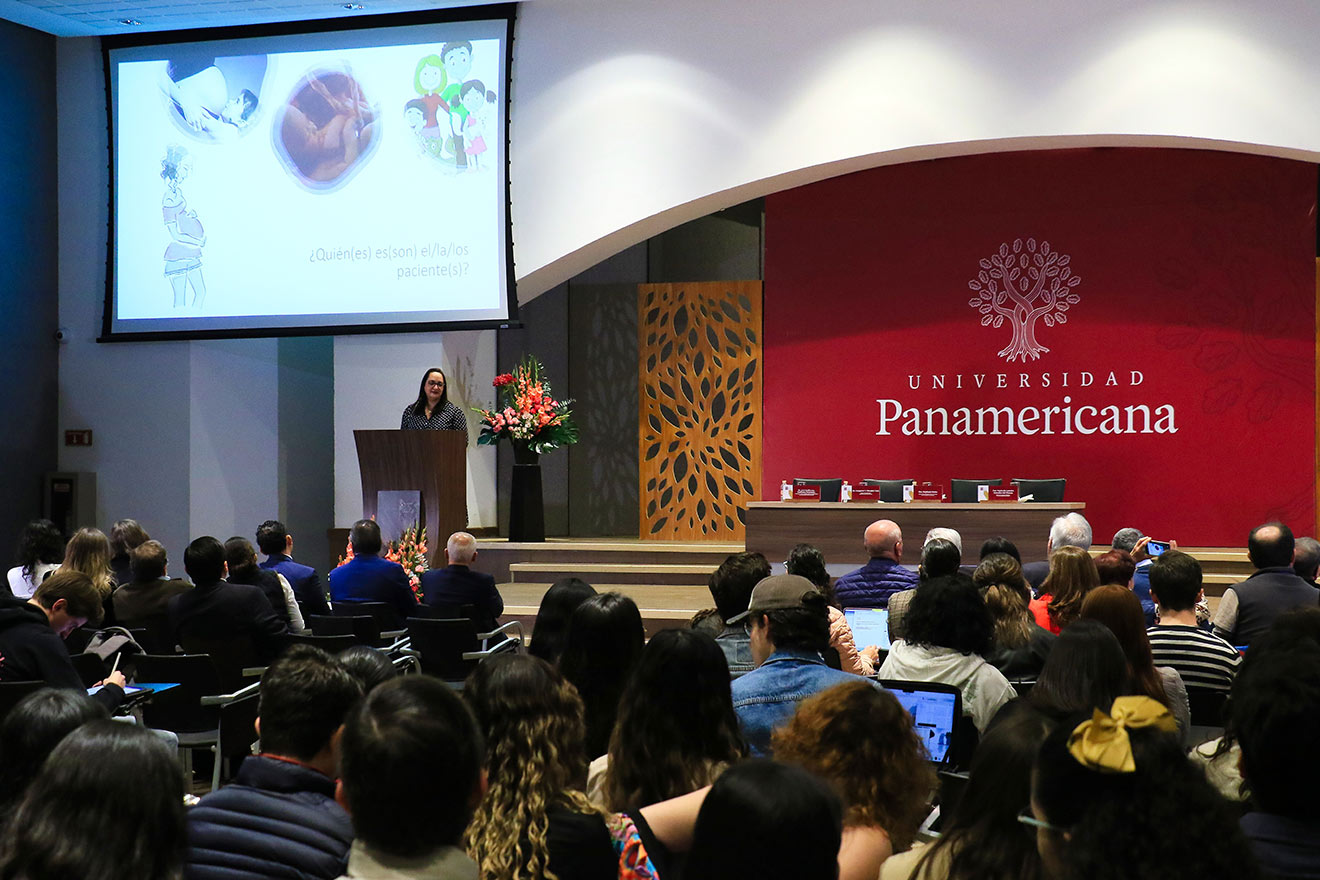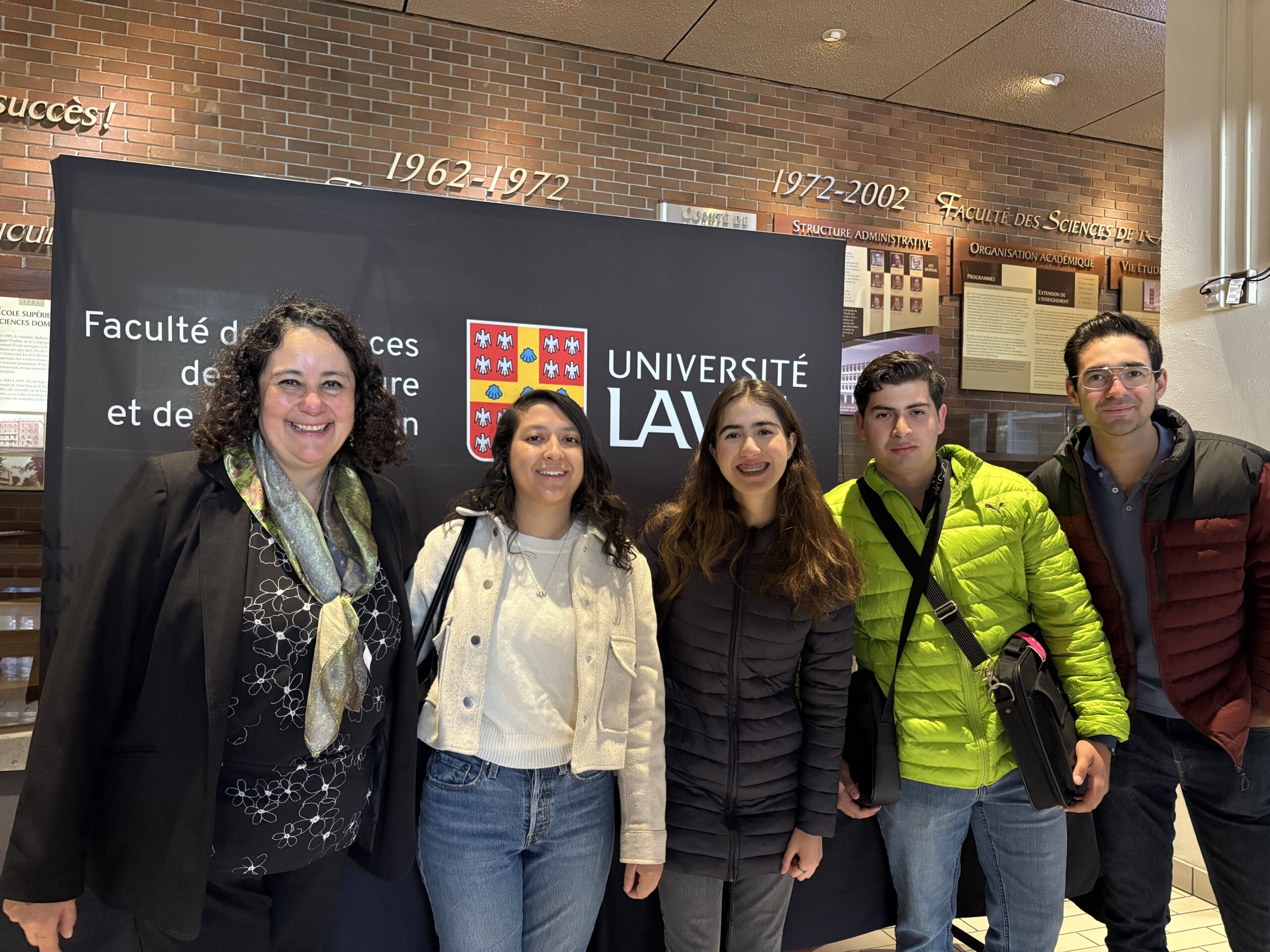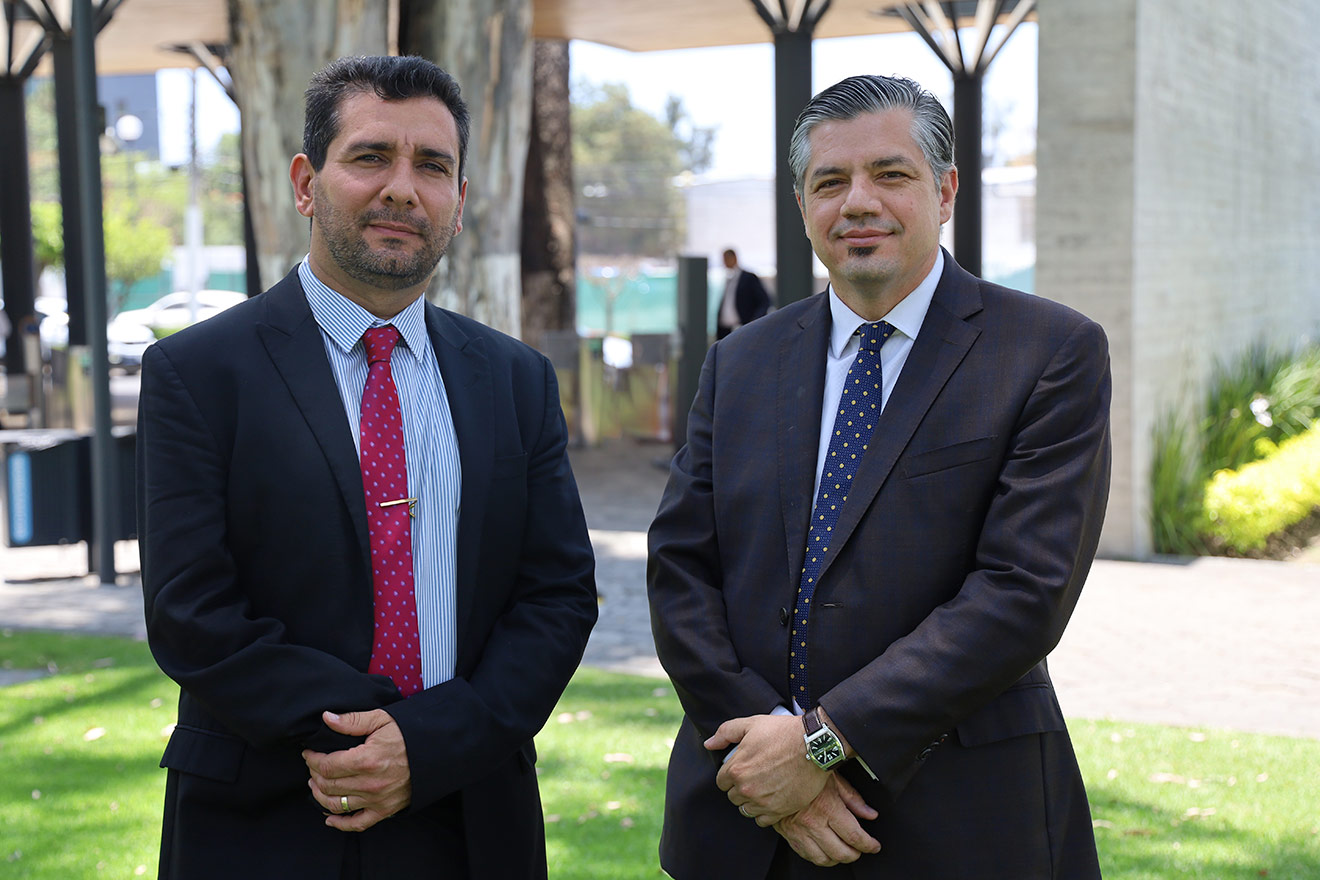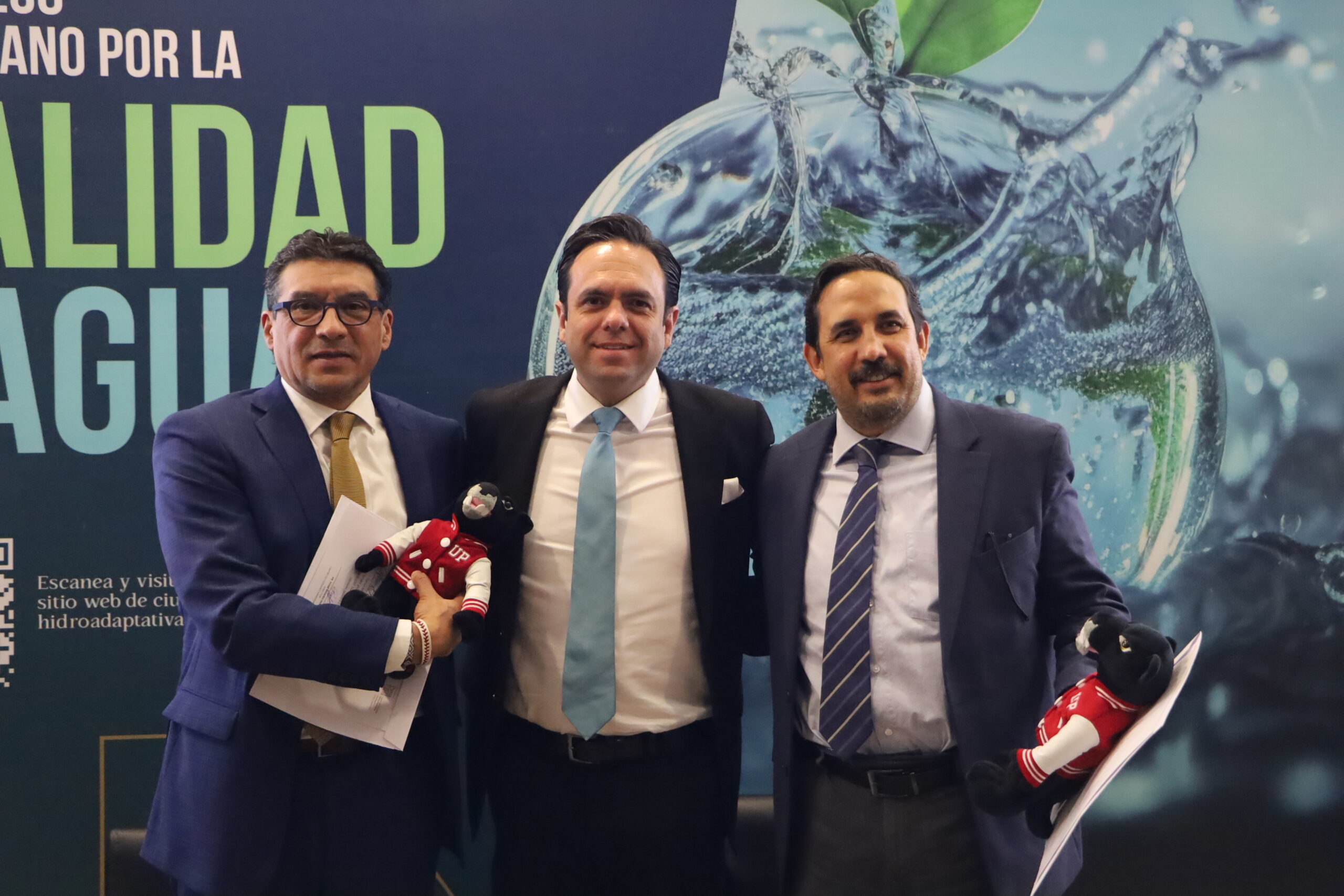
Zapopan, Jalisco; 21 de julio de 2026.- Con el propósito de generar propuestas para enfrentar la crisis hídrica y mejorar la calidad del agua en el Área Metropolitana de Guadalajara (AMG), el Centro de Ciudades Hidroadaptativas de la Universidad Panamericana organizó el Congreso Ciudadano por la Calidad del Agua, un espacio de diálogo que reunió a investigadores, especialistas, autoridades, organizaciones civiles, ciudadanos y estudiantes de la Universidad Panamericana, la Universidad de Guadalajara, el Tecnológico de Monterrey, el ITESO y la Universidad Autónoma de Guadalajara.
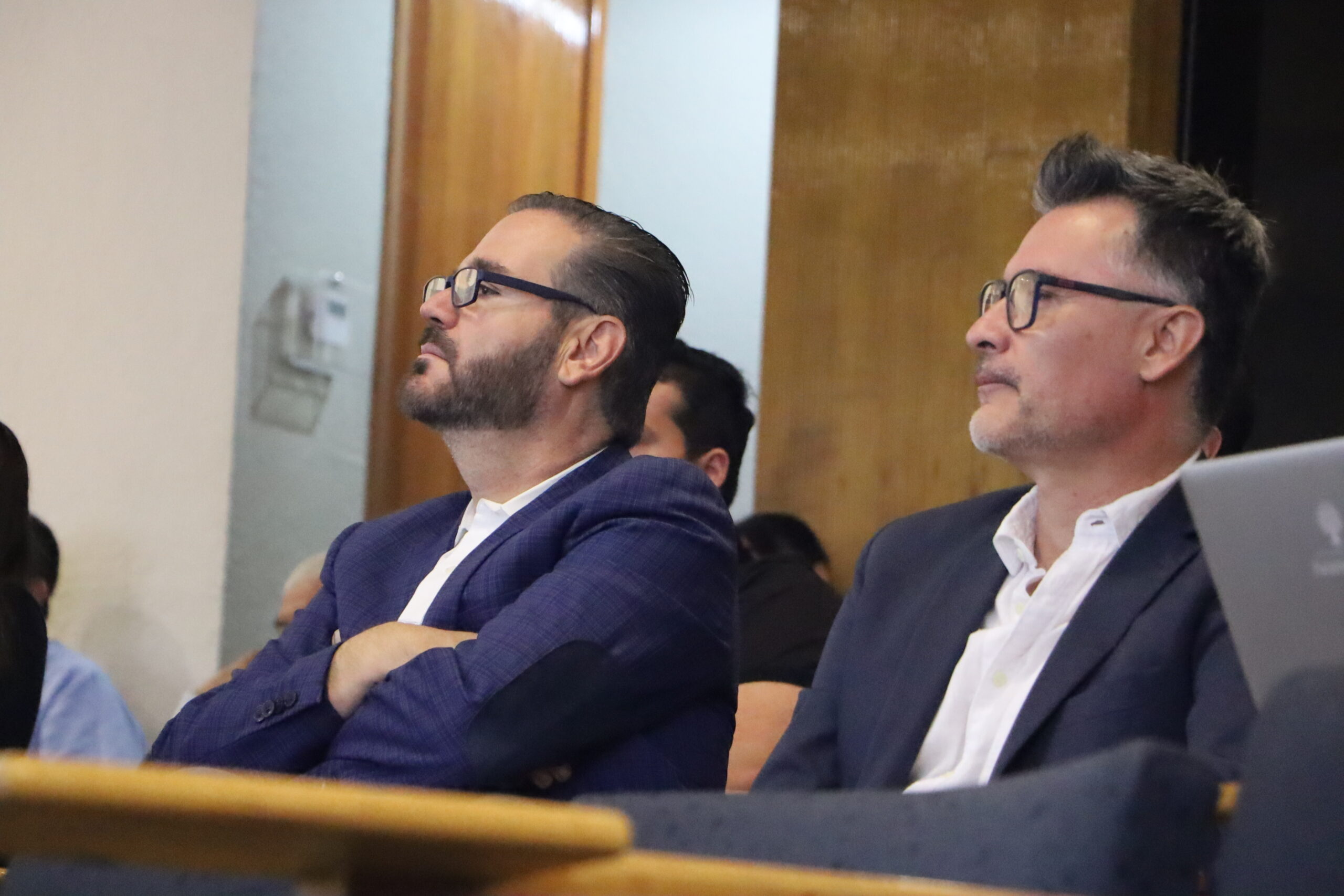
El encuentro, realizado en el Aula Magna de la Universidad Panamericana campus Guadalajara, permitió analizar los principales desafíos relacionados con la infraestructura hidráulica, la potabilización, la gobernanza del agua y la participación ciudadana para garantizar un servicio de calidad.
Investigación y diálogo para enfrentar la crisis del agua
La bienvenida estuvo a cargo de la Dra. Daniela Salgado Gutiérrez, directora de Investigación de la Universidad Panamericana campus Guadalajara, quien destacó que la investigación universitaria debe responder a los desafíos sociales mediante el diálogo interdisciplinario.
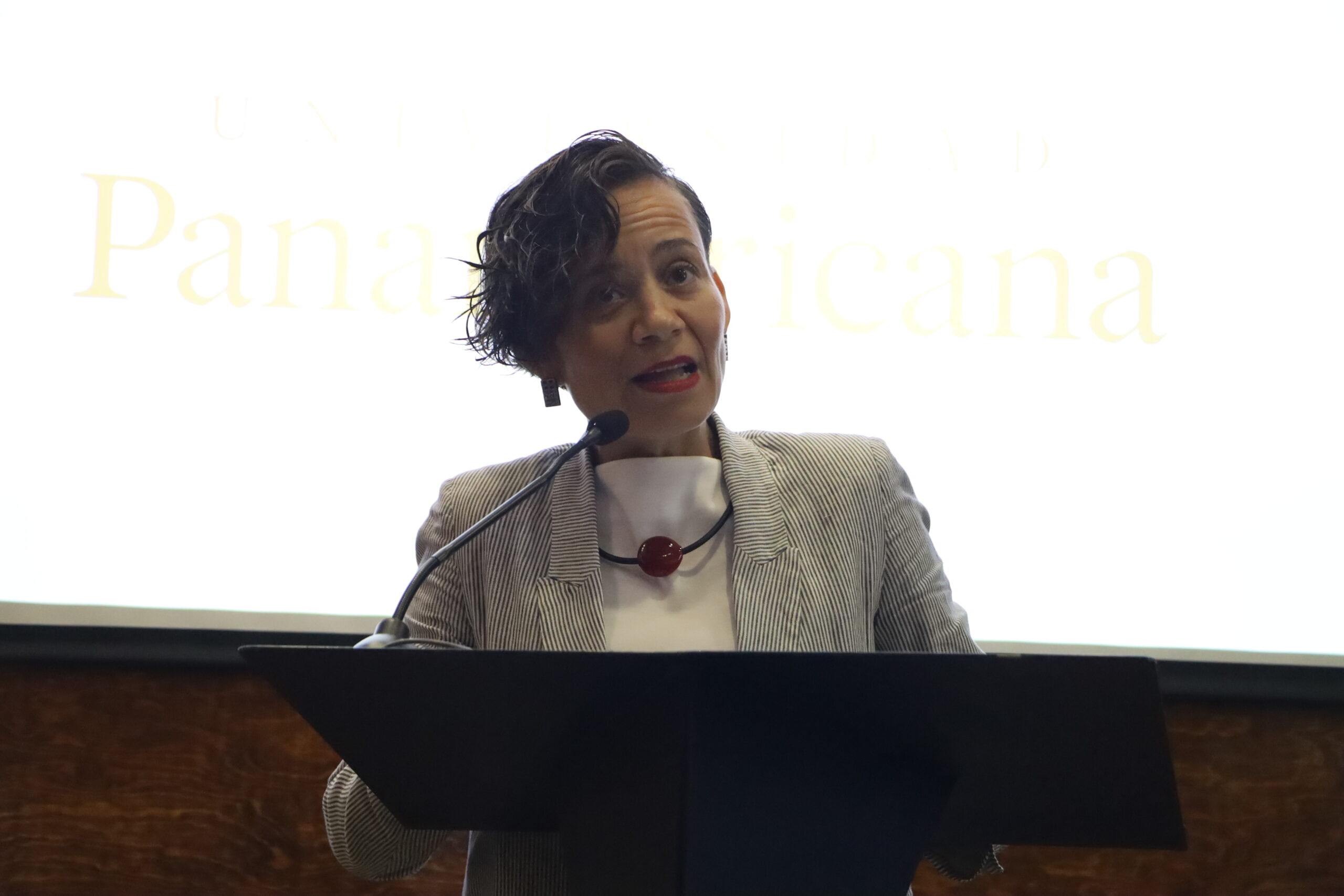
Al citar al exrector de la Universidad de Navarra, Alejandro Llano, señaló que la innovación es indispensable para evitar el estancamiento y encontrar soluciones a problemas complejos como la gestión del agua.
“Las universidades tenemos un compromiso con la verdad, con el bien común, con la realidad y con la humanización del presente y del futuro de nuestra sociedad”, afirmó.
Asimismo, destacó que la gestión, distribución, acceso, cuidado y preservación del agua requieren la colaboración entre la academia, la ciudadanía y las instituciones públicas.
Infraestructura hidráulica: uno de los principales desafíos
La primera conferencia, Deterioro de la calidad del agua en el Área Metropolitana de Guadalajara: causas estructurales y directrices de solución, fue impartida por el Dr. José Arturo Gleason Espíndola, investigador de la Universidad de Guadalajara.
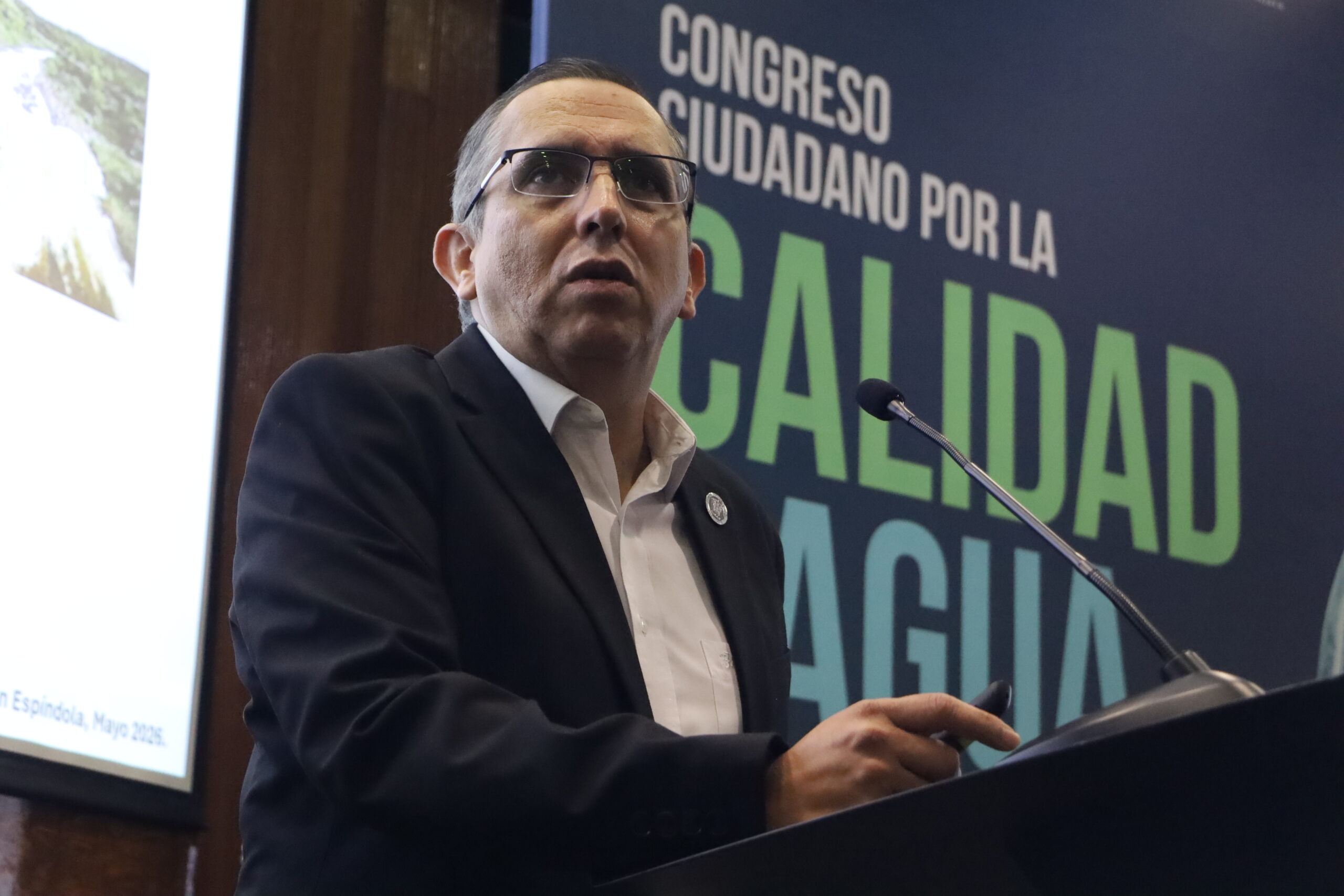
Durante su participación explicó cómo el crecimiento acelerado del Área Metropolitana y el envejecimiento de la infraestructura hidráulica han incrementado los problemas de distribución y calidad del agua que reciben miles de hogares.
Mediante mapas, imágenes satelitales y análisis técnicos, mostró las condiciones actuales de la red de abastecimiento y los factores que afectan el servicio.
Presentan Índice de Calidad en el Servicio del Agua
Uno de los momentos más relevantes del congreso fue la presentación del Índice de Calidad en el Servicio del Agua (ICSA), desarrollado por el Centro de Ciudades Hidroadaptativas de la Universidad Panamericana.
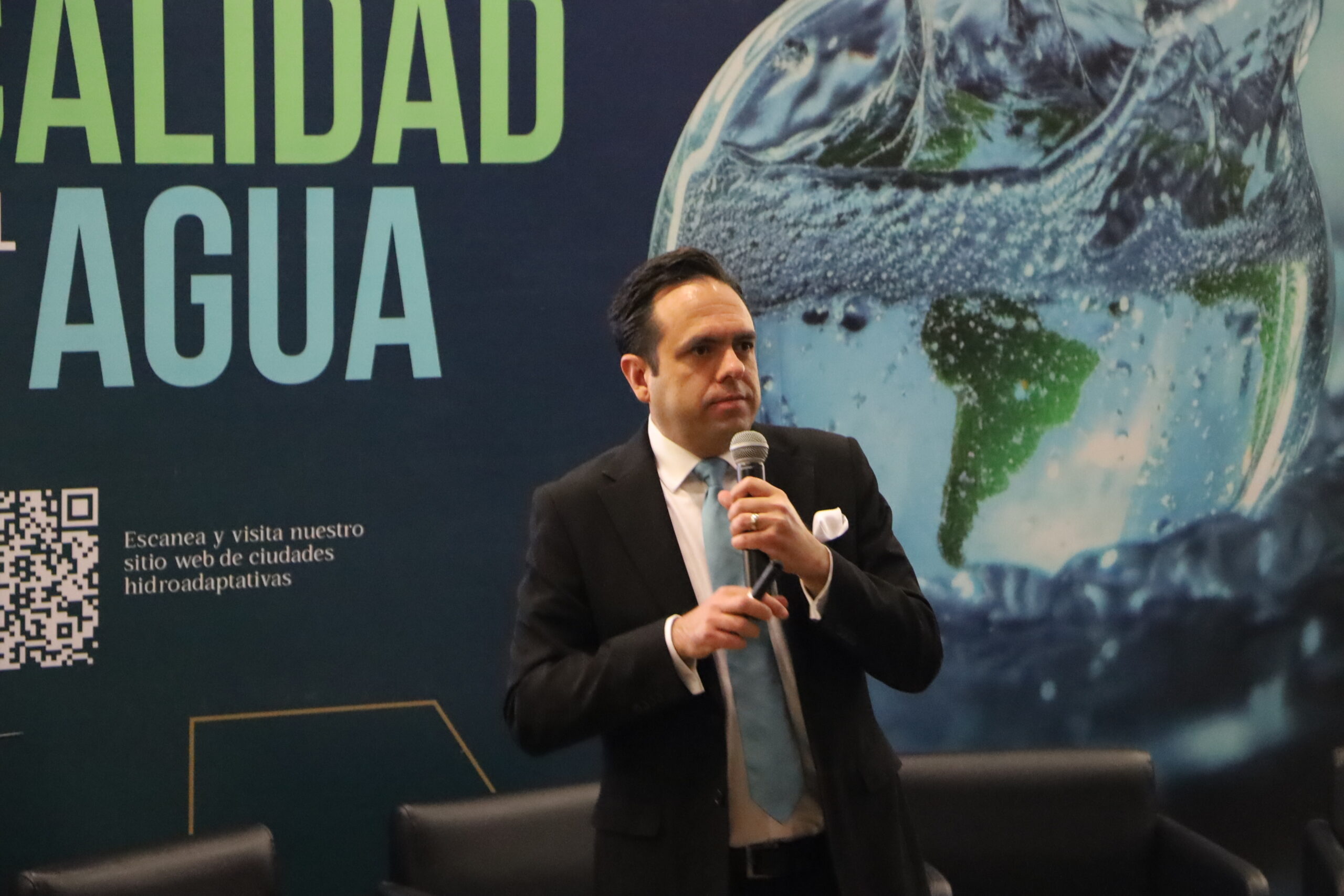
El estudio, presentado por su director, el Dr. Hugo Briseño Ramírez, evalúa aspectos como:
- Continuidad del servicio.
- Suficiencia del suministro.
- Respuesta institucional.
- Calidad del agua que llega a los hogares.
El índice compara la percepción ciudadana en Guadalajara, Monterrey y Mérida, y mostró que el organismo operador del agua en Guadalajara obtuvo la calificación más baja entre las tres ciudades evaluadas.
Soluciones para mejorar la calidad del agua
Posteriormente se desarrolló el panel Soluciones técnicas e infraestructura: ¿Cómo limpiar el agua hoy y mañana?, en el que participaron:
- Dr. Carlos Javier Escudero Santiago, Universidad Autónoma de Guadalajara.
- Dr. Héctor Alfonso Barrios Piña, Tecnológico de Monterrey.
- Mtro. Carlos Ornelas Orozco, Centro de Ciudades Hidroadaptativas de la Universidad Panamericana.
Los especialistas analizaron alternativas para mejorar el abastecimiento, la potabilización y el saneamiento del agua mediante nuevas tecnologías e infraestructura. El Dr. Carlos Javier Escudero abordó los procesos de oxidación avanzada, mientras que el Dr. Héctor Barrios reflexionó sobre los puntos donde el agua pierde su potabilidad dentro de la infraestructura hidráulica y cómo se deben reforzar.
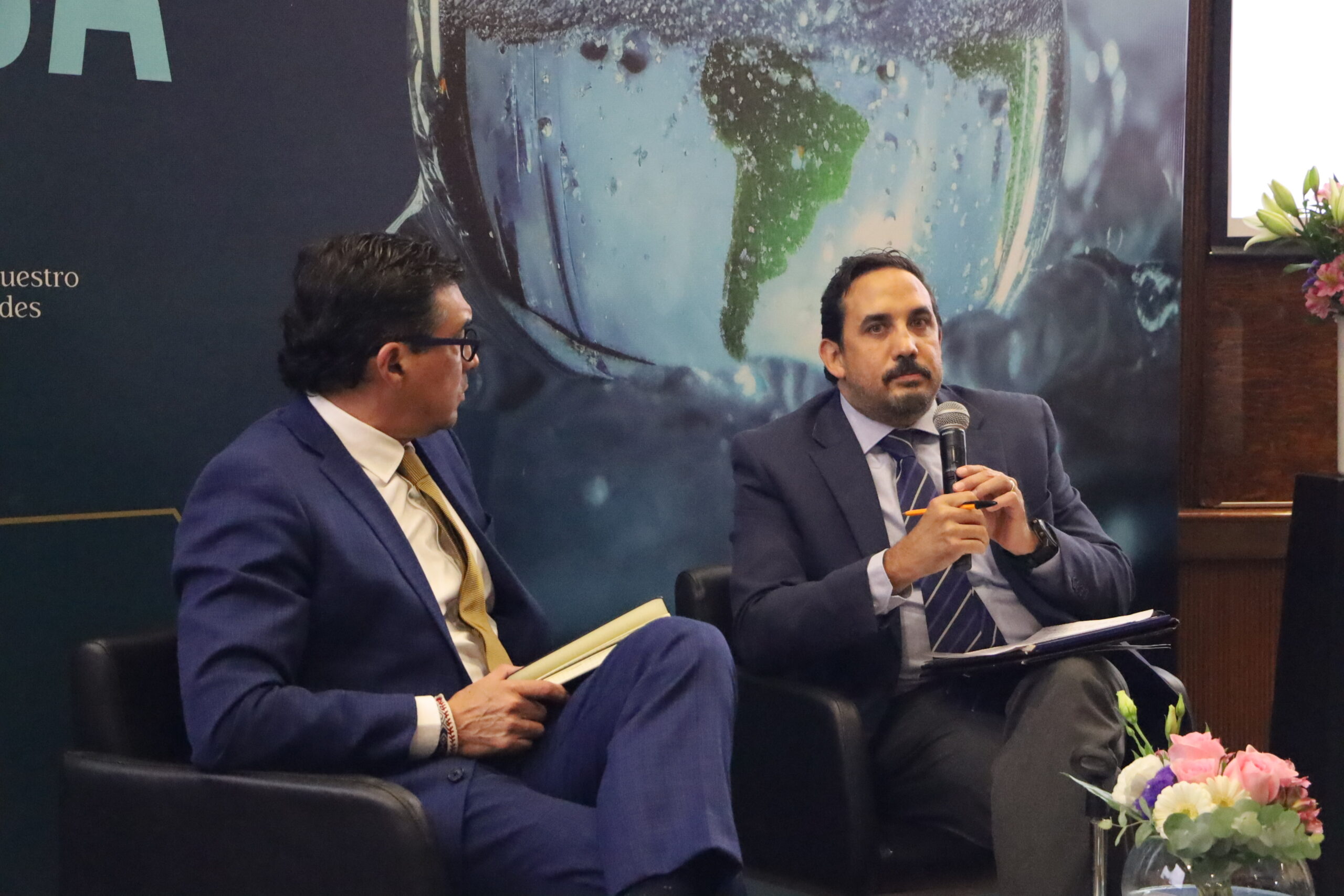
Entre las propuestas de esta mesa panel destacó el impulso al reúso de agua tratada mediante las llamadas líneas moradas, redes independientes destinadas al suministro de agua para riego, industria y otros usos no potables.
El Mtro. Carlos Ornelas explicó que este modelo representa una alternativa eficiente frente a la creciente escasez de agua potable. Señaló que en México se trata aproximadamente el 60 por ciento de las aguas residuales municipales recolectadas, ubicando al país en el “segundo lugar mundial después de China en el que regamos con aguas residuales sin tratar”.
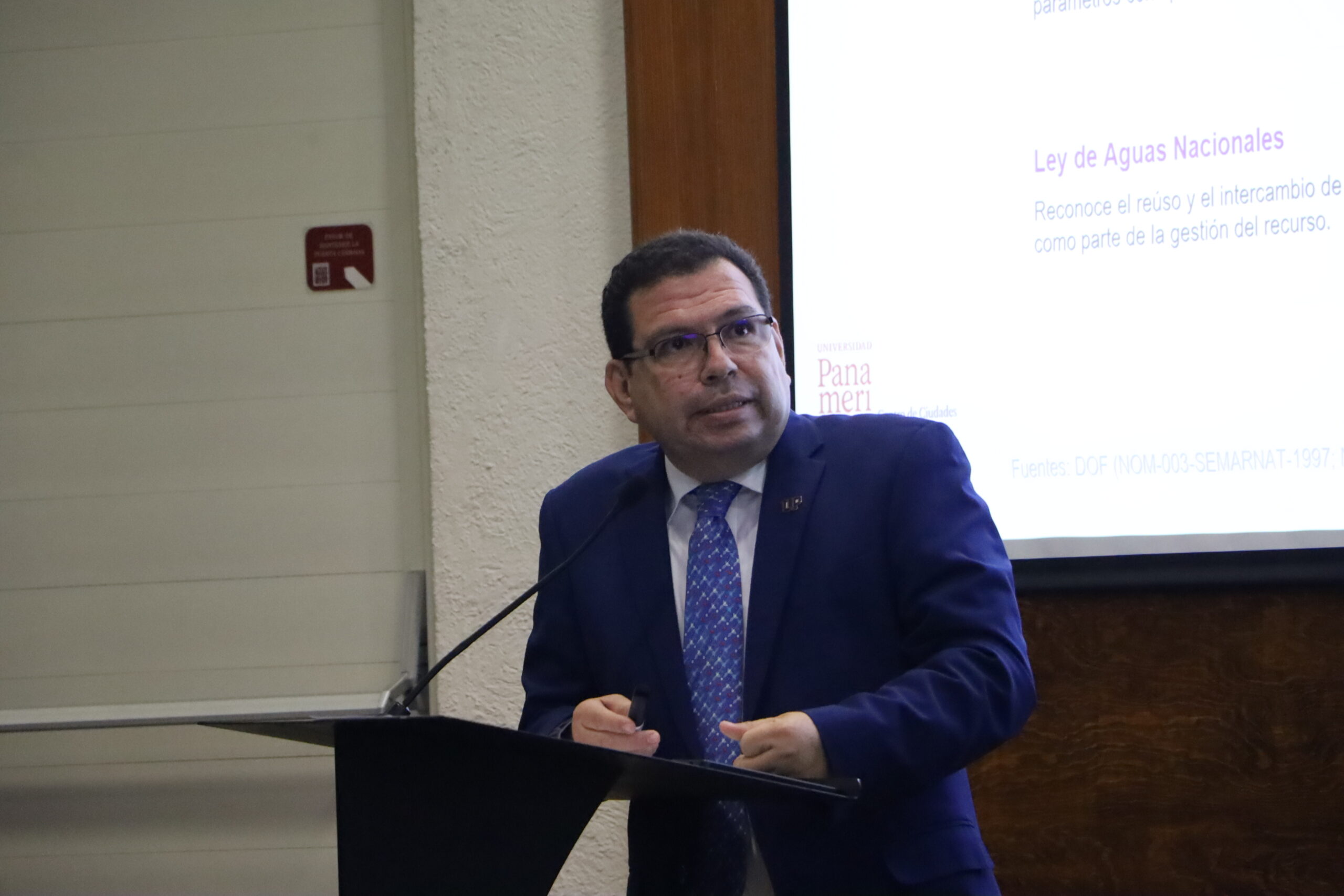
Frente a esto, expuso casos de éxito internacionales como Namibia, pionero desde 1968 en el reúso directo, Singapur con su programa NeWater, e Israel.
Asimismo, destacó proyectos desarrollados en Jalisco, como la línea morada del corredor industrial de El Salto, y subrayó que el agua tratada puede resultar más económica que la extracción mediante pozos.
Las ventajas de las colaboraciones
El congreso también incluyó un panel dedicado a las asociaciones público-privadas como herramienta para desarrollar infraestructura hidráulica.
En este espacio participaron el Dr. Rodrigo Navarro Guerrero, presidente del Consejo Consultivo del Agua Jalisco, y el Mtro. Abelardo Arroyo Rincón, especialista del Banco Mundial, quienes coincidieron en la importancia de fortalecer proyectos transparentes, técnicamente viables y sustentados en el conocimiento local.
Ambos especialistas destacaron que este tipo de esquemas permiten mejorar la infraestructura sin que el Estado pierda la rectoría sobre los servicios públicos.
Finalmente, el Mtro. Arroyo Rincón recomendó a los gobiernos mantener licitaciones transparentes destacando la importancia de basarse en el “conocimiento local” para estructurar los proyectos.
Participación ciudadana para fortalecer la gobernanza del agua
La jornada concluyó con dos conferencias enfocadas en el papel de la ciudadanía. El Mtro. Josué Daniel Sánchez Tapetillo presentó la conferencia La Contraloría Ciudadana como herramienta para fiscalizar al SIAPA, mientras que la Dra. Ligia García Béjar, decana de la Escuela de Pedagogía y Psicología de la Universidad Panamericana Campus Guadalajara, impartió la conferencia Comunicar para movilizar: convertir la indignación en acción.
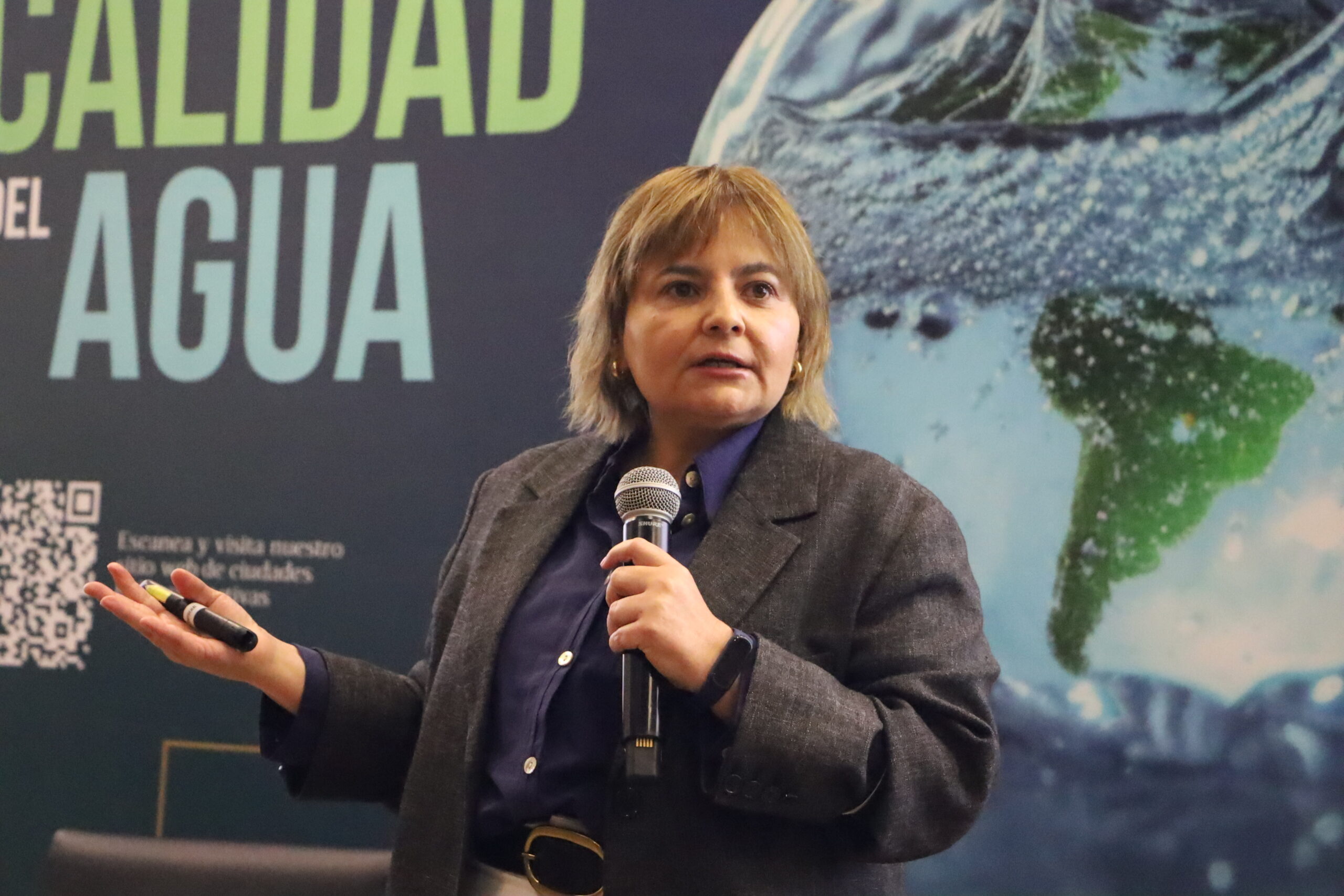
Durante su intervención, la académica explicó cómo el creciente interés ciudadano por la calidad del agua puede convertirse en un movimiento de participación social que impulse soluciones colectivas, siempre privilegiando el diálogo informado y evitando la politización del problema.
UP Guadalajara impulsa investigación para enfrentar la crisis hídrica
Con iniciativas como el Congreso Ciudadano por la Calidad del Agua, el Centro de Ciudades Hidroadaptativas de la Universidad Panamericana reafirma su compromiso con la investigación aplicada, la generación de conocimiento y el diálogo entre academia, autoridades y sociedad para contribuir a soluciones innovadoras frente a uno de los principales desafíos ambientales de México: garantizar el acceso a agua de calidad para la población.
Conoce más sobre el Centro de Ciudades Hidroadaptativas: https://ciudadeshidroadaptativas.up.edu.mx/