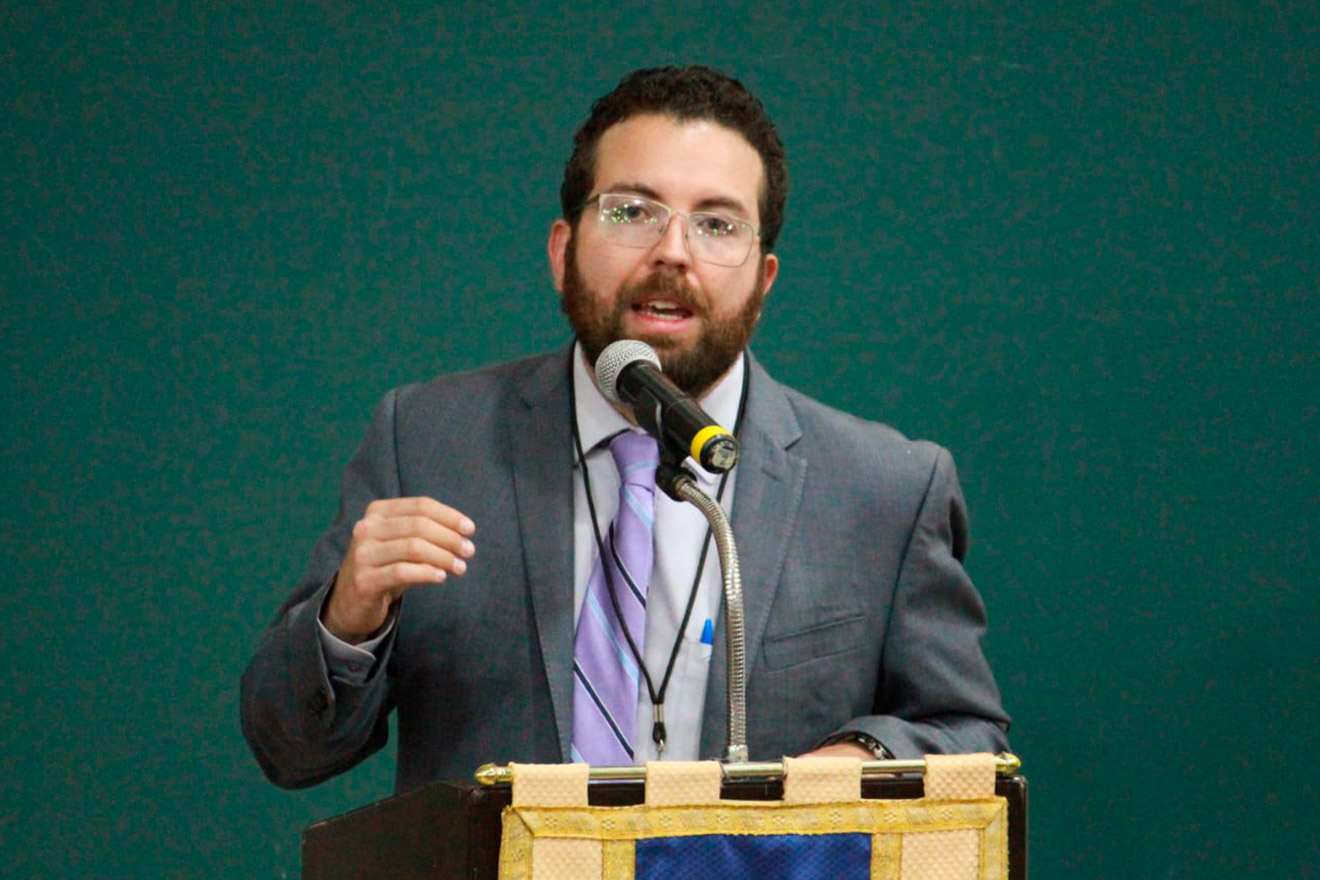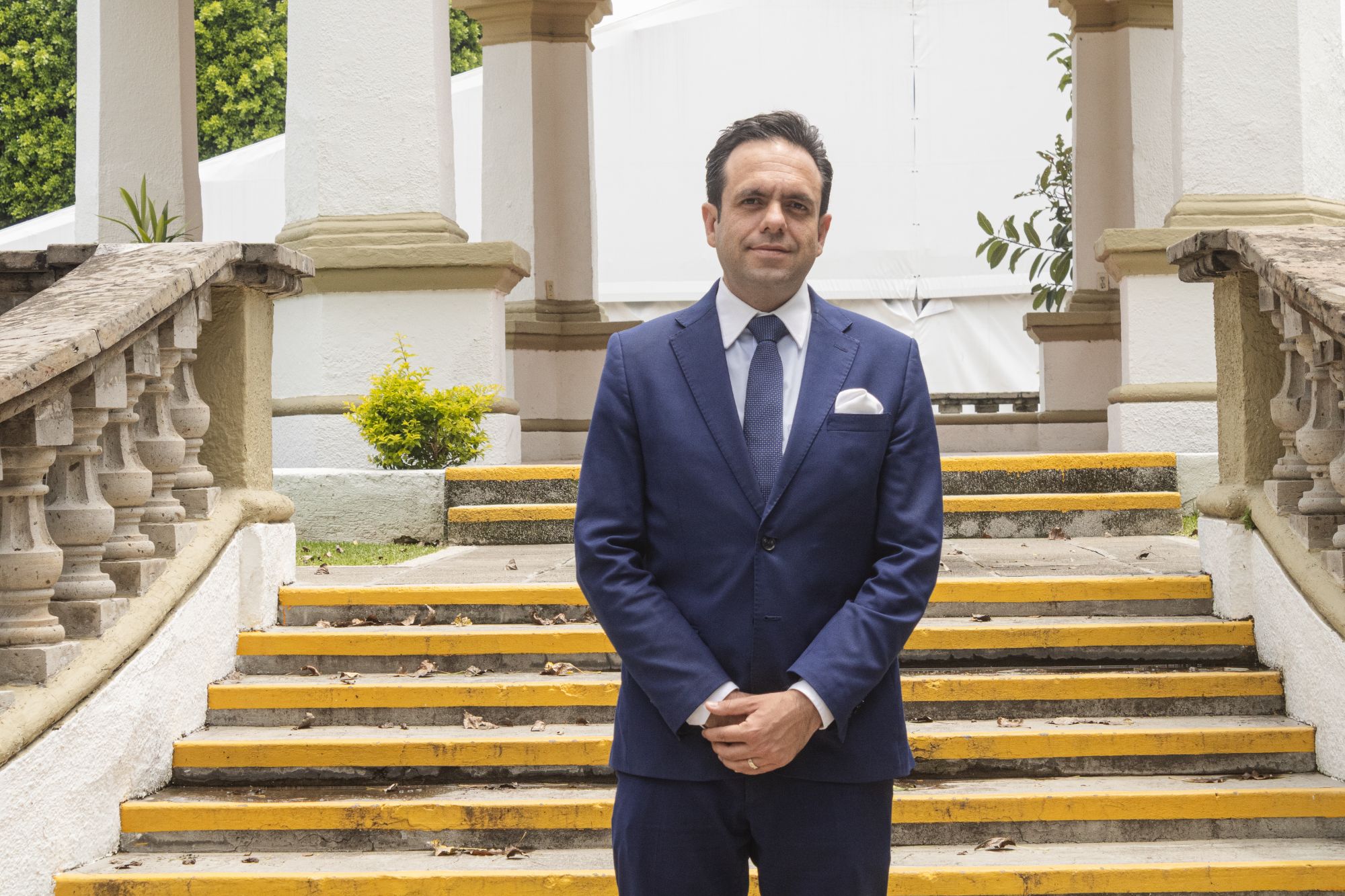
Zapopan, Jalisco, September 9, 2025.— Urban flooding is becoming increasingly frequent and severe, with serious consequences for cities and their residents. According to Dr. Hugo Briseño Ramírez, director of the Pan-American Observatory of Water-Adaptive Cities, this phenomenon is multifactorial, but there are three main causes: climate change, urban imperviousness, and inadequate drainage.
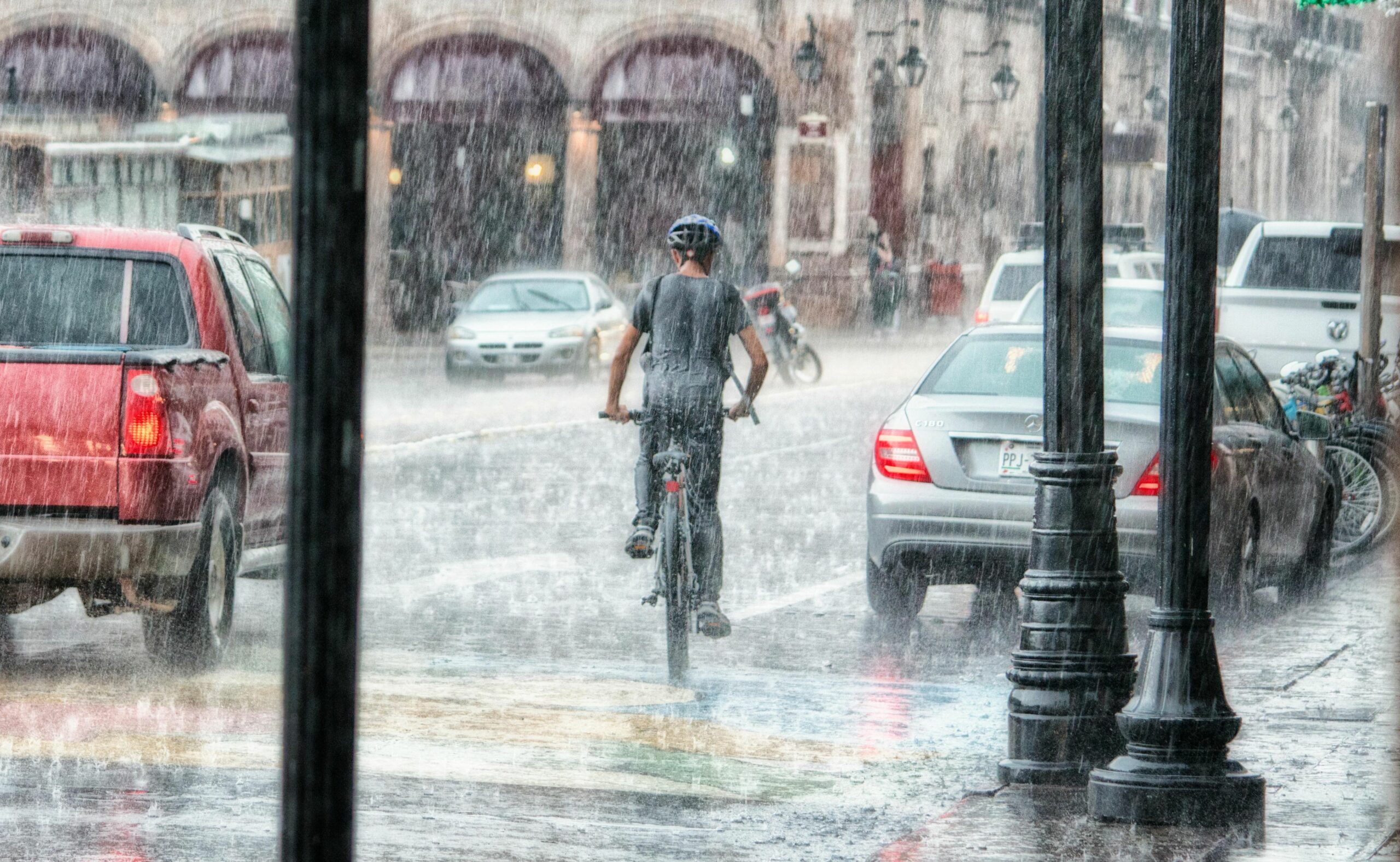
Climate change has increased the frequency and intensity of rainfall, leading to what the scholar describes as an “exponential increase in rainfall.” These events, which are often localized and sudden, overwhelm drainage systems and complicate the planning of adequate infrastructure.
Waterproof Cities: Less Water Infiltration, More Risk
Unlike in previous years, when water could seep into the ground, cities today have become highly impermeable due to the spread of concrete and urbanization. “There are fewer and fewer areas where water can seep into the ground, so when it rains, we see puddles, flooding, and even sinkholes, ” explains Dr. Hugo Briseño Ramírez.
Increasing urbanization, with the proliferation of concrete surfaces, reduces the soil's ability to absorb rainwater, exacerbating the problem of flooding.
The lack of infiltration also affects aquifer recharge, as these aquifers are “overexploited in these highly urbanized areas, ” which weakens the internal structure of the subsoil and causes dangerous sinkholes.
Inadequate and outdated drainage
Finally, inadequate drainage systems are a key factor. “The drainage system is insufficient for the amount of rain that falls. More rain falls in a shorter period of time, and this causes flooding,”, he explains. The current drainage system, which combines wastewater with rainwater, is inefficient and exacerbates the problem.
A suitable solution is to create a storm drainage system dedicated exclusively to rainwater, which directs it to infiltration points and aquifer recharge areas.
Another issue affecting the drainage system is that the existing infrastructure is considered “obsolete,” making it insufficient to handle extreme rainfall events.
Nature-based solutions
To address this problem, sustainable strategies are being proposed, ranging from small-scale solutions to large-scale infrastructure projects. Dr. Hugo Briseño Ramírez points out that “nature-based solutions”, such as the use of soccer fields that function as retention basins—a practice already implemented at the Guadalajara campus of the Universidad Panamericana. These types of initiatives allow for both water retention and infiltration.
With regard to building materials and urban design, the researcher emphasizes the need to use “more environmentally friendly, more permeable materials.” Examples of this include “green roofs” and “permeable concrete”, alternatives that promote water infiltration and reduce the risk of flooding.
Dr. Hugo Briseño Ramírez highlights the positive example of places with “permeable soil”, which facilitate the recharge of aquifers and help mitigate the effects of heavy rains.
He also explains that another solution, based on international best practices, is the restoration of river channels, as was done in Seoul, where an overpass was converted into a waterway and a linear park that helps mitigate rain peaks while also creating spaces for social interaction and engagement with the environment.
The researcher highlights the importance of rainwater management, mentioning what are known as “rainwater collection systems” or collection techniques that allow rainwater to be stored and later reused for household tasks.
Beyond infrastructure, public awareness is key: avoiding the use of the drainage system as a dumping ground is essential to reducing blockages and risks. The scholar also emphasizes the need for funding from the private sector and international organizations such as the Inter-American Development Bank and the World Bank to modernize the drainage system.
It's everyone's responsibility
The Pan-American Observatory on Water-Adaptive Cities at the Universidad Panamericana research, awareness, and investment to build more resilient cities. “It’s everyone’s responsibility. Through best practices and innovation, we can create safer, more sustainable cities with a better quality of life,” concluded Dr. Hugo Briseño Ramírez.
Learn more about the water situation in Mexico and the solutions proposed by experts at the Pan-American Observatory of Water-Adaptive Cities at the Universidad Panamericana : https://www.up.edu.mx/observatorio-agua/