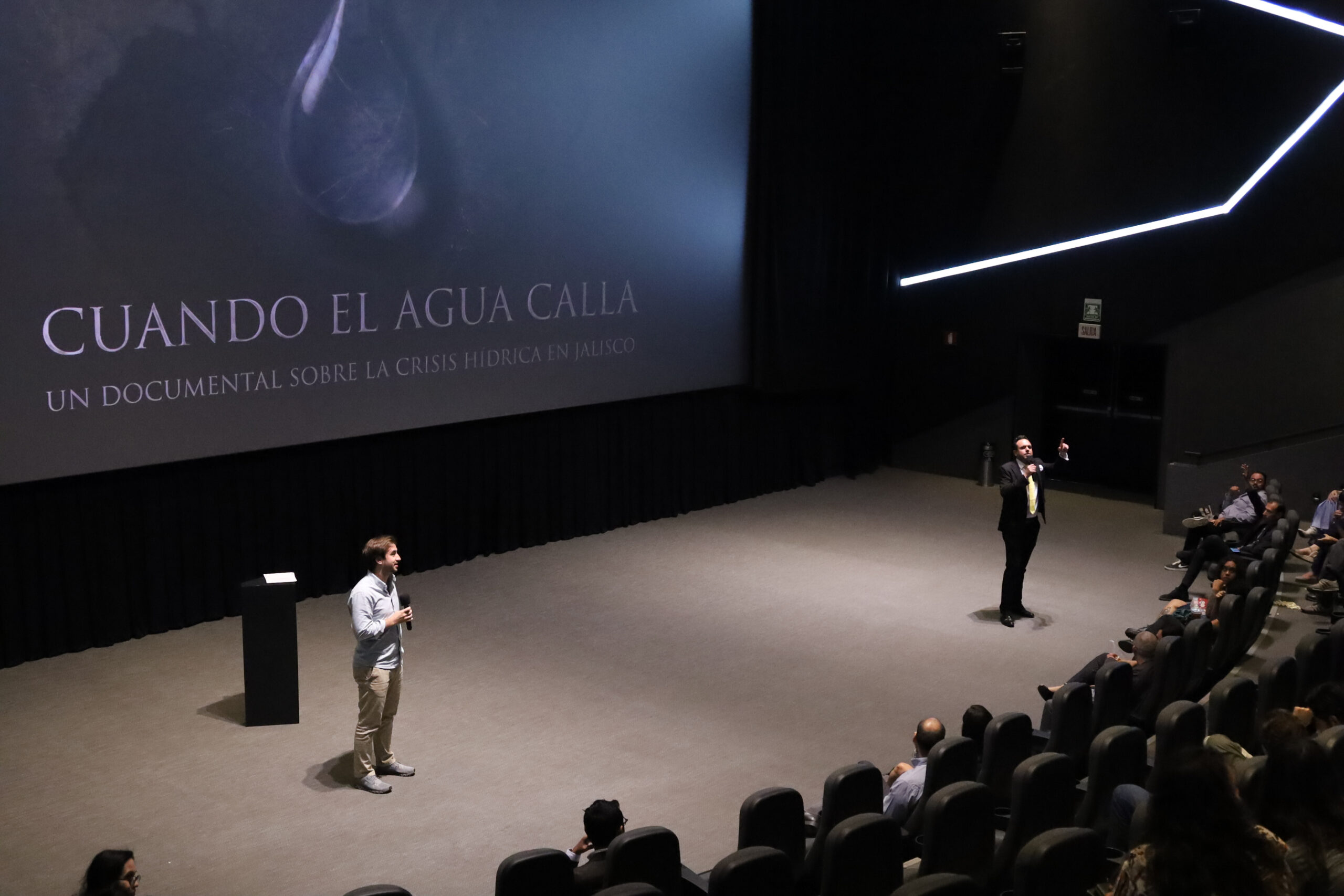
Zapopan, Jalisco; June 3.— In light of the challenges posed by the water crisis, water shortages, and environmental degradation, the Guadalajara campus of the Universidad Panamericana presented the documentary When the Water Falls Silent, a film that aims to raise awareness about sustainable water management and promote solutions to strengthen water resilience in Mexico.
The project is led by the Center for Hydro-Adaptive Cities and brings together the perspectives of experts, academia, government, and civil society.
The Origin: Dialogues with the Environment
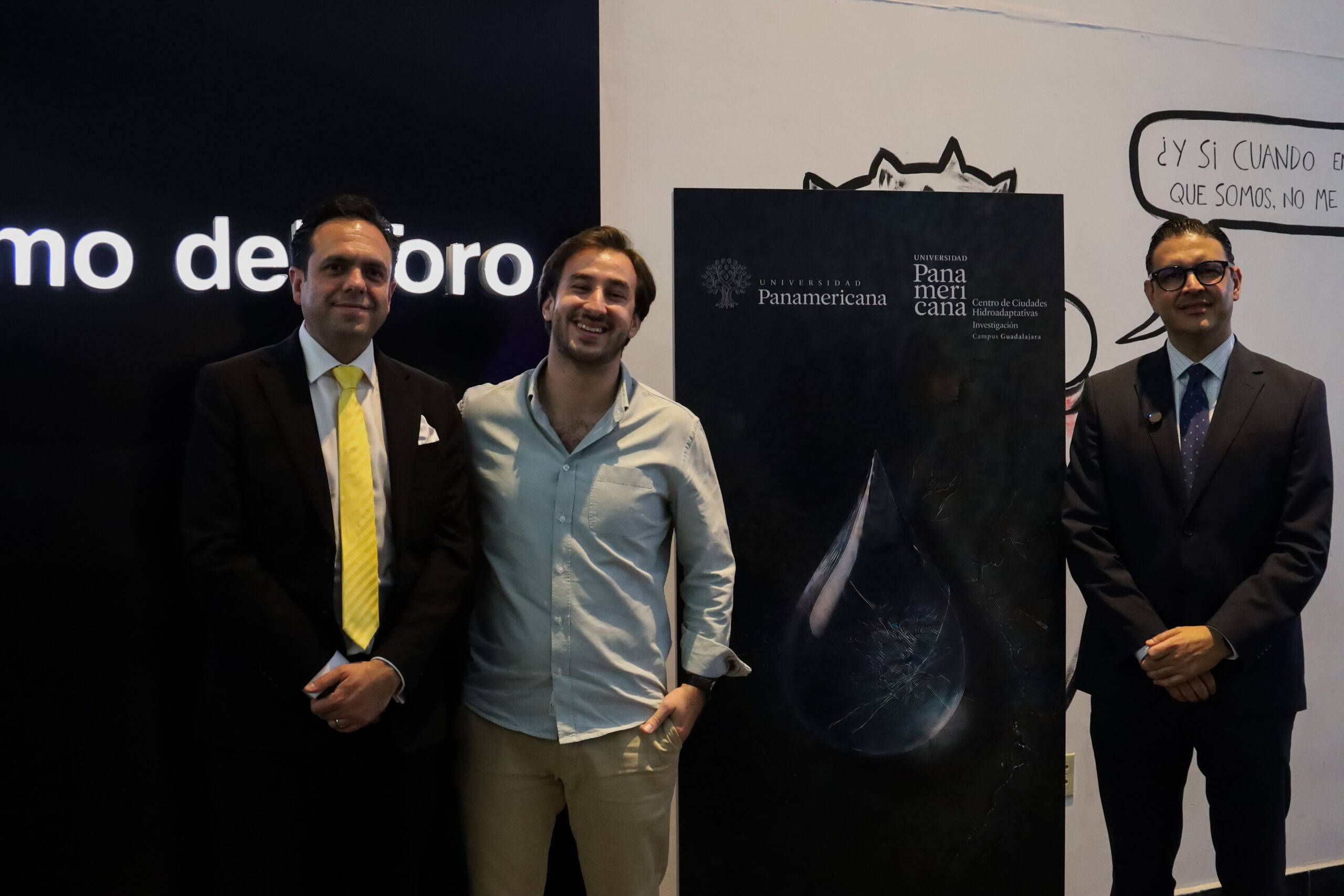
The presentation took place in the Guillermo del Toro Room at the FICG Film Archive and is part of the research and outreach initiatives promoted by the Universidad Panamericana to address one of the most significant challenges of our time: integrated water management.
According to Dr. Abraham Mendoza Andrade, dean of the Guadalajara campus, the project stems from the "Dialogues with the Community", an initiative launched in August 2024 to listen to and analyze the main challenges facing Jalisco. Among these, the water crisis stood out as one of the most urgent concerns for the region’s sustainable development.
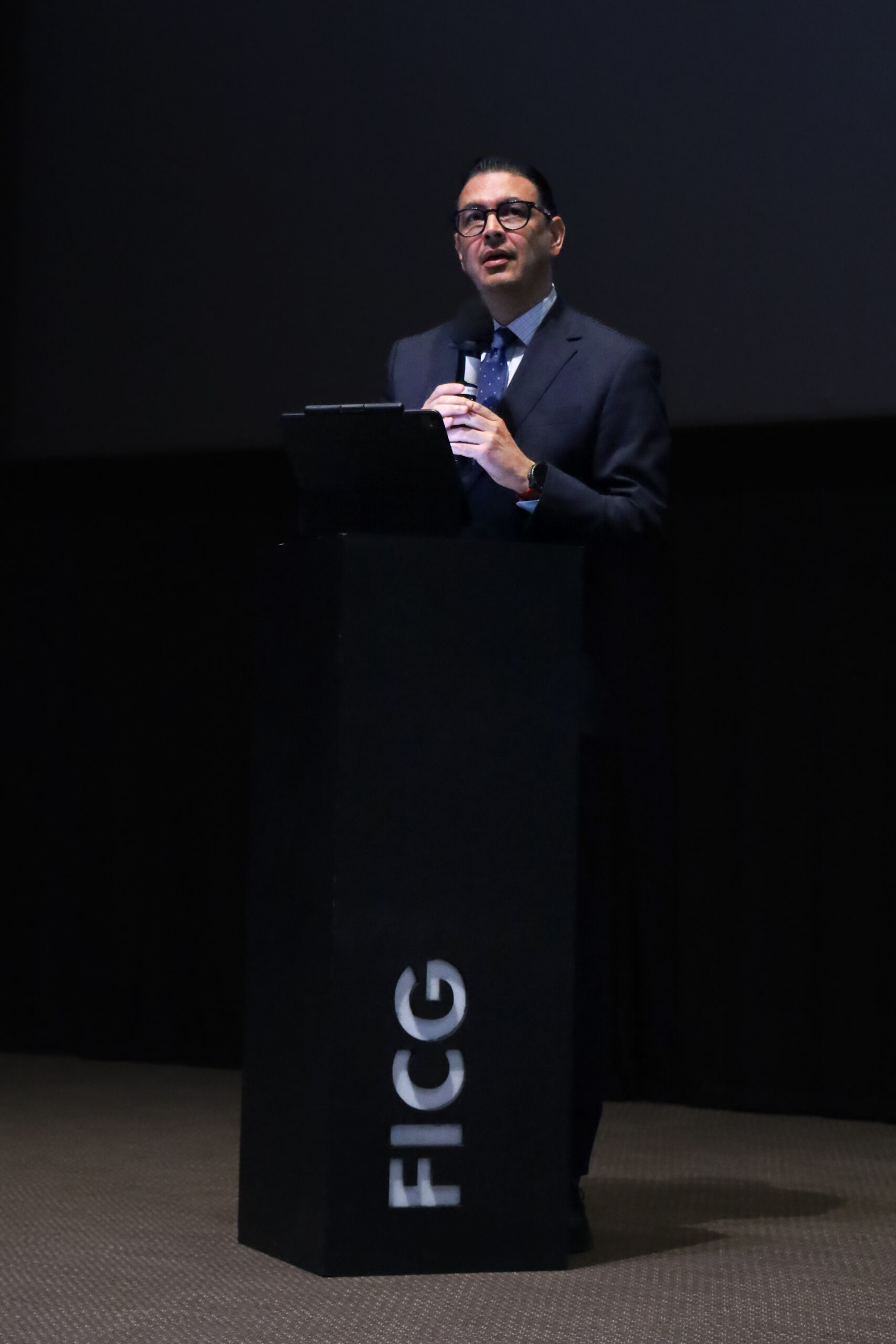
The documentary was developed based on a commitment made in 2025 in collaboration with various social, academic, and government stakeholders, with the goal of fostering a genuine culture of water and promoting greater awareness about its conservation and management.
The Water Crisis in Jalisco: Alarming Figures
Based on research conducted by the Center for Hydro-Adaptive Cities, the documentary highlights some of the main challenges facing the Guadalajara Metropolitan Area and other regions of the country:
- Water Quality: Severe water quality problems have been reported in 176 neighborhoods in the ZMG.
- Extreme dependence: Sixty percent of the region's water supply depends on Lake Chapala.
- Outdated infrastructure: The water system is up to 80 years old.
- Flooding: 310 critical flood points have been identified in the city.
- Environmental pollution: 65 percent of the rivers in the Lerma-Santiago-Pacífico Watershed have high levels of pollution.
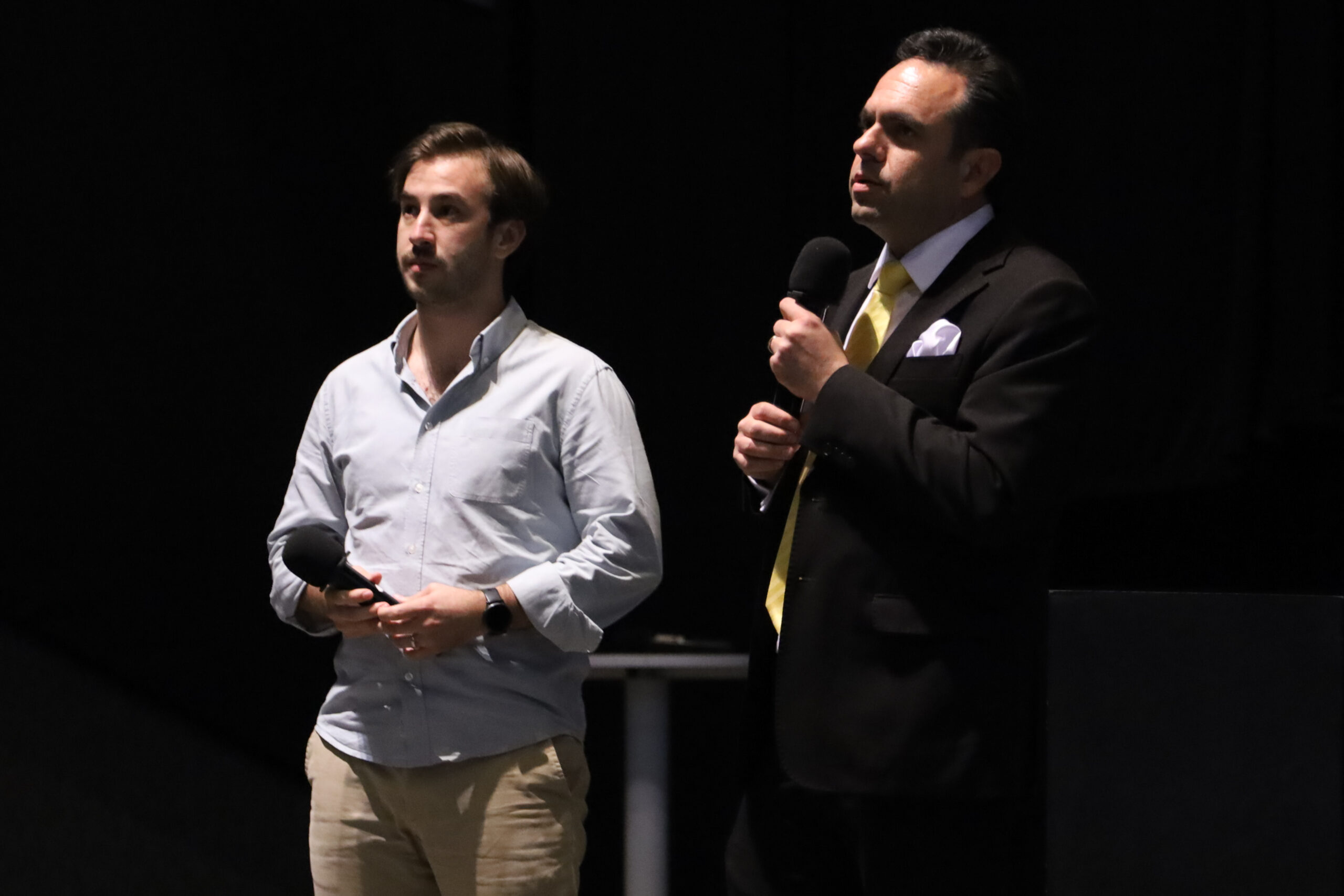
During the event, Dr. Hugo Briseño Ramírez, director of the Center for Water-Adaptive Cities, noted that the UN has officially declared a “global water bankruptcy,” in response to the growing global water crisis, which is the result of decades of overexploitation, pollution, inadequate planning, and a lack of sustainable policies.
Film as a Tool for Raising Awareness
Directed by Daniel Azpe, *When the Water Falls Silent* aims to translate technical and scientific concepts into language accessible to the general public. The filmmaker explained that the project evolved as he discovered that reality surpasses any possible fiction.
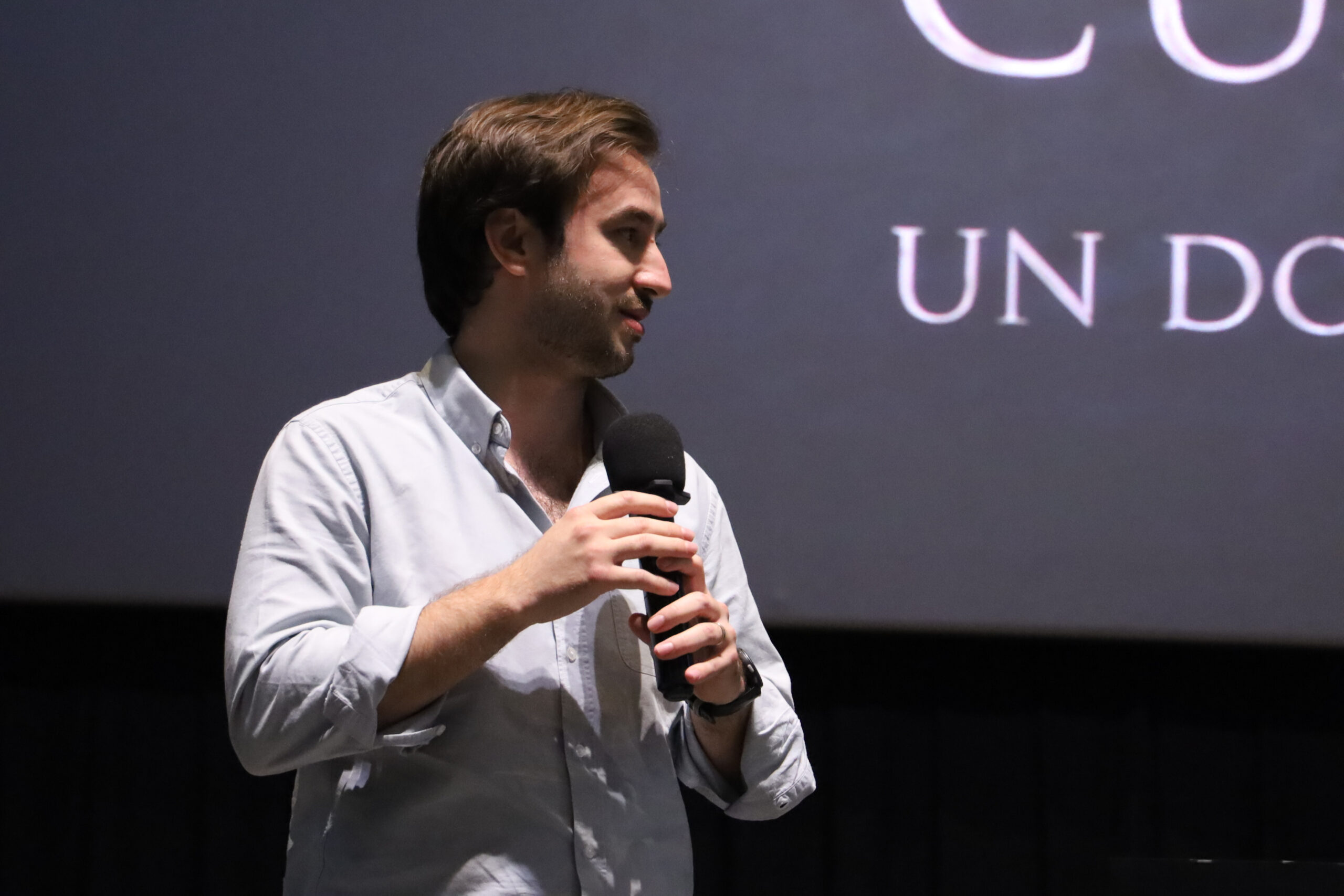
Through testimonies, images, and data, the documentary portrays situations currently being experienced by various communities in Jalisco, particularly in areas such as El Salto and La Ribera de Chapala.
“There is a crisis we are unaware of, one that directly affects us every day,”, he said. The documentary aims to be “that seed of awareness that a crisis exists and that we are all part of that crisis”.
Water-Resilient Cities: From Research to Action
As part of the actions stemming from this initiative, the National Institute of Hydrology, Meteorology, and Geophysics ( Universidad Panamericana ) is promoting the Center for Hydro-Adaptive Cities, a center for applied research focused on developing solutions for urban water management.
Dr. Daniela Salgado Gutiérrez, Director of Research at the Guadalajara campus, pointed out that “truly useful science is that which engages with reality”, which is why academia must take to the streets and propose solutions applicable to the real world.
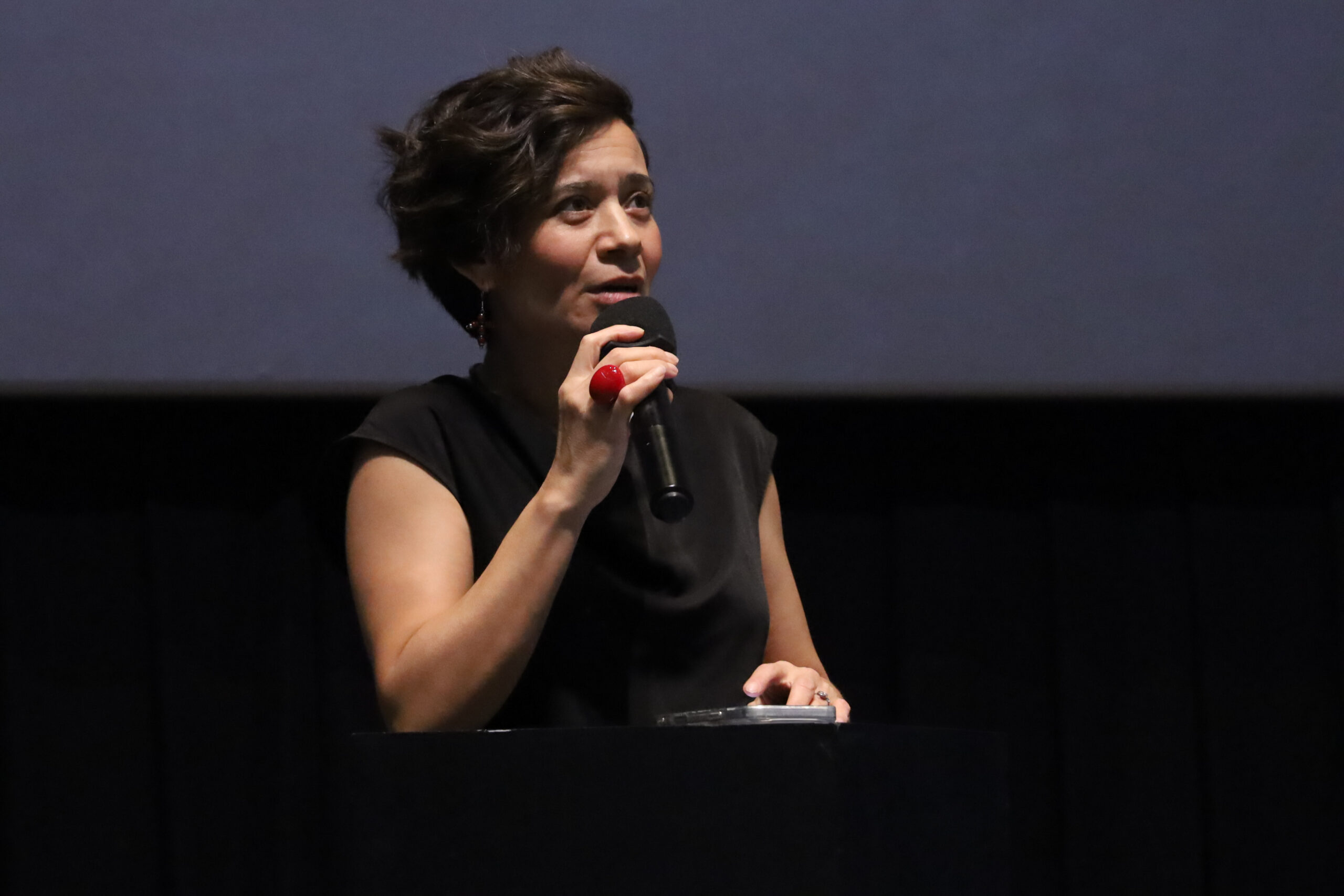
This center focuses its efforts on urban water from the perspective of the social sciences and applied research, with the ultimate goal of “improving people’s lives.” Its current areas of focus include:
- The Development of an Atlas of Water-Adaptive Cities.
- Specialized studies on water quality in multiple cities.
- Analysis of water utilities in 96 Mexican cities to identify and replicate best practices.
Partnerships to Address Water Challenges
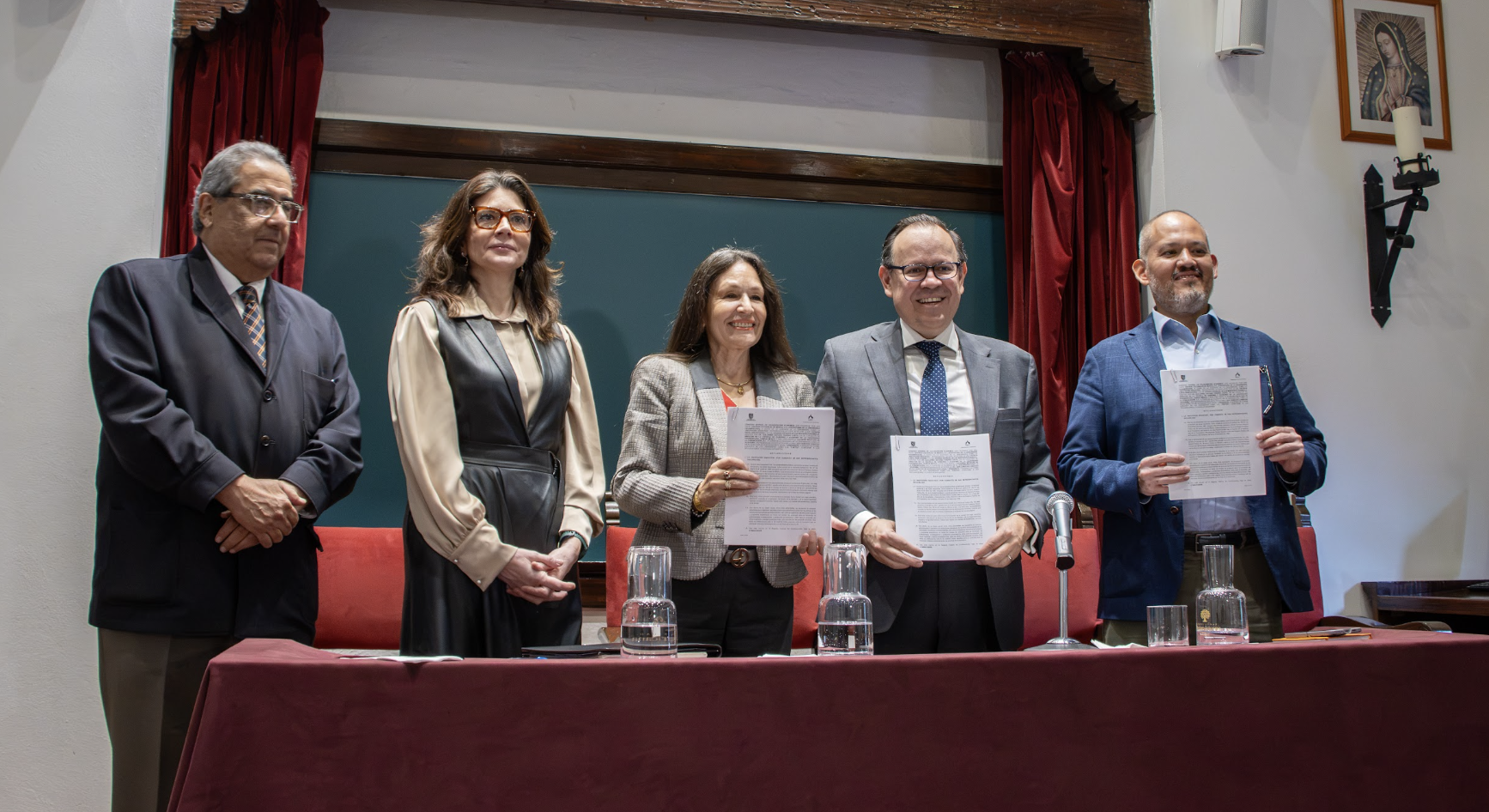
The project has brought together government officials from Jalisco, including Karina Hermosillo, M.A., General Coordinator of Strategic Land Management; Ernesto Marroquín, M.A., Secretary of Integrated Water Management for Jalisco; and Mario López, M.A., head of the State Water Commission.
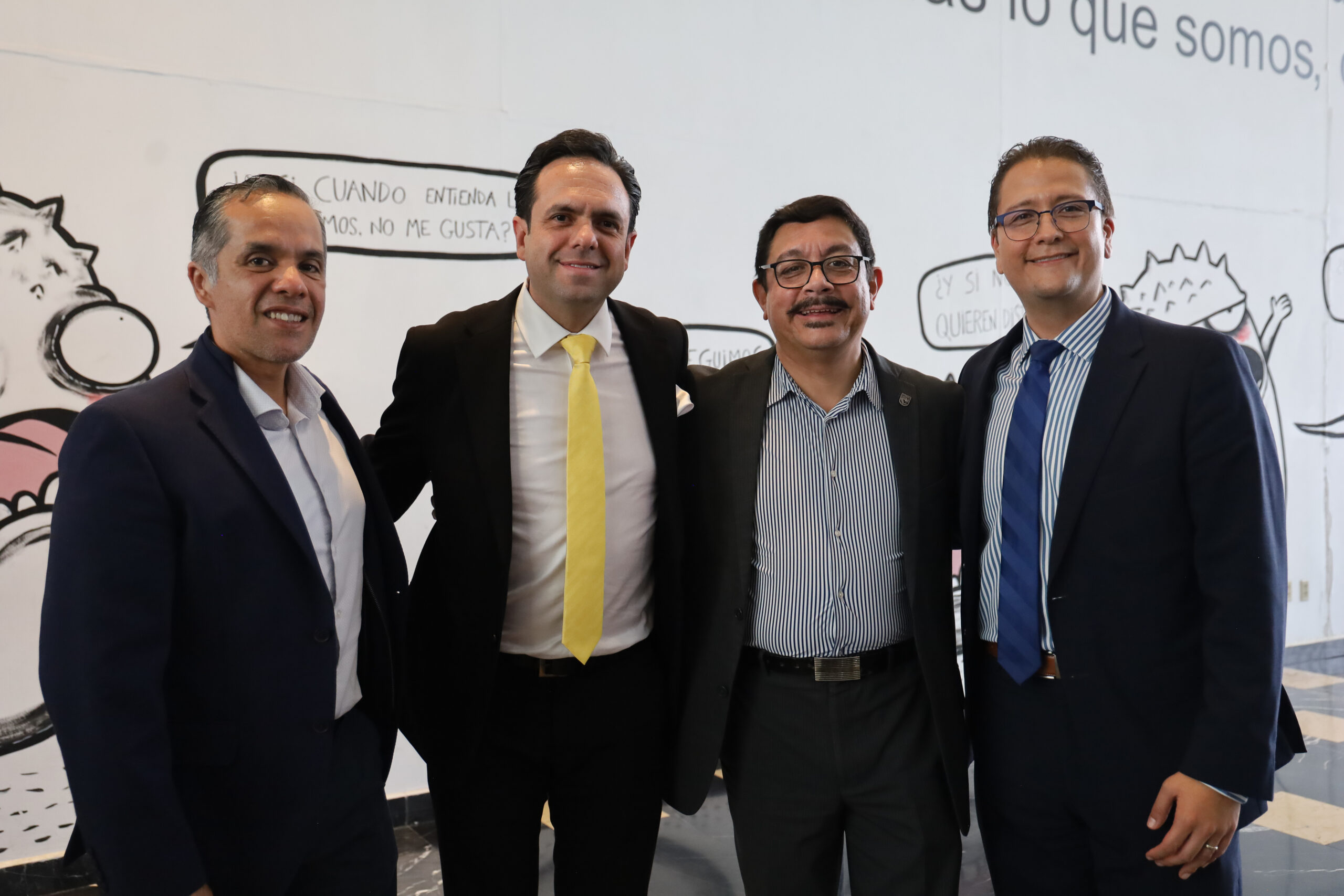
As well as through collaboration with academic institutions such as the Tecnológico de Monterrey, the Autonomous University of Guadalajara, and ITESO.
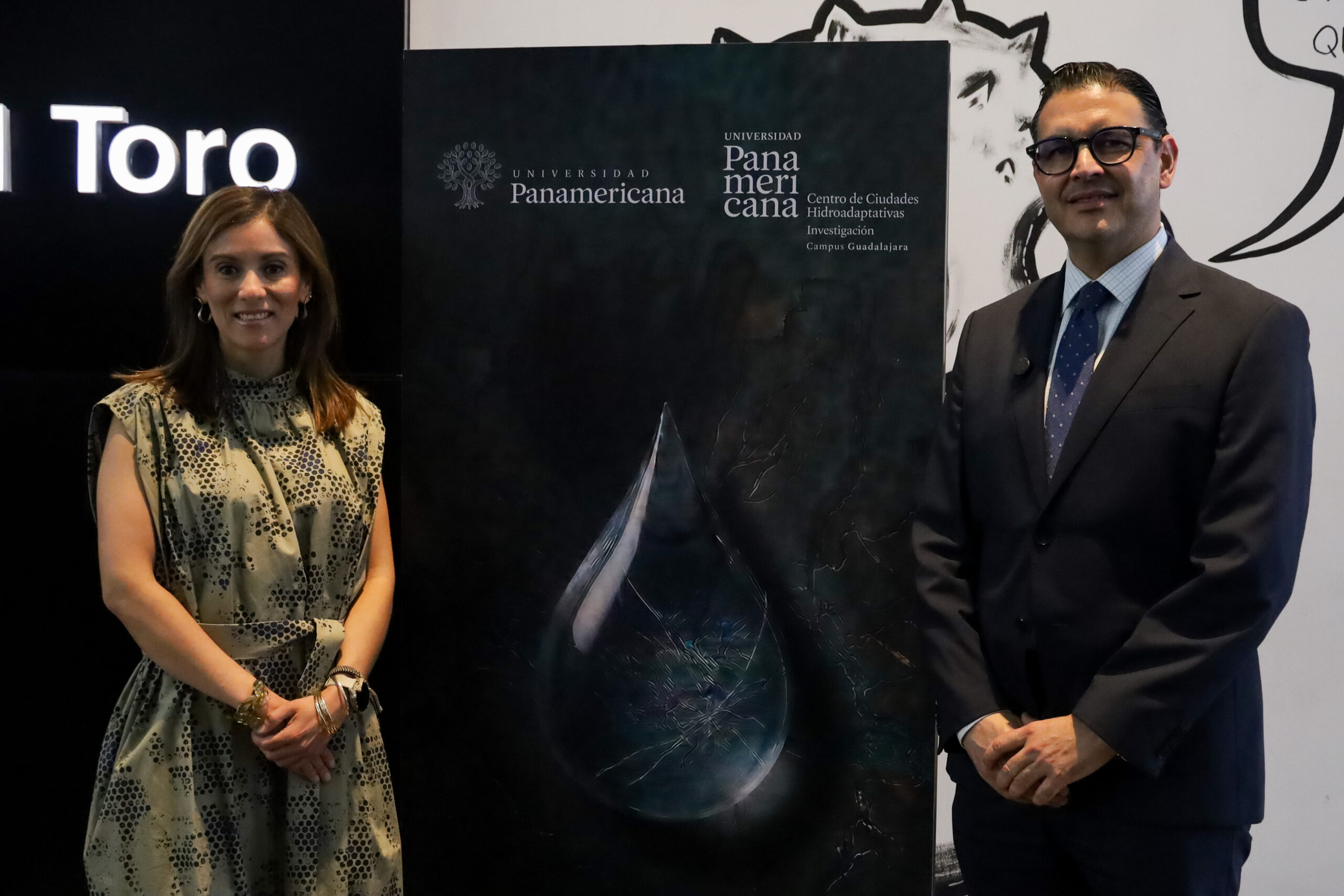
With projects such as When the Water Falls Silent and the work of the Center for Hydro-Adaptive Cities, the National Institute of Water Resources ( Universidad Panamericana ) is strengthening its commitment to applied research, sustainability, and the search for innovative solutions to address Mexico’s water challenges.
To watch the documentary When the Water Falls Silent click on the link: https://youtu.be/HXLAtjpTiIw?si=k6G3l4uABGy8hPmW
Learn more about the UP Center for Hydro-Adaptive Cities : https://ciudadeshidroadaptativas.up.edu.mx/