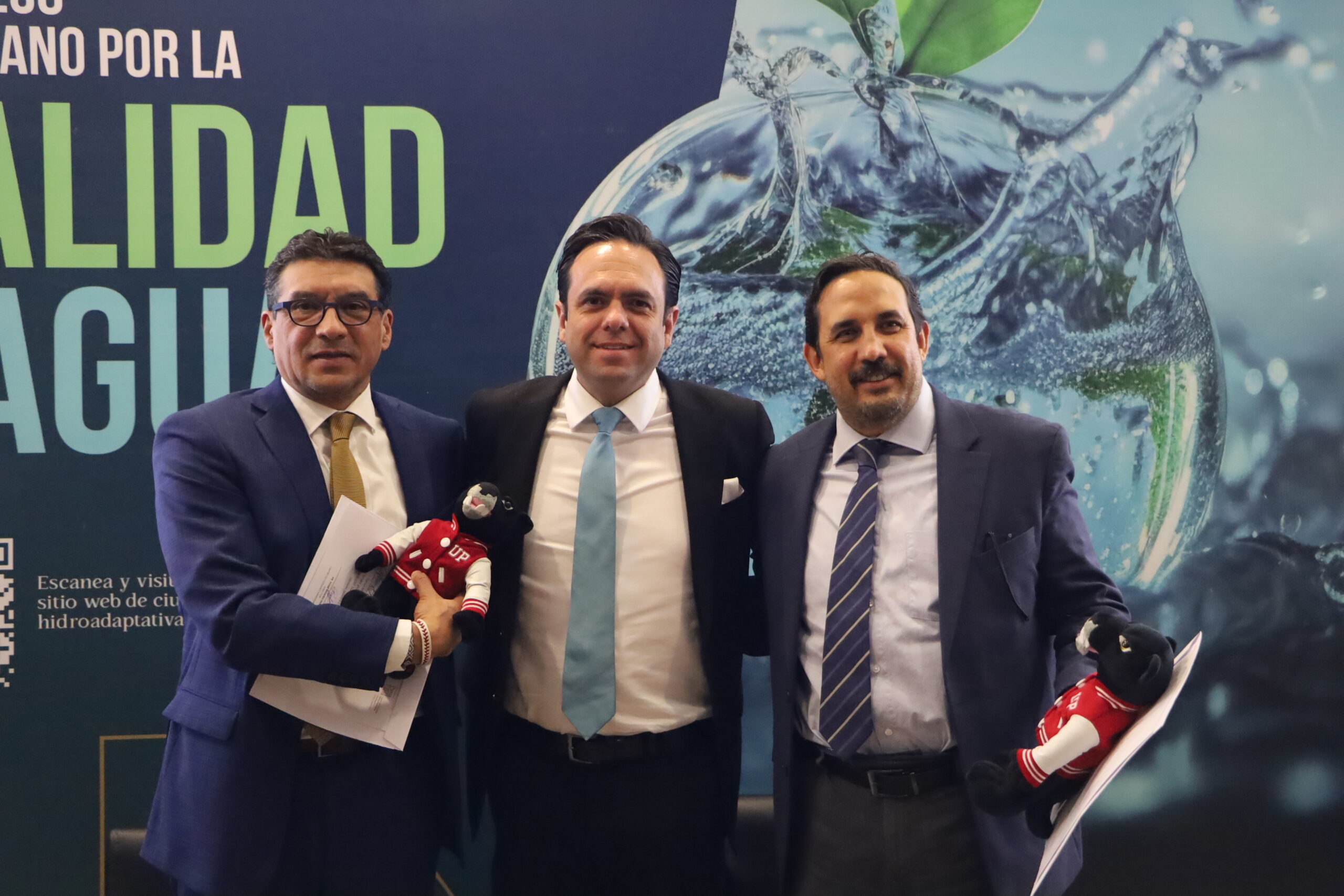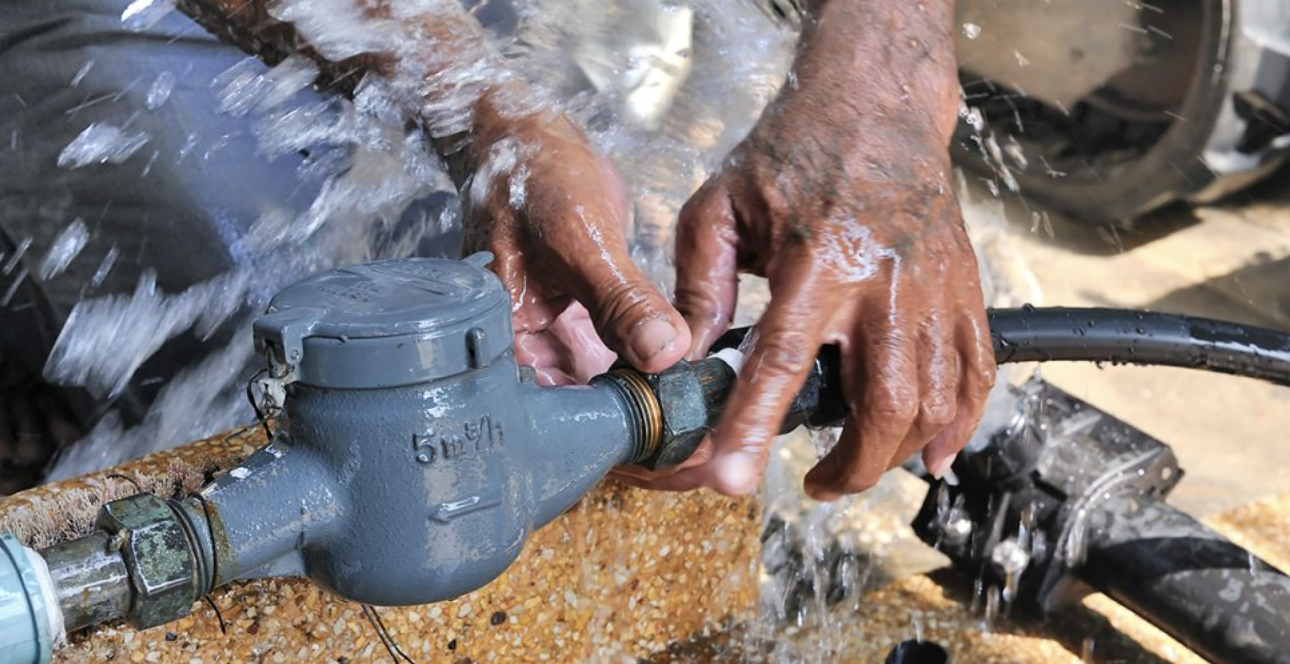
Zapopan, Jalisco; 17 de julio.- Un equipo de investigadores de la Universidad Panamericana campus Guadalajara obtuvo financiamiento del Fondo de Desarrollo Científico de Jalisco para Atender Retos Sociales (FODECIJAL) 2026 para desarrollar una plataforma inteligente que permitirá monitorear el consumo de agua y detectar fugas ocultas en redes hidráulicas urbanas mediante tecnología no invasiva.
El proyecto, titulado Desarrollo de una plataforma para el análisis de consumo hidráulico y detección de anomalías en redes urbanas mediante instrumentación no invasiva, busca contribuir a una gestión más eficiente del recurso hídrico mediante sensores inteligentes, Internet de las Cosas (IoT) y análisis de datos en tiempo real, ofreciendo una solución tecnológica frente al creciente estrés hídrico que enfrenta México.
Investigación aplicada para optimizar el consumo de agua
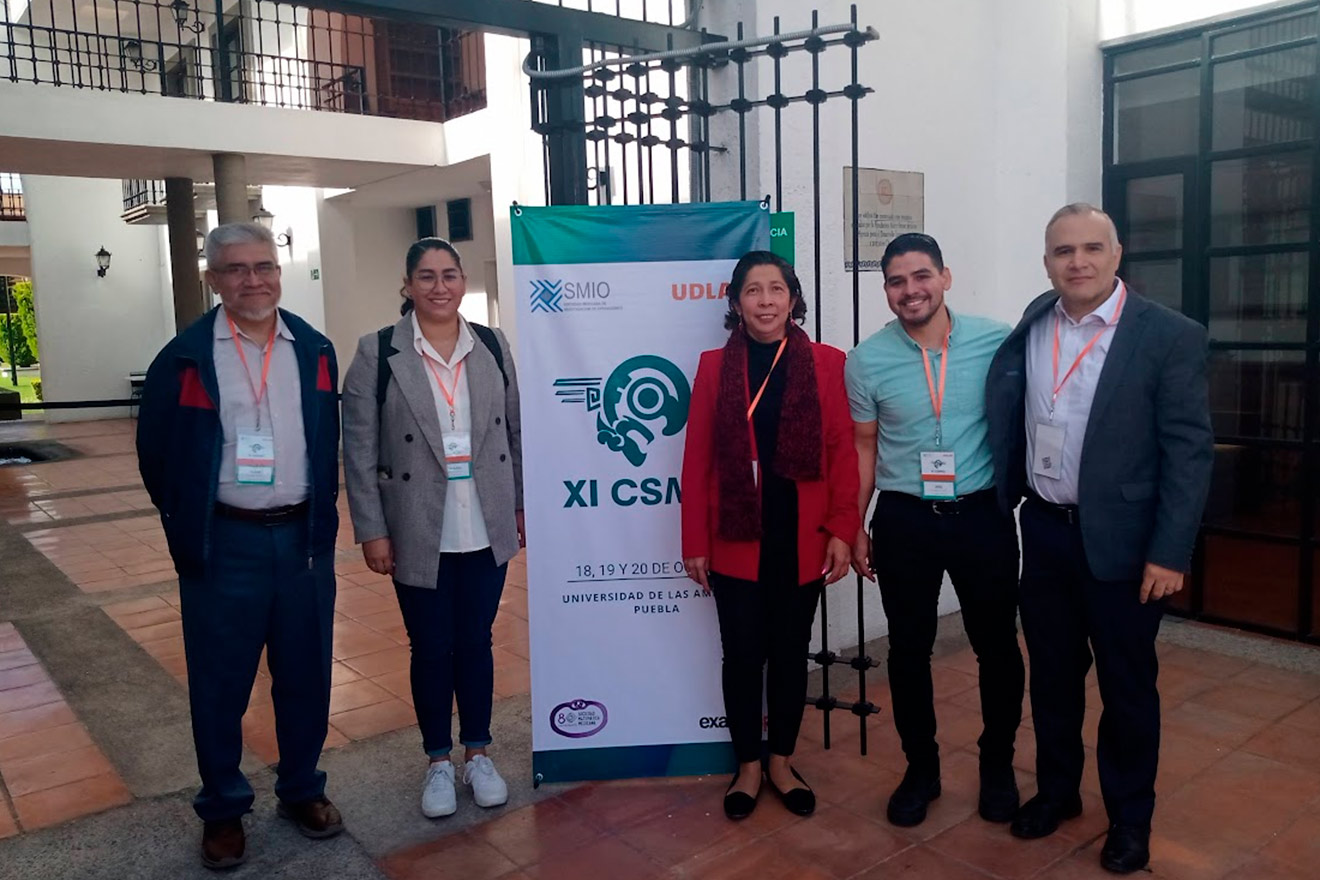
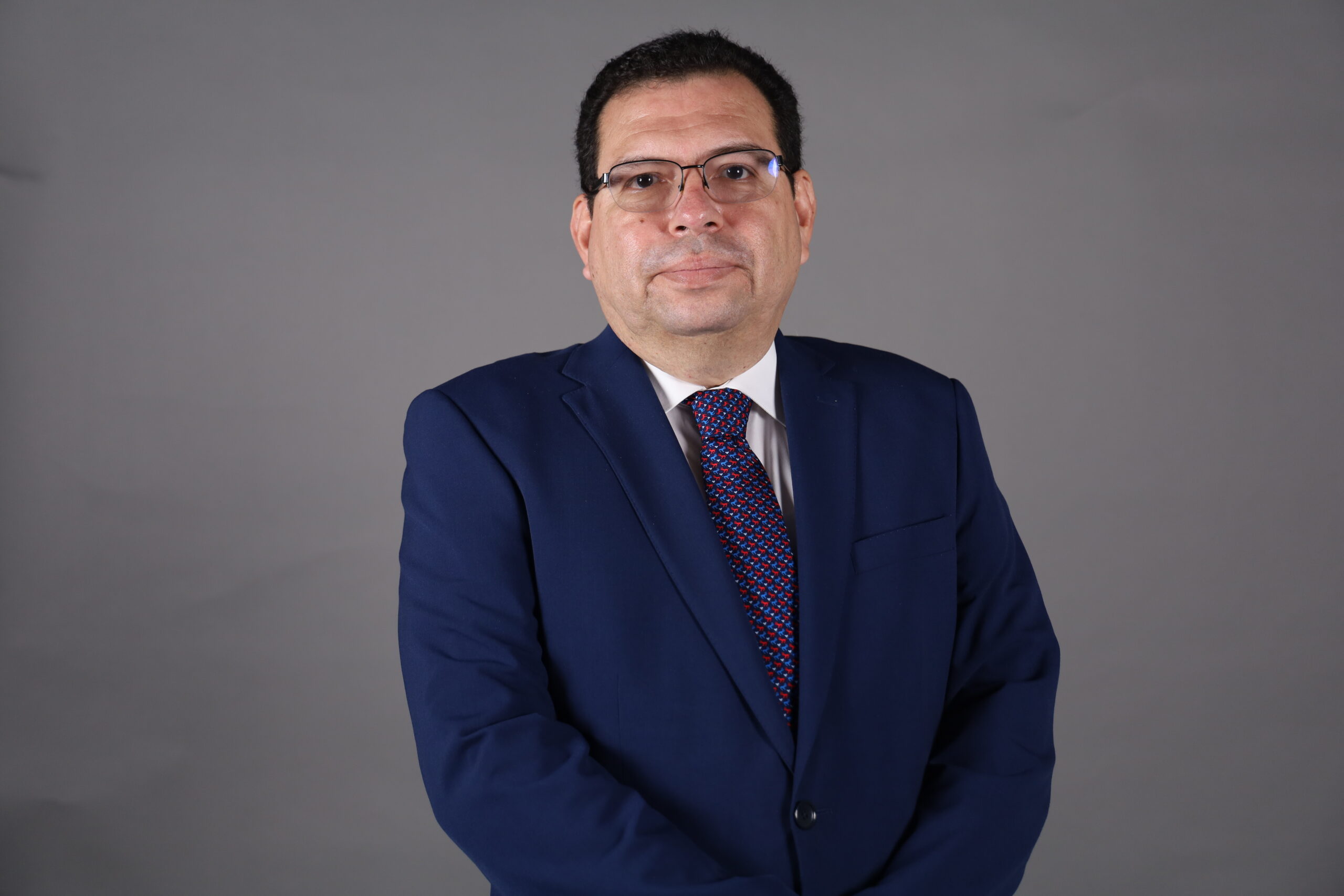
El equipo responsable está conformado por el Dr. Hugo Briseño Ramírez, director del Centro de Ciudades Hidroadaptativas; el Dr. Leonardo Valdivia Parga; el Mtro. Héctor López y el Mtro. Carlos Ornelas, especialistas en ingeniería, infraestructura y gestión del agua.

La obtención de este financiamiento no solo avala la excelencia científica del equipo, sino que se alinea con los objetivos estratégicos del Centro de Ciudades Hidroadaptativas de la universidad, erigiéndose como un puente directo entre la investigación aplicada y la sostenibilidad urbana.
¿Cómo funciona la plataforma para detectar fugas de agua?
La tecnología desarrollada integra sensores de flujo, medición de presión, telemetría e inteligencia analítica para monitorear continuamente el comportamiento de las redes hidráulicas.
De acuerdo con el Dr. Hugo Briseño, el objetivo primordial consiste: “desarrollar una plataforma digital de monitoreo en tiempo real que combine la telemetría de flujos y presiones con la visualización geoespacial de la red hidráulica interna, permitiendo optimizar el consumo, detectar anomalías de forma predictiva y evaluar el impacto de intervenciones conductuales o de infraestructura”.

La hipótesis central del proyecto sostiene que la digitalización y el monitoreo continuo de variables hidráulicas (presión y caudal), vinculados a algoritmos analíticos, reducen significativamente las pérdidas por fugas invisibles.
El sistema utilizará sensores inalámbricos conectados mediante protocolos de Internet de las Cosas (IoT) para medir caudal y presión, información que será procesada mediante algoritmos capaces de identificar fugas invisibles antes de que generen pérdidas significativas.
A este esquema se añade una aportación operativa crucial del Mtro. Héctor López, quien propuso instalar presostatos analógicos para monitorear la presión en puntos estratégicos de la red en tiempo real.
“Estos dos parámetros (Presión y flujo) permiten detectar fugas con mayor precisión en las redes antiguas sin la necesidad de realizar excavaciones a ciegas ni paros prolongados en el suministro”, detalló el Mtro. Héctor López, precisando que se programarán “interrupciones breves controladas” y “seccionadas” únicamente donde sea rigurosamente indispensable intervenir la tubería.

La Universidad: un laboratorio vivo
Esta investigación se realizará en las instalaciones de la Universidad Panamericana campus Guadalajara, para demostrar las bondades de este sistema en contra de las fugas invisibles.
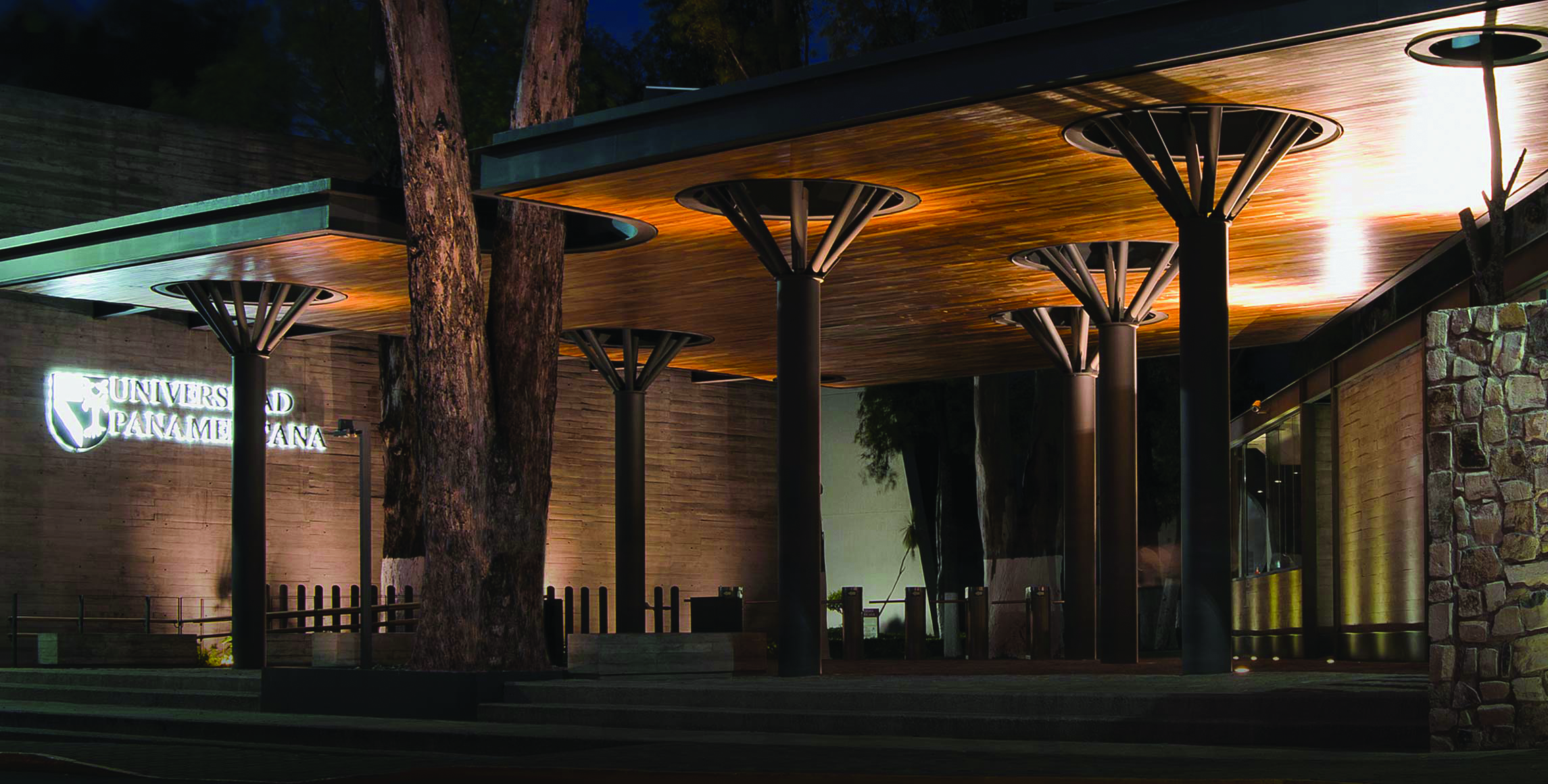
“Este proyecto convierte al campus universitario en un laboratorio vivo (living lab). Al pasar de la teoría a la instrumentación real de nuestra propia infraestructura, demostramos con hechos la coherencia institucional”, enfatizó el Dr. Hugo Briseño.
El desarrollo contempla un periodo de ejecución de entre 12 y 18 meses, dividido en tres etapas:
- Diagnóstico y creación del gemelo digital de la red hidráulica.
- Instalación y calibración de sensores inteligentes.
- Monitoreo, análisis de datos y validación del sistema.
Uno de los retos técnicos más importantes será sincronizar las mediciones de presión y caudal para evitar falsas alertas derivadas de variaciones normales en el consumo.
Un programa piloto con bases operativas
Al concluir el financiamiento, los investigadores entregarán un sistema piloto con un dashboard de monitoreo en tiempo real y un modelo de alertas para el personal de mantenimiento.
Para la institución, un beneficio directo será el establecimiento de una línea base robusta para reportes de sostenibilidad, integrando datos automatizados y comprobables como evidencia directa en auditorías y renovaciones de distintivos de alto impacto como Empresa Socialmente Responsable (ESR) y el ranking internacional UI GreenMetric. Desde la perspectiva operativa, este piloto servirá como base metodológica para extrapolar el monitoreo a los sistemas de riego y a la red de combate de incendios.
La trascendencia última de esta investigación radica en su viabilidad para ser trasladada del laboratorio al entorno urbano. En un contexto donde el Agua No Contabilizada (ANC) supera el 40 % en numerosas ciudades mexicanas debido a fugas físicas, esta innovación ofrece una alternativa tecnológica accesible para incrementar la eficiencia de las redes hidráulicas y contribuir a una gestión más sostenible del agua.
Como concluye el Dr. Hugo Briseño, el proyecto busca generar un impacto que trascienda los muros de la academia, propiciando beneficios económicos, ambientales y de suministro directo para la población a través de una distribución más justa y eficiente del recurso hídrico.
La investigación fortalece la innovación de la UP
Para el Mtro. Abraham Baltazar León Soto, jefe Institucional de Investigación de la Universidad Panamericana campus Guadalajara, este logro refleja la consolidación de una estrategia institucional enfocada en atraer financiamiento externo para proyectos de alto impacto.
“Este logro confirma que la Universidad Panamericana avanza con paso firme en su estrategia institucional para atraer fondos externos destinados a la investigación. No se trata de un hecho aislado, sino del resultado de un trabajo sostenido por investigadores y áreas administrativas que, tras participar en convocatorias anteriores —incluido un proyecto ganador en esta misma convocatoria el año pasado—, han capitalizado esa experiencia para fortalecer nuevas propuestas.
Esta experiencia acumulada consolida la capacidad de la Universidad para competir exitosamente por financiamiento externo y seguir impulsando proyectos de investigación con impacto. Por ello, invitamos a más investigadores de la comunidad UP a sumarse y participar en estas y otras convocatorias”.
Con proyectos como este, la Universidad Panamericana reafirma su compromiso con la generación de conocimiento, el desarrollo de tecnologías para la gestión sostenible del agua y la creación de soluciones innovadoras que contribuyan al bienestar de las ciudades y al cuidado del medio ambiente.
Conoce el Centro de Ciudades Hidroadaptativas de la Universidad Panamericana, espacio donde la investigación y la innovación generan soluciones para una gestión sostenible del agua: https://ciudadeshidroadaptativas.up.edu.mx/