We are witnessing a reconfiguration of the global economic architecture not seen since the end of World War II, with the emergence of new nations, new economic and political governance bodies, and the U.S. dollar replacing the pound sterling as the global currency. It is a historic turning point.
Even the fall of the Berlin Wall—along with the collapse of real socialism, which failed to live up to the high expectations it had raised among its citizens for decades—was enough to trigger a global economic schism like the one we are witnessing today, driven in a forceful and aggressive manner by President Donald Trump and the $25 trillion annual value of the U.S. economy.
Military and cultural blocs
In the coming years, we will witness the formation of three major commercial, financial, military, and cultural blocs. Europe, Russia-China, and the United States will be vying not only for control of trade, but also for control of cultural, moral, and social norms for the next 100 years.
Unfortunately for Latin America and Africa, they can no longer be expected to attempt to establish ties with any of these centers of power and development. What is coming is no small matter, and its outcome is uncertain.
Unfortunately, Mexico is not united in this paradigm, but rather in the contradiction of having a second leftist government that, on the one hand, is forced by circumstances to defend free trade and its commercial partnership with the U.S. and Canada—both free-market economies—and, on the other hand, is promoting economic policies domestically that prioritize the state over the investment capabilities of the private sector.
An economy that is open to the outside world but closed internally
It is possible to have an economy that is open to the outside world but closed to its own people. This dilemma is presented to us in what is the ninth shift in the economic development model that governments have tried to impose on us over the last 100 years.
Given the levels of poverty, marginalization, corruption, and insecurity, we can conclude that these initiatives have all failed in part because we did not allow them to be fully implemented; as soon as a new government took office, it imposed a different approach.
Defending the benefits of the USMCA by the Mexican government in Washington—the birthplace of the free market movement—is futile if we fail to understand that what the great powers seek, more than just intertwining their production chains, is military, cultural, and even territorial control, where neutrality or double standards have little place.
The country's geographic location and needs make it essential to make the best decision, to capitalize on 30 years of international trade experience, and to bring the benefits resulting from this new geopolitical architecture to the southern states of the country, which until now have been sidelined in North America.
Author's information:
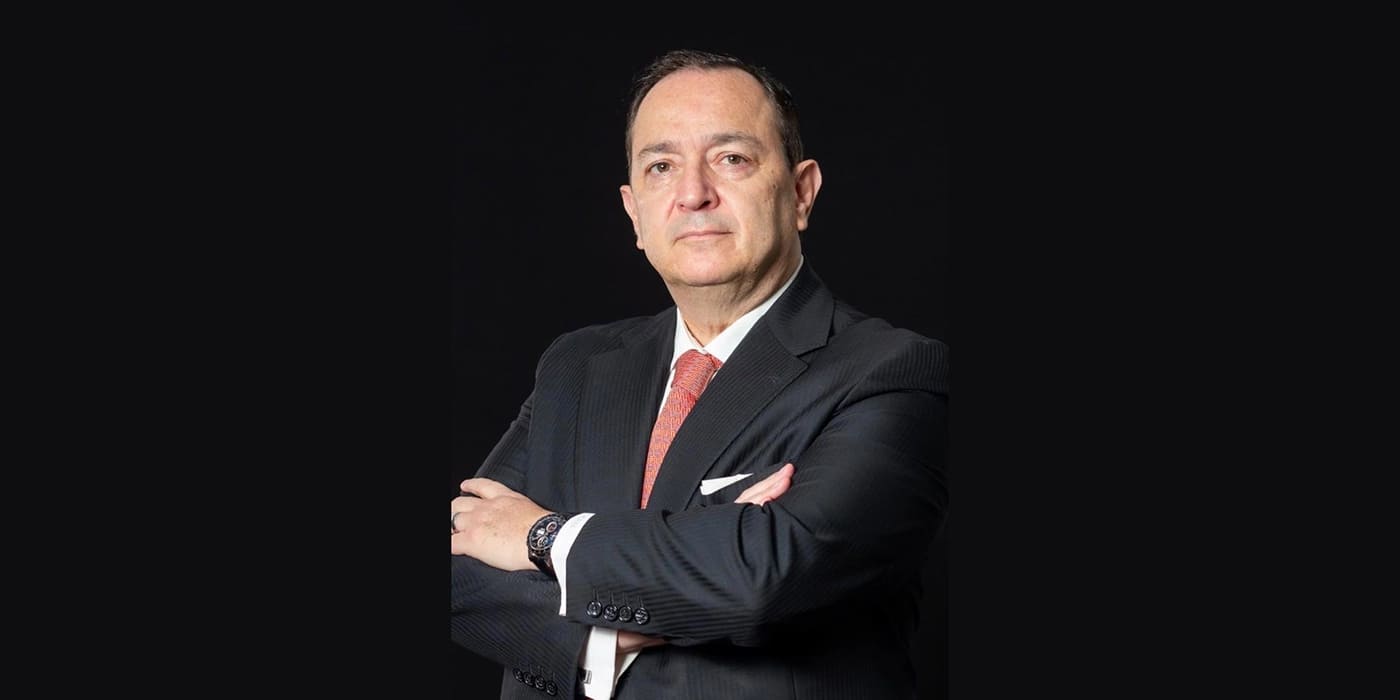
Carlos Alberto Martinez Castillo, Professor at Universidad Panamericana.
Taken from:
https://www.eleconomista.com.mx/opinion/mexico-nuevo-paradigma-geopolitico-20250226-748023.html