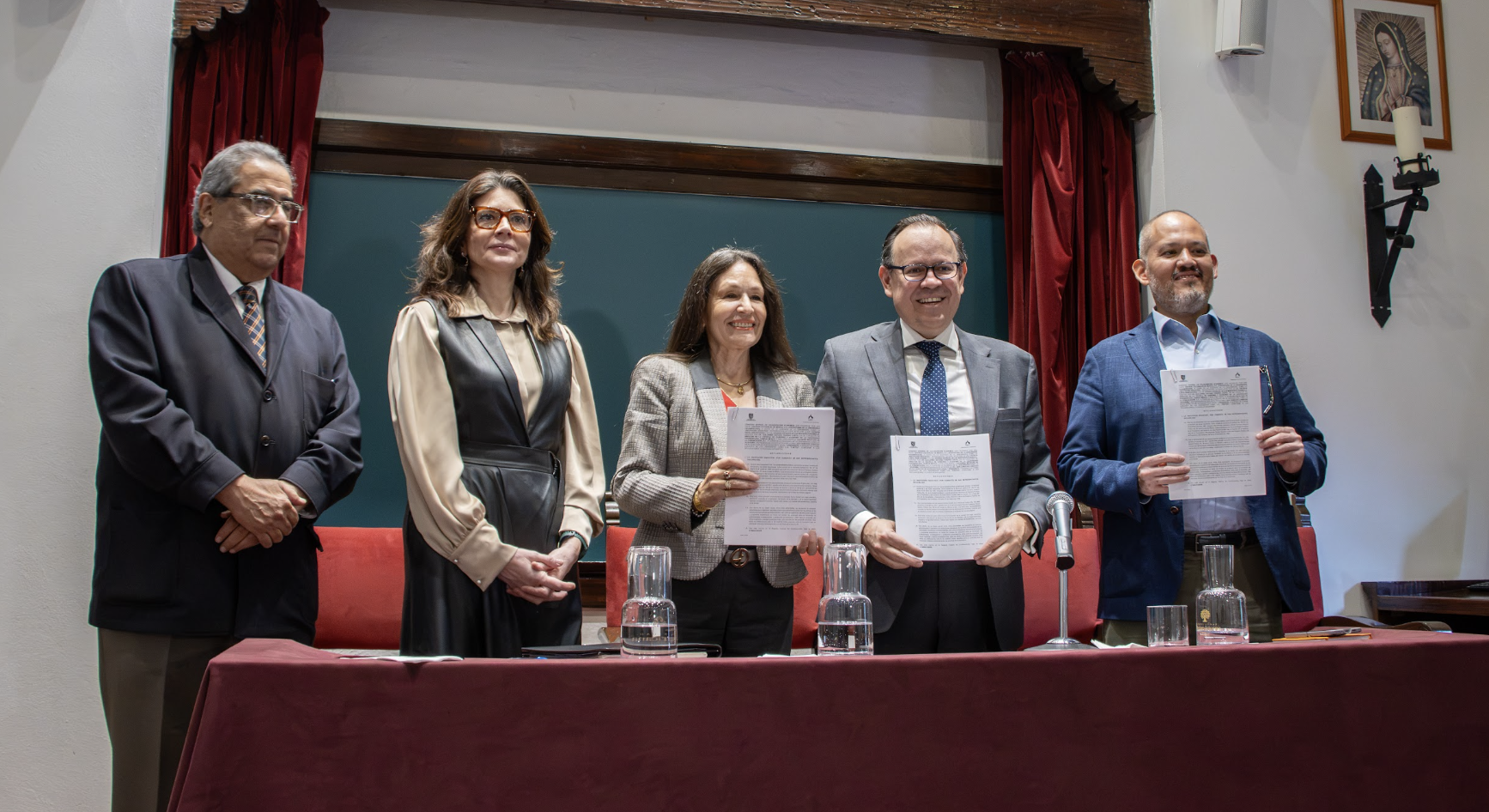
Zapopan, Jalisco; March 20.—In light of the growing water crisis in Guadalajara and western Mexico, scholars from the Center for Research on Hydro-Adaptive Cities at the Universidad Panamericana Guadalajara Universidad Panamericana presented a series of strategic proposals to improve water management and ensure the supply of drinking water.
In a study titled “Where Is Our Water Headed?: Management, Infrastructure, and Public Policy, ” experts outlined a comprehensive roadmap to prevent a potential collapse of the water system in the Guadalajara Metropolitan Area (ZMG).
Three pillars of water resilience
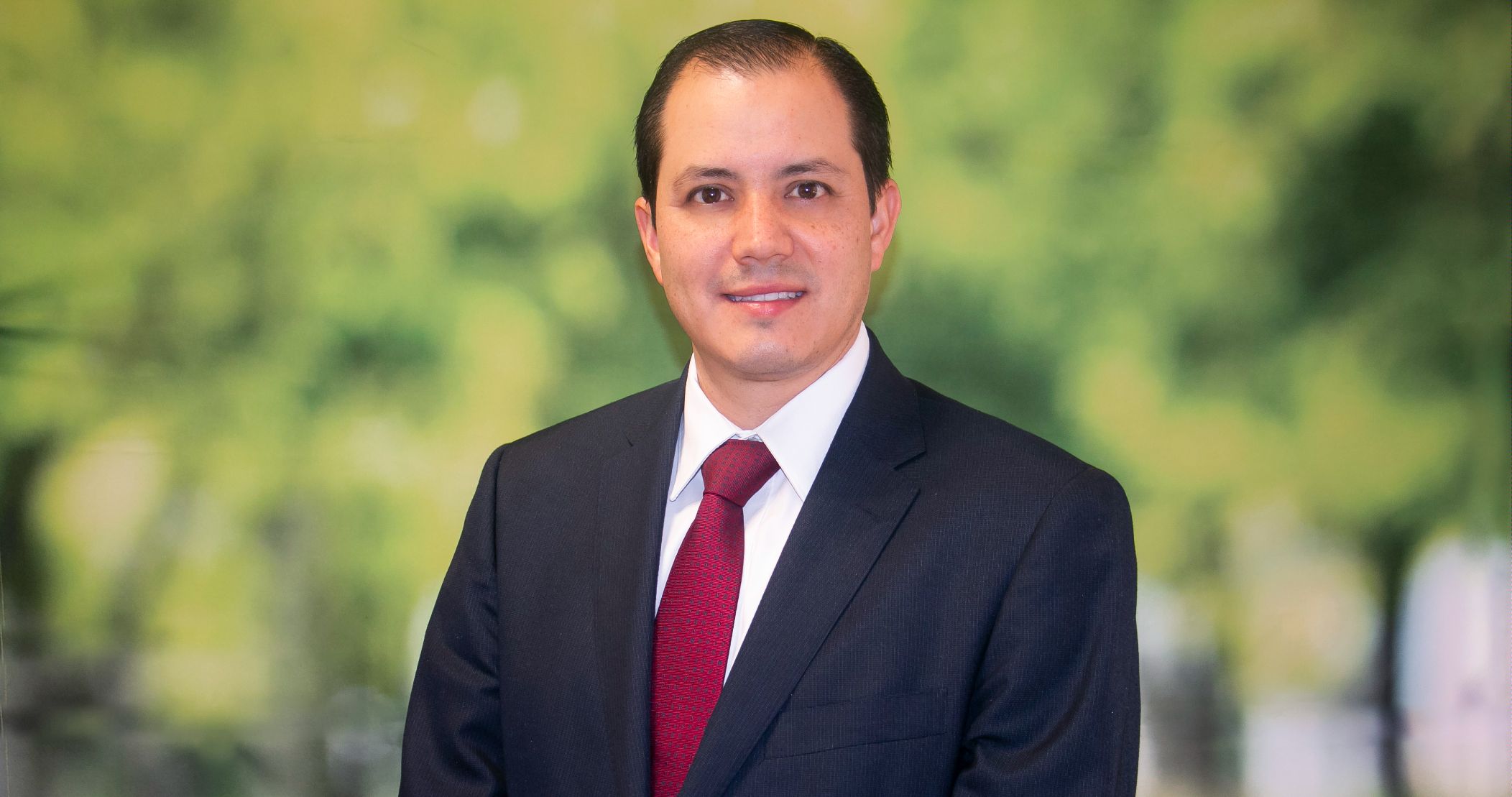
Dr. Hugo Briseño, director of the Center and representative of the School of Business, explained that the solution to water scarcity must be based on three key pillars: critical infrastructure, operational efficiency, and a new sustainable urban model.

1. Critical infrastructure: new Chapala-Guadalajara aqueduct
One of the priority projects is the construction of the Chapala-Guadalajara 2 aqueduct, which is considered essential for improving the water supply and which Dr. Briseño describes as “essential.”
The system has been in operation for 35 years and is currently unable to transport the full amount of water allocated under the concession. According to the academic, this project would make it possible to utilize the full 7.5 cubic meters per second allowed, improving the quality of the water by eliminating the use of open canals that carry pollutants.
2. Operational efficiency: reducing water leaks and losses
Another major challenge is the inefficiency of the water system, where more than 40% of the water is lost due to leaks, a lack of metering, and illegal connections.
The financial situation is equally critical, according to Dr. Briseño “For every 100 cubic meters produced, only 45 cubic meters are billed”. To reverse this, an investment of between 7 and 8 billion pesos is proposed to repair leaks and upgrade meters, in addition to recovering a past-due portfolio of 11 billion pesos.
3. Blue-Green Infrastructure: More Sustainable Cities
The third pillar calls for a paradigm shift toward sustainable urban infrastructure, based on solutions such as:
- Rain Gardens
- Green roofs
- Flood-prone parks
These strategies help capture, retain, and infiltrate water, restoring the water cycle and reducing the impact of urbanization.
Modernization of the system and the call to the Federation
For his part, Carlos Ornelas, the Center’s general coordinator, based his analysis on the obsolescence of the current systems. He warned that the quality of the water reaching the city is significantly degraded due to the open pipelines dating back to 1956, which facilitate illegal withdrawals and contamination.

In addition to the urgent need for a second aqueduct, he emphasized the need to modernize Water Treatment Plant No. 1, which is not equipped to treat “persistent chemicals” and other modern pollutants.
The financial challenge is enormous, especially considering that some of the pipelines are up to 92 years old. He also called on the federal government to intervene in the cleanup of the Lerma River and regulate industrial discharges that affect Lake Chapala, the main source of water supply.
Toward a New Governance Model: An Autonomous SIAPA
Dr. Rodrigo Navarro proposed transforming institutional management by granting autonomy to SIAPA (the Intermunicipal System for Drinking Water and Sewer Services), which would allow strategic decisions to be made based on efficiency rather than external interference.
To ensure transparency, it was suggested that a board of directors be established with citizen participation. On the economic front, Dr. Navarro proposed the principle that “water pays for water”, whereby those who consume more contribute more, while ensuring subsidies for vulnerable sectors.

This entails a rate structure that allows for reinvestment and maintenance, within a framework of social justice.
Sustainable Solutions for the Future of Water in Mexico
The proposals put forward by experts at the Universidad Panamericana not only to address the immediate shortage but also to transform Mexico’s water management model into one that is more efficient, sustainable, and equitable.
This comprehensive approach combines innovation, infrastructure, public policy, and citizen participation, with the aim of ensuring the human right to water and strengthening urban resilience in the western region of the country.
Learn more about the Center for Water-Adaptive Cities at the Universidad Panamericana : https://ciudadeshidroadaptativas.up.edu.mx/