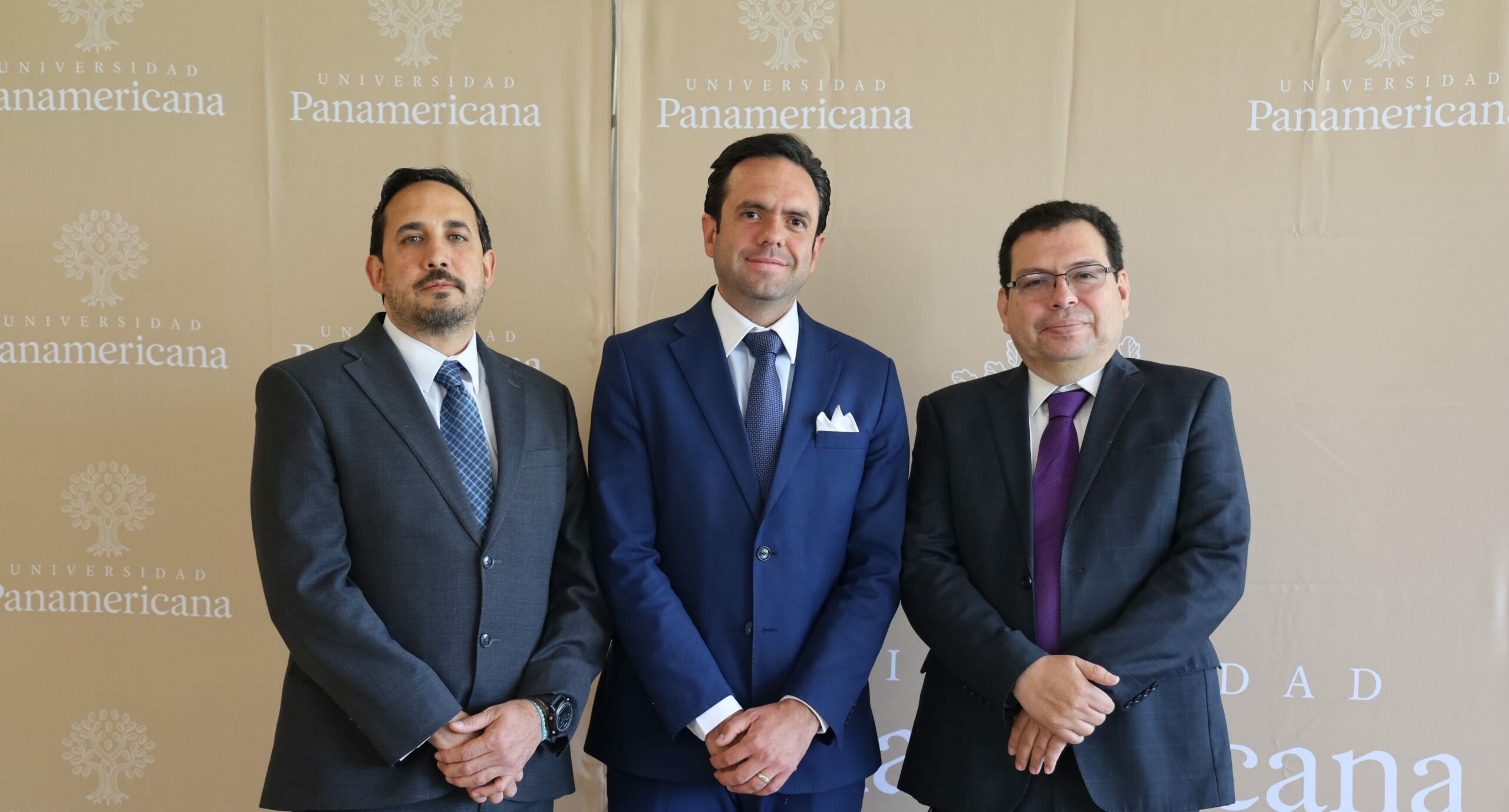
Zapopan, March 27, 2025.- The Universidad PanamericanaGuadalajara campus called for strengthening water governance in Mexico through reforms that optimize distribution, improve infrastructure, and depoliticize management. At the conference titled Water Reforms and Governance: Toward a Sustainable and Responsible Culture, three academics from the Panamericana addressed the challenges facing water resources in the country and proposed concrete solutions for their efficient management.
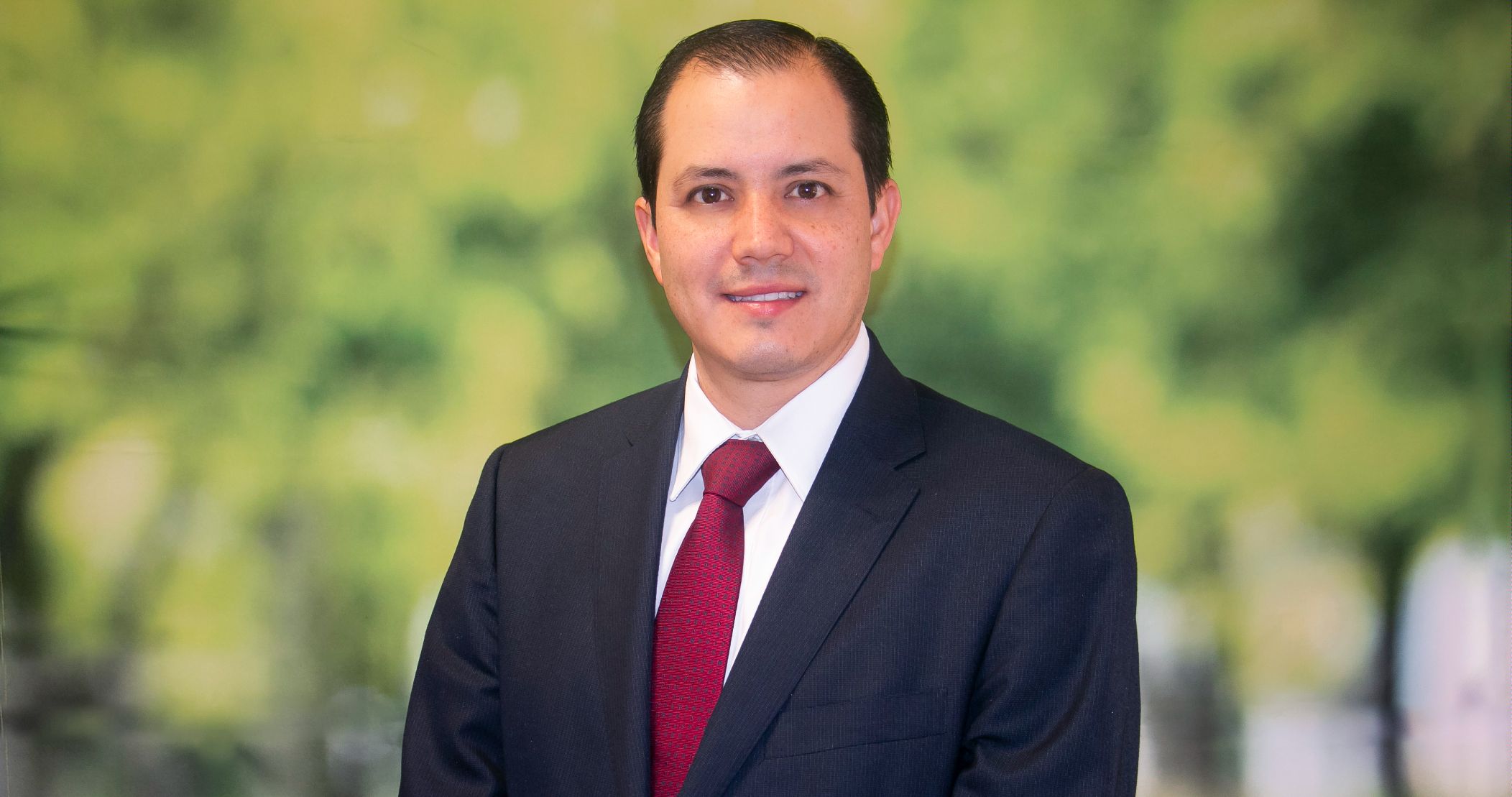
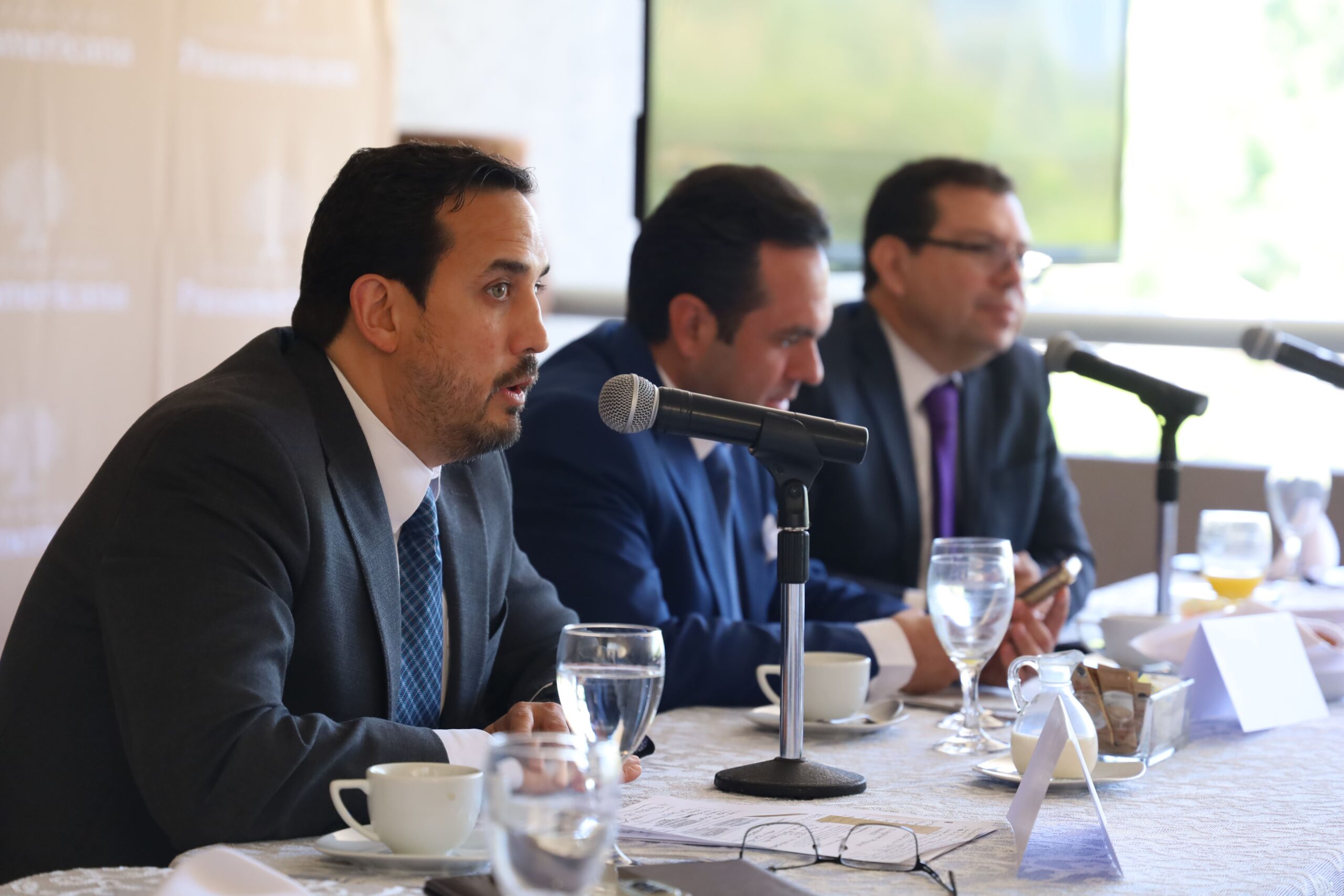
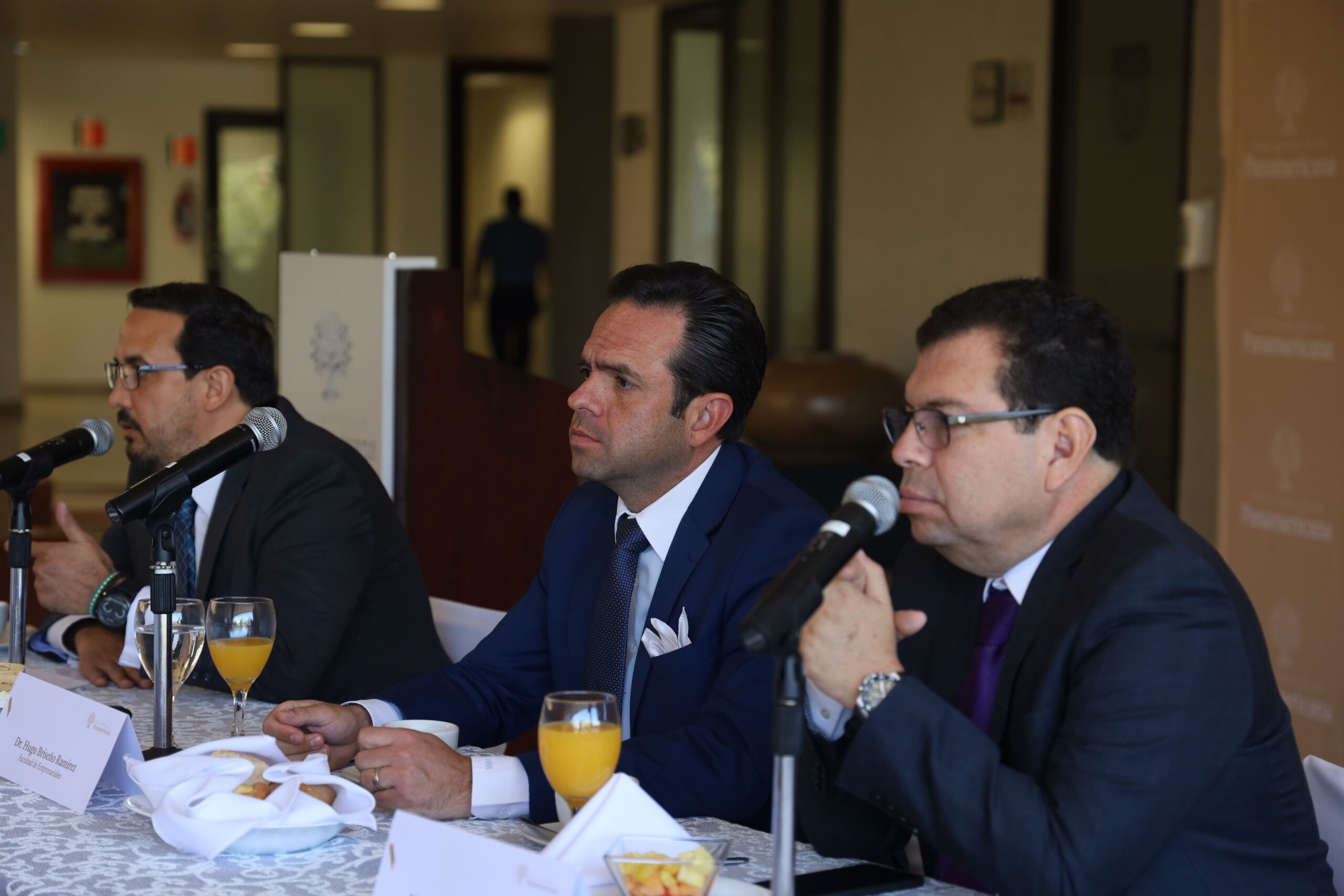
At the press conference organized by the Institutional Communications Office of the Universidad Panamericana that campus, Rodrigo Navarro, M.A., professor in the School of Engineering; and Carlos Ornelas, professor in the Civil Engineering and Management program, and Dr. Hugo Briseño, Secretary of Research at the School of Economics and Business, addressed the need to update water laws, improve distribution systems, and promote a culture of responsible consumption among the population.

New legislation to guarantee the right to water
The Rodrigo Navarro, M.A. emphasized the importance of reforming the National Water Law and enacting a new General Water Law, in line with the commitments Mexico has made since it recognized access to water as a human right.
“Mexico must comply with UN standards by ensuring universal and equitable access to safe drinking water, improving water quality, promoting efficient water use and integrated water management, and protecting aquatic ecosystems,”, said Mr. Navarro.
This legal framework should strengthen the National Water Commission (Conagua) so that it has the necessary resources to ensure that the entire population of the country has access to clean water.
Calls to improve the distribution network
The Carlos Ornelas, M.A. addressed the issue of water storage and distribution in Jalisco, highlighting the need to improve the state’s water infrastructure.
“We’re talking about a neutral phase between ‘La Niña’ and ‘El Niño,’ which is particularly favorable for Lake Chapala, as a strong recovery is also expected there. These are the initial forecasts; let’s hope they come true,”, said Carlos Ornelas.

Although a 20–25% increase in water storage is projected compared to 2024, the problem lies in its distribution. “We have a good amount of storage in our water bodies, so why are we having trouble getting the water to the city? Well, the problem lies in the distribution system—the way we bring water to the city”, said Carlos Ornelas.
“To prevent this from happening, it is imperative to upgrade the aqueduct that runs from Lake Chapala to the city of Guadalajara, and build new infrastructure to prevent leaks and ensure an efficient supply,” he said.
This new aqueduct would allow for the transport of up to 7.5 cubic meters per second, optimizing water use and preventing deterioration in water quality.
Depoliticization and transparency in water management
The Dr. Hugo Briseño stressed the need to depoliticize water management, eliminating partisan interests that have hindered structural solutions in the country.
“To ensure efficient water use, we need transparency in water management and a culture of civic responsibility,”, Briseño emphasized.

He also noted that the overdue water bills exceed 17 billion pesos, affecting infrastructure investment. He emphasized that with improved collection, 8 billion pesos could be allocated to repairing distribution networks.
The Universidad Panamericana 's Commitment Universidad Panamericana Sustainable Development
The Universidad Panamericana its commitment to sustainable development by fostering dialogue among academics, citizens, and government officials to develop innovative solutions that benefit the country, always guided by the institution’s focus on innovation and its humanistic vision.
Learn more about the water situation in Mexico and the solutions proposed by experts at the Pan-American Observatory of Water-Adaptive Cities at the Universidad Panamericana : https://www.up.edu.mx/observatorio-agua/