Mexico City, November 13, 2026. In an era when knowledge and information are evolving by leaps and bounds, the role of university and research libraries is undergoing an unprecedented transformation. They are no longer merely custodians of books, but strategic drivers of higher education and scientific development.
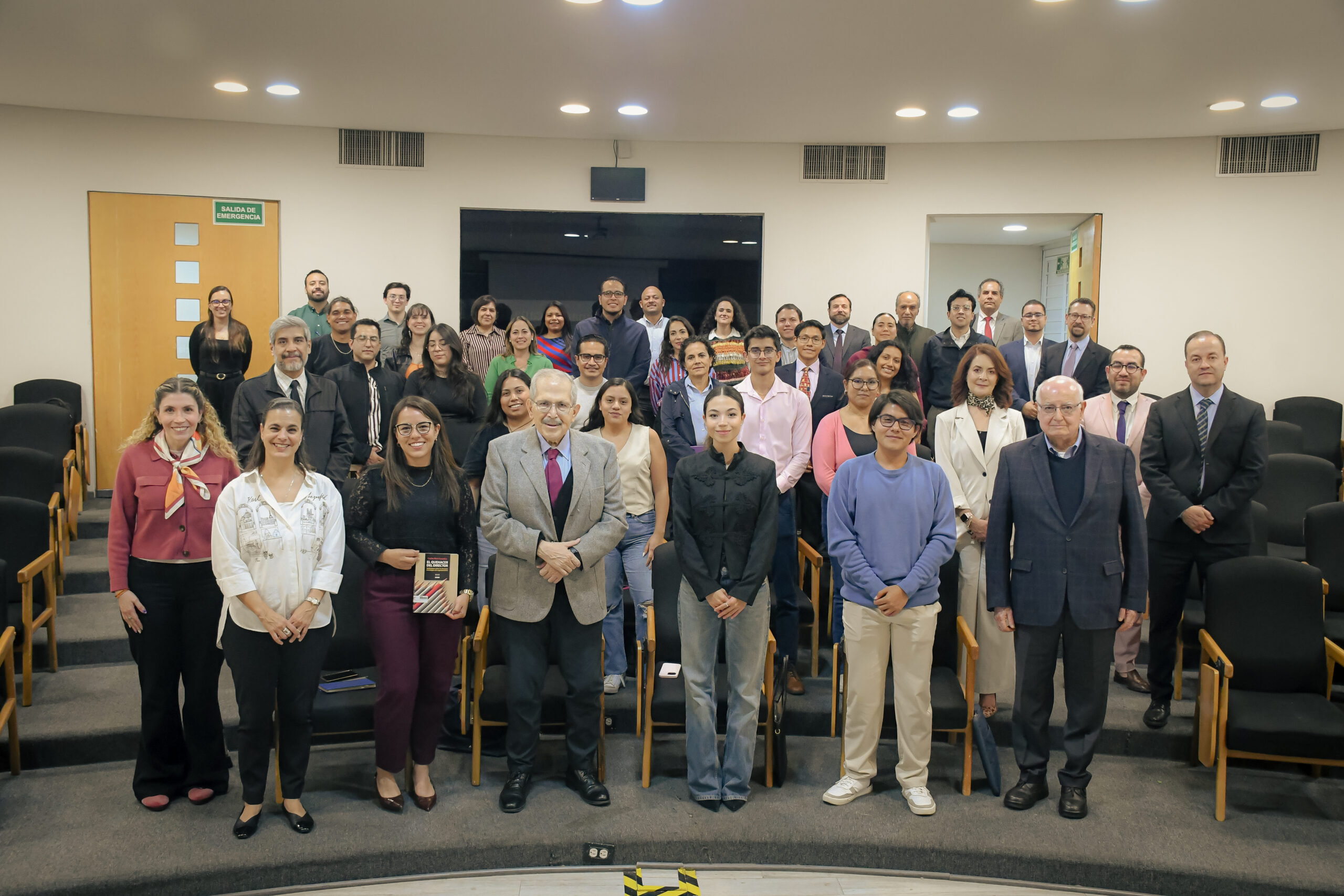
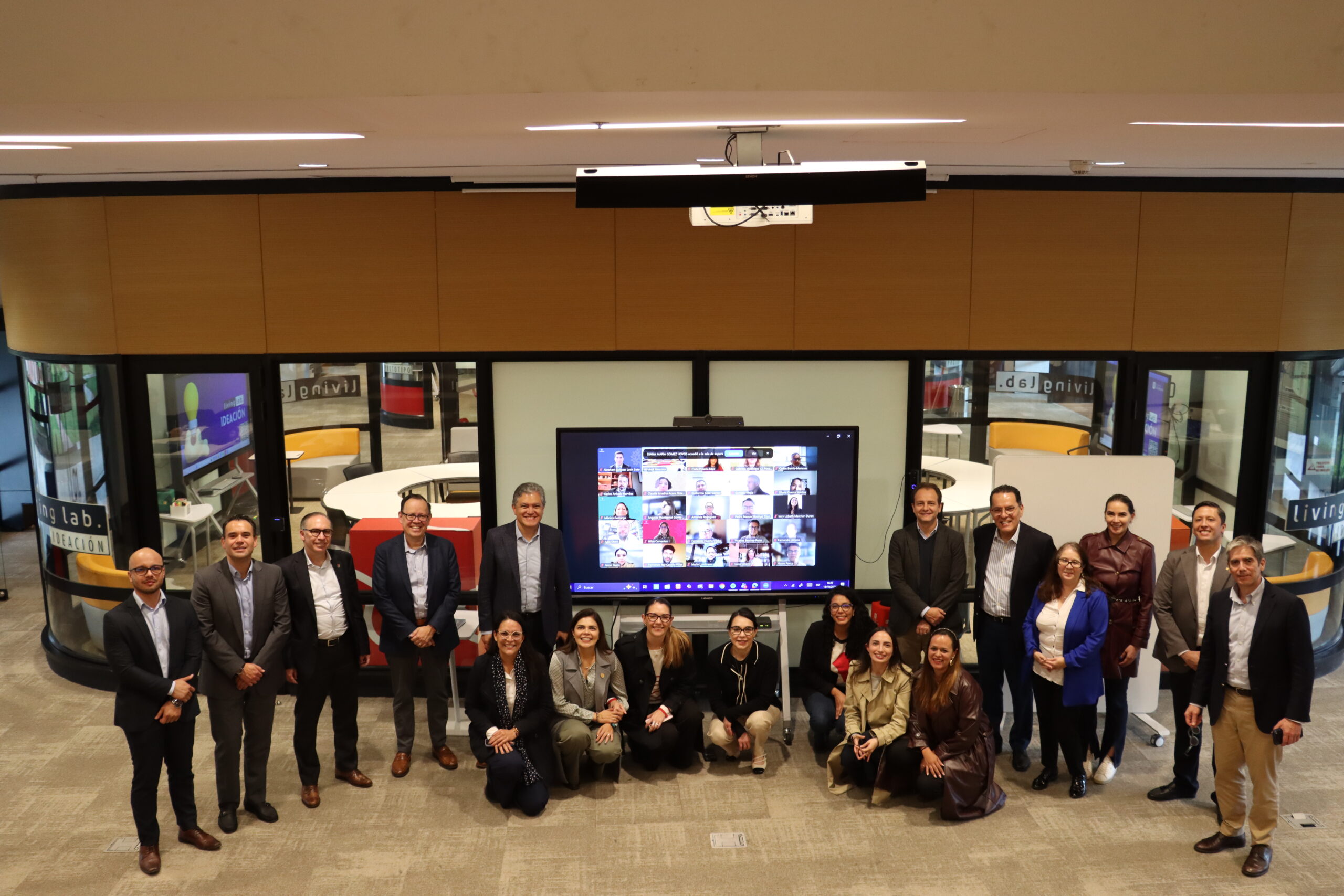
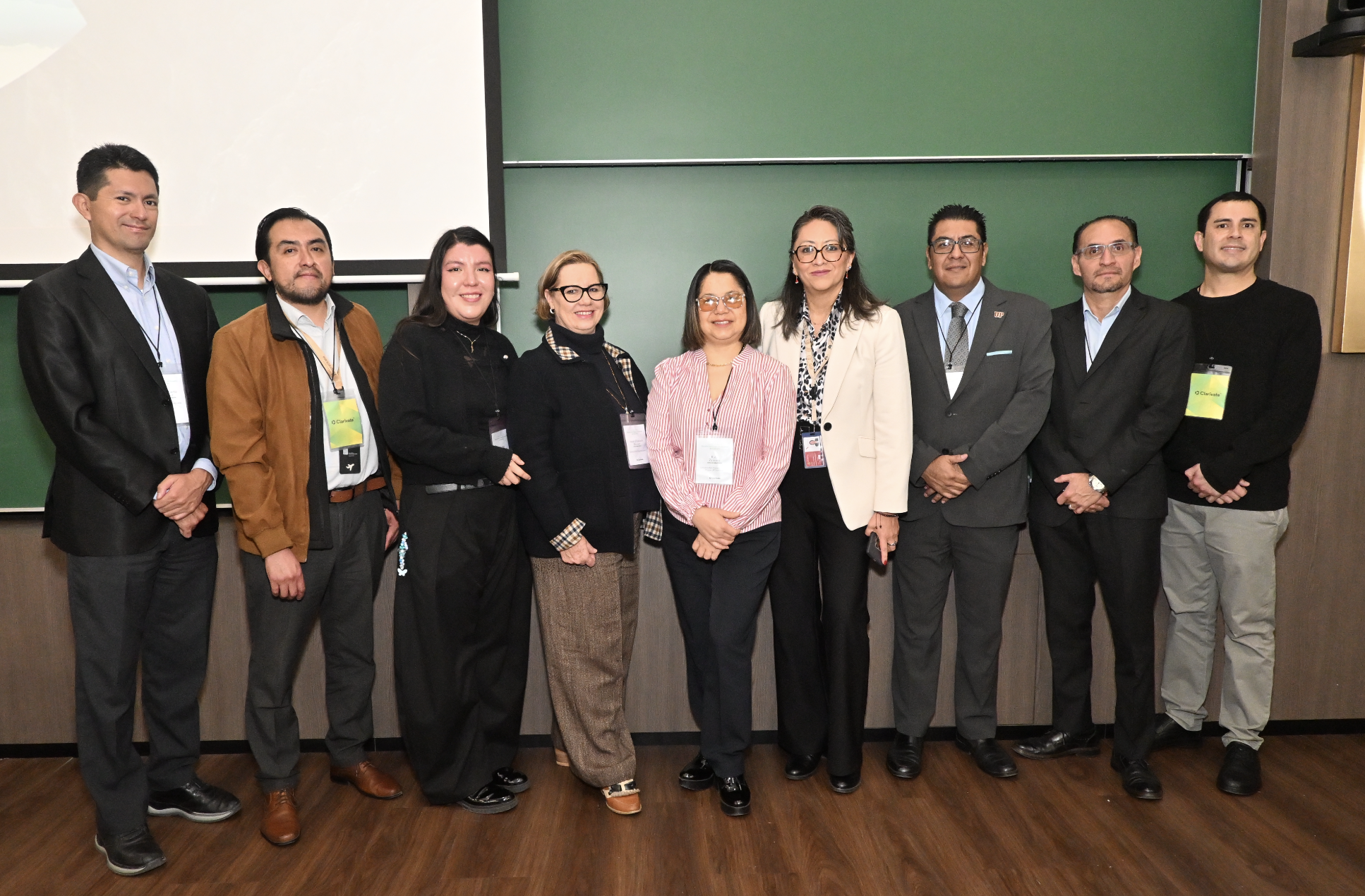
In this context, the Universidad Panamericana hosted the GUELM Meeting (Grupo de Usuarios de Ex-Libris México, now part of Clarivate), an event that brought together specialists in academic libraries, data management, and technology from various institutions in Mexico and abroad.
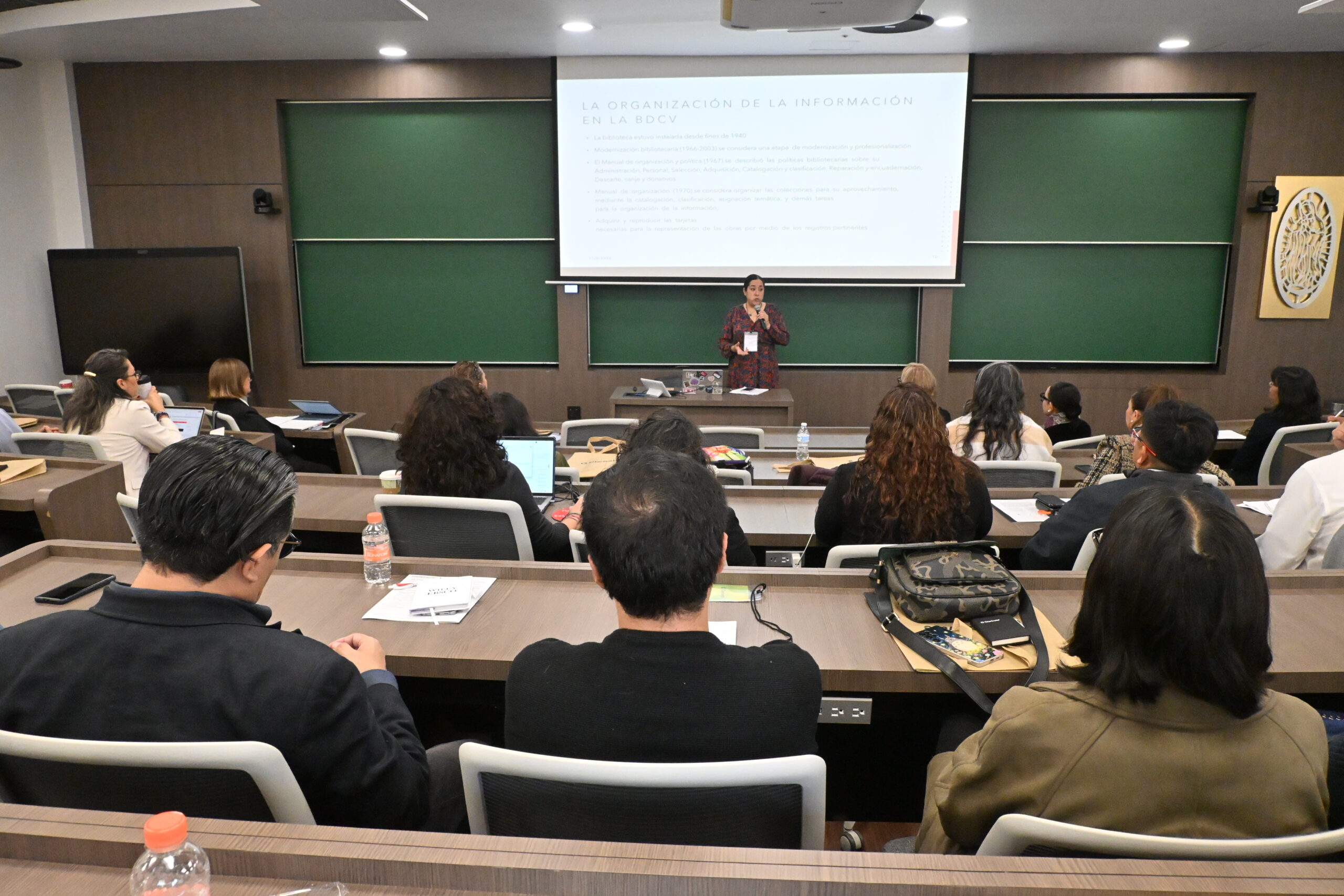
Under the slogan Inspire & Connect, the meeting addressed the impact of artificial intelligence ( AI), linked data, library management systems, and analytical tools on the transformation of information services and the strengthening of institutional research.
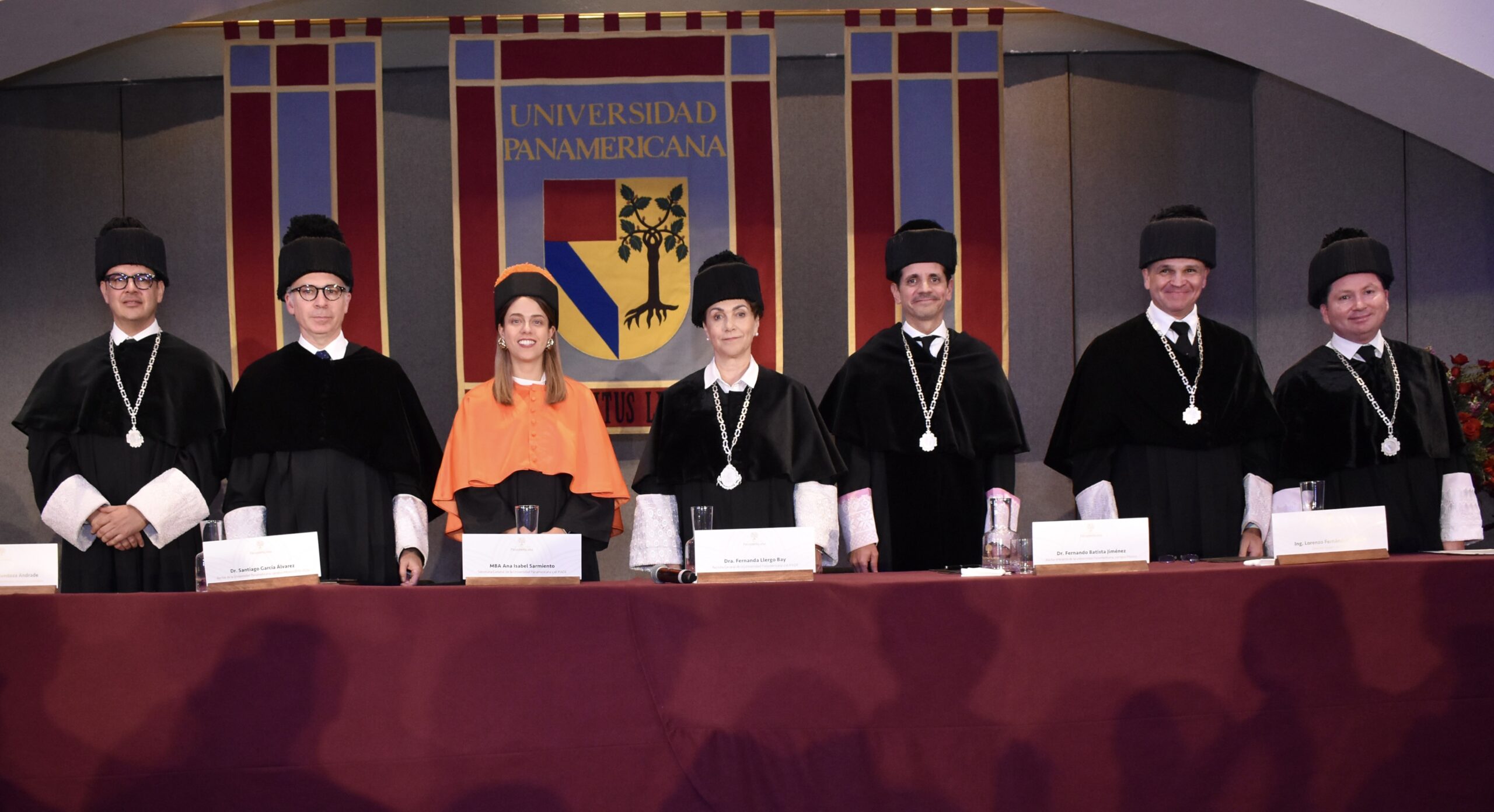
The institutional opening ceremony was led by Dr. Claudia Ortega, Director of Research at the Universidad Panamericana , Mexico campus, who, in her welcoming remarks, emphasized the vital role that libraries play as pillars of the research infrastructure at institutions of higher education.
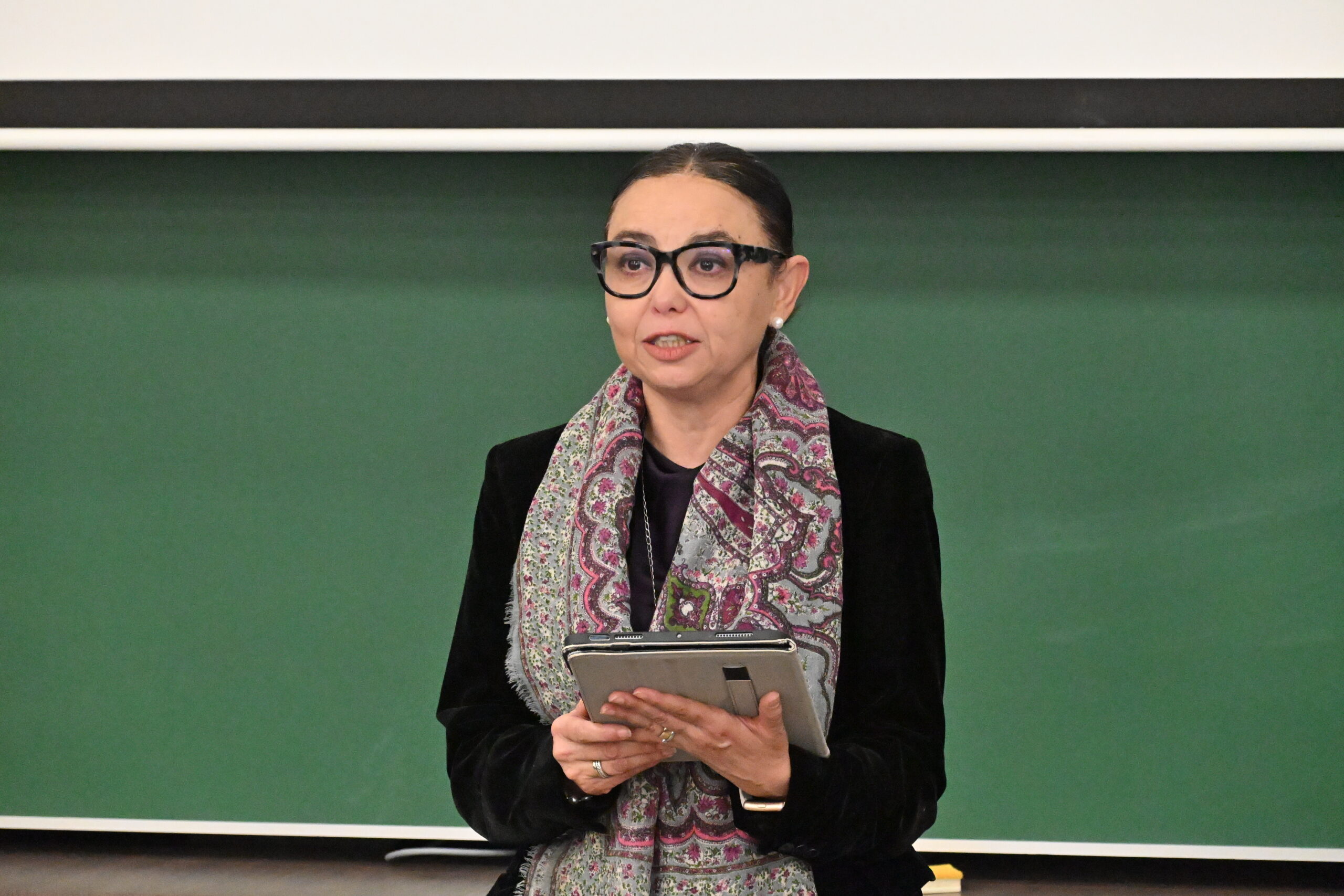
Dr. Ortega emphasized that the contemporary library and its integrated technologies constitute the living core of scientific research, transcending the traditional model of mere physical storage or lending to become true architectures of data and interoperability. “Without a robust library, there is no discovery; without consistent metadata, there is no impact; without repositories, science remains an abstract aspiration,”, she stated.
Artificial Intelligence and Data Management in Academic Libraries
During the event, the speakers explored the technological frontiers of the sector through case studies and applied methodologies:
- Authority Control and Mass Data Management in the Alma System: Luz Elena Vergara Castro, a cataloger, and Guadalupe Vega, a coordinator at El Colegio de México, shared their strategies for standardizing and optimizing metadata through batch processes and subject authority records in the Alma system, demonstrating how automation reduces manual work and ensures maximum accuracy and information quality.
- Modernization of the Catalog and National Infrastructure: Ma. Guadalupe Sánchez Mendoza, technical secretary; José Luis Estrada Salas, head of the Department of Information Technology and Telecommunications; and José Antonio Salazar Carmona, administrator of Alma and Primo, shared their experiences and the challenges of migrating their institutional catalog to Primo NDE, a platform designed to improve the search and discovery of information resources.
- Linked Data and Cutting-Edge Standards: Specialists from the University of Miami led a demonstration on the potential of Linked Data and BIBFRAME, demonstrating how the conversion of MARC metadata and integration with Wikidata transform library workflows and streamline authority control.
- AI and Human Curation as an Information Shield: Lilia Calderón, a Library and Data Analytics Specialist at Tecnológico de Monterrey, discussed the initiative to use RSS curation in ProQuest and emphasized the importance of combining human judgment with automation to ensure access to reliable and accurate information.
- Discovery Experience at the University of the West ( Universidad Panamericana): Midory Beltrán and José Raúl Esqueda discussed how Primo NDE is transforming the university community’s interaction with knowledge resources through the effective use of the research assistants available via our Inventio Discoverer.
Building an Inter-institutional Impact Network
In addition to the presentations, the GUELM meeting included collaborative workshops in which participants exchanged experiences and proposals for addressing common challenges in the operation of academic libraries.
The sessions were organized around four areas:
- Acquisitions.
- Cataloging.
- User Services
- Platform Management.
Toward a Permanent Network of Cooperation
As a result of the working groups, participants agreed on the urgent need to strengthen communication and inter-institutional collaboration among users of Clarivate's systems.
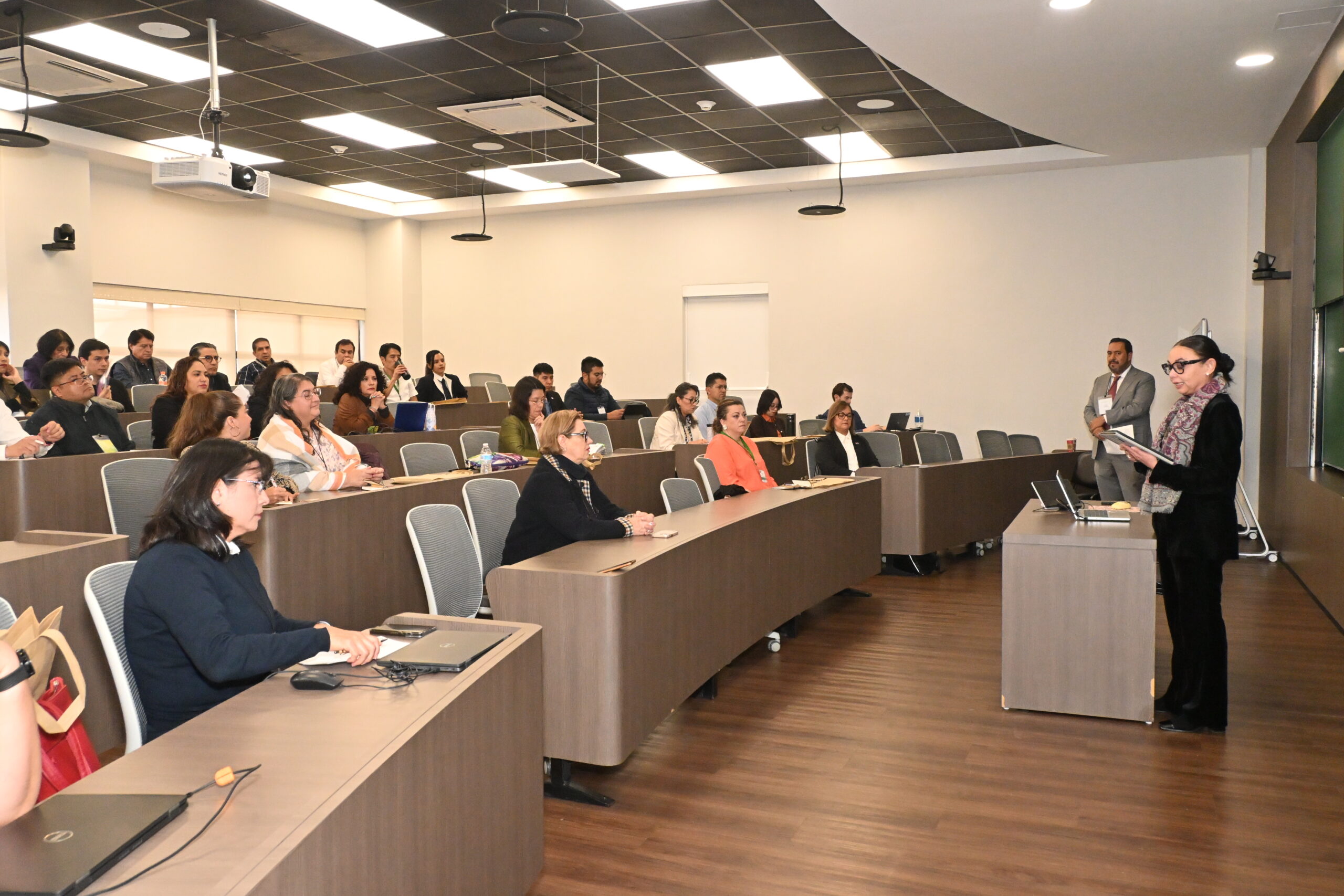
The creation and consolidation of this support and cooperation network will enable us to continuously improve the efficiency of services provided to library users, optimize internal operational processes, and maximize the impact of the technological infrastructure for the benefit of the entire scientific and research community.
With this event, the National Institute of Science and Technology ( Universidad Panamericana ) reaffirms its commitment to advancing scientific research through cutting-edge tools and robust solutions, ensuring the quality and accessibility of information to support the work of its academic community.