Zapopan, Jalisco; October 6, 2026.— Universidad Panamericana ’s Guadalajara campus is promoting a social co-design project in Michoacán that combines traditional Mexican embroidery with woodworking.
The initiative, developed by the School of Engineering and Architecture through the Academy of Design and Innovation, aims to strengthen the economic autonomy of artisans in San Juan Nuevo and increase the added value of their products.
The project, called Kumanchikua, is being carried out in collaboration with the Department of Wood, Paper, and Pulp at CUCEI, part of the University of Guadalajara. Through joint efforts between students and local artisans, the initiative promotes innovation based on traditional techniques and the creation of new marketing opportunities.
Social Co-Design to Promote Mexican Handicrafts
The initiative originated in the “Design for Production” course under the leadership of Dr. Fabiola Cortés Chávez and Aramis Herrera Cubillos, M.A. Its goal is to combine traditional craftsmanship with design tools to develop products that diversify the product line, increase their commercial value, and open up new markets.
“The goal is to collaborate with the artisans on a co-design process to create products with greater commercial value by combining embroidery and woodwork, while also incorporating brand development, market analysis, and photographic materials, so that they can sell their products and reach new markets,” says Dr. Fabiola Cortés Chávez.

Embroidery and Wood: New Products Based on Traditional Techniques
As part of the co-design process, the teams are working on proposals that combine San Juan Nuevo embroidery techniques with wooden elements. Among the prototypes currently in development are:
- A tablecloth that doubles as a large-format lottery game, featuring raised embroidery.
- Bags made using traditional embroidery techniques.
- Prayer lamps designed for small home altars.
These proposals aim to integrate the knowledge of artisans with the students’ design and innovation skills, while respecting traditional techniques and exploring new ways to present and market their products.
Collaboration Between Students and the Artisan Community
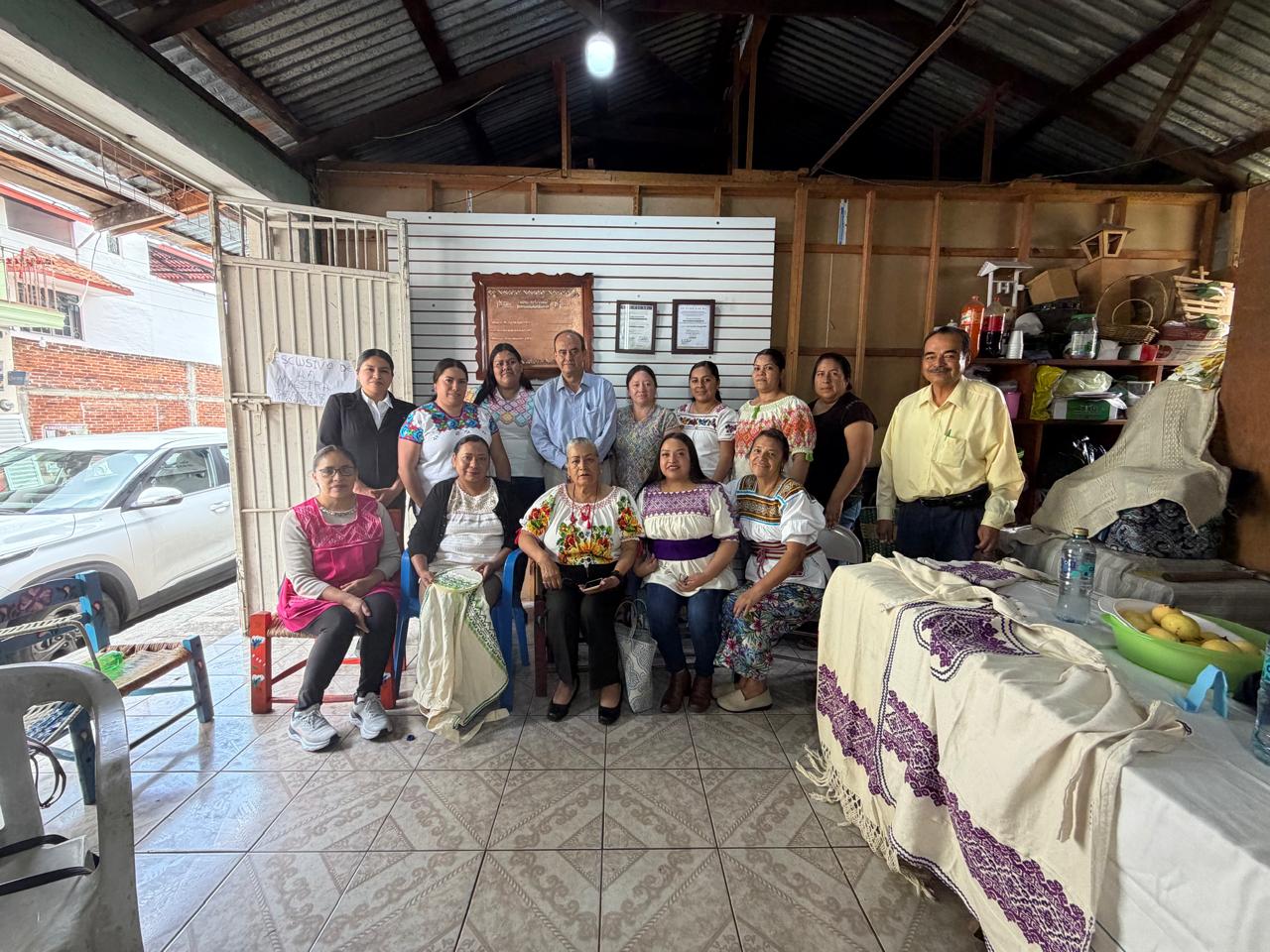
The project is carried out asynchronously through WhatsApp groups, involving 14 teams made up of two or three third-semester students and artisans from San Juan Nuevo, Michoacán.
Three social service students track the teams' progress on a weekly basis, while the professors oversee communication and document the process. This approach helps maintain collaborative work between the community and the university throughout the various stages of design.
The participating artisans range in age from 26 to 72. In addition, the initiative has included male embroiderers from the community, with the aim of recognizing embroidery as an activity that can be practiced regardless of gender.
Social Innovation and Economic Autonomy in Michoacán
Co-design makes it possible to link academic training with the needs of a craft community by integrating technical knowledge, creativity, and local expertise to develop products with new commercial potential.
The initiative aims to contribute to the economic autonomy of artisans by diversifying their products, developing their brands, and exploring new sales channels. In this way, the project connects design and social innovation with the strengthening of the community’s productive activities.
The project will conclude with the presentation of the prototypes and their brand identity proposals at the Made Inn exhibition at the Universidad Panamericana.
With initiatives such as Kumanchikua, the Guadalajara campus of the Universidad Panamericana links design education with community collaboration projects. The joint work with artisans from San Juan Nuevo demonstrates how academic knowledge can contribute to product development, strengthen traditional crafts, and generate new opportunities through innovation.