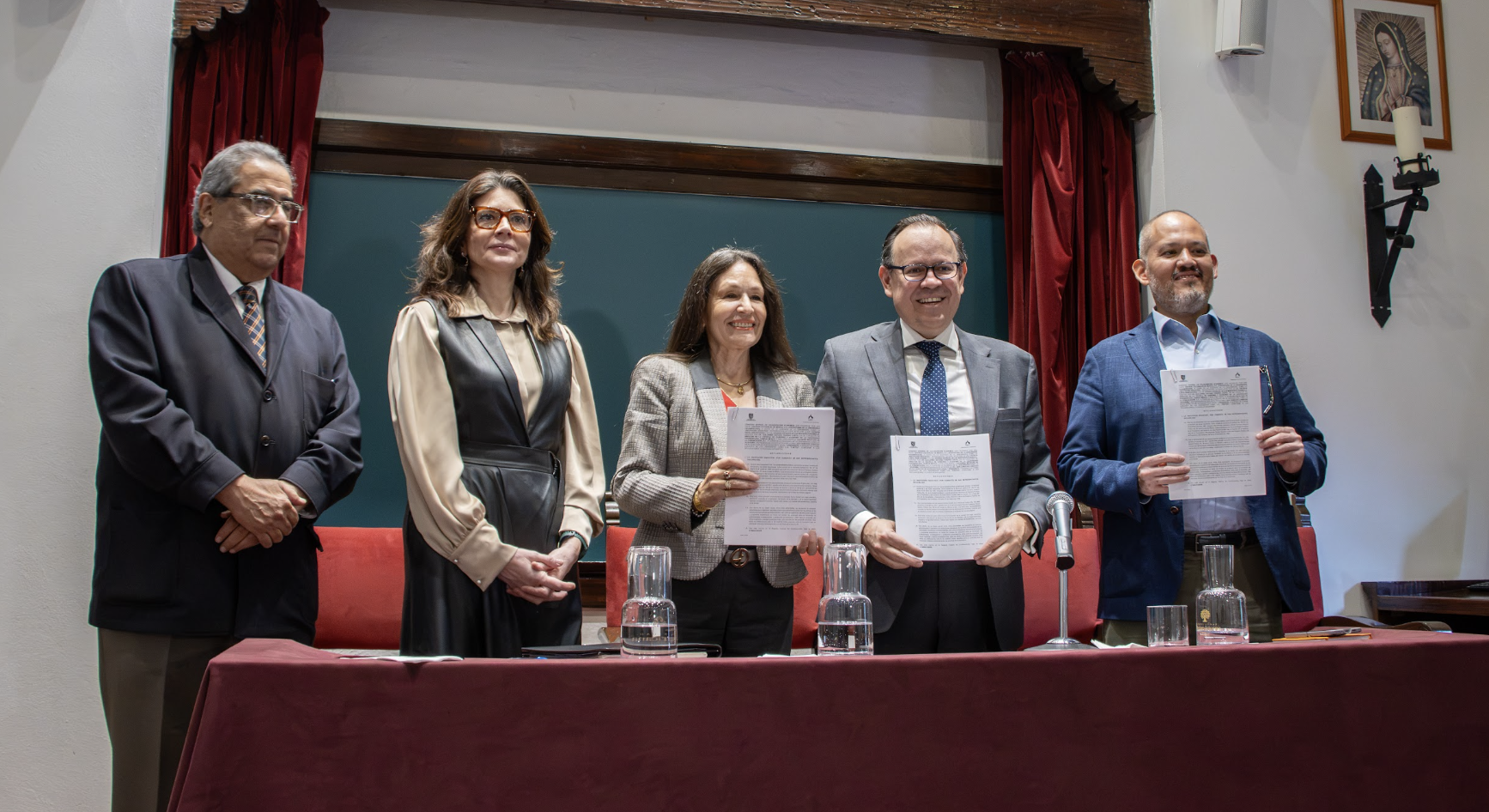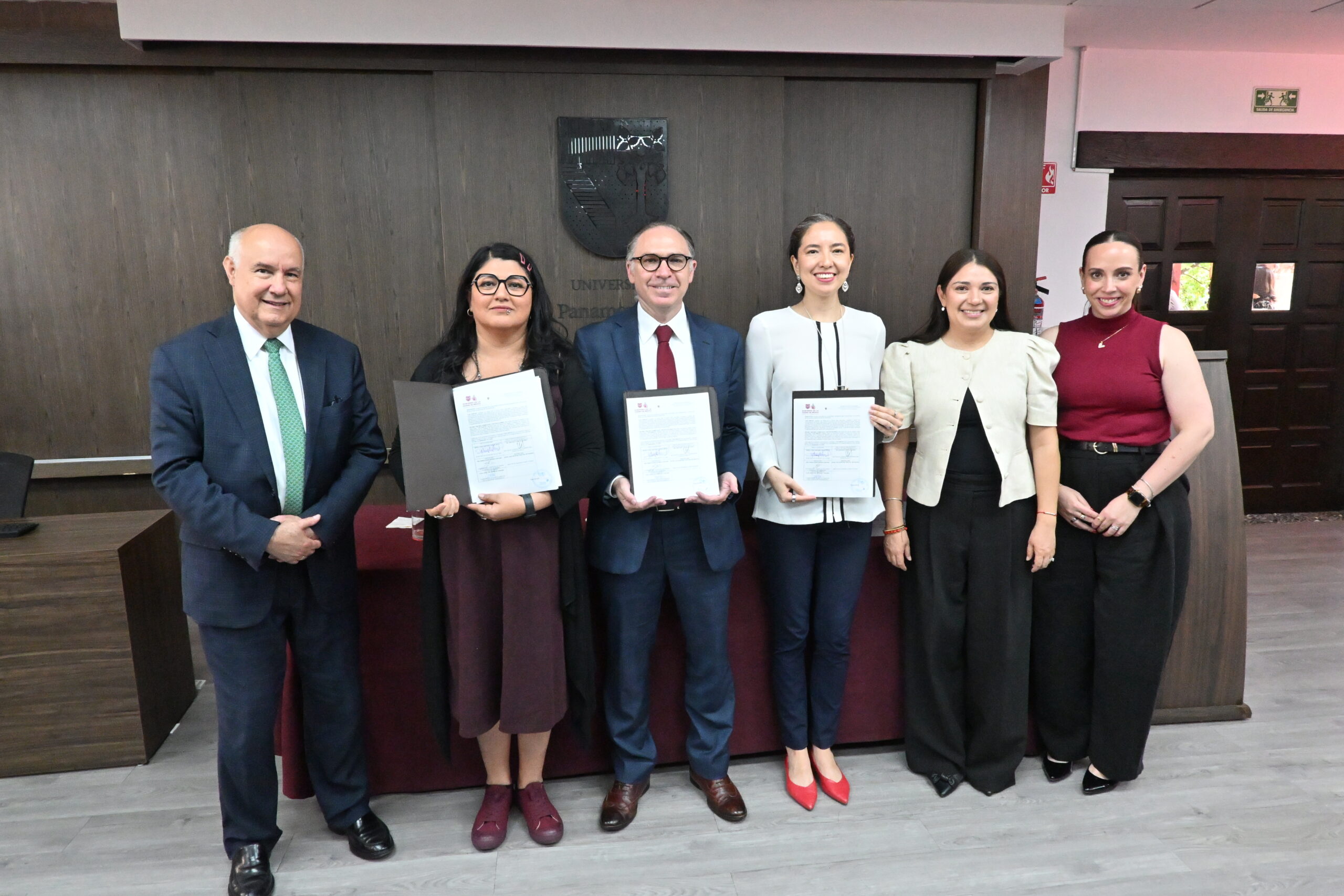
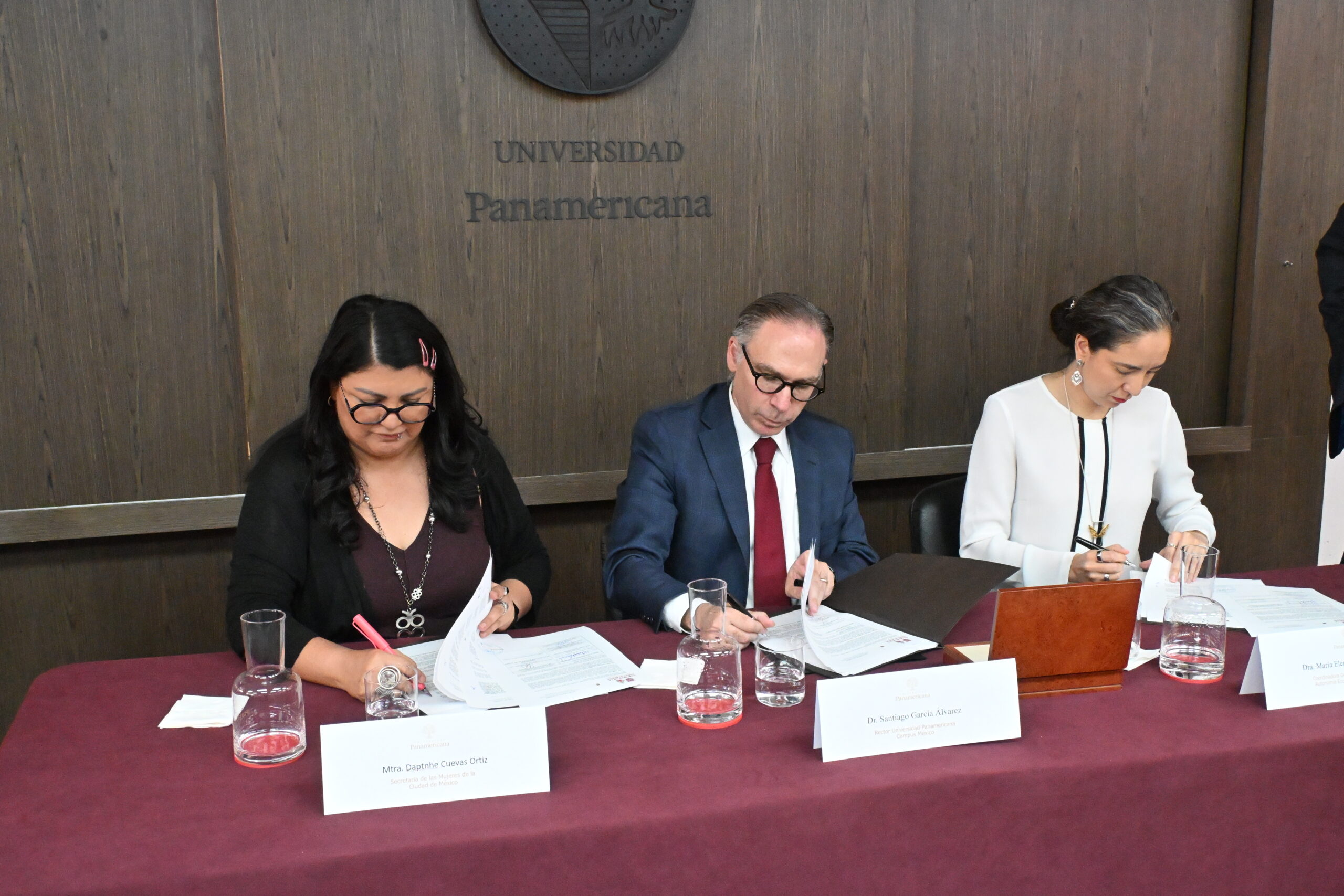
Mexico City, September 25, 2026.— The Universidad Panamericana and the Mexico City Secretariat for Women signed a collaboration agreement to strengthen training, continuing education, and economic autonomy for women in the nation’s capital.
The agreement aims to link the knowledge and academic expertise of the School of Social Work and Social Sciences ( Universidad Panamericana ) with the initiatives of the Secretariat for Women through training activities that contribute to the development of skills and tools for the beneficiaries of the Women’s Economic Autonomy Program.
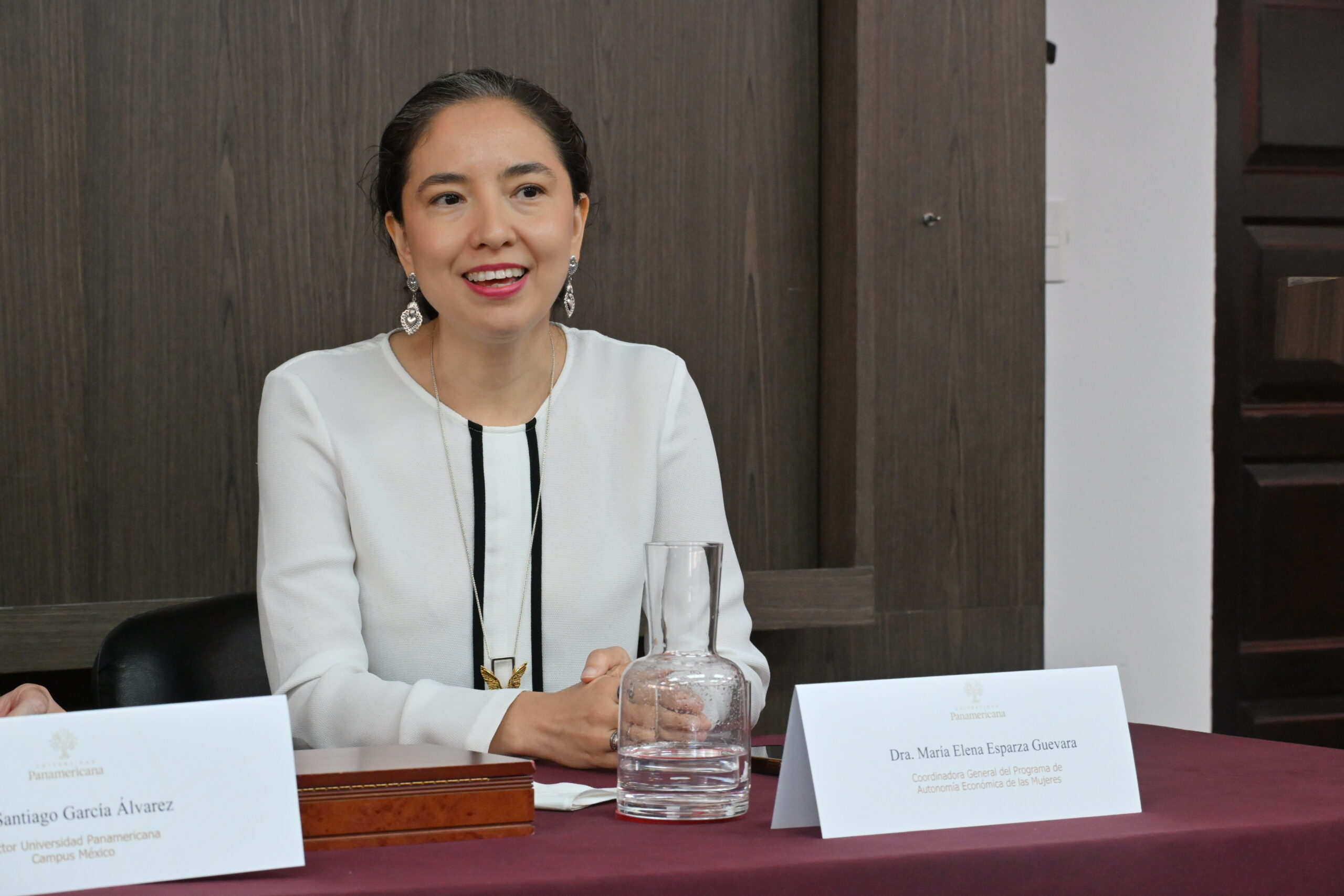
The event was attended by Dr. Santiago García Álvarez, rector of the Mexico City campus; Daptnhe Cuevas Ortiz, M.A., head of the Mexico City Secretariat for Women; and Dr. María Elena Esparza Guevara, General Coordinator of the Women’s Economic Autonomy Program.
Education, Digital Tools, and a Gender Perspective
As part of the agreement, professors from the Universidad Panamericana will conduct training sessions and provide technical tools in areas such as marketing, finance, accounting, advertising, and artificial intelligence for the program’s participants.
These initiatives aim to expand training opportunities and contribute to the development of knowledge that can be applied in various areas of professional and economic life.
In this regard, Dr. María Elena Esparza Guevara highlighted the central importance of technical and personal development within this strategy:
“Today, the second cohort of beneficiaries is effectively coming to an end. While economic assistance is part of the program, its core is training—a process through which they can learn about various topics, but above all, gain an understanding of their rights. That is what enables us to create opportunities for empowerment and positive transformation in their lives.”
Universities and Industry: Transforming Opportunities
For her part, the head of the Secretariat for Women, Daptnhe Cuevas Ortiz, M.A., emphasized the strategic importance of building partnerships with academia to bring about lasting cultural change.
He emphasized that collaboration with educational institutions is essential for democratizing learning and providing real opportunities to segments of the population that have historically been excluded from academic education and professional development.
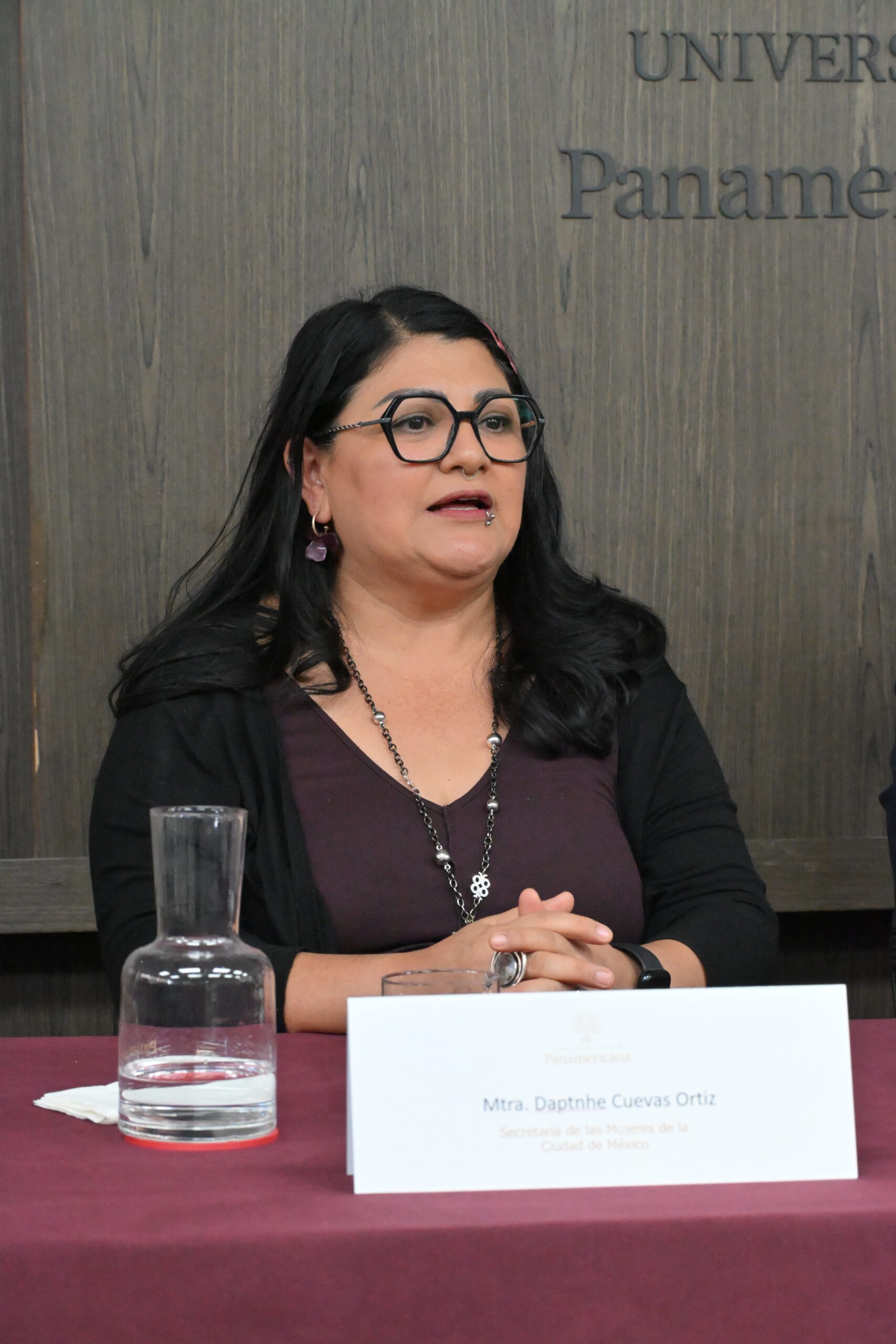
“Universities play a very important role; we must transform how we understand the world and how we teach it to people. Academia plays a central role in transforming people’s perceptions. And if we want to transform women’s lives, it is by transforming those perceptions,” she emphasized.
Long-term commitment to social responsibility
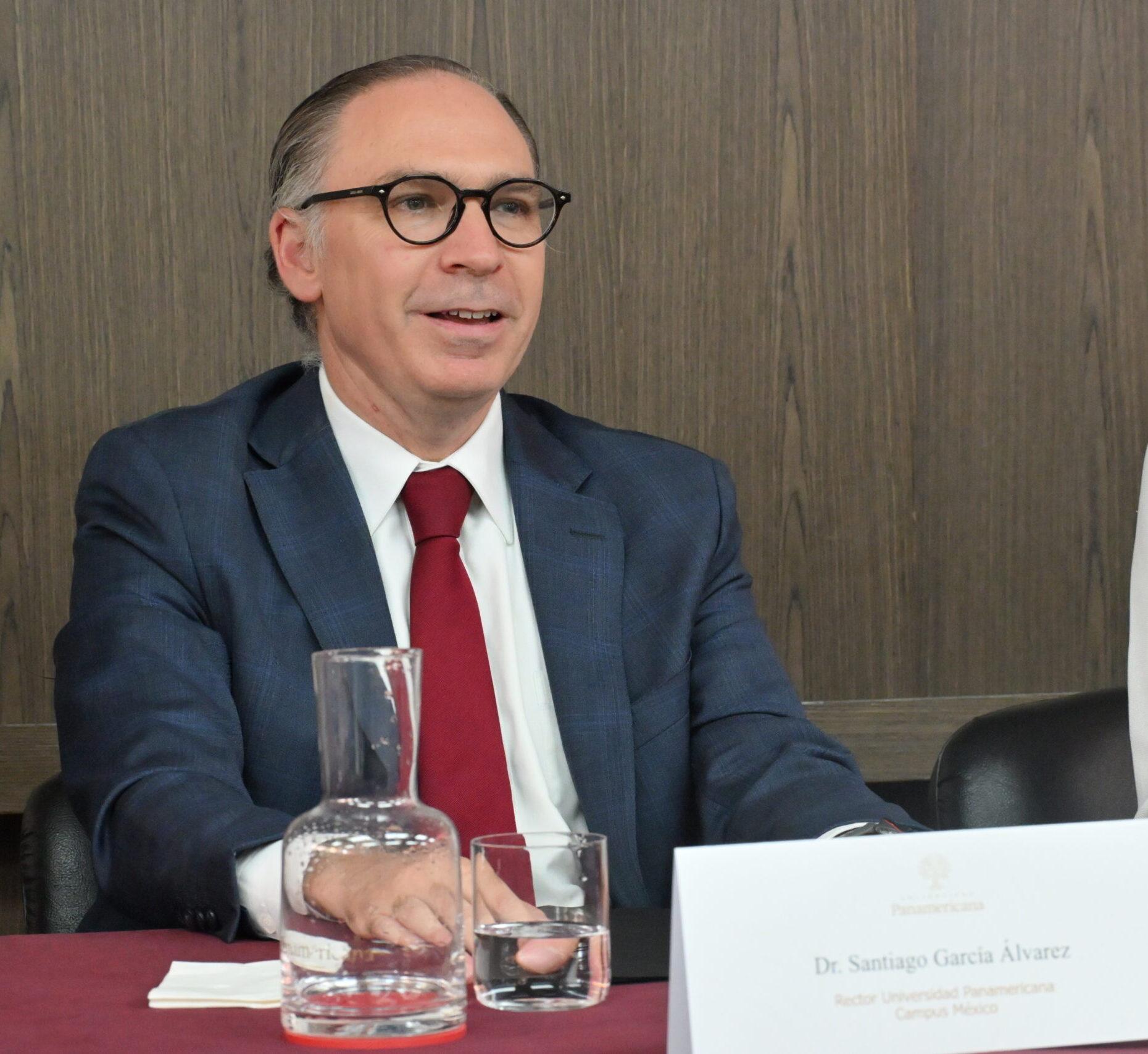
Dr. Santiago García Álvarez emphasized that this agreement aligns with the university’s vision of creating transformative, far-reaching projects that directly impact people’s quality of life.
He explained that these types of initiatives make it possible to coordinate cross-disciplinary efforts among the various schools to put talent, research, and teaching at the service of society’s comprehensive development:
“Universities are long-term institutions, and we feel a deep connection to causes that foster autonomy and development. The fact that we, as a university, are able to develop these kinds of initiatives is a very exciting driving force,” he said.
Through this agreement, the Universidad Panamericana reaffirms its commitment to putting knowledge, academic prestige, and public policy at the service of social justice and gender equity.