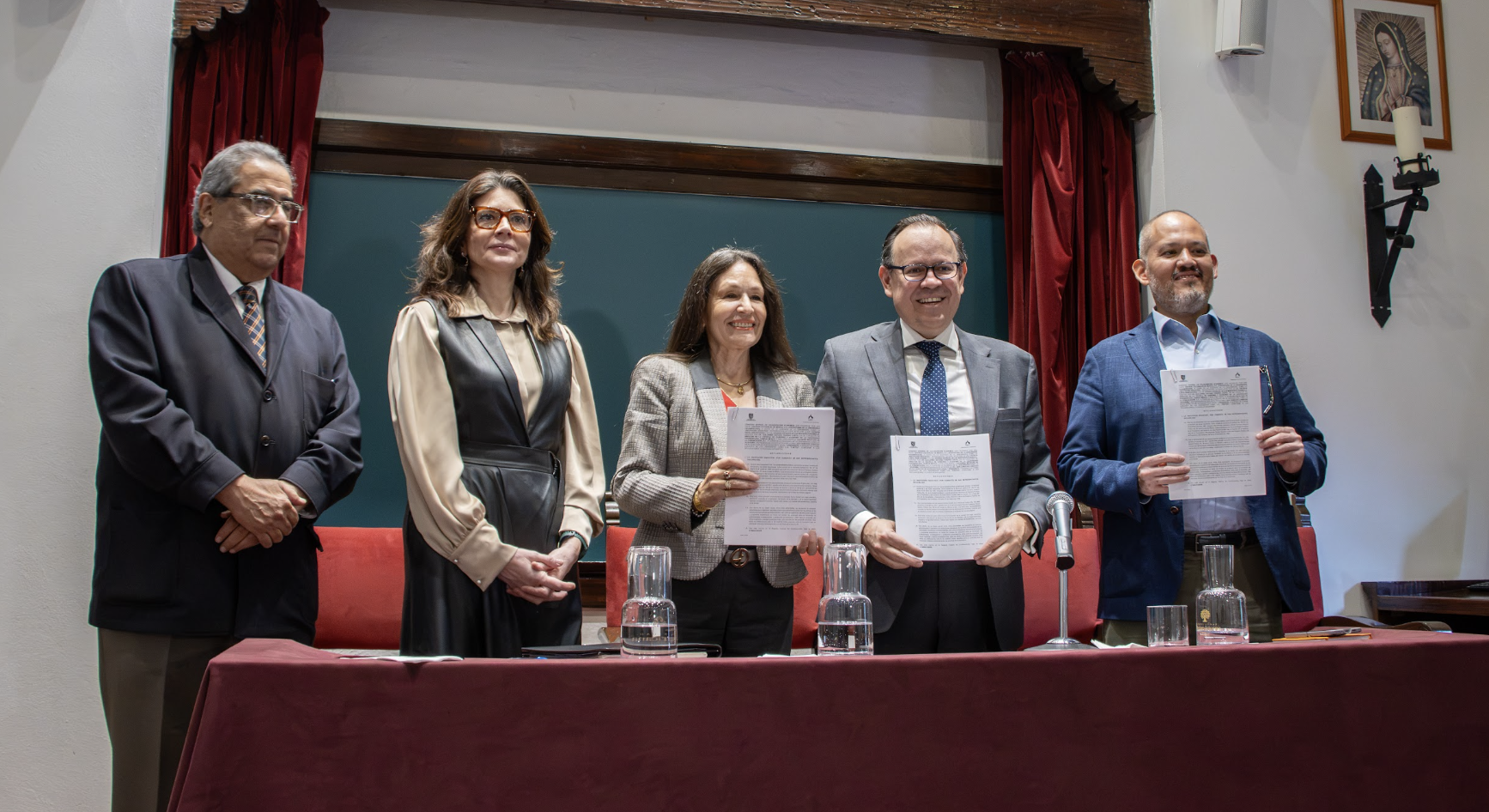
Mexico City, November 28, 2023.— Since 2022, the Terwilliger Center for Housing Innovation (an initiative of Habitat for Humanity), New Story and the Center for Entrepreneurship and Innovation, together with researchers from the School of Business at the Universidad Panamericana, have conducted economic research with the aim of defining new models to support the self-build housing sector.
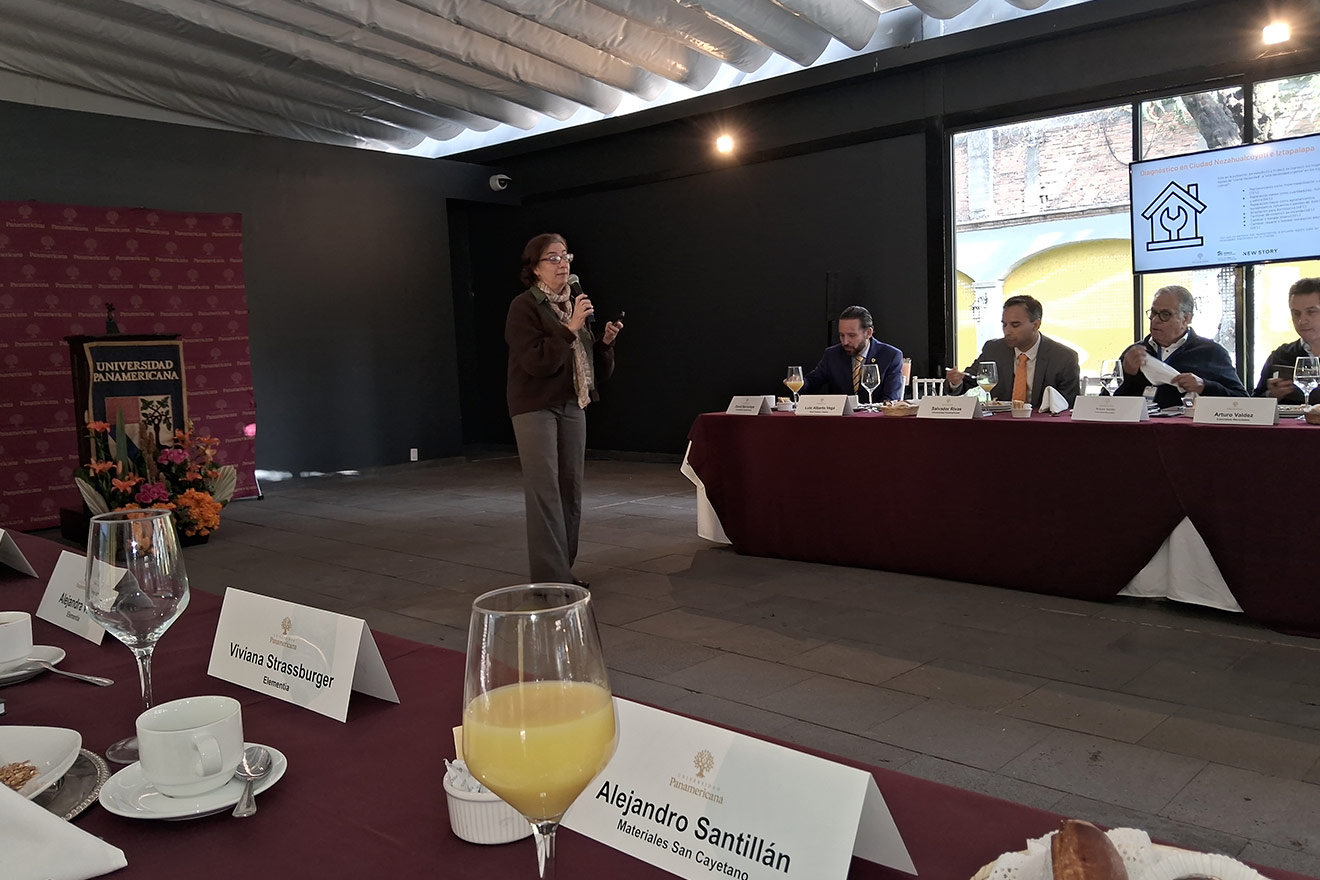
On August 31, 2023, they shared the results of this research with various stakeholders in the housing sector, with the aim of joining forces to meet the sector’s needs and promote the self-construction of quality housing for Mexico’s most disadvantaged communities.
The Importance of Self-Built Housing
Self-build housing is a process in which families make key decisions, such as the design, the location of the site, the construction, the materials, and the supervision of the work.
This methodology draws on the existing resources of families and their communities, generating flexible solutions that adapt to families’ changing needs and financial capabilities (SEDATU 2021. Self-Production of Adequate Housing in Mexico. GIZ).
Of the 35.3 million homes, 65.4% were purchased with personal funds, and approximately 20 million Mexican families build their own homes (INEGI, 2020). However, only 6% of these homes were built with professional technical guidance, which results in higher costs and makes them structurally vulnerable to natural disasters.
It is not simply that these homes are basic or lack basic services; rather, they are at risk from earthquakes, hurricanes, floods, and other natural disasters.
A problem to solve
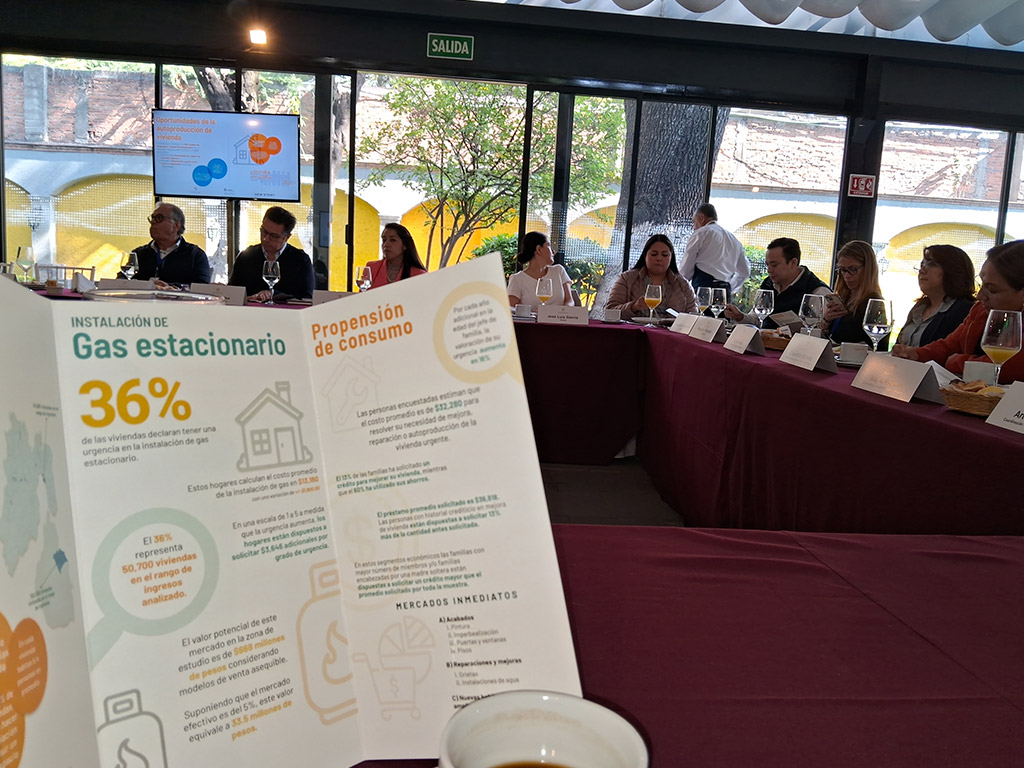
This problem is particularly evident in urban and peri-urban areas, where families build their homes incrementally, based on their needs and available resources. As families grow, this leads to homes housing multiple households, which in turn creates challenges such as a lack of functionality, livability issues, and, in some cases, structural defects.
Overcrowding, a lack of basic services, and poor housing conditions have a negative impact on health and family life, and also increase the risk of losing all one’s possessions in the event of a natural disaster, thereby perpetuating the cycle of poverty.
The UN 2030 Agenda recognizes the importance of good-quality, sustainable housing, as this has a positive impact on all the Sustainable Development Goals.
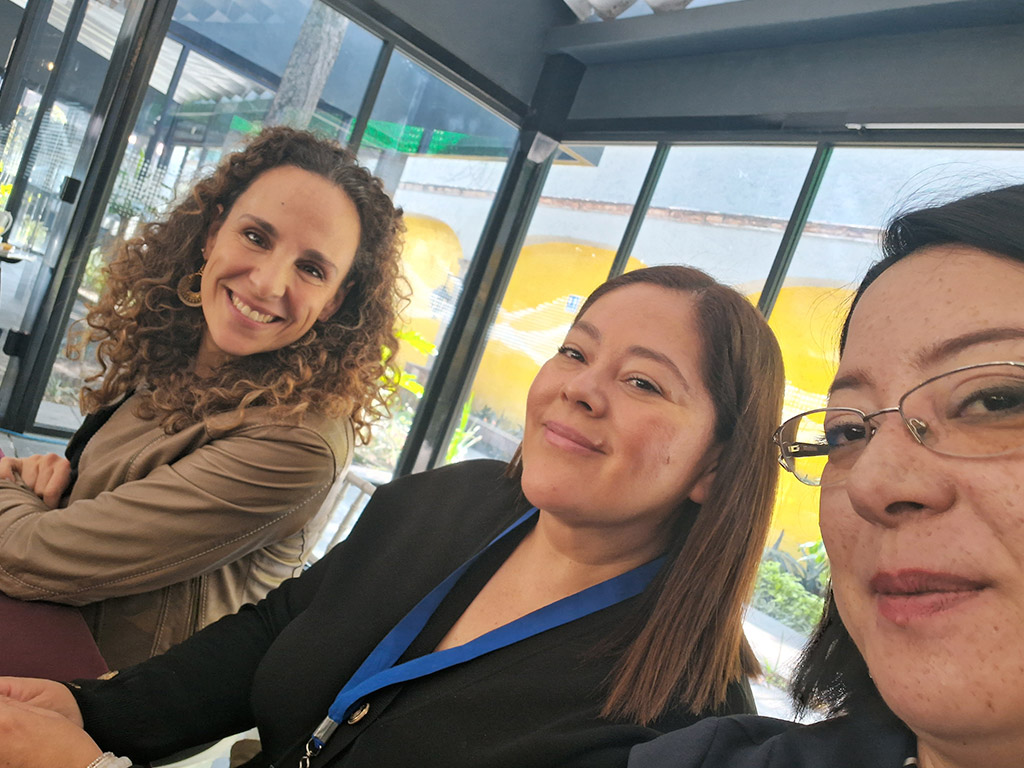
To address this issue, representatives from organizations and companies involved in housing construction and renovation were invited to the meeting, with the aim of gaining a better understanding of this sector and the opportunities offered by the self-build market.
The goal is to collaborate on the creation of new business models that meet the needs of these families while also being profitable for companies, thereby establishing a mutually beneficial relationship.
We would like to thank ANIVIP, Cemex, Concretos Reciclados, Convives, the National Coordination for Self-Help Housing (INFONAVIT), Elementia, Materiales San Cayetano, MiCRO (Microinsurance Catastrophe Risk Organization), and Alener for their participation in this initiative.
Learn more about the Center for Entrepreneurship and Innovation at the Universidad Panamericana : https://www.up.edu.mx/vida-panamericana-centros-centro-de-emprendimiento/