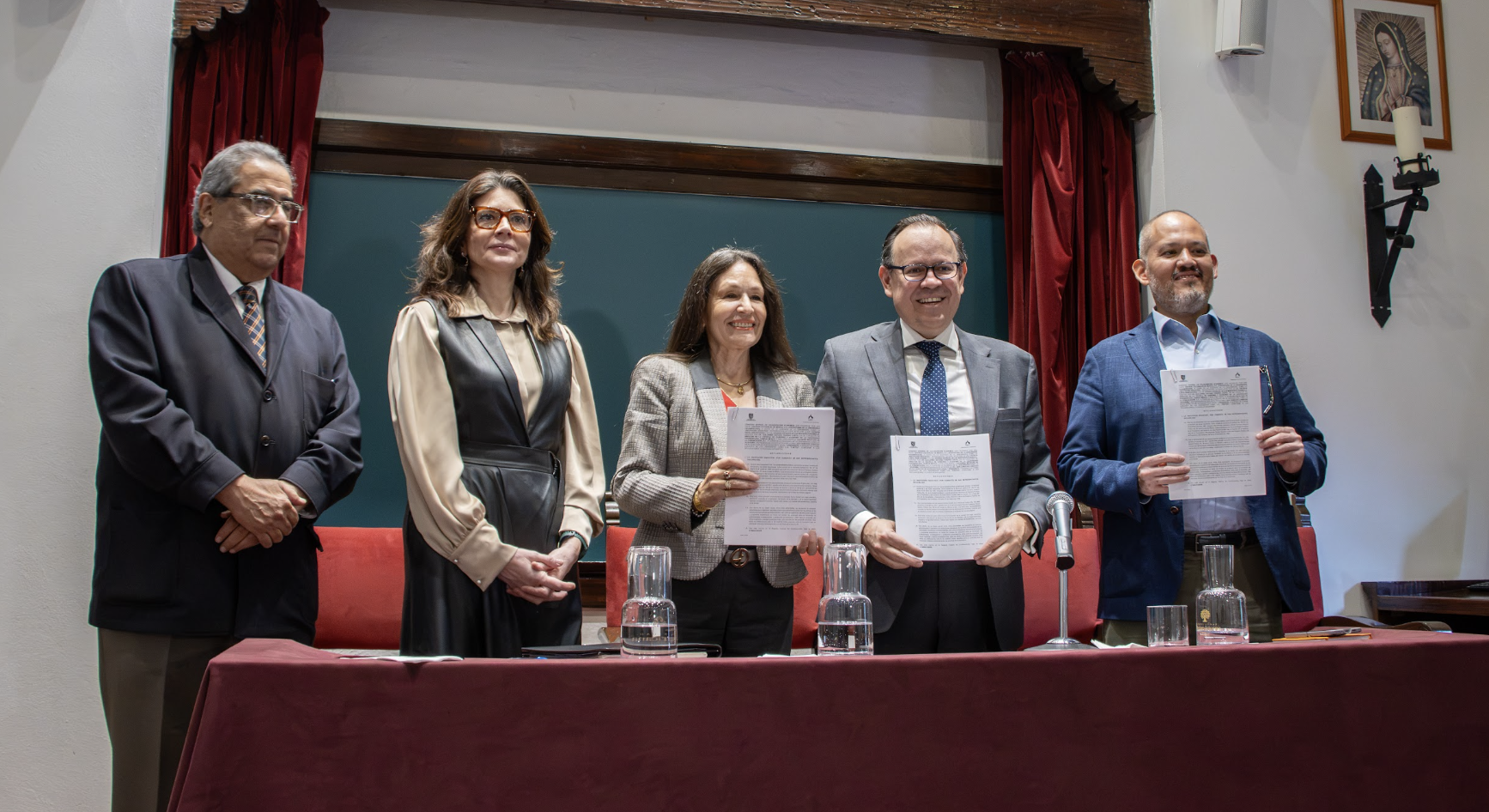
On October 30, Fundación MAPFRE and Universidad Panamericana presented the impact of its MAPFRE-UP Community Center, based in Santa Fe, Mexico City, in an evaluation that highlights how this partnership has benefited the community since its founding in 2015.
The study showed that the beneficiaries’ quality of life has improved by 29% in health, personal development, and digital access between 2022 and 2024, an achievement that positions the MAPFRE-UP Community as a benchmark initiative worldwide.
With more than 536,000 visits to children, young people, adults, and the elderly, the center offers essential health, nutrition, education, legal advice, and psychosocial care services.
Evaluation and Results: Methodology That Makes a Real Difference
The research, led by Dr. Marisol Velázquez and Dr. Lorena de la Torre, was conducted using a quantitative methodology aligned with the World Bank and the Inter-American Development Bank (IDB) standards, which made it possible to accurately assess the actual impact on the beneficiary population.
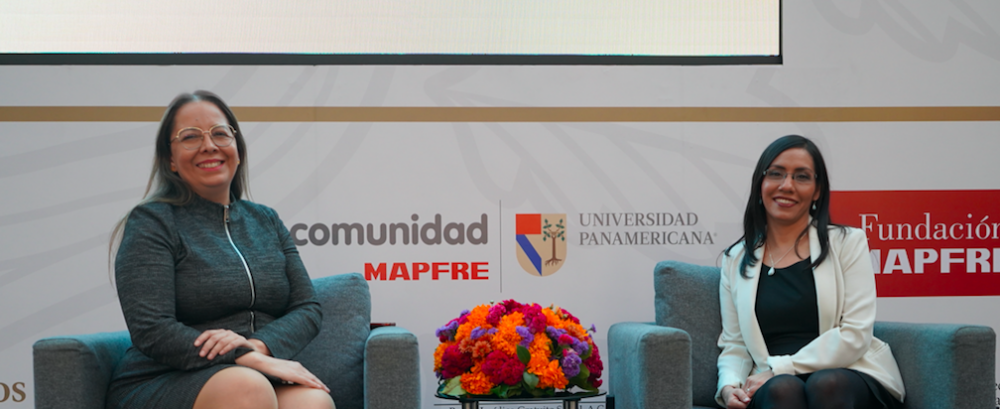
The researchers, who based their analysis on the UN Sustainable Development Goals (SDGs), noted that the MAPFRE-UP Community Center contributes to ending poverty, ending hunger, and promoting good health and well-being.
“A commitment to ongoing evaluation is key to determining whether programs are actually achieving their objectives and helping to reduce poverty and improve the quality of life in vulnerable communities,” said Dr. Velázquez.

The results exceed the average impact of similar programs worldwide, establishing the MAPFRE-UP Community as an effective and replicable model of social intervention.
Social Commitment and the Future of the Project
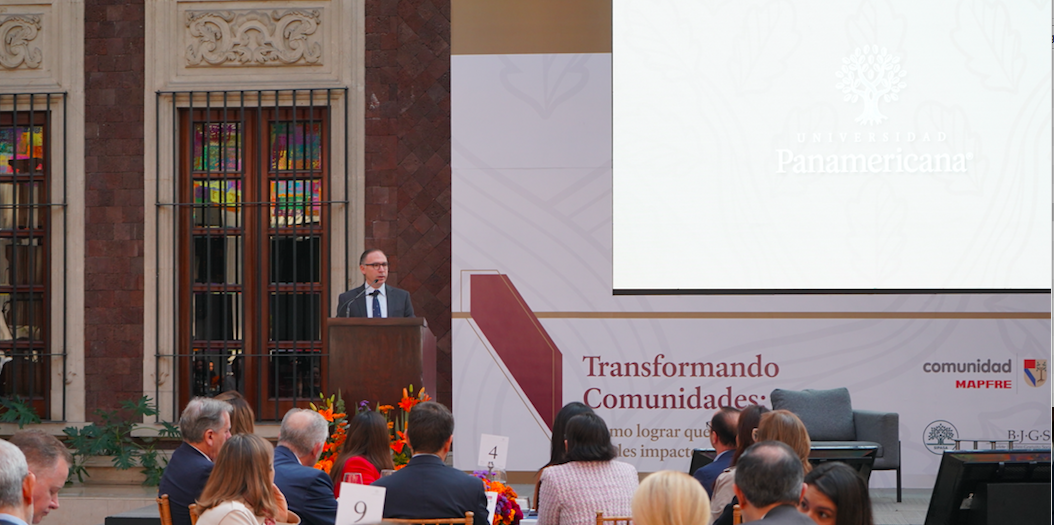
During the event, Dr. Santiago García Álvarez, rector of the Mexico City campus of Universidad Panamericana, highlighted the importance of smart social investment and accountability, which enables institutions to continuously improve their contributions.
“The involvement of researchers ensures that rigorous methods capable of measuring impact and identifying areas for improvement are implemented in each community,” said Dr. Garcia.
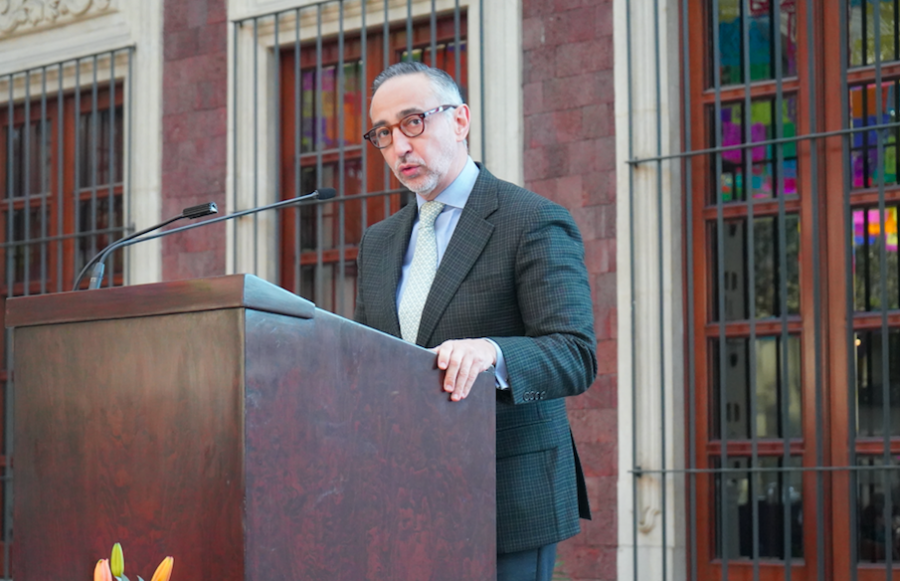
Alfredo Bonifaz, a member of the MAPFRE-UP Community Board of Governors, expressed Fundación MAPFRE’s satisfaction at being part of this social impact project.
“We are proud to be part of initiatives like this one that promote the well-being of Mexicans. Investing in the development of our communities is essential for Mexico’s future,” he said.
A Transformed Community: Testimonies and Challenges
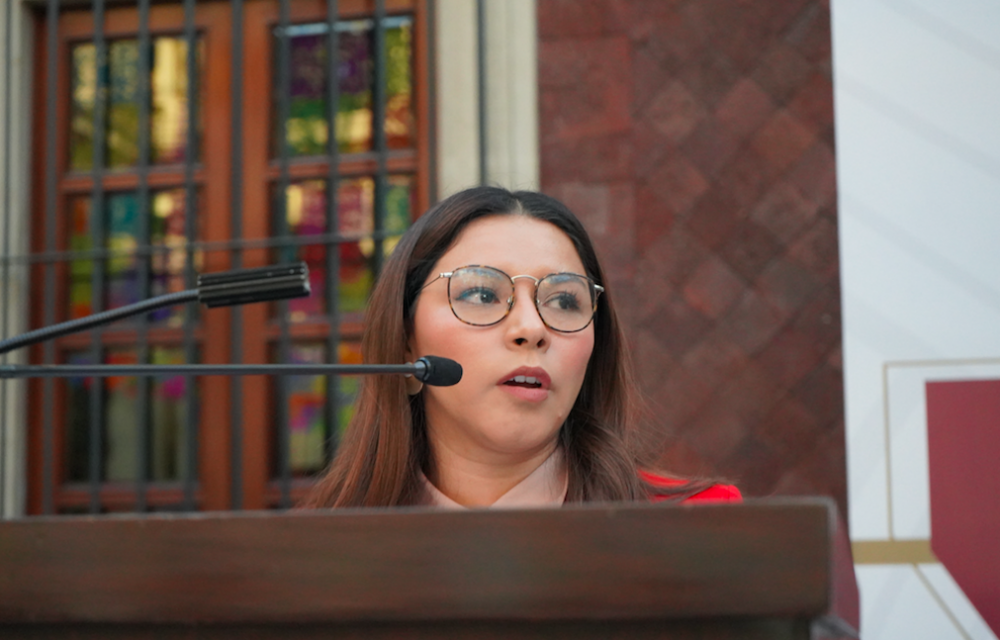
Mónica Torres Cárdenas, director of the MAPFRE-UP Community Center, shared the mission that has guided the center since its inception. Inspired by the values of hospitality and service, she explained that the project was designed to transform lives in a holistic way.
“Santa Fe has always been known for its commitment to build a united and supportive community. Although we have made great progress, we continue to face social challenges that can only be overcome with the collaboration of institutions committed to the development of our country,” she added.
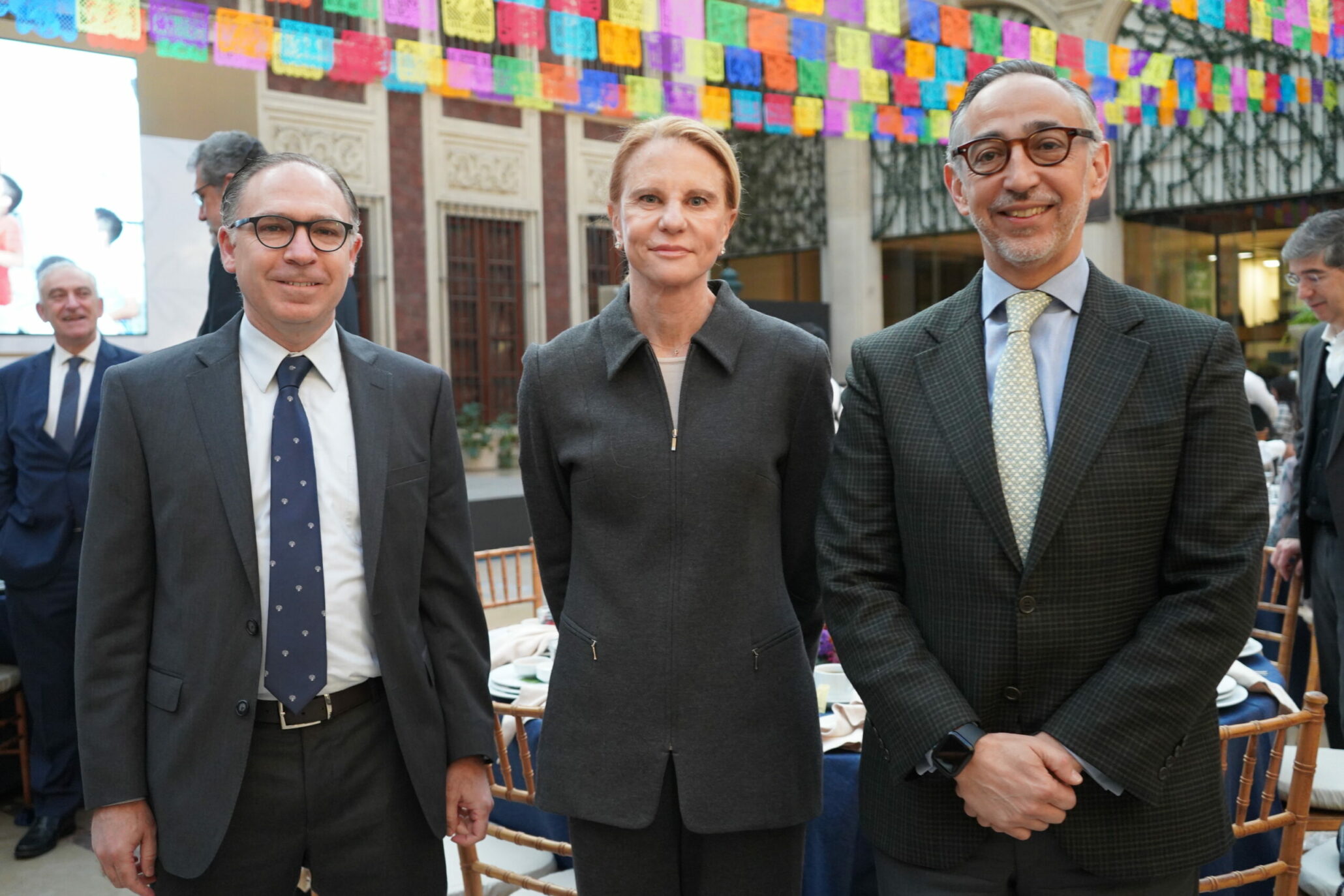
The event brought together executives and students from Universidad Panamericana, members of MAPFRE Mexico’s Management Committee, business leaders, donors, members of civil society organizations, and other stakeholders interested in replicating this type of model in other communities.
The attendees agreed that the partnership between Fundación MAPFRE and Universidad Panamericana a standard of commitment and social responsibility that strengthens Mexican society at a time of great change.
Prospects and Future Projections
This study illustrates how the MAPFRE-UP Community Center has become a driving force for sustainable development in Santa Fe through a model that integrates education, health, and psychosocial support.
With a robust methodology aligned with the SDGs, the center continues to be a place that offers opportunities and hope, especially for those segments of society that face barriers to accessing basic services.
As Alfredo Bonifaz stated in his speech: “The need to invest in projects with real impact has never been more urgent. We remain committed to building a better future for Mexican communities.”
Learn more about the study and its findings at: https://www.mdpi.com/2071-1050/16/18/7894