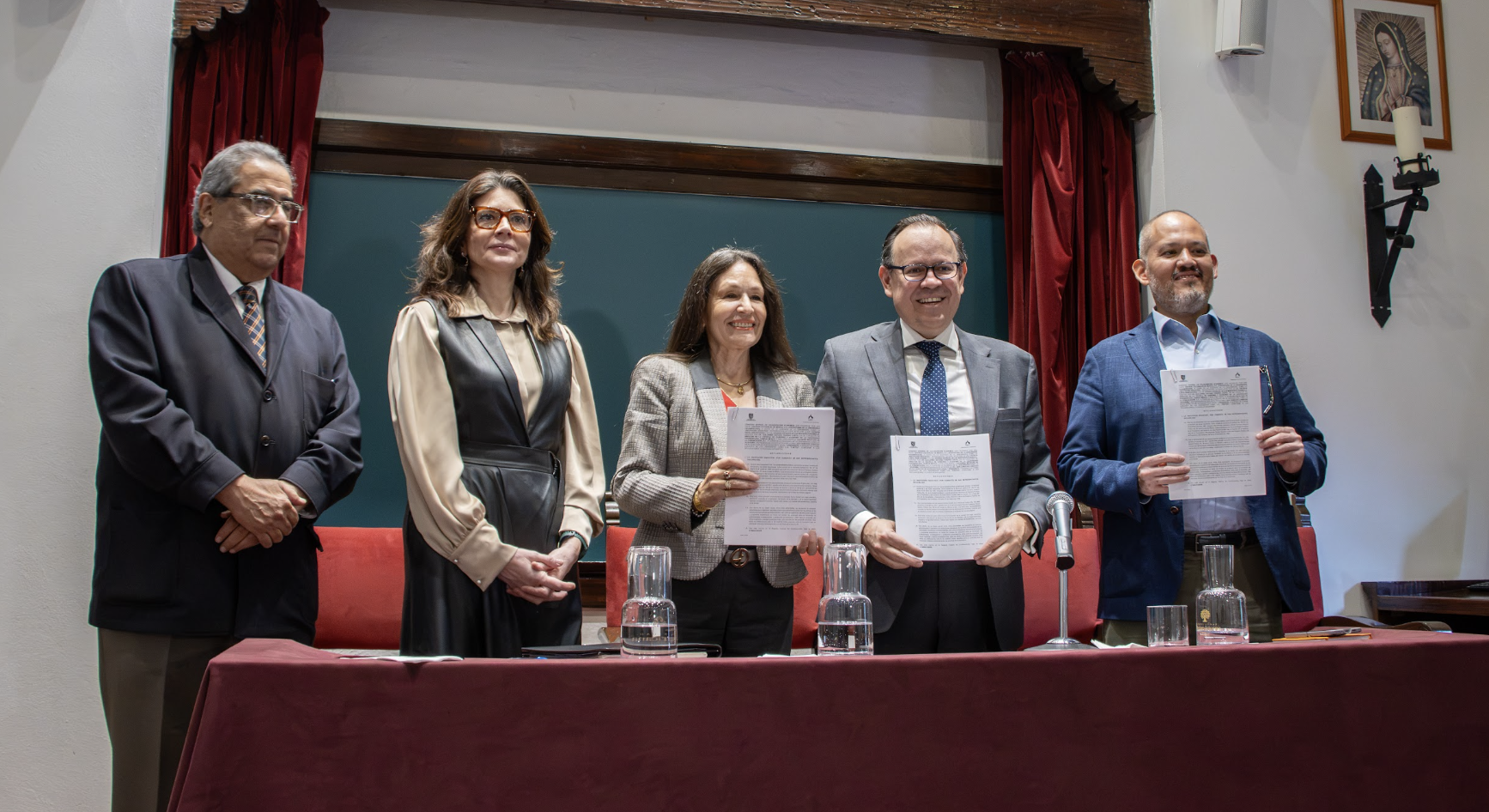
The Universidad Panamericana reaffirmed its commitment to applied research and international cooperation by successfully concluding the Indigenous Food Systems for Climate Justice project, a trinational academic initiative developed in collaboration with Kent State University (United States) and the University of Alberta (Canada).

The project, led by Dr. Salvador Rivas Aceves, a professor at the Faculty of Economic and Business Sciences, Mexico City campus, was supported by the 100K Strong in the Americas program.

This initiative focused on the fundamental role of Indigenous food systems as a means to promote climate justice and the design of more inclusive and sustainable public policies.
Research in indigenous communities in Mexico and Canada
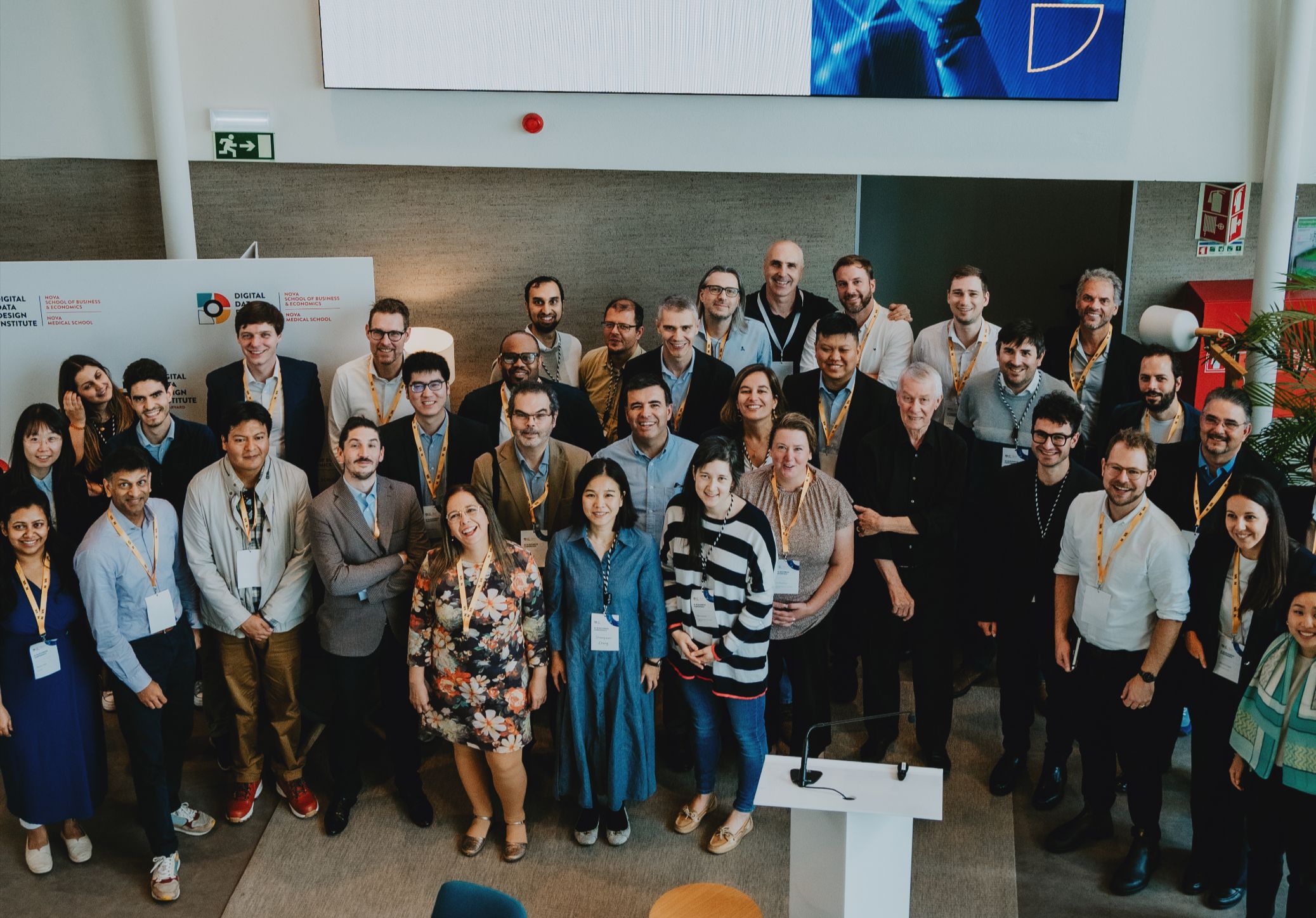
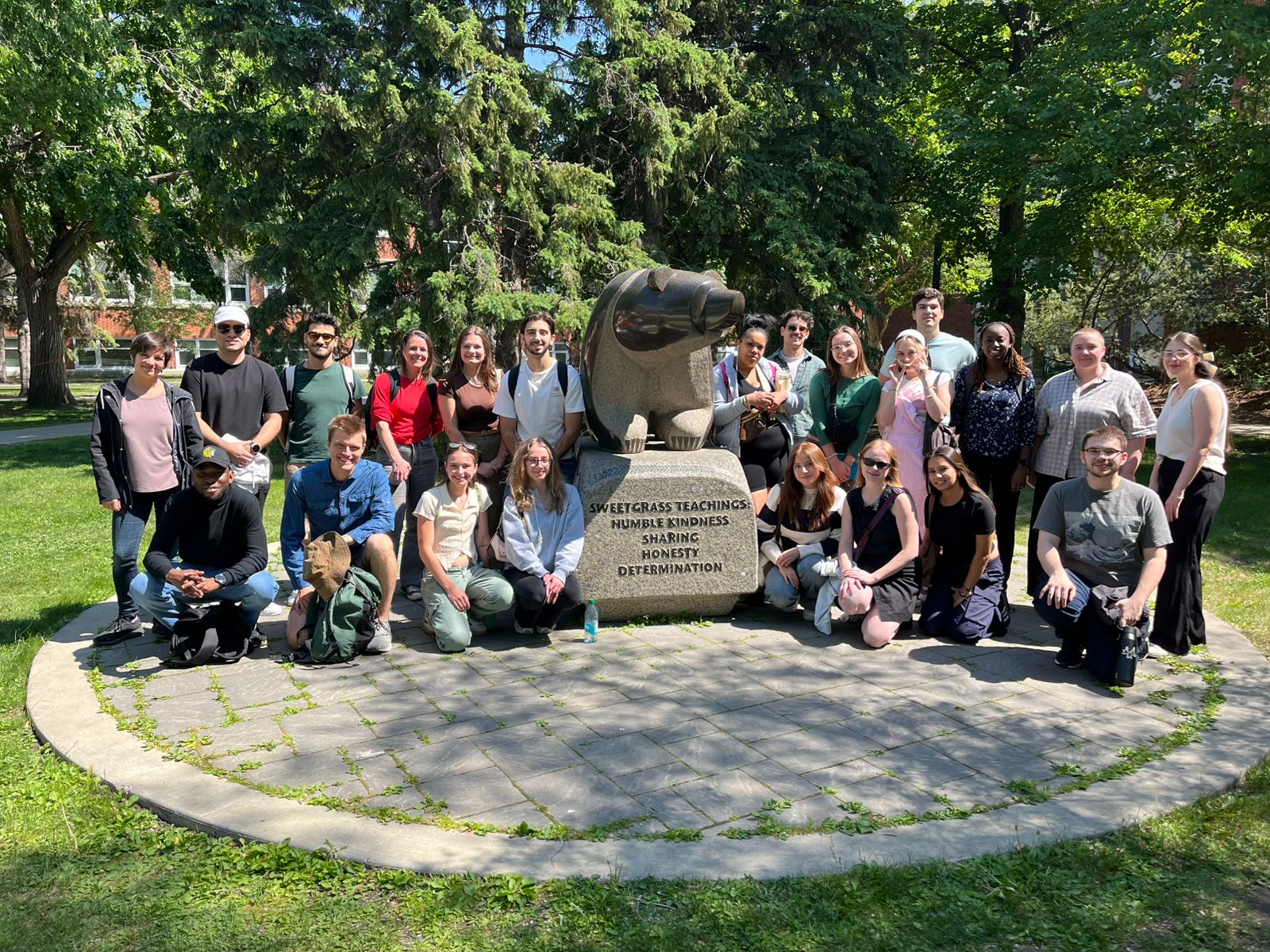
As an essential part of the project, students and professors from Panamericana, along with their counterparts from Kent State University, travelled to Canada from June 8 to 15, 2025, where they conducted academic and research activities in Indigenous communities in Saskatchewan and Alberta.

During the first few days, participants received specialised training in critical and Indigenous social research methods, as well as in cultural awareness. They also attended lectures given by experts in food policy and Indigenous food sovereignty.
Subsequently, they visited Indigenous government offices, community farms, schools, and cultural centres, where they conducted 10 interviews with local producers and 2 with public policy officials.
In addition, they actively participated in agricultural tasks and cultural practices, enriching their understanding of the relationship between cultural preservation, community resilience, and environmental care.
Shared results and reflections
Students led the analysis of the information gathered and presented their findings in a dialogue space with community leaders in Canada, also sharing experiences previously acquired in Xochimilco, Mexico.
This exchange allowed them to contrast contexts, identify common challenges, and recognise best practices regarding Indigenous agriculture and the defence of food sovereignty.
The project leaves a legacy of valuable comparative learning between communities in Mexico and Canada, along with a critical analysis of the historical and contemporary policies that have impacted Indigenous peoples.
A trinational alliance with global impact
Beyond the academic results, the program strengthened the institutional and community alliances between the Universidad Panamericana, Kent State University, and the University of Alberta, laying the groundwork for future joint research and social action projects.
True to its mission of forming leaders committed to the common good, the Universidad Panamericana will continue to promote international initiatives that advance sustainability, social justice, and innovation in public policies.
Projects like Indigenous Food Systems for Climate Justice demonstrate that collaborative research and intercultural training are key for a fairer future.Learn more about the Universidad Panamericana’s research projects at: https://www.up.edu.mx/investigacion-noticias/