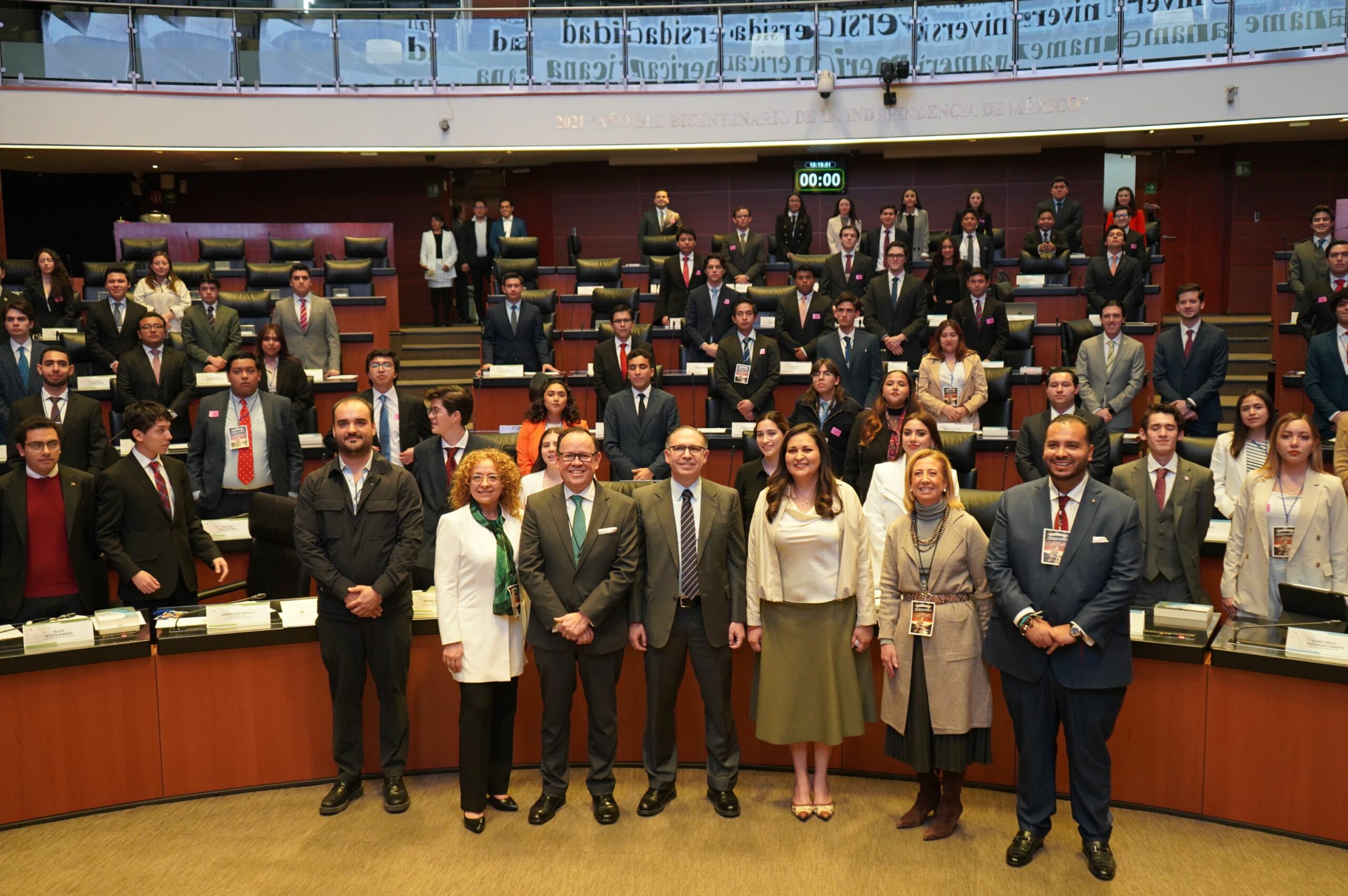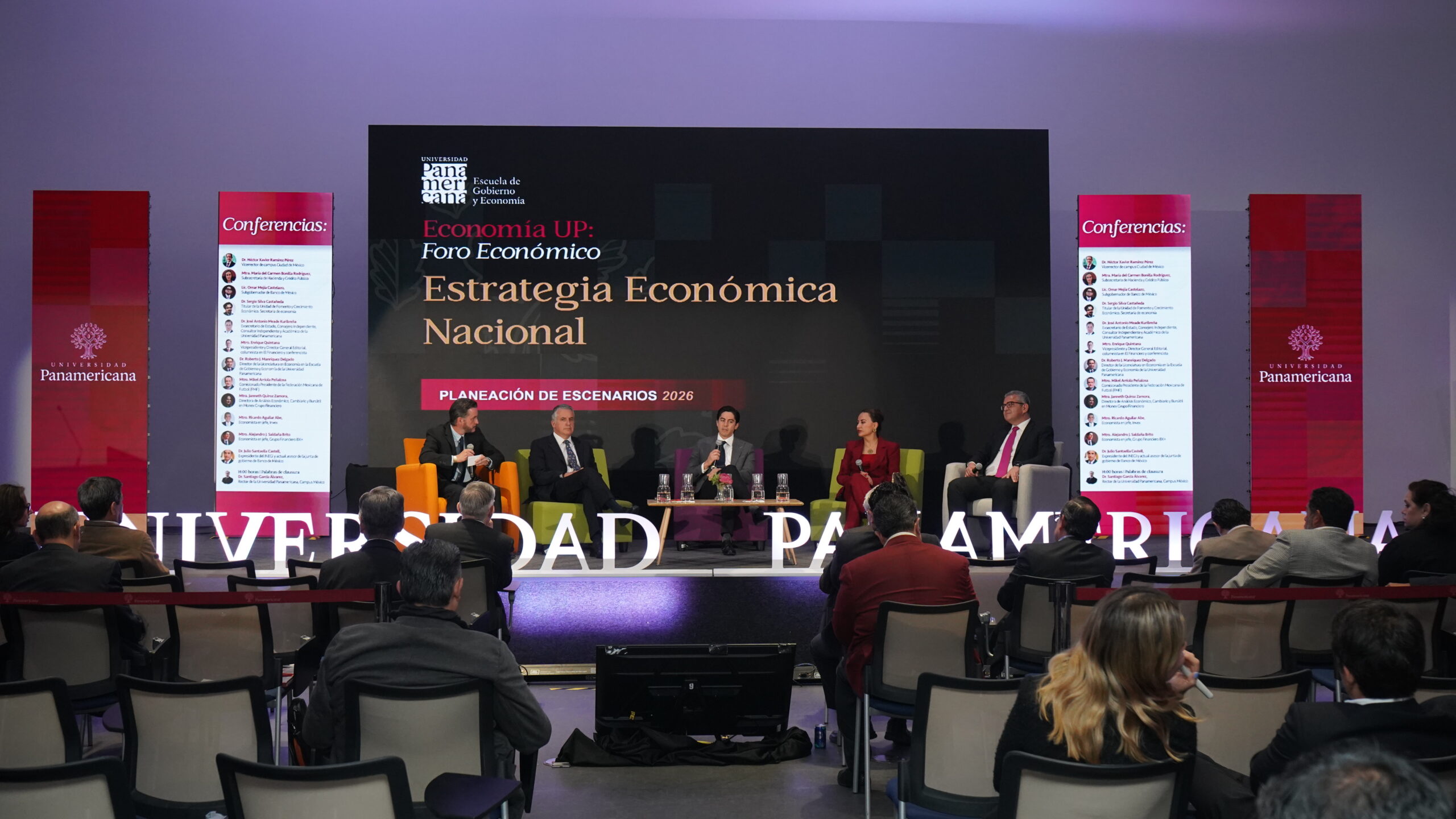
Mexico City, November 20, 2025. Ina global context marked by uncertainty and the reconfiguration of value chains, the Universidad Panamericana established Universidad Panamericana as a space for dialogue and foresight with the Economic Forum: National Economic Strategy. Scenario Planning 2026.
Organized by Economía UP, the event brought together key players from the public, financial, industrial, and academic sectors to chart a roadmap for the coming year.
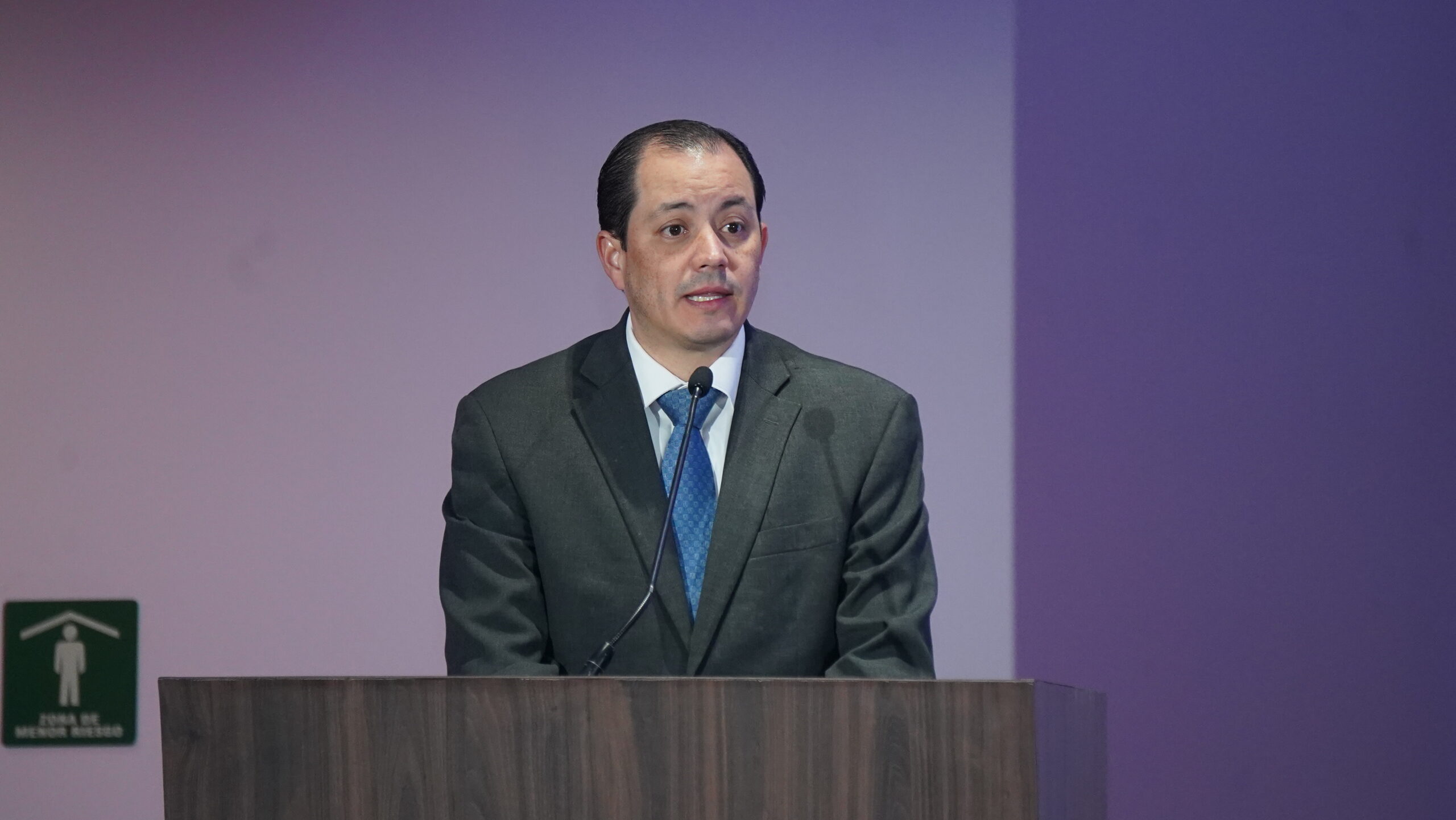
Dr. Héctor Xavier Ramírez Pérez, vice-chancellor of the Panamericana campus in Mexico City, opened the proceedings by emphasizing the urgency of making strategic decisions based on technical analysis. "This forum turns complex information into applicable strategies. Our university stands as a neutral platform to boost national competitiveness," he said.
The government's vision: resilience and the pillars of Plan Mexico
María del Carmen Bonilla Rodríguez, Undersecretary of Finance and Public Credit, presented a positive outlook at the conference. 2025-2026 Economic Plan: Outlook and Analysis. She highlighted the 1% growth projected for 2025, domestic consumption 20% above the historical average, and a record unemployment rate of 3%.
Bonilla emphasized the key points of Plan Mexico: value-added industrial development, logistics infrastructure, and tax incentives for SMEs, all supported by the country's network of trade agreements and macroeconomic stability.
Monetary and industrial policy: short-term challenges
At the conference Monetary Policy in Mexico: Outlook and Analysis 2026,Omar Mejía Castelazo, Deputy Governor of Banxico, offered a rigorous technical analysis. He mentioned an overall inflation rate of 3.57% with persistence in services, which requires "calibrated reductions" in interest rates. He emphasized the importance of the differential with the United States and the implicit coordination with fiscal policy.
Sergio Silva Castañeda, head of the Economic Growth Unit at the Ministry of Economy, outlined the2026 Industrial Policy. The objectives are clear: to promote technological industrialization (semiconductors, electromobility), guarantee strategic security, and generate immediate employment. He also warned of risks such as trade tensions and limited technical capabilities.

Foreign trade and the challenges of the USMCA
On the panel Mexico's Trade and Industrial Policy: Outlook and Analysis 2026, Dr. Roberto J. Manríquez Delgado, Director of Economics at UP, emphasized the importance of quickly articulating mechanisms that promote economic growth, as well as the importance of a favorable review of the TMEC to increase the competitiveness of the North American region and give new impetus to nearshoring in Mexico.
Dr. José Antonio Mead Kuribeña, former Secretary of State and Pan-American academic, pointed out the growth gap (0.5% nationally vs. 3.2% globally), the paradox of a thriving export sector held back by a stagnant energy sector, and Pemex's critical fiscal crisis.
He also warned of structural challenges such as lack of continuity in infrastructure, policy misalignment, and institutional uncertainty, which require coordinated action to reduce risks and boost investment.
Enrique Quintana, vice president and editorial director of El Financiero, highlighted the drastic change in the global trade environment, marked by historic protectionism in the United States. He emphasized that Mexico has a comparative advantage as the leading exporter and second-largest importer of U.S. products.
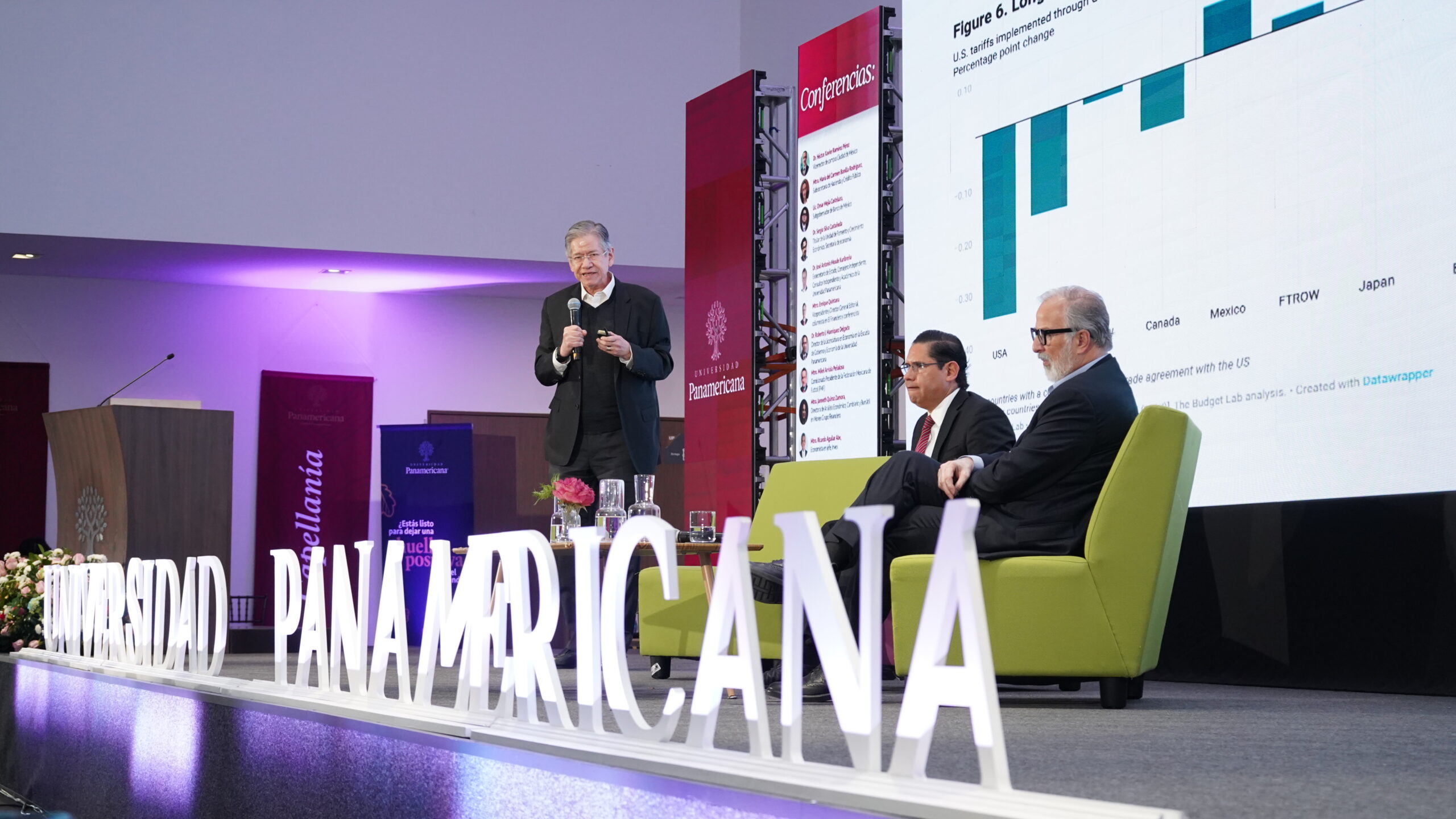
However, he warned that this dependence on a single market (85%) carries risks that must be managed strategically, especially in light of the upcoming renegotiation of the USMCA in 2026.
The 2026 World Cup as an economic driver
At the conference The Economy of the 2026 World Cup in Mexico,Mikel Arriola Peñalosa, president of the Mexican Football Federation (FMF), outlined his vision of the 2026 FIFA World Cup as an unprecedented economic catalyst ."It will be the largest sporting event in history, and for Mexico it is a unique opportunity,"he declared.

Arriola broke down the impact: $3 billion in economic activity, a 40% uptick in tourism, and the launch of "System 365" to capitalize on the event's legacy. He warned, however, of two possible scenarios: a positive performance that would double resources for sports development, or a negative one that would represent a missed historic opportunity.
Expert panels: an urgent diagnosis
On the panel Economic Outlook for Mexico for Strategic Planning 2026,"Janneth Quiroz, director of Economic, Exchange Rate, and Stock Market Analysis at Monex Financial Group, analyzed a global environment of low growth and geopolitical tensions .
He warned that inflation in Mexico could close at 3.75%, with pressures on goods and food, and that the country will have to face risks arising from the World Cup and tariffs, while maintaining fiscal discipline. He also stressed that macroeconomic stability is an essential condition for social development.
For his part, Ricardo Aguilar Abe, chief economist at Invex, identified that artificial intelligence is weakening employment and exposing structural weaknesses, although the main risk is the flight of investment to the United States.
He mentioned that low domestic demand and external shocks are delaying inflationary convergence, with growth estimates of only 0.3% in 2025 and 1.0% in 2026, and therefore urged the strengthening of competitiveness, security, and investment conditions.
Alejandro J. Saldaña Brito, chief economist at Grupo Financiero BX+, argued that growth will be limited due to stagnant inflation, supply shocks, and low productivity, compounded by security issues and fiscal constraints.
Meanwhile, Dr. Julio Santaella Castell, former president of INEGI and current advisor to the governing board of Banco de México, agreed with the diagnosis of limited growth and persistent inflation, pointing out the contradiction between a strong external sector and weak domestic demand.
Commitment to the economic future
At the close of the forum, Dr.Santiago García Álvarez, rector of the Universidad Panamericana Mexico City Universidad Panamericana , stated: "This forum reflects our academic community's commitment to Mexico's future and will become an annual tradition.".

The 2026 Economic Forum at the Universidad Panamericana it clear that, in the face of a challenging scenario, informed dialogue and strategic planning are the most valuable tools for navigating the future.
Learn more about the School of Government and Economics at: https://www.up.edu.mx/educacion-universidad-escuela-de-gobierno-y-economia/