Aguascalientes, Aguascalientes; December 24, 2025.— Christmas is much more than a family celebration or a cultural tradition: it is a deeply human and spiritual event that has spanned centuries of history.
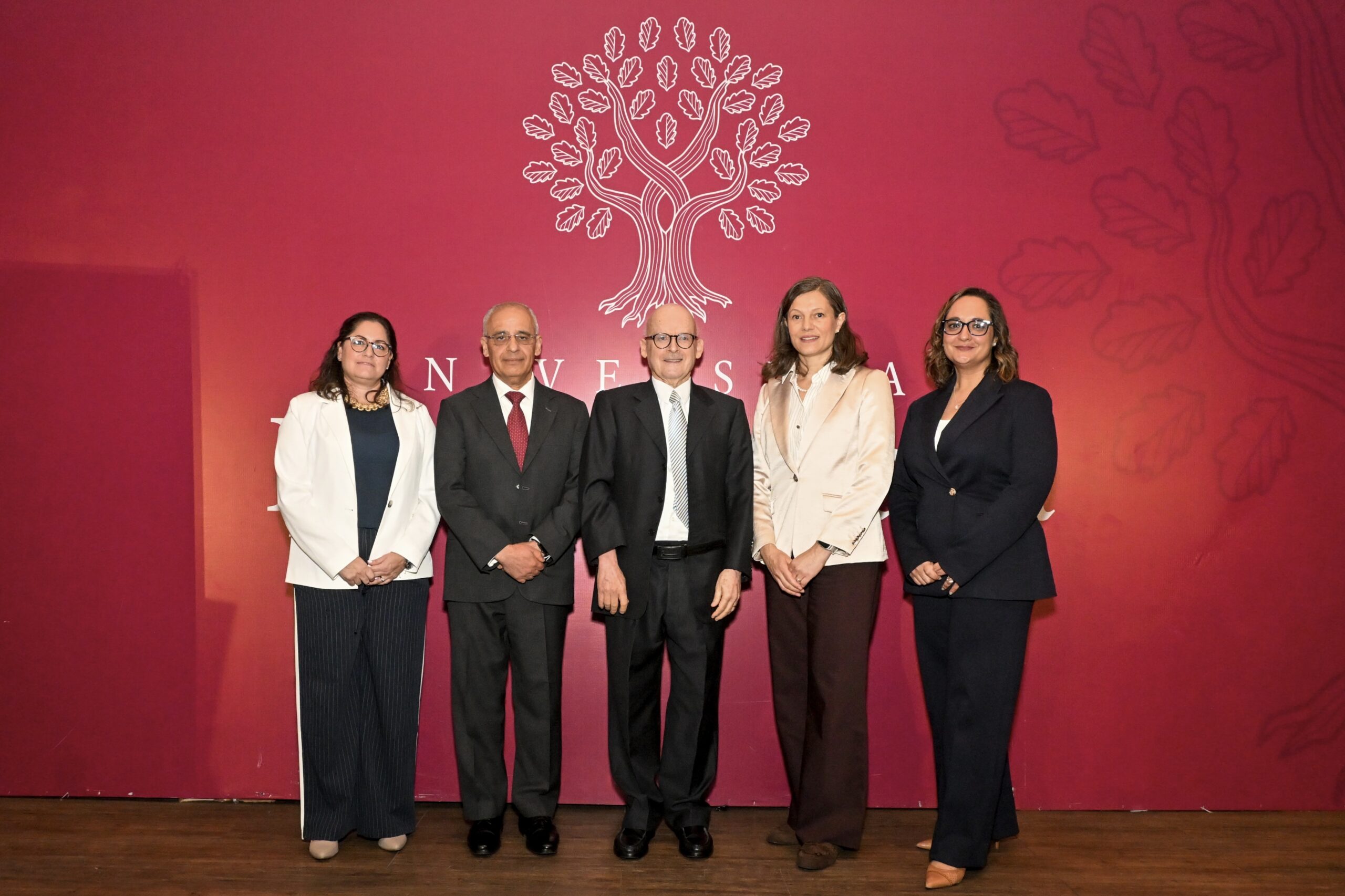
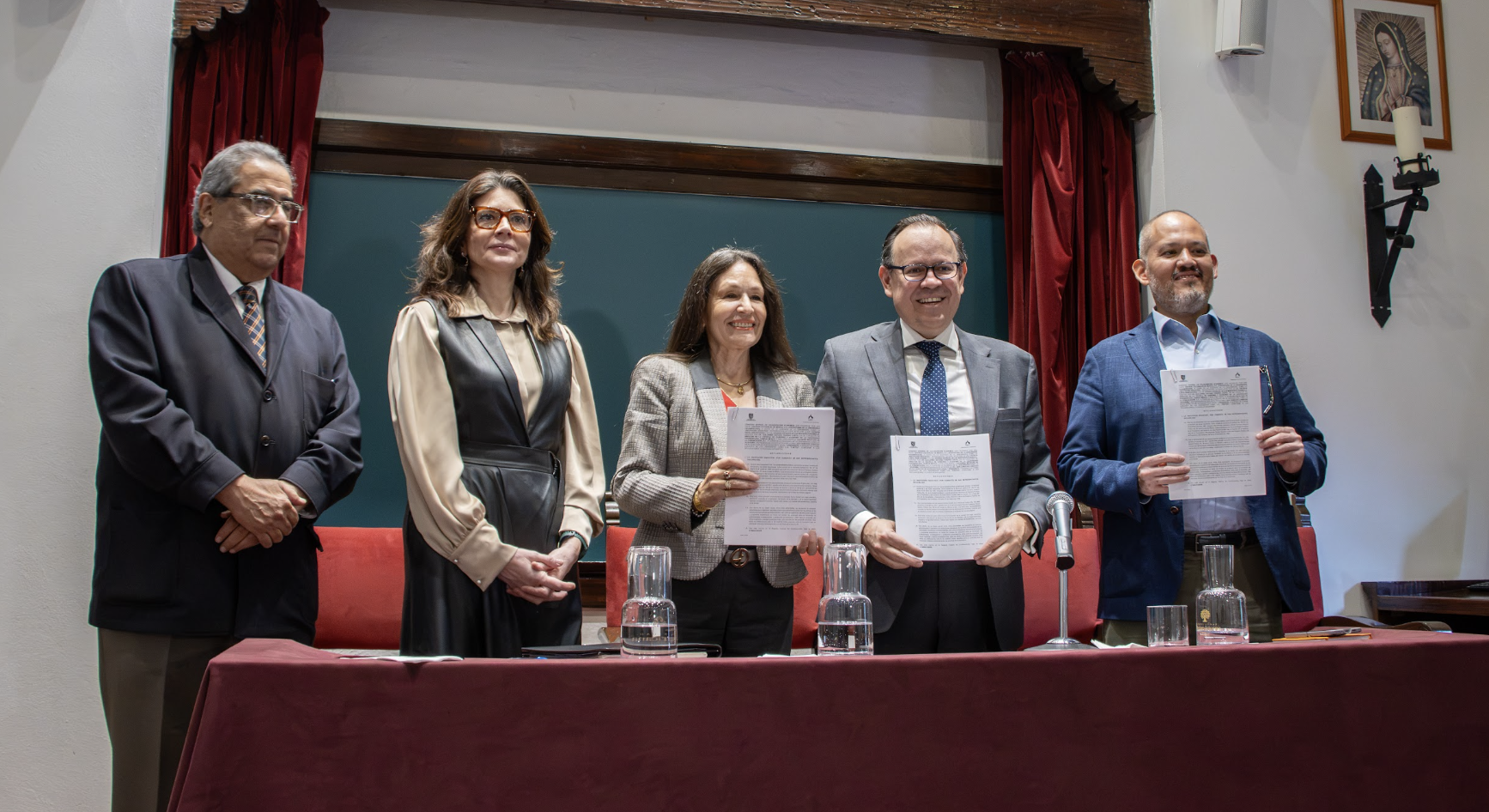
To explore this richness, we spoke with two representatives from the Universidad Panamericana Aguascalientes Universidad Panamericana : Dr. Federico Nassim Bravo Jordán, Secretary of Research at the Institute of Humanities, and Rev. Luis Felipe Quesada Pérez, the campus’s senior chaplain. Together, they offer a comprehensive perspective that helps us understand how Christmas connects the passage of time with the deepest meaning of faith.
The historical origins of the Christmas celebration and its cultural significance
Although the birth of Jesus is recounted in the Gospels, Dr. Nassim explains that Christmas was not a central holiday from the beginning. “For early Christians, the decisive day was the Resurrection. The birth of Christ was not a priority on their calendar,” he explains. Over the centuries, as Christianity grew, the Church structured its liturgical calendar and incorporated the celebration of the Nativity.
Throughout this process, various cultures have left their mark on the way the holiday is celebrated. A notable example is the Christmas tree, which has its roots in Nordic traditions that celebrated the winter solstice.
“The Norse would cut down a pine tree and bring it into their homes. Because pine trees never lose their needles, this symbolized that even in times of difficulty, something always remained alive,” explains Dr. Nassim. Over the centuries, this symbol made its way to England and, from there, spread to the rest of the world, retaining its meaning of life, hope, and renewal.

Modern Christmas: Family Togetherness and Hope
In addition, Dr. Nassim emphasizes that modern Christmas has also been shaped by more recent cultural trends. He explains that in the 19th century, particularly in the United States, a new interpretation of the holiday emerged that sought to present it as a time for family togetherness, solidarity, and community celebration.
““This modern image of Christmas—the lights, the colors, the festive atmosphere—is a cultural construct that was developed to convey a message of warmth and hope,” he notes.

Christmas as a convergence of faith, culture, and inner transformation
The incorporation of cultural traditions did not dilute the Christian meaning of Christmas, but rather enriched it, turning it into a bridge between history and spirituality. And it is precisely on that spirituality that Father Felipe focuses his attention: “What’s interesting from a religious perspective is believing it: is it really possible that God became man?” asks the chaplain.
For him, this event transforms our understanding of human beings and the world. “From that moment on, there is nothing human that does not have something divine in it. Christmas has transformed human reality.”
This transformation is not merely a theological concept, but a concrete invitation to prepare our hearts to welcome Christ. For this reason, Advent and the posadas—a deeply Mexican tradition—take on special significance.
Advent and the Posadas: Preparing the Heart
Father Felipe explains that the first days of Advent focus on the messianic prophecies, but starting on December 17, the liturgy shifts in tone.“The Gospel now recounts the events leading up to the birth: the genealogy, the conception, and the Virgin’s visit to Elizabeth,”he noted.
It is in this atmosphere of anticipation that the posadas emerge, their original purpose being to accompany Mary and Joseph on their journey in search of a place for Jesus. “The posadas represent that search, and symbolically, the Lord is also seeking a place in our hearts,” he says.
Even such popular items as the piñata carry deep symbolism. “They typically had seven points, representing the seven deadly sins. We hit them to say, ‘I want to renounce my sins so that Jesus can be born in my heart.’ And the candies are the gift that God wants to give us,” he notes.

Understood in this way, Christmas is not merely a historical commemoration or a festive celebration, but rather a path to inner transformation.
In this context, Father Felipe offers a reflection for those who are starting the new year still immersed in the Christmas spirit. He reminds us that on January 1, the Church celebrates Saint Mary, Mother of God, and highlights her unique closeness to Jesus: “No one has lived as close to Him as Our Lady… Do you want to live close to Jesus this year? Take her hand, because she will lead you to Him”.
This invitation is also supported by a striking fact: “A study of the 50 greatest saints in history revealed that they all had one thing in common: the Virgin Mary had helped them to know Jesus more deeply.”
An invitation to renew your life and faith
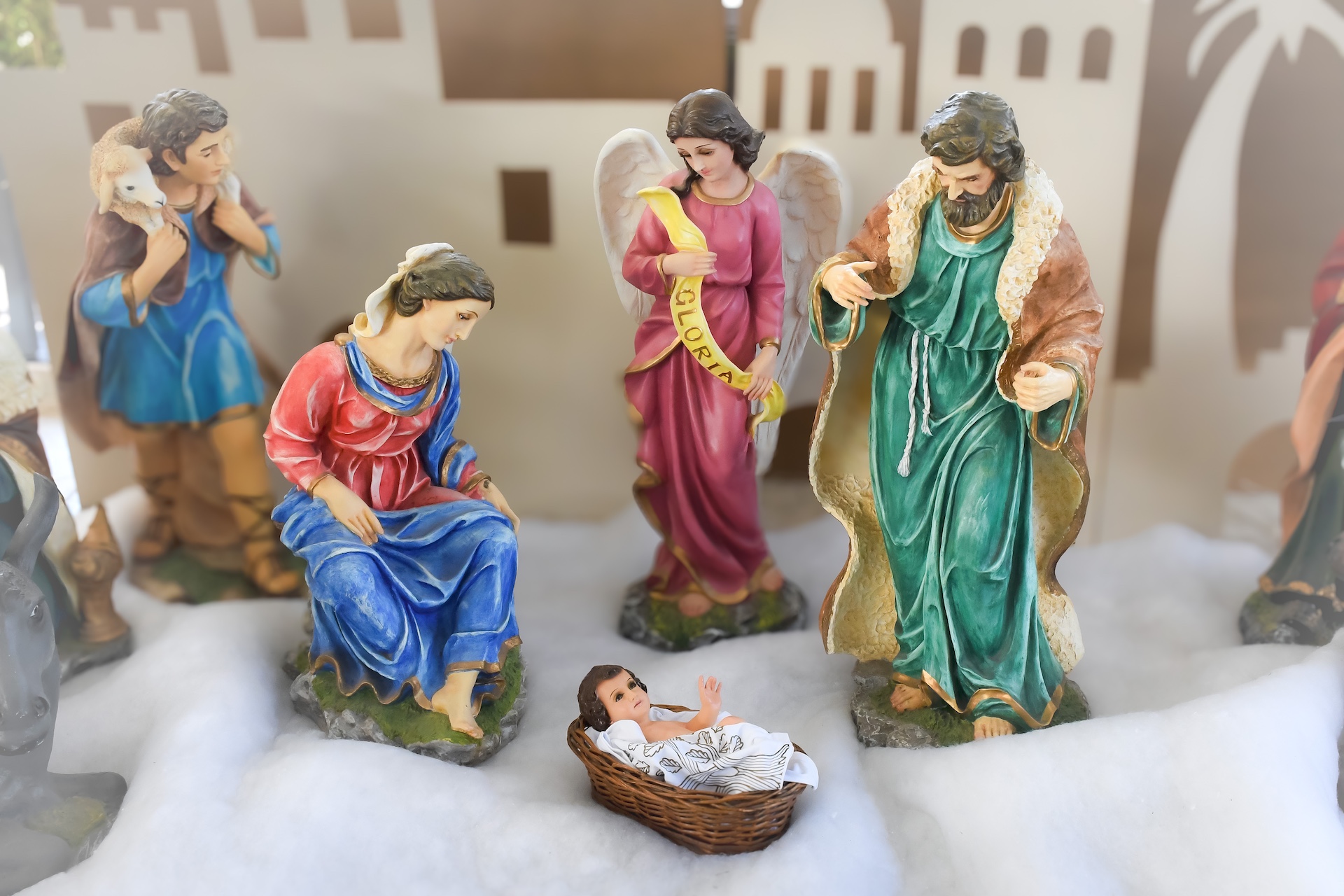
Thus, when viewed from both historical and religious perspectives, the Christmas season reveals a dual depth. On the one hand, cultural history has bequeathed traditions full of beauty—such as the Christmas tree, the posadas, the Nativity scene, and the Advent season—which express hope and community. On the other hand, the heart of the celebration recalls the mystery that gives it its origin: God entering human history to renew it from within.
As Fr. Felipe concludes, “it is beautiful that the new year begins surrounded by these festivities. Jesus comes and renews our lives”.