
Mexico City, October 29, 2026.— The Mexican Institute for Economic Research ( Universidad Panamericana ) presented the study "The 10 Industries of the Future in Mexico 2050", a study that identifies opportunities for productive development and the challenges the country must address to drive sustainable and inclusive economic growth over the coming decades.
Prepared by academics, students, and industry representatives, the document analyzes ten strategic sectors: health, energy, mining, advanced manufacturing and logistics, the digital economy, tourism, food, emerging technologies, water, and urban development. It also examines the conditions necessary to strengthen investment, competitiveness, innovation, and the creation of higher-value-added activities.

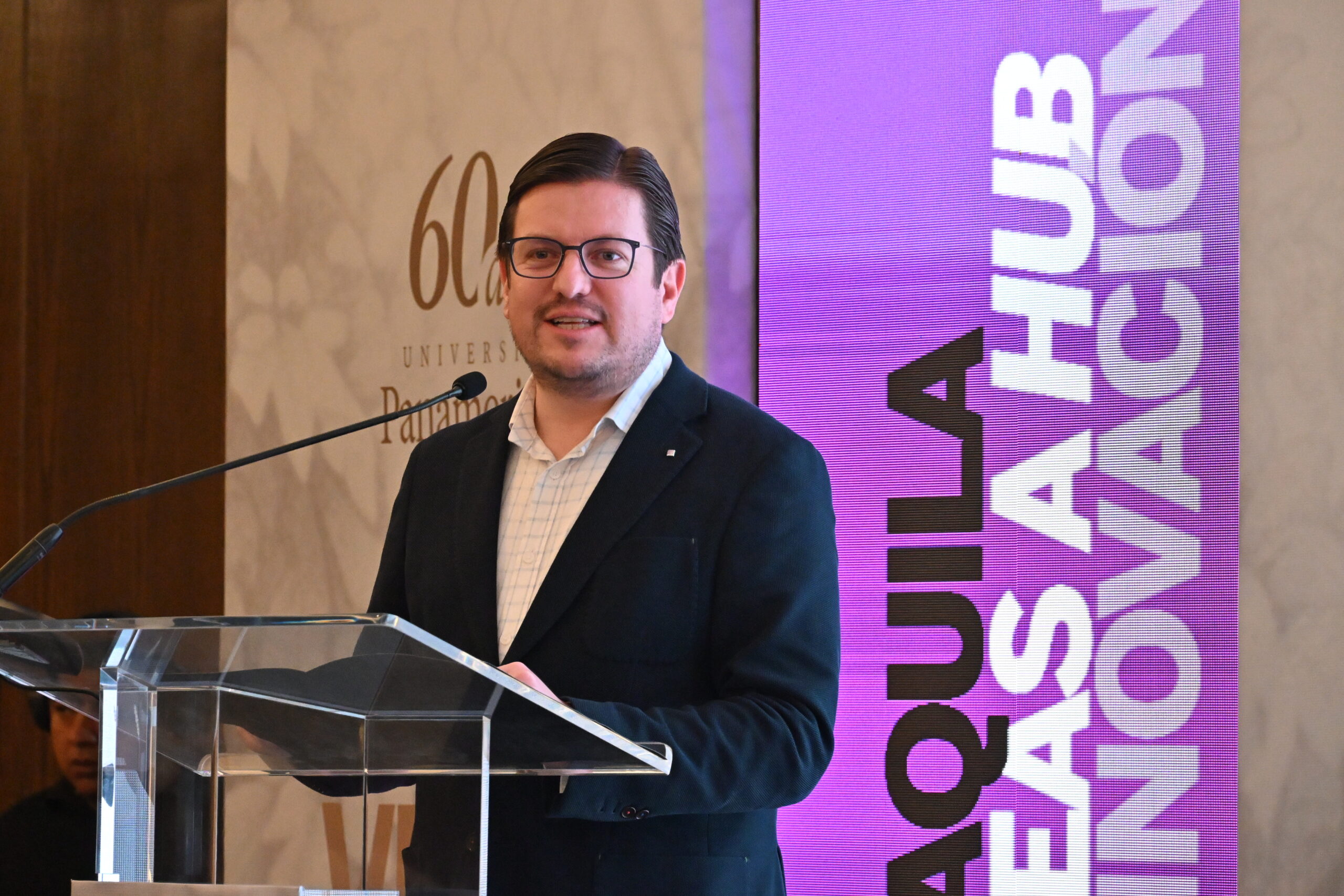
The presentation took place at the Club de Industriales, before business leaders, academics, and experts. During the event, Dr. Santiago García Álvarez, president of the Universidad Panamericana, Mexico campus, noted that this research represents a concrete contribution by the institution toward addressing the country’s economic and social challenges.
The 10 Industries of the Future in Mexico: Opportunities and Challenges Toward 2050
The study argues that Mexico's industrial development will depend both on its ability to attract investment and on the conditions necessary to channel that investment into productive activities that generate innovation and social well-being.
Among the main challenges identified are:
- Infrastructure: Strengthen the country's energy, water, and logistics capabilities.
- Talent Development: Bridging the Gap Between Available Professional Skills and Those Sought by New Industries.
- Technology adoption: promoting the integration of new technologies into production processes.
- Legal certainty and institutional continuity: creating conditions that foster long-term investment projects.
- Cross-sector collaboration: strengthening coordination among businesses, universities, and the public sector.
These factors will be crucial for Mexico to capitalize on opportunities in its productive sectors and strengthen its position in industrial supply chains.
Industrial opportunities have an expiration date
One of the overall findings of the research is that several of the identified opportunities have decision and investment horizons that converge between 2030 and 2035. This requires Mexico to move forward simultaneously on various fronts, rather than waiting to resolve one challenge before addressing the next.
The study also notes that digital transformation, talent development, sustainability, health, and well-being are cross-cutting factors that will influence the competitiveness of the industries analyzed.
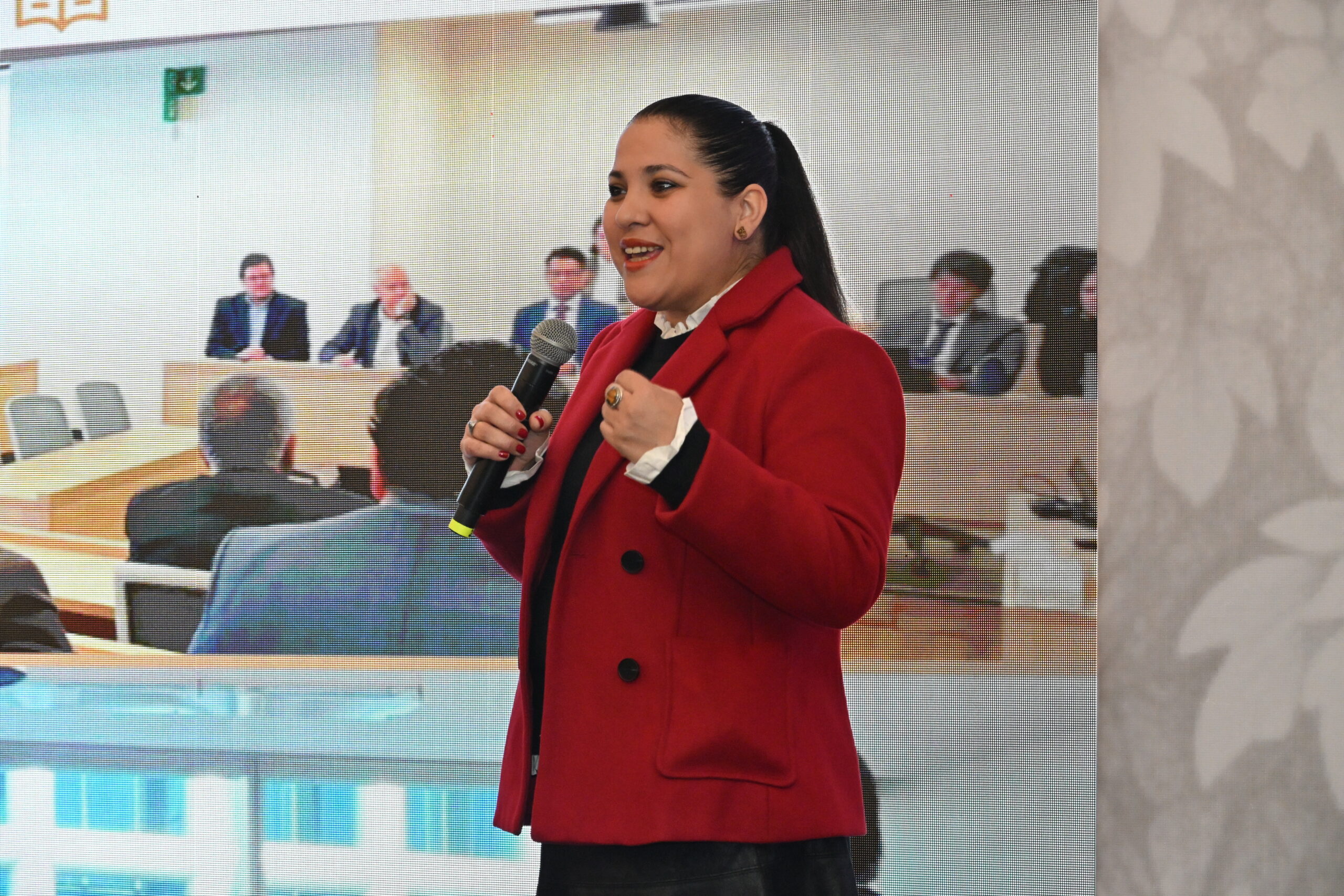
In particular, preparing professionals with new technical, digital, and critical-thinking skills appears to be a shared responsibility between educational institutions and the business sector. The evolution of industries will require professionals capable of working with emerging technologies, solving complex problems, and adapting to new forms of work organization.
The UP as an Agent of Change in the Country's Development
Rector García Álvarez emphasized the importance of linking academic research to the country's economic and social challenges.
“At the National Chamber of Commerce and Industry ( Universidad Panamericana ), we want to get directly involved in solving local problems and establish ourselves as an agent of change through tangible actions. Behind these ten industries of the future lie key areas of focus that call on all of us to drive change,” he said.
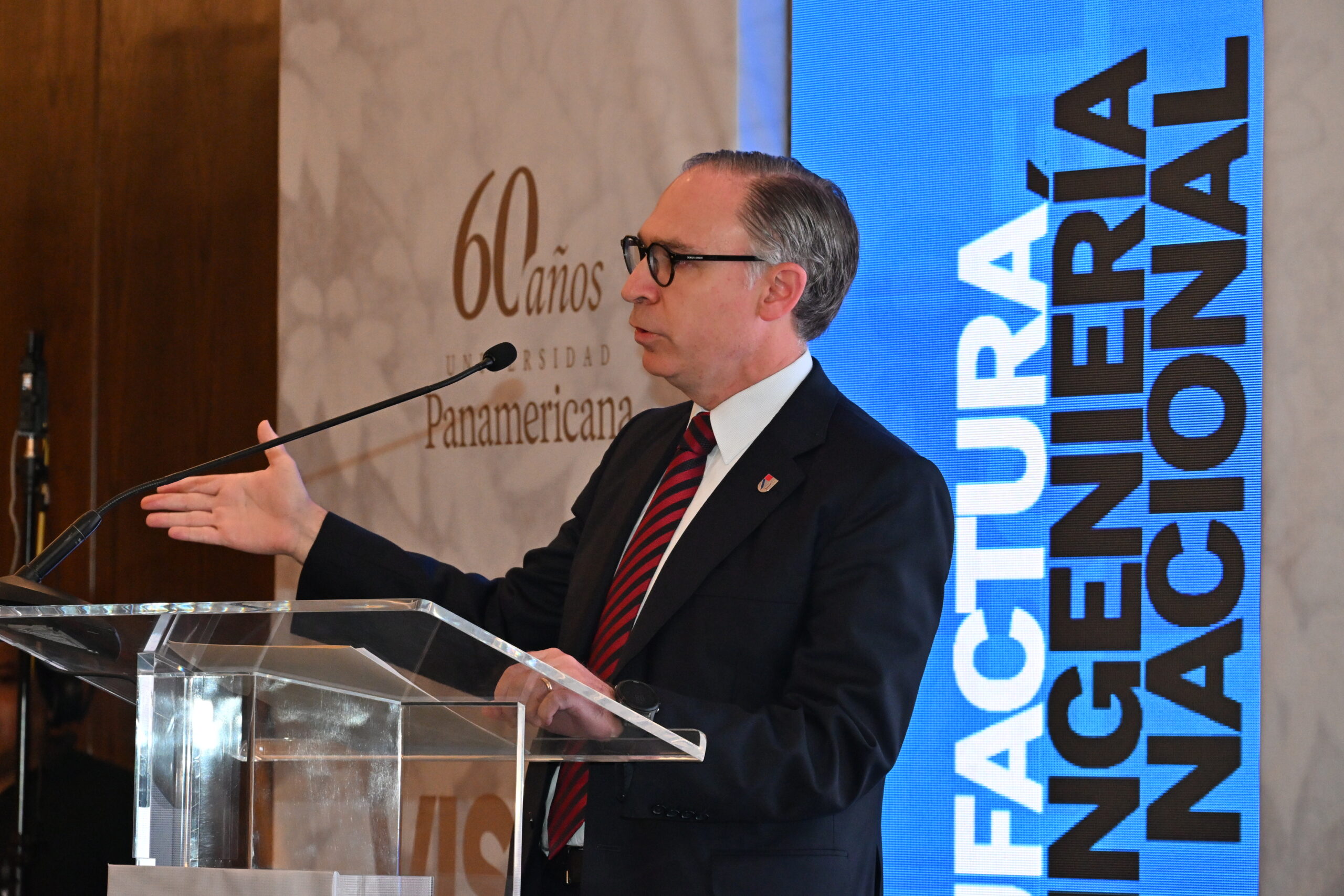
The university president noted that Mexico has the academic, business, and professional capabilities to compete internationally, but it needs to promote long-term projects backed by investment and collaboration across sectors.
Finally, he emphasized that the research aims to contribute to the discussion of proposals that could lead to business decisions, investment projects, and public policies at the federal, state, and local levels.
Academic Research to Guide Decision-Making Toward 2050
The study is the result of more than a year of work by 20 researchers from the Universidad Panamericana, with the participation of students and the collaboration of specialists and representatives from the business sector.
The research combines an analysis of economic, technological, and social trends with a study of Mexico's structural conditions, its resources, productive capacities, and institutional challenges.
Rather than predicting which industries will dominate in 2050, the document identifies the conditions the country would need to develop in order to realize its potential. Its findings serve as a basis for discussion to guide decisions regarding investment, vocational training, innovation, and public policy.
The National Institute for Economic Research ( Universidad Panamericana ) plans to continue this initiative through dialogue with specialists from various industries and periodic updates to the research, with the aim of fostering an ongoing conversation among academia, businesses, government officials, and other societal stakeholders interested in contributing concrete proposals and actions to Mexico’s economic development.