Aguascalientes, Aguascalientes; April 9, 2026.— More than 50 years after the Apollo missions, humanity returned to deep space with Artemis II, a NASA mission that marked a new milestone in space exploration and laid the groundwork for future missions to Mars.
Dr. Héctor Eduardo Gilardi Velázquez, a research professor at the School of Engineering at the Universidad Panamericana Aguascalientes Universidad Panamericana , explained that this program was not only aimed at returning to the Moon, but also at establishing a strategic base for the exploration of the solar system.

“The Artemis program aims to return to the Moon, but this time with a long-term vision: to establish a staging ground for future explorations,” he said.
The Artemis II Challenge
Unlike Artemis I, an uncrewed mission carried out in 2022, Artemis II is the first crewed mission to travel to deep space—that is, beyond Earth’s orbit, where the International Space Station currently operates.
It will be the first time since 1972 that humans have traveled to this region of space.“The goal is to test the operation of the spacecraft with a crew and understand what happens to the astronauts physically, emotionally, and psychologically during the journey,” the researcher explained.
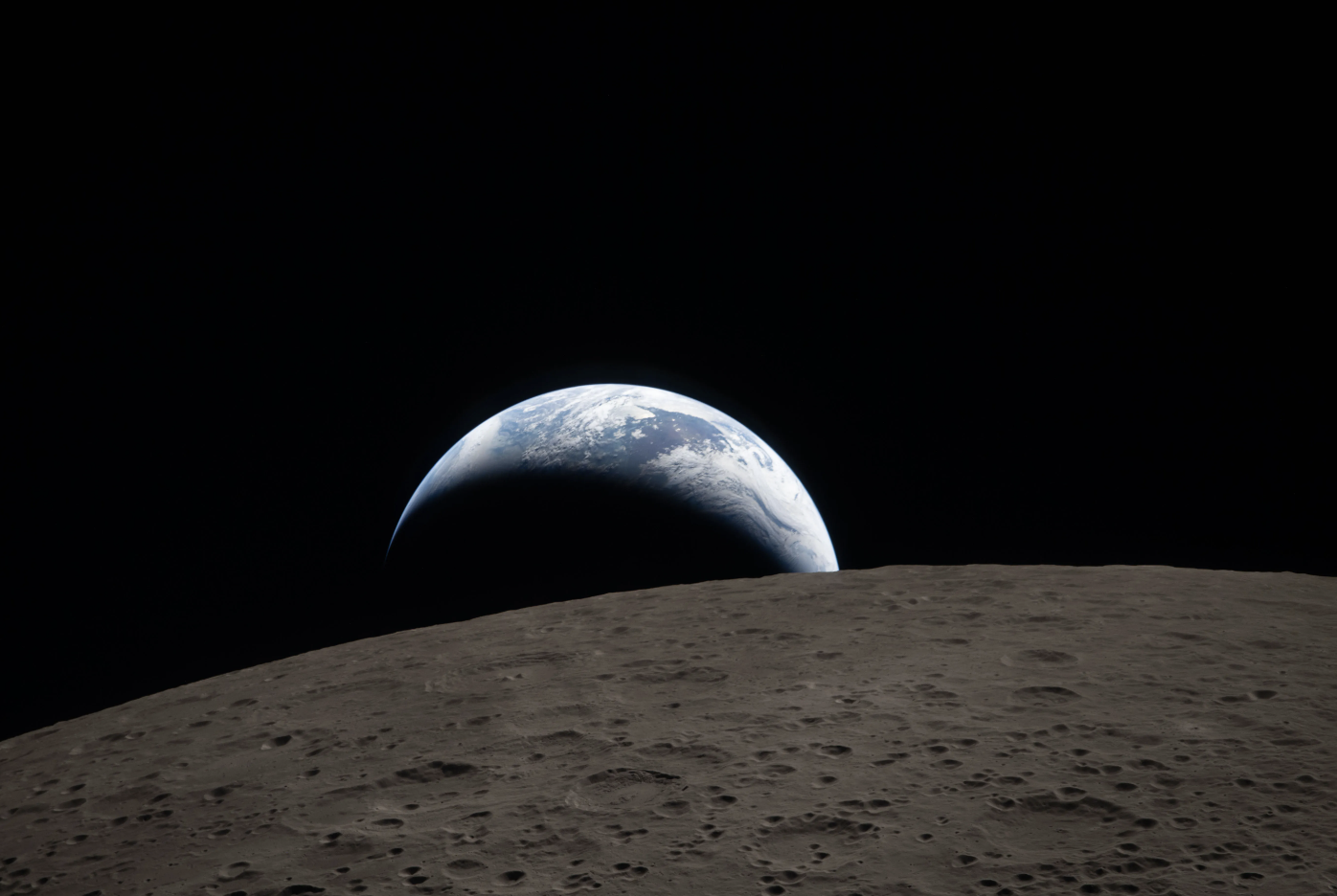
The mission is expected to last approximately 10 days, during which the spacecraft flew over the far side of the Moon, with a splashdown scheduled for April 10, when the crew is expected to return to Earth.
From Apollo to Artemis: From Reaching the Moon to Establishing a Presence
While the Apollo program’s primary goal was to reach the Moon, the Artemis program sets out a more ambitious vision: to remain there and establish a sustainable human presence.
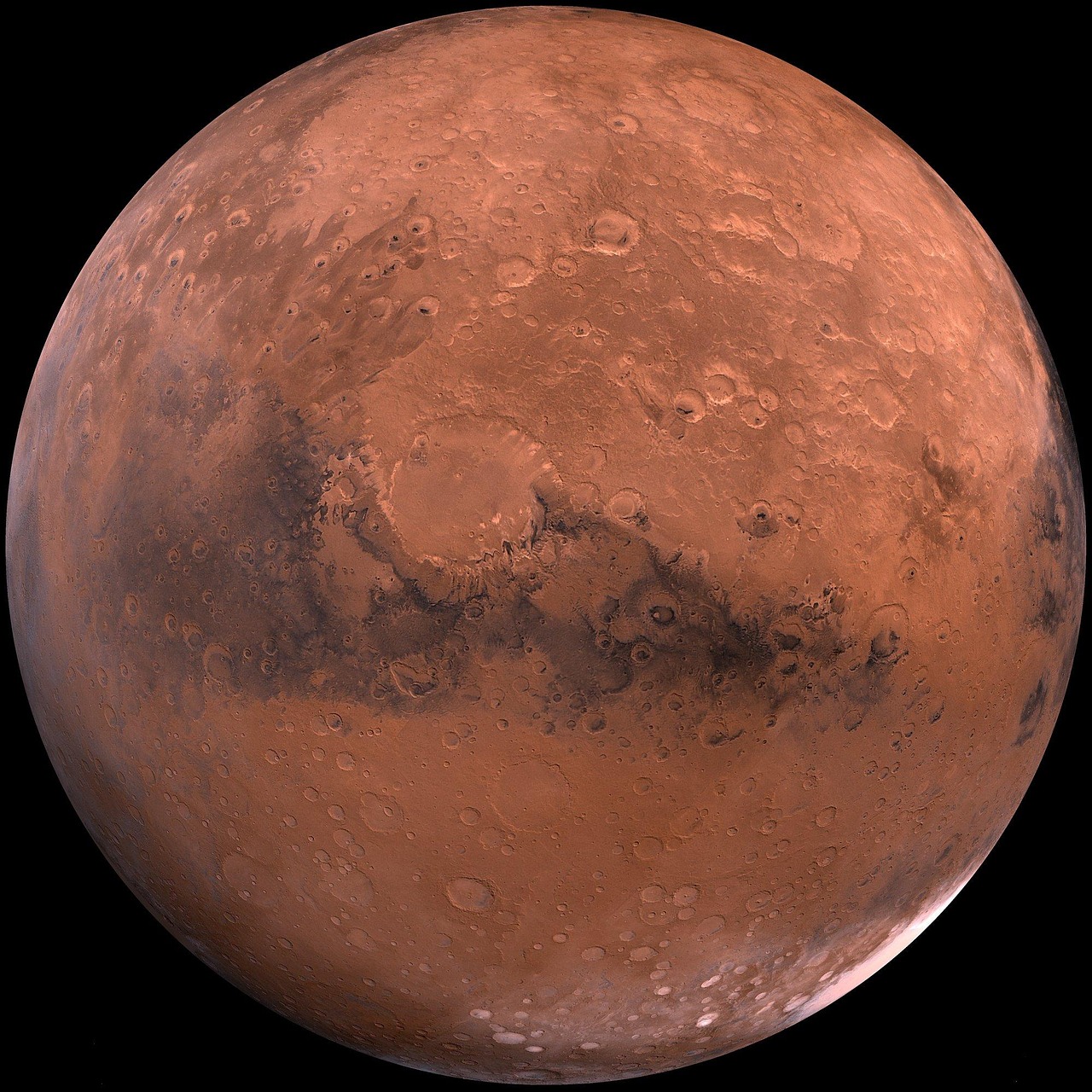
One of the main scientific focuses is the study of the presence of ice at the lunar poles, a resource that could be used to produce fuel and turn the Moon into a strategic platform for missions to Mars.
The Impact of Space Exploration on Everyday Life
The scholar pointed out that, although space exploration may seem far-fetched, it has historically led to key advances in everyday life. “Thanks to the aerospace industry, we have advancements in communications, food, sensors, and medical technologies that we use every day, ” he said.
The Artemis program also marks a new era of international competition in the space sector. The United States is leading this initiative alongside Canada, Europe, and Japan, while countries such as China and Russia are developing their own lunar programs.
Mexican involvement in the project
Although Mexico is not officially participating as a country, Mexican engineer Luis Adolfo Saucedo is playing a prominent role as deputy director of crew and service modules within the project.
An open field for all disciplines
Finally, Dr. Gilardi emphasized that the aerospace sector is not limited to a single field of study. “We don’t need just an aerospace degree. Space sciences are multidisciplinary: they involve engineering, medicine, business administration, sociology, and many other fields, ” he explained.
A fresh start
More than just a return, Artemis II marks the beginning of a new era in space exploration, in which humanity seeks not only to go further, but also to lay the groundwork for its expansion into space.
“In science, if knowledge isn’t constantly being developed, it gets lost and has to be rediscovered. That’s also happening now with these missions,” concluded the researcher from the School of Engineering at the Universidad Panamericana Aguascalientes Universidad Panamericana .