Aguascalientes, Aguascalientes, October 26, 2026.— Students in the Innovation and Design Engineering program participated in the development of designs for commemorative socks for the Giving Day at the Universidad Panamericana Aguascalientes campus. The project, carried out as part of the Visual Arts course, combined the use of digital tools, creativity, and a commitment to an initiative with social impact.
A challenge that combines creativity and social commitment
As part of activities that link academic training with real-world projects, third-semester students in the Innovation and Design Engineering program at the Aguascalientes campus of the Universidad Panamericana developed graphic designs for commemorative socks to mark Giving Day, an initiative that promotes the university community’s participation in social causes.
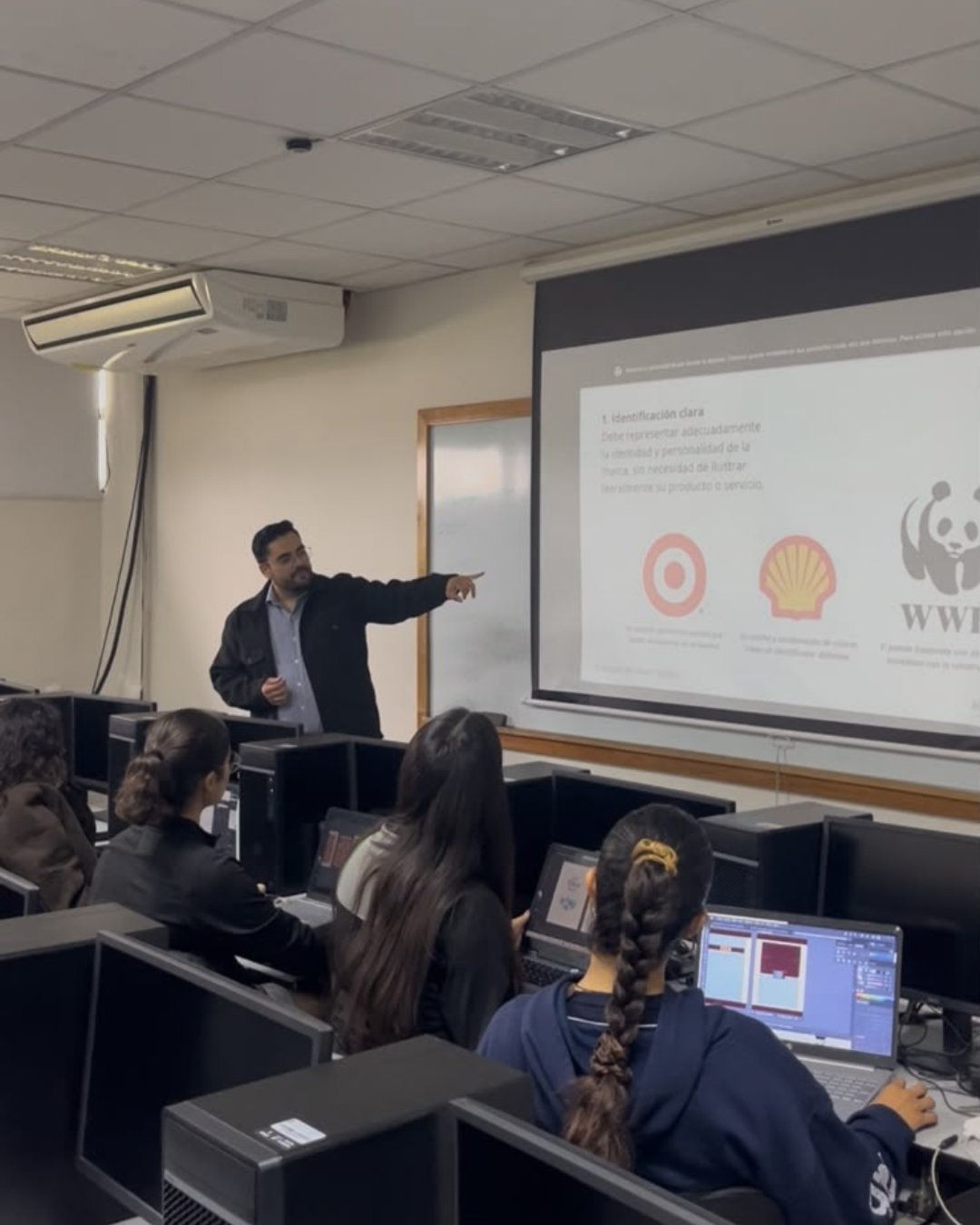
The project was launched at the request of the Giving Day organizing committee, in collaboration with the Innovation and Design Engineering program and the Visual Arts instructor, Francisco Guerrero Jiménez, M.A., with the aim of engaging students in an institutional initiative by leveraging their knowledge and skills.
The challenge involved not only designing a commemorative product but also learning to use Adobe Illustrator, a vector design tool, in less than two months. To do so, each student identified an insight and a specific target audience to guide their proposal, exploring concepts such as nostalgia, modernity, and versatility.
“It was a very rewarding challenge because, in addition to designing commemorative socks for Giving Day, they had to learn how to use the software they would need to create the design in record time: Adobe Illustrator,” explained Mr. Guerrero Jiménez.
Throughout the process, the students worked within the institutional identity guidelines, paying close attention to elements such as the university’s colors, typography, and logo, while also finding opportunities to develop original proposals.
For the professor, one of the most valuable lessons was that the students understood the purpose of the initiative and recognized that their work could contribute to a cause that goes beyond the academic exercise.
A Proposal with a Purpose
The experience allowed students to apply their knowledge in a real-world context, from conceptualizing their ideas to developing a graphic design proposal aimed at a specific audience.
Michelle Gámez Oliva, M.A., director of the Innovation and Design Engineering program, emphasized the value of students applying their talents to projects that strengthen a sense of community.
“As the program director, I am very pleased to see how our students put their creativity and talent to work for a cause that unites us as a community,” she said.
He also emphasized that the project allowed them to tackle a specific challenge, learn how to use a digital tool in a short amount of time, and make design decisions that took into account both the institutional identity and the characteristics of their target audience.
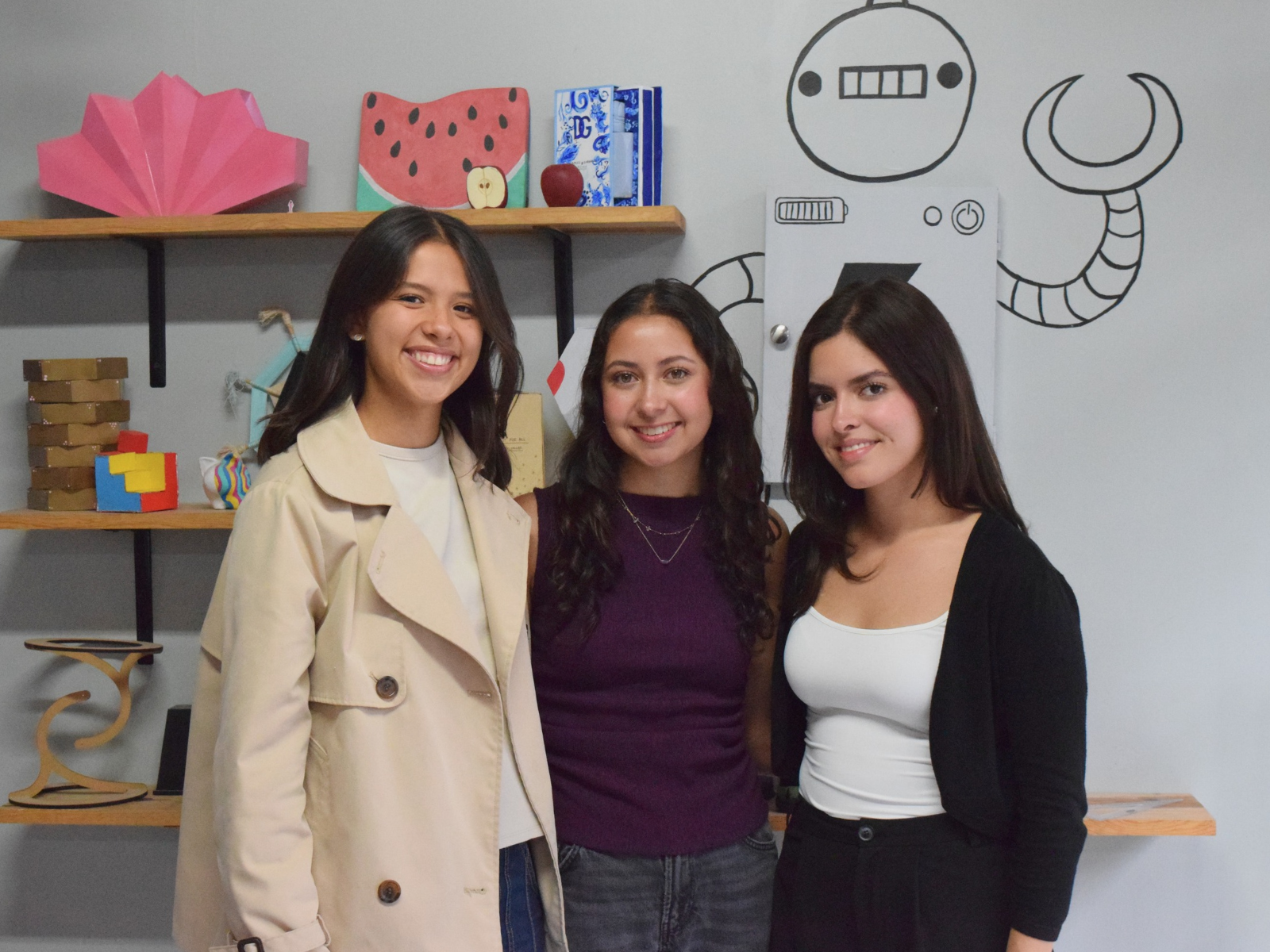
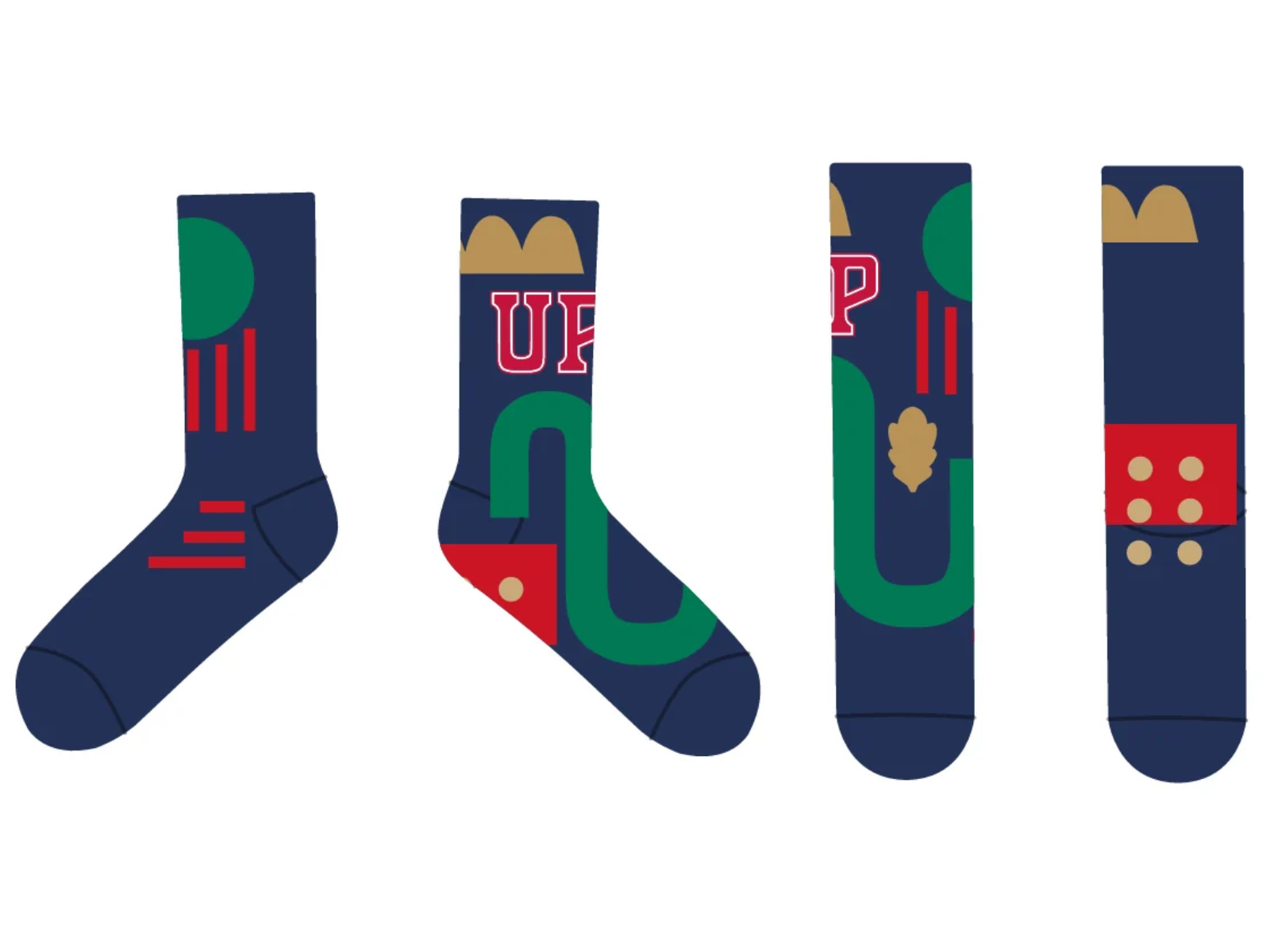
After reviewing the proposals, the designs by Regina Muro Garduño, Regina Huizar, and Paula Castañeda were selected as finalists. The winning proposal was that of Regina Muro Garduño, who sought to reflect the university’s evolution through a composition that combined innovation, dynamism, and continuity with the institutional image.

“What I was trying to highlight is how the university has been growing, how it’s becoming more and more innovative… so I wanted something more—something that was fun but still maintained an institutional feel,” he said.
To develop her design, Regina experimented with the university's brand colors, geometric shapes, and various graphic elements, striving to strike a balance between the university's identity and a fresh visual concept.
The student noted that receiving this award is a major source of motivation as she begins her professional career, especially because her work is tied to a social cause.
“I’m so grateful that my proposal was chosen, because not only did someone like my design, but it will also be for a good cause. It really does make me very happy,” she said.
Learning design also means standing up for your ideas
In addition to developing technical skills, the project provided an opportunity to strengthen decision-making, build confidence, and improve the ability to present creative proposals—all of which are essential skills for the professional practice of design.
Francisco Guerrero Jiménez emphasized that students must learn to trust their own judgment and defend their ideas with sound reasoning. As an example, he recalled that Regina chose to develop one of her proposals even though, during the sketching phase, he had expressed a preference for another option. The student’s decision resulted in the winning design.
“An interesting part of the challenge these projects present—and also as designers and professionals—is learning to defend your ideas,” said the professor, who encouraged the students not to underestimate their abilities and to make decisions with confidence.
He also acknowledged the group’s positive response; they enthusiastically engaged in an initiative whose greatest reward was the opportunity to see their proposals come to fruition and contribute to a shared purpose.
These types of exercises help students understand that their education is not limited to using digital tools or developing visual products. It also involves learning to make decisions, defend their proposals, and take on the challenges of their future profession.
An initiative that aims to grow from generation to generation
For Regina, participating in the project meant discovering that design can be a concrete way to contribute to the well-being of others. The student emphasized that the initiative allows students to get involved not only within their field of study but also in a cause that can have a broader impact on the community.
“It’s really cool that the university is involving us students in a much bigger cause that’s going to have a much greater impact—not just on us, but on other people too, because at the end of the day, we’re helping,” he said.
The proposal aims to continue this academic collaboration so that new generations can participate in the creation of the commemorative socks, thereby strengthening the link between university education and social responsibility initiatives.
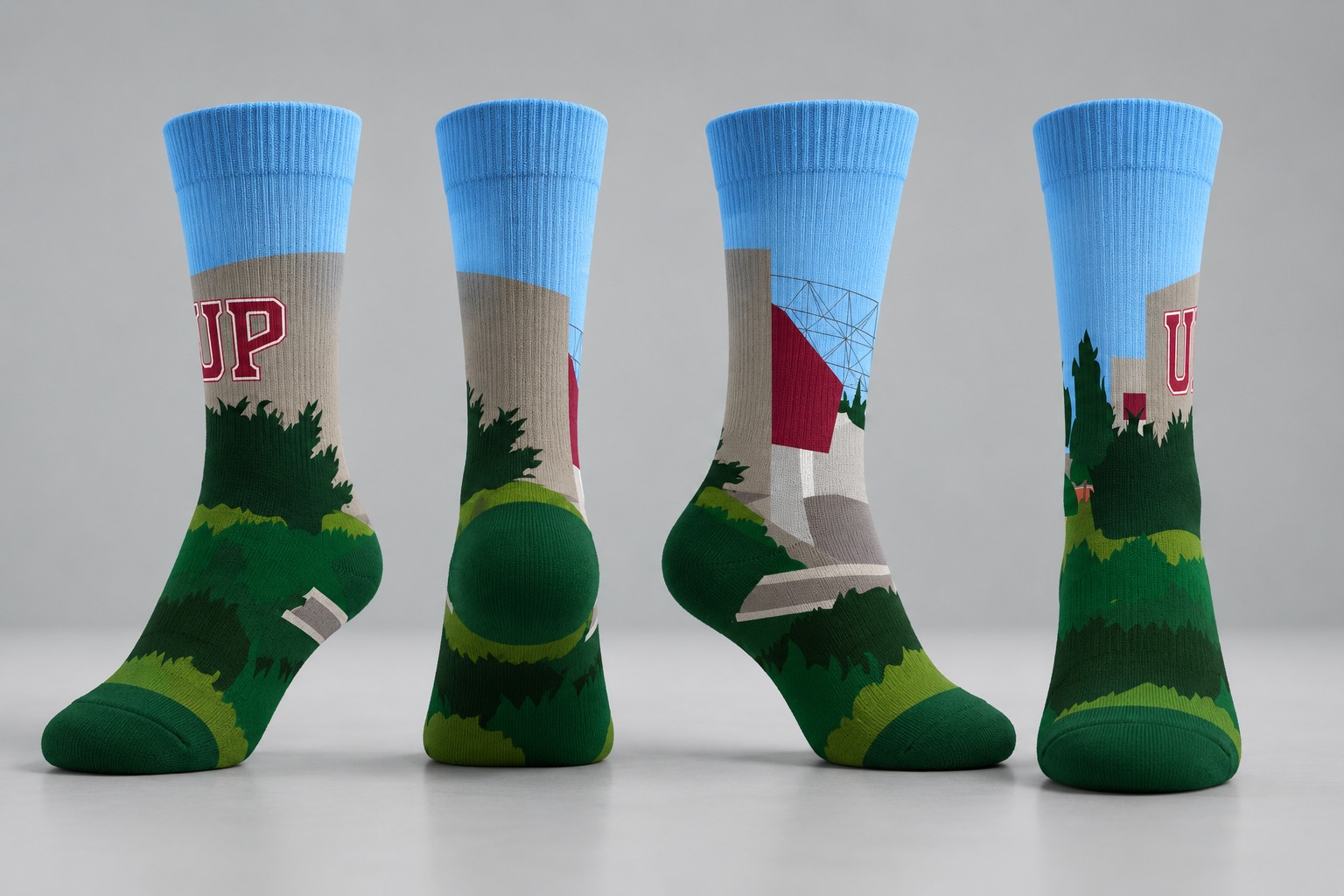
Mr. Guerrero Jiménez also acknowledged the value of continuing the project within the Visual Arts course, as he believes these experiences allow students to take advantage of the subject’s versatility and connect it to specific needs. He also expressed his gratitude for the trust placed in his course to develop institutional graphic design initiatives.
In this regard, the experience offers students an opportunity to recognize the scope of their knowledge and discover new ways to put it to use for the benefit of others, while inspiring future generations to develop their own ideas.
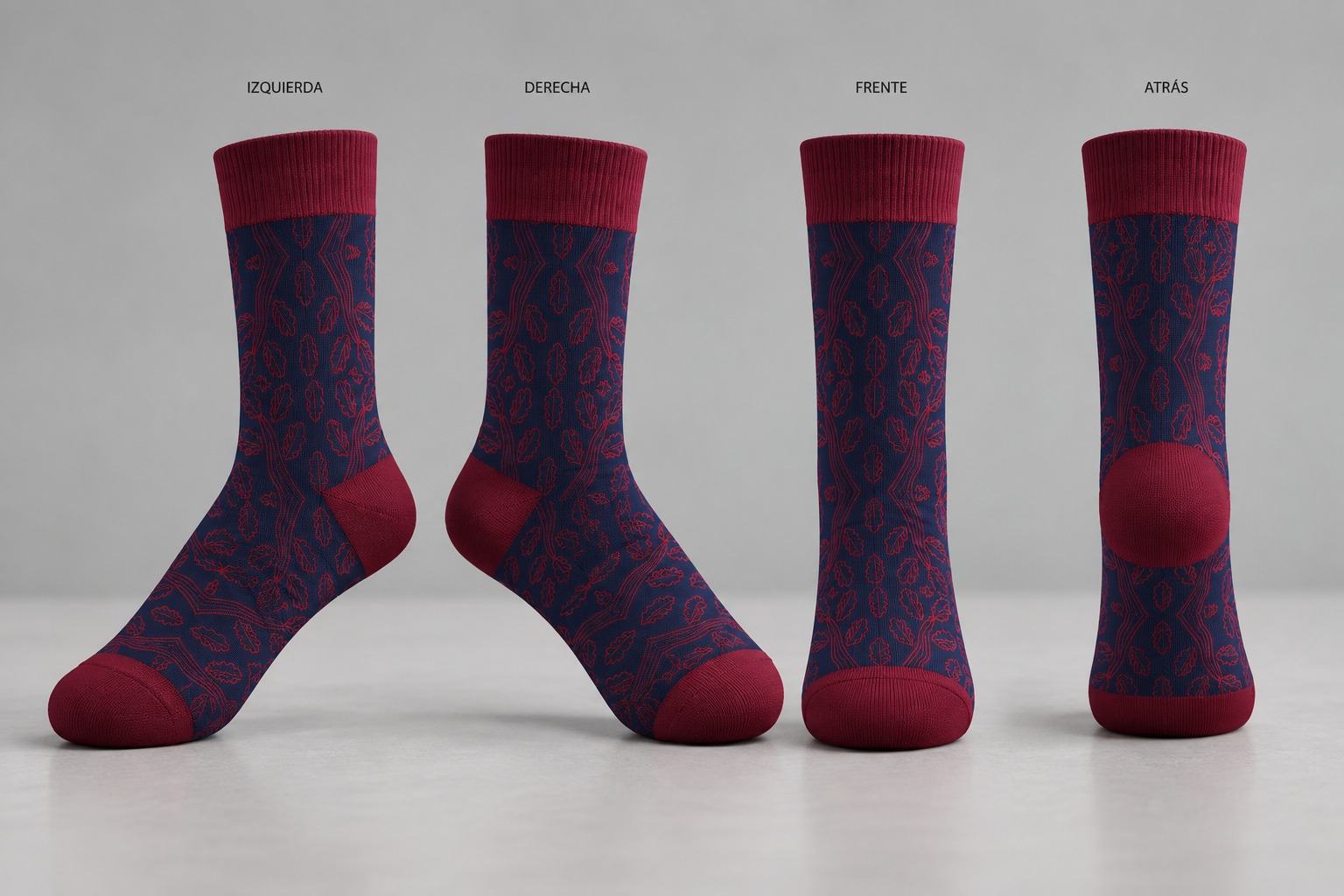
Vocational Training in the Service of Others
Projects like this one highlight the importance of a university education that combines technical knowledge, creativity, and social commitment. Through hands-on experiences, students not only develop skills specific to their field but also learn to recognize the needs of their community and contribute using their talents.
This initiative is aligned with the mission of the University of the West ( Universidad Panamericana ) to educate individuals who will put their abilities at the service of others, as well as with values such as solidarity, responsibility, and a commitment to the common good.
In this way, Giving Day also becomes a space for learning and participation, where ideas that emerge in the classroom can extend beyond the classroom and contribute to a shared cause.