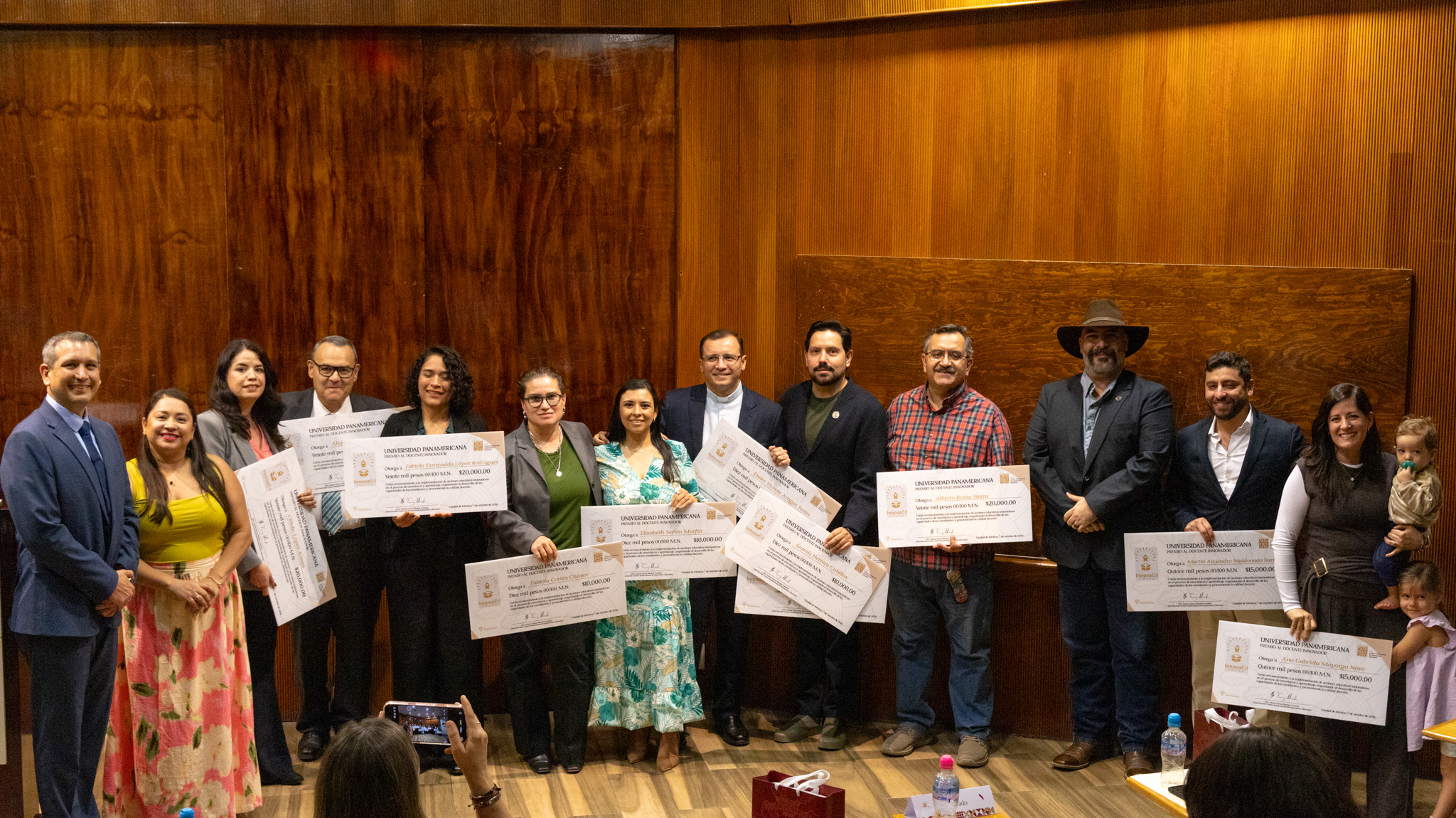
Zapopan, Jalisco; October 5, 2026.— Six projects from the Guadalajara campus of theUniversidad Panamericana were recognized at the 2026 InnovaEd Awards, an initiative that honors the talent, creativity, and commitment of faculty members who develop innovative experiences to enhance their students’ learning.
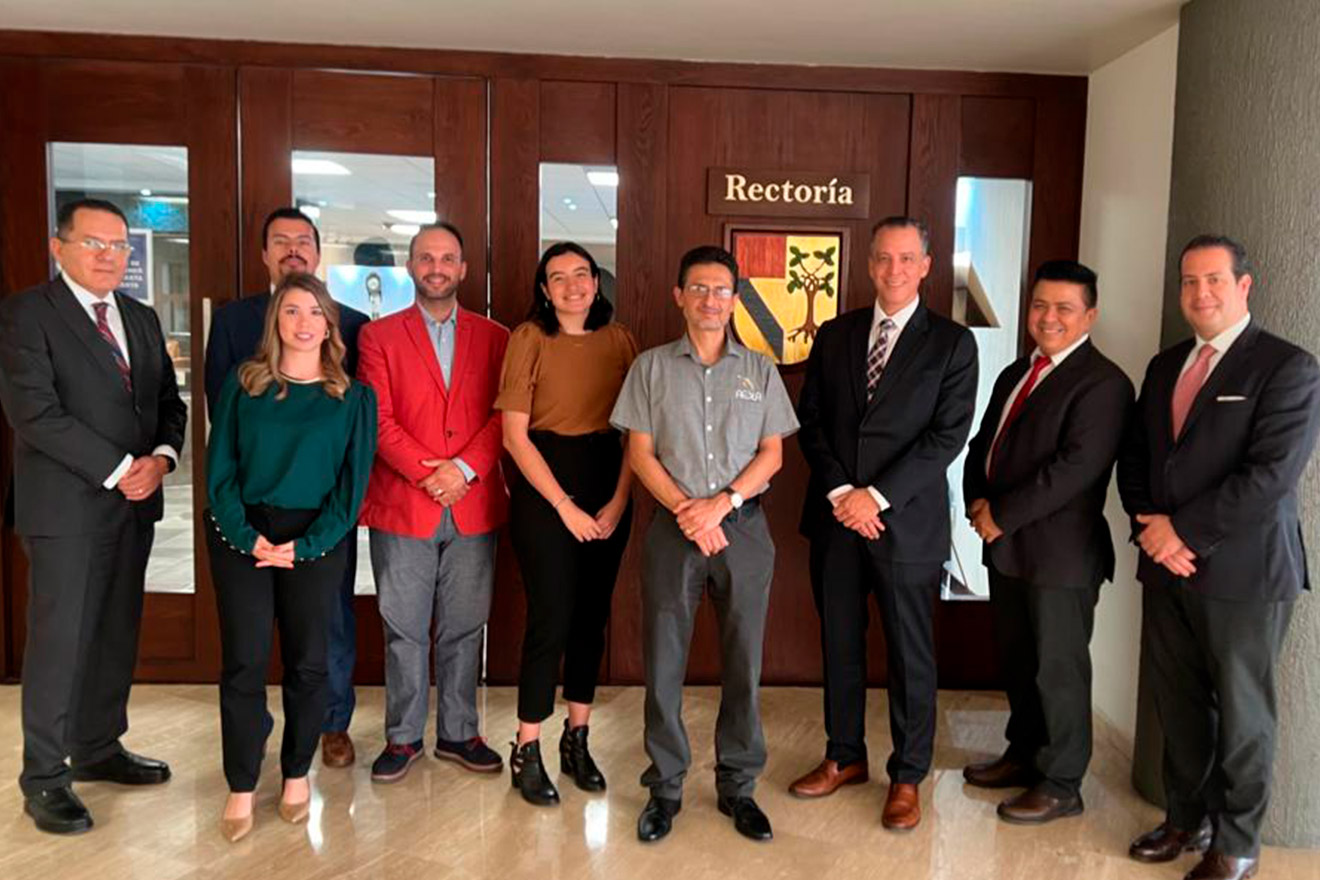
Organized by the Talent Department of the Universidad Panamericana, the second edition of the InnovaEd Award was attended by university officials, professors, and specialists in educational innovation from the institution’s three campuses.
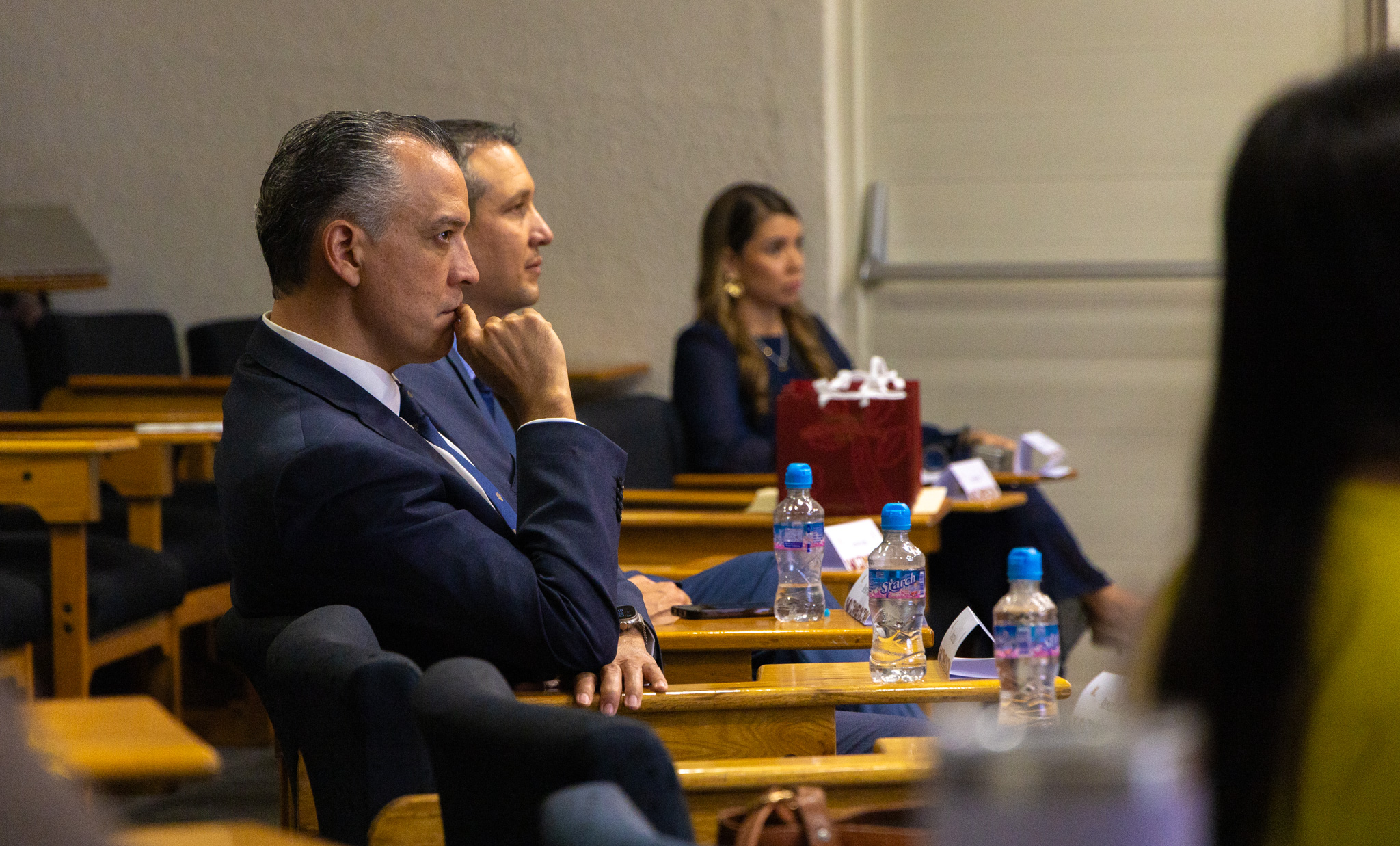
Of the 28 projects submitted by the Guadalajara campus, six took first place in the Pilot and In Action categories. The winning projects were developed by faculty members from the School of Engineering and Architecture and the Institute of Humanities, and they stand out for combining innovation, academic training, and social impact.
Guadalajara Campus Reaps Success
For this edition, 42 projects were submitted from the three campuses of the National Autonomous University of Mexico ( Universidad Panamericana ): 28 from Guadalajara, eight from Aguascalientes, and six from Mexico City.
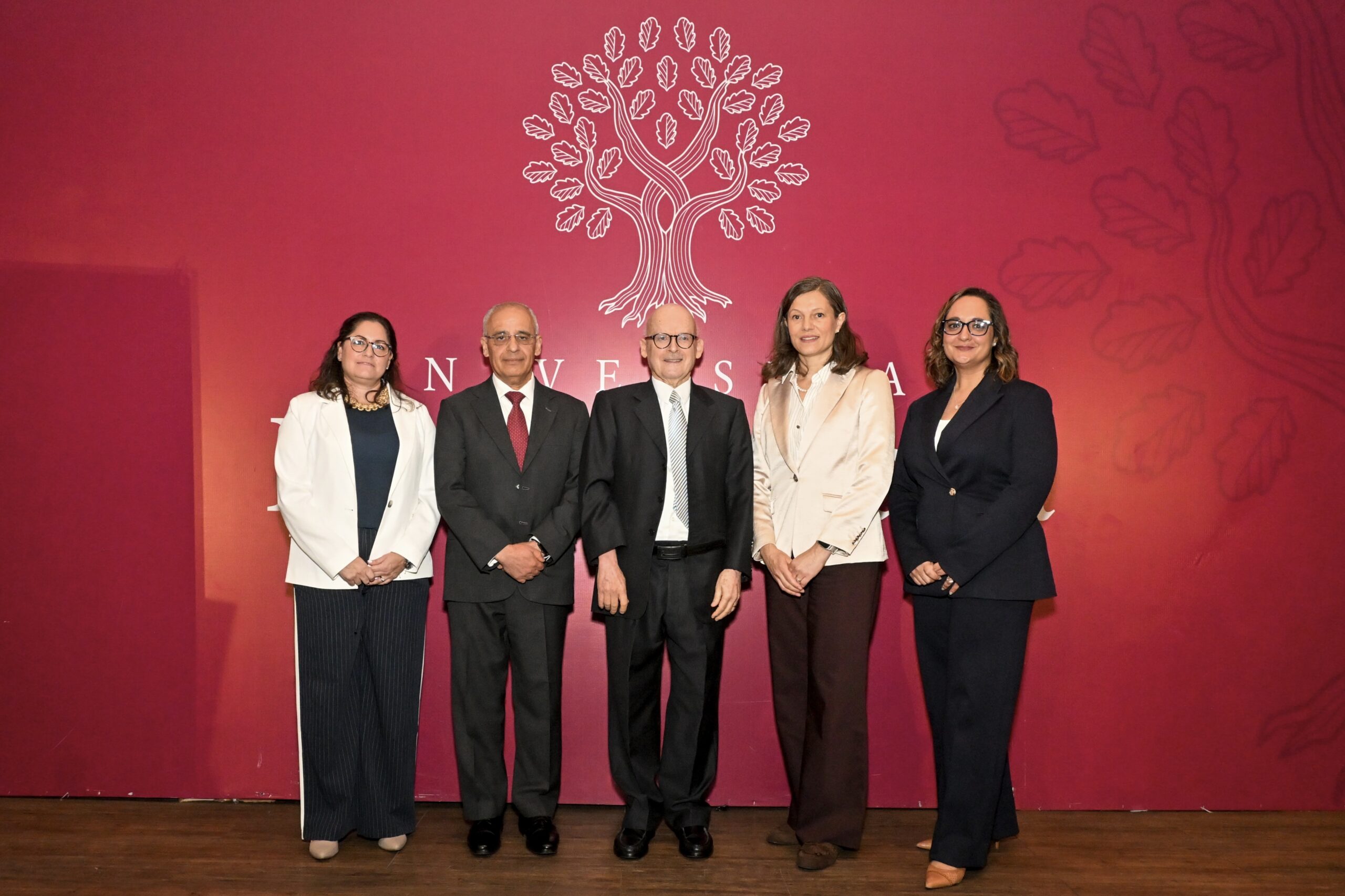
The proposals were evaluated by national and international experts from public and private institutions. The jury included Dr. Javier García Escamilla of the University of Monterrey; Dr. Hassem R. Macías Brambila of the Guadalajara Metropolitan Polytechnic University; and Dr. Mariana Sánchez Saldaña of the Ibero-American University.
The recognized projects addressed a range of educational and social challenges, from the design of accessible tools for people with disabilities to the use of artificial intelligence in ethical evaluation, the internationalization of learning, and the development of innovative medical solutions.
Pilot Category: Proposals That Transform Learning
This category recognizes initiatives that explore new ways of teaching and learning through innovative approaches that address specific educational needs.
First Place: Tactopia, Multisensory and Inclusive Learning
Developed by Ximena Mariana Reséndiz Sánchez and Alberto Rossa Sierra of the School of Engineering and Architecture, Tactopia won first place for its proposal for a multisensory kit designed to facilitate color learning in children with visual impairments.
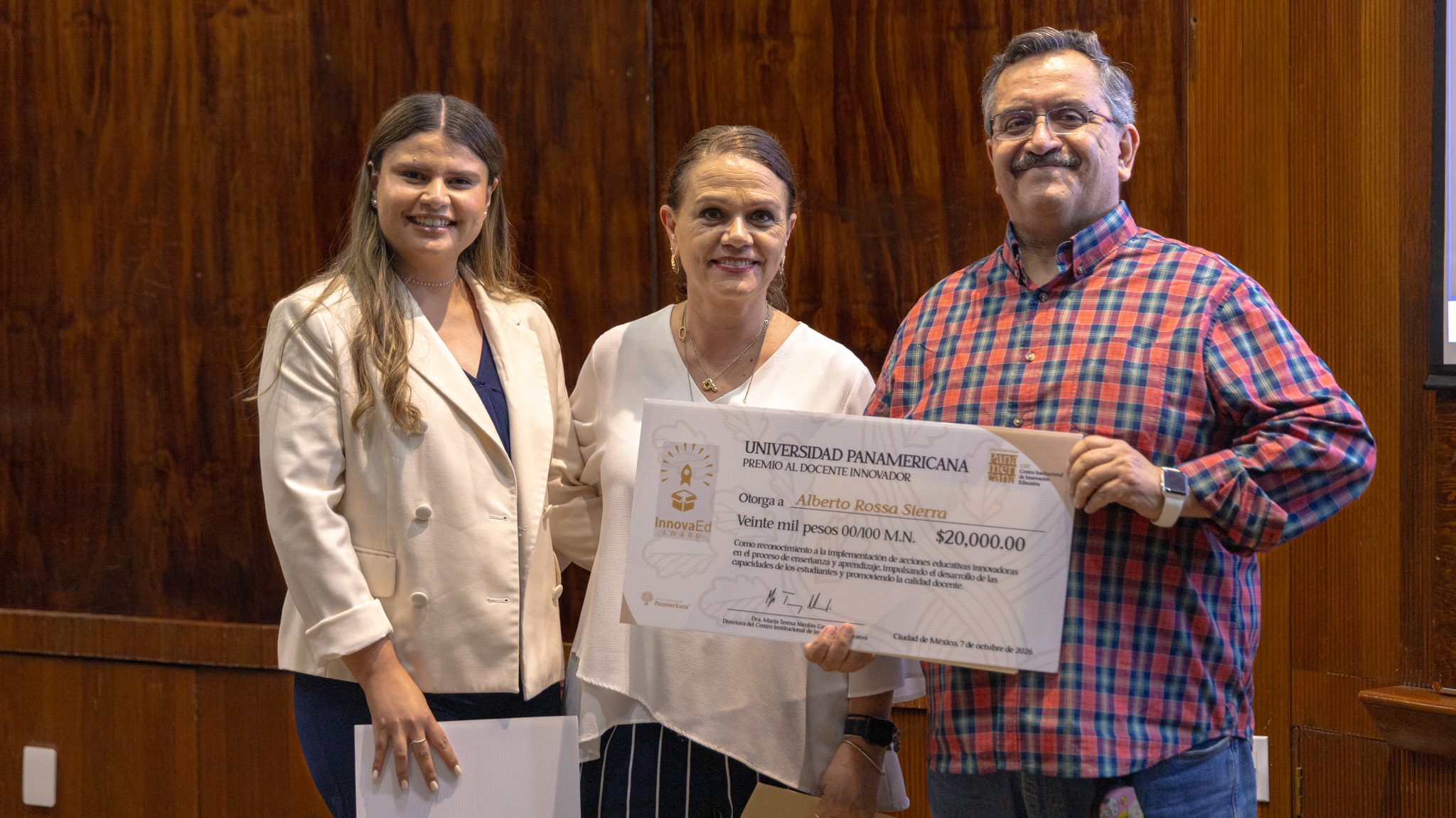
The project incorporates tactile books, textured crayons, and Braille materials to encourage exploration, independence, and accessibility. The initiative was implemented with 20 children over the course of five sessions, during which learning was fostered through sensory experiences.
In addition to strengthening the design skills of its creators, the project produced inclusive materials that can be applied in other educational contexts.
Second Place: Jalisco 3D: Open Inclusion
Professor Aramis Herrera Cubillos, from the School of Engineering and Architecture, took second place with “Jalisco 3D: Open Inclusion,” an initiative that brings together engineering students and future special education teachers to design assistive tools for people with disabilities using 3D printing.
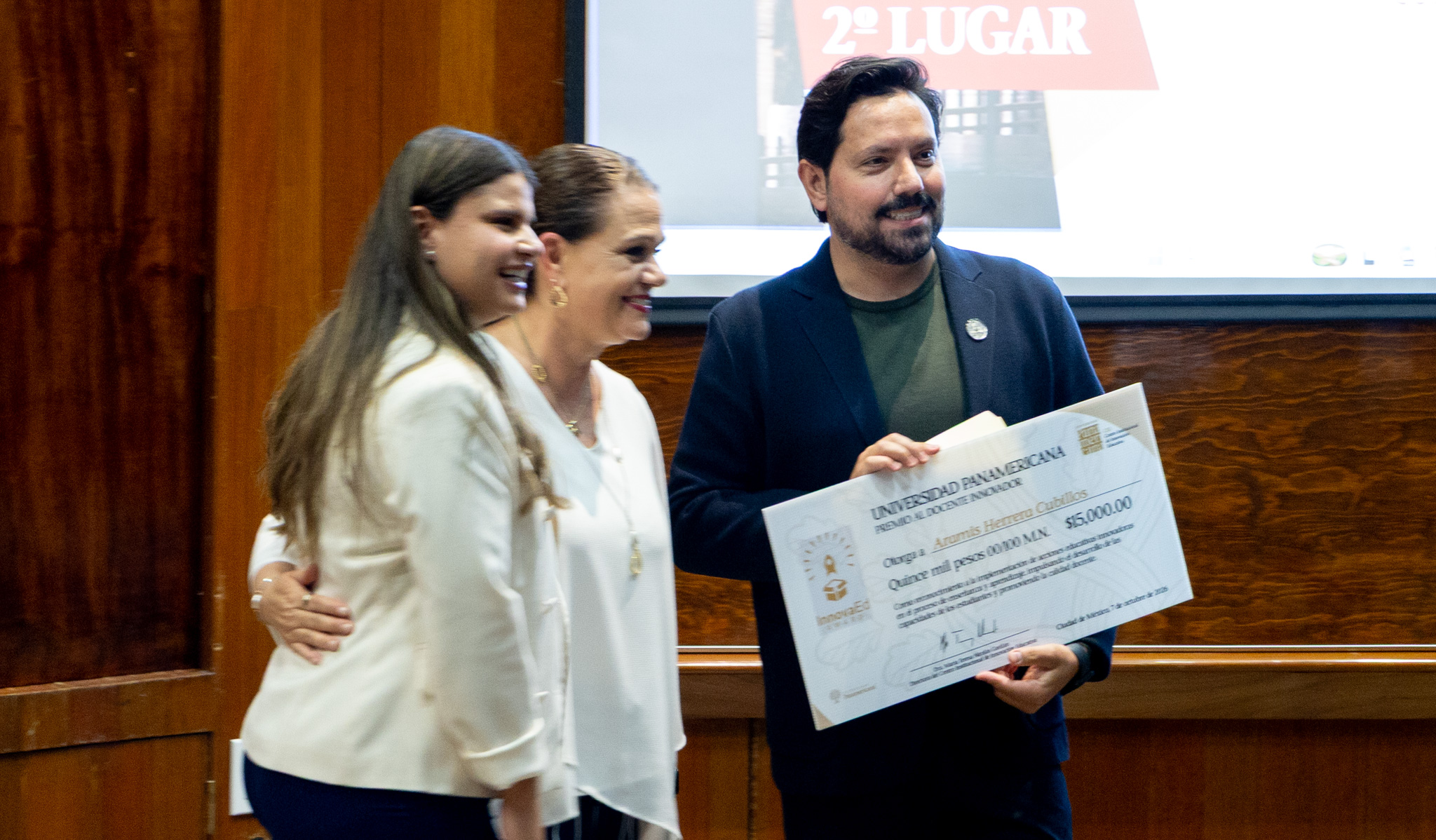
The project involves an open digital platform that brings together validated designs so that other institutions can download and reproduce them. In this way, it aims to facilitate access to inclusive solutions that can be adapted to different needs.
Third Place: From Being to Action
P. Ender Vicente Artigas Terán, from the Institute of Humanities, won third place with *From Being to Action*, an interdisciplinary proposal that transforms the teaching of ethics through the analysis of real-world social issues and the development of concrete solutions.
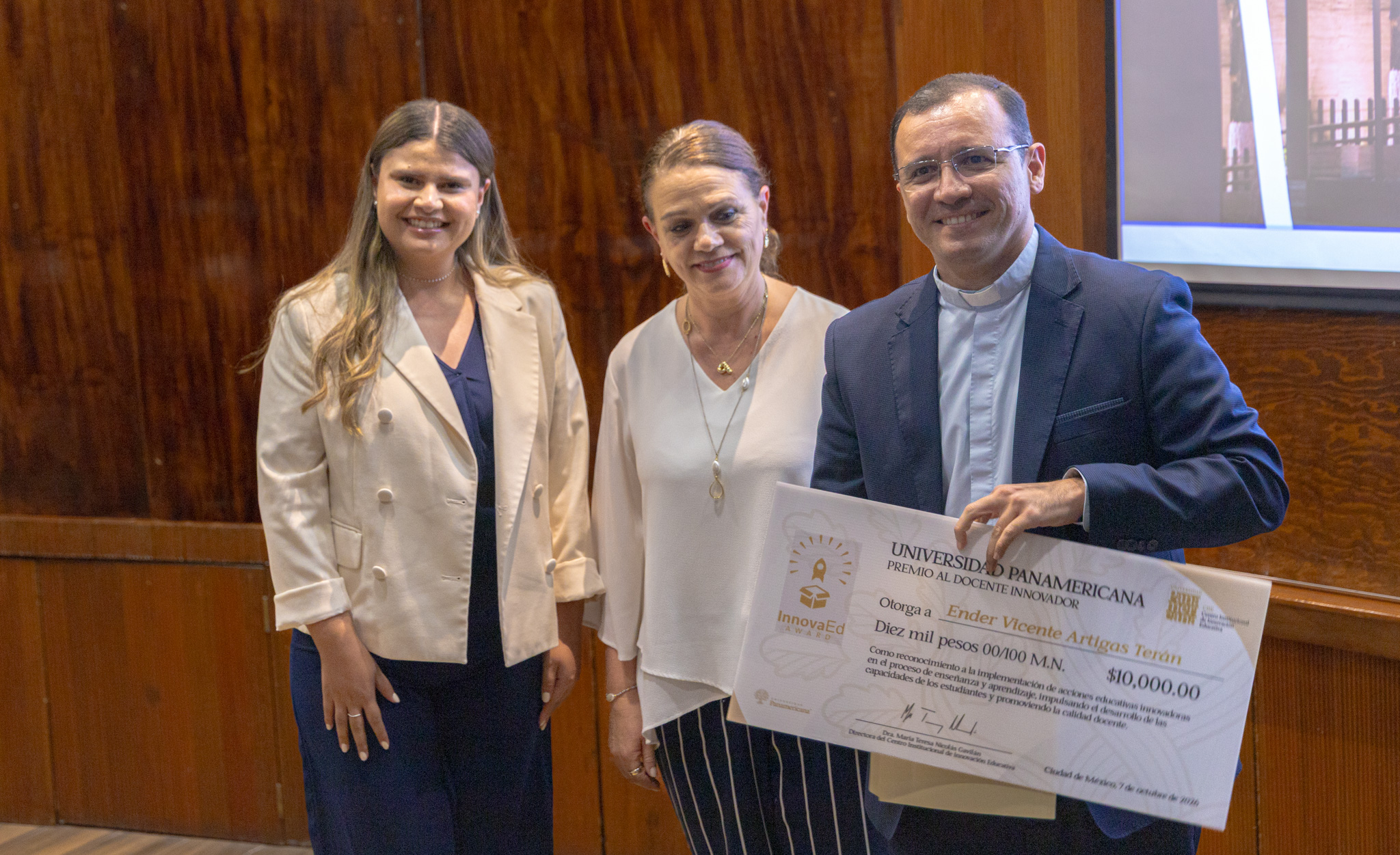
Through project-based learning, the initiative fosters sound judgment, leadership, and social commitment by linking humanities knowledge to situations related to professional practice.
Category: In Action: Innovations with Verifiable Results
The "In Action " category recognizes implemented initiatives that have produced results and demonstrated their contribution to teaching and learning processes.
First Place: Innovation and Support for COIL Experiences
Professors Citlalic López Aceves, Fabiola Esmeralda López Rodríguez, and Alejandro Blas Roldán Castellanos, from the Institute of Humanities, won first place for a model of learning internationalization that incorporates COIL (Collaborative Online International Learning) experiences.
This methodology connects students from different countries through collaborative projects without the need for in-person travel. Between 2024 and 2026, the initiative established 12 collaborations with five universities in Peru, Colombia, and Guatemala, reaching more than 245 students.
The project promotes international collaboration and the development of intercultural skills through shared academic experiences.
Second Place: Ruta Moral, the practical exam on ethics
Professors Martín Alejandro Maldonado Barragán, Ana Gabriela Mayorga Novo, and José Roberto Mayorga Casillas of the Institute of Humanities were recognized for “Ruta Moral,” a project that integrates artificial intelligence and conversational simulations to assess ethical training through situations that require decision-making.
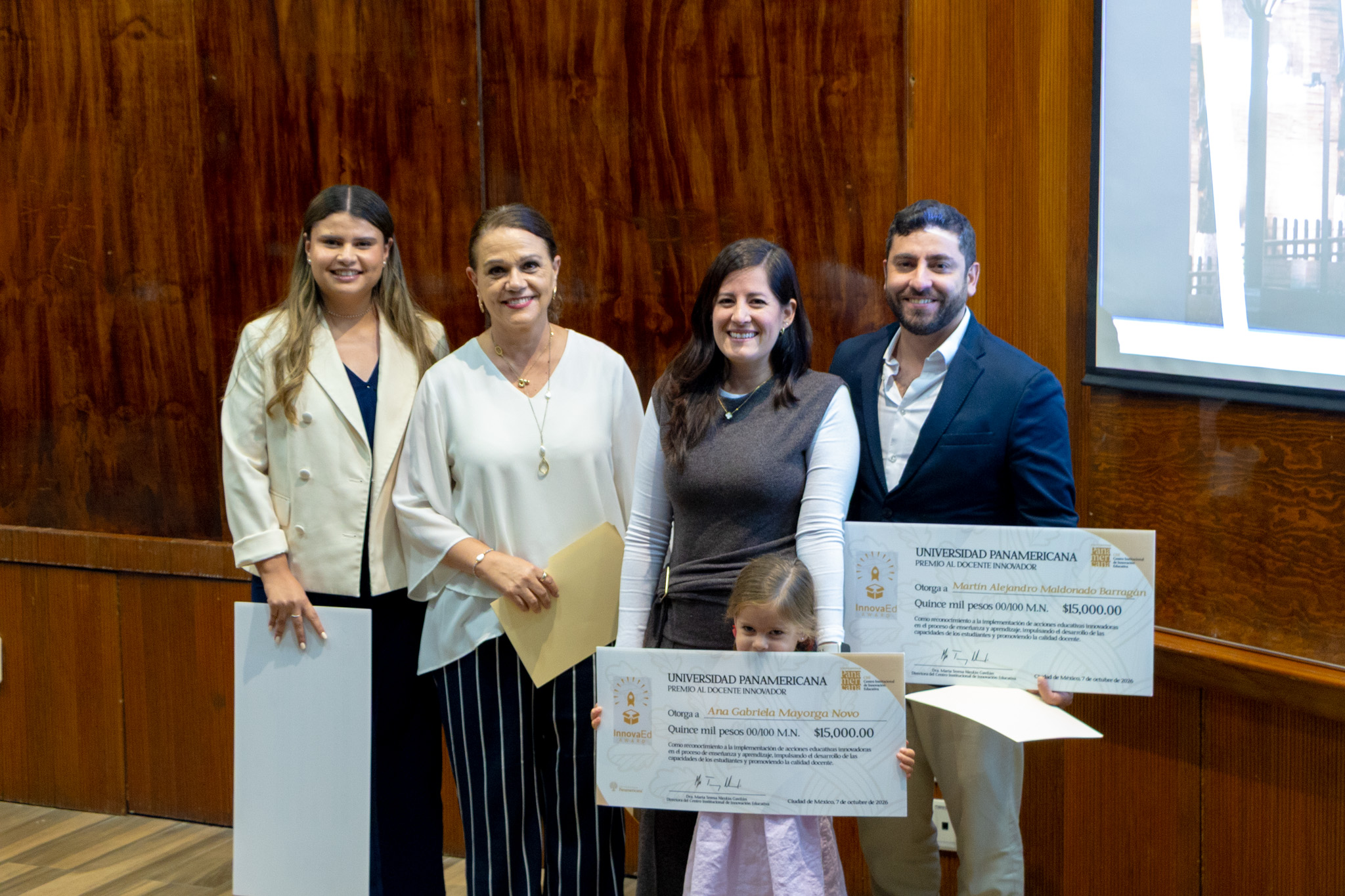
In a pilot program involving 21 students, 95% said they answered based on what they would actually do, and 90% preferred this format over a traditional exam.
The initiative proposes an alternative approach to assessing ethical reasoning based on practical scenarios and can be adapted to various academic disciplines.
Third place: Innovation Journey, immersive learning through real-world challenges
Professors Elizabeth Servin Morfin, Aramis Herrera Cubillos, and Fabiola Cortés Chávez, from the School of Engineering and Architecture, won third place for “Innovation Journey,” an initiative that connects students with external experts to develop innovative medical and social solutions based on real-world challenges.
Between 2024 and 2026, the project has benefited 121 students and resulted in two patent applications, one utility model, and five projects seeking international patentability.
The program connects academic training with specific challenges and enables students to participate in innovation processes aimed at addressing the needs of the community.
A community that drives educational innovation
During the ceremony, videos of the winning projects were shown, and the university president’s message was highlighted; it was also shared with participants from the other campuses.
“We innovate to provide a better education, to help our students fully develop their abilities, and ultimately to shape them into better people and better professionals,” said Dr. Abraham Mendoza Andrade, dean of the Guadalajara campus.
The event also strengthened collaboration among teachers and specialists committed to improving education by creating a space to share experiences and recognize ideas that contribute to student learning.
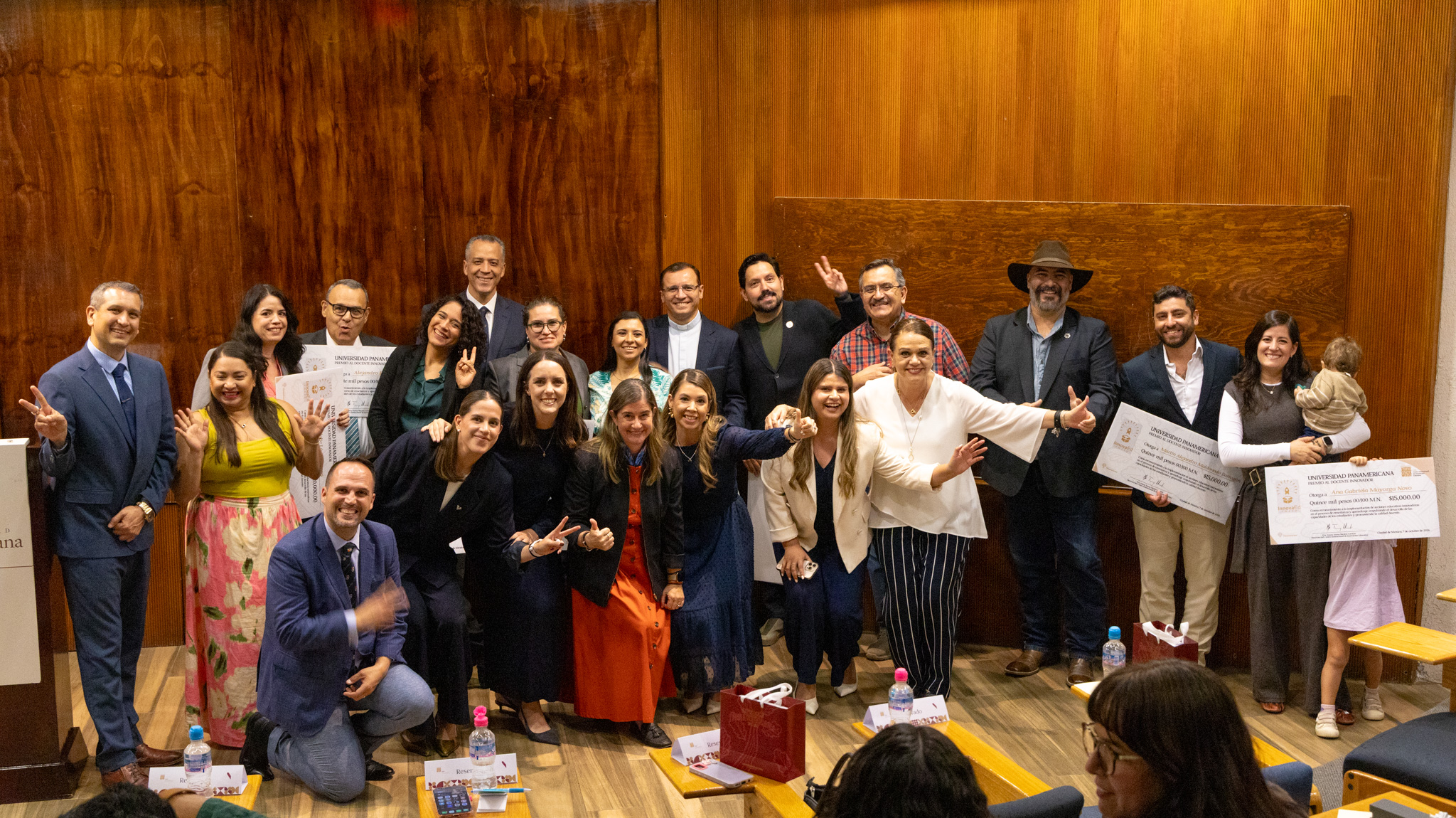
The results of the 2026 InnovaEd Award reflect the work of the faculty at the Universidad Panamericana to develop educational experiences that integrate creativity, knowledge, and a focus on real-world needs. With six projects recognized, the Guadalajara campus reaffirms its commitment to an educational model that combines educational innovation, humanism, and social impact.