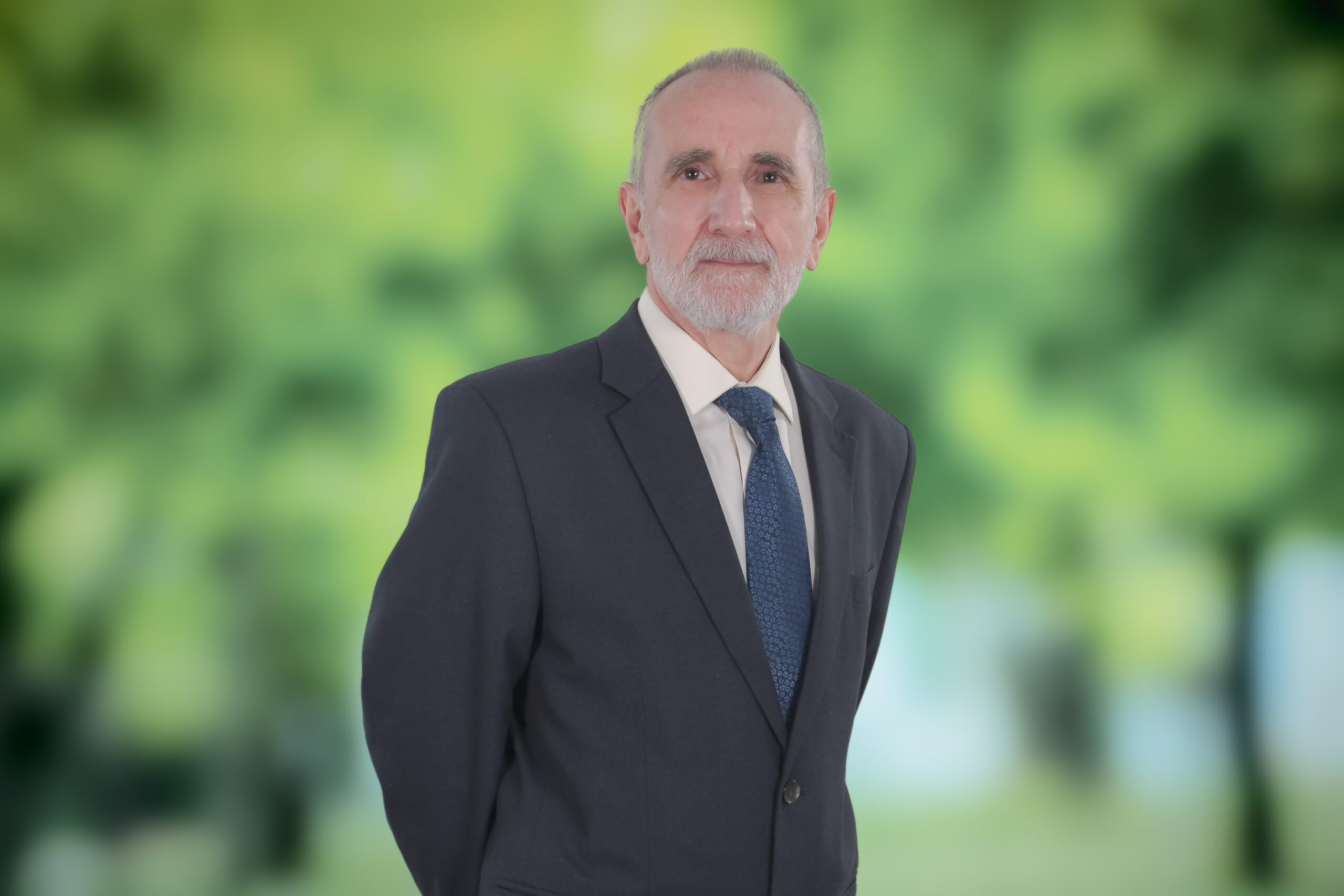
Aguascalientes, Aguascalientes; April 22, 2026.— In observance of World Book Day, celebrated every April 23, Dr. Claudio César Calabrese, a professor in the Department of Humanities, reflects on the role of reading in academic education and the development of critical thinking in a world defined by digital immediacy.
Deep Reading vs. Digital Consumption
In an environment dominated by social media and the rapid consumption of information, the scholar warns of the importance of returning to deep reading. “Social media trains the brain to seek instant gratification, whereas reading demands attention—a skill that is increasingly rare but essential for academic and professional life, ” he explains.
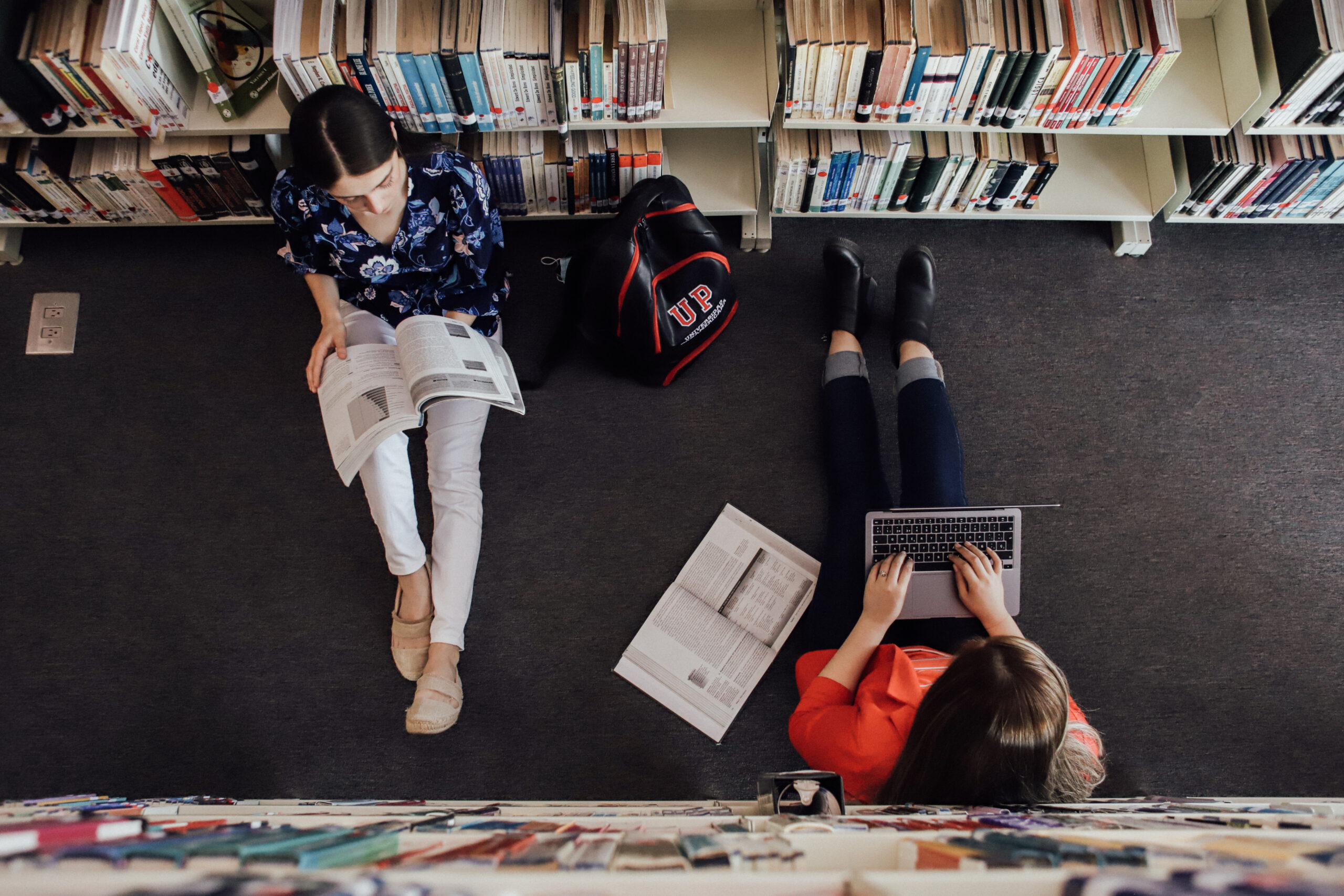
In this regard, he emphasizes that attention is key to building a solid foundation of knowledge and developing complex cognitive skills.
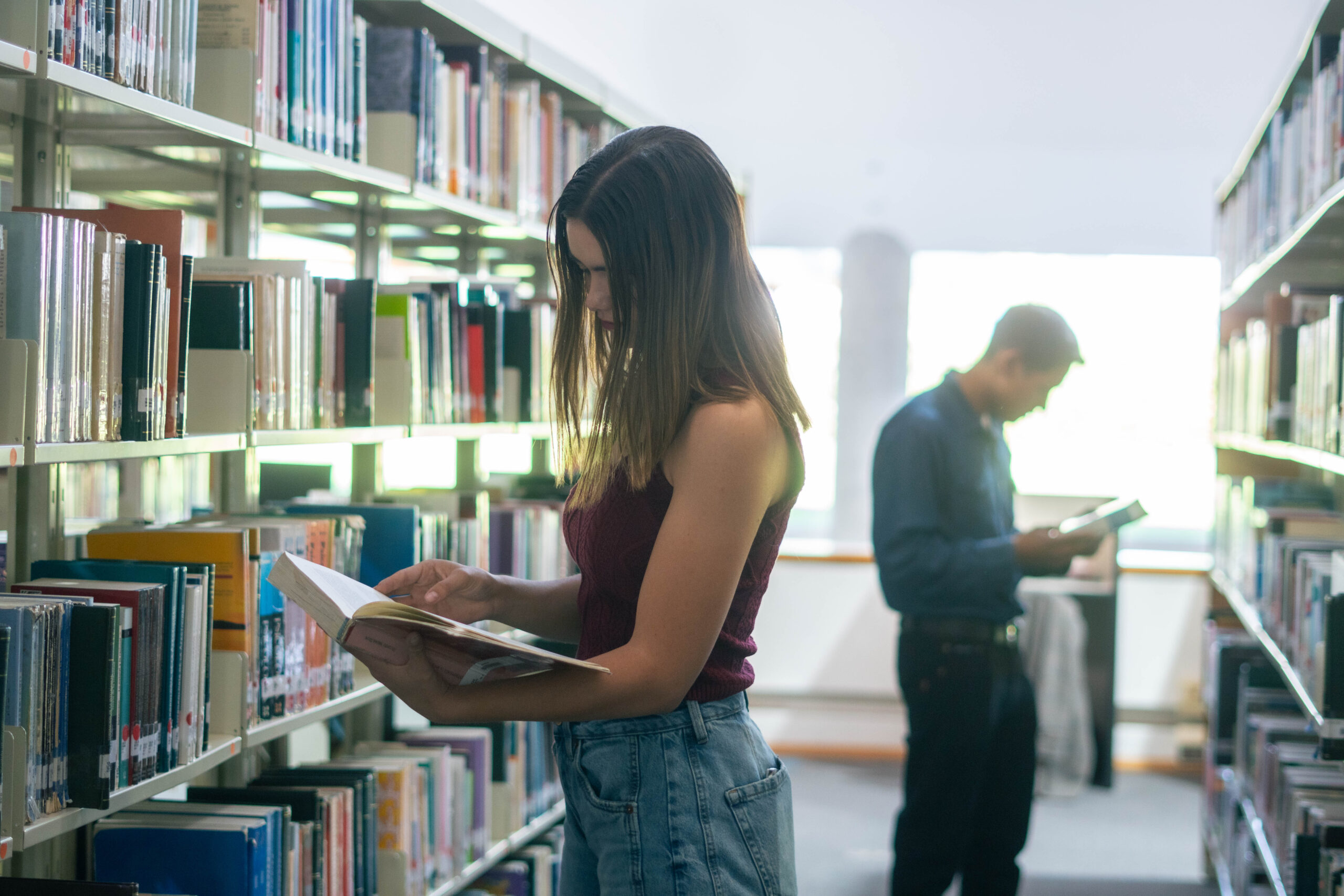
Beyond access to information, Dr. Calabrese emphasizes that reading allows us to go beyond the superficial. “While social media keeps us entertained on the surface, deep reading allows us to understand things, ” he notes.
This process strengthens memory and analytical skills, and fosters abilities such as empathy and critical thinking when faced with complex problems.
The Role of Literature in Higher Education
In the university setting, literature plays a fundamental role in developing critical thinking. Through stories and characters with diverse motivations, students learn to question, interpret, and argue. “Literature prevents one-dimensional thinking; it forces us to consider different points of view and to defend ideas based on evidence, ” says the professor.
It is also notable for its interdisciplinary nature, as it allows for the integration of knowledge from different fields to better understand reality.
Regarding the teaching of reading today, the scholar acknowledges the need to adapt to technological changes without losing sight of the educational purpose. “Literature is a transformative experience. Technology should serve that experience, not replace it, ” he argues.
He warns that relying on artificial intelligence without first reading for oneself limits the development of critical thinking, since it“stifles thought before it even begins.”
Essential Books for Developing Critical Thinking Skills
As for the works he considers essential for developing a critical perspective on today’s world, Dr. Calabrese recommends key texts such as Homer’s*The Odyssey*, which reflects on adversity; Franz Kafka’s*The Metamorphosis*, which explores identity in modern society; and Mary Shelley’s*Frankenstein*, which questions the ethics of technological advancement.
Finally, the professor emphasizes that a love of reading cannot be forced; rather, it must be discovered. “Reading is a form of happiness,” he notes, echoing Jorge Luis Borges. In this regard, he stresses the importance of creating spaces and opportunities for young people to encounter books and, from there, build their own relationship with reading.
On World Book Day, these reflections invite us to rethink the role of reading—not only as an academic tool, but as an essential practice for understanding the world and fostering critical-thinking citizens.
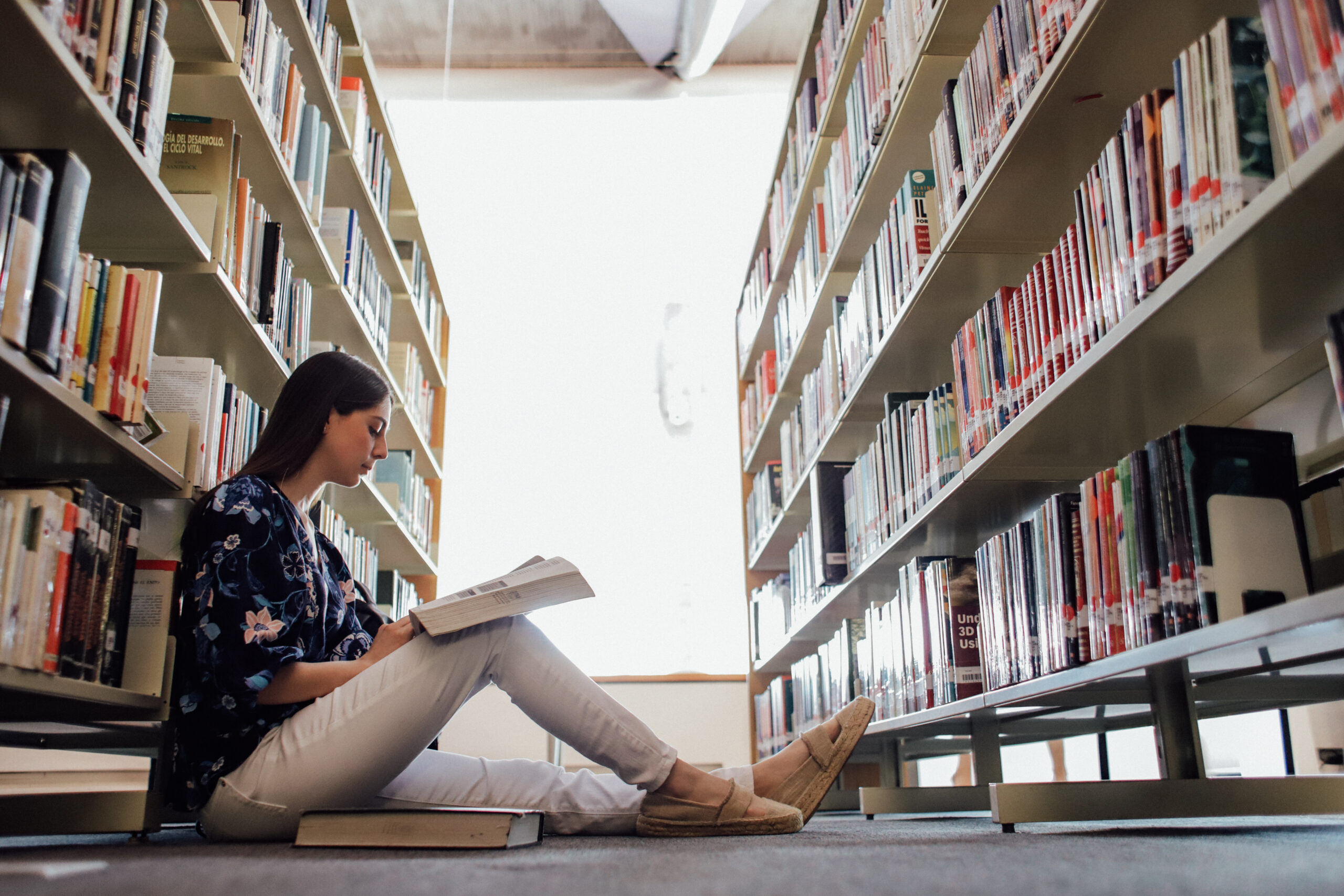
Learn how the Institute of Humanities at the Universidad Panamericana critical thinking and a well-rounded education: https://www.up.edu.mx/educacion-universidad-instituto-de-humanidades/