Mexico City, 2025.— Under the title Artificial Intelligence: Innovation and Social Responsibility, the Universidad Panamericana the 16th Universitas Forum, the essay contest organized by the Institute of Humanities, which brought together the university community for the awards ceremony to analyze one of the most transformative phenomena of our era.
The University as a Space for Reflection on AI
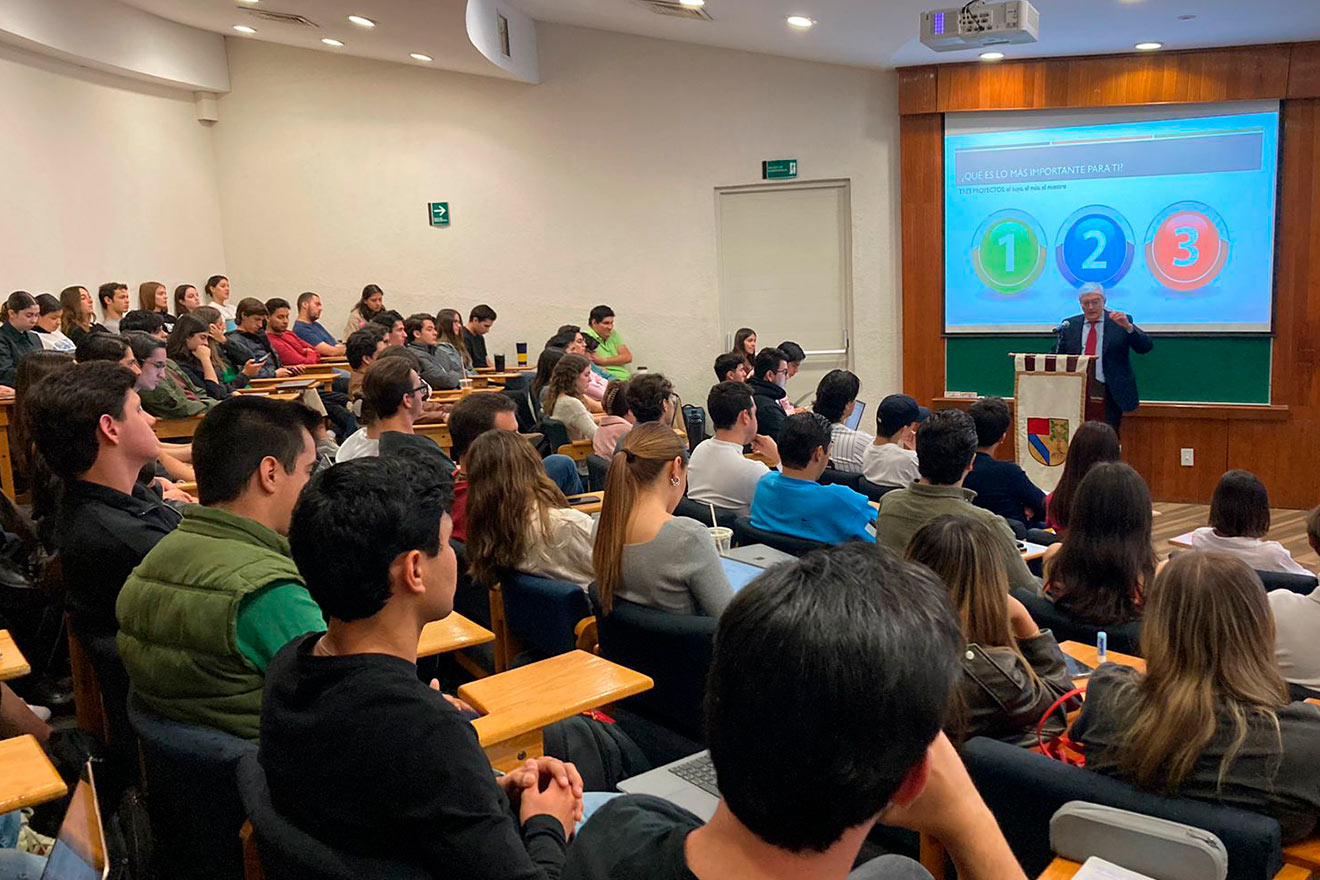
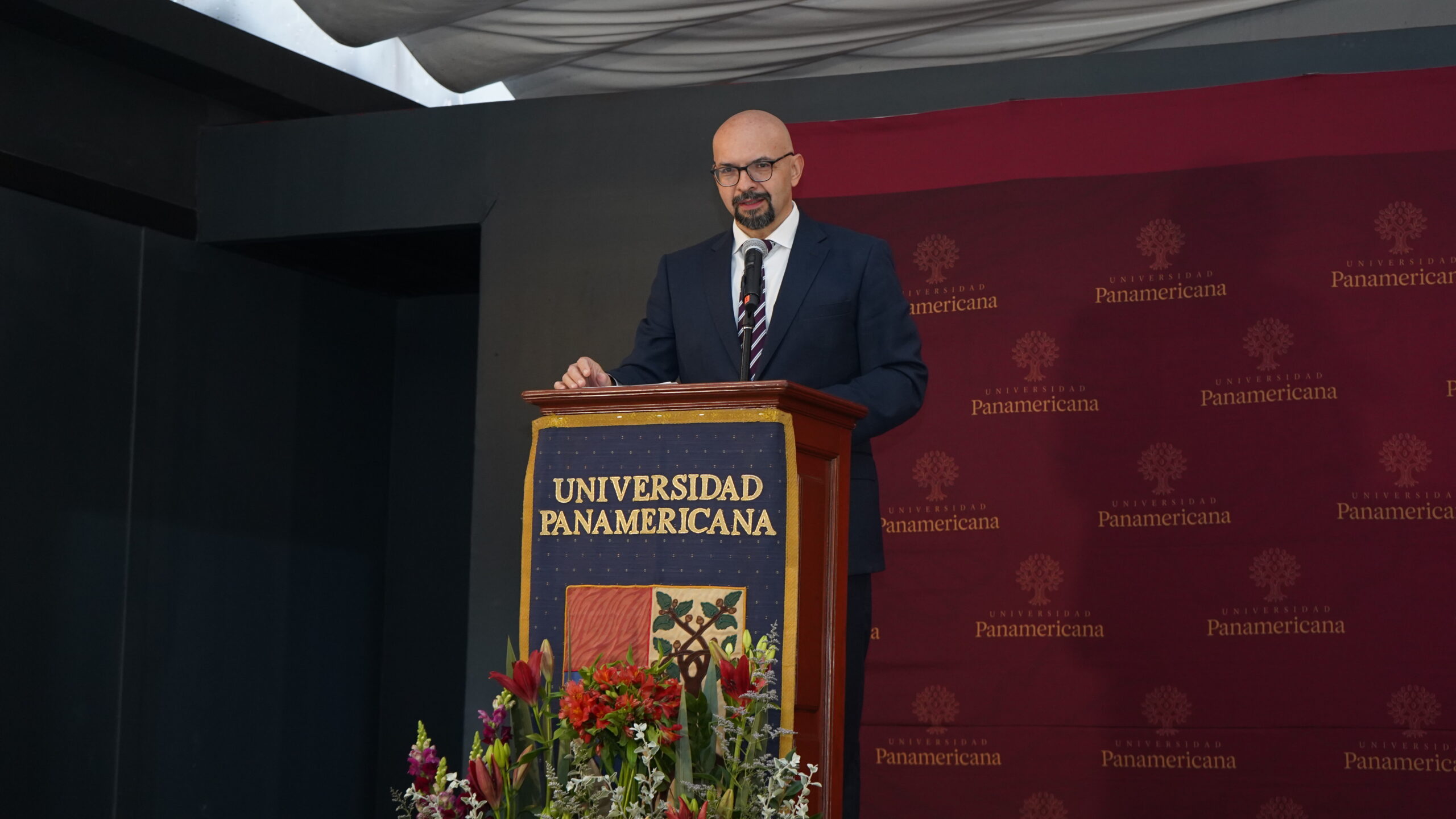
Dr. Santiago García Álvarez, rector of the Mexico City campus, highlighted at the forum’s opening the impressive participation of more than 200 essays submitted by students. “This forum not only helps diagnose current situations but also aims to be part of the solutions. This is a truly university-oriented perspective,”, he stated.

The president recalled Cardinal John Henry Newman’s vision of the university as “the sanctuary of our highest affections” and “the setting for enthusiasm”, noting that forums such as this one bring that ideal to life by weaving a network of reflection among students and professors who seek to draw closer to the truth.
Dr. Alberto Ross, director of the Institute of Humanities, then thanked the organizers, faculty, and, especially, the graduating students. “The ultimate goal of the forum is to foster this academic community of reflection, where, based on topics of common interest, we can come together, engage in dialogue, and think through solutions together,”, he said.
Demystifying AI with Dr. Virginia Dignum
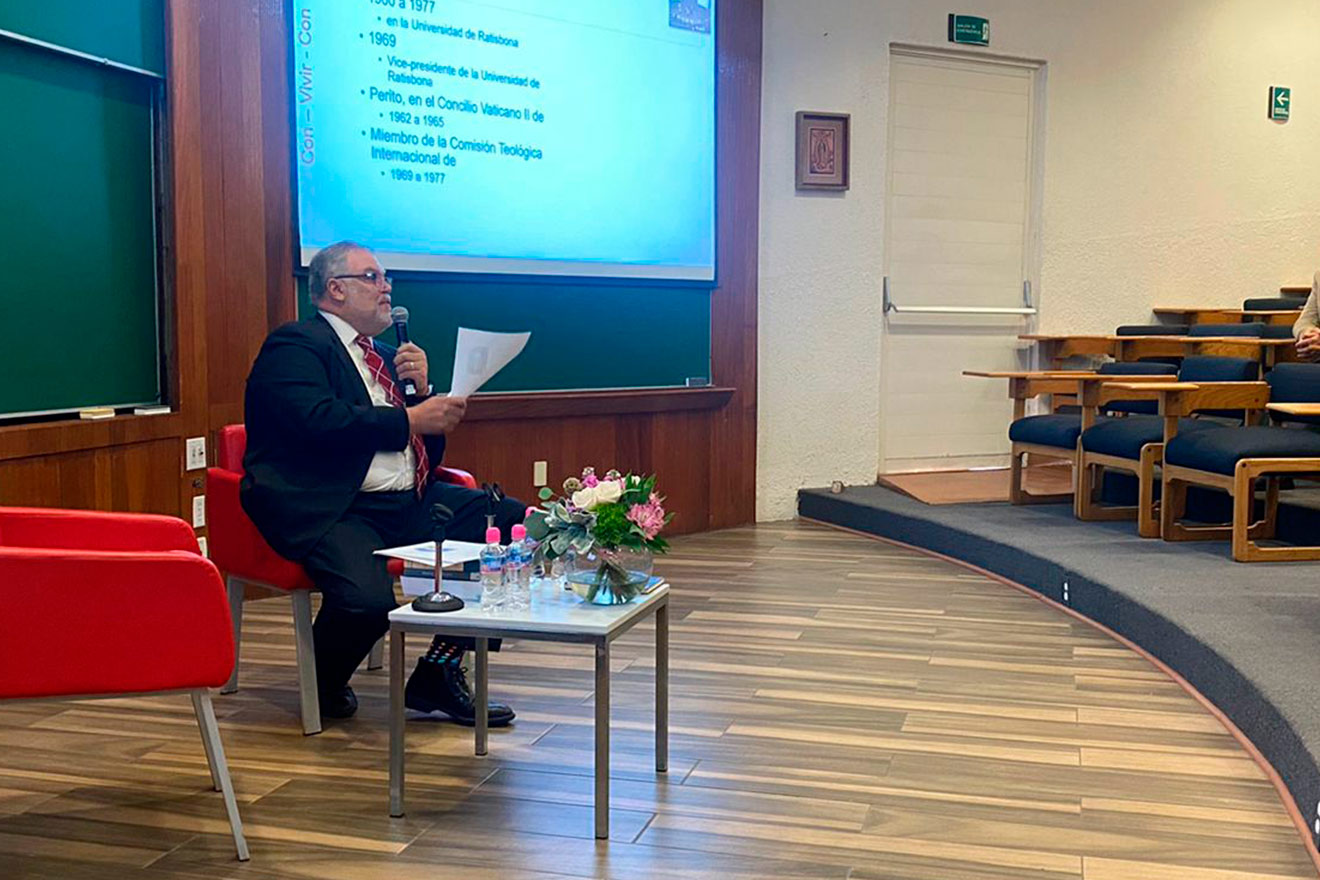
Dr. Virginia Dignum, a professor at Umeå University (Sweden) and one of the world’s leading voices on AI ethics and governance, delivered the keynote address Beyond the AI Hype: Balancing Innovation and Social Responsibility.
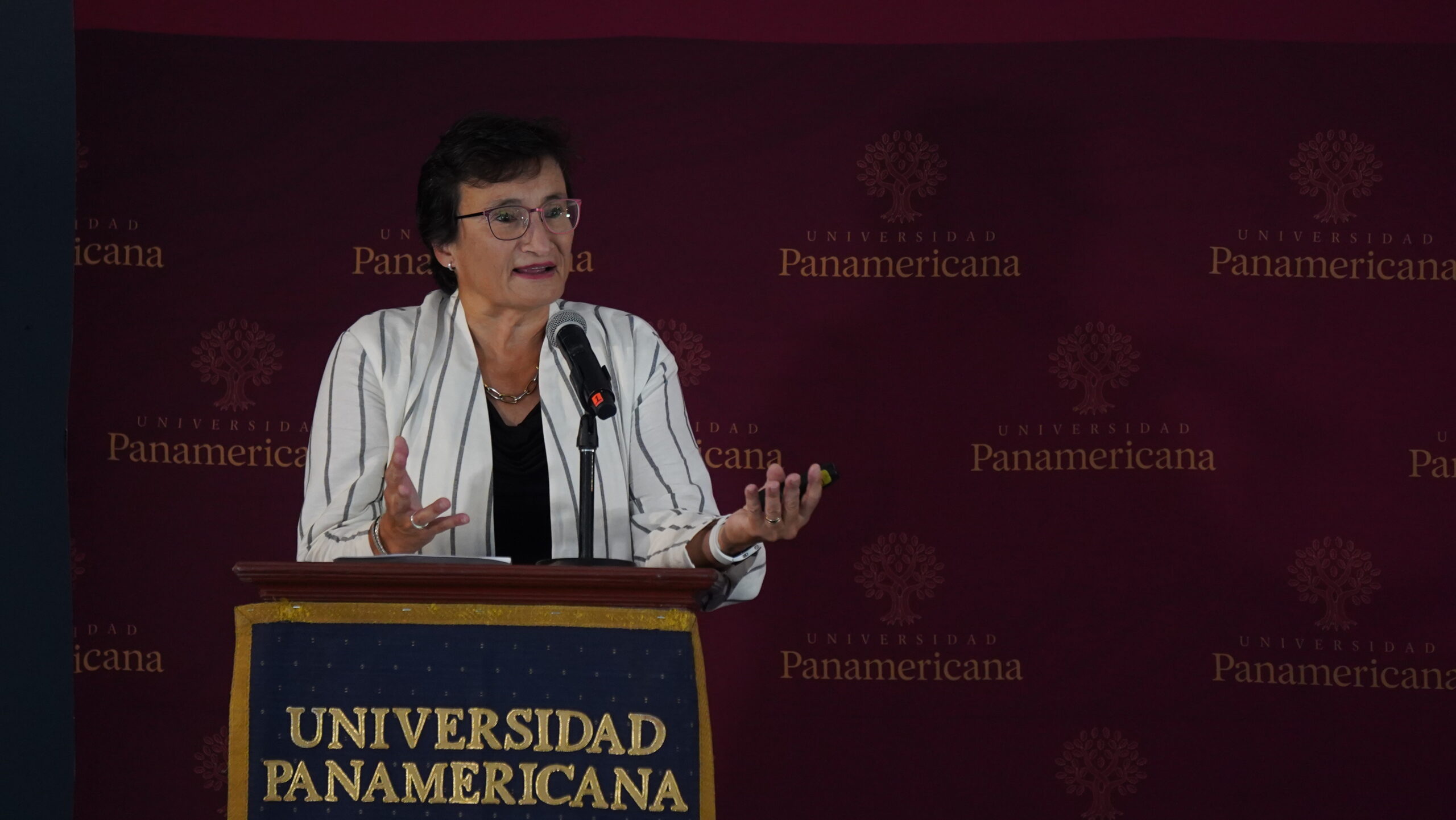
She, who also serves as an advisor to the UN, UNESCO, the OECD, and the European Union, offered a clear and critical perspective, the key points of which were:
- AI is neither intelligent nor artificial:he argued that these systems are based on data correlation, not on understanding, causality, or consciousness. “What we’re doing now with language models is a bit like Frankenstein’s monster: it looks like a person, but it’s built in a way that isn’t our own”.
- Responsibility lies with humans:he emphasized that AI is a tool and, as such, ultimate responsibility for its actions always rests with the people and organizations that design and use it. “We cannot place the responsibility on the system”.
- The human and environmental cost:it highlighted the ecological impact of data centers and the precarious situation of millions of workers in countries such as India and Bangladesh who “clean” the data, making AI possible.
- “Question Zero”: Heurged us to always ask: “Do we really need AI to solve this problem?”. He criticized adoption out of inertia and advocated for a prior analysis of the gains and losses involved in implementing it.
- A call for better governance:he noted that “Regulation is not against innovation; it is an opportunity to improve it”. He also argued that robust, multidisciplinary, and participatory governance is essential for building trustworthy AI that serves the whole of society.
Interdisciplinary Panel: Responsible AI—How Can We Make It Happen?
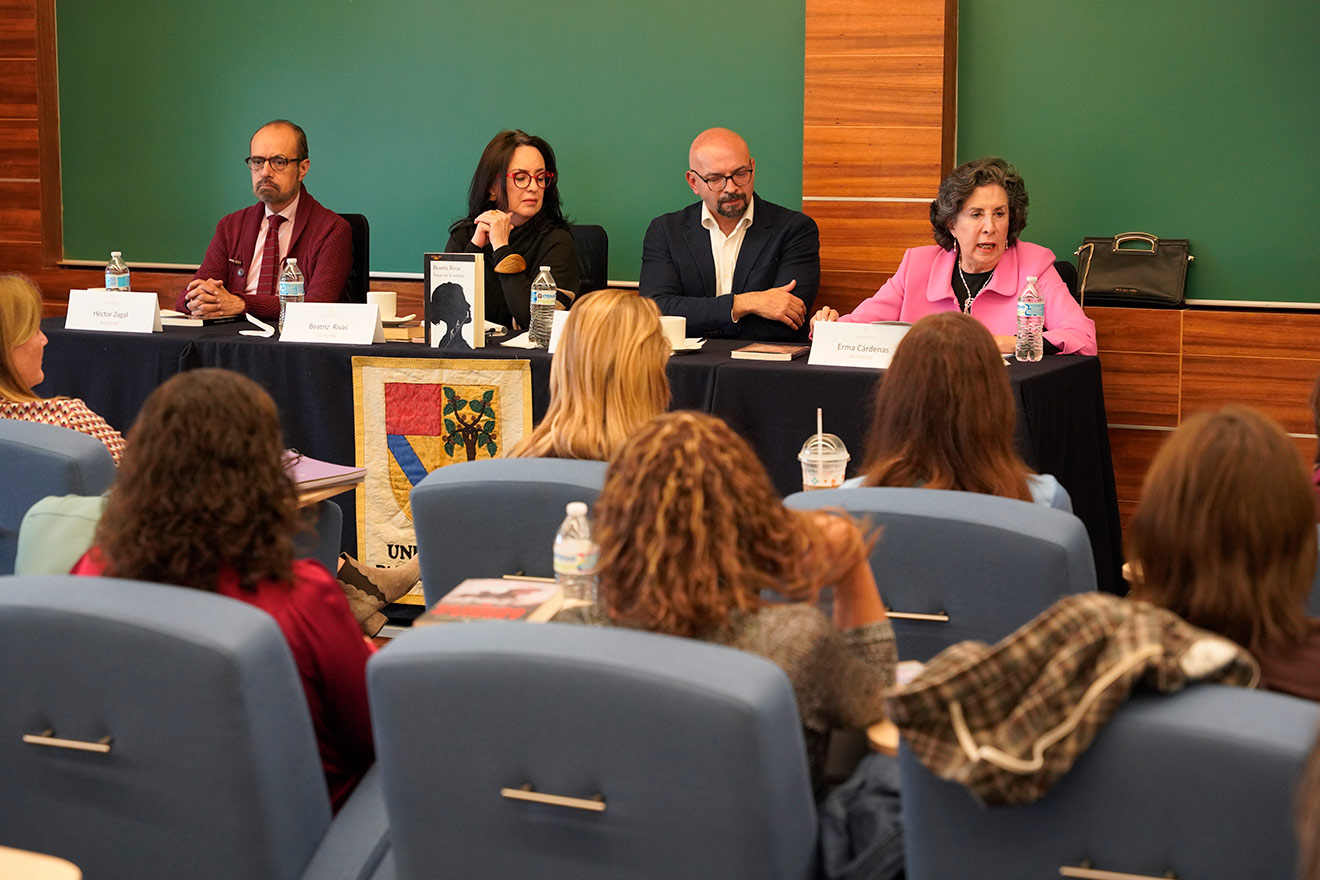
A panel of scholars from our university enriched the discussion with their diverse perspectives.
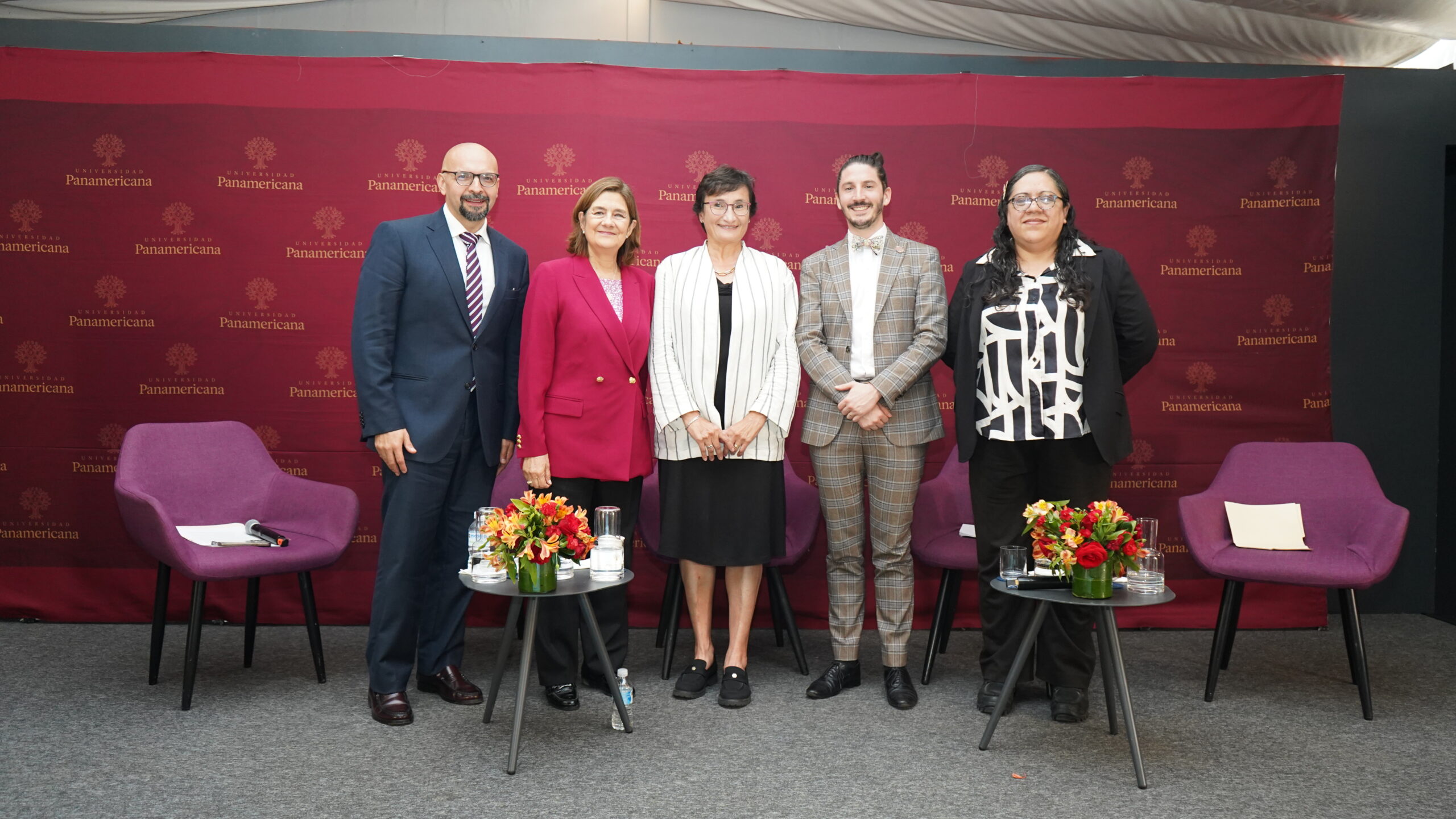
Dr. Karen González, from the School of Philosophy, addressed the “apparent ethics” of AI systems and the dual responsibility of developers and users. She highlighted the need to critically reflect on our relationship with these tools.
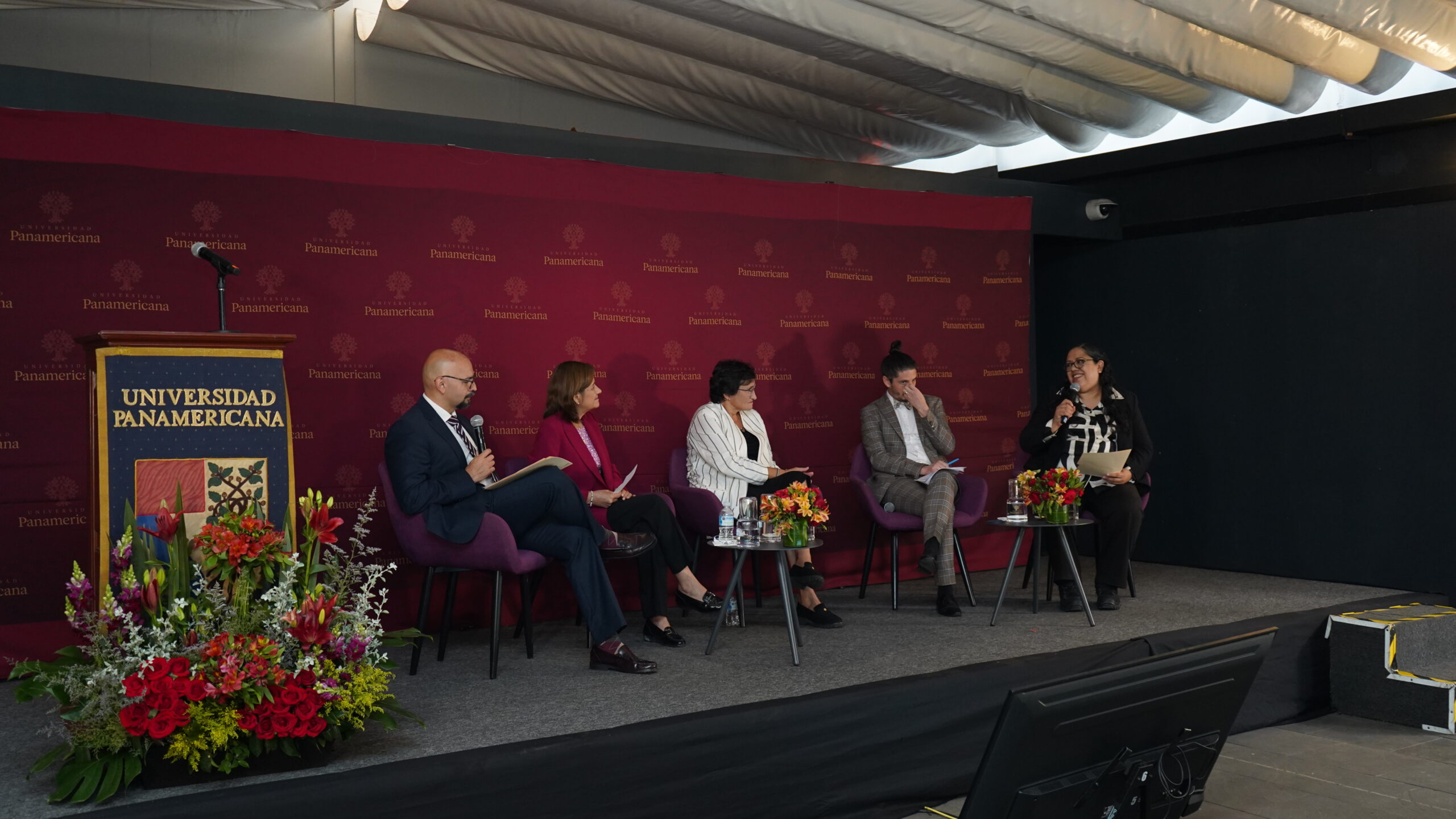
For his part, Dr. Philippe Prince, a professor at the School of Law ( ), questioned the notion of a “legal vacuum” in AI. He argued that existing laws are sufficient in many cases and that the real challenge lies in having the courage to enforce them, avoiding what he called“regulatory solutionism”—the tendency to call for a new law for every new technology.
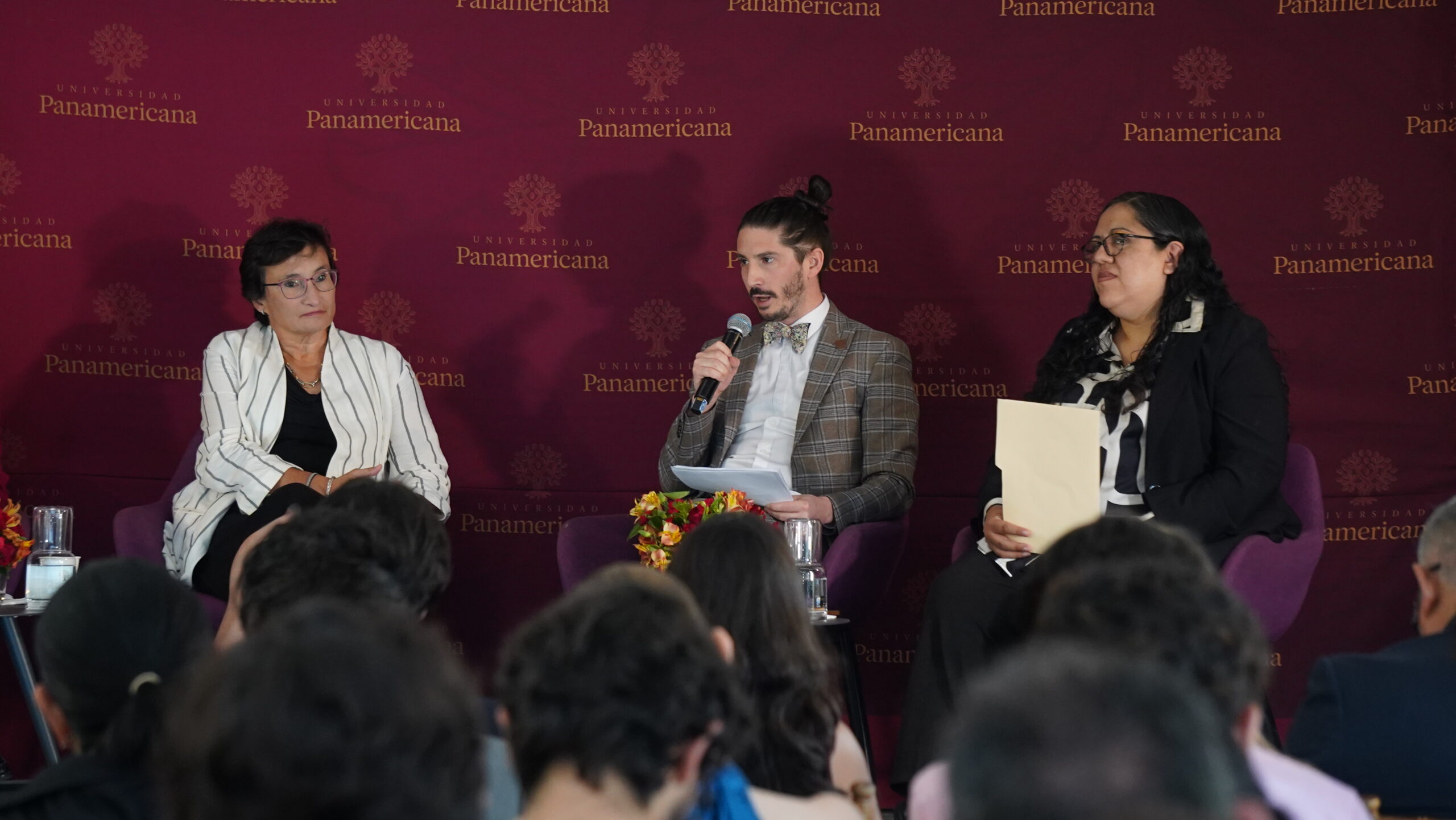
As for Dr. Lourdes Martínez of the School of Engineering, she emphasized the responsibility engineers have to incorporate ethics into the design of systems. “It’s not enough to talk about principles; we have to put them into practice,”, she stated, noting the importance of impact assessments and technical solutions for privacy and justice.
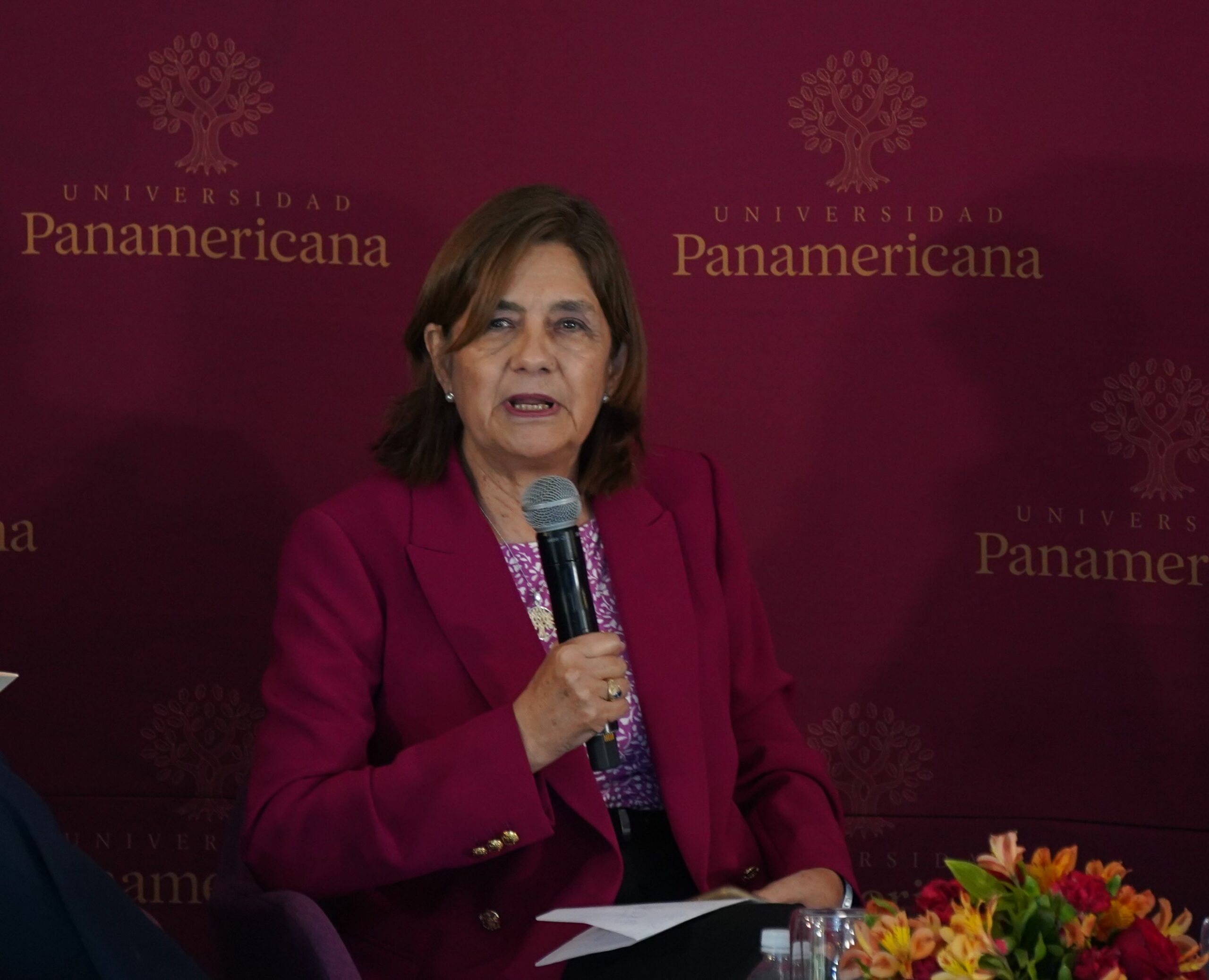
Dr. Dignum concluded the panel with a concrete example: the tax benefit scandal in the Netherlands, where a flawed AI system ruined the lives of thousands of families. This case, she said, illustrates how the problem is rarely just technical, but rather stems from misguided political and social decisions.
The students' voice
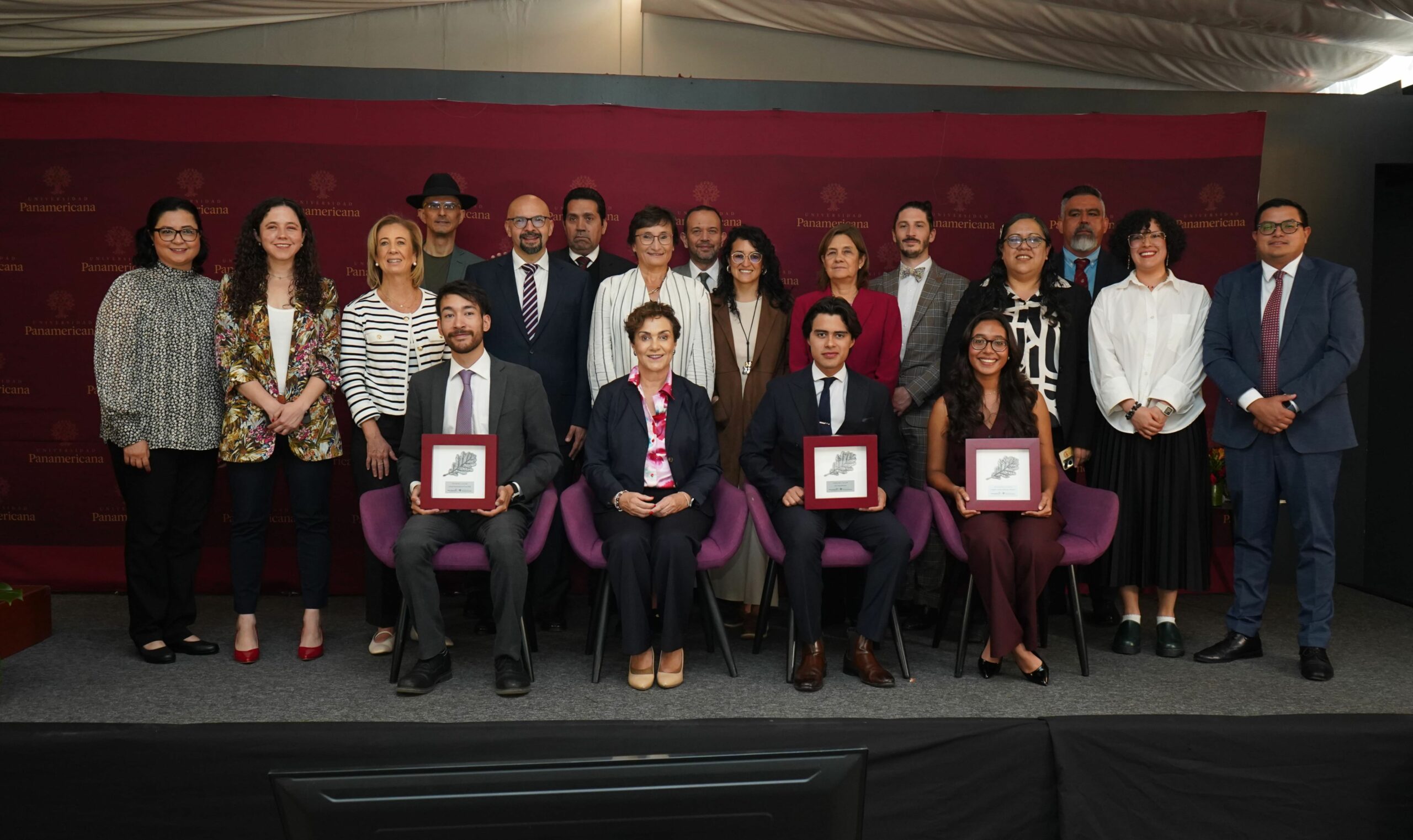
The presentation of the three finalist essays demonstrated the high level of critical thinking among students at the Universidad Panamericana its three campuses (Aguascalientes, Mexico City, and Guadalajara). The winners were:
1st place: Gabriel Netzahualcóyotl Lara Wilk (Philosophy, Mexico City).
With Anthropological and Educational Urgency in the Face of AI. He proposed that the loss of human exclusivity in intellectual tasks demands an educational reinvention, prioritizing deep writing, critical logical thinking, and learning as an act of self-discovery, rather than the mere transmission of data.
2nd place: Nathalia Graciela Barrientos (Psychology, Aguascalientes).
With The Humanity of Artificial Intelligence. He analyzed, from the perspective of philosophical anthropology, why AI cannot match essential human characteristics such as experiential intelligence, subjective consciousness, and will-based morality.
3rd place: Arlo Escamilla Ruiz (Law, Aguascalientes).With Algorithmic Democracy: Between Efficiency and Domination, he warned of the risks of AI in the public sphere, such as mass surveillance, algorithmic biases, the concentration of power in technocracies, and its use as an agent of social polarization.
UP: Fostering Critical Thinking
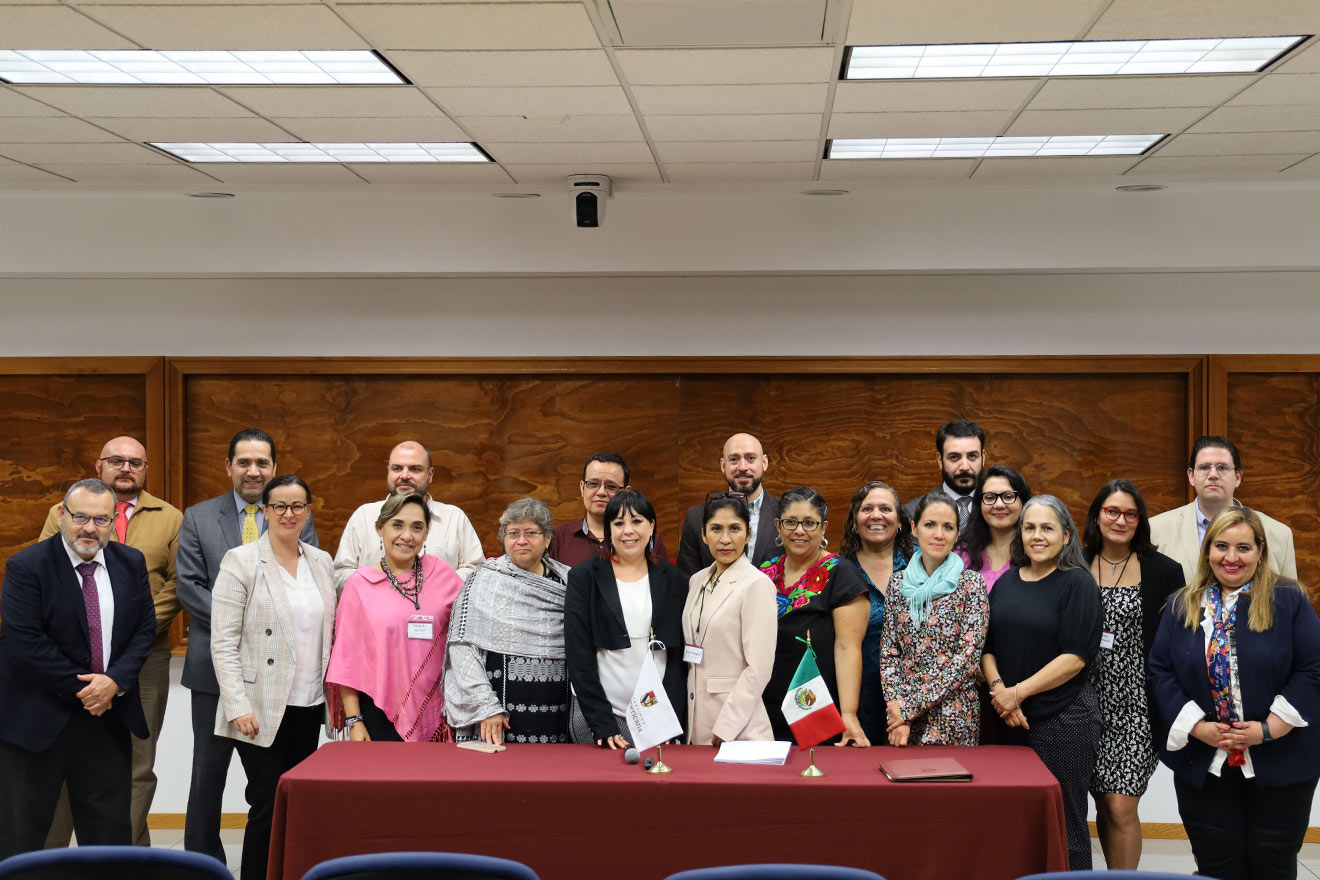
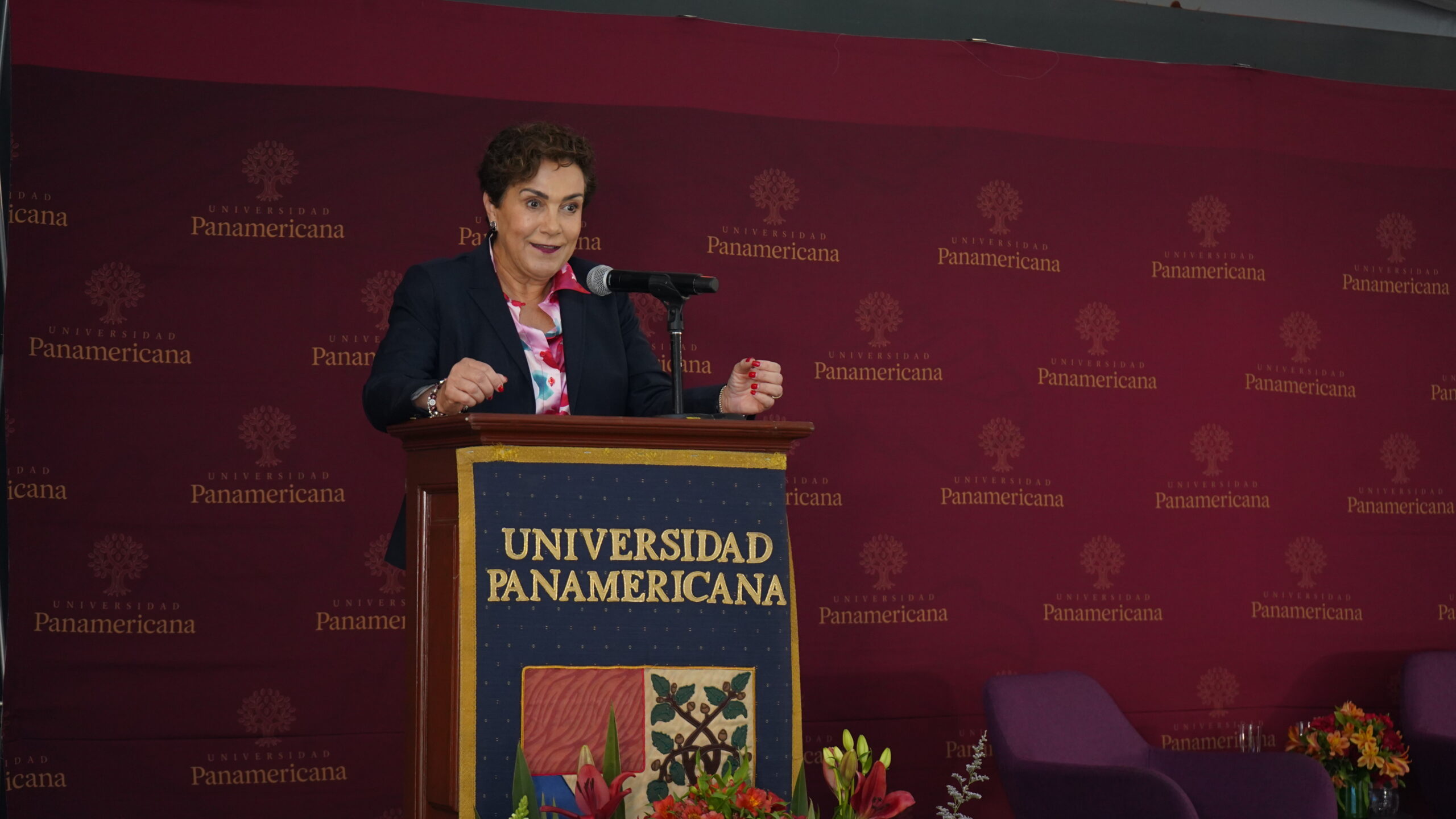
At the closing ceremony,Dr. Fernanda Llergo Bay, President of the Universidad Panamericana IPADE, congratulated the winners and all the participants. “If not from the university, where will these ideas come from?”she asked, reaffirming the role of academia as a generator of critical thinking.
In previous editions, the Universitas Forum has addressed topics such as democracy, the climate crisis, the relationship between faith, reason, and culture, and the world after the pandemic, among others. A new feature of this edition was that the call for submissions was open only to students.
In total, 500 students registered, and 274 essays were submitted from Aguascalientes, Mexico City, and Guadalajara. The jury was composed of professors from the Institute of Humanities at the Mexico City campus, and the finalists were selected after three rounds of evaluation.
Learn more about our university’s Institute of Humanities at: https://www.up.edu.mx/educacion-universidad-instituto-de-humanidades/