Zapopan, Jalisco, July 8, 2025.—Universidad Panamericana ’s Guadalajara campus continues to strengthen its academic identity through initiatives that promote critical thinking, well-rounded education, and collaborative research.
The second edition of the Annual Humanities Research Seminar stands as an outstanding example of the institution’s commitment to fostering a vibrant, rigorous, and deeply human academic community.
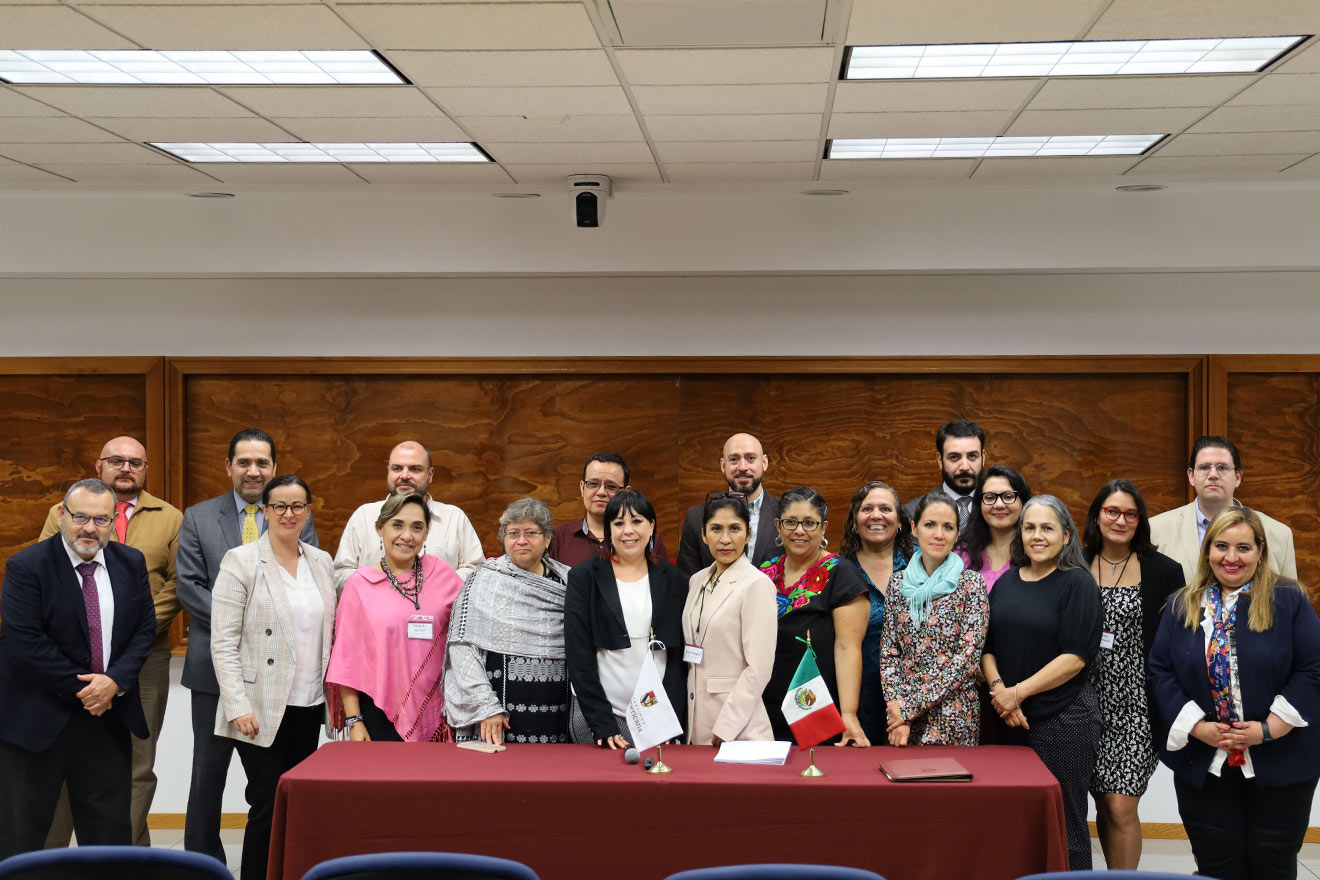
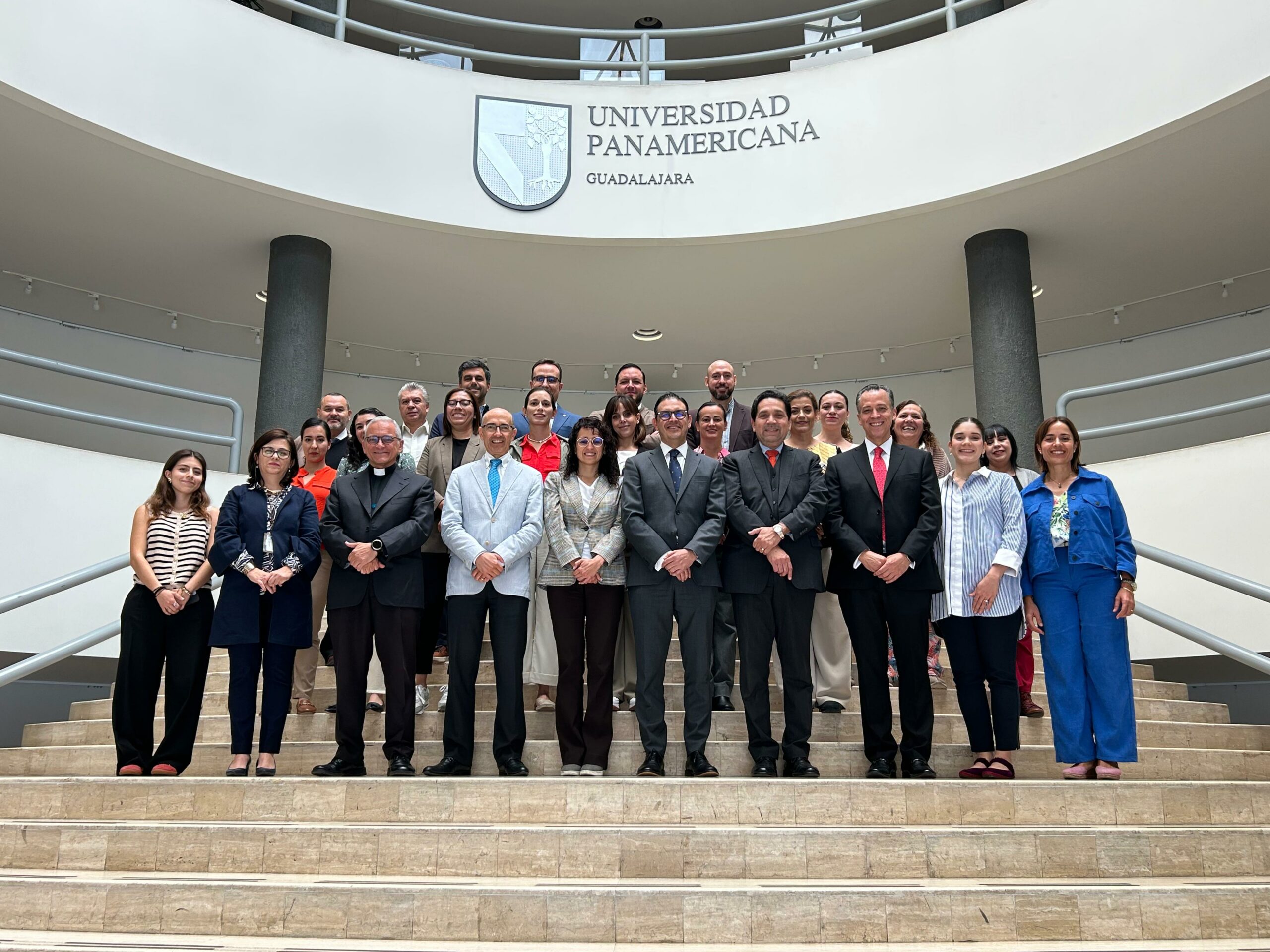
This academic event brought together 20 research professors from the Institute of Humanities, who took part in a day of reflection, interdisciplinary dialogue, and fellowship.
Keynote Lectures with an International Focus
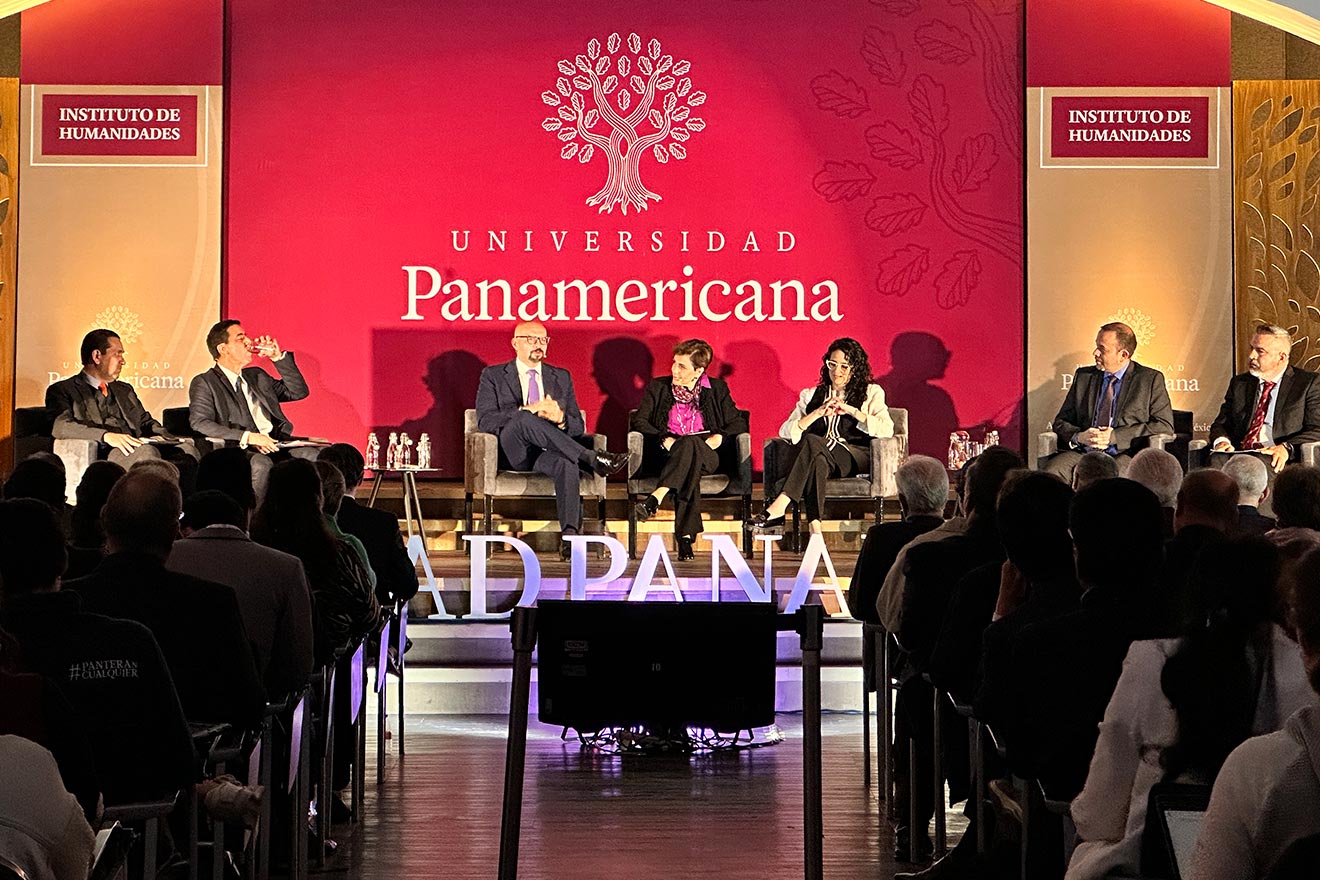
The seminar was opened by the Dr. Francisco Orozco Argote, vice rector of the Guadalajara campus, and featured three keynote lectures by prominent national and international academics, including:
- The Dr. José Ángel Lombo, from the Pontifical University of the Holy Cross (Rome), opened the series with a presentation titled "The Formation of Intellectual Habits and Their Relevance to Research and Pedagogy,", which focused on the importance of intellectual habits for research and teaching development.
- Dr. Dr. Cecilia Coronado, associate director of the Institute of Humanities, addressed the role of the university as a space for freedom and thought in her talk Thinking Without Utility: The University as a Space for Education in Freedom.
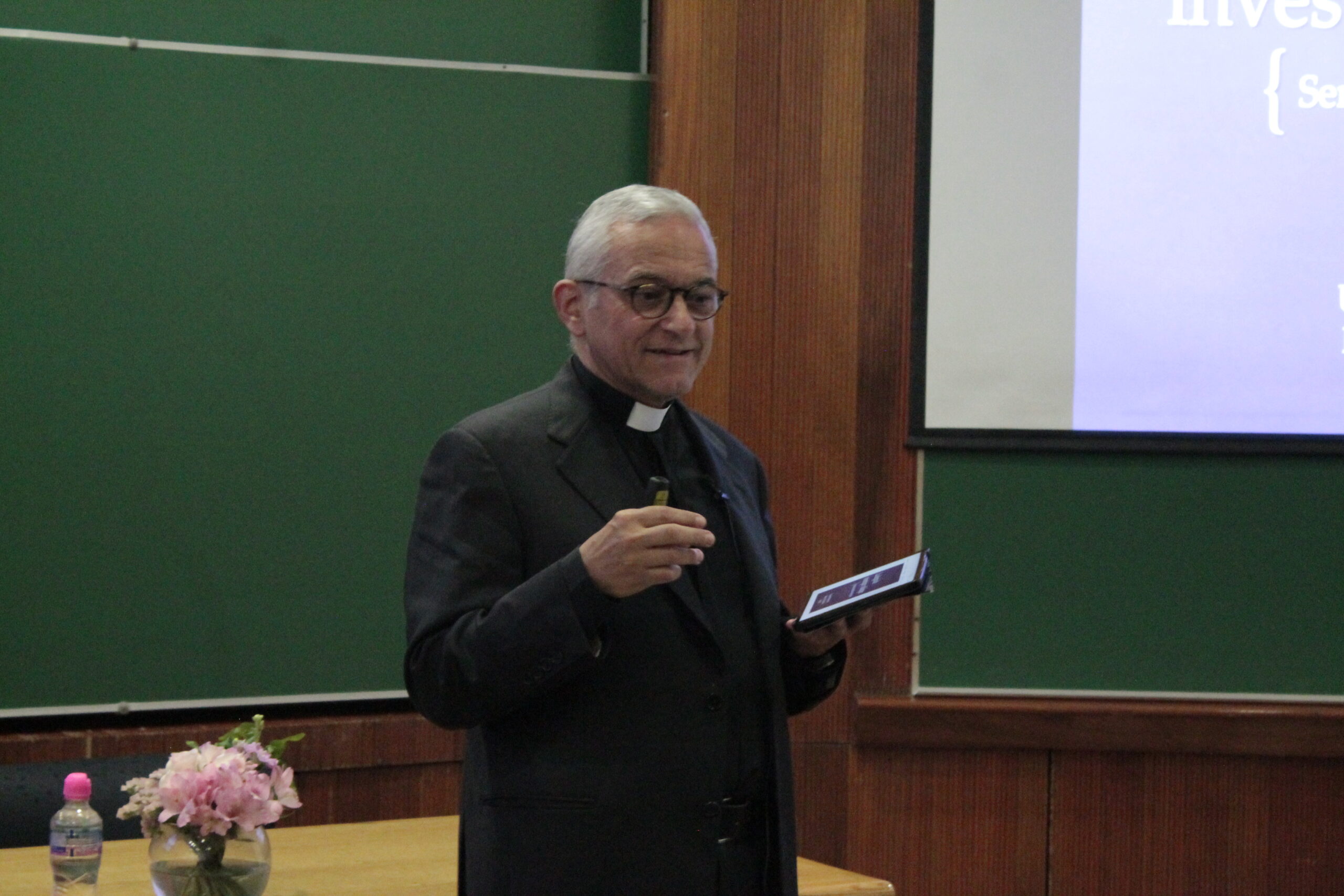
- The Dr. Juan Andrés Mercado, also from the University of Santa Cruz, presented the paper Experiences in Study and Academic Dialogue, using the case study method to illustrate common situations in research seminars.
Academic Collaboration: Simplicity, Trust, and Shared Results
Dr. Juan Andrés Mercado recounted his experience based on a real-life example of collaboration among professors, emphasizing that the dynamics he described are common in the academic world: “There are both personal and institutional challenges that, over time, evolve into demanding work projects, where the ability to adapt and an open mind are essential”.
He also emphasized that the most important thing is “the need for faculty members with standard qualifications, but who are not easy to find in the right combinations: the initiative to translate the project into a work plan; an atmosphere of trust that has been cultivated over the years, thanks to both the leadership and all members of the team; an interest in the work of others”.
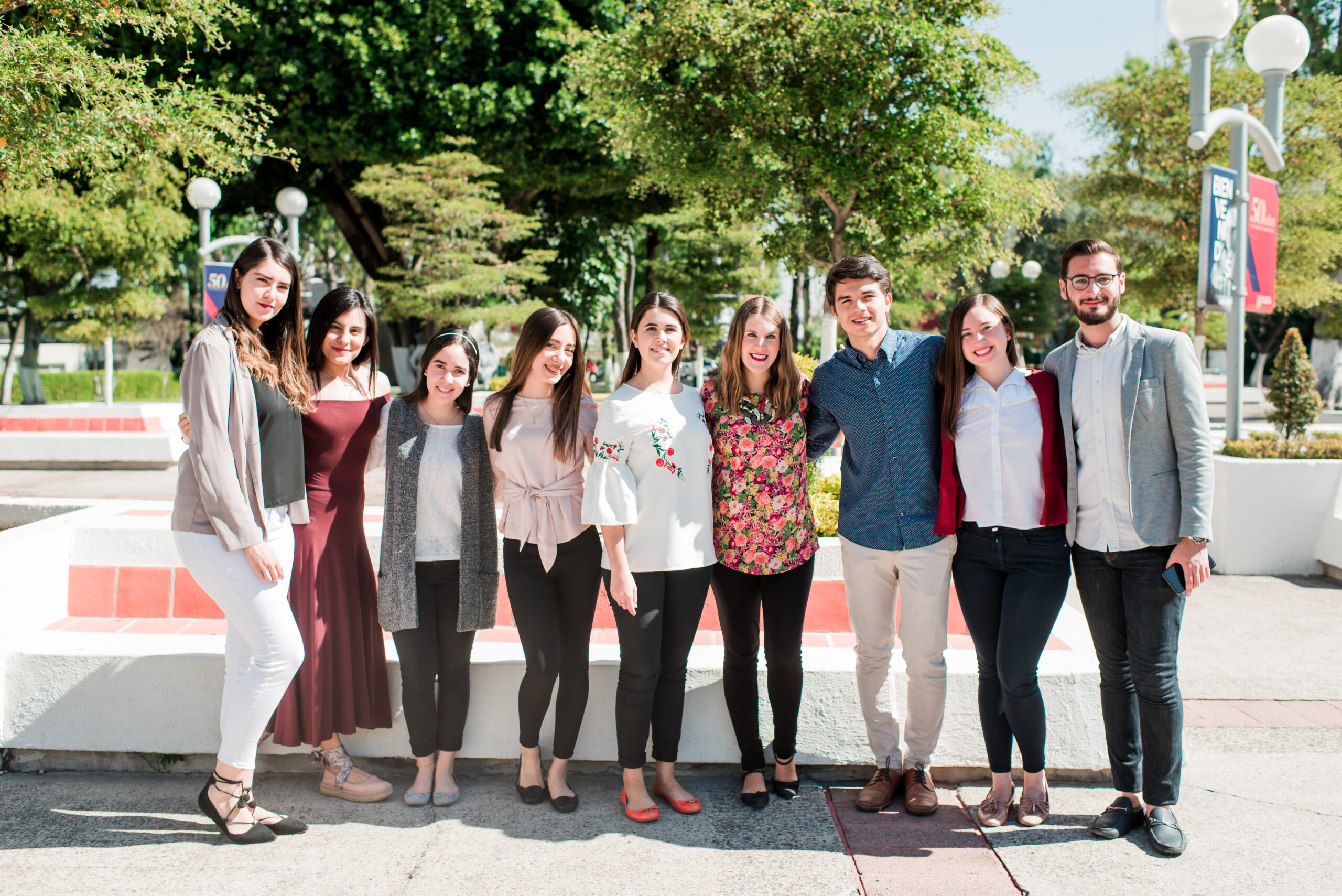
Throughout the day, participants highlighted the atmosphere of inclusion, the value of collaboration, and the richness of the academic exchange. The event concluded with a culinary workshop at ESDAI, led by Professor Cristina Avelar, where attendees strengthened their bonds in a more informal setting.
Rediscovering the Joy of Researching as a Community
“Research requires its own dedicated space. It’s healthy and necessary to set aside time exclusively for it, as that keeps the passion and joy of studying and discovering alive,”, said Dr. María del Pilar Sánchez Barajas.
The professor also highlighted the value of the closing gathering at the end of the event: “I believe that these kinds of gatherings allow us to get to know each other better and come together as an academic community. It’s also a great opportunity to talk with other professors in a relaxed setting, learn about their projects, and—why not?—explore possibilities for collaboration.”
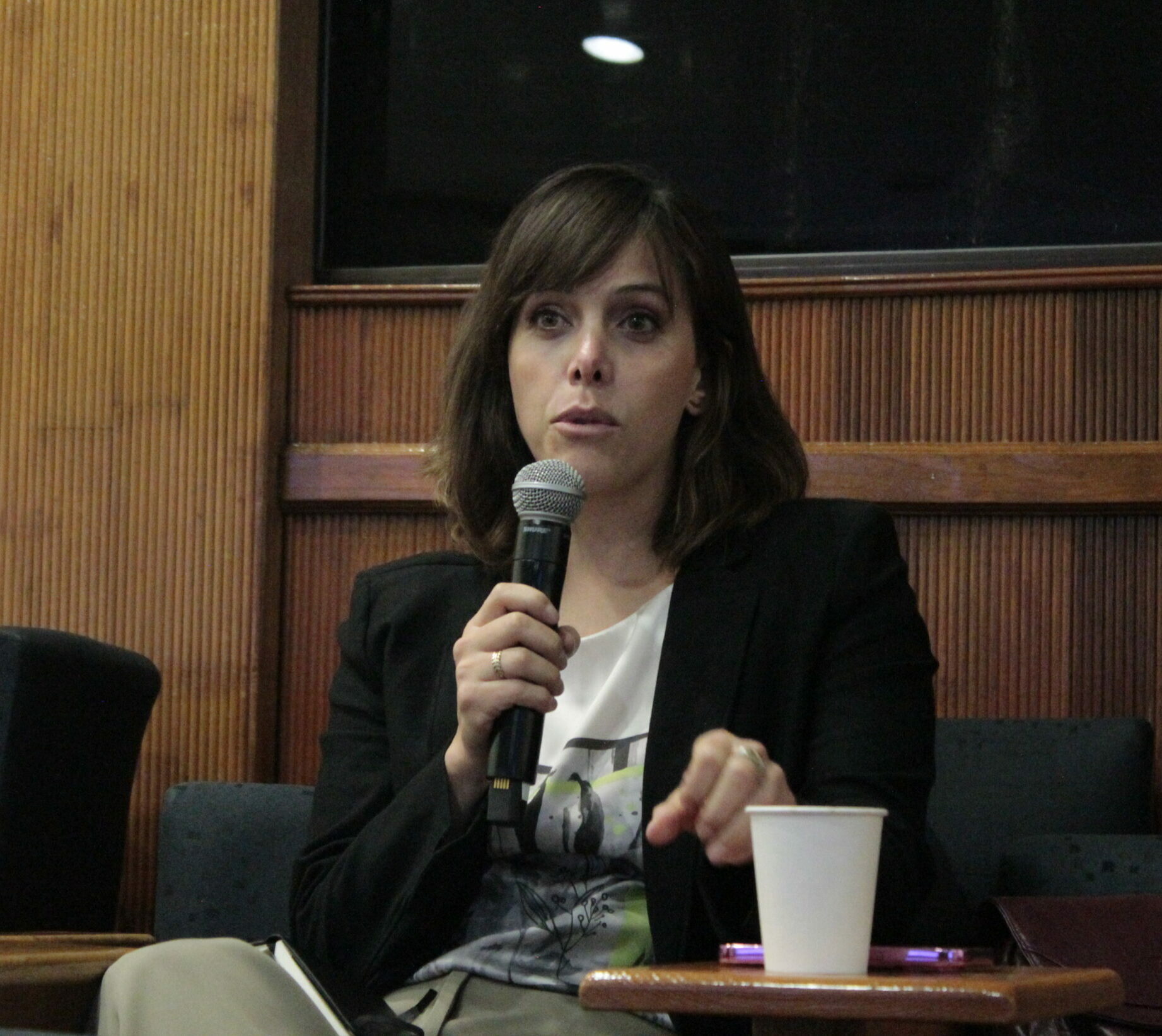
For his part, the Rafael Piña Valdez, M.A. stated that “Sometimes it’s essential to take breaks to rediscover the joy of the researcher’s calling, and that fellowship within the research community is something that is nurtured every day.”
Meanwhile, the Dr. Susana Ochoa de Rojas highlighted as the main takeaway from the seminar that “interdisciplinary work is always more rewarding, because to discover the insights of another researcher, there’s nothing better than getting to know them, and if it’s in a relaxed setting, so much the better.”
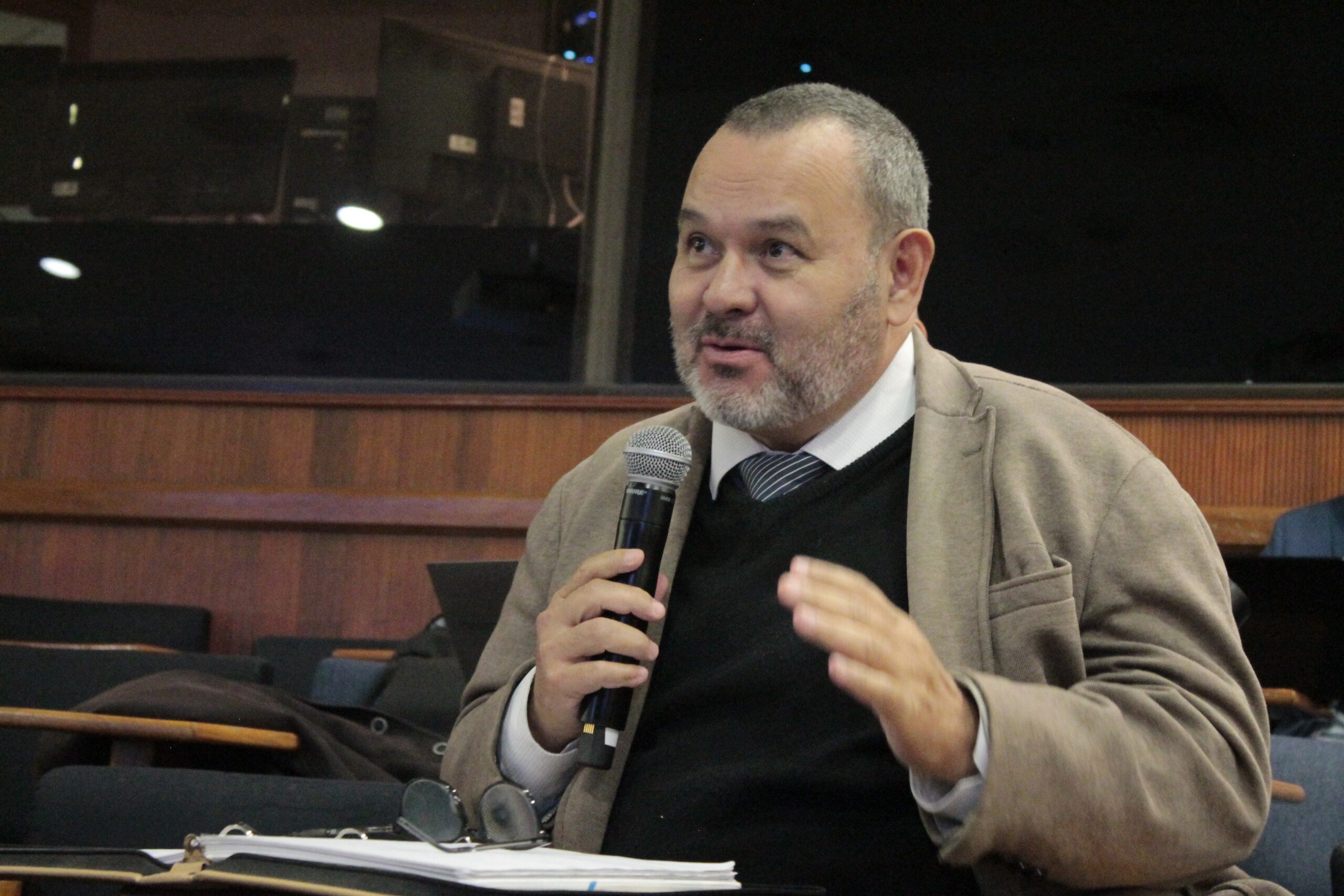
Likewise, the Dr. Blas Roldán emphasized the importance of teamwork and how crucial collaboration among team members can be in giving meaning and significance to the work.
Humanities, Community, and University Engagement
This seminar reaffirms the Universidad Panamericana to vibrant, rigorous, and deeply humanistic research; research that not only seeks knowledge but also builds it through community, dialogue, and a shared calling.
Events like this strengthen the academic identity of our institution and renew our commitment to educating individuals of integrity who are dedicated to truth and the common good.
Learn more about our programs, projects, and academic commitment to a well-rounded education at: https://www.up.edu.mx/educacion-universidad-instituto-de-humanidades/