Zapopan, Jalisco, November 9.— Determining the existence of God through science may seem like a Herculean task, but at the conference “Does God Exist? Science Proves He Does”, led by businessman, writer, and international speaker José Carlos González-Hurtado, president of the EWTN Spain network, attendees discovered various facts that shed light on this question.
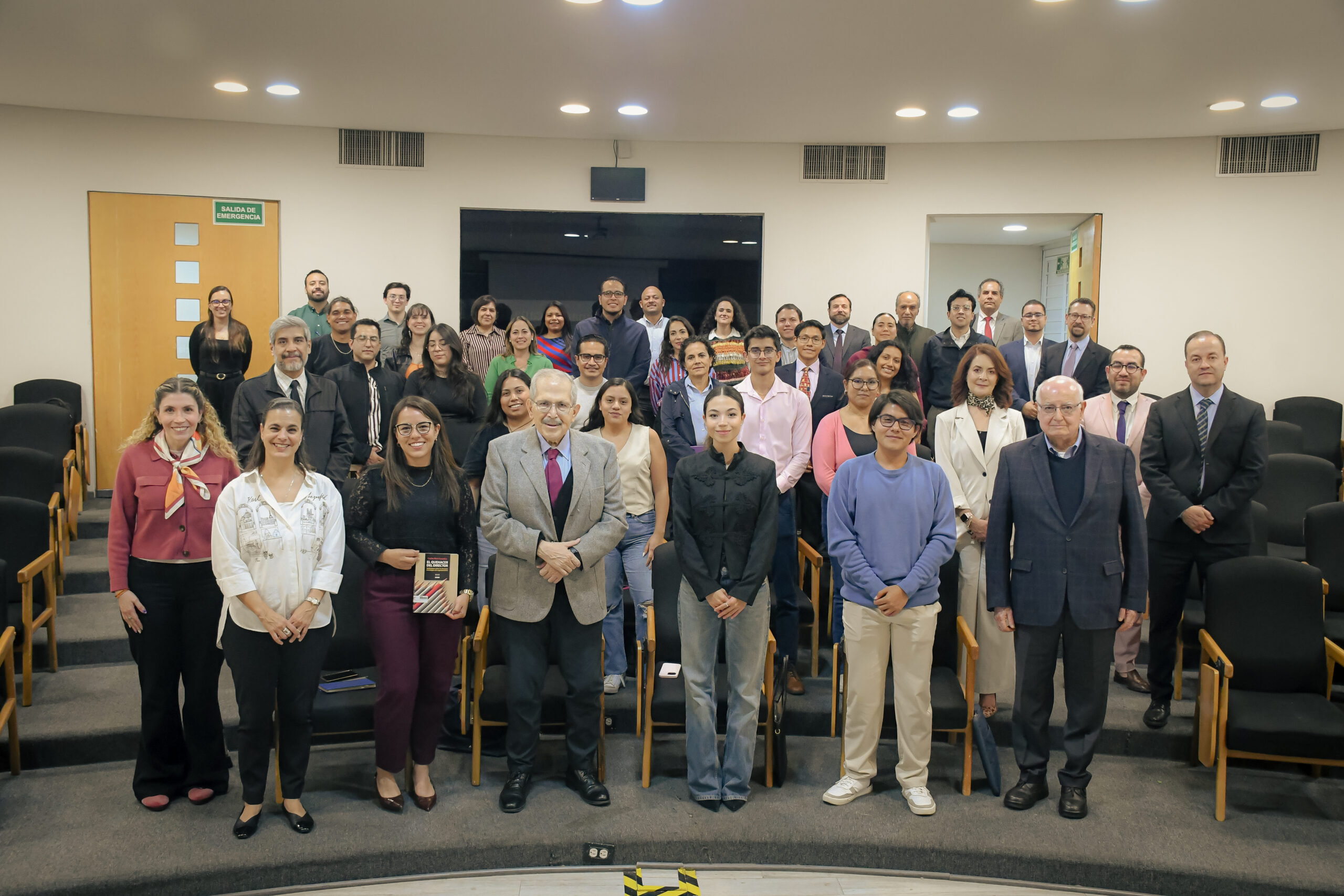
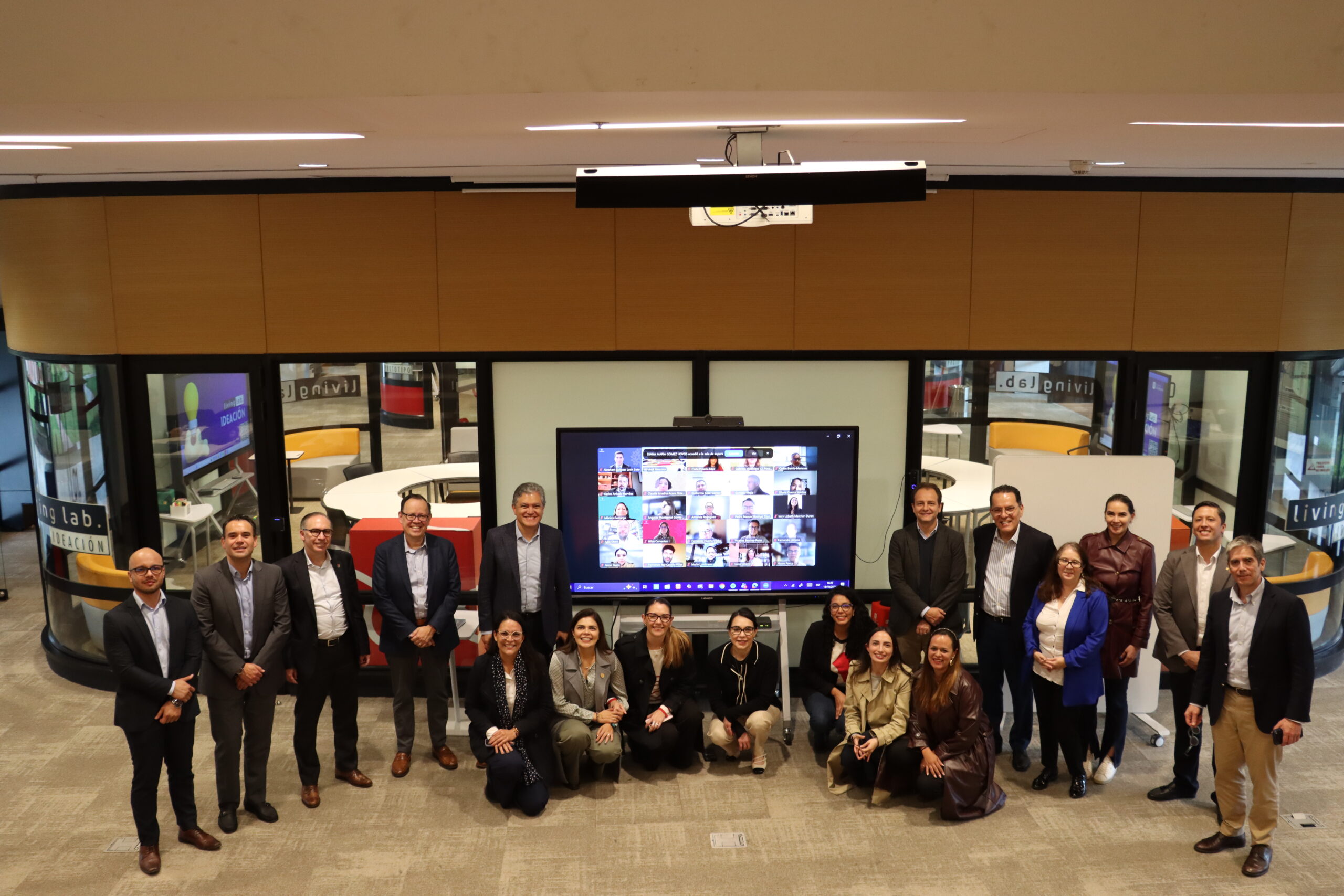
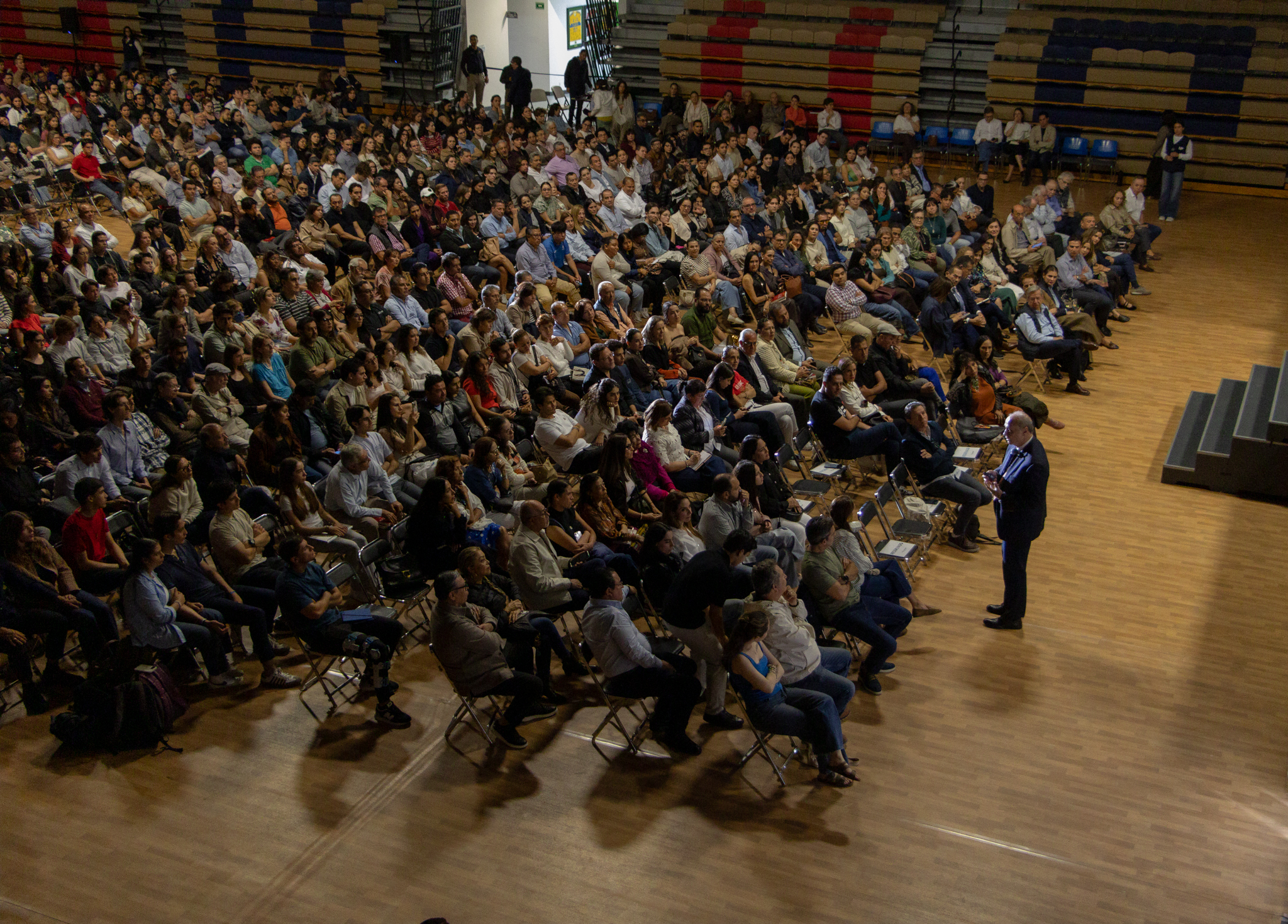
The event, organized jointly by the Guadalajara campus of theUniversidad Panamericana nd the Concavus Foundation, brought together priests, administrators, and students interested in exploring the relationship between science, philosophy, and faith. With a dynamic and approachable style, the speaker interacted with the audience and presented arguments related to physics, cosmology, mathematics, and biology to develop his position on the existence of God.
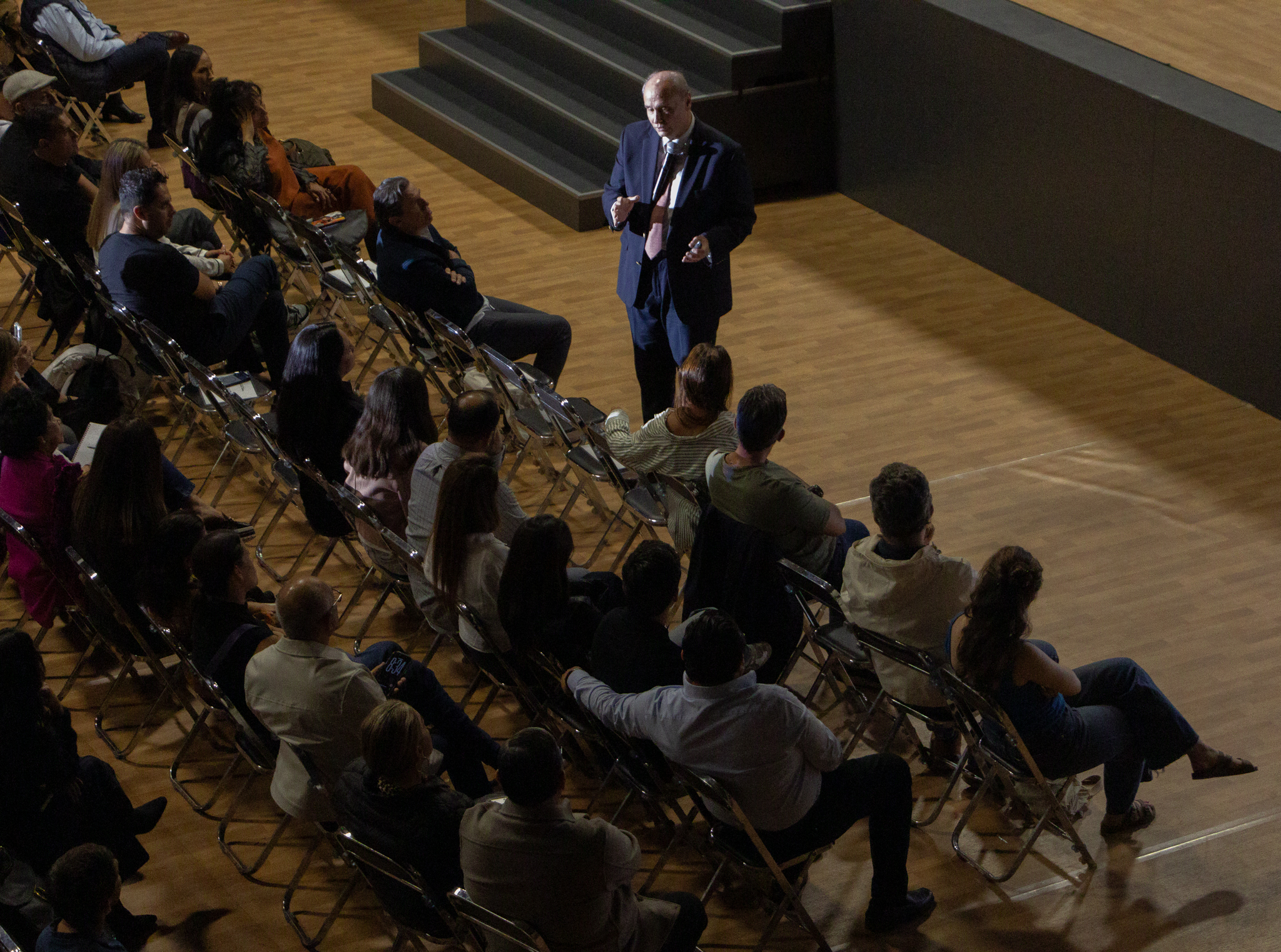
From the very beginning, José Carlos González-Hurtado made it clear that his purpose was not commercial, but rather transcendental: “The only reason I’m here is to try to help you save your soul and for me to save mine… My only goal is to help you save your soul.”
Building on this premise, the speaker guided the audience on a journey through physics, cosmology, mathematics, and biology to demonstrate that modern science, far from being at odds with faith, is its greatest ally.
The Myth of the Atheist Scientist and the Nobel Prizes
One of the central themes of the conference was to debunk the popular belief that the scientific community is predominantly atheist. José Carlos González-Hurtado, who has served as an executive at Carrefour Group and Procter & Gamble, was categorical in stating: “The more science, the more God. A little science takes you away from God; a lot of science brings you closer to God.”
To support this claim, he cited a study by Israeli geneticist Baruch Aba Shalev on the beliefs of Nobel Prize laureates over the past hundred years. The data presented were compelling:
* 97% of Nobel Prize winners in Physics identify as theists or religious.
* 95% of Nobel Prize winners in Chemistry share this view.
* 93% of Nobel Prize winners in Medicine and Physiology also identify as theists or religious.
In contrast, the speaker humorously pointed out that atheism or agnosticism is concentrated in other disciplines: “Less than 5 percent of the Nobel Prize winners in science over the past 100 years are atheists or agnostics. However, when it comes to the Nobel Prizes in Literature, between 15 and 30 percent identify as atheists or agnostics. That’s why I often say that being an atheist is a literary thing.”
He also drew on the ideas of scientists such as Werner Heisenberg and Arthur Compton to illustrate different perspectives on the relationship between scientific knowledge and spirituality.
Scientific Evidence: The Big Bang
José Carlos González-Hurtado explained that the universe had an absolute beginning approximately 13,751 million years ago through the Big Bang—a theory that, paradoxically, was first proposed by the Belgian Catholic priest and astrophysicist Georges Lemaître. The speaker explained that, since matter, space, and time came into existence at that very moment, the cause of that creation must necessarily be “spiritual, eternal, and infinite.”
Another concept he introduced was that of the anthropic universe, which relates to the physical conditions that make life possible. On this point, he explained that small variations in certain physical constants would alter the conditions of the universe and its ability to support life.
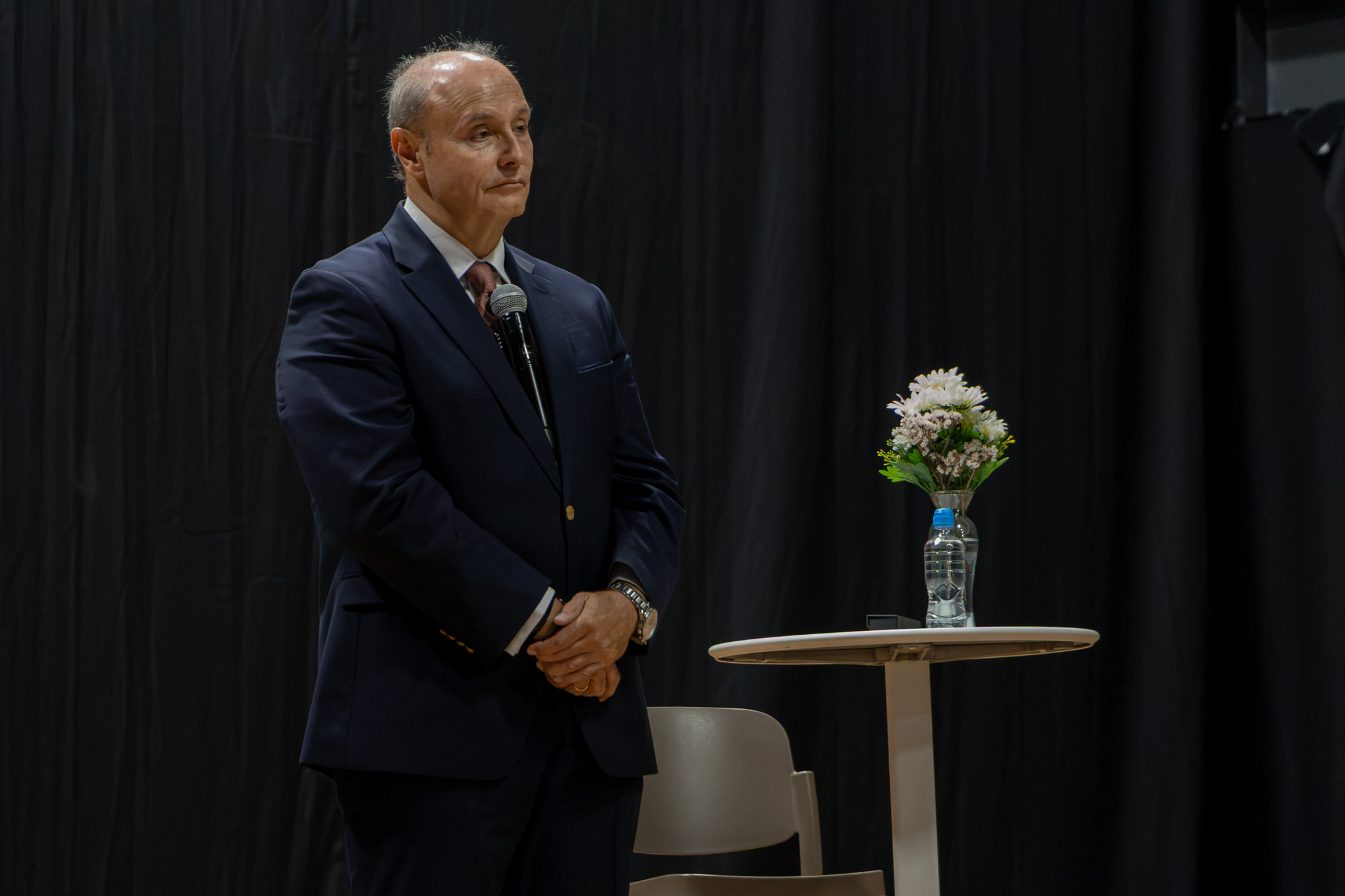
To illustrate this idea, he drew on the work of mathematical physicist Roger Penrose, winner of the 2020 Nobel Prize in Physics, on entropy and the probability that the universe would exhibit conditions compatible with life. González-Hurtado used this argument to present his interpretation of the order and conditions of the cosmos.
The odds against it are astronomical: 1 in 10 to the 10th power to the 123rd. “There must be as many zeros as there are atoms in the entire universe… In fact, it’s easier for you to win the lottery every day of your life until you die than for this to have happened,” explained the businessman, seeking to make this figure easier to understand.
Mathematics and Biology: Gödel and DNA
The presentation also included references to mathematics and biology. In the first area, the speaker discussed Kurt Gödel’s incompleteness theorems and their relevance to reflecting on the limits of formal systems.
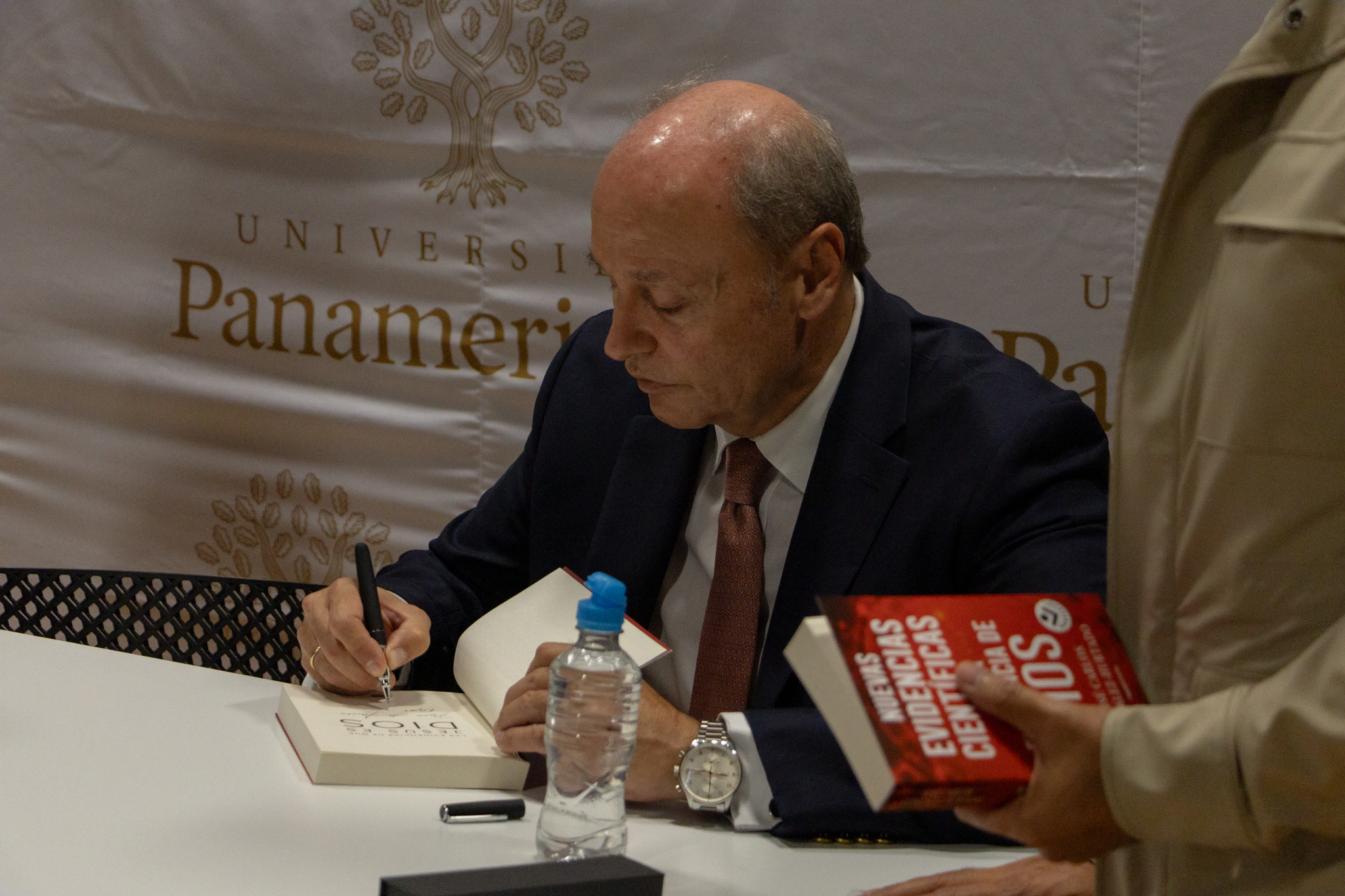
As for biology, he drew on the experience of Francis Collins, former director of the Human Genome Project, who recounted his transition from atheism to theism in his book The Language of God.
González-Hurtado highlighted the complexity of DNA and its coding structure as part of his reflection on the intelligence behind biological systems. In this regard, he noted: “Behind every language… in any form, there is necessarily an intelligence, and that is what he realizes—there is an intelligence, and that intelligence is what we call God.”
The conference concluded with a question-and-answer session during which attendees were able to speak directly with José Carlos González-Hurtado about the topics discussed during the event.
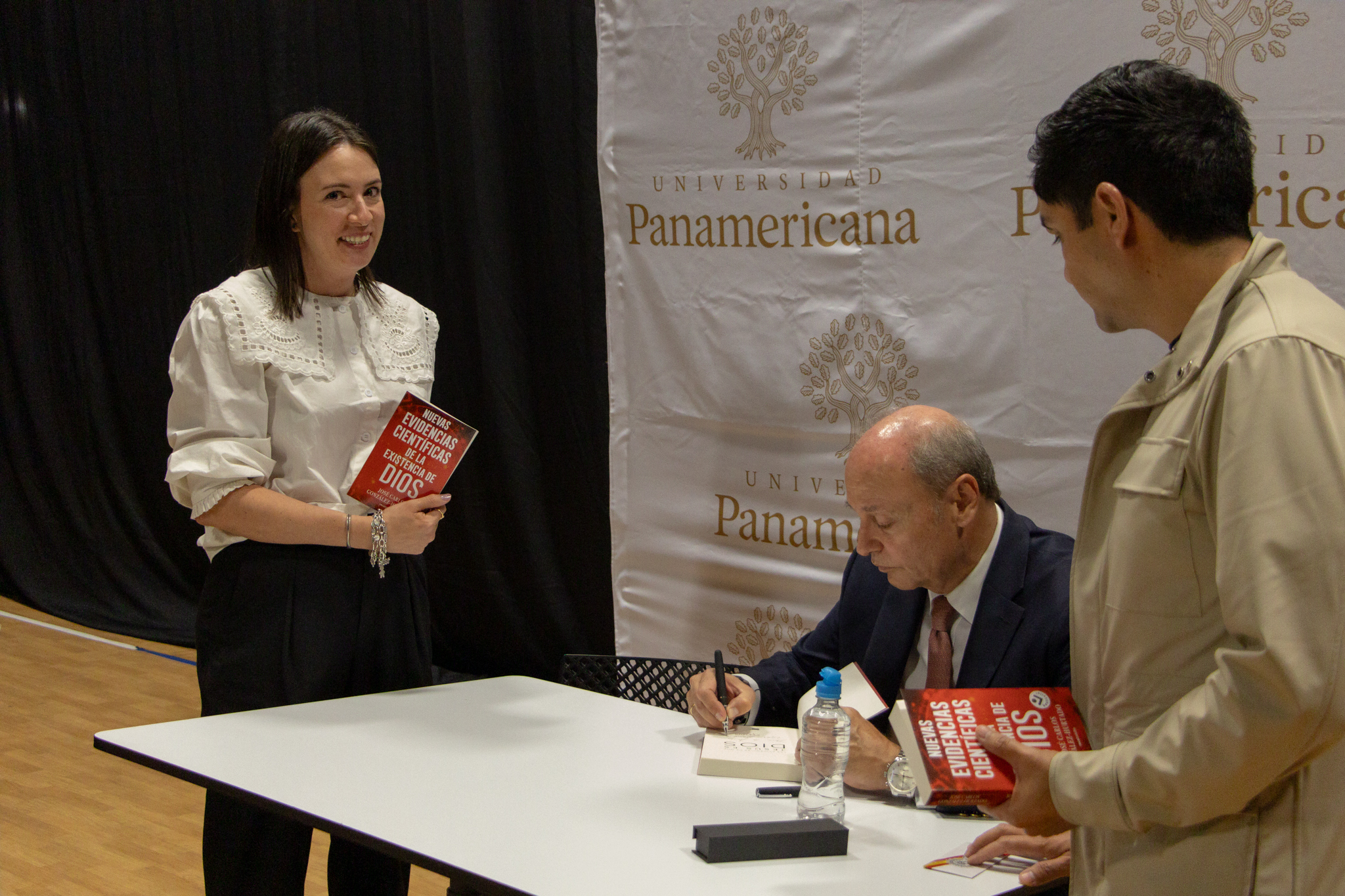
Through these types of activities, the Guadalajara campus of theUniversidad Panamericana creates opportunities for reflection and dialogue on scientific, philosophical, and theological issues, exposing its community to different perspectives on knowledge, spirituality, and our understanding of the world.