Zapopan, Jalisco, August 20, 2025.—Mental illnesses, such as depression or anxiety, are a silent enemy that can be combated through listening, empathy, companionship, and support.
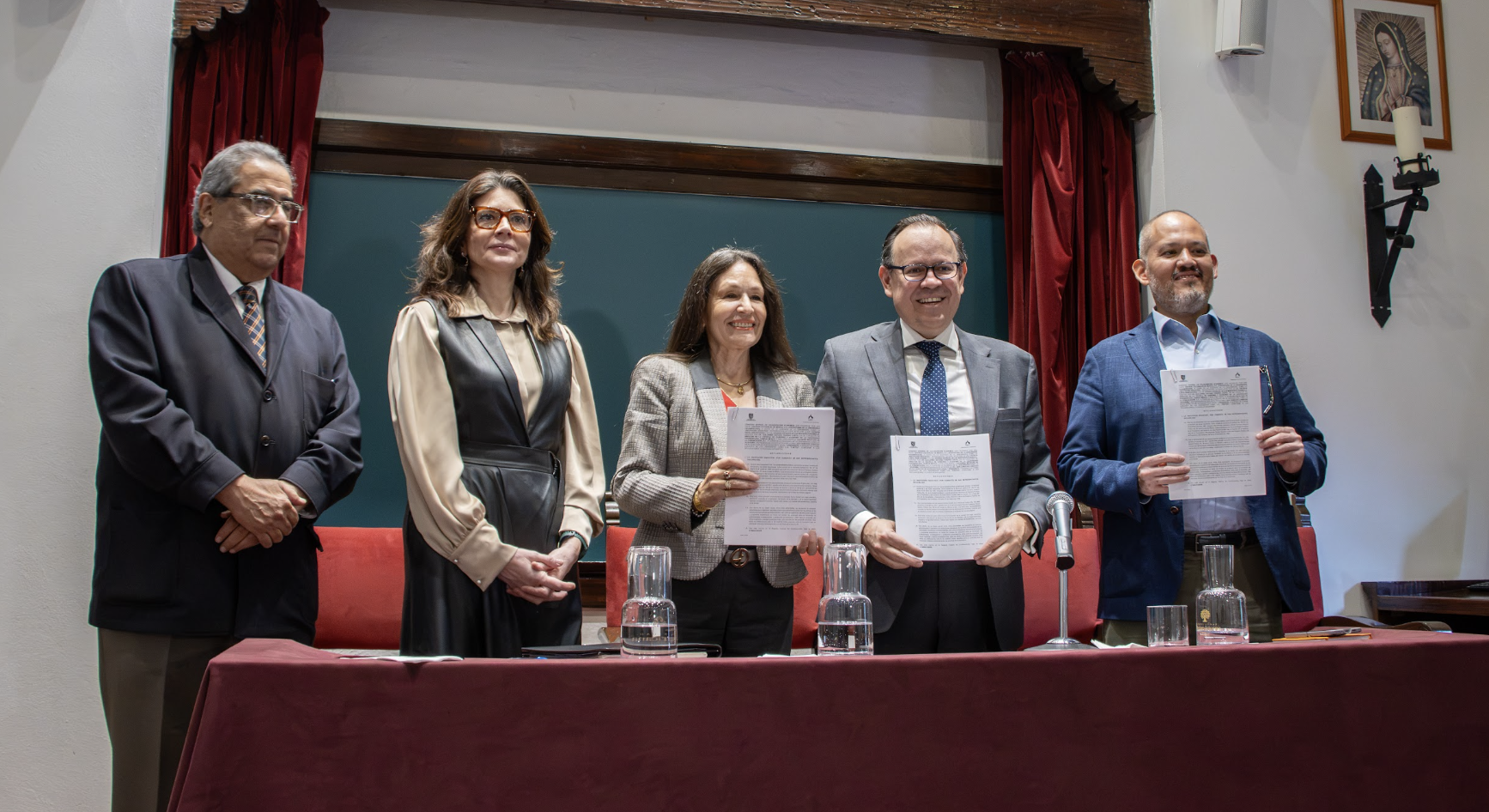
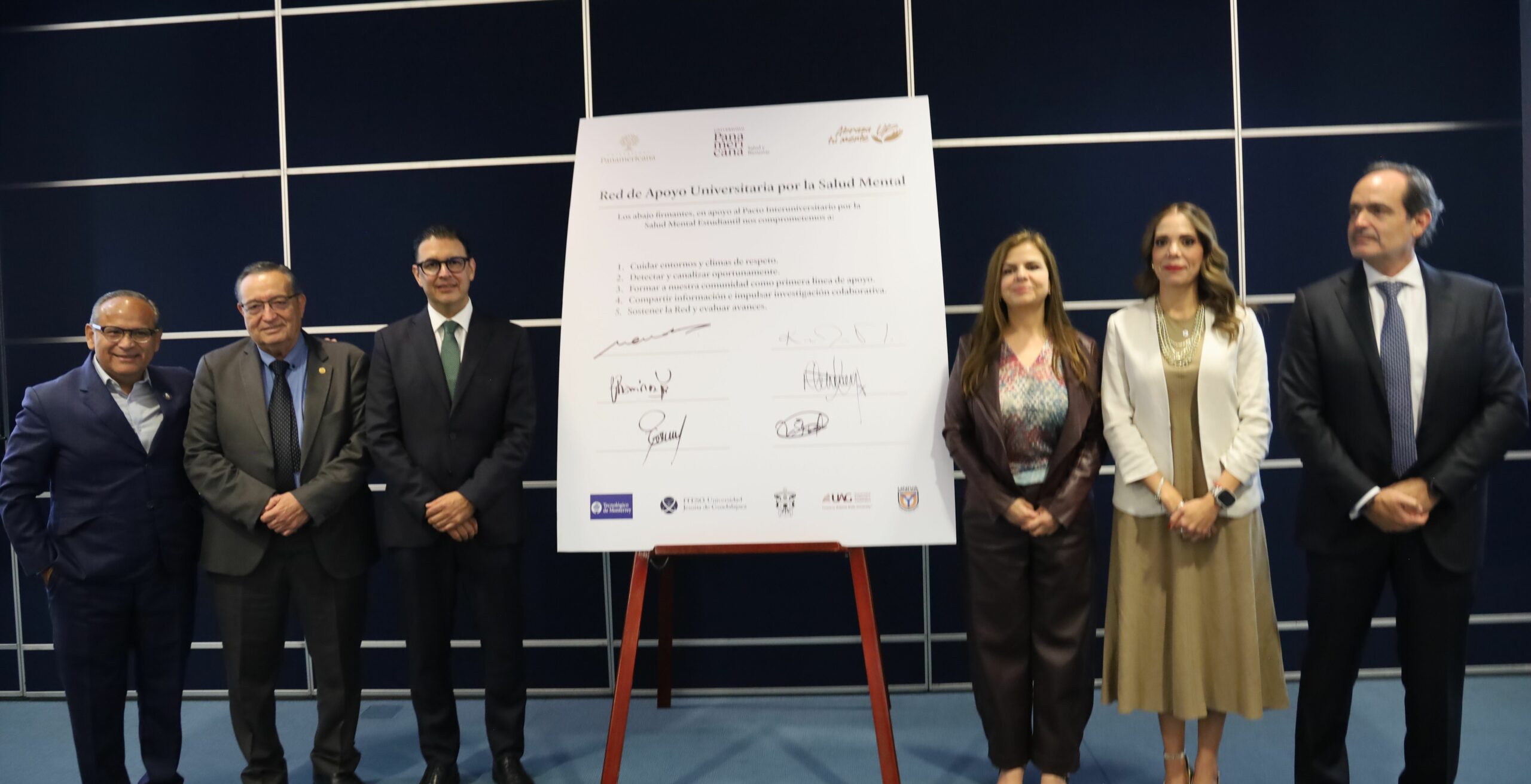
In this context, the Universidad Panamericana Guadalajara Universidad Panamericana officially launched the University Support Network for Emotional Health, in collaboration with institutions such as the University of Guadalajara, ITESO, the Autonomous University of Guadalajara, Univa, and the Tec de Monterrey.
Introduction to the University Support Network
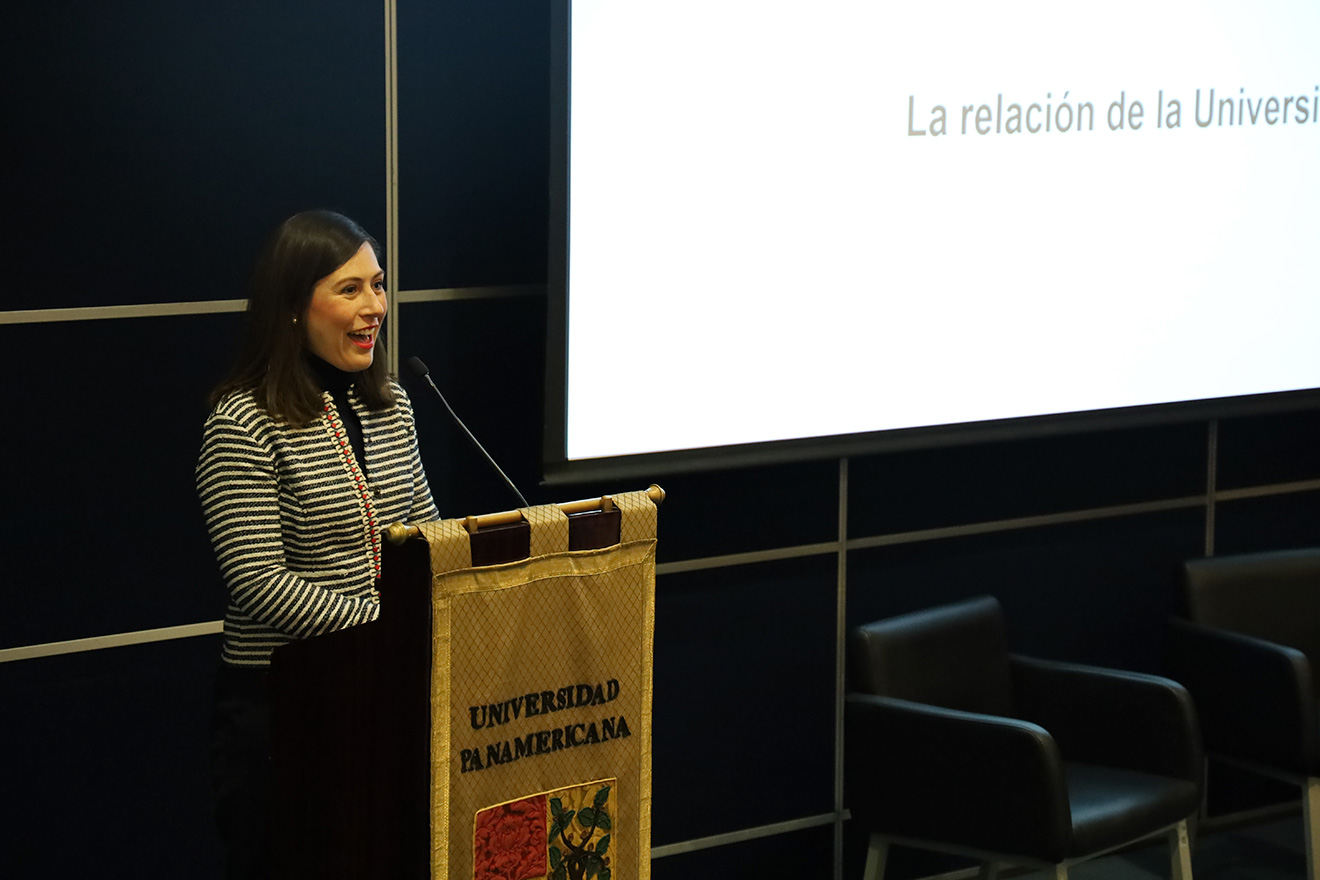
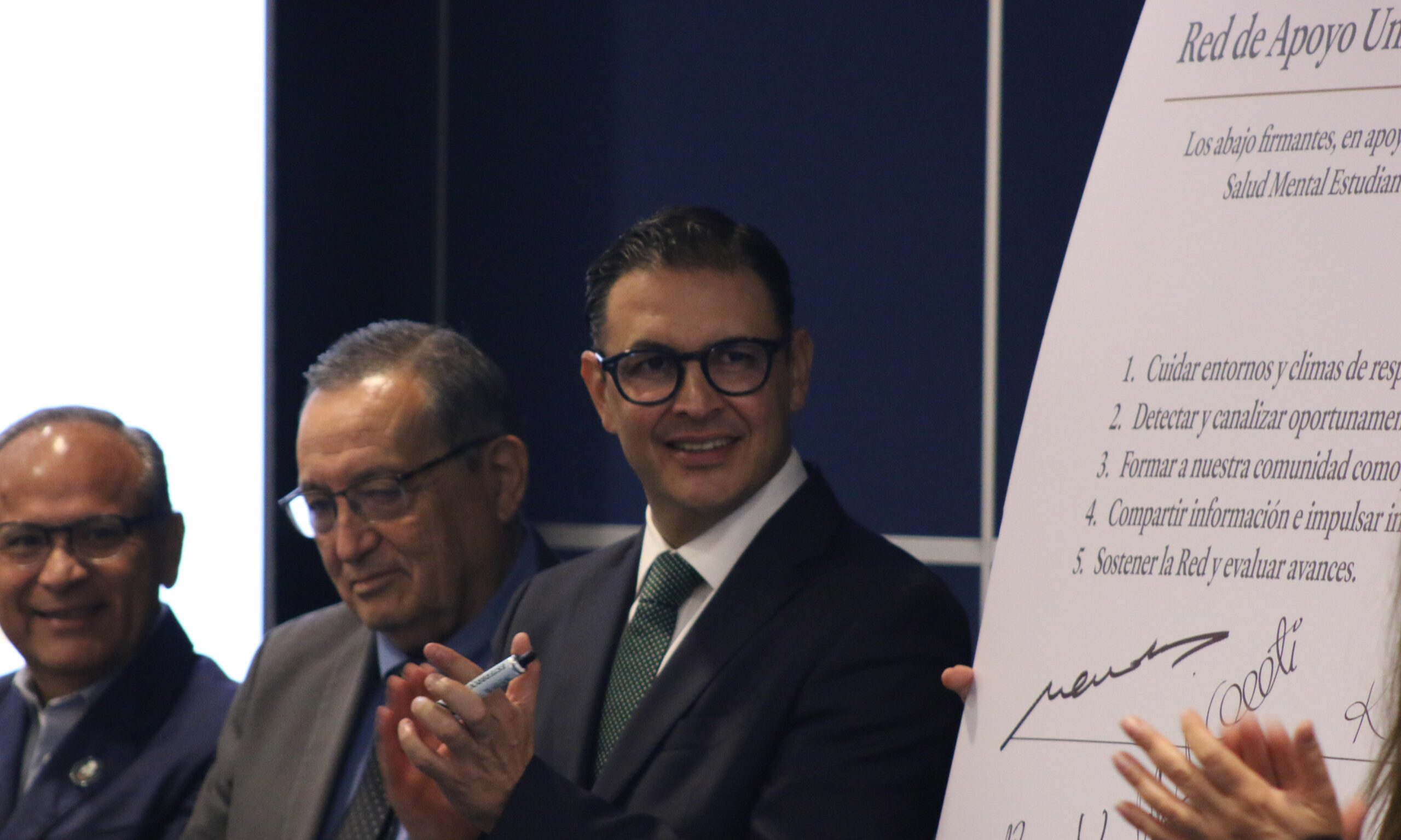
The ceremony, held in Auditorium H at the Universidad Panamericana Guadalajara Universidad Panamericana , was presided over by the campus president, Dr. Abraham Mendoza Andrade, who was joined by presidents of partner universities and representatives from Jalisco’s health, education, and labor sectors.

Notable attendees included Karla Planter, M.A., president of the University of Guadalajara; Prof. Francisco Ramírez Yáñez, president of Univa; Alejandro Luthe, director of IPADE Jalisco; Dr. Héctor Raúl Pérez Gómez, Secretary of Health for Jalisco; Ricardo Barbosa, Secretary of Labor; Fanny Guadalupe Valdivia Márquez, Undersecretary of Higher Education; as well as representatives from ITESO, UAG, and Tec de Monterrey.
In welcoming his colleagues and staff, Dr. Mendoza highlighted a key aspect of supporting emotional well-being: not trivializing words and truly paying attention to emotions. “When someone says they no longer want to live, we run the risk of not taking them seriously if we’ve stripped expressions like ‘what a bummer’ or ‘how depressing’ of their meaning,”, he cautioned.
Mental health: a social priority
The dean of the Guadalajara campus recounted the story of a young man he had known during his teenage years, who, not knowing how to cope with his sadness, took what is known as the “easy way out.”
“One day she came to us, told us she was feeling a little sad, started crying, and told us that her parents were going through a separation. Shortly after, she made the decision to take her own life, and her absence left an indelible mark on many of us—but it also taught us a profound lesson: we should never assume that someone is okay just because they’re smiling. Truly being there for these people can make a huge difference between despair and life,” he recalled.
Dr. Mendoza noted that, according to the WHO, one in seven adolescents lives with a mental disorder, and suicide is the third leading cause of death among young people aged 15 to 29 in Mexico.
As part of the ceremony, the internal campaign was unveiled "Embrace Your Mind UP", which aims to break the silence, provide support, and refer those in need to appropriate services in a timely manner.
Inter-agency commitment
Karla Planter Pérez, Ph. D . , president of the University of Guadalajara, expressed her commitment to supporting the university community in addressing emotional health, emphasizing that the sooner these issues are addressed, the more effectively their consequences can be mitigated.

He also noted that mental health affects personal, family, and social development, and therefore must be a priority on public agendas. He pointed out that, according to the WHO, by 2030 mental disorders will be the leading cause of disability,making it necessary to raise awareness of them and assume shared responsibility for their care.
Emotional well-being among college students
For Fanny Guadalupe Valdivia Márquez, M.A., Undersecretary of Higher Education at the Ministry of Innovation, Science, and Technology, the university support network is of great value because it will enable the state to serve its university population.
“Today, nearly 90% of the higher education student body is represented here, which is why it is such a huge celebration and a great blessing that we have this initiative in Jalisco,” he emphasized.
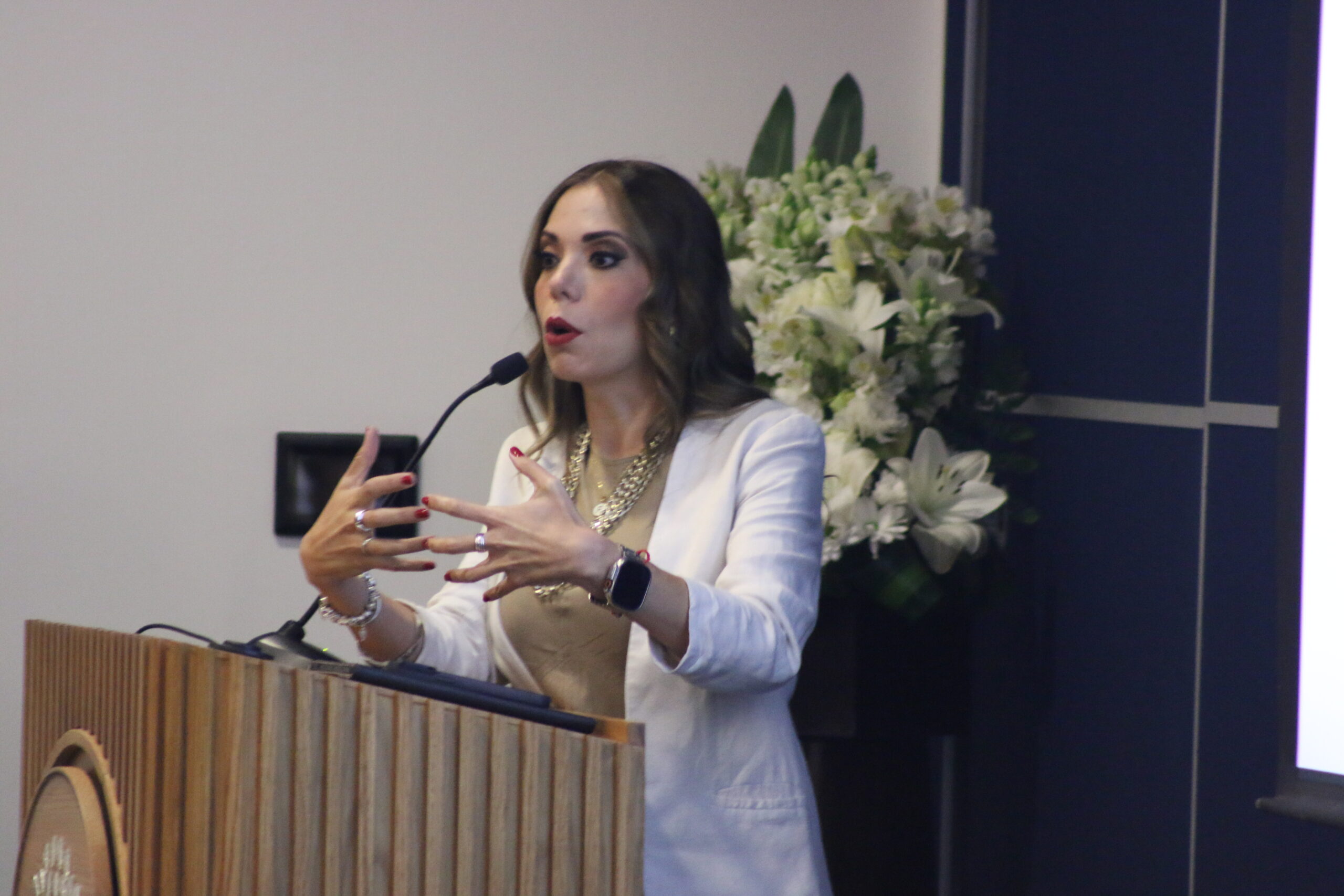
He also noted that loneliness is one of the main factors affecting young people’s emotional health, and that it can be even more costly than other illnesses. In light of this challenge, he emphasized the importance of support: “What helps is having support and a support network.”
Fighting Stigma
For his part, Ricardo Barbosa, Secretary of Labor for Jalisco, shared his experience with anxiety, emphasizing the importance of breaking down stigmas and speaking openly about mental health. “In 2005, I had an anxiety attack. I had to seek care from a psychiatrist, a psychologist, and a neurologist. I received treatment for six months, and to this day, I continue to see a therapist every two weeks to maintain my emotional balance, ” he said.
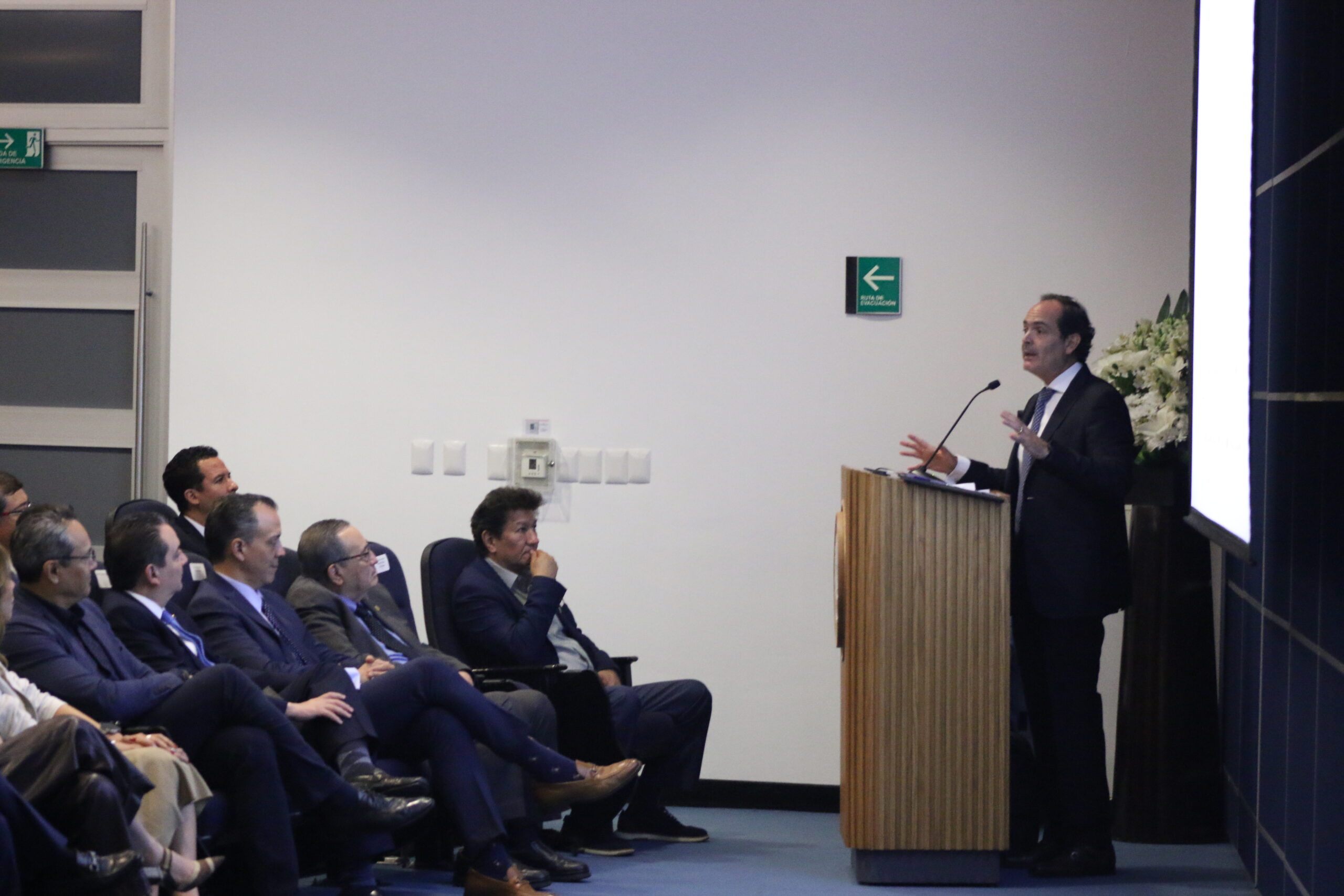
After sharing his story, the official emphasized the importance of addressing mental health issues promptly, as they affect not only the individual but also their family, social, work, and academic circles.
The government's commitment
Jalisco’s Secretary of Health, Dr. Héctor Raúl Pérez Gómez, acknowledged the importance of the initiative and offered his support, highlighting three key pillars: interagency collaboration, solidarity, and collective compassion.
“This goal must be treated as a top priority and addressed effectively based on these three fundamental principles,” said the state health secretary.
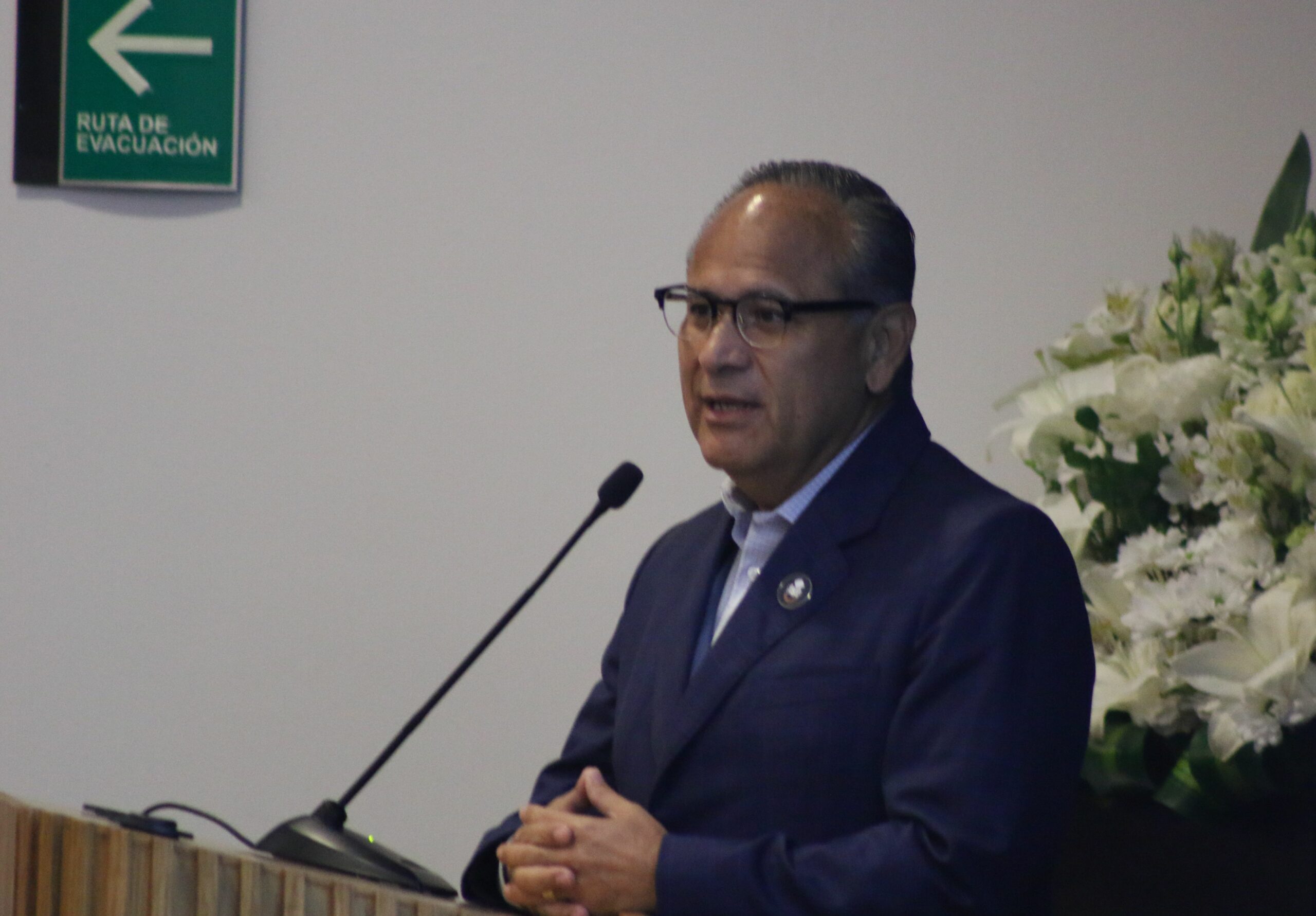
“I’m sure you’ll agree that (the students) spend at least half of the 24 hours in a day together, whether in the classroom, on the various campuses, in social settings, and so on. Therefore a project of this nature emerging from the university setting is, without a doubt, strategic,” he added.
Signing of the agreement and roundtable discussion
The event concluded with a symbolic signing of an institutional commitment and a panel discussion titled The Impact of Mental Health on Young People’s Academic Performance, featuring specialists in psychology and university health.
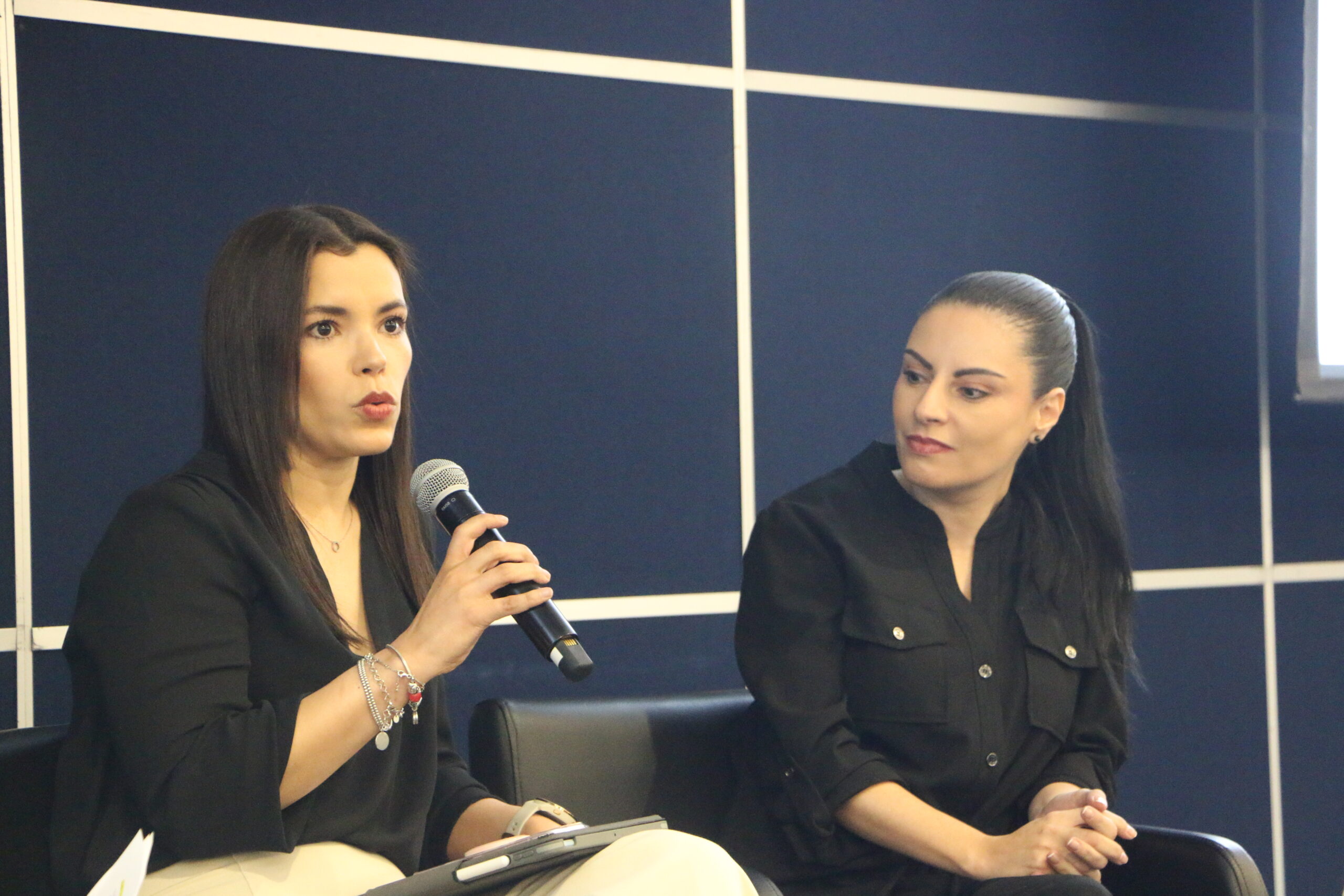
Through this initiative, the Universidad Panamericana its partner universities reaffirm their commitment to students’ emotional well-being, fostering inter-institutional collaboration and providing concrete tools to address mental health challenges in higher education.