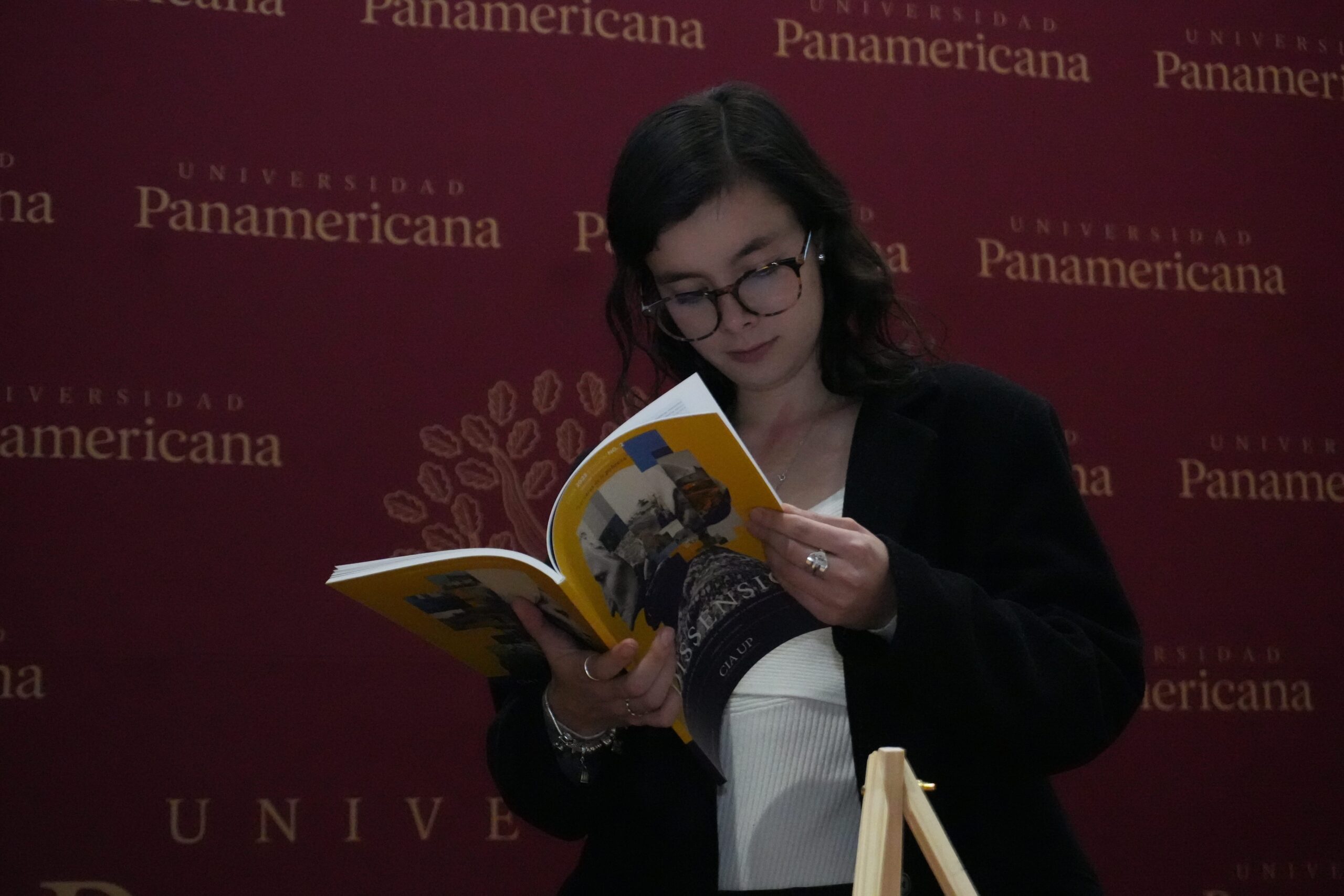
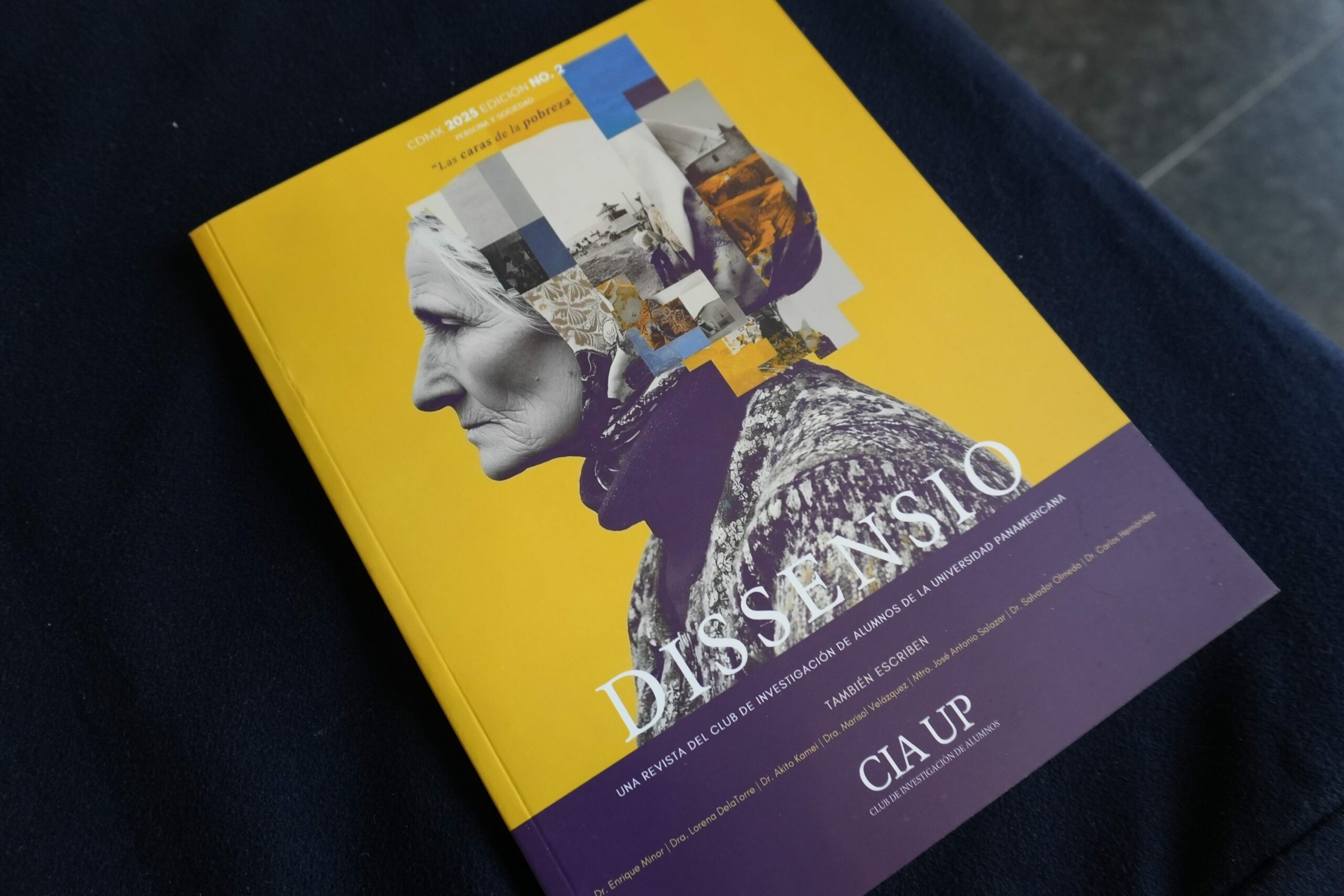
Mexico City, November 19, 2025.— The Universidad Panamericana, through CIA UP, a student club dedicated to promoting multidisciplinary knowledge, held the presentation of the second edition of its research journal DISSENSIO, which on this occasion addressed the complex and urgent issue of The Faces of Poverty.
Far from being a conventional academic forum, the event was a dynamic space where rigorous analysis, personal accounts, poetry, and art came together.
Understanding poverty beyond the material
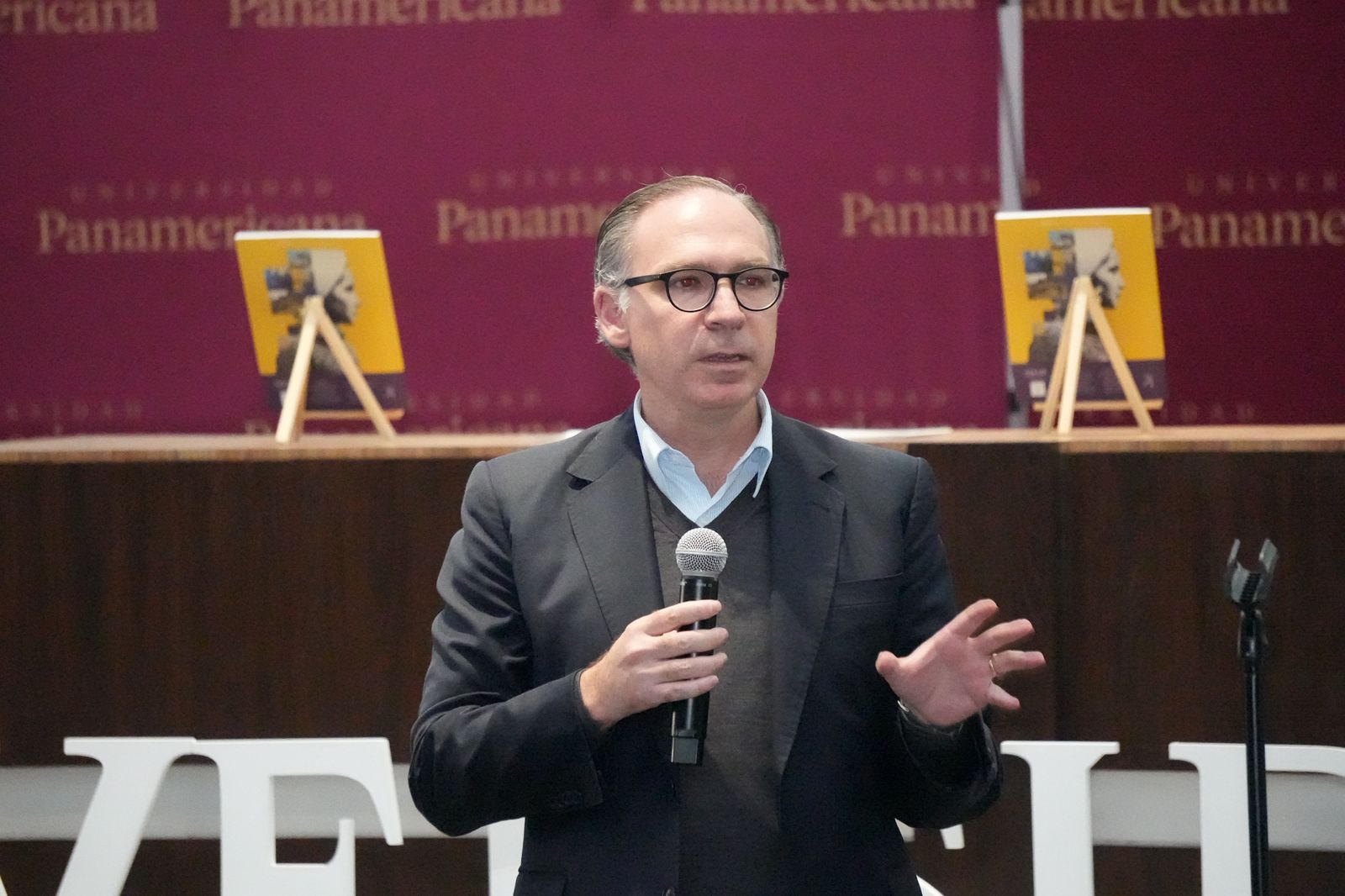
The program began with remarks by Dr. Santiago García Álvarez, rector of the Mexico City campus, who, through an exploration of works of art, illustrated how poverty has been depicted throughout history, emphasizing that it is not merely a material condition, but also a reality that encompasses dimensions such as a lack of hope, isolation, and a “poverty of deep connections” in the digital age.
“Poverty can also be a matter of isolation, of a lack of hope, and a matter related to fear,”, the rector noted, emphasizing the need for a more comprehensive ethical analysis.
He highlighted positive initiatives, such as the social art movement in Brazil that celebrates the work of garbage collectors, emphasizing the optimistic and proactive spirit that characterizes the UP community: “We try to find solutions. Pessimism is intellectual cowardice.”
Testimony and Action: Education as a Source of Hope
Gina Maritzi, Education Coordinator at the MAFRE-UP Community Center and a graduate of the Universidad Panamericana, shared her personal story of how access to a quality education at Colegio Santa Fe and later at the Universidad Panamericana, thanks to a scholarship, transformed her life. “The circumstances into which you are born do not limit your destiny,”, she stated with conviction.
Her story served as a bridge to introduce the work of the MAFRE-UP Community Center in the town of Santa Fe, a place that provides educational, health, and entrepreneurship resources, as well as legal advice, to help people thrive on their own.
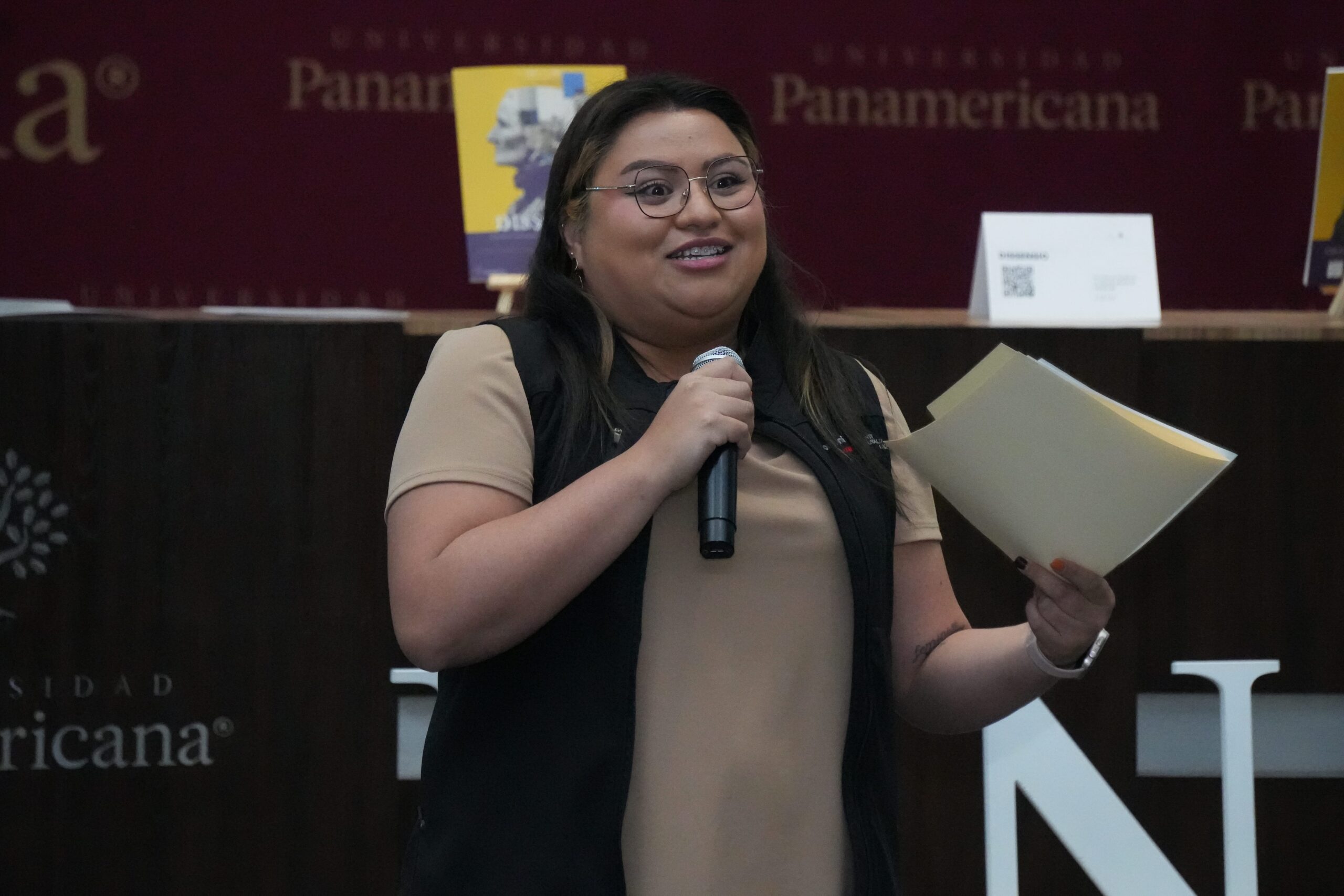
“It’s not about solving their problems for them, but about giving them the tools they need to thrive,”, he explained. His story was a vivid example of how the privilege of a quality education can and should be channeled into service to the community.
The Expert's Perspective: Measuring to Transform
Next,Dr. Claudia Maldonado, general coordinator of Poverty Measurement at INEGI, discussed the role of multidimensional poverty measurement as a tool for public policy and social justice.
He noted that Mexico was a pioneer in adopting a multidimensional measure of poverty, viewing it not only as a lack of income but also as a violation of social rights.
“The challenge is to develop a measurement system that fully embraces the rights-based paradigm,”said Dr. Maldonado, emphasizing that this approach requires intellectual humility and openness to multiple disciplines and experiences.
He also highlighted the importance of these metrics for assessment, accountability, and public debate, and congratulated the students for fostering spaces for “engaged and socially conscious research”.
A closing marked by art and reflection
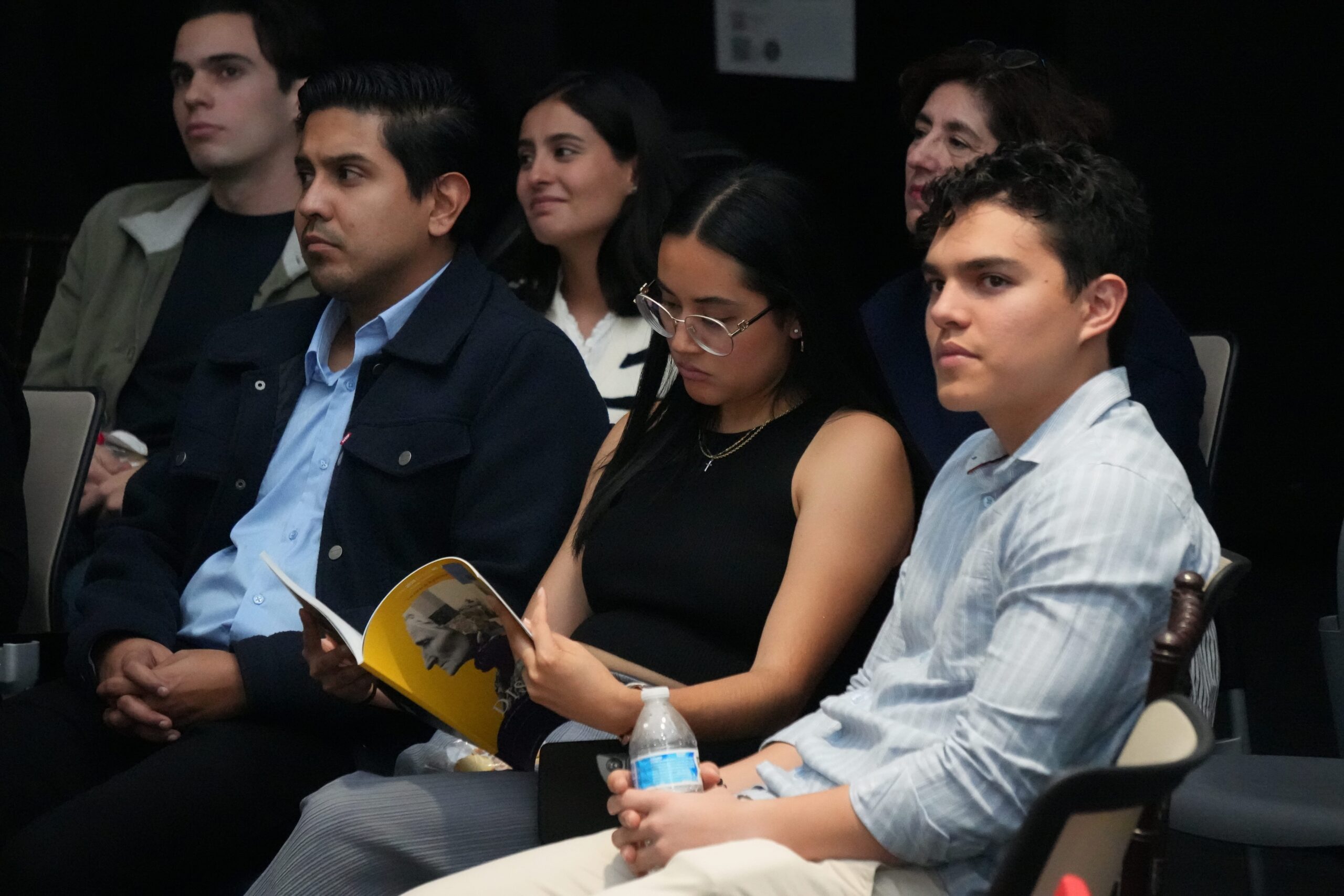
The evening was filled with emotion thanks to Andreu Salazar’s recitation of Víctor Jara’s poem “No puedes volver atrás” and the screening of a video celebrating the roots and cultural richness of Oaxaca, reminding us that true wealth is also found in identity and community.
The closing message from the organizers of DISSENSIO resonated powerfully: “Research is not just an intellectual luxury, but a human necessity. Because research also means loving what hurts and seeking answers where many have stopped asking questions”.
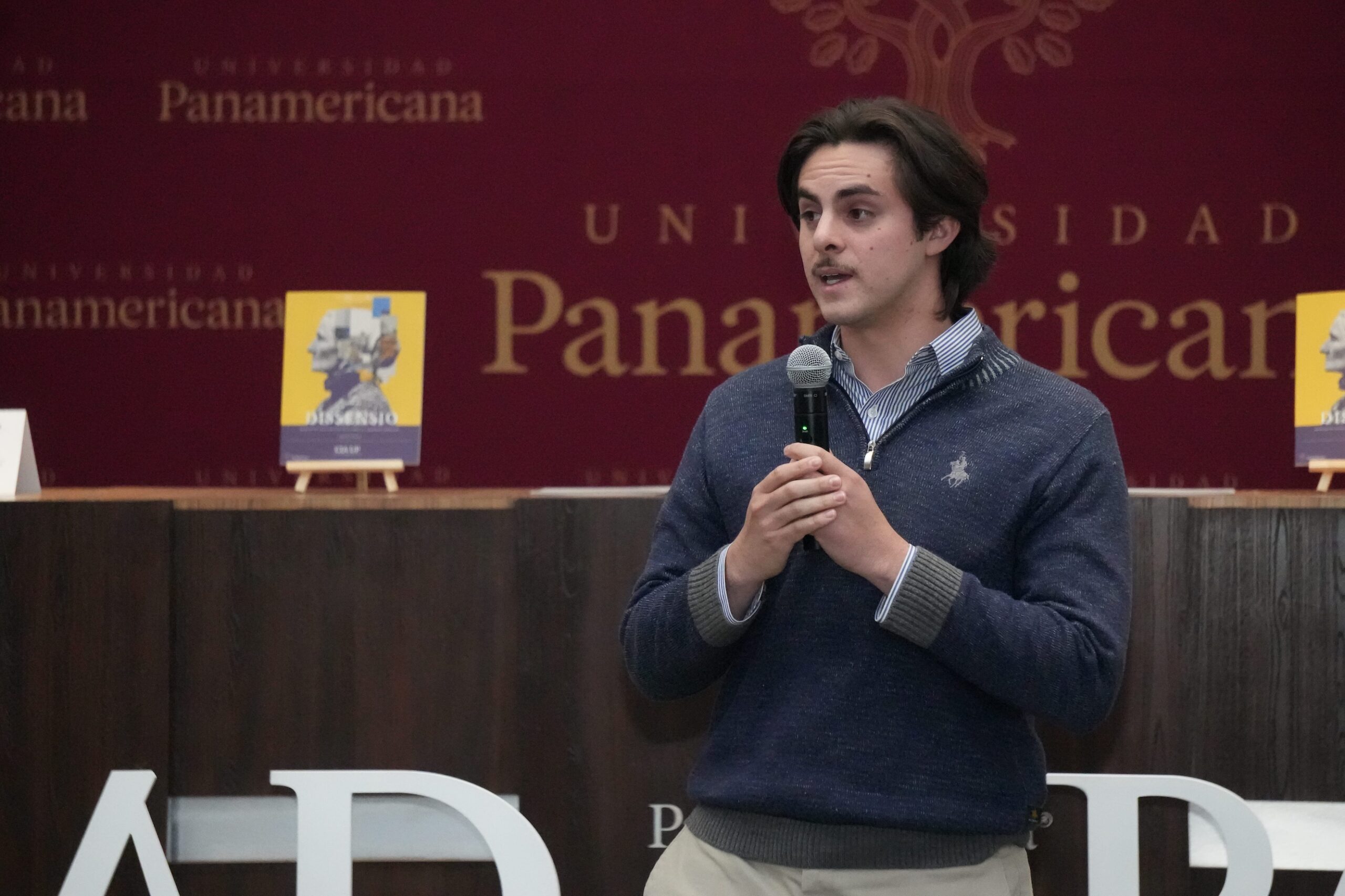
With this edition, DISSENSIO reaffirms its commitment to academic research and critical thinking, encouraging young people to understand and transform social reality through empathy, creativity, and knowledge.
Learn more about DISSENSIO at https://www.cia-up.com/dissensio