Mexico City, November 20, 2025.— The School of Engineering at the Universidad Panamericana ’s Mexico City campus is solidifying its leadership in cutting-edge research with the publication of the book Machine Learning Methods in the Biomedical Field: Computer-Aided Diagnostics, Healthcare, and Biology Applications.
The book, published in the series Studies in Computational Intelligence by Springer, was edited by three prominent scholars from that faculty: Dr. Ernesto Moya Albor, Dr. Hiram Eredín Ponce Espinosa, and Dr. Jorge Eduardo Brieva Rico.
In addition, Dr. Sandra L. Gomez-Coronel of the National Polytechnic Institute and Dr. Diego Renza Torres of the Nueva Granada Military University in Bogotá, Colombia, served as editors for this book.
According to Dr. Ernesto Moya, the initiative has a clear objective: “to publish a book every one or two years in collaboration with researchers from the School of Engineering itself, as well as from other schools and faculties at Panamericana and research centers, both national and international.” This volume is, in fact, the third they have published as editors since 2020.
A Convergence of Knowledge to Address Biomedical Challenges
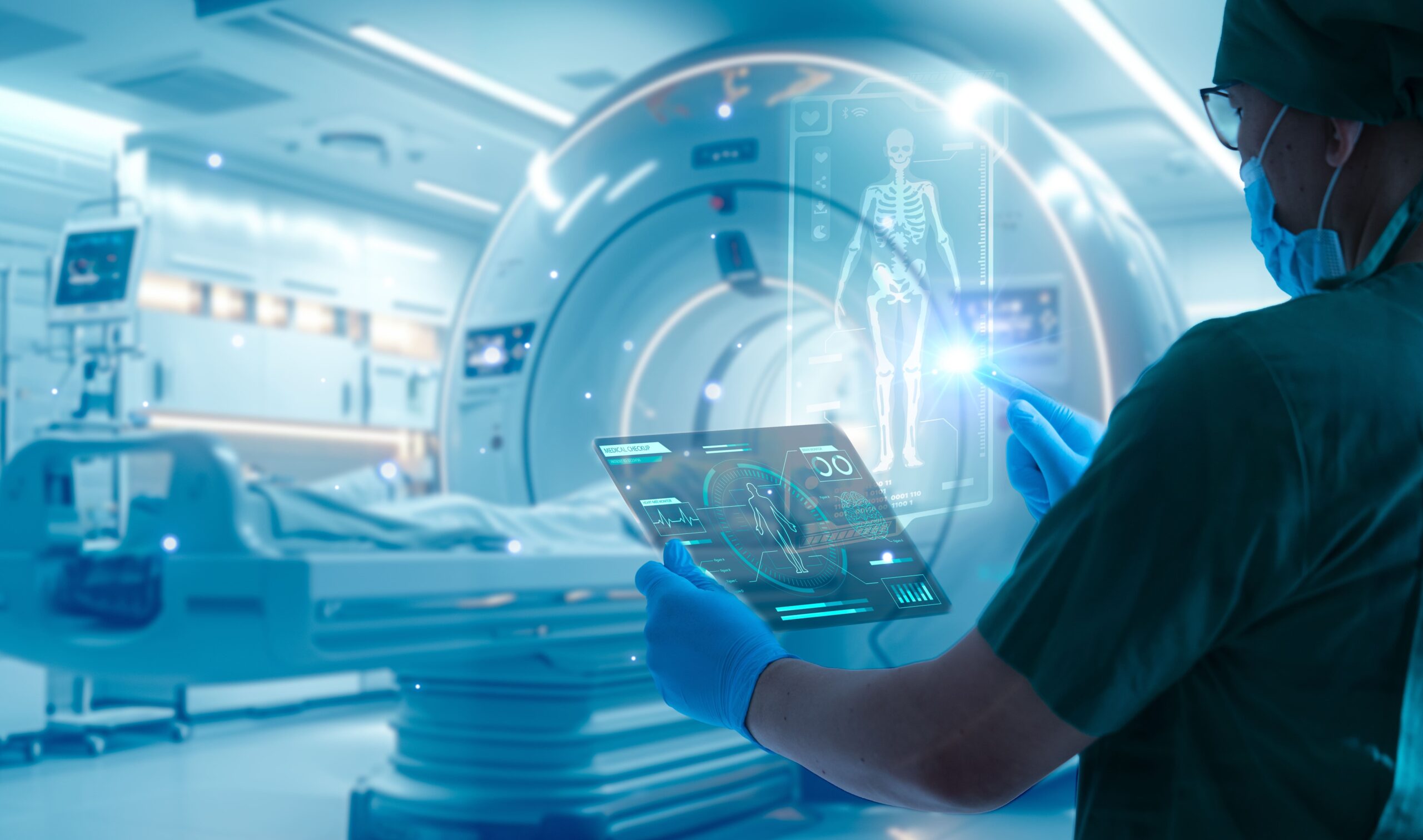
The book brings together research that applies computational intelligence and machine learning to problems in the biomedical field, demonstrating how these technologies can improve computer-aided medical diagnosis systems, healthcare tools, and biological applications.
“This book brings together a multidisciplinary collection of innovative approaches to machine learning applied to the biomedical field,”, noted Dr. Moya. “Its goal is to show how artificial intelligence-based technologies can drive the development of new computer-aided diagnostic systems, healthcare tools, and biological applications,” he added.
Notable among the topics covered are fuzzy systems, artificial neural networks, evolutionary computing, Bayesian networks, learning theory, and machine learning, reflecting the breadth and depth of the research areas promoted by the Universidad Panamericana.
From the Lab to Society: A Tangible Impact on Health
Beyond its theoretical value, the book stands out for its potential application in solving real-world problems. The findings and methods it contains are designed to be integrated into computer-aided medical diagnosis systems, healthcare support tools, and intelligent platforms for biological analysis.

“These technologies help improve diagnostic accuracy, optimize clinical processes, and accelerate the development of personalized solutions for patients,”, said the researcher.
He also notes: “Taken together, the contributions in this book demonstrate how advances in the field of computational intelligence can translate into tangible benefits for society”.
A collaborative and rigorous effort
The project is the result of an international collaboration involving researchers from various disciplines and universities. All contributions were peer-reviewed, ensuring the scientific quality of the volume.

This publication is primarily intended for graduate students, researchers, and professionals in computer science, computer engineering, and biomedical engineering. However, it will also be of great use to graduate students in information technology, mechatronics, medicine, and biology, as well as anyone interested in the intersection of technology and health.
Laying the Foundation for the Future of Research at UP
For the editors, the completion of this project is a source of great pride and satisfaction. “I am very proud to have led this project and been closely involved in the entire editorial process, collaborating with the Faculty’s editors and authors, as well as with national and international researchers,”, said Dr. Moya Albor.
One aspect that Dr. Moya highlighted with particular satisfaction was the opportunity to publish in Springer’s *Studies in Computational Intelligence* series and to work with Dr. Thomas Ditzinger, Editorial Director of Interdisciplinary Applied Sciences at Springer, which reflects the high academic standard of the work.
Finally, the professor noted that this book lays the groundwork for future lines of research at the Panamericana School of Engineering. “The purpose of the project is to disseminate the knowledge generated at the school and, at the same time, to strengthen internal and external academic collaboration. It also seeks to promote interdisciplinary work across various fields of knowledge.”
With this publication, the Institute of Computer Science and Artificial Intelligence ( Universidad Panamericana ) reaffirms its commitment to technological innovation, scientific training, and knowledge transfer, positioning itself as a national and international leader in the field of computational intelligence applied to biomedicine.
Find Machine Learning Methods in the Biomedical Field: Computer-Aided Diagnostics, Healthcare, and Biology Applications in:
Bibliographic reference:
Moya-Albor, E., Ponce, H., Brieva, J., Gómez-Coronel, S. L., & Torres Renza, D. (Eds.). (2026). Machine Learning Methods in the Biomedical Field: Computer-Aided Diagnostics, Healthcare, and Biology Applications. Springer Cham. https://doi.org/10.1007/978-3-031-96328-5