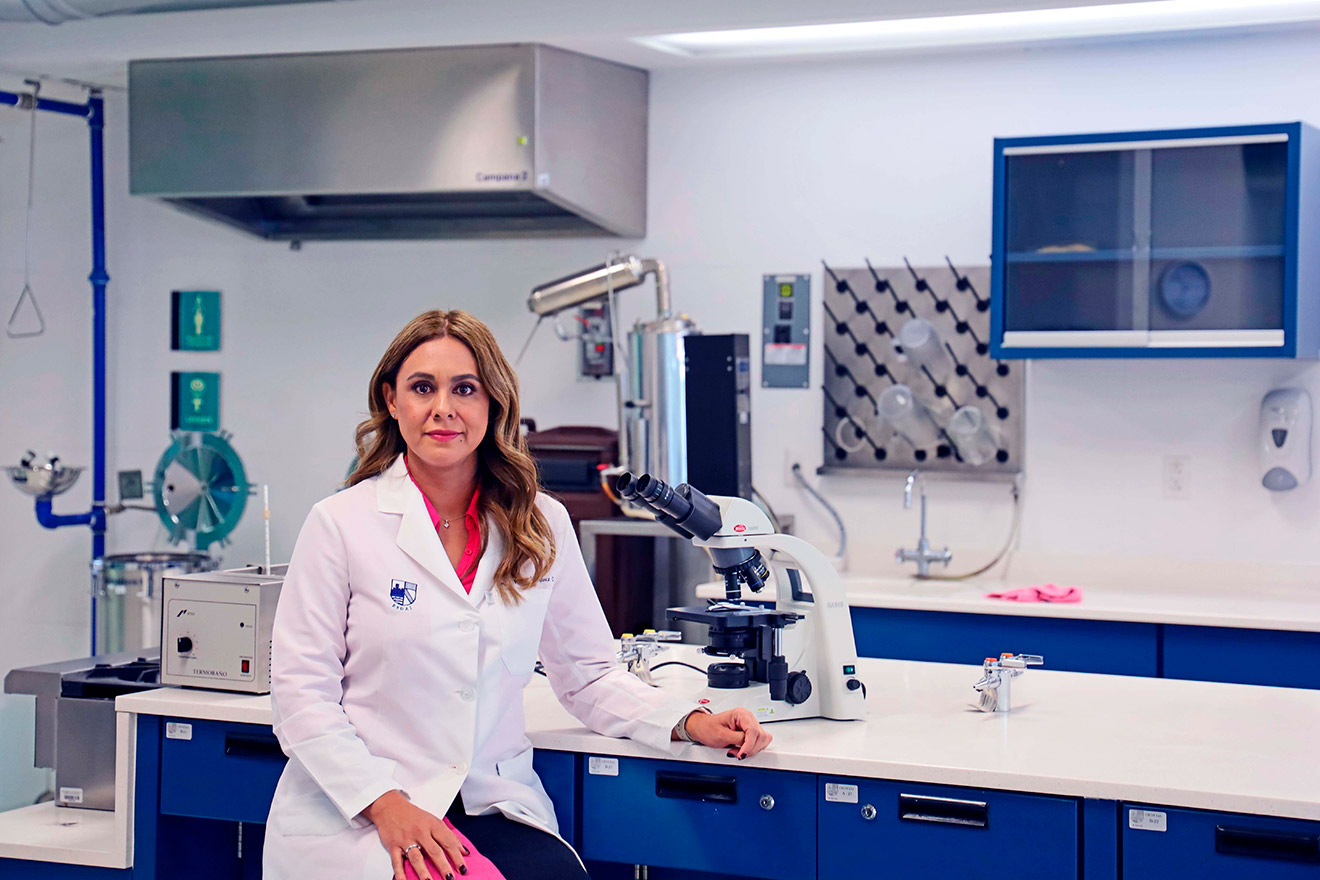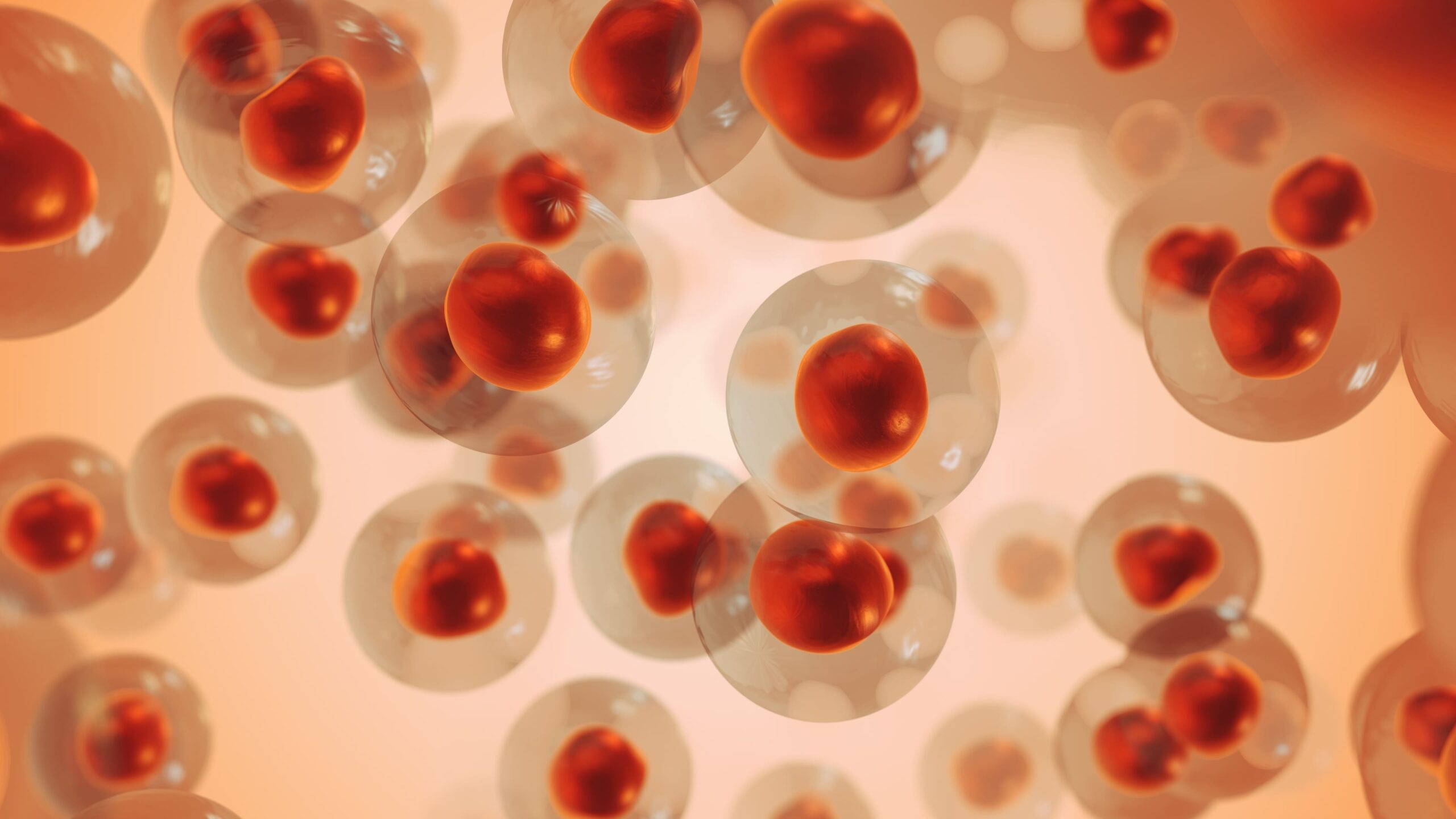
Ciudad de México, 20 de octubre de 2025.- En los laboratorios de la Facultad de Ingeniería de la Universidad Panamericana, una investigación de vanguardia está sentando las bases para una nueva generación de tratamientos contra el melanoma y la hiperpigmentación de la piel.
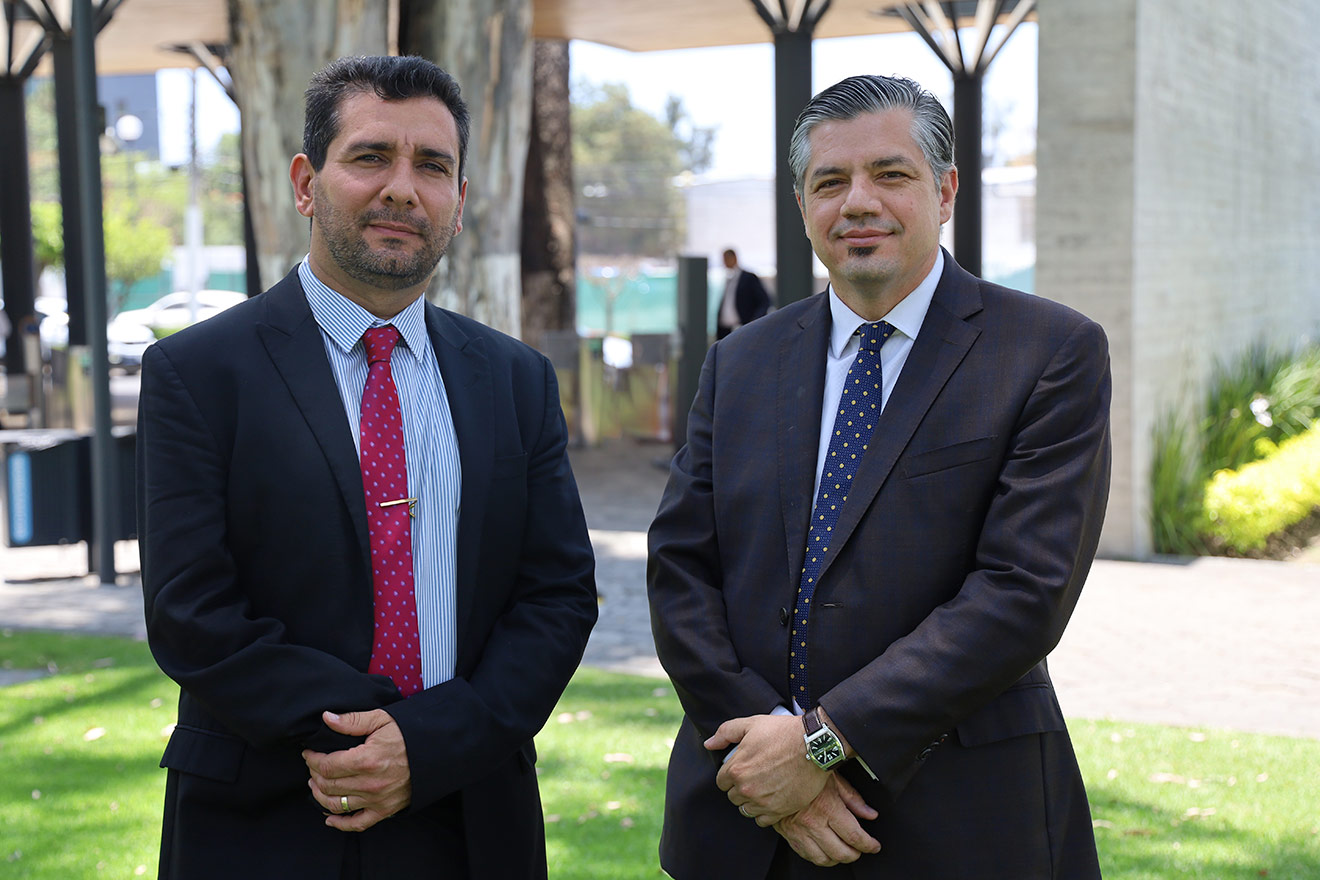
El proyecto, dirigido por el Dr. Yovani Marrero-Ponce, profesor-investigador de la Panamericana y miembro del Sistema Nacional de Investigadoras e Investigadores (SNII) nivel III, ha obtenido financiamiento del programa Ciencia de Frontera de la SECIHTI.
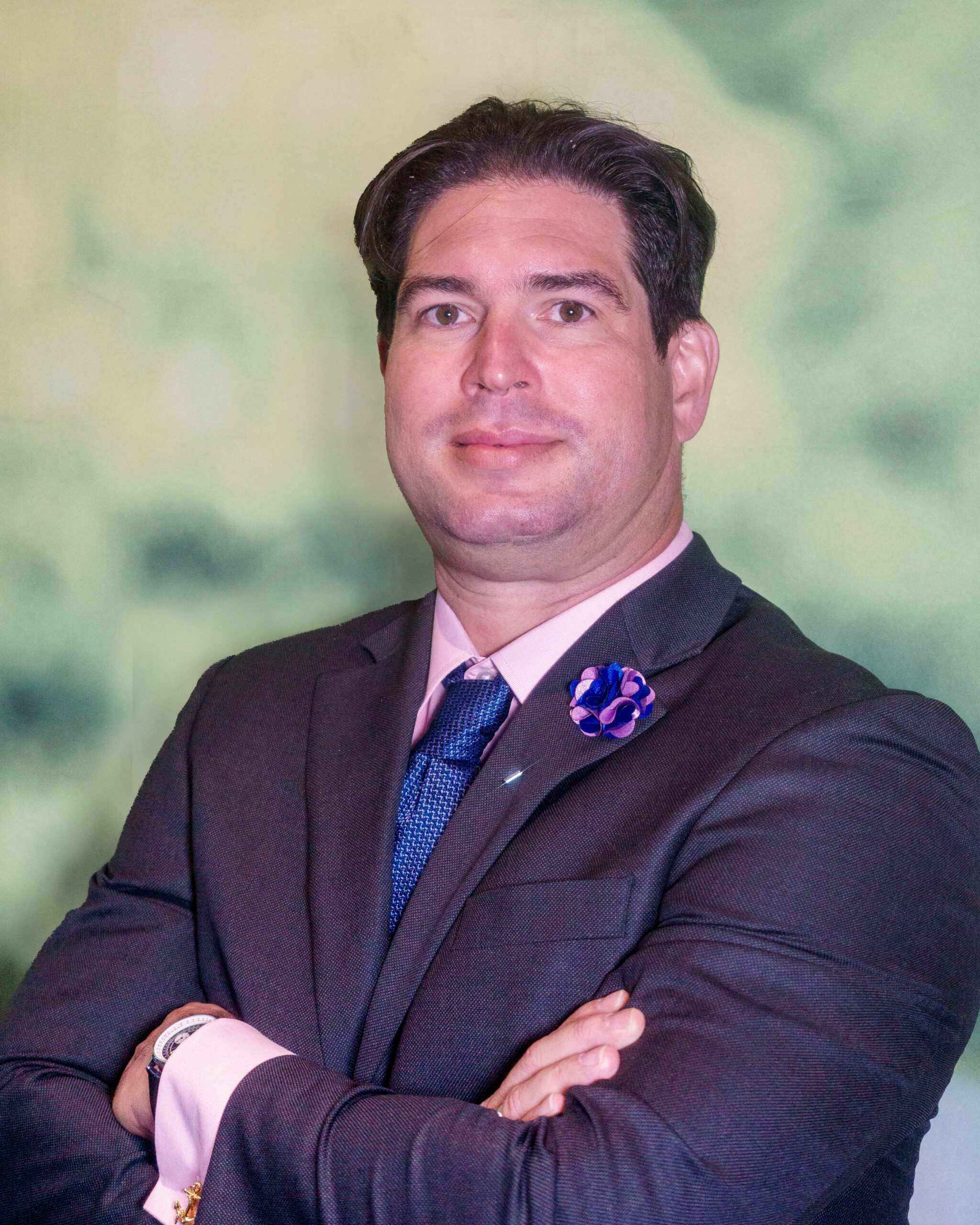
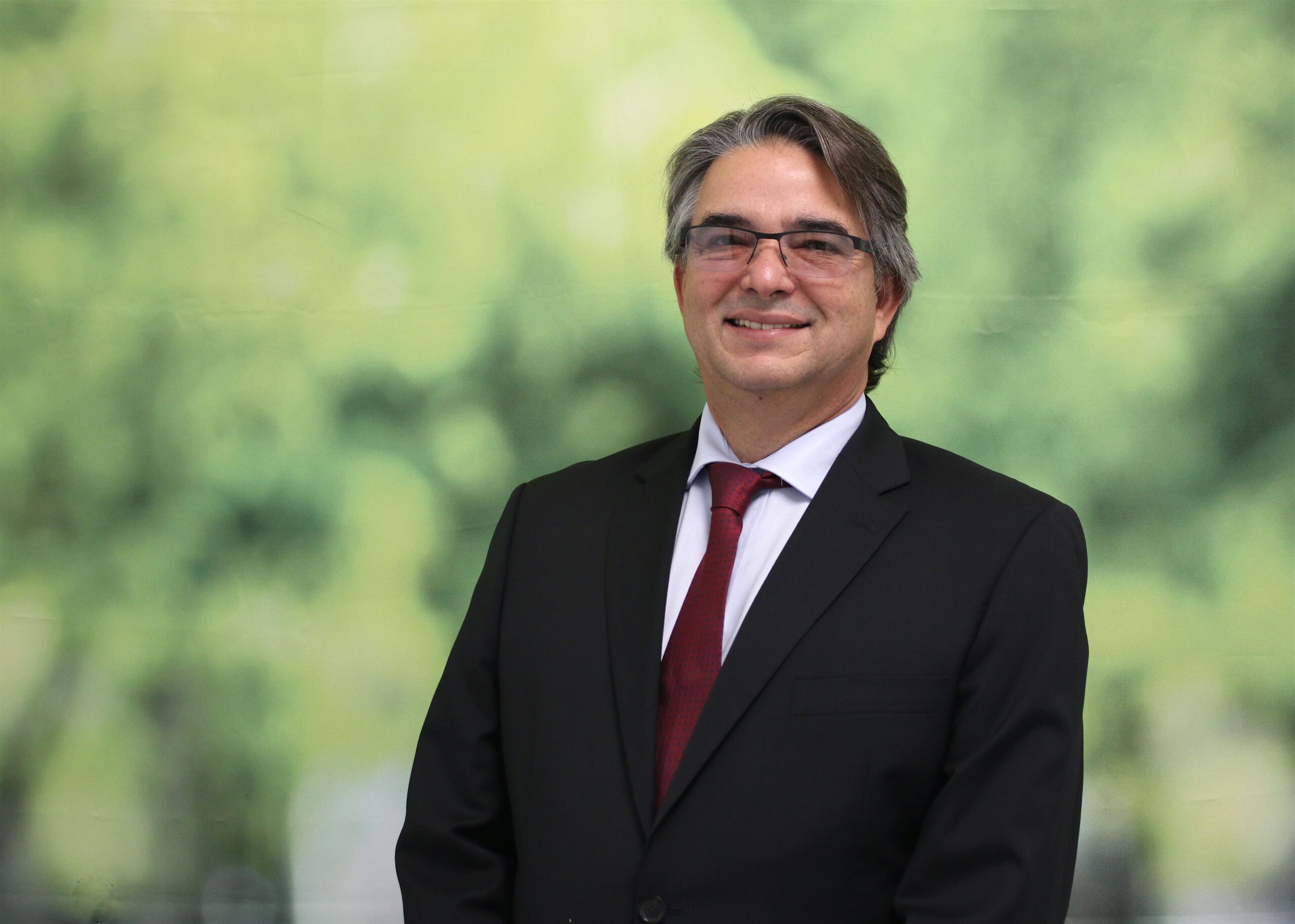
También colabora el Dr. Félix Orlando Martínez Ríos, profesor-investigador de la Facultad de Ingeniería de la Universidad Panamericana y el Dr. Luis Antonio Garcia González, del Centro de nanociencias y nanotecnología de la UNAM.
Innovación biomédica para el tratamiento del melanoma
El proyecto titulado Descubrimiento de Inhibidores Multidianas de la Melanogénesis, tiene como objetivo central identificar compuestos, tanto naturales como sintéticos, capaces de inhibir simultáneamente cuatro proteínas clave en la producción de melanina: las enzimas TYR, TRP-1, TRP-2 y el factor de transcripción MITF, este último considerado un regulador maestro en la progresión del melanoma.
Más allá de los tratamientos actuales
La mayoría de los inhibidores disponibles hoy en día se dirigen únicamente a la enzima tirosinasa (TYR), lo que limita su eficacia a largo plazo. El Dr. Marrero-Ponce explica la necesidad de un enfoque múltiple: “La melanogénesis es un proceso biológico complejo. Atacar una sola diana permite que otras vías compensen la inhibición”.
También añade: “Nuestra estrategia multidiana busca bloquear el proceso de forma integral, lo que se traduce en una mayor eficacia y reduce el riesgo de que se generen resistencias, tanto en aplicaciones terapéuticas contra el cáncer como en tratamientos despigmentantes”.

Una estrategia híbrida: del mundo digital al laboratorio
La innovación metodológica del proyecto reside en la integración de métodos computacionales (conocidos como enfoque DRY) con la validación experimental (enfoque WET).
Por un lado, el equipo utiliza algoritmos de inteligencia artificial, modelado molecular y cribado virtual para analizar millones de compuestos y predecir cómo interactúan con las proteínas objetivo. Por otro, los compuestos con mejores resultados se sintetizan y evalúan en el laboratorio a través de ensayos enzimáticos y celulares, para comprobar su efectividad real.

“Esta integración nos permite ser más rápidos y precisos. Reducimos drásticamente el tiempo y los costos asociados al descubrimiento tradicional de fármacos”, destaca el investigador.
Productos con impacto científico y social
Además de las moléculas candidato, el proyecto generará recursos valiosos para la comunidad científica:
- Una base de datos especializada con información estructural y actividad biológica de los compuestos, que estará disponible para otros investigadores.
- Software de libre acceso para el cribado virtual y diseño de moléculas, que se podrá descargar desde la plataforma http://mobiosd-hub.com/.
Las moléculas más prometedoras serán protegidas mediante patente, con el objetivo de desarrollar prototipos de fármacos antitumorales o agentes despigmentantes para la industria farmacéutica y cosmética.
Formando a la nueva generación de científicos
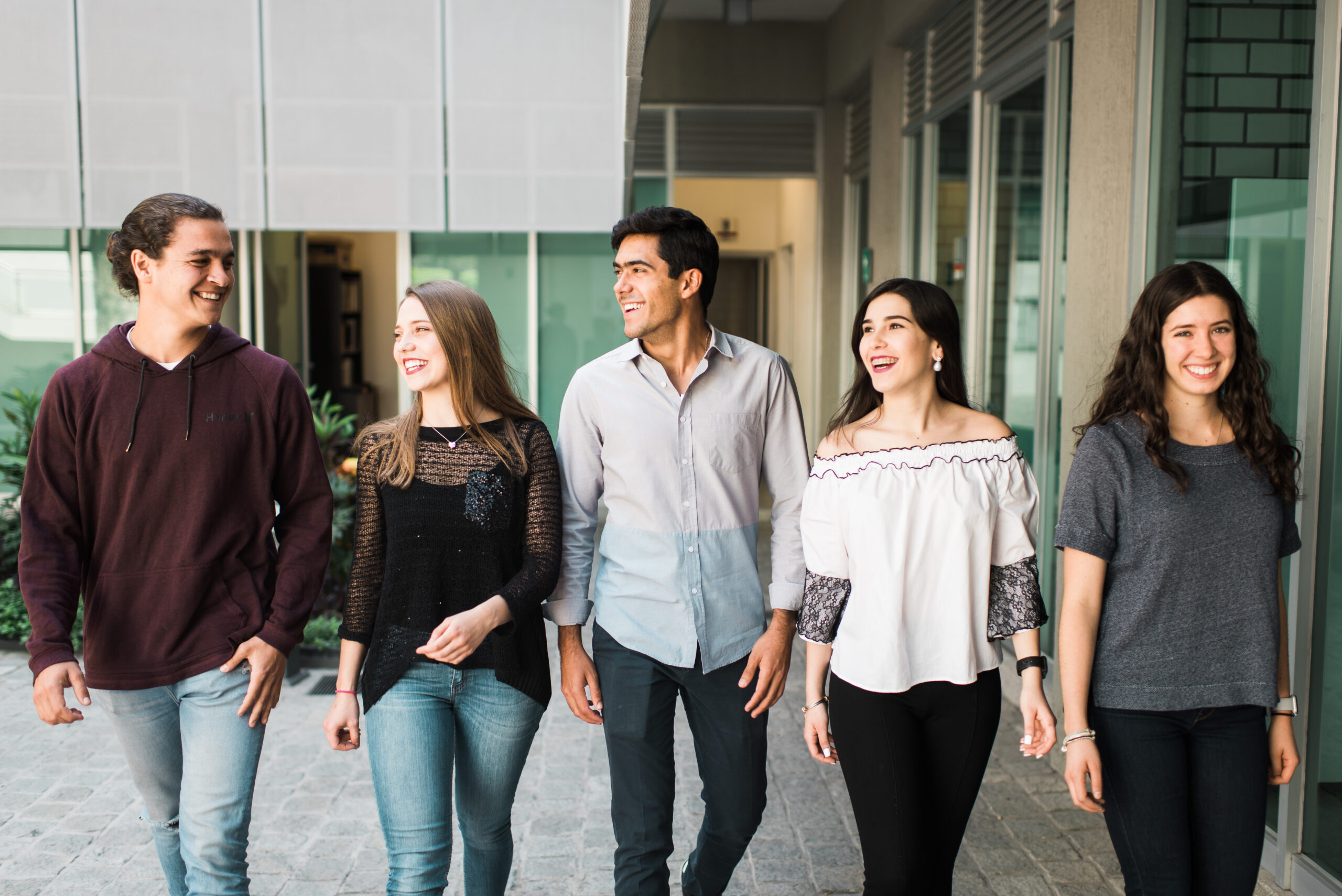
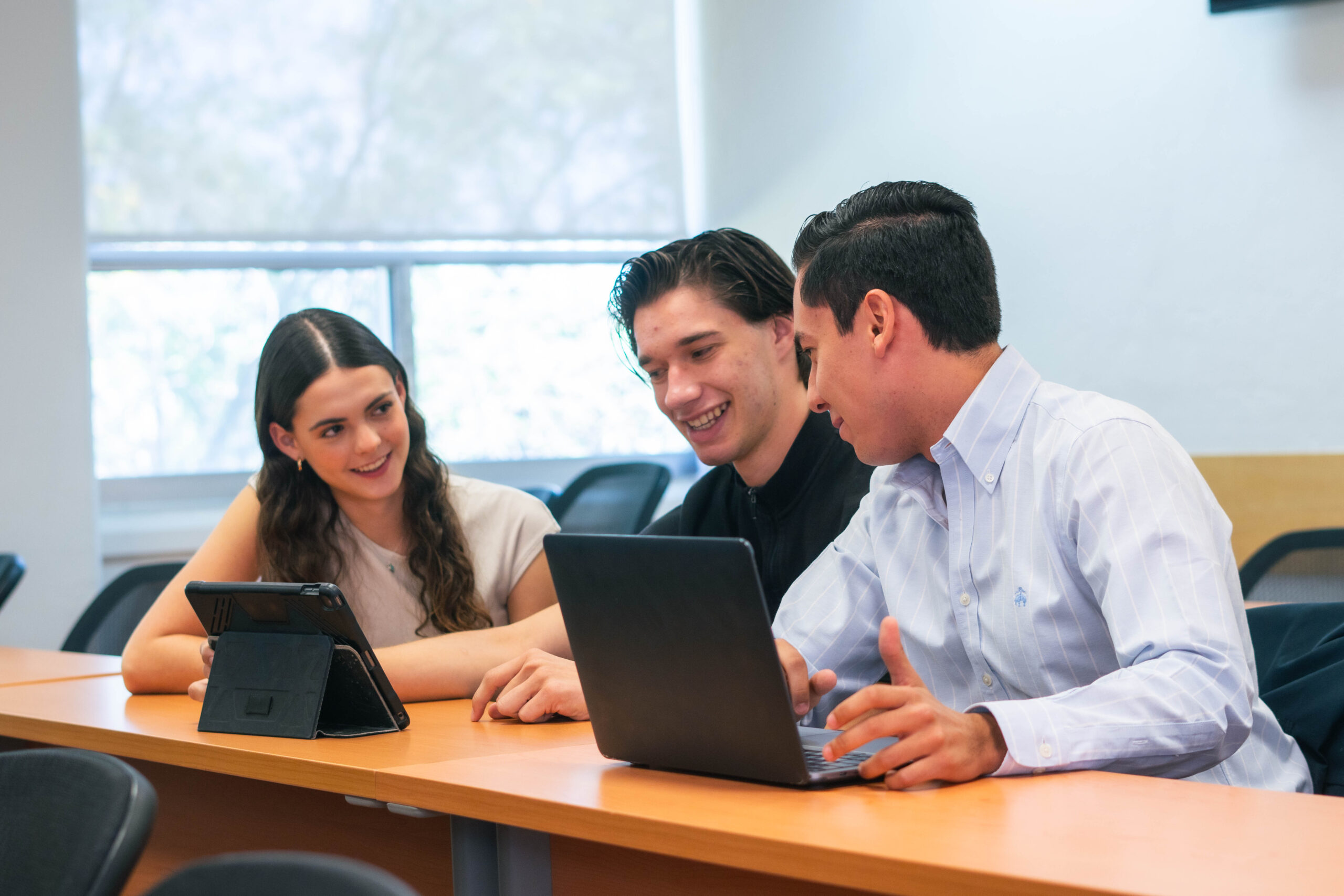
El proyecto también es una plataforma de formación para jóvenes investigadores aún estudiantes, como Ricardo H. Guerrero Lara, del Doctorado de inteligencia Artificial de la Universidad Panamericana; y Greneter Cordoves Delgado, estudiante de doctorado del Departamento de Ciencias de la Computación del Centro de Investigación Científica y de Educación Superior de Ensenada. Ambos participan activamente en el proyecto adquiriendo habilidades en bioinformática, química médica y biología molecular.
“Para nuestros estudiantes, esta es una oportunidad de involucrarse en un proyecto integral que va desde la teoría hasta la aplicación, fomentando una visión traslacional de la ciencia”, comenta el Dr. Marrero-Ponce.
Con esta investigación, la Universidad Panamericana reafirma su compromiso con la ciencia de frontera y la búsqueda de soluciones innovadoras que impacten positivamente en la salud y la sociedad.
Conoce más sobre lo que hacen los investigadores de la Universidad Panamericana en: https://www.up.edu.mx/tema/noticias/investigacion/
Researcher's data:
- Dr. Yovani Marrero-Ponce, profesor-investigador de la Facultad de Ingeniería de la Universidad Panamericana. SNII nivel III.
- Dr. Félix Orlando Martínez Ríos, profesor-investigador de la Facultad de Ingeniería de la Universidad Panamericana, SNII nivel I.
- Dr. Luis Antonio Garcia González, Centro de nanociencias y nanotecnología, UNAM.
Estudiantes:
- Greneter Cordoves Delgado, estudiante de doctorado, Departamento de Ciencias de la Computación. Centro de Investigación Científica y de Educación Superior de Ensenada. (CICESE).
Ricardo H. Guerrero Lara, estudiante del Doctorado de inteligencia Artificial, Academia de Tecnologías de la Información y Análisis, Universidad Panamericana.