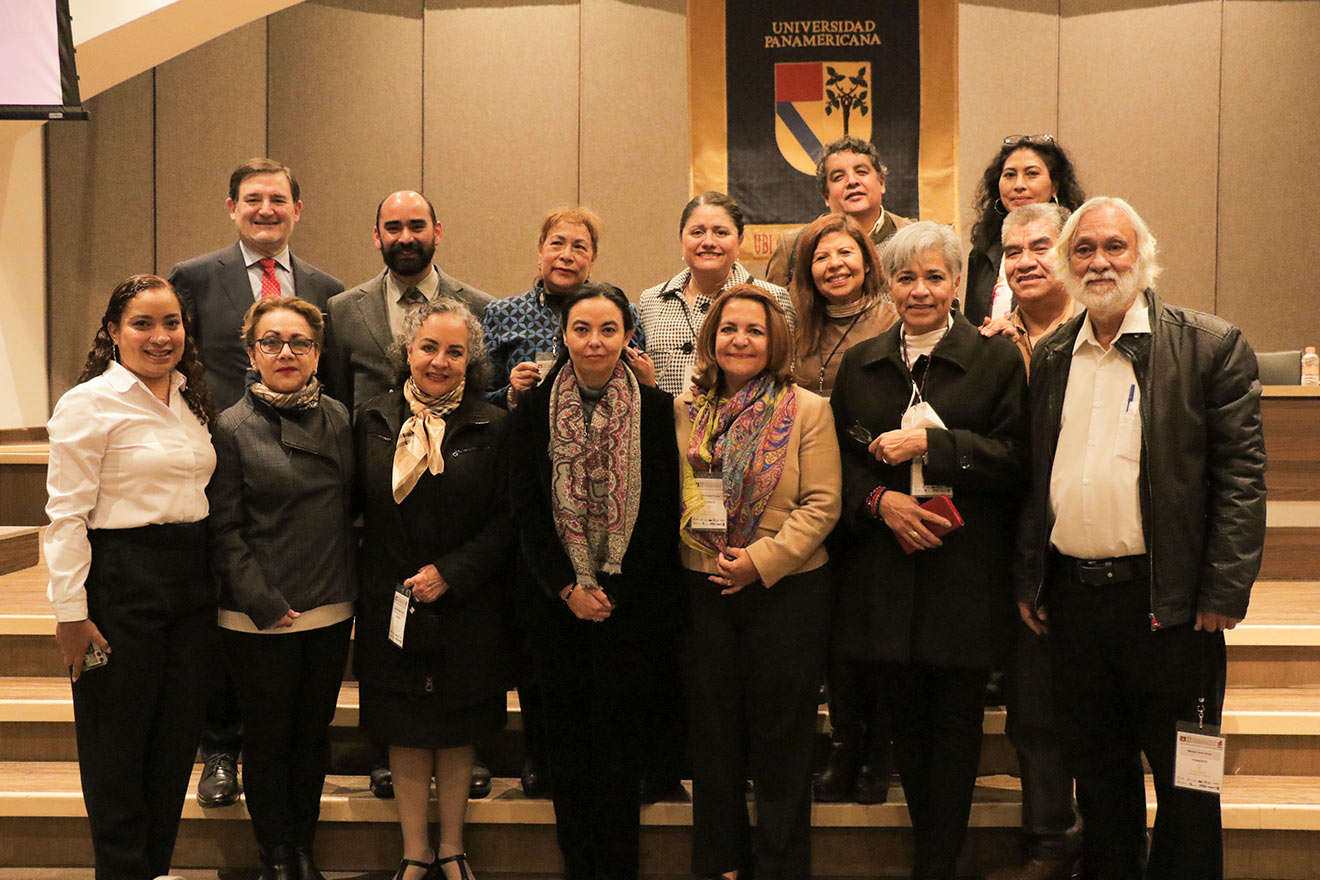
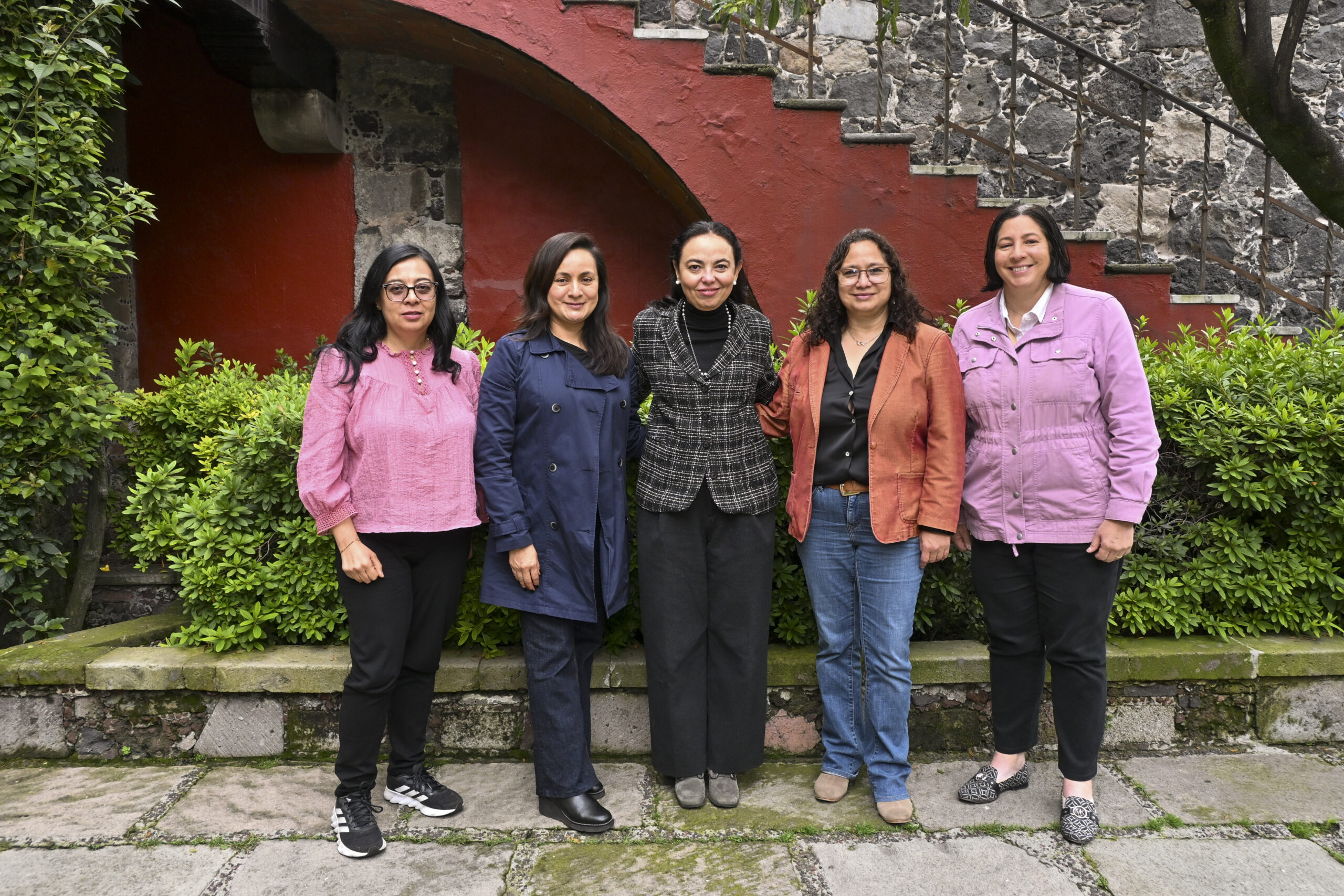
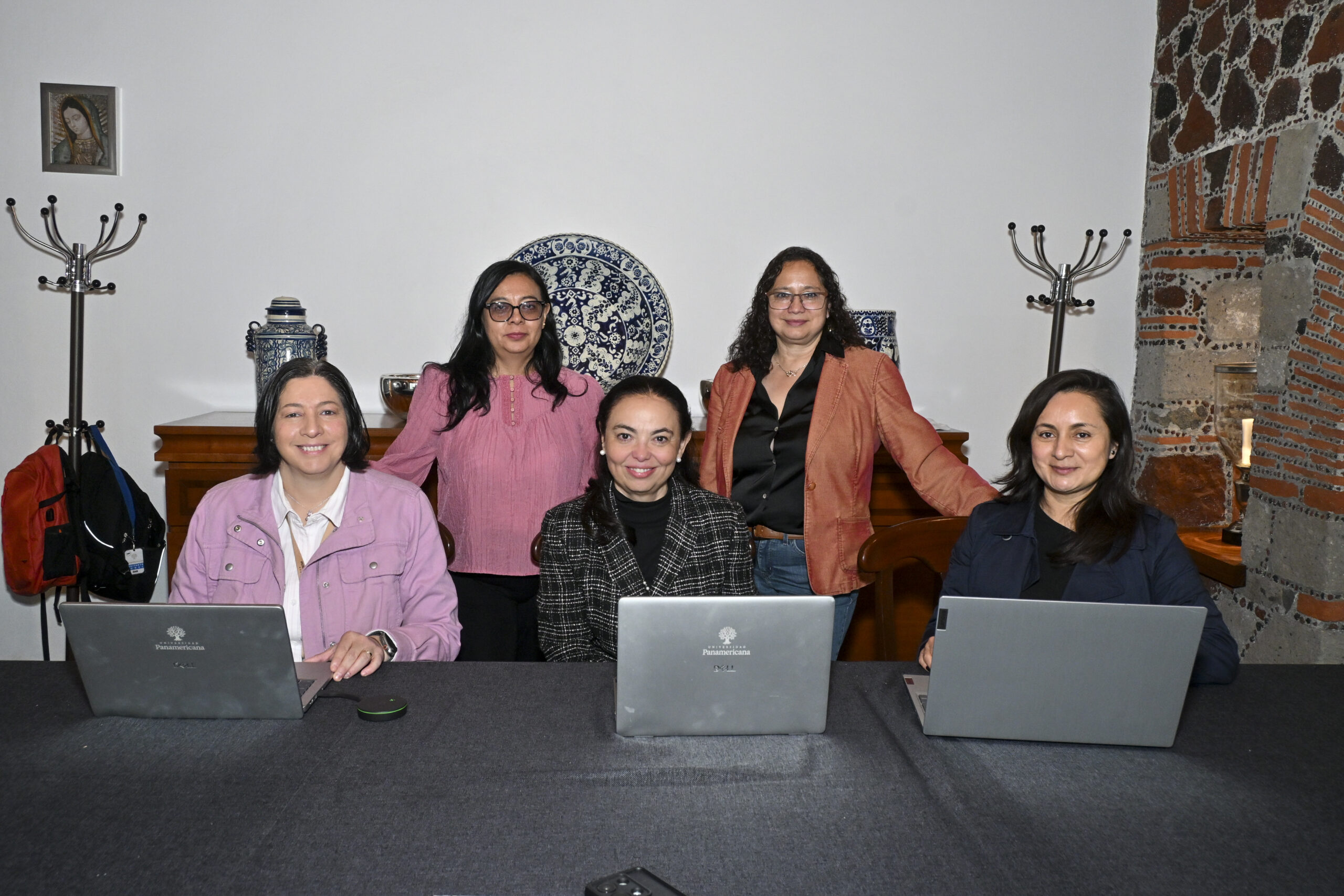
A group of female researchers from Universidad Panamericanathe Rosario Castellanos National University, the Polytechnic University of Atlautla, and the National Polytechnic Institute (IPN) is developing the project "Generative Artificial Intelligence (GenAI) Literacy Among Female University Faculty: Bridging Gaps in Mexican Higher Education Institutions".
This project is an initiative submitted by IPN to the 2026 National Call for Scientific and Humanities Research, under its Humanities Research section, where it secured official funding. Representing our university are Dr. Claudia Ortega Barba, Director of Research, and Dr. Sara Galbán Lozano, research professor, both from the School of Pedagogy.
An Urgency That Can No Longer Be Postponed
The project’s starting point is a premise that the researchers consider inescapable: Generative Artificial Intelligence is already embedded in everyday life, and understanding it is essential to teaching and learning processes.
“Knowledge, understanding, and proficiency in this technology are fundamental components of teaching and learning processes at all educational levels, particularly at the university, which must respond to the demands of the labor market and society”, explains Dr. Ortega.

This urgency is directly aligned with the 2030 Agenda: the researchers link faculty digital literacy to Sustainable Development Goals 4, 5, 8, 10, and 16 (quality education, gender equality, decent work and economic growth, reduced inequalities, and peace, justice, and strong institutions).
The researchers draw on evidence from UNESCO, which in 2022 documented a significant gender digital divide by identifying disparities in the use of information and communication technologies between men and women.
Hence the central objective of the project: to build institutional capacity for GenAI literacy among female university faculty, with the aim of reducing vulnerability gaps in higher education institutions operating in marginalized contexts, such as those served by IPN, Universidad Nacional Rosario Castellanos, and Universidad Politécnica de Atlautla.
An Academic Network with a Shared Purpose
The collaboration among the four institutions did not result from an external call, but from prior ties among female scholars. “Through academic networks, a working group with shared goals was formed to address pressing issues on the national agenda,”, notes Dr. Galbán.

This joint effort enabled IPN to submit the proposal to the 2026 National Call for Scientific and Humanities Research. Reflecting on the significance of securing this grant, the researchers state: “Thanks to the support obtained through this call, we will have the necessary funding to carry out the project,” ensuring the operational viability of an initiative that would otherwise depend on fragmented institutional resources across four universities.
Two Stages: First Diagnose, Then Train
The researchers explain that the project is divided into two clearly defined phases:
- Stage 1 – Diagnosis: involves designing and validating a survey instrument to measure GenAI literacy levels among female university faculty in marginalized areas. This instrument will enable the precise identification of the vulnerability gaps faced by each participating institution, rather than making assumptions about them in advance.
- Stage 2 – Curriculum Design and Pilot Testing: Based on the diagnostic findings, the team will determine the knowledge, skills, and attitudes that female faculty need to develop in order to minimize their training gaps. This instructional design will be implemented on a learning platform featuring three core attributes: open access, asynchronous coursework, and multimedia resources. The platform will subsequently undergo pilot testing to identify areas for improvement prior to eventual large-scale deployment.
The Role of Universidad Panamericana
As part of a project that the researchers themselves describe as inter-institutional and interdisciplinary—requiring specialists in education—Universidad Panamericana’s School of Pedagogy contributes a distinctive component: “the human-centered vision that characterizes us, alongside academic rigor grounded in the conceptual, theoretical, and epistemological foundations of pedagogical practice”, explains Dr. Galbán.
This contribution brings a pedagogical perspective to the project that complements the technological dimension of generative artificial intelligence and its application in teaching and learning processes.
An Impact That Extends Beyond the Classroom
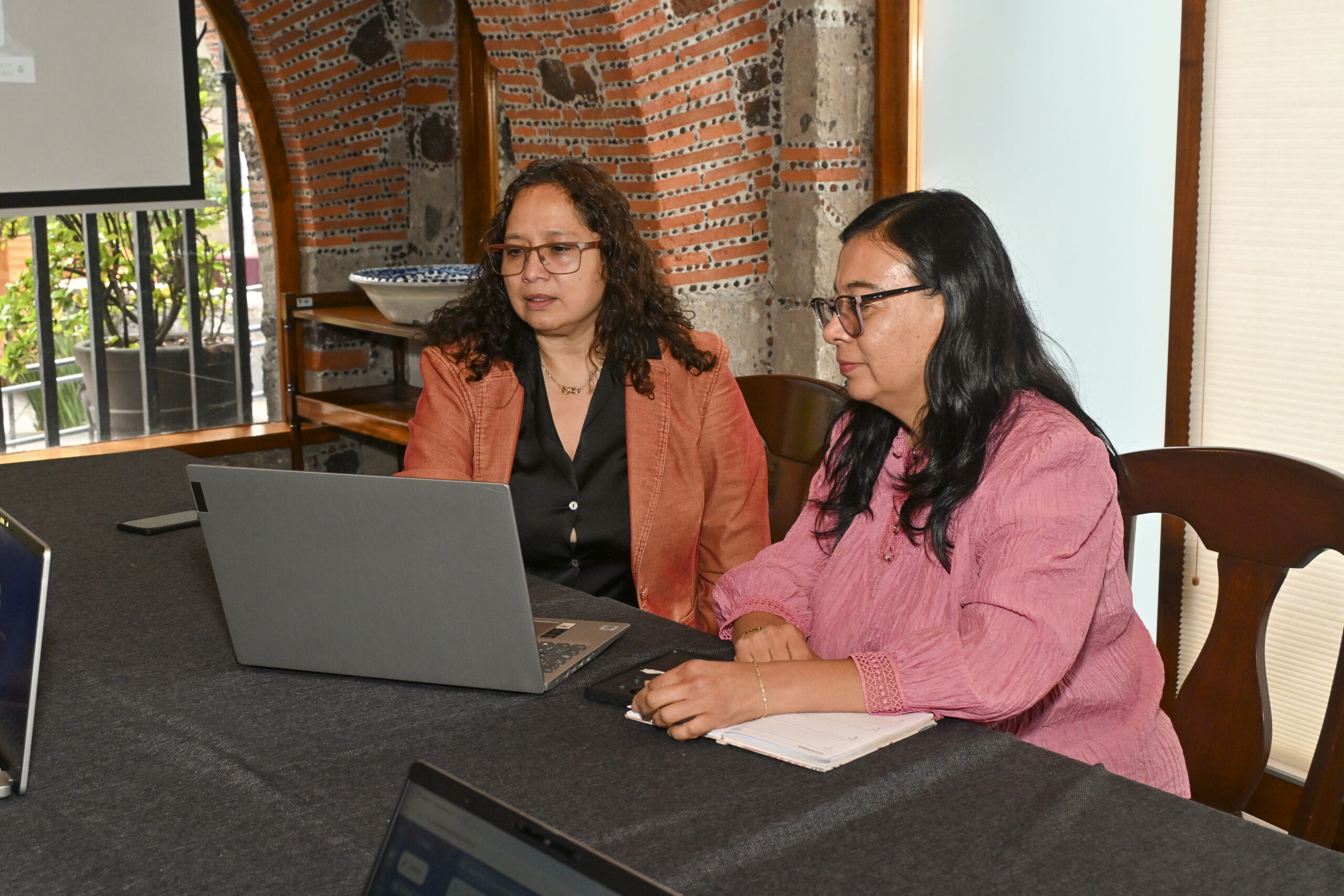
For the researchers, the expected outcomes of the project cover multiple dimensions. In the short term, they aim to strengthen female faculty members’ digital competencies in the use of GenAI, transforming their teaching practices and reinforcing their academic autonomy.
At the institutional level, they anticipate that integrating a gender perspective into GenAI training processes “will foster structural changes, advancing the empowerment of women working at the participating universities”, states Dr. Ortega. They also point out that students will benefit indirectly from the innovative teaching practices resulting from the program.
Finally, the scholars look toward the realm of public policy: the study’s findings “can serve as inputs for designing public policies that promote the ethical use of GenAI in support of social justice and with a gender perspective”, they note—an aspiration that extends beyond the classrooms of the four participating institutions and speaks to the Mexican higher education system as a whole.
Learn more about research projects at the Universidad Panamericana at: https://www.up.edu.mx/investigacion/