Mexico City, November 25, 2024.— ArtificialIntelligence (AI) is marking a turning point in the way education is conceived globally, and the Universidad Panamericana is positioning itself as a leader in this paradigm shift.
Through cutting-edge research and academic projects, Panamericana seeks not only to adopt emerging technologies, but also explore their potential to improve educational and administrative processes.
Personalization and Optimization in Learning
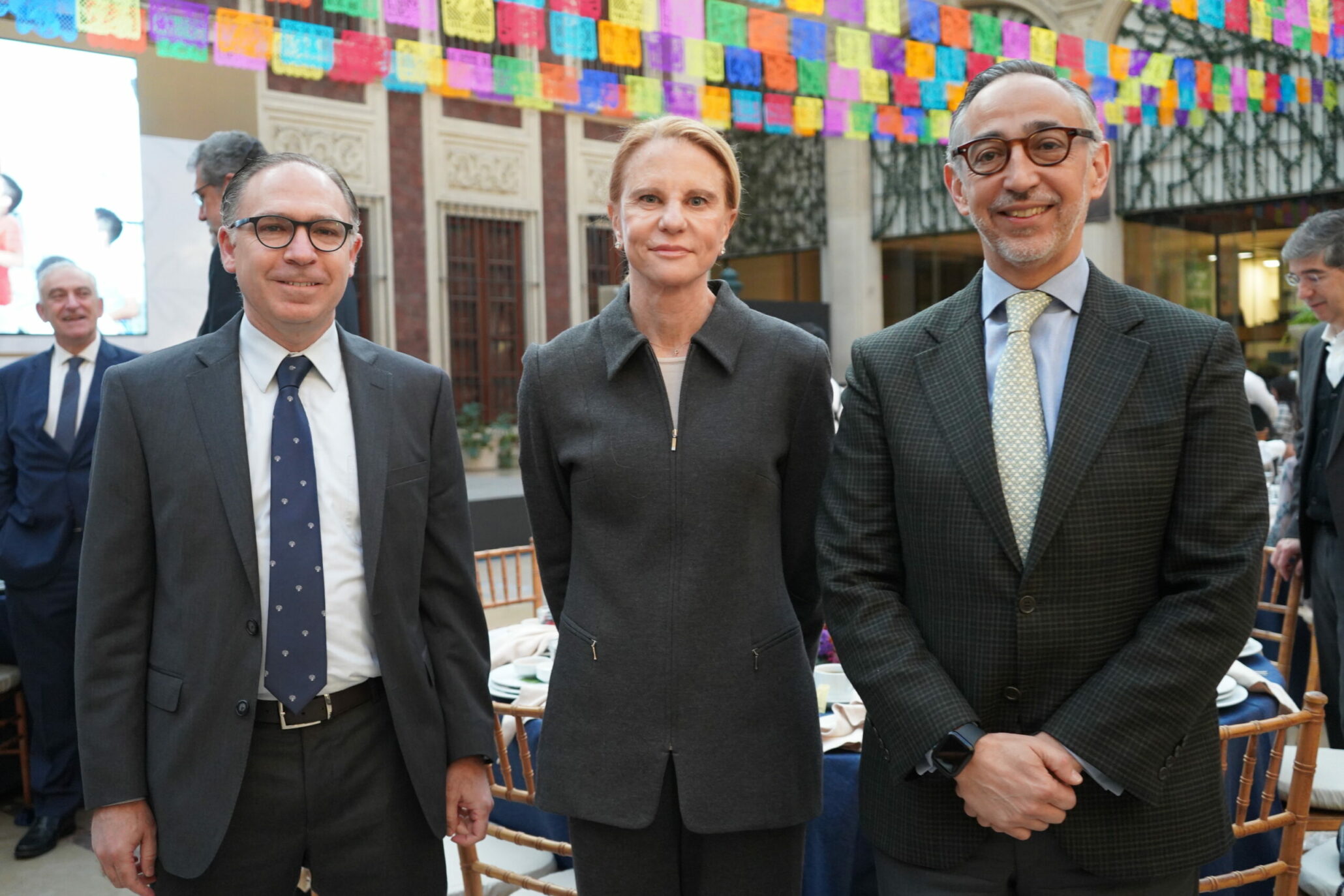
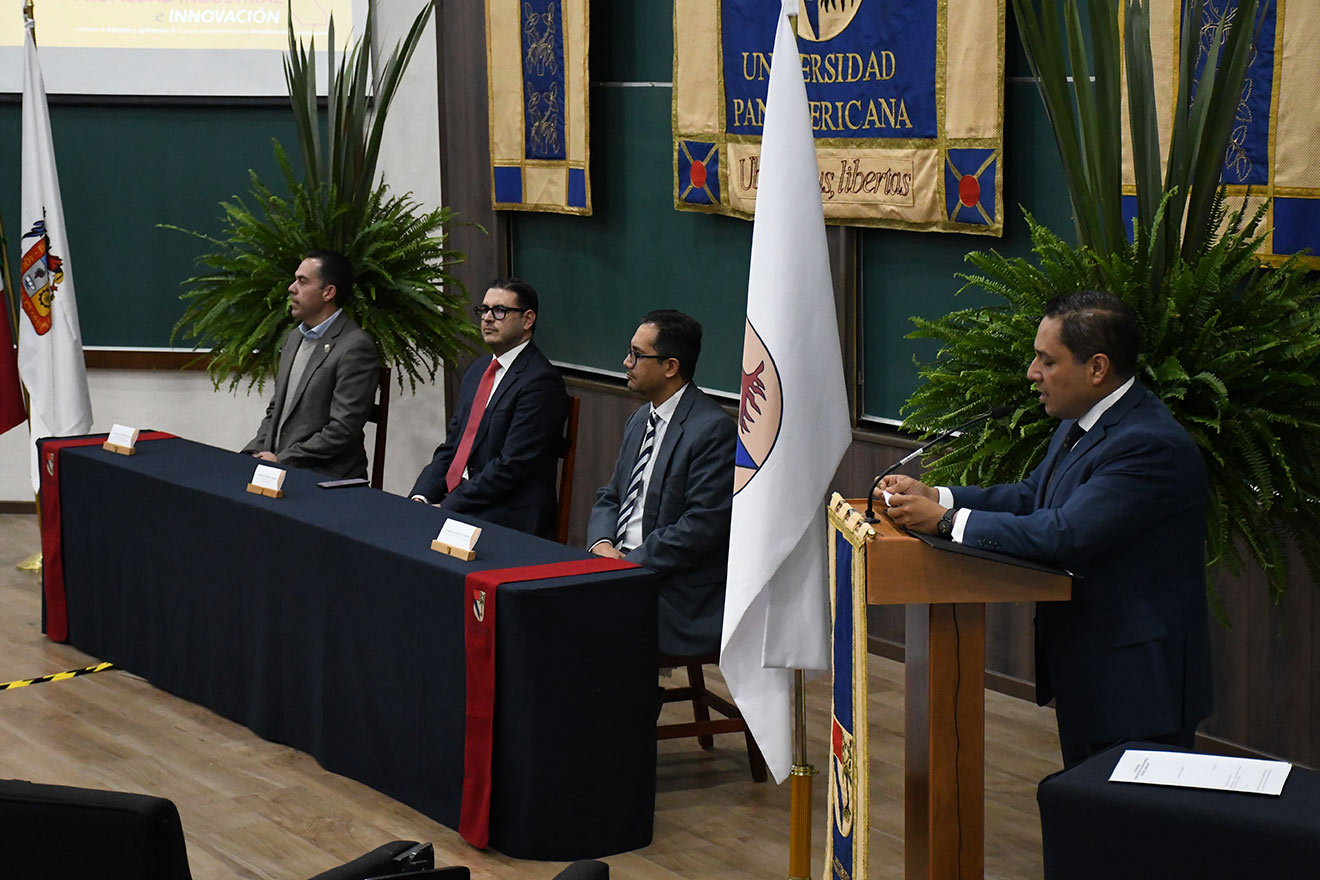
At a recent conference held on the Mexico City campus, the Dr.Lourdes Martínez Villaseñor, academic director of the Master’s in Data Science, emphasized that the personalization of learning is one of AI’s greatest contributions to education.
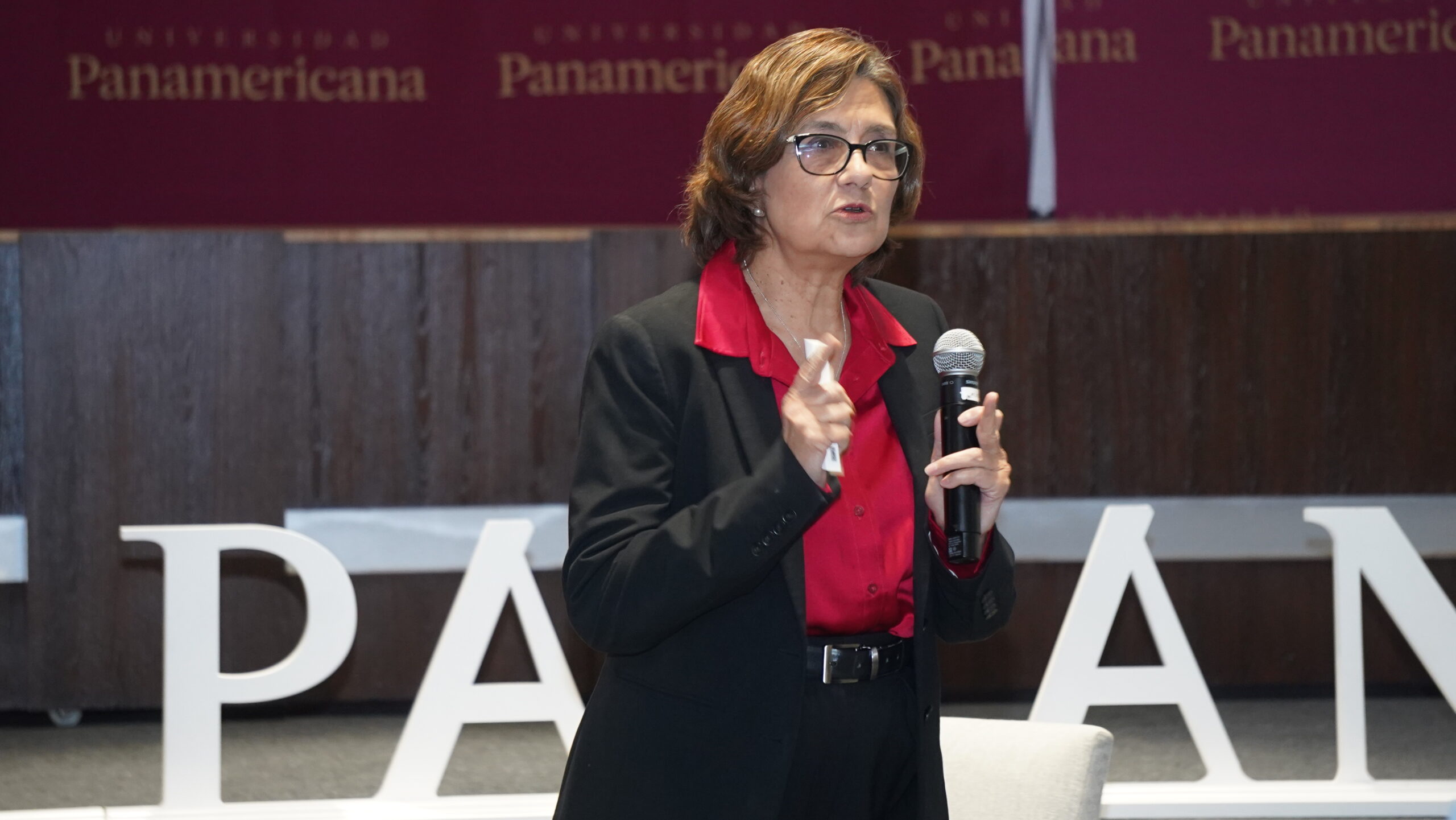
According to the researcher, this technology makes it possible to design content tailored to the individual needs of each student, promoting more efficient and meaningful learning. “AI allows us to create tools that adapt educational content to the specific needs of each student,”, she said.
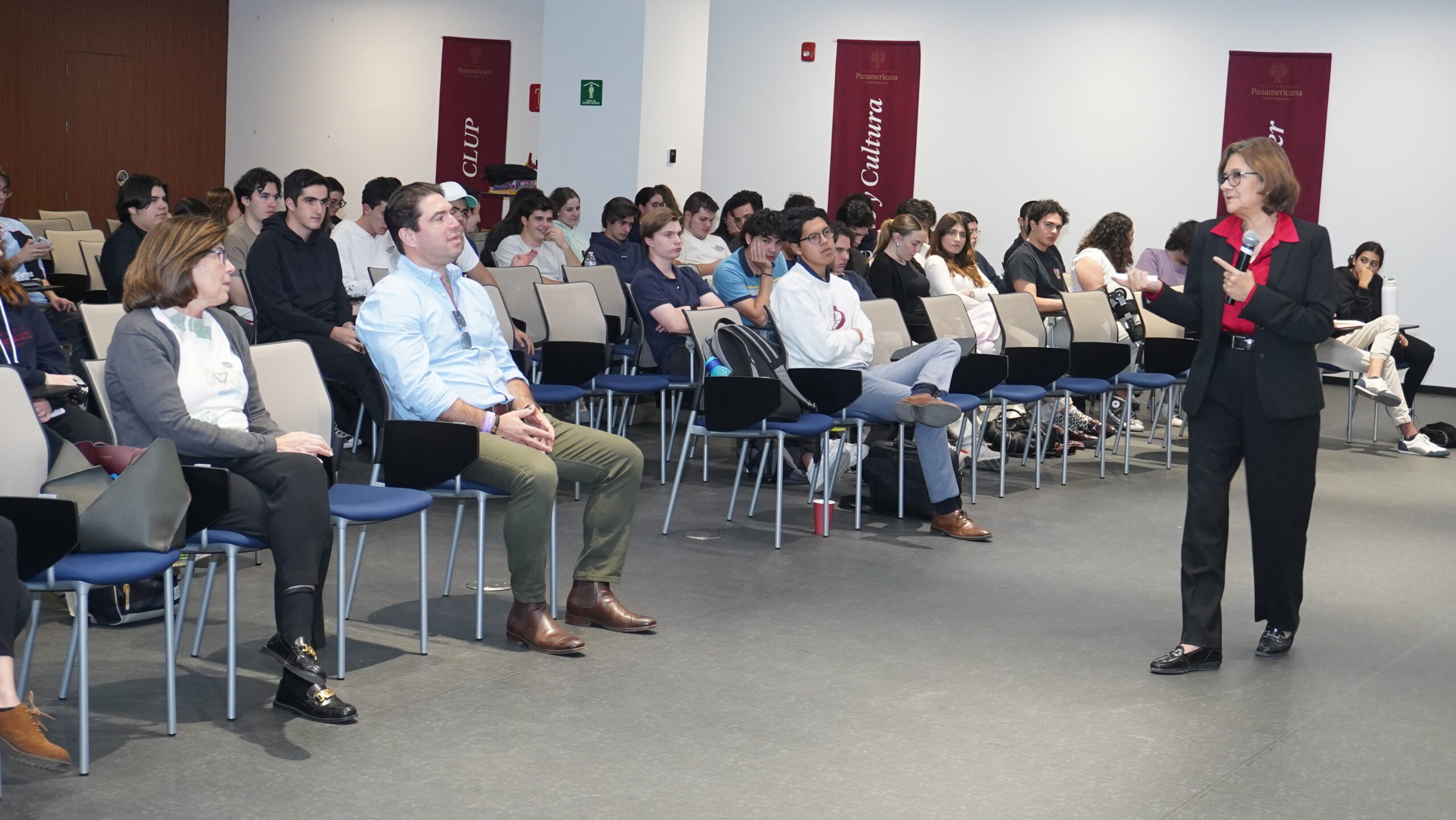
These innovations not only improve academic performance but also allow students to learn at their own pace.
Administrative efficiency and pedagogical innovation
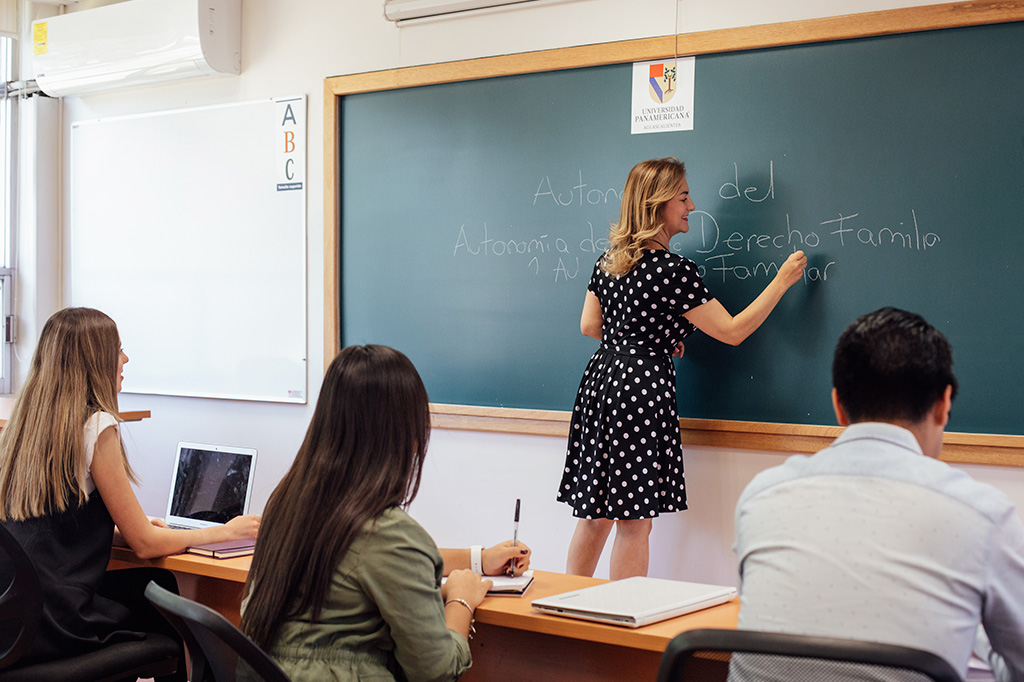
At the Aguascalientes campus, Dr. Claudia Nallely Sánchez Gómez, research secretary of the School of Engineering, highlighted the potential of Artificial Intelligence to optimizing administrative and educational processes in educational institutions.
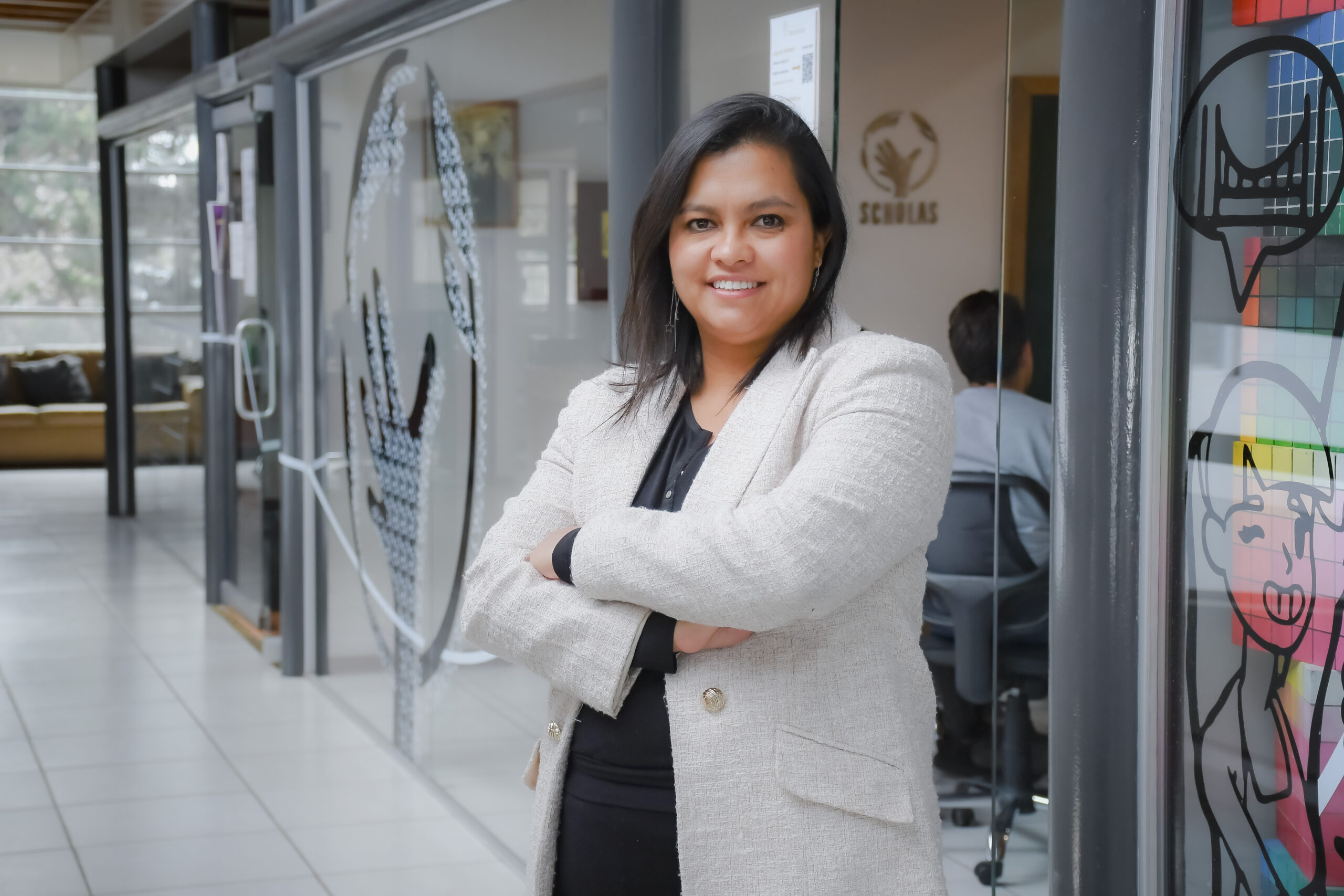
From automating administrative tasks to generating real-time reports, these tools free teachers from operational burdens, allowing them to focus on strategic and creative activities. “AI not only lightens the administrative load, but also allows teachers to concentrate on more meaningful activities”, explained Dr. Sánchez.
On the other hand, pedagogical innovation also finds fertile ground in the implementation of AI. According to Dr. Sánchez, engineers play a crucial role in the development of these technologies, designing systems that integrate generative AI and deep learning models to solve complex problems in educational settings.
““We are exploring how AI tools can help predict learning trends and develop interactive simulators that enrich the educational experience”, he noted.
Responsible ethics for an inclusive future
As these technologies are integrated into educational processes, their ethical implementation becomes a priority. Dr. Lourdes Martínez emphasized the importance of protecting the privacy of student data and preventing potential biases in algorithms. “Ethics in AI is essential to ensure that this technology benefits everyone and excludes no one,”, she stressed.
Her commitment to this vision earned her the 2023 North American Women Leaders in Responsible Artificial Intelligence Award, an award recognizing her work toward inclusive and equitable technological development.
Toward a New Era in Education
The Universidad Panamericana a future in which AI plays a central role in creating immersive and personalized learning experiences. Tools such as smart chatbots , automated assessment systems, and platforms that combine augmented reality with AI are among the innovations currently in development.
“Our goal is to prepare future professionals not only to use these tools, but also to contribute to the development of innovative solutions that have a positive impact on society,”concluded Dr. Sánchez.
Through a combination of academic rigor, ethical commitment, and technological innovation, the Universidad Panamericana its role as a leader in educational transformation. This is just the beginning of a journey in which artificial intelligence promises to redefine the horizons of learning and knowledge.
Learn more about the educational model at Universidad Panamericana : https://www.up.edu.mx/sobre-la-universidad-modelo-educativo/