As a result of the collaboration between the School of Engineering, the School of Business, and the School of Pedagogy and Psychology at the Guadalajara Campus of theUniversidad Panamericana , and the Gonzalo Río Arronte Foundation, an interdisciplinary research-action project has been launched in partnership with water utilities in Mexico.
What does the project involve?
The project focuses on planning and developing a community of practice for water operators. These communities serve as forums where professionals working in these organizations share the best practices implemented in their institutions, with the goal of benefiting the community at large. The initiative seeks to promote interagency collaboration to improve water management practices.
Challenges
Water utilities, despite being critical entities for providing water to residents in municipalities, face significant weaknesses. These challenges include budgetary issues, administrative challenges, communication with the public, and human resources management.
“We have identified a number of issues, but we believe this project can make a significant contribution to the community of interest. This will enable organizations to share best practices and solve problems efficiently.” – Dr. Hugo Briseño, professor at the School of Business.
Collaboration and Benefits
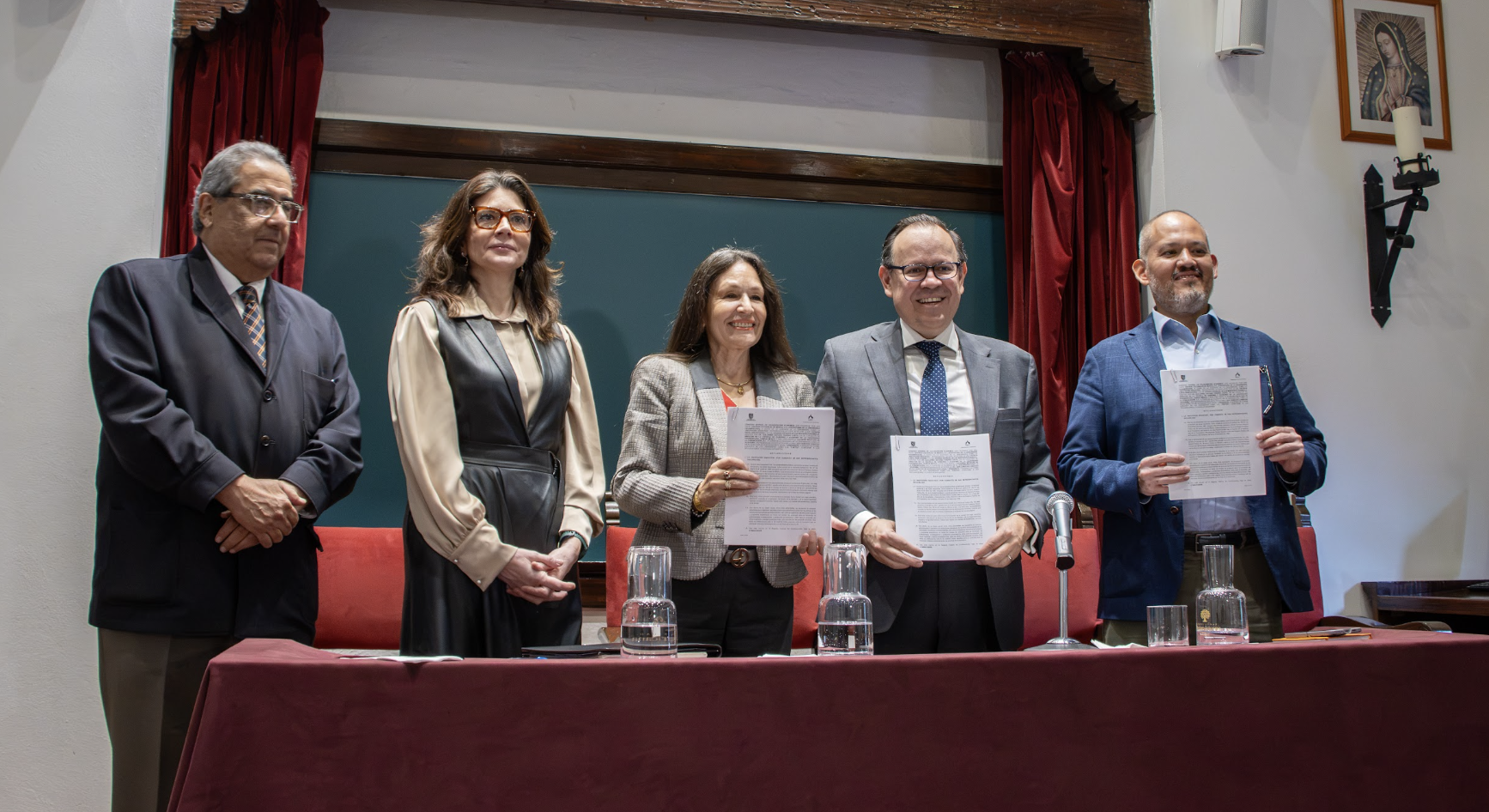
Collaboration with the eight water utilities was made possible through the Gonzalo Río Arronte Foundation, and it is expected that this collaboration will yield benefits through community organization and the strengthening of relationships with these entities.
Collaboration with the Gonzalo Río Arronte Foundation has played a critical role, providing financial resources to help communities organize and facilitating relationships with other organizations. Their support has become essential to the project's success.
Strategies
To ensure effective development, key strategies have been implemented, ranging from facilitating communication among the entities and encouraging the exchange of information and best practices to the successful integration of the entities into this community—a crucial achievement for ensuring that these communities can function independently in the future.
Goals Achieved
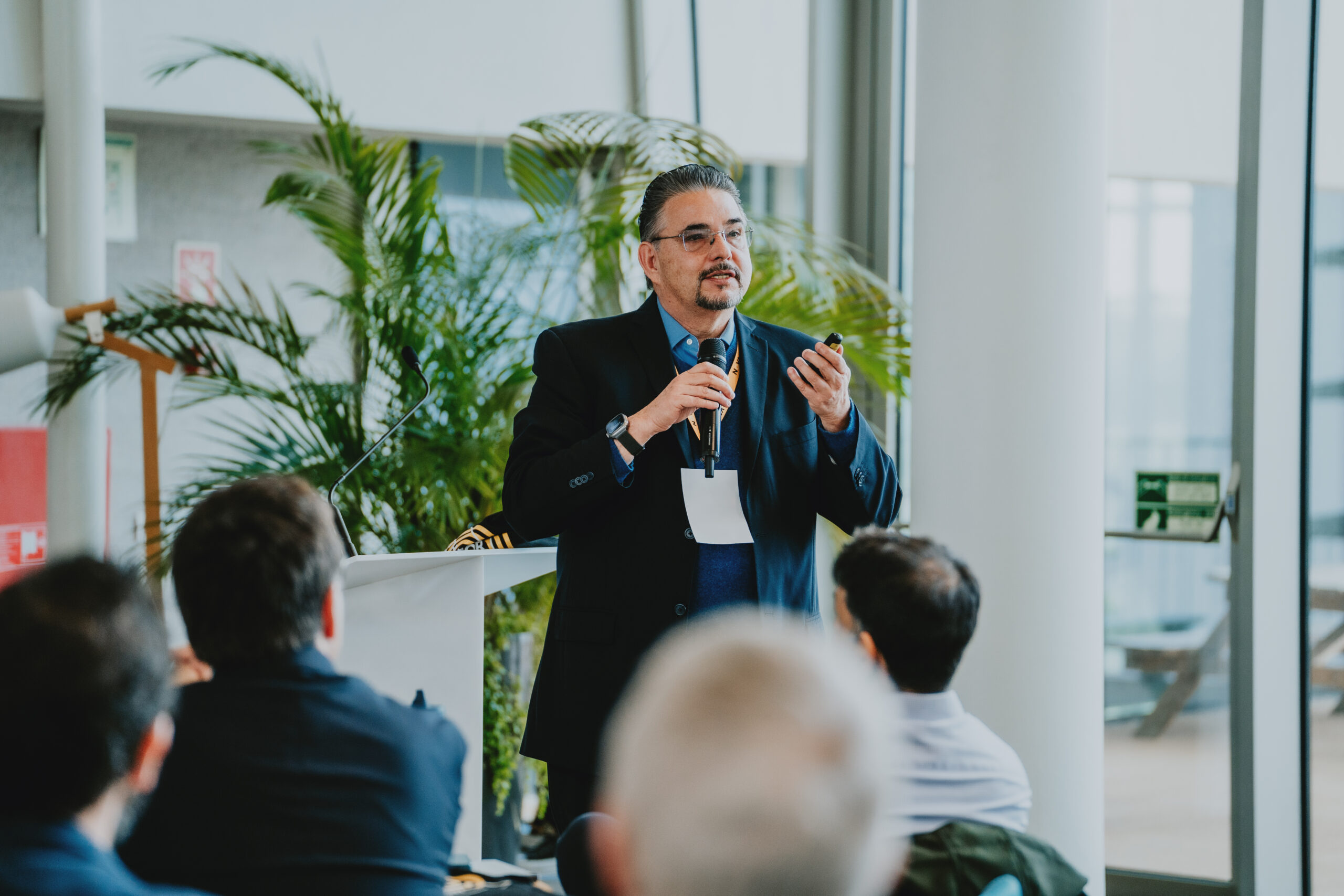
To date, the project has achieved significant milestones, such as the creation and consolidation of communities, the development of a digital platform, the design of a syllabus, and the successful organization of a workshop at the ANEAS convention with over 70 participants.
Work Team
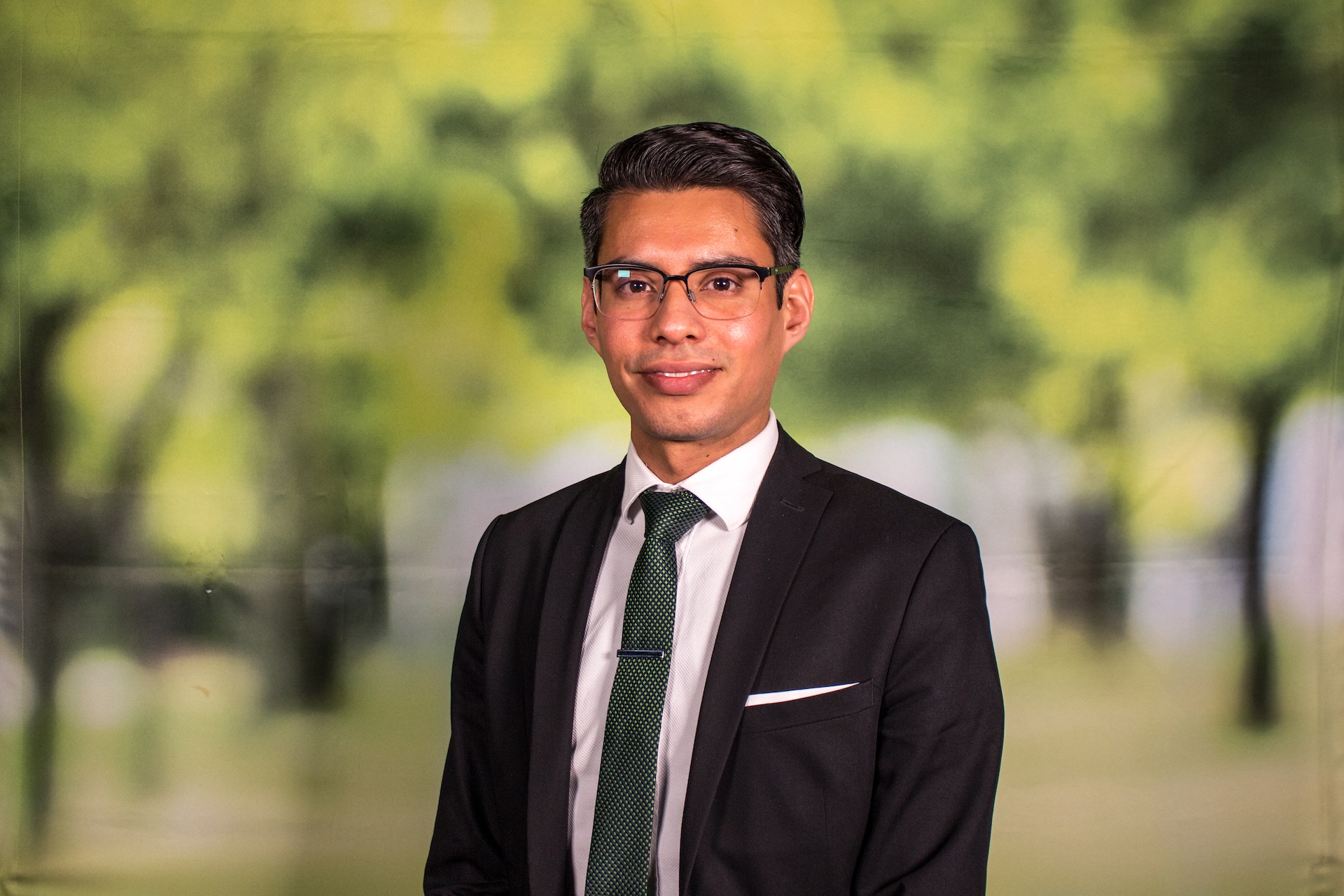
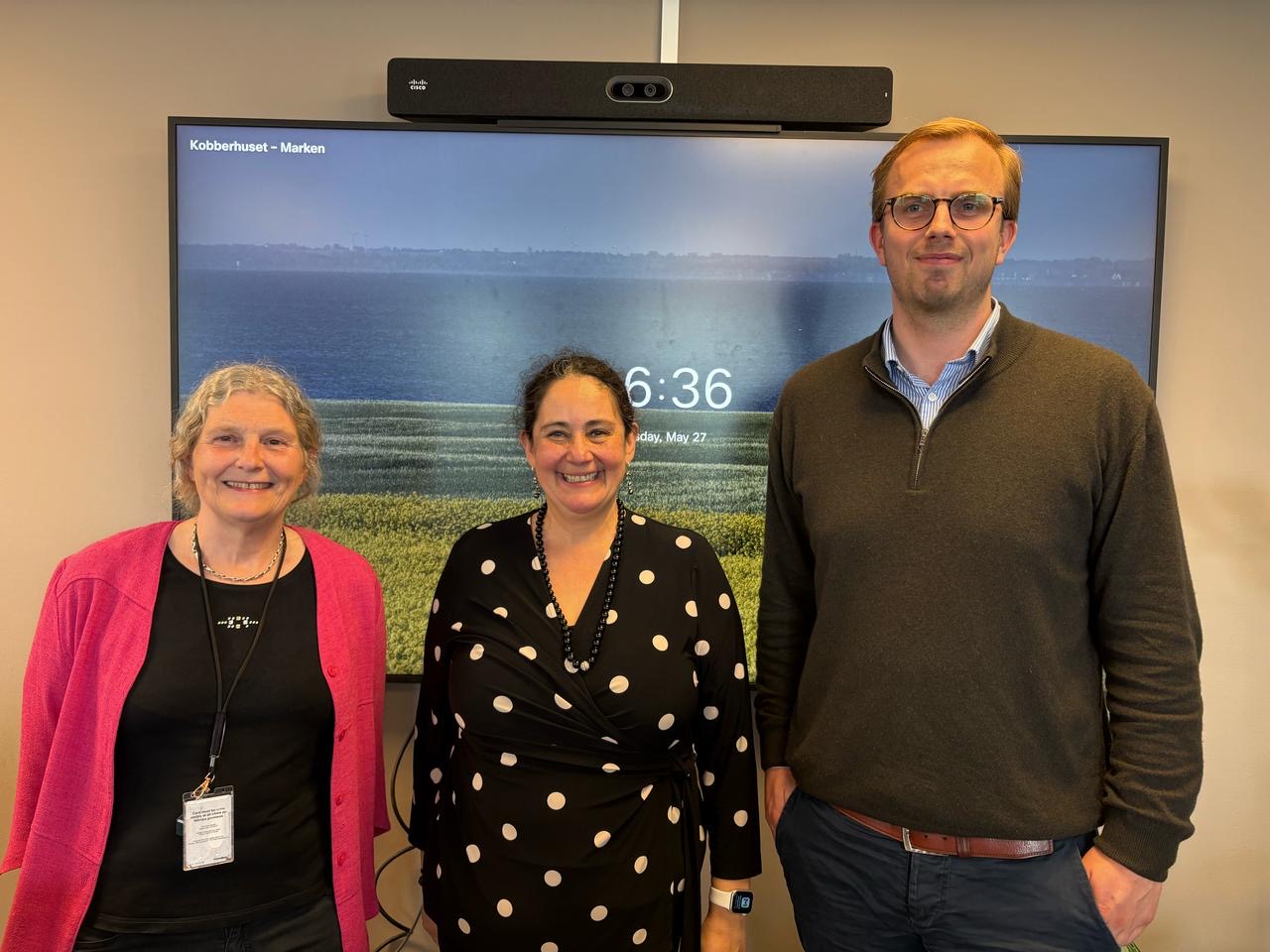
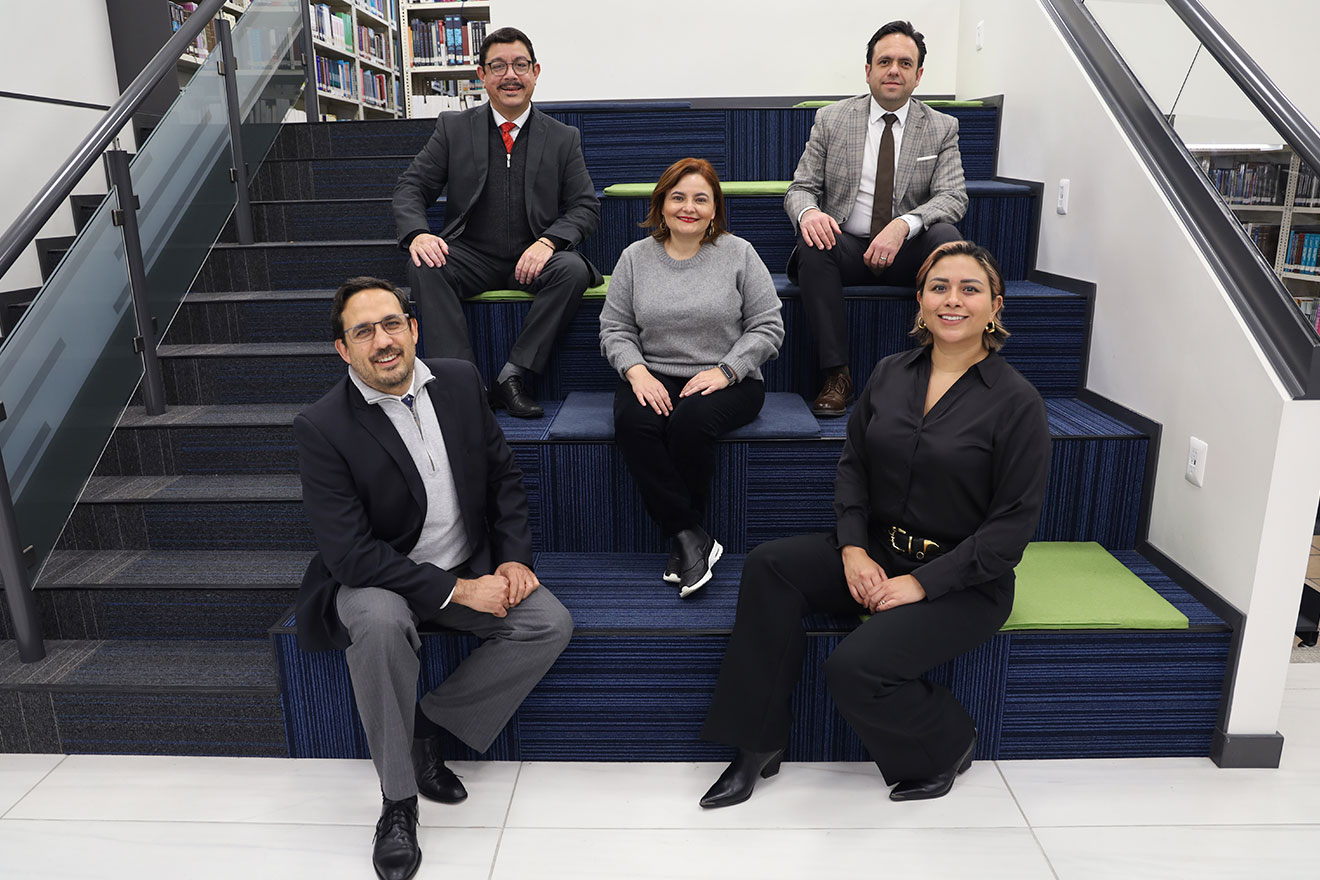
The team consists of professors from the School of Pedagogy and Psychology— Professor Julián Ochoa and Dr. Ligia García—Dr. Hugo Briseño from the School of Business, and, from the School of Engineering, Professor Rodrigo Navarro, Dr. Miguel Alcaráz, and alumna Alma Juárez.
Rodrigo and Dr. Hugo are specialists in technical aspects related to the organizations; Dr. Miguel Álcaraz is the creator of the digital platform; and Dr. Julian and Dr. Ligia have contributed to the pedagogical design of the communities. Alumni Alma Juárez serves as the project’s administrative manager.
“The collaboration among professors has been very enriching, because the different perspectives we’ve gained from the business, technical, and educational sectors have enriched a year-long work process, enabling us to contribute to and collaborate with the community.” -Rodrigo Navarro, professor at the School of Engineering.
This partnership between Universidad Panamericana and the Gonzalo Río Arronte Foundation not only represents a team effort but also a strong commitment to our social responsibility. This project reflects a genuine commitment to our community and the environment.